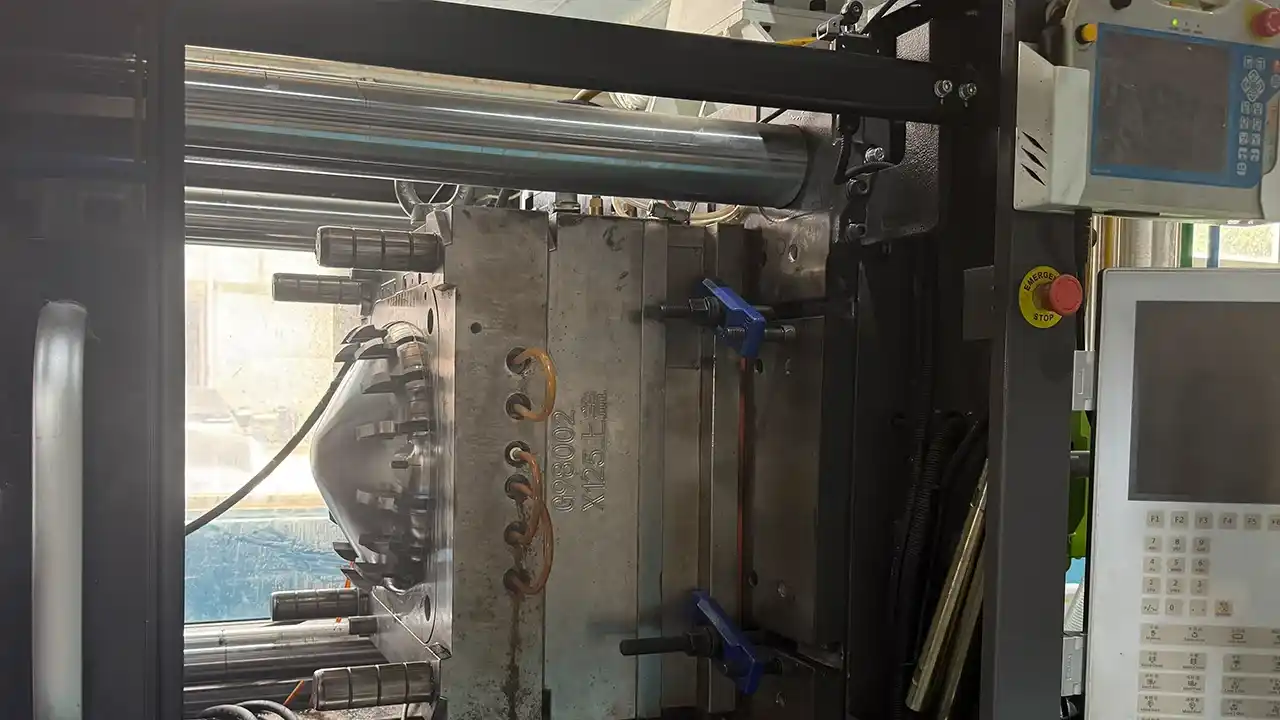

El plástico ASA —acrilonitrilo-estireno-acrilato— se diseñó específicamente para resolver el problema de la durabilidad en exteriores que el ABS no puede solucionar. Al sustituir la fase de caucho de polibutadieno del ABS (que contiene dobles enlaces carbono-carbono sensibles a los rayos UV) por un elastómero de éster acrílico saturado, el ASA alcanza una resistencia a los rayos UV aproximadamente diez veces superior a la del ABS, al tiempo que conserva las mismas características de procesamiento, estabilidad dimensional y resistencia al impacto que convirtieron al ABS en el termoplástico estructural por excelencia para aplicaciones en exteriores.
Para los ingenieros que diseñan componentes destinados a pasar toda su vida útil al aire libre, el moldeo por inyección de ASA no es una opción de gama alta, sino la especificación básica más racional. Esta guía ofrece toda la información necesaria para evaluar, especificar y fabricar con éxito componentes de plástico ASA: composición química del material, selección de grados, parámetros de proceso, diseño de moldes, aplicaciones industriales, normas de DFM y el marco de cumplimiento normativo para los mercados de Europa, Norteamérica y Oriente Medio a los que presta servicio Dimud.
¿Qué es ASA Plastics?
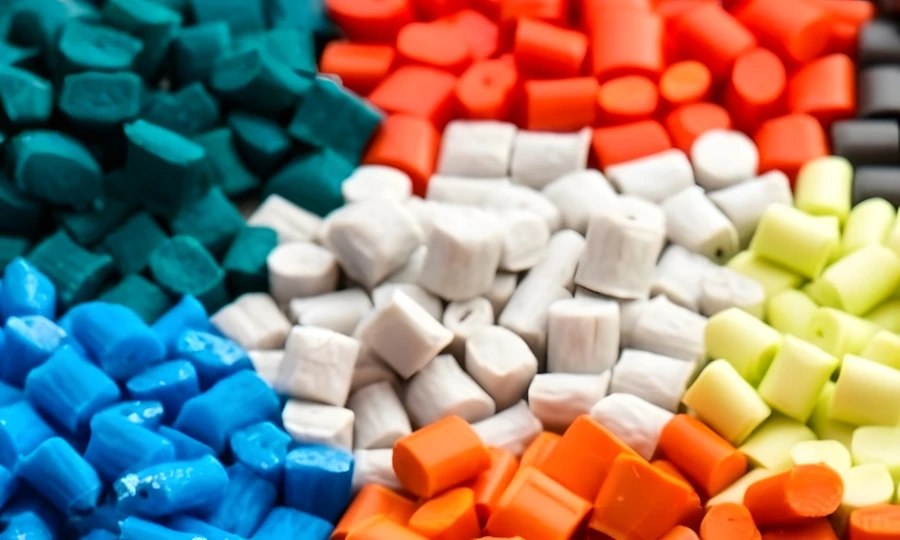
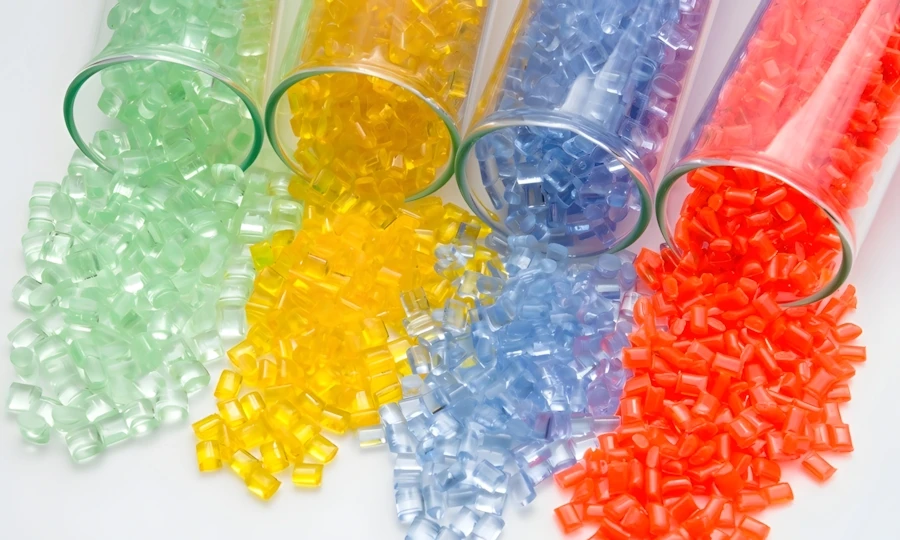
Los plásticos ASA —acrilonitrilo-estireno-acrilato— son un terpolímero termoplástico de ingeniería amorfo que se produce mediante la polimerización por injerto de estireno y acrilonitrilo sobre una cadena principal de caucho de éster acrílico reticulado, que a continuación se integra en una matriz continua de estireno-acrilonitrilo (SAN). Cada uno de los tres componentes aporta unas características específicas de rendimiento:
- Acrilonitrilo (A): Resistencia química, dureza superficial y estabilidad térmica: las mismas propiedades que aporta al ABS y al SAN.
- Estireno (S): Rigidez, brillo superficial, facilidad de procesamiento: las propiedades características del poliestireno.
- Caucho acrilato (A): Resistencia al impacto y, lo que es más importante, estabilidad frente a los rayos UV, gracias a la ausencia de dobles enlaces carbono-carbono que, de otro modo, absorberían la energía ultravioleta y provocarían la degradación.
Este tercer componente es el avance técnico que distingue a los plásticos ASA del ABS. El ABS consigue su resistencia al impacto gracias a las partículas de caucho de polibutadieno; sin embargo, los dobles enlaces carbono-carbono (C=C) del polibutadieno absorben la radiación UV y sufren una escisión fotooxidativa de la cadena, lo que provoca el amarilleamiento, el desprendimiento de polvo y la fragilización que impiden que el ABS sea apto para un uso prolongado en exteriores. El ASA sustituye el butadieno por caucho reticulado de acrilato de n-butilo o de acrilato de 2-etilhexilo —elastómeros saturados sin dobles enlaces, que no ofrecen ninguna vía para la degradación iniciada por los rayos UV—. El resultado es un material que conserva el color, el brillo y las propiedades mecánicas tras 3.000-5.000 horas de ensayos de exposición acelerada a los rayos UV, mientras que el ABS comienza a fallar en un plazo de 200-400 horas.
Lo que ofrece el plástico ASA y que el ABS no puede ofrecer:
- Resistencia a los rayos UV: > 3.000 horas de exposición al arco de xenón (ISO 4892-2) sin pérdida significativa de brillo ni alteración del color
- Resistencia a la intemperie 10 veces superior a la del ABS en entornos de exposición al aire libre
- Resistencia química superior a los alcoholes, los productos de limpieza y los líquidos de automoción en comparación con el ABS
- Mayor resistencia al agrietamiento por estrés ambiental (ESC) que el ABS en contacto con disolventes comunes
- Temperatura de deflexión térmica ligeramente superior (HDT: 95-105 °C frente a los 85-100 °C del ABS)
- Estabilidad intrínseca del color: las piezas exteriores de ASA sin pintar mantienen un valor ΔE < 2,0 tras tres años de exposición al aire libre.
Lo que el plástico ASA pierde frente al ABS:
- Coste de los materiales: el coste de las materias primas es entre 15 y 301 TP3T superior al del GP-ABS
- Resistencia al impacto Izod con muesca: ligeramente inferior a la del HI-ABS en condiciones de bajas temperaturas (< −10 °C)
- Transparencia óptica: el ASA es opaco, por lo que no es adecuado para aplicaciones transparentes
En Dimud, Los programas de plásticos de ASA se centran principalmente en componentes exteriores para el sector de la automoción, carcasas para equipos electrónicos de exterior y piezas arquitectónicas relacionadas con la construcción —aplicaciones en las que la resistencia a los rayos UV y a la intemperie de este material no es una preferencia, sino un requisito técnico obligatorio—.
Clasificación de las imágenes: ASA estándar, PC/ASA y variantes especiales
ASA estándar (uso general)
El grado básico: resistencia equilibrada a los rayos UV, resistencia al impacto, estabilidad dimensional y brillo superficial, todo ello con el menor coste de material ASA. El color natural va del blanco roto al crema claro. Su procesamiento es muy similar al del ABS; los ingenieros familiarizados con los programas de ABS pueden pasar a utilizar ASA con un ajuste mínimo del proceso.
Entre las denominaciones comerciales se incluyen Luran® S (INEOS Styrolution), Terluran® ASA (BASF), Centrex® (Lanxess), y Geloy® (SABIC). Se trata de los grados de referencia para aplicaciones en exteriores de vehículos y en entornos al aire libre a nivel mundial.
Mezcla de PC y ASA
El tipo de material modificado más importante para aplicaciones estructurales al aire libre que exigen un alto rendimiento. El policarbonato aleado con ASA combina:
- La resistencia inherente del ASA a los rayos UV y a la intemperie, combinada con la mayor resistencia al impacto y la elevada temperatura de deformación térmica (HDT) del PC
- La temperatura de transición vítrea (HDT) aumenta de 95-105 °C (ASA puro) a 115-130 °C (PC/ASA, dependiendo del contenido de PC)
- Mejora de la resistencia al impacto a baja temperatura: el PC/ASA mantiene una resistencia al impacto con muesca según Charpy superior a 30 kJ/m² a −30 °C, frente a los 15-25 kJ/m² del ASA a la misma temperatura.
- Mayor estabilidad dimensional a temperaturas elevadas, lo cual es fundamental para las piezas exteriores de los vehículos que alcanzan temperaturas superficiales de entre 85 y 95 °C bajo la luz solar directa del verano
El PC/ASA es el material predominante en los componentes exteriores de alta gama para el sector de la automoción —carcasas de retrovisores laterales, molduras de pilares, marcos de rejillas y conjuntos de manillas de puerta—, en los que las especificaciones de los fabricantes de equipo original (OEM) exigen simultáneamente resistencia a los rayos UV y resistencia al impacto en climas fríos. Dimud procesa mezclas de PC/ASA para clientes del sector de la automoción como servicio estándar, junto con los programas de ASA puro.
Grados ASA especiales y modificados
| Curso | Modificación | Ventaja principal | Solicitud |
|---|---|---|---|
| FR-ASA | Aditivos ignífugos | UL 94 V-0 / V-2 | Aparatos electrónicos para exteriores, cajas para telecomunicaciones |
| GF-ASA (10–20% GF) | Refuerzo de fibra de vidrio | Mayor rigidez + HDT | Soportes estructurales para exteriores, carcasas para estaciones de recarga de vehículos eléctricos |
| ASA de alto brillo | Morfología optimizada del caucho | Superficie de calidad SPI A1 sin pintar | Piezas exteriores sin pintar para el sector de la automoción |
| ASA resistente al calor | Matriz SAN modificada | Temperatura de deformación térmica (HDT) de 110 a 115 °C | Piezas de automoción y de construcción adyacentes al techo |
| ESD-ASA | Aditivos conductores | Disipación de la electricidad estática | Aparatos electrónicos para exteriores en entornos sensibles a las interferencias electromagnéticas |
| ASA con acabado mate | Aditivos para la textura de la superficie | Estética exterior de bajo brillo | Revestimientos para la construcción, invernaderos |
Propiedades físicas y mecánicas clave
| Propiedad | ASA estándar | Mezcla de PC y ASA | GF-ASA (15% GF) | Norma de ensayo |
|---|---|---|---|---|
| Densidad | 1,06–1,08 g/cm³ | 1,13–1,16 g/cm³ | 1,17–1,20 g/cm³ | ISO 1183 |
| Resistencia a la tracción | 42–55 MPa | 50–65 MPa | 80-100 MPa | ISO 527 |
| Módulo de flexión | 2.100–2.600 MPa | 2.400–2.900 MPa | 5.500–7.000 MPa | ISO 178 |
| Resistencia al impacto Izod con muesca (23 °C) | 150–250 J/m | 300–500 J/m | 80–120 J/m | ISO 180 |
| Resistencia al impacto Izod con muesca (−30 °C) | 60–100 J/m | 200–350 J/m | 50–80 J/m | ISO 180 |
| Alargamiento a la rotura | 20–40 % | 30–60 % | 3–8 % | ISO 527 |
| Temperatura de deformación térmica (1,82 MPa) | 85–100 °C | 110–125 °C | 105–115 °C | ISO 75 |
| Temperatura de deformación térmica (0,45 MPa) | 95–105 °C | 120–130 °C | 115–125 °C | ISO 75 |
| Punto de reblandecimiento Vicat | 100–110 °C | 115–130 °C | 110–120 °C | ISO 306 |
| Contracción del molde | 0,4–0,8 % | 0,5–0,9 % | 0,2–0,5 % | ISO 294-4 |
| Absorción de agua (24 h) | 0,15–0,25 % | 0,15–0,25 % | 0,10–0,20 % | ISO 62 |
| Dureza Rockwell | M 75–85 | M 78–90 | M 85–95 | ISO 2039-2 |
| Rigidez dieléctrica | 13–16 kV/mm | 14–17 kV/mm | 13–16 kV/mm | IEC 60243 |
| Inflamabilidad | HB | HB | HB | UL 94 |
| Desgaste por arco de xenón (ΔE) | < 2,0 (3.000 h) | < 2,0 (3.000 h) | < 3,0 (2 000 h) | ISO 4892-2 |
| Resistencia a los rayos UV frente al ABS | ~10 veces mejor | ~12 veces mejor | ~8 veces mejor | Comparativo |
Nota técnica de Dimud — Estabilidad del color en la producción
La estabilidad del color de los plásticos ASA a lo largo de las series de producción es una de sus ventajas más valiosas desde el punto de vista práctico, pero de las menos comentadas. El ABS sufre ligeros cambios de color de un lote a otro debido a su sensibilidad a la degradación oxidativa; cuanto más oscura es la especificación de color, más visible resulta esta variación. La fase de caucho saturado del ASA elimina este mecanismo, lo que proporciona valores ΔE uniformes en todos los lotes de producción y reduce las tasas de rechazo por falta de coincidencia de color entre un 40 % y un 60 % en nuestros programas de exteriores para automoción, en comparación con los programas equivalentes de ABS. Para cualquier programa con especificaciones de color estrictas (ΔE < 1,0 entre lotes), el ASA es la opción de calidad de producción, independientemente de si la resistencia a los rayos UV es un requisito explícito.
Moldeo por inyección de ASA: parámetros del proceso y buenas prácticas
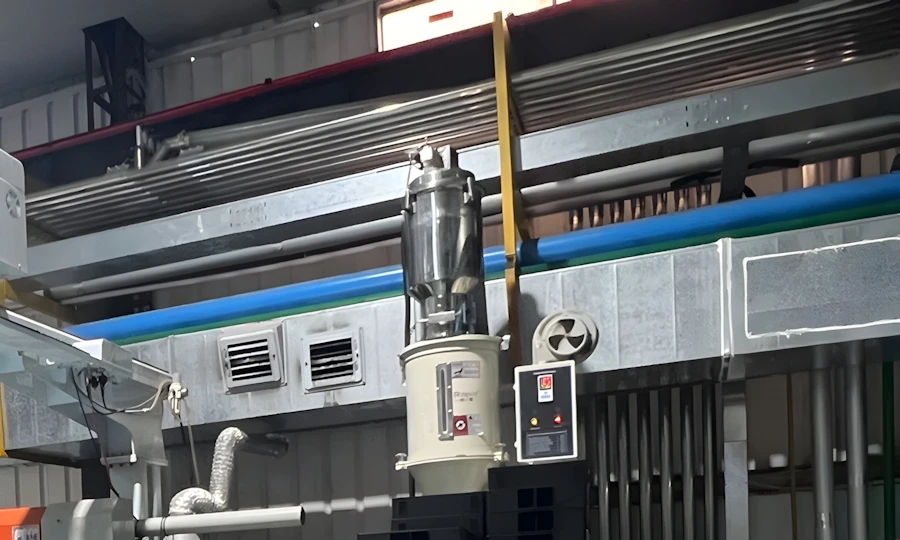
El moldeo por inyección de ASA es uno de los procesos de polímeros de alto rendimiento más accesibles: sus parámetros son similares a los del ABS, el margen de procesamiento es amplio y el material tolera pequeñas desviaciones respecto a los ajustes óptimos. Los ingenieros que pasen de trabajar con programas de ABS encontrarán que el ajuste es mínimo.
Protocolo de secado
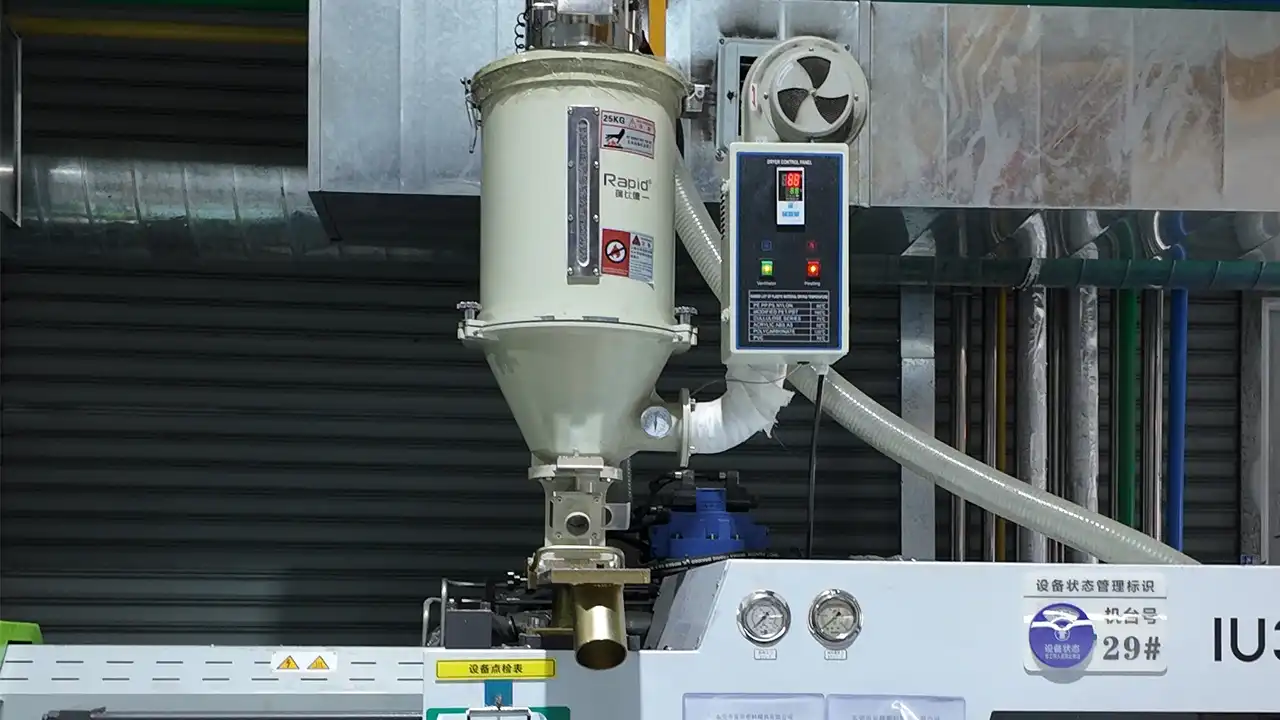
El plástico ASA absorbe humedad a un ritmo de 0,15–0,251 TP3T en 24 horas, de forma similar al ABS. El ASA sin secar produce rayas plateadas, deformación de la superficie y pérdida de brillo:
| Parámetro | ASA estándar | Mezcla de PC y ASA | GF-ASA | Reciclado |
|---|---|---|---|---|
| Tipo de secadora | Tolva deshumidificadora | Tolva deshumidificadora | Tolva deshumidificadora | Tolva deshumidificadora |
| Temperatura | 80–90 °C | 90–100 °C | 80–90 °C | 80 °C |
| Duración | 2–4 horas | 3-5 horas | 2-3 horas | 2-3 horas |
| Humedad objetivo | < 0,10 % | < 0,05 % | < 0,10 % | < 0,10 % |
| Porcentaje máximo de material triturado | 20–25 % | 10–15 % | 15 % | — |
Temperatura del cilindro y de la masa fundida
| Zona | ASA estándar | Mezcla de PC y ASA | GF-ASA | Notas |
|---|---|---|---|---|
| Trasera (alimentación) | 185–205 °C | 220–240 °C | 190–210 °C | Controlado; sin zonas frías |
| Intermedio (compresión) | 205–230 °C | 240–265 °C | 210–235 °C | Zona de fusión primaria |
| Delantero (medición) | 220–250 °C | 255–280 °C | 225–250 °C | Temperatura final de fusión |
| Boquilla | 215–240 °C | 245–265 °C | 220–240 °C | Se recomienda utilizar una boquilla de punta abierta |
Diferencia clave con respecto al ABS: Los plásticos ASA soportan temperaturas de fusión ligeramente superiores sin amarillear; el umbral de degradación es de aproximadamente 280-290 °C para el ASA estándar (frente a los 270-280 °C del ABS). El PC/ASA sigue el límite de degradación del PC, situado entre 310 y 320 °C, y requiere la misma gestión rigurosa del tiempo de residencia que el PC puro.
Temperatura del molde
Temperatura del molde para el moldeo por inyección de ASA: 40–80 °C
- 40–55 °C: Norma para piezas estructurales de exterior en las que el aspecto estético es secundario; tiempo de ciclo más rápido.
- 55–70 °C: Recomendado para piezas ASA de exterior de automóviles de alto brillo (carcasas de retrovisores, inserciones de rejillas). Una temperatura más alta del molde mejora el brillo de la superficie, reduce la visibilidad de las líneas de soldadura y disminuye la tensión residual, aspectos todos ellos fundamentales para los componentes que influyen en el aspecto exterior.
- 70–80 °C: Rango útil máximo para programas PC/ASA; especificaciones para automoción a alta temperatura.
En los programas de exteriores de automóviles sin pintar en los que el brillo natural de la superficie de ASA constituye el acabado final, Dimud fija la temperatura del molde entre 60 y 70 °C, utilizando de serie acero para cavidades pulido SPI A2, con lo que se alcanzan niveles de brillo natural de entre 70 y 85 GU (geometría de 60°) que cumplen la mayoría de las especificaciones de aspecto exterior de los vehículos sin necesidad de pintura.
Velocidad y presión de inyección
- Presión de inyección: 80–130 MPa (similar al ABS; el PC/ASA requiere entre 100 y 150 MPa)
- Presión de mantenimiento: 50–70% de la presión de inyección
- Contrapresión: 5–15 MPa (baja; una contrapresión excesiva genera calentamiento por cizallamiento)
- Velocidad de inyección: Moderada — Las buenas características de fluidez del ASA permiten un llenado controlado sin necesidad de un llenado lento como en el caso del PC; un llenado rápido sobre superficies texturizadas de automoción puede provocar una reproducción irregular de la textura
Defectos habituales y medidas correctoras
| Defecto | Causa raíz | Medidas correctivas |
|---|---|---|
| Rayas plateadas / dispersión | Humedad > 0,10%; sobrecalentamiento por cizallamiento | Prolongar el secado; reducir la contrapresión; bajar la temperatura del cilindro |
| Variación del brillo (piezas estéticas) | Inconsistencia en la temperatura del molde; contaminación | Estabilizar la temperatura del molde entre 60 y 70 °C; limpiar el molde y el canal de inyección |
| Visibilidad de la línea de soldadura | Temperatura de fusión baja; mala posición de la entrada de material | Aumentar la temperatura de fusión; cambiar la posición de la entrada; aumentar la temperatura del molde |
| Deformación (paneles exteriores planos) | Enfriamiento no uniforme; variación del espesor de la pared | Equilibrar la refrigeración; pared uniforme; optimizar la posición de la entrada de fundición |
| Marcas de hundimiento | Secciones gruesas; sujeción insuficiente | Recortar las zonas más gruesas; aumentar la presión y el tiempo de sujeción |
| Limpieza a presión | La compuerta es demasiado pequeña; se llena demasiado rápido | Aumentar el tamaño de la boquilla; reducir la velocidad de inyección; utilizar una boquilla de abanico |
| Incoherencia en la textura (partes con textura) | La velocidad de llenado es demasiado alta; la temperatura del molde es demasiado baja | Inyección lenta; aumentar la temperatura del molde; comprobar la profundidad del relieve |
| Variación de color entre lotes | Contaminación por material triturado; variaciones entre lotes de resina | Reducir la proporción de material triturado; especificar los lotes de proveedores autorizados |
| Tiro corto (PC/ASA) | Alta viscosidad; presión insuficiente | Aumentar la presión de inyección; subir la temperatura del cilindro |
Consideraciones sobre el diseño de moldes para componentes de plástico ASA
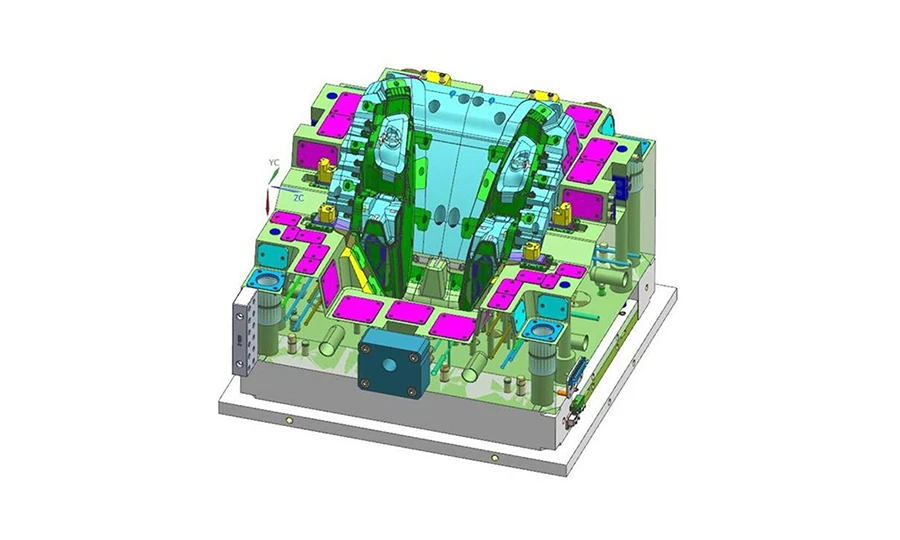
El diseño de moldes para el moldeo por inyección de ASA se rige por los mismos principios fundamentales que el del ABS, con consideraciones específicas en cuanto a los requisitos de acabado exterior de alto brillo y a las elevadas temperaturas de moldeo que se utilizan en los programas de automoción de gama alta.
Diseño de la puerta
Las buenas características de fluidez y la viscosidad moderada de los plásticos ASA son compatibles con la mayoría de los tipos de entrada:
- Puertas para aficionados: Se recomienda para paneles exteriores planos de automóviles (rejillas, inserciones de revestimiento, superficies de alerones), en los que un relleno uniforme y unas líneas de soldadura mínimas preservan la calidad estética.
- Puertas submarinas (túneles): Eficaz para piezas estructurales de exterior y superficies no estéticas; el desmoldado automático reduce la mano de obra en programas de gran volumen.
- Válvulas de cierre para canales calientes: Recomendado para programas de producción de exteriores de automóviles de gran volumen: elimina los canales fríos, ofrece flexibilidad en la colocación estética de las entradas de inyección y permite optimizar el tiempo de llenado para lograr una uniformidad del brillo. Dimud especifica el uso de sistemas de canal caliente en todos los programas de ASA para el sector de la automoción con más de 4 cavidades.
- Puertas directas: Se utiliza en piezas exteriores grandes de una sola cavidad (cubiertas de parachoques, paneles de carrocería), en las que la maximización del tamaño de la entrada reduce la presión de llenado y la tensión de cizallamiento en la superficie de la zona de la entrada.
Tolera de la entrada: 0,5–1,0 mm como máximo. Espesor de la entrada: un espesor mínimo de 70–80% de pared en la zona de la entrada para evitar la congelación prematura durante el moldeo de superficies exteriores de alto brillo.
Selección del acero
| Acero | Solicitud | Notas |
|---|---|---|
| P20 (preendurecido) | Piezas estructurales estándar ASA para exteriores | 300 000–500 000 disparos de vida útil |
| H13 (templado a 48-52 HRC) | Exterior de vehículos de gran volumen; GF-ASA | 600 000–1 000 000 de disparos; resistencia a la abrasión |
| Acero inoxidable S136 | ASA para automoción de alto brillo; piezas cosméticas de PC/ASA | Acabado de pulido espejo; resistencia a la corrosión para PC/ASA |
| Texturizado P20 / H13 | ASA para uso industrial y de la construcción con acabado granulado | Textura química según la escala VDI o MT |
Para los programas ASA de automoción sin pintar y de alto brillo, Dimud especifica acero inoxidable S136 o acero P20 niquelado con pulido SPI A2. La inversión en acero pulido para las cavidades en los programas ASA para exteriores se justifica por la eliminación del pintado posterior al moldeo: la superficie ASA ES el acabado final.
Especificaciones de la textura superficial
El plástico ASA admite el grabado químico de texturas (VDI, Mold-Tech, YS) con la misma fidelidad que el ABS, y su superior estabilidad frente a los rayos UV hace que las superficies texturizadas de ASA conserven la definición de su grano y su color a lo largo de su vida útil, sin el desvanecimiento del grano que presenta el ABS degradado por los rayos UV tras 2-3 años de exposición al aire libre. Recomendaciones estándar de Dimud sobre texturas para aplicaciones exteriores de ASA:
- Piezas exteriores de automóvil con acabado brillante: pulimento SPI A2 (objetivo: 60-80 GU)
- Exterior de vehículos, acabado mate/satinado: VDI 27–30 (grano fino)
- Revestimiento para la construcción: VDI 33–36 (grano medio); inclinación mínima de 3° por cada lado
- Carcasa para equipos de exterior: MT-11020 a MT-11040 (grano fino a medio)
Diseño del sistema de refrigeración
El moldeo por inyección de ASA a temperaturas elevadas del molde (60-80 °C) para aplicaciones de exteriores en el sector de la cosmética requiere una refrigeración con control de temperatura, en lugar de una refrigeración pasiva por agua:
- Controladores de temperatura de agua caliente (rango de 60 a 80 °C) para programas de ASA de alto brillo en el sector de la automoción
- La refrigeración por agua estándar es adecuada para el ASA estructural a temperaturas del molde inferiores a 50 °C.
- Objetivo de uniformidad de la temperatura: ±3 °C en toda la superficie de la cavidad para programas de acabado exterior
- Para paneles exteriores de gran tamaño de vehículos (> 400 × 300 mm): refrigeración conformada para evitar deformaciones debidas a diferencias de temperatura
Expulsión y corriente de aire
La resistencia del ASA (alargamiento a la rotura: 20–40%) ofrece una buena tolerancia a la expulsión, pero las superficies exteriores de alto brillo requieren una colocación cuidadosa de los pasadores:
- Todos los pasadores de expulsión situados en zonas no estéticas de las superficies visibles del exterior
- Eyectores de cuchilla o de manguito para paneles exteriores largos y planos
- Ángulos de desbaste: mínimo 1° para ASA estándar; entre 1,5° y 2° para superficies pulidas de alto brillo; mínimo 3° para superficies texturizadas con una profundidad de grano conforme a la norma VDI 33+
Resistencia a la intemperie: qué significan realmente los datos de las pruebas
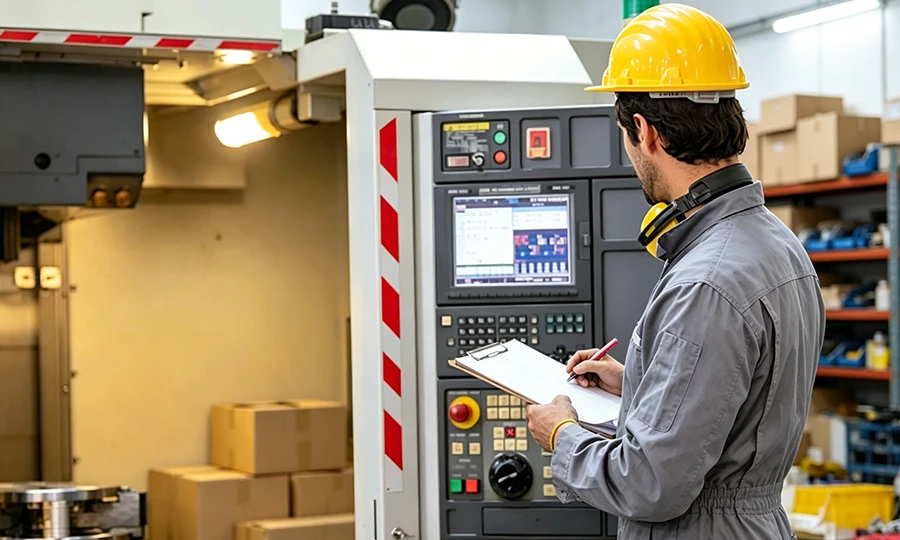
Las afirmaciones sobre la resistencia a la intemperie de los plásticos ASA son habituales en las fichas técnicas de los proveedores de resinas, pero las condiciones de ensayo en las que se basan esas cifras varían considerablemente. Los ingenieros que especifican el ASA para aplicaciones en exteriores sujetas a normativa o en las que la garantía es fundamental deben comprender qué es lo que realmente validan los datos de los ensayos.
Normas para ensayos de envejecimiento acelerado
Los dos protocolos principales de envejecimiento acelerado que se utilizan para la homologación de los plásticos ASA:
ISO 4892-2 (Envejecimiento por arco de xenón): El método de referencia para la simulación de la exposición al aire libre. Una lámpara de arco de xenón con filtros reproduce el espectro solar completo, incluyendo los rayos UVA, UVB y la luz visible. Los programas estándar de homologación de la ASA prevén entre 1.000 y 3.000 horas de exposición al arco de xenón según las especificaciones del fabricante de equipo original (OEM), con mediciones periódicas de:
- ΔE (cambio de color): < 2,0, valor que suele exigirse para la aceptación en exteriores de vehículos
- Retención del brillo: > 70% del valor inicial al final de la prueba
- Retención de la resistencia a la tracción: > 80% del valor inicial
ISO 4892-3 (Envejecimiento por radiación UV fluorescente): Utiliza lámparas fluorescentes UV-A o UV-B para acelerar la degradación por rayos UV sin reproducir el espectro solar completo. Los resultados están menos correlacionados con la exposición real al aire libre que en el caso del arco de xenón, pero permiten realizar pruebas de cribado más rápidas y a un menor coste.
Correlación entre la exposición en el mundo real y la exposición acelerada
Correlación industrial de los plásticos ASA en las condiciones climáticas de Europa Central:
| Duración de la prueba acelerada | Correlación aproximada en la vida real | Norma de aplicación |
|---|---|---|
| 500 horas de arco de xenón (ISO 4892-2) | ~1 año de experiencia en el sur de Europa | Comprobación inicial en exteriores |
| 1.500 horas de arco de xenón | ~3 años de experiencia en Europa Central | Exterior estándar de un vehículo |
| 3.000 horas de arco de xenón | ~5–7 años de experiencia en Europa Central | Automoción de gama alta; construcción |
| 5.000 horas de arco de xenón | ~10 años de experiencia en Europa Central | Componentes de infraestructura de larga duración |
Dimud lleva a cabo pruebas de validación con arco de xenón en programas ASA para clientes del sector de la automoción de Europa y Oriente Medio, en los que las especificaciones de los fabricantes de equipos originales (OEM) establecen requisitos mínimos de resistencia a la intemperie. Los informes de ensayos de laboratorios independientes (Intertek, SGS, TÜV) están disponibles como parte de los resultados del programa, previa solicitud.
Exposición al aire libre en Florida
Para los clientes del sector de la automoción y la construcción de Norteamérica, la exposición al aire libre en Florida (ASTM D4141 o SAE J1960) con un ángulo de orientación sur de 0° o 5° ofrece el criterio de referencia más exigente en cuanto a la exposición a la intemperie en condiciones reales:
- El ASA estándar mantiene un valor de ΔE < 3,0 tras 12 meses de exposición en Florida (equivalente a aproximadamente 3.000 horas de arco de xenón).
- Las aleaciones de PC/ASA mantienen un ΔE < 2,0 tras 24 meses de exposición en Florida para la homologación OEM de exteriores de automóviles de gama alta.
Aplicaciones industriales
Exterior del vehículo
El sector de la automoción es el ámbito de aplicación con mayor volumen de uso de los plásticos ASA a nivel mundial, donde los requisitos de los fabricantes de equipos originales (OEM) en cuanto a piezas exteriores sin pintar han convertido el moldeo por inyección de ASA en la especificación por defecto para los componentes exteriores que, de otro modo, requerirían operaciones de pintado secundarias.
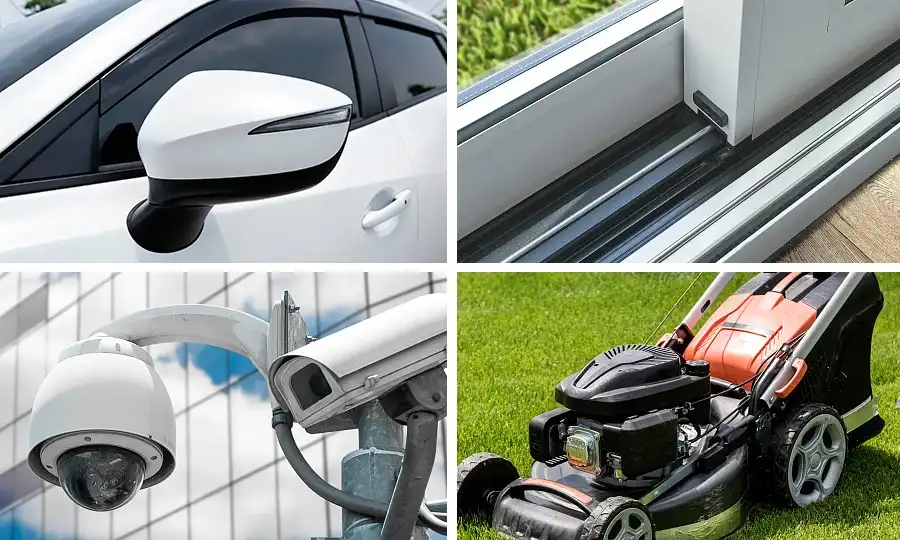
Carcasas de los retrovisores laterales (estándar ASA / PC/ASA): La mayor aplicación de plásticos ASA de un solo volumen en el sector de la automoción. Las carcasas de los retrovisores están sometidas a una exposición continua a los rayos UV, a ciclos térmicos, a impactos de piedras, a los productos químicos de los túneles de lavado y a la sal de carretera a lo largo de los 10-15 años de vida útil del vehículo. El ASA estándar cumple con las especificaciones de resistencia a la intemperie de los fabricantes de equipo original (OEM) del segmento económico; el PC/ASA se utiliza en los segmentos premium y de lujo, donde el comportamiento frente a impactos a bajas temperaturas (requisitos de los mercados de zonas frías de −40 °C) y un HDT más elevado (para mercados con temperaturas estivales extremas) aportan el margen de rendimiento necesario.
Dimud fabrica componentes para carcasas de retrovisores que cumplen con las especificaciones de resistencia a la intemperie y dimensionales de los fabricantes de equipos originales (OEM) del sector de la automoción, con documentación PPAP de nivel 3 como estándar, incluidos certificados de ensayos con arco de xenón emitidos por laboratorios externos acreditados cuando así se especifique.
Rejillas delanteras e inserciones para la rejilla del radiador (estándar ASA / GF-ASA): Los componentes de la rejilla se someten a exposición a los rayos UV y a ciclos térmicos con temperaturas superficiales comprendidas entre −40 °C y +95 °C. El ASA estándar cumple los requisitos de resistencia a los rayos UV y a la intemperie; el ASA reforzado con fibra de vidrio (15–20% GF) se especifica cuando los requisitos de rigidez (deformación de la cara de la rejilla < 2 mm con una carga de 100 N) o la estabilidad dimensional a temperaturas elevadas superan la capacidad del ASA estándar.
Molduras exteriores y molduras laterales de la carrocería (de serie en la versión ASA): Protectores de los bordes de las puertas, molduras laterales de la carrocería y molduras de los marcos de las ventanillas. La estabilidad intrínseca del color del ASA garantiza que estas piezas mantengan un aspecto uniforme con respecto a los paneles pintados de la carrocería que las rodean durante toda la vida útil del vehículo, sin que se produzcan la pérdida de intensidad ni los cambios de color que harían necesaria su sustitución.
Alerones y componentes aerodinámicos (PC/ASA): Alerones traseros y componentes aerodinámicos adicionales que se ven sometidos a la exposición a los rayos UV, al impacto de piedras y a cargas estructurales. El rendimiento superior del PC/ASA frente al ASA puro en condiciones de impacto en frío mitiga el riesgo de fractura por fragilidad a bajas temperaturas, lo que descartaría el uso del ASA estándar en aplicaciones aerodinámicas de alto impacto.
Marcos de los puertos de recarga de vehículos eléctricos y carcasas de los sensores exteriores (FR-ASA / GF-ASA): La transición hacia los vehículos eléctricos ha dado lugar a nuevas aplicaciones de los plásticos ASA: marcos de las tapas de los puertos de recarga, carcasas de los sensores LIDAR exteriores y soportes para la gestión de los cables de recarga. Estos componentes combinan la exposición a los rayos UV con el requisito adicional de que el ASA sea ignífugo (FR-ASA) con clasificación V-0 para los componentes eléctricos situados junto al puerto de recarga.
Construcción y materiales de construcción
La construcción es el segundo sector de aplicación más importante para los plásticos ASA, en el que una larga vida útil bajo exposición directa al aire libre, sin necesidad de pintura ni recubrimiento, es un requisito fundamental.
Componentes del sistema de cubierta (ABS estándar y ABS con recubrimiento ASA): Tapas de ventilación para tejados, cubiertas de cumbrera y marcos para claraboyas. Los componentes para tejados de ASA moldeados por inyección deben conservar su integridad estructural y su aspecto a lo largo de una vida útil de diseño de entre 20 y 25 años en todas las zonas climáticas. Los sistemas de ABS con recubrimiento de ASA —en los que se coextruye o coinyecta una capa de ASA resistente a la intemperie sobre un núcleo estructural de ABS— ofrecen la resistencia a los rayos UV del ASA a un menor coste de material para componentes de cubierta de gran formato.
Tapas para perfiles de ventanas y puertas (estándar ASA): Tapas de cierre, uniones de esquina y remates de perfil moldeados por inyección para sistemas de ventanas de uPVC y aluminio. Estos componentes deben tener el mismo color que el sistema de perfiles y mantener su aspecto sin sufrir degradación por los rayos UV durante toda la vida útil del sistema de ventanas.
Señalización exterior y molduras arquitectónicas (norma ASA): Soportes para señalización direccional, soportes para molduras arquitectónicas y tapas decorativas para fijaciones de revestimientos en los casos en que la estabilidad del color a largo plazo bajo la luz solar sea un requisito de diseño y de garantía.
Electrónica y telecomunicaciones para exteriores
Carcasas para cámaras de seguridad y cajas para sistemas de CCTV (estándar ASA / FR-ASA): Las cámaras de seguridad y los equipos de vigilancia se instalan de forma permanente en entornos exteriores, lo que requiere carcasas que mantengan su integridad estructural, su color y la integridad del sellado con clasificación IP tras años de exposición a los rayos UV y a la intemperie. Los plásticos ASA son el material predominante en los programas de carcasas para cámaras de seguridad a nivel mundial. El FR-ASA con clasificación UL 94 V-2 o V-0 se especifica cuando la certificación de seguridad eléctrica exige materiales ignífugos.
Cajas para equipos de telecomunicaciones (FR-ASA): Las cajas de conexiones de telecomunicaciones para exteriores, los soportes para antenas y las cajas de distribución se enfrentan a las mismas exigencias en cuanto a la radiación ultravioleta y la exposición a la intemperie que las carcasas de seguridad, con el requisito adicional de cumplir la clasificación de resistencia al fuego UL 94 V-0 en el caso de los equipos que contengan componentes electrónicos activos.
Cajas para contadores inteligentes e infraestructura de servicios públicos (estándar ASA / FR-ASA): Cajas para contadores inteligentes de electricidad, gas y agua instaladas en el exterior de los edificios. La combinación que ofrece ASA de estabilidad frente a los rayos UV, resistencia química a los contaminantes atmosféricos y estabilidad del color cumple los requisitos de vida útil de entre 10 y 15 años de los programas de infraestructura de servicios públicos sin necesidad de recubrimientos secundarios.
Carcasas y paneles para estaciones de recarga de vehículos eléctricos (GF-ASA / FR-ASA): Con la implantación a nivel mundial de infraestructuras de recarga de vehículos eléctricos en entornos exteriores, los plásticos ASA se han convertido en el estándar de referencia para los paneles frontales de las estaciones de recarga, las carcasas de gestión de cables y los marcos de las interfaces de usuario. El GF-ASA ofrece la estabilidad dimensional y la rigidez que requieren los paneles de gran formato de las estaciones de recarga, mientras que el FR-ASA cumple los requisitos de certificación de seguridad eléctrica de los equipos conectados a la red eléctrica.
Para conocer el enfoque integral de Dimud en materia de electrónica y fabricación industrial al aire libre, visita nuestra Página de la industria de la electrónica y los semiconductores.
Exterior de vehículos — Robótica y equipamiento industrial
Cajas para sistemas robóticos de exterior (estándar ASA / FR-ASA): Los robots móviles autónomos (AMR) y los robots logísticos para exteriores que se utilizan en patios logísticos, obras de construcción y entornos agrícolas necesitan carcasas que resistan la exposición a los rayos UV, la lluvia y los cambios de temperatura, sin necesidad del mantenimiento del recubrimiento que requieren las carcasas de ABS pintadas.
Carcasas para maquinaria agrícola (norma ASA): Carcasas de cortacéspedes, carcasas de desbrozadoras y carcasas de herramientas eléctricas para exteriores. Los plásticos ASA son el material de referencia a nivel mundial para las carcasas de equipos eléctricos de exterior: su estabilidad frente a los rayos UV, su resistencia al impacto y su retención del color evitan la degradación de la superficie que se produce con el ABS en estos entornos con alta exposición a los rayos UV y a impactos mecánicos.
Soportes y carcasas para componentes de energía solar (GF-ASA / FR-ASA): Cajas de conexiones para paneles solares, carcasas para optimizadores y abrazaderas para la gestión de cables instaladas de forma permanente en instalaciones solares al aire libre. La vida útil de 25 años de las instalaciones solares establece un nivel de exigencia en cuanto a resistencia a los rayos UV y a la intemperie que el moldeo por inyección de ASA cumple de forma rentable; el GF-ASA proporciona estabilidad dimensional a temperaturas de instalación elevadas (hasta 90 °C de temperatura superficial en componentes de color oscuro expuestos a la luz solar directa).
ASA Plastics frente a otros materiales de la competencia
| Propiedad | ASA | ABS | PC/ABS | PP (estabilizado frente a los rayos UV) | PC |
|---|---|---|---|---|---|
| Resistencia a los rayos UV y a la intemperie | ★★★★★ | ★★☆☆☆ | ★★★☆☆ | ★★★☆☆ | ★★★☆☆ |
| Resistencia al impacto (23 °C) | ★★★★☆ | ★★★★★ | ★★★★★ | ★★★★☆ | ★★★★★ |
| Resistencia al impacto (−30 °C) | ★★★☆☆ | ★★★☆☆ | ★★★★☆ | ★★☆☆☆ | ★★★★★ |
| Resistencia al calor (HDT) | ★★★☆☆ | ★★★☆☆ | ★★★★☆ | ★★★★☆ | ★★★★★ |
| Resistencia a los productos químicos / ESC | ★★★★☆ | ★★★☆☆ | ★★★☆☆ | ★★★★★ | ★★★☆☆ |
| Brillo de la superficie (natural) | ★★★★★ | ★★★★★ | ★★★★☆ | ★★★☆☆ | ★★★★☆ |
| Estabilidad dimensional | ★★★★★ | ★★★★★ | ★★★★☆ | ★★★☆☆ | ★★★★☆ |
| Facilidad de elaboración | ★★★★★ | ★★★★★ | ★★★★☆ | ★★★★★ | ★★★☆☆ |
| Coste de las materias primas | $$ Medio | $$ Medio | $$$ Alto | $ Bajo | $$$ Alto |
| Estabilidad del color (en exteriores) | ★★★★★ | ★★☆☆☆ | ★★★☆☆ | ★★★★☆ | ★★★☆☆ |
ASA frente a ABS: La comparación fundamental. El ABS gana en cuanto al coste (entre 15 y 30% más barato) y a una resistencia al impacto a temperatura ambiente ligeramente superior. El ASA gana de forma contundente en todo lo que importa en exteriores: resistencia a los rayos UV (10 veces mayor), estabilidad del color, resistencia química a los productos de limpieza y resistencia del ESC a los alcoholes. Para cualquier aplicación exterior expuesta a la luz solar, el menor coste del ABS no supone un ahorro, sino un coste de sustitución aplazado de entre 2 y 3 años.
ASA frente a PP estabilizado frente a los rayos UV: El PP con aditivos estabilizadores frente a los rayos UV ofrece una durabilidad en exteriores similar a la del ASA, con un menor coste del material y una menor densidad. El PP destaca por su resistencia química, su coste y su ligereza. El ASA destaca por la retención del brillo superficial (la superficie del PP se vuelve mate con la exposición a los rayos UV, incluso con estabilizadores), la estabilidad dimensional (la elevada contracción del PP plantea dificultades de ajuste) y la adherencia de la pintura en aplicaciones que requieren una decoración secundaria.
ASA frente a PC: El PC ofrece una resistencia superior al impacto a bajas temperaturas, un HDT más elevado y mayor claridad óptica. El ASA proporciona una mejor estabilidad inherente frente a los rayos UV (el PC se amarillea con la exposición a los rayos UV si no lleva recubrimiento duro), una mayor resistencia química a los desinfectantes y los alcoholes (riesgo de ESC en el PC) y un coste menor. Para aplicaciones en exteriores en las que el rendimiento frente al impacto supera la capacidad del ASA y en las que, de todos modos, se aplica una capa dura de protección contra los rayos UV, el PC es la mejor opción. Para aplicaciones que se encuentran dentro del rango de resistencia al impacto del ASA y en las que la estabilidad frente a los rayos UV es el factor principal, el ASA evita al mismo tiempo el sobrecoste del PC y la sensibilidad al ESC.
Para obtener una visión general completa de la selección de materiales que abarca todos los polímeros para moldeo por inyección de la gama de productos de Dimud, consulte el Guía de materiales para el moldeo por inyección.
Directrices de DFM para piezas de plástico de ASA
El diseño para la fabricación (DFM) de los plásticos ASA se rige por los mismos principios básicos que el del ABS, prestando especial atención a los requisitos de acabado superficial para aplicaciones exteriores sin pintar y a la gestión de la contracción anisotrópica en las aplicaciones estructurales de GF-ASA.
Dimud's Servicio de diseño de productos y análisis DFM revisa todos los programas de ASA antes de comprometerse con la fabricación de utillaje, lo que incluye la recomendación del grado de material, el análisis del espesor de las paredes, la optimización de la posición de la entrada de material para mejorar el aspecto de la superficie exterior y la adecuación a las especificaciones de resistencia a la intemperie.
Espesor de pared
Rango recomendado: 1,5–4,0 mm para ASA estructural estándar; 2,0–4,5 mm para piezas estructurales exteriores de PC/ASA.
El espesor uniforme de las paredes es más importante en los programas para exteriores que en las aplicaciones de interior: la contracción diferencial en las piezas de ASA con paredes variables genera tensiones residuales que, combinadas con los ciclos térmicos reales (de −40 °C a +95 °C para el exterior de los vehículos), pueden provocar una deformación progresiva a lo largo de la vida útil de la pieza. Una relación máxima de espesor de pared de 2:1 es la norma estándar de DFM de Dimud para todos los programas de ASA para exteriores.
Radios de las curvas
Radio mínimo de las esquinas internas: 0,5 mm. Recomendado: 1,0 mm o 25–50% del espesor de la pared.
En los programas de ASA para uso en exteriores que se ven sometidos a ciclos térmicos durante su vida útil, los radios de las esquinas cumplen una doble función: aliviar la tensión durante la expulsión del molde y prevenir las grietas por fatiga provocadas por los ciclos repetidos de expansión y contracción térmica a lo largo de su vida útil.
Costillas y jefes
- Espesor de la costilla: 50–60% de espesor nominal — Se aplica de forma estricta en superficies exteriores brillantes en las que, al inspeccionarlas con luz rasante, se aprecian marcas de hundimiento provocadas por nervaduras gruesas.
- Diámetro exterior del saliente: máximo 2 veces el espesor nominal de la pared; se prefieren los salientes con núcleo
- Todas las uniones entre nervaduras y salientes: con bisel (mínimo 0,5 mm; preferiblemente 1,0 mm)
Ángulos de desbaste para superficies exteriores texturizadas
Este es el parámetro que con mayor frecuencia no se especifica con suficiente detalle en los programas de exteriores de la ASA para principiantes:
- Superficie pulida (SPI A2): 1,0°–1,5° por cada lado como mínimo
- Textura fina (VDI 27–30): 2,0°–3,0° por cada lado como mínimo
- Textura media (VDI 33–36): 3,0°–5,0° por cada lado como mínimo
- Profundidad de la ranura (VDI 39+): 5,0°+ por cada lado; consultar al diseñador del molde
Un ángulo de desmoldeo insuficiente en los moldes exteriores de ASA texturizados es la causa principal de las marcas de arrastre en la superficie y de los desgarros en la textura, que se aprecian de inmediato en las piezas sin pintar y que son imposibles de corregir sin modificar el acero del molde.
Tolerancias alcanzables
- ASA estándar: ±0,15–0,20 mm en dimensiones controladas
- PC/ASA: ±0,10–0,15 mm (menor contracción que el ASA puro)
- GF-ASA: dirección del flujo ±0,05–0,10 mm; dirección transversal ±0,10–0,15 mm
- En el caso de los paneles exteriores de gran formato (con dimensiones superiores a 300 mm): la tolerancia de deformación debe especificarse y validarse mediante simulación con Moldflow antes de dar por concluido el diseño del molde.
Capacidades de moldeo por inyección de plásticos ASA de Dimud
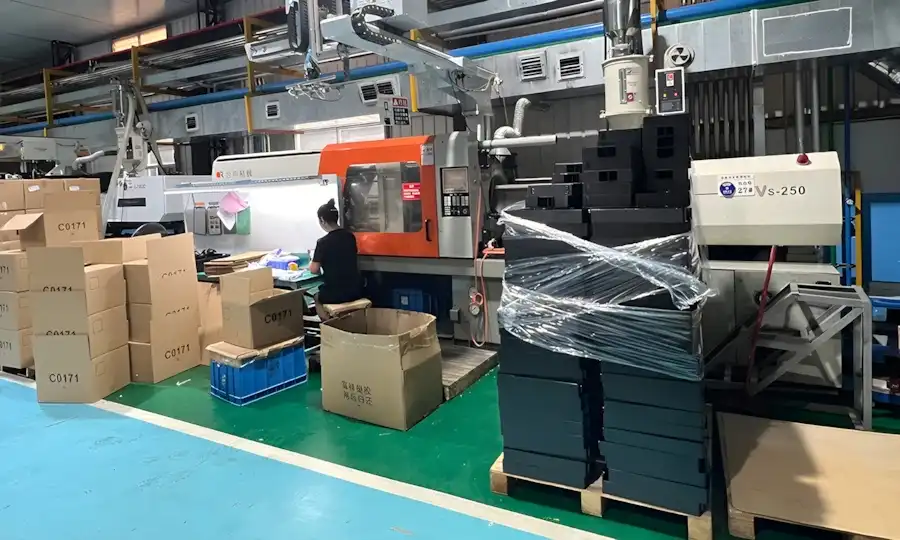
Dimud ofrece servicios de moldeo por inyección de ASA como parte de un sistema de fabricación integrado verticalmente —tres plantas coordinadas que abarcan el desarrollo de moldes, el mecanizado CNC y el montaje de componentes electrónicos— y atiende a clientes de los sectores de la automoción, la electrónica para actividades al aire libre, la construcción y la industria en Europa, Norteamérica y Oriente Medio.
| Fase de servicio | Capacidad de Dimud | Ventajas para el cliente |
|---|---|---|
| Revisión del diseño para la fabricación (DFM) y de la calificación | Recomendación sobre la clasificación (ASA frente a PC/ASA frente a ABS); alineación de las especificaciones de resistencia a la intemperie; revisión preliminar de la textura; validación de las especificaciones de brillo | Evita los fallos más habituales en los programas al aire libre antes de pasar a la fase de desarrollo |
| Prototipado rápido | Modelos funcionales SLA/SLS + herramientas blandas de aluminio en versión estándar o de PC/ASA | Muestras de aspecto y funcionales en un plazo de 10 a 15 días laborables |
| Desarrollo del moho | P20 / H13 / S136; obturador de válvula de canal caliente; validado previamente en Moldflow; 1–64+ cavidades; control de temperatura por agua caliente para programas estéticos | Moldes para exteriores listos para la producción con una vida útil garantizada |
| Moldeo en serie | Máquinas de 50T a 1.600T; reguladores de temperatura de agua caliente de 60 a 80 °C para programas cosméticos; compatibles con FR-ASA, PC/ASA y GF-ASA | Desde el exterior de los vehículos hasta las estructuras industriales al aire libre |
| Calidad de la superficie | Cavidades pulidas según la norma SPI A2; textura VDI/MT; medición de la aceptación del color y el brillo por lote | Calidad estética constante, desde la fase piloto hasta la producción en serie |
| Calificación de resistencia a la intemperie | Coordinación de la exposición a arco de xenón de terceros (ISO 4892-2) y a la exposición de Florida (SAE J1960) | Documentación sobre la resistencia a la intemperie, lista para los fabricantes de equipos originales del sector de la automoción |
| Documentación de calidad | Nivel 3 de PPAP, CoC, registros de mediciones de ΔE/GU, informes de CMM, certificados de ensayos de resistencia a la intemperie | Preparado para auditorías de fabricantes de primer nivel del sector de la automoción y de fabricantes de equipos originales (OEM) del sector industrial al aire libre |
| Cadena de suministro | Abastecimiento de resinas de INEOS Styrolution/Covestro/BASF; verificación de los lotes de color a la recepción; logística DDP | Resina con color uniforme, desde los fabricantes homologados hasta la pieza acabada |
Preguntas frecuentes
La diferencia fundamental radica en la resistencia a los rayos UV. El ABS contiene caucho de polibutadieno con dobles enlaces carbono-carbono que absorben la energía UV y desencadenan la degradación fotooxidativa, lo que provoca amarilleamiento, desprendimiento de polvo y fragilización tras 200-400 horas de envejecimiento acelerado, equivalentes a entre 6 y 12 meses de exposición al aire libre. El ASA sustituye el butadieno por caucho de éster acrílico saturado, sin dobles enlaces reactivos a los rayos UV, lo que permite mantener el color (ΔE < 2,0), el brillo y las propiedades mecánicas tras más de 3.000 horas de envejecimiento acelerado, equivalentes a entre 7 y 10 años de exposición al aire libre. Para cualquier componente que vaya a pasar su vida útil al aire libre, el menor coste del ABS no supone un ahorro, sino un coste de sustitución diferido. El sobrecoste del material ASA 15–30% suele recuperarse ya en el primer ciclo de sustitución que se evita.
No, esta es la principal ventaja comercial del ASA. Los grados estándar y de alto brillo del ASA alcanzan niveles de brillo superficial natural de 70-85 GU (geometría de 60°) directamente del molde de inyección, lo que cumple con la mayoría de las especificaciones de apariencia exterior del sector de la automoción para componentes de acabado exterior del color de la carrocería o negros, sin necesidad de pintura secundaria. Los moldes de ASA de alto brillo requieren acero inoxidable S136 pulido o acero para cavidades P20 niquelado, un control de la temperatura del molde entre 60 y 70 °C y una gestión precisa de la velocidad de llenado; todo ello es estándar en los programas de ASA para exteriores de automóviles de Dimud. La eliminación del pintado reduce simultáneamente el coste del programa, las emisiones de COV y la complejidad de la cadena de suministro.
Las mezclas de PC/ASA combinan el policarbonato con el ASA para ofrecer una mayor resistencia al impacto a bajas temperaturas (prueba de Charpy con muesca > 30 kJ/m² a −30 °C frente a los 15–25 kJ/m² del ASA) y una temperatura de deformación calorífica (HDT) más elevada (115–130 °C frente a los 95–105 °C del ASA), al tiempo que conserva el rendimiento del ASA frente a los rayos UV y la intemperie. Se especifica el PC/ASA en lugar del ASA estándar cuando: (1) la aplicación se da en mercados con climas fríos en los que el comportamiento frente al impacto a −40 °C es un requisito del fabricante de equipo original (OEM); (2) la pieza alcanza temperaturas superficiales superiores a 100 °C bajo la luz solar directa en verano en climas cálidos; o (3) las especificaciones dimensionales del fabricante de equipo original (OEM) requieren la menor contracción y el mayor módulo de elasticidad del PC/ASA para un panel exterior de gran formato. Para condiciones climáticas estándar y molduras exteriores de tamaño normal, el ASA estándar es la especificación más rentable.
Sí: el moldeo por inyección de ASA se utiliza ampliamente en cajas eléctricas para exteriores con clasificación IP65/IP66, especialmente en cámaras de seguridad, cajas de derivación de telecomunicaciones y carcasas de contadores inteligentes. La clasificación IP en las cajas moldeadas por inyección viene determinada por la geometría del sellado (el diseño de la ranura de la junta) y la consistencia dimensional de las superficies de contacto, y no por el polímero base. El ASA proporciona la estabilidad frente a los rayos UV y la precisión dimensional que garantizan que la geometría del sellado mantenga el rendimiento de la clasificación IP durante toda la vida útil de la caja. En el caso de las cajas con componentes electrónicos activos, se requiere FR-ASA con clasificación UL 94 V-2 o V-0 para cumplir los requisitos de certificación de seguridad eléctrica en los mercados de la UE, Norteamérica y Oriente Medio.
El requisito mínimo de envejecimiento exterior de los componentes de automoción para la mayoría de los programas de fabricantes de equipo original (OEM) europeos es de 1.500 a 2.000 horas de exposición al arco de xenón según la norma ISO 4892-2, con un ΔE 70% como criterios de superación. Los programas de fabricantes de equipo original (OEM) europeos de gama alta (nivel BMW, Mercedes, Volkswagen) suelen exigir 3.000 horas. Los programas de fabricantes de equipo original (OEM) norteamericanos (GM, Ford, Stellantis) especifican la exposición al aire libre en Florida según la norma SAE J1960 durante 12 a 24 meses como principal requisito de resistencia a la intemperie. Dimud coordina los ensayos de envejecimiento con los laboratorios de SGS, Intertek y TÜV Rheinland en programas de ASA para exteriores de automoción, y los certificados de ensayo se incluyen en el paquete de documentación del PPAP de nivel 3.
Conclusión
Los plásticos ASA ocupan un lugar específico e insustituible en el panorama de los termoplásticos de ingeniería: se trata del material con mayor resistencia a los rayos UV y mejor comportamiento frente a la intemperie dentro de la familia de los ABS, disponible a un precio y con una facilidad de procesamiento que lo hacen accesible para ingenieros que nunca han trabajado con polímeros de ingeniería como el PEEK o el PPS.
El caso de especificación es sencillo. Para cualquier componente que vaya a estar expuesto a la radiación UV exterior, la lluvia, los cambios de temperatura y el contacto con sustancias químicas a lo largo de una vida útil de varios años, el moldeo por inyección de ASA ofrece una vida útil entre 3 y 5 veces mayor que la del ABS, elimina la operación de pintado secundario y los costes y el impacto medioambiental asociados a ella, y mantiene una calidad estética que se traduce directamente en una mejor percepción de la marca y en una reducción de los costes de garantía.
Dimud Ofrece la precisión en el utillaje, la disciplina en los procesos y una documentación de calidad propia del sector de la automoción para llevar a cabo programas de plásticos ASA que cumplan con las especificaciones desde la muestra T1 hasta el final de la vida útil del producto, dirigidos a clientes de los sectores de exteriores de automóviles, electrónica para exteriores, construcción e industria que necesitan componentes resistentes a la intemperie sin la complejidad de los procesos que requieren los polímeros de ingeniería de gama alta.