
Materiales de moldeo por inyección
Desde termoplásticos básicos hasta resinas técnicas de alto rendimiento, Dimud te ayuda a seleccionar, validar y procesar el material adecuado para tu producto, con el respaldo de nuestro departamento interno de ingeniería de moldes y nuestro apoyo integral en la fabricación.
- Más de 10 años de experiencia en moldeo de precisión
- Más de 60 tipos de materiales procesados
Si es necesario, puede firmarse un acuerdo de confidencialidad antes del presupuesto.
¿Qué son los materiales para moldeo por inyección?
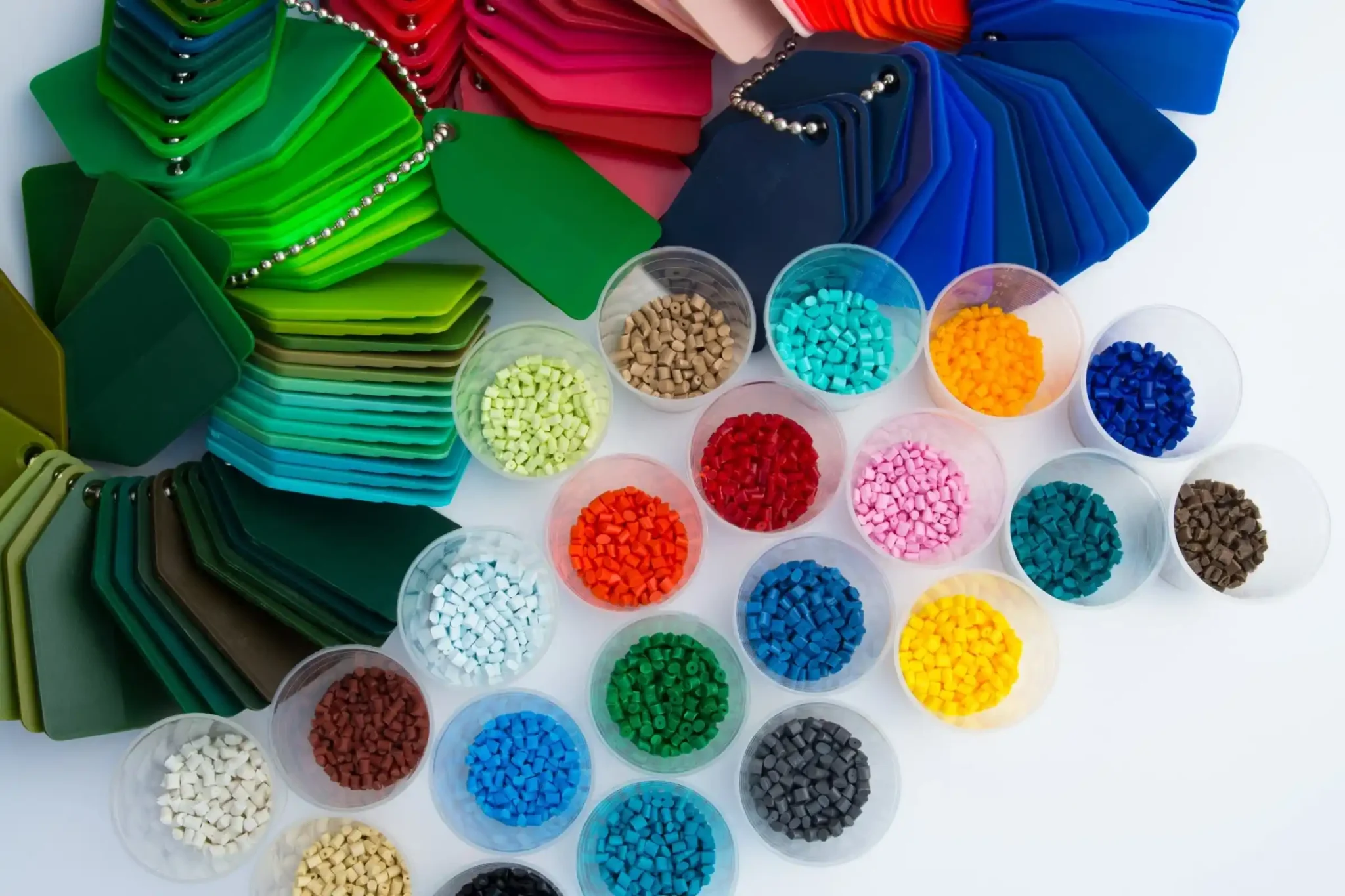
Los materiales para moldeo por inyección son materiales poliméricos termoplásticos o termoendurecibles que se funden durante el proceso de moldeo por inyección, se inyectan en la cavidad del molde y, a continuación, se enfrían y se curan para dar forma al producto final. La elección del material influye directamente en la resistencia del producto, su resistencia al calor, la calidad de la superficie, los costes de procesamiento y el cumplimiento de la normativa del sector.
Base de datos de materiales para moldeo por inyección
Abarca materiales de uso general, de ingeniería, de alto rendimiento y modificados especialmente
Cómo elegir el material adecuado para tu pieza moldeada por inyección
Define tus requisitos funcionales
Determina el tipo de carga a la que se verá sometida la pieza (impacto, fatiga, carga estática), el rango de temperaturas de funcionamiento y el entorno de exposición química. Los distintos requisitos funcionales exigen propiedades diferentes en los materiales; por ejemplo, si se requiere resistencia a altas temperaturas, se debe dar prioridad al PPS o al PEEK, mientras que el PC o el PMMA son la opción preferida si se necesita transparencia.
Evaluar las limitaciones medioambientales y normativas
Los componentes de los productos sanitarios deben cumplir los requisitos de biocompatibilidad de la norma ISO 10993 o de la Clase VI de la USP; los materiales en contacto con alimentos deben estar certificados por la FDA; los componentes electrónicos para el sector de la automoción deben cumplir los índices de resistencia al fuego de la norma UL 94; y los productos exportados a la UE deben cumplir la normativa RoHS.
Tener en cuenta la fabricabilidad y el impacto del diseño del molde
Las propiedades de fluidez del material (índice de fluidez), la tasa de contracción y el rango de temperaturas de procesamiento influyen directamente en el diseño del molde. Los materiales con altas tasas de contracción (como el PA y el POM) requieren una mayor precisión en el molde; los materiales reforzados con fibra de vidrio aceleran el desgaste del molde, lo que obliga a utilizar acero para moldes más duro.
Equilibrio entre coste y rendimiento
Los materiales de uso general (PP, ABS) son económicos y fáciles de conseguir, lo que los hace adecuados para bienes de consumo fabricados en grandes volúmenes; los materiales de ingeniería y de alto rendimiento tienen un coste unitario más elevado y son adecuados para productos fabricados en pequeños volúmenes y con un alto valor añadido. El equipo de ingeniería de Dimud puede ayudar a los clientes a optimizar los costes de los materiales sin dejar de cumplir los requisitos de rendimiento.
Validar mediante la creación de prototipos
Antes de iniciar la producción en serie, comprueba si los materiales seleccionados cumplen los estándares de rendimiento previstos mediante impresión 3D o la creación de prototipos en lotes reducidos, con el fin de evitar tener que retocar los moldes o retirar productos del mercado debido a problemas con los materiales en una fase posterior.
Materiales para moldeo por inyección en los distintos sectores a los que prestamos servicio
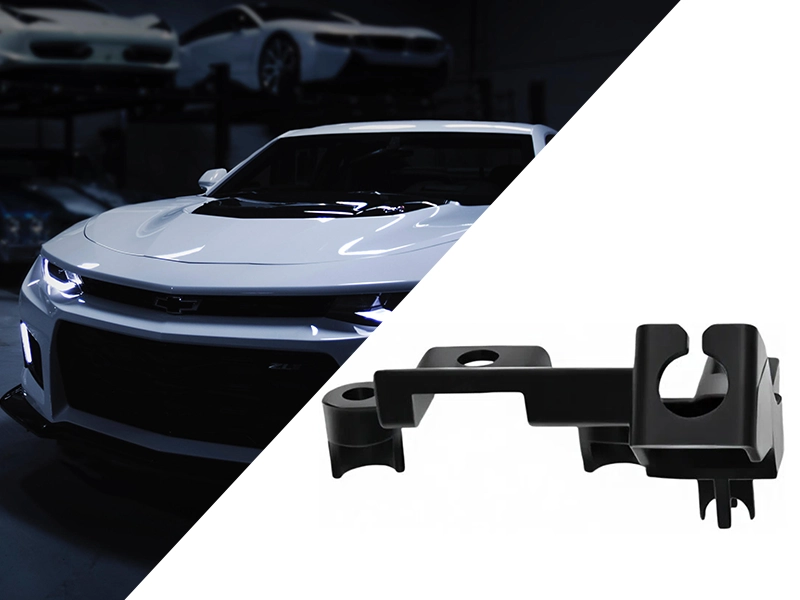
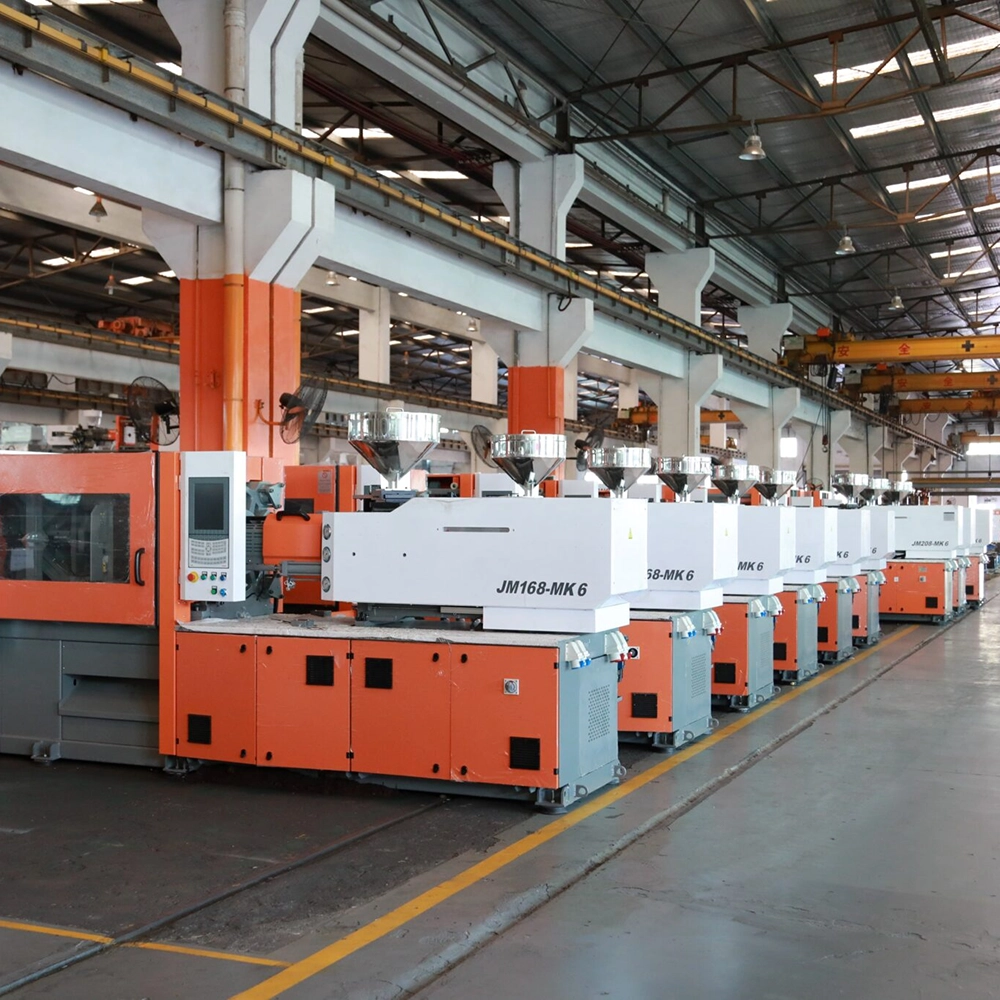
La industria de la automoción impone requisitos muy estrictos a los materiales de moldeo por inyección; materiales como el PA66-GF30 (nailon reforzado con fibra de vidrio), el PBT y el PP-TD20 se utilizan habitualmente para fabricar componentes estructurales y funcionales. Dimud cuenta con capacidades de moldeo por inyección de precisión para el sector de la automoción, lo que le permite cumplir con los estrictos requisitos de estabilidad dimensional y garantizar una producción constante a gran escala.
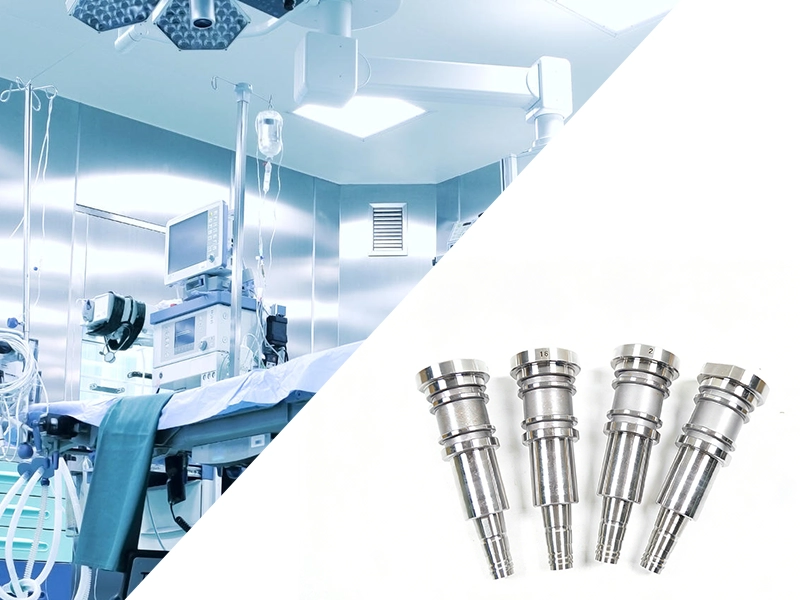
Las piezas moldeadas por inyección de grado médico suelen fabricarse con PC (para carcasas ópticamente transparentes), PP (para resistencia química), PA (para componentes estructurales) y materiales certificados como biocompatibles. Dimud mantiene un entorno de producción controlado para ayudar a los clientes a cumplir los requisitos de calidad.
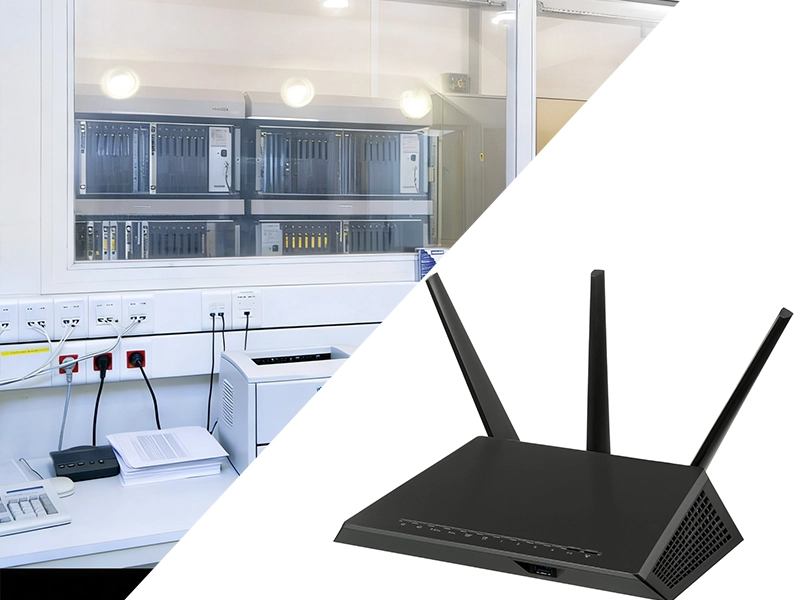
En el sector de la electrónica de consumo, materiales como el ABS, las aleaciones de PC/ABS y el LCP se utilizan habitualmente para fabricar carcasas, conectores y componentes estructurales de disipación térmica. Los materiales resistentes a las descargas electrostáticas (ESD) pueden utilizarse en componentes relacionados con la fabricación de semiconductores.
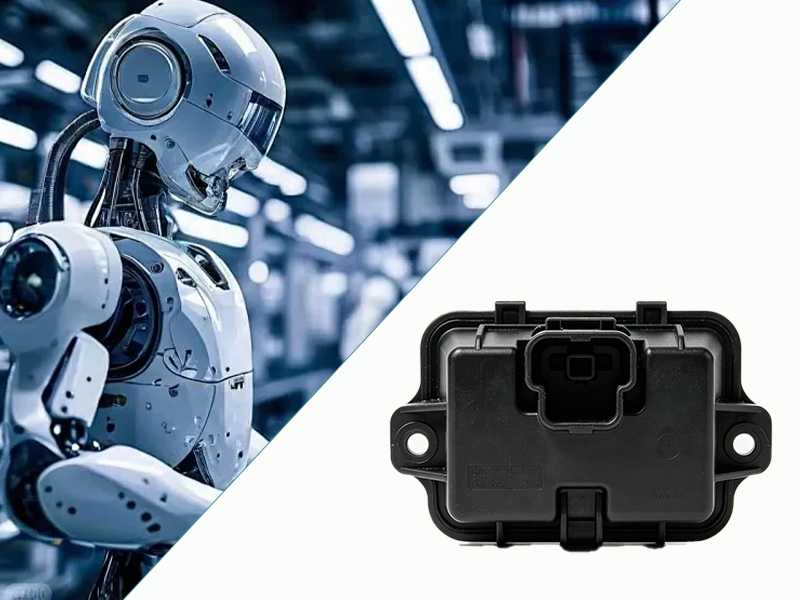
Los componentes estructurales robóticos requieren un equilibrio entre una elevada rigidez y un diseño ligero, por lo que suelen utilizarse PA o POM reforzados con fibra de vidrio; las carcasas de los sistemas de almacenamiento de energía deben cumplir estrictos requisitos de resistencia al fuego, por lo que los materiales con clasificación UL 94 V-0 son los habituales.
Capacidades de procesamiento de materiales de Dimud
Ingeniería de moldes propia adaptada a las propiedades de los materiales
Durante la fase de diseño del molde, tenemos en cuenta la contracción del material, sus propiedades de fluidez y los coeficientes de expansión térmica para garantizar que el molde se adapte perfectamente a las características del material, lo que permite reducir el número de pruebas.
Integración multiproceso para requisitos específicos de los materiales
En el caso de los materiales que requieren un procesamiento secundario (como el recubrimiento de superficies, el grabado por láser y la soldadura por ultrasonidos), nos encargamos de estos procesos internamente para evitar las fluctuaciones de calidad que puede acarrear la subcontratación.
Abastecimiento de materias primas y selección de proveedores
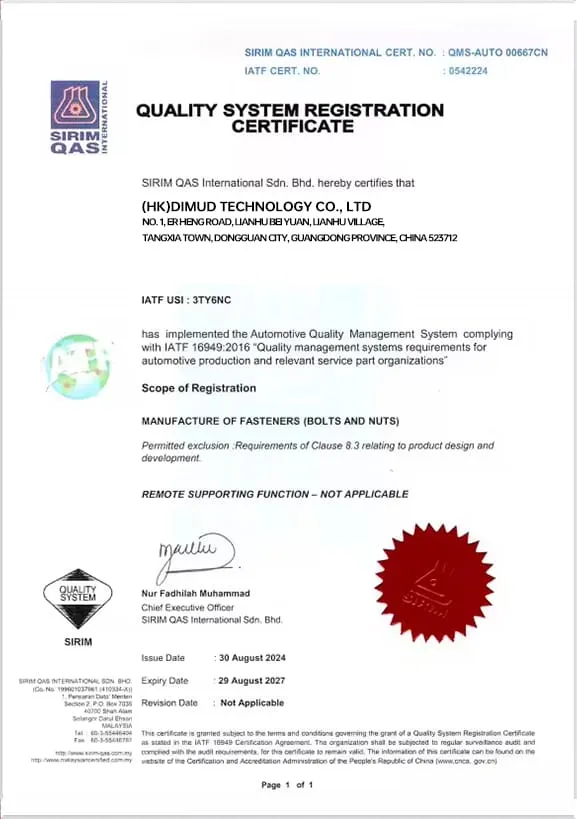
Dimud cuenta con una red de proveedores de materias primas verificados y proporciona a sus clientes documentación de trazabilidad y certificados de análisis (COA) para garantizar la uniformidad de cada lote de materiales.
Prototipado rápido para la validación de materiales
Ofrecemos servicios de prototipado rápido mediante impresión 3D para ayudar a los clientes a validar el rendimiento de los materiales antes de la fabricación de utillaje, reduciendo así los riesgos de I+D.
Estrictos controles de calidad en cada fase
Ofrecemos un control de calidad integral, desde la inspección de entrada hasta la inspección dimensional del producto acabado, y podemos proporcionar documentación de calidad, como el PPAP y el FMEA.
Preguntas frecuentes sobre los materiales para el moldeo por inyección
El PP (polipropileno) y el ABS son los dos materiales más utilizados en el moldeo por inyección en todo el mundo. El PP se utiliza ampliamente en productos de consumo debido a su baja densidad, su buena estabilidad química y su bajo coste; el ABS es el material preferido en las industrias electrónica y de la automoción por su excelente resistencia al impacto y la calidad de su superficie.
La mayoría de los materiales termoendurecibles no pueden volver a fundirse tras el curado y, por lo tanto, no son aptos para los procesos convencionales de moldeo por inyección. Algunos compuestos con un alto contenido en carga o fibra también pueden resultar difíciles de moldear correctamente debido a una fluidez insuficiente.
La temperatura de procesamiento, la corrosividad (por ejemplo, los rellenos de fibra de vidrio) y la tasa de contracción de los materiales influyen directamente en la elección del tipo de acero para el molde, el diseño del sistema de refrigeración y los requisitos de precisión del molde, lo que a su vez repercute en el coste del mismo. El uso de materiales altamente corrosivos (como el PVC) requiere moldes de acero inoxidable, lo que se traduce en unos costes significativamente más elevados.
Sí. El equipo de ingeniería de Dimud ofrece servicios gratuitos de asesoramiento en la selección de materiales. Teniendo en cuenta los requisitos funcionales de su producto, el entorno operativo, el presupuesto y los requisitos de conformidad, le recomendamos las soluciones de materiales más adecuadas y evaluamos su viabilidad de fabricación durante la fase de análisis de DFM.
Dimud puede proporcionar a sus clientes certificados de análisis (COA) emitidos por los proveedores de materiales, informes de ensayos realizados por terceros y documentación de cumplimiento específica del sector para respaldar sus sistemas de gestión de la calidad y sus procesos de certificación de productos.
El pedido mínimo (MOQ) varía en función de las dimensiones del producto, el diseño del molde y el tipo de material. Dimud ofrece servicios que abarcan desde la producción de prueba en lotes pequeños hasta la producción a gran escala de millones de unidades. Indíquenos sus requisitos específicos para recibir un presupuesto detallado.