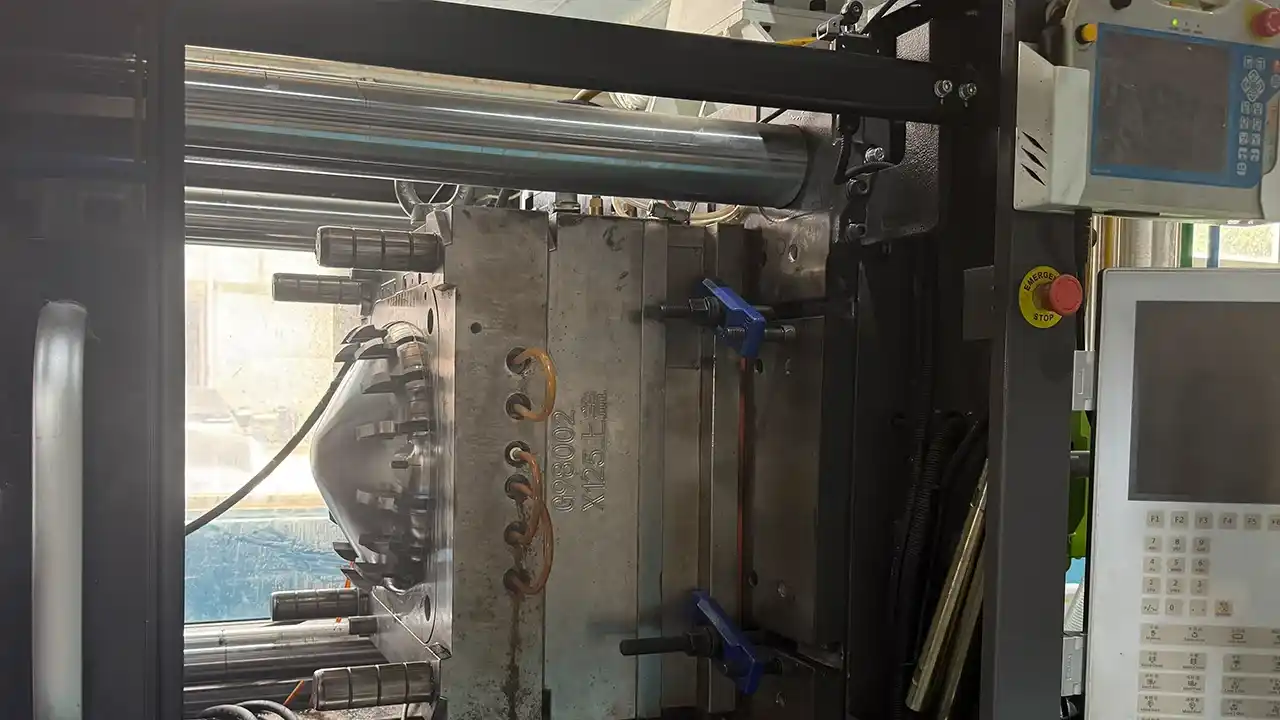

¿Qué es el moldeo por inyección?
El moldeo por inyección es, en la actualidad, el proceso de fabricación más utilizado para las piezas de plástico.
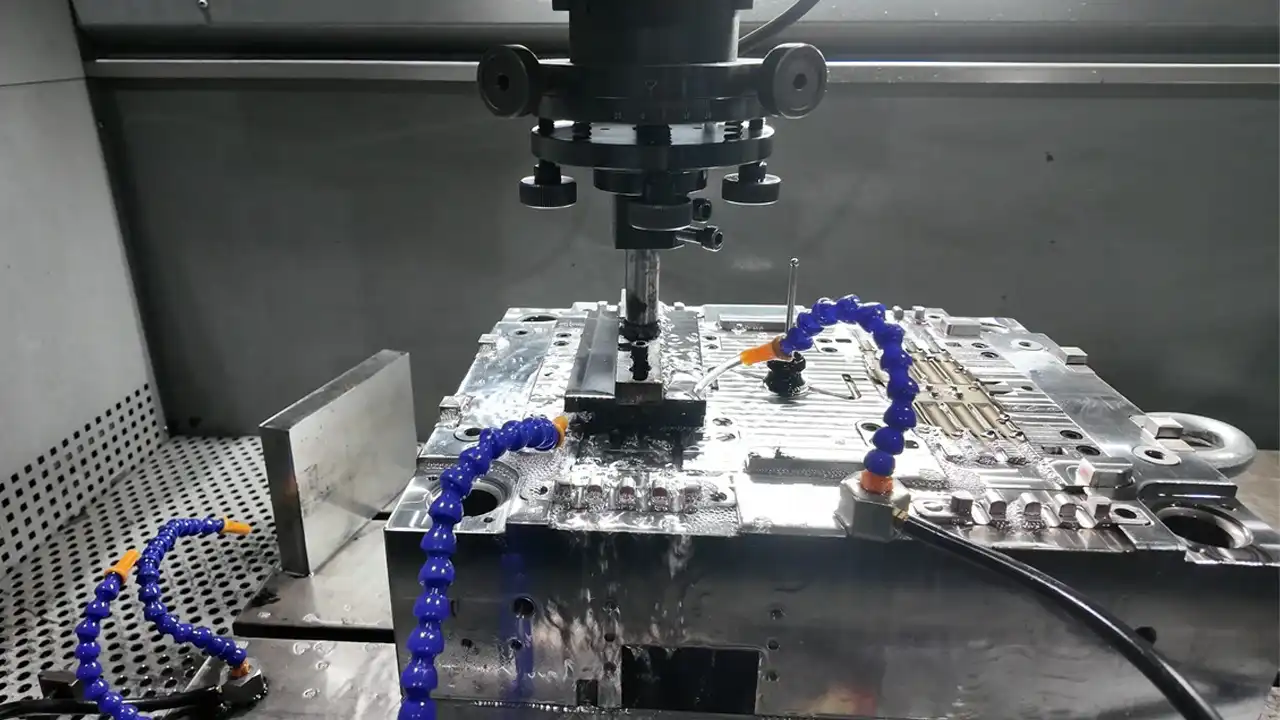
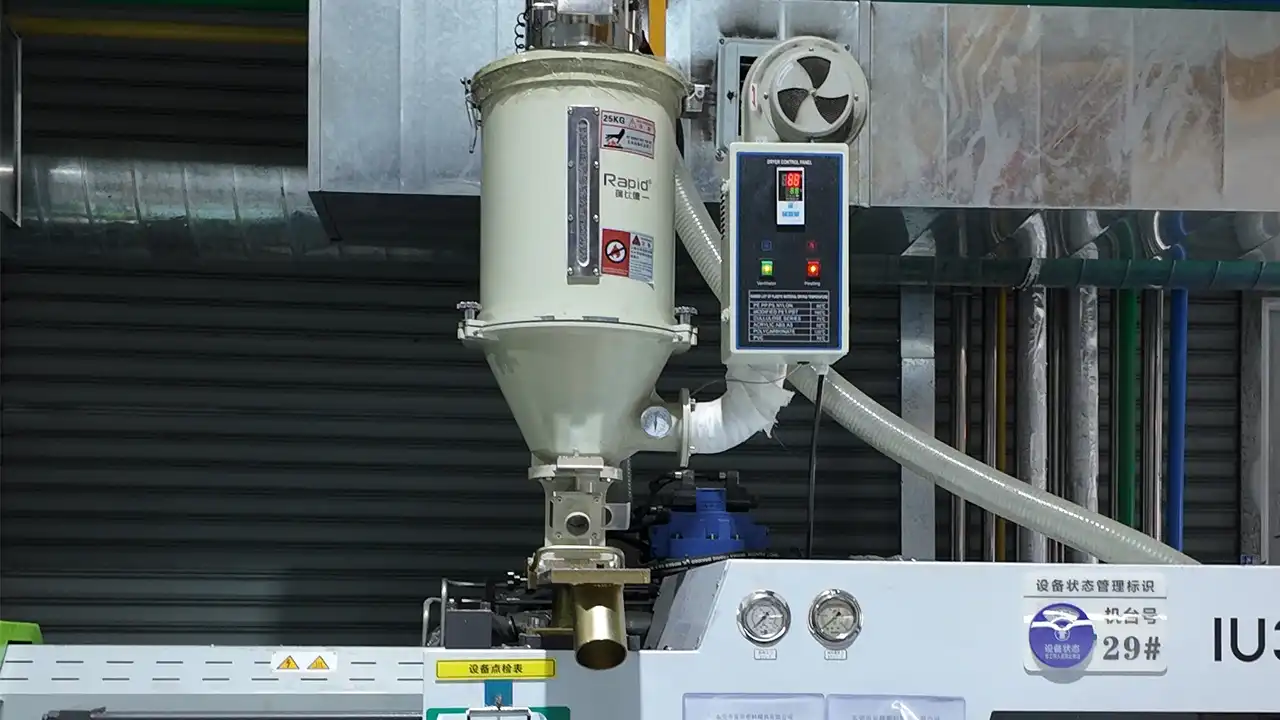
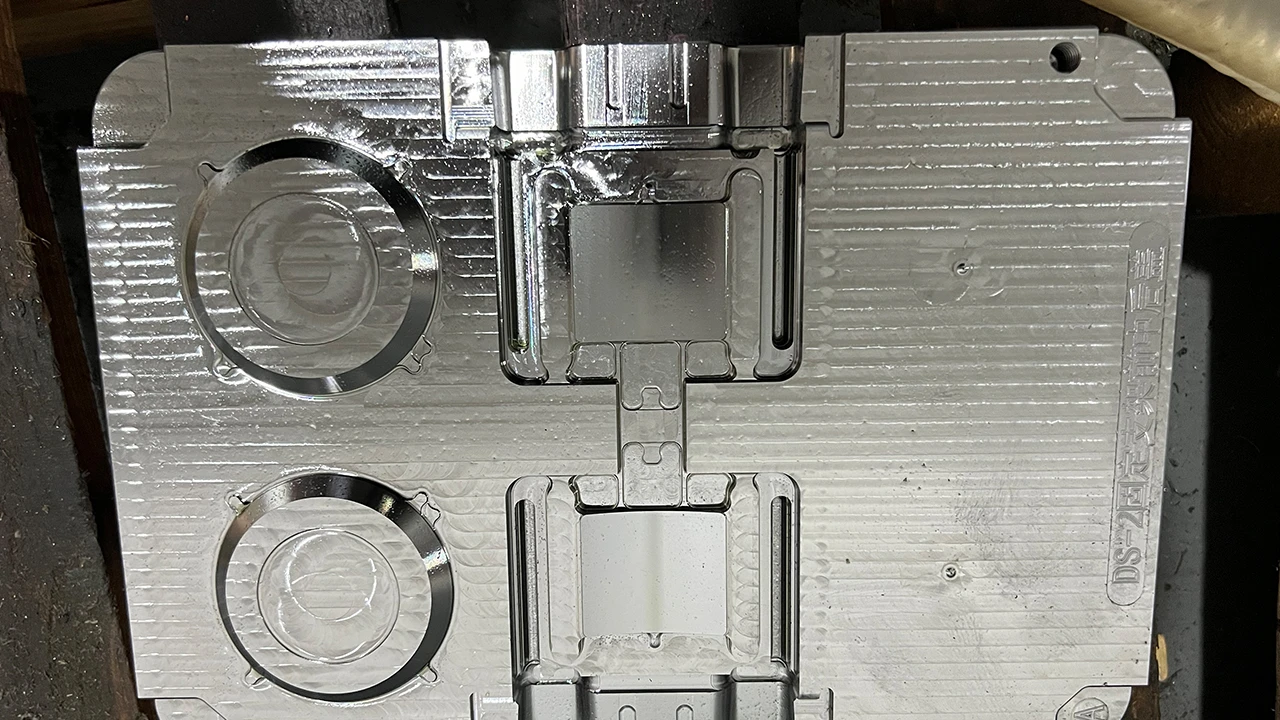
El principio en el que se basa es sencillo: las bolitas de plástico se calientan hasta que se funden y, a continuación, se inyectan en un molde metálico a alta presión; tras enfriarse, se extrae la pieza, lo que da como resultado un componente con una forma precisa.
Este proceso puede repetirse indefinidamente. Un solo molde puede producir de forma continua cientos de miles de piezas idénticas, y cuanto mayor sea el tamaño del lote, menor será el coste por unidad.
Por eso, la gran mayoría de las piezas de plástico que te rodean —fundas para móviles, paneles interiores de automóviles, jeringuillas médicas— se fabrican mediante moldeo por inyección.
Es especialmente adecuado para:
- Aplicaciones que requieren una producción en serie (normalmente 5.000 unidades o más al año)
- Aplicaciones que requieren consistencia dimensional en las piezas
- Aplicaciones en las que intervienen productos con formas complejas que no pueden mecanizarse directamente
¿Cómo funciona el moldeo por inyección?
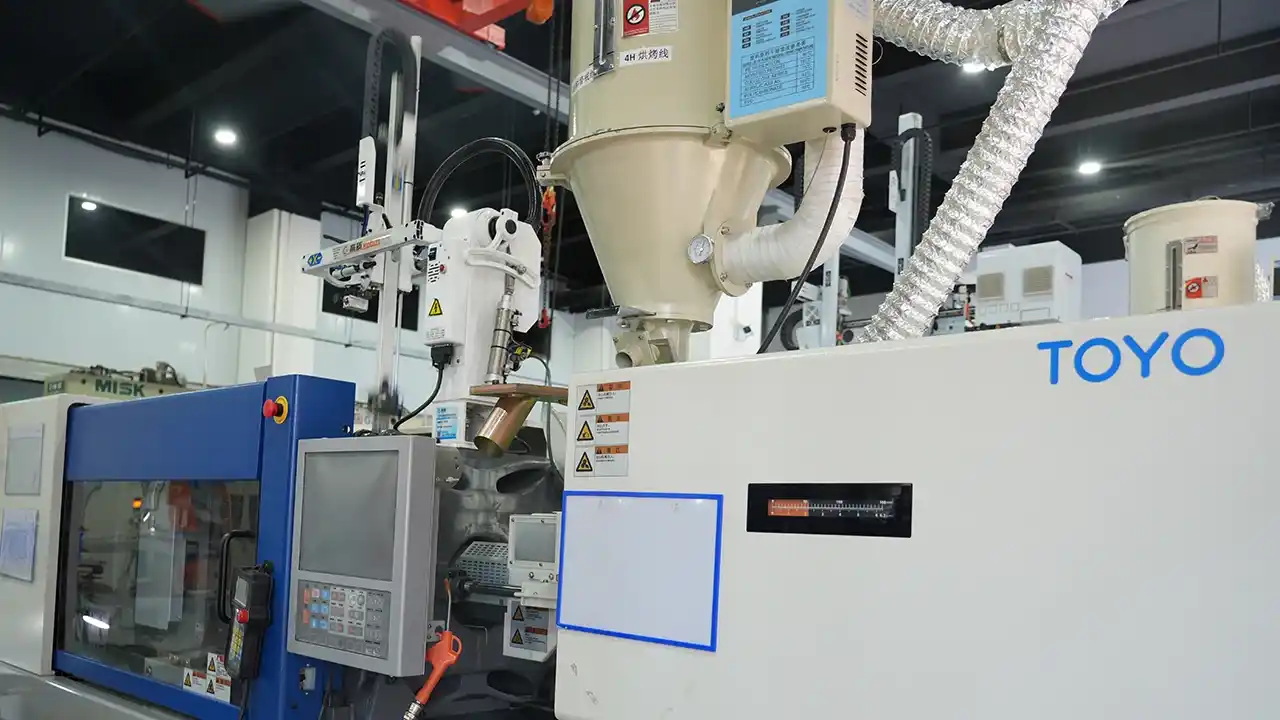
Mucha gente sabe para qué sirve el moldeo por inyección, pero no entiende exactamente cómo se lleva a cabo. Comprender este proceso te ayudará a sentirte más seguro a la hora de comunicarte con los proveedores y te facilitará la identificación de posibles problemas de diseño.
Un ciclo de moldeo consta de seis pasos
El proceso mediante el cual una máquina de moldeo por inyección fabrica una pieza puede dividirse en seis acciones consecutivas:
Paso 1: Sujeción: la placa móvil de la máquina se cierra hacia la placa fija, y las dos mitades del molde quedan firmemente unidas entre sí. La fuerza de sujeción evita que el material fundido a alta presión separe el molde durante la inyección.
Paso 2: Inyección: El husillo avanza hacia delante como un pistón, inyectando el plástico fundido almacenado en su punta en la cavidad del molde a una velocidad y presión preestablecidas. El proceso, desde el inicio de la inyección hasta el llenado de la cavidad, suele durar entre 0,5 y 5 segundos.
Paso 3: Presión de mantenimiento: Una vez rellenada la cavidad, el husillo sigue aplicando una cierta presión (inferior a la presión de inyección) para compensar la contracción volumétrica del plástico a medida que se enfría. Una presión de mantenimiento insuficiente puede provocar fácilmente marcas de hundimiento en la superficie del producto.
Paso 4: Enfriamiento: Los canales de enfriamiento del molde eliminan el calor de forma continua, lo que permite que el plástico se solidifique y se endurezca gradualmente de fuera hacia dentro. El tiempo de enfriamiento suele representar entre el 60% y el 70% del ciclo completo y es el factor más crítico que afecta a la eficiencia de la producción.
Paso 5: Apertura del molde: Una vez finalizado el enfriamiento, la placa móvil se retrae y el molde se abre.
Paso 6: Expulsión: Los pasadores expulsores (o una placa expulsora) empujan la pieza solidificada fuera de la cavidad, desde donde cae a una zona de recogida o es recogida por un brazo robótico.
Una vez completado todo el ciclo, el tornillo vuelve a girar para plastificar el material, preparándolo para la siguiente inyección. La duración total del ciclo puede oscilar entre tan solo 5 segundos (para piezas pequeñas de paredes finas) y varios minutos (para piezas grandes de paredes gruesas).
¿Qué pasa con el plástico que hay dentro?
Desde los gránulos hasta las piezas, el plástico sufre tres cambios de estado físico distintos:
- Pellets sólidos (a temperatura ambiente) → Entran en la tolva y el sinfín
- Fluido fundido (calentado por encima del punto de fusión del material) → Inyectado en el molde
- Pieza sólida (tras el enfriamiento) → Extraída del molde
Este proceso consiste en cambios físicos totalmente reversibles; no se producen reacciones químicas, por lo que los termoplásticos pueden reciclarse y reutilizarse.
¿Cuáles son los diferentes tipos de moldeo por inyección?
El moldeo por inyección estándar es solo el punto de partida. En función de los requisitos del producto, existe una amplia variedad de procesos derivados entre los que elegir, cada uno de ellos adaptado a retos de diseño específicos u objetivos de coste.
Moldeo por inyección estándar
La forma más habitual. Un material, un molde, un ciclo de moldeo. Adecuada para la gran mayoría de las piezas de plástico de un solo material.
Moldeo de dos inyecciones / Moldeo de múltiples inyecciones
En la misma máquina, se inyecta primero el primer material para formar la base, seguido del segundo material, que se inyecta para cubrir las zonas designadas; ambos materiales se unen dentro del molde.
Aplicaciones típicas: mangos de cepillos de dientes (base rígida de PP + zona de agarre blanda de TPE), botones bicolores para el sector de la automoción.
La ventaja es que elimina los procesos de ensamblaje y unión en la fase de posproducción, lo que da como resultado una pieza más integrada; la desventaja es que la estructura del molde es compleja, lo que requiere una mayor inversión inicial.
Moldeo por inserción
Los insertos metálicos (como tuercas, ejes y contactos) se colocan previamente en el molde y, a continuación, se inyecta el plástico. Una vez que el plástico se enfría, se forma una unión resistente con los insertos.
Aplicaciones habituales: carcasas de plástico con tuercas de cobre, terminales metálicos para conectores electrónicos y armaduras de bobinas de motor.
Esta es la forma más rentable de fabricar piezas integradas de “metal + plástico”, ya que elimina la necesidad de procesos posteriores de ajuste a presión y, al mismo tiempo, proporciona una mayor resistencia de la unión.
Moldeo por inyección asistida por gas
Tras inyectar el material fundido, se inyecta gas inerte a alta presión (normalmente nitrógeno) en la cavidad del molde. El gas expande la pieza desde el interior, formando una estructura hueca.
Aplicaciones típicas: tiradores de puertas de automóviles, componentes de chasis de gran tamaño y piezas estructurales tubulares.
Entre las ventajas se incluyen una reducción significativa del consumo de material sin perder calidad en la superficie, la eliminación de las marcas de hundimiento en las zonas de paredes gruesas y la reducción del peso.
Moldeo por inyección de paredes finas
Un proceso desarrollado específicamente para piezas con espesores de pared inferiores a 1 mm, que requiere máquinas de moldeo por inyección de alta velocidad y alta presión, así como sistemas de entrada y soluciones de refrigeración especialmente diseñados.
Aplicaciones habituales: carcasas de teléfonos móviles, componentes estructurales de ordenadores portátiles y dispositivos de comunicación 5G.
El principal reto consiste en garantizar que el material fundido llene por completo toda la cavidad de pared delgada antes de solidificarse, lo que plantea exigencias extremadamente elevadas en cuanto a la fluidez y la velocidad de inyección.
Moldeo por microinyección
Diseñado para piezas ultrapequeñas y ultraprecisas, con pesos unitarios que pueden llegar a ser de tan solo unos miligramos y tolerancias dimensionales de tan solo ±0,005 mm.
Aplicaciones típicas: puntas de catéteres médicos de microtamaño, conectores de fibra óptica y componentes de encapsulado para MEMS.
Ventajas y limitaciones del moldeo por inyección
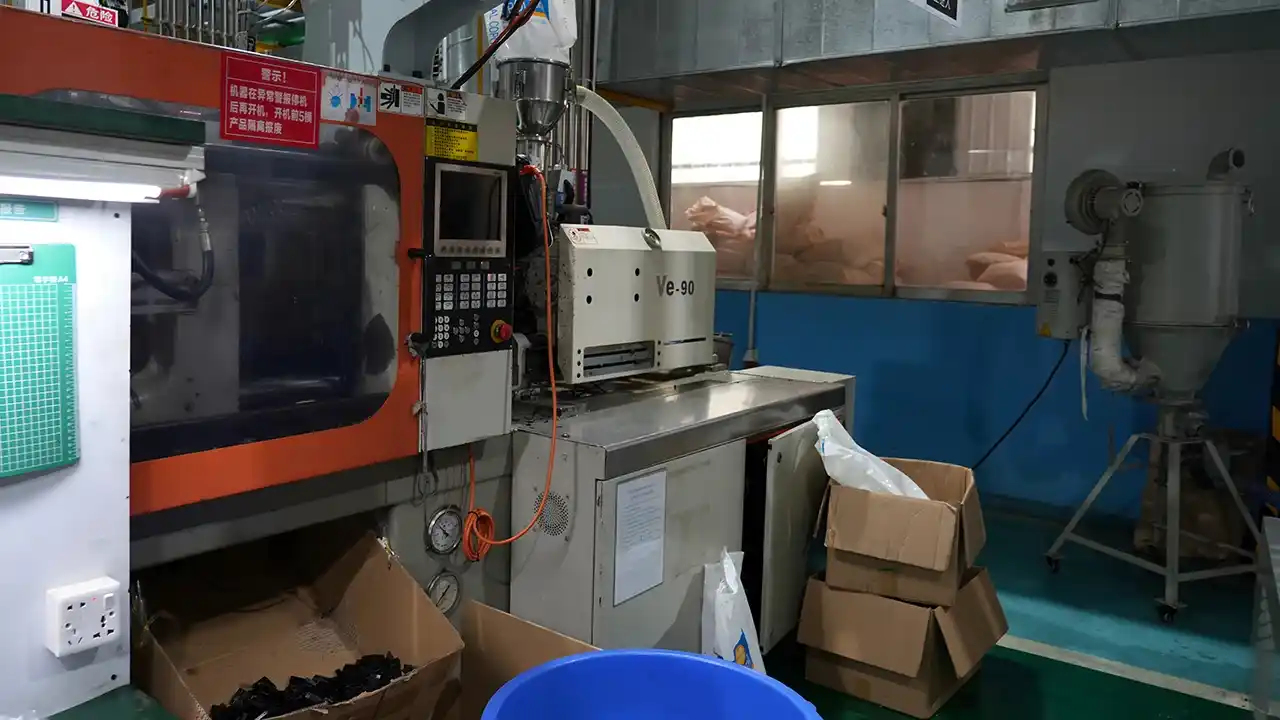
No existe ningún proceso de fabricación que sea una solución válida para todos los casos. Antes de decidirse por el moldeo por inyección, comprender en qué aspectos destaca realmente y cuáles son sus limitaciones puede ayudarte a evitar desvíos innecesarios.
Ventajas
Bajo coste unitario para la producción a gran escala
El molde supone una inversión única; cuando el coste se reparte entre cada producto, cuanto mayor sea el tamaño del lote, menor será el coste unitario. Para volúmenes de producción anuales superiores a 100 000 unidades, el moldeo por inyección es prácticamente insustituible.
Consistencia extremadamente alta
Los parámetros del proceso se mantienen totalmente constantes de un ciclo a otro; en teoría, cada producto es una “réplica exacta” del mismo molde. Esto resulta fundamental para las piezas que requieren tolerancias dimensionales estrictas.
Amplia gama de opciones de materiales
Desde el PP, de bajo coste, hasta el PEEK, que resiste temperaturas de hasta 260 °C, casi todos los materiales termoplásticos pueden moldearse por inyección. El cambio de material no requiere modificar el marco básico del proceso.
Las estructuras complejas se pueden moldear en un solo paso
Se pueden moldear directamente elementos complejos como roscas, pestillos, nervaduras, orificios y muescas (que requieren expulsión lateral), lo que elimina la necesidad de un mecanizado posterior.
Alta eficiencia productiva
Un ciclo completo suele durar entre unos segundos y unos minutos. Si a esto se le suma la extracción automática de las piezas y el uso de moldes de múltiples cavidades, la capacidad de producción diaria puede alcanzar decenas de miles de piezas.
Excelente calidad de la superficie
La rugosidad superficial de la cavidad del molde se transmite directamente al producto. Las cavidades de molde altamente pulidas pueden producir directamente un acabado especular, lo que elimina la necesidad de procesos de pulido posteriores.
Limitaciones
Elevada inversión inicial en moldes
Este es el mayor obstáculo para iniciarse en el moldeo por inyección. Un molde de acero de complejidad moderada cuesta entre decenas de miles y cientos de miles de yuanes, y los proyectos de lotes pequeños suelen tener dificultades para repartir este coste entre un número suficiente de unidades.
El elevado coste de los cambios de diseño
Una vez finalizado un molde, cambiar la forma del producto suele requerir modificar el molde o incluso volver a fabricarlo. Esto hace que el moldeo por inyección dependa en gran medida de un diseño de producto “definitivo”, por lo que no resulta adecuado para fases que impliquen iteraciones frecuentes.
No apto para lotes pequeños
Cuando la demanda anual es inferior a 3.000-5.000 unidades, el coste del molde por unidad resulta muy elevado; en tales casos, el mecanizado CNC o la impresión 3D suelen ser opciones más adecuadas.
El tamaño de las piezas viene determinado por la maquinaria
Las piezas de gran tamaño (como, por ejemplo, un parachoques de coche completo) requieren máquinas de moldeo por inyección de tonelaje ultraalto y moldes de gran tamaño, lo que conlleva unos costes de equipamiento extremadamente elevados; además, no todas las fábricas tienen la capacidad para gestionarlas.
La contracción y la deformación son problemas inherentes
Los plásticos se contraen al enfriarse, y las diferencias en las tasas de contracción entre distintas zonas pueden provocar deformaciones. Esto requiere un control exhaustivo en el diseño del producto, la selección de materiales y los parámetros del proceso; aunque no es posible eliminarlo por completo, sí se puede reducir a un rango aceptable gracias a la experiencia y a la simulación.
No apto para materiales termoendurecibles (se requieren procesos especializados)
El moldeo por inyección estándar solo es adecuado para materiales termoplásticos. Los materiales termoendurecibles (como la resina epoxi) o el caucho de silicona líquido requieren equipos y procesos especializados, y no pueden procesarse directamente con máquinas de moldeo por inyección estándar.
Materiales para el moldeo por inyección: ¿cómo elegirlos?
Moldeo por inyección puede procesar una amplia variedad de materiales termoplásticos. Si se elige un material inadecuado, el resultado será una resistencia insuficiente o problemas de procesamiento; por lo tanto, la selección de los materiales para el moldeo por inyección es uno de los primeros aspectos que deben confirmarse en cualquier proyecto.
Plásticos básicos: adecuados para su finalidad y con el menor coste
| Material | Características principales | Aplicaciones típicas |
|---|---|---|
| PP (polipropileno) | Ligero, resistente, resistente a los productos químicos y económico. | Envases para alimentos, interiores de automóviles, artículos de uso diario |
| ABS | Rigidez y tenacidad equilibradas, fácil de galvanizar y excelente calidad superficial. | Carcasas de electrodomésticos, juguetes, piezas para el interior de vehículos |
| PS (poliestireno) | De gran rigidez, transparente, pero frágil. | Vajilla desechable, estuches para CD, vitrinas |
| PE (polietileno) | Resistente a los productos químicos, no tóxico, fácil de procesar | Tapones de botella, componentes de embalaje, accesorios para tuberías |
Estos materiales son adecuados para productos de consumo o componentes de embalaje que no requieran una gran resistencia mecánica ni resistencia al calor.
Plásticos técnicos: la mejor opción cuando se requieren prestaciones específicas
| Material | Características principales | Aplicaciones típicas |
|---|---|---|
| PC (policarbonato)) | Alta transparencia, gran tenacidad y resistencia al impacto | Lentes ópticas, carcasas electrónicas, protectores faciales |
| PA (Nylon) | De alta resistencia, autolubricante y resistente al desgaste | Engranajes, cojinetes y componentes periféricos de motores de automóvil |
| POM (polioximetileno) | Alta rigidez, baja fricción, estabilidad dimensional | Engranajes de precisión, poleas y componentes de válvulas |
| Aleación de PC/ABS | Combina la resistencia del PC con la facilidad de procesamiento del ABS | Carcasas de ordenadores portátiles, paneles de instrumentos |
Los plásticos técnicos son la opción principal cuando las piezas deben soportar cargas mecánicas, altas temperaturas o medios químicos específicos.
Plásticos especiales de alto rendimiento: soluciones para condiciones extremas
| Material | Características principales | Aplicaciones típicas |
|---|---|---|
| PEEK | Resistencia a temperaturas superiores a 260 °C, alta resistencia mecánica, biocompatibilidad | Implantes médicos, equipos para semiconductores, componentes aeroespaciales |
| PPS (sulfuro de polifenileno) | Resistente a las altas temperaturas, a los productos químicos y ignífugo | Componentes de motores de automoción, conectores electrónicos |
| LCP (polímero de cristal líquido) | Moldeado de paredes ultrafinas, baja deformación | Componentes 5G, conectores en miniatura |
Estos materiales son caros (la materia prima del PEEK cuesta más de 600 000 yuanes por tonelada métrica) y, por lo general, solo se tienen en cuenta cuando los materiales de uso general no pueden cumplir los requisitos.
Algunas cuestiones que hay que tener en cuenta a la hora de seleccionar los materiales
- ¿Cuál es la temperatura de funcionamiento de los componentes? La temperatura de funcionamiento a largo plazo no debe superar la temperatura de deflexión térmica (HDT) del material.
- ¿Con qué sustancias químicas entrará en contacto la pieza? La corrosividad de las grasas, los disolventes, los ácidos y los álcalis varía considerablemente en función del material.
- ¿Existen requisitos normativos? Se aplican sistemas específicos de certificación de materiales a las piezas que entran en contacto con alimentos, a los productos sanitarios y a los componentes de automoción.
- ¿Cuáles son los requisitos estéticos? Requisitos como la transparencia, el pintado, el recubrimiento o texturas superficiales específicas influirán en la elección del material.
¿No estás seguro de qué material es el adecuado para tu proyecto? ¿Quieres saber más sobre los materiales para el moldeo por inyección? Echa un vistazo a Biblioteca de materiales para moldeo por inyección de Dimud.
Directrices de diseño para el moldeo por inyección
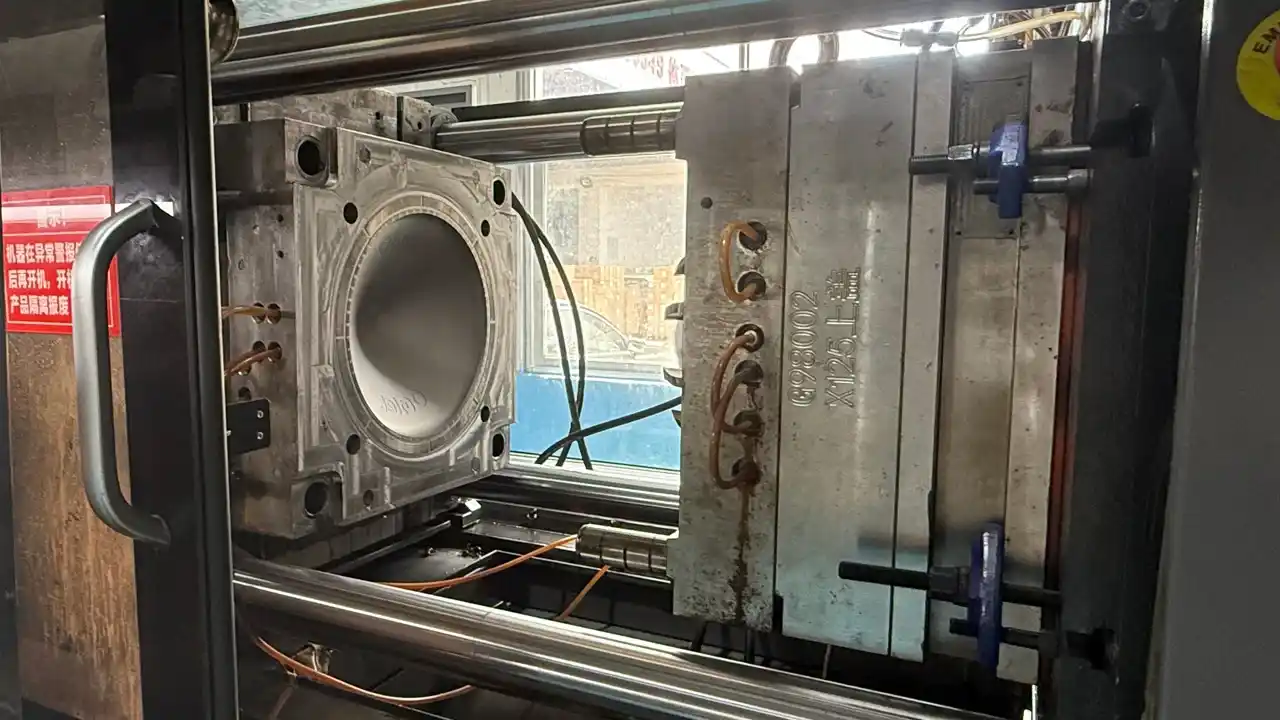
Los moldes suponen la mayor inversión inicial en un proyecto de moldeo por inyección y, además, determinan el límite máximo de la calidad del producto. Si se pasa por alto la fabricabilidad durante la fase de diseño del producto, el coste de las modificaciones posteriores del molde suele ser mucho mayor que el coste de una optimización temprana.
Las siguientes directrices de diseño para el moldeo por inyección abarcan algunas de las consideraciones de diseño más habituales, así como aquellas que suelen pasarse por alto en las primeras fases.
Ángulo de desmoldeo en el moldeo por inyección: sin él, la pieza no se puede extraer del molde
Las piezas cuyas paredes laterales son paralelas a la dirección de apertura del molde pueden “atascarse” en el molde durante la expulsión. La solución consiste en diseñar las paredes laterales con un ligero ángulo de inclinación, conocido como ángulo de desmoldeo en el moldeo por inyección.
- Superficies lisas: al menos 1°
- Superficies texturizadas: normalmente entre 3° y 5°, dependiendo de la profundidad de la textura
Este es uno de los requisitos más básicos en el diseño de piezas, pero a menudo se pasa por alto en las primeras fases del diseño.
Uniformidad del espesor de la pared: la irregularidad en el espesor de la pared es la causa principal de los defectos
La uniformidad del espesor de las paredes en el moldeo por inyección influye directamente en la calidad del producto. Las variaciones excesivas en el espesor de las paredes hacen que las zonas más delgadas se enfríen y se solidifiquen primero, mientras que las zonas más gruesas no pueden compensar suficientemente durante el enfriamiento y la contracción. Esto acaba provocando marcas de hundimiento en las zonas de pared más gruesas o deformaciones causadas por tensiones internas.
Pautas recomendadas sobre el espesor de las paredes:
- Plásticos de uso general (PP, ABS): 1,2–3,5 mm
- Plásticos técnicos (PC, PA): 1,5–4,0 mm
- Materiales especiales de alto flujo (LCP): 0,3–1,0 mm
Si es necesario reforzar localmente, da prioridad al uso de nervaduras en lugar de aumentar el espesor de la pared.
Nervaduras de refuerzo: aumentan la rigidez, pero hay que actuar con moderación en el diseño
Las nervaduras pueden aumentar la rigidez de una pieza sin aumentar el espesor de la pared, pero, si se diseñan de forma inadecuada, pueden provocar marcas de hundimiento.
Directrices básicas:
- Espesor de la nervadura = 50%–60% del espesor de la pared principal
- Altura del nervio ≤ 3 veces el espesor de la pared principal
- Redondea la base de la nervadura (R ≥ 0,3 mm) para reducir la concentración de tensiones.
Puerta: la entrada por la que el material fundido accede a la cavidad del molde; su ubicación es fundamental
La entrada determina por dónde entra el material fundido en la cavidad del molde, lo que influye directamente en que el llenado sea equilibrado, en la ubicación de la línea de soldadura y en si quedarán marcas visibles en la superficie del producto.
| Tipo de compuerta | Características | Situaciones adecuadas |
|---|---|---|
| Puerta lateral | Sencillo y versátil; deja una marca de corte al retirarlo | La mayoría de las piezas de uso general |
| Compuerta de clavija | La marca es extremadamente fina; puede cortarse automáticamente. | Piezas con elevados requisitos estéticos |
| Puerta submarina | Ocultar el punto de alimentación, corte automático | En el caso de las piezas estéticas, evita retirar manualmente la entrada de fundición |
| Canal caliente con entrada directa | Sin desperdicio de material de soporte, tiempos de ciclo rápidos | Piezas de alta precisión fabricadas en grandes lotes |
Sistema de refrigeración: el componente que más influye en la eficiencia
El enfriamiento suele representar entre el 60% y el 70% del ciclo completo de moldeo. Cuanto más rápido y uniforme sea el enfriamiento, menor será la deformación del producto y mayor será la eficiencia de producción.
En el caso de los productos con formas complejas, los canales de refrigeración rectos tradicionales tienen dificultades para enfriar todas las zonas de manera uniforme. Los canales de refrigeración conformados (creados mediante impresión 3D en metal para formar canales de formas irregulares) permiten que el medio de refrigeración fluya cerca de la superficie de la cavidad, lo que reduce el tiempo de enfriamiento entre un 30% y un 50%.
Acero para matrices: selección en función del volumen de producción y del material
| Productos de acero | Capacidad de producción aplicable | Características |
|---|---|---|
| P20 / 718 (acero preendurecido) | ≤ 500 000 modos | Fácil de procesar y a un precio moderado |
| H13 (Acero para matrices de trabajo en caliente, templable) | > 1 millón de veces en el molde | Alta dureza, larga vida útil |
| S136 (acero inoxidable) | Materiales corrosivos o moldes médicos | Resistente a la corrosión y con excelentes propiedades de pulido a espejo |
| Aleación de aluminio (7075) | ≤ 50 000 ciclos de moldeo | Procesamiento rápido y bajo coste; adecuado para la validación de muestras |
¿Cuáles son los defectos más habituales en el moldeo por inyección? ¿A qué se deben? ¿Cómo se pueden solucionar?
Al depurar un proceso de moldeo por inyección, es habitual que se produzcan defectos en el moldeo. La clave está en determinar rápidamente en qué fase se origina el problema: si es en el diseño del producto, en la estructura del molde o en los parámetros del proceso.
Estos son los seis defectos más habituales:
Marcas de hundimiento
Aspecto: Aparecen hendiduras localizadas en la superficie de la pieza, normalmente en zonas de paredes gruesas o en la parte posterior de las nervaduras.
Causa: La capa exterior se enfría y se solidifica primero; cuando el material fundido del interior se contrae, esta contracción no puede compensarse y “colapsa” hacia la superficie.
Solución: Aumentar la presión de mantenimiento y el tiempo de mantenimiento; optimizar el diseño del espesor de las paredes; acercar la entrada de material a las zonas de paredes gruesas.
Alabeo
Aspecto: El producto se deforma tras el desmoldeado, lo que da lugar a una planitud fuera de tolerancia.
Causa: Las velocidades de enfriamiento desiguales en las distintas partes de la pieza provocan variaciones en la tensión interna; los materiales reforzados con fibra de vidrio presentan diferentes tasas de contracción en distintas direcciones.
Solución: Optimizar la uniformidad de los canales de refrigeración; ajustar los parámetros de presión de mantenimiento; comprobar el diseño del producto para detectar zonas con cambios bruscos significativos en el espesor de la pared.
Líneas de soldadura
Aspecto: Se forman líneas visibles en la unión de dos corrientes de fusión, y la resistencia a la tracción en este punto es considerablemente menor que en otras zonas.
Causa: Durante la inyección alrededor de los orificios o en el caso de la inyección con múltiples entradas, la temperatura del frente de fusión ya ha descendido cuando las corrientes convergen, lo que da lugar a una fusión insuficiente.
Cómo solucionarlo: Aumenta la temperatura de fusión y la temperatura del molde; utiliza Análisis de flujo de molde para predecir la ubicación de las líneas de soldadura y diseñarlas en zonas sin tensiones.
Flash
Aspecto: Aparecen finas capas de plástico sobrante en la línea de separación, en los orificios de los pasadores de expulsión y en otros puntos.
Causas: Fuerza de sujeción insuficiente; mal ajuste entre las líneas de separación del molde; presión de inyección excesiva.
Solución: Comprueba que la fuerza de sujeción se ajuste al área proyectada de la pieza; ajusta la precisión de ajuste de las líneas de separación; reduce adecuadamente la velocidad de inyección.
Huecos / Rayas plateadas — Huecos internos o rayas plateadas en la superficie
Aspecto: Burbujas visibles en el interior de las partes transparentes; vetas plateadas en la superficie de las partes opacas.
Causas: Exceso de humedad en la materia prima; la humedad se evapora a altas temperaturas, generando gas.
Solución: Seguir al pie de la letra los procedimientos de secado de los materiales; cada material tiene unos requisitos específicos en cuanto a temperatura y tiempo de secado (por ejemplo, los materiales de PA deben secarse a 80 °C durante al menos 4 horas).
Disparo corto
Aspecto: Deficiencia de material en los bordes o extremos del producto; geometría incompleta de la pieza.
Causa: Volumen o presión de inyección insuficientes; temperatura del material fundido demasiado baja, lo que provoca un flujo deficiente; el gas atrapado al final de la cavidad no puede expulsarse.
Solución: Aumentar la velocidad de inyección y la temperatura de fusión; incorporar ranuras de ventilación (normalmente de 0,01 a 0,03 mm de profundidad) en las zonas propensas a la acumulación de gas.
Aplicaciones del moldeo por inyección en cuatro sectores principales
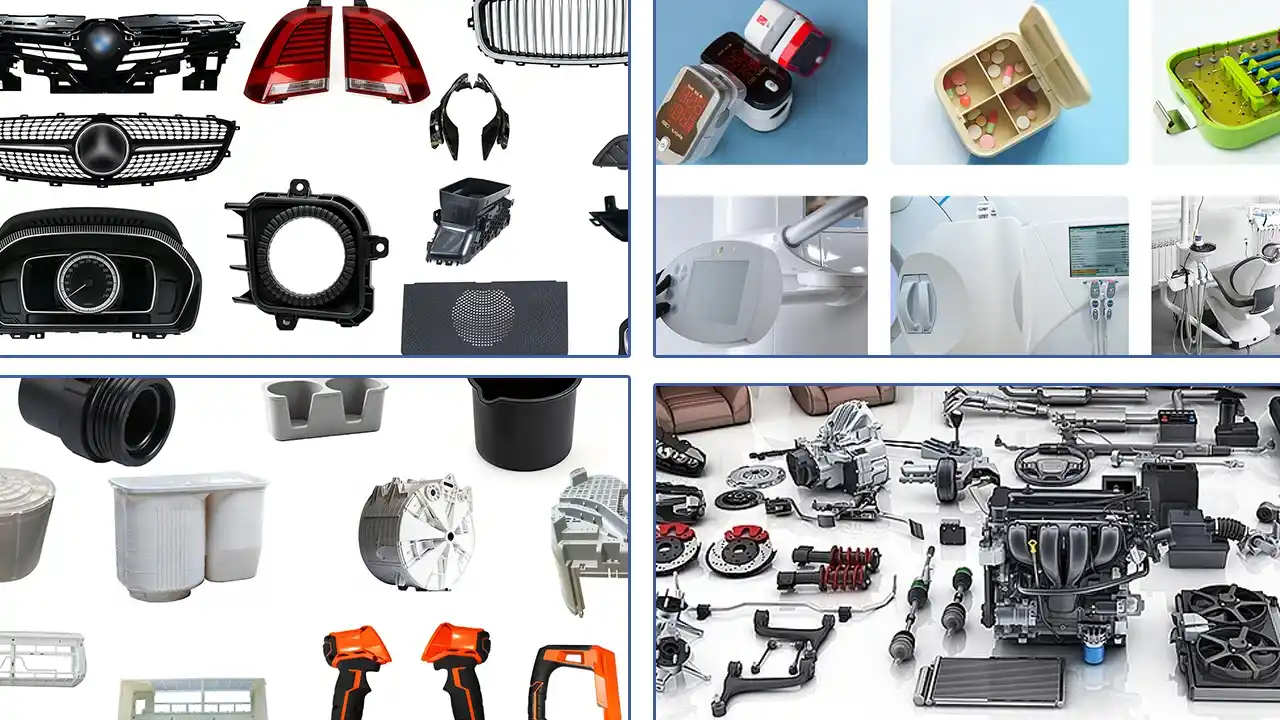
El moldeo por inyección no es un proceso “único para todos”; los requisitos varían considerablemente según los distintos sectores.
Industria del automóvil
El peso de las piezas de plástico utilizadas en un solo turismo ha alcanzado los 150–200 kilogramos, lo que representa aproximadamente el 15% del peso total del vehículo.
Las piezas moldeadas por inyección abarcan una amplia gama: desde grandes componentes interiores y exteriores, como parachoques, salpicaderos y paneles de puerta, hasta piezas funcionales de precisión, como carcasas de sensores y fijaciones para mazos de cables.
Requisitos básicos para el moldeo por inyección en el sector de la automoción:
- Alta estabilidad dimensional, con tolerancias de forma y posición que suelen ser ≤ 0,1 mm
- Resistencia al calor y al envejecimiento a largo plazo
- Cumplimiento del sistema de gestión de la calidad IATF 16949
Sector de los productos sanitarios
Las barreras de entrada al sector del moldeo por inyección para uso médico son considerablemente más elevadas que en otros sectores.
Entre los requisitos fundamentales se incluyen:
- Los materiales deben cumplir con la certificación de biocompatibilidad ISO 10993
- Los entornos de producción deben ser salas blancas (clase ISO 7/8).
- Trazabilidad completa de la calidad, con registros conservados de cada lote
Productos típicos: jeringas desechables, conectores para tubos intravenosos, mangos de instrumentos quirúrgicos, carcasas de dispositivos de diagnóstico y componentes implantables fabricados con materiales de alto rendimiento, como el PEEK.
Industria electrónica de consumo
En el sector de la electrónica de consumo se da prioridad a los diseños finos, ligeros y precisos, y los requisitos para las piezas moldeadas por inyección se centran en:
- Diseño de pared ultrafina (espesor de pared < 1 mm)
- Acabado superficial de grado A (acabado SPI-A1/A2)
- Ajuste dimensional de precisión (tolerancias en el rango de ±0,05 mm)
- Capacidad de producción en masa rápida (ciclos cortos de iteración de productos)
Los materiales más habituales son el PC y las aleaciones de PC/ABS; en los componentes estructurales de alta gama se utiliza a veces LCP para conseguir diseños ultradelgados.
Robótica e industrias de las nuevas energías
El auge de los vehículos de nuevas energías y de los robots industriales ha impulsado la demanda de piezas moldeadas por inyección que sean ligeras, de alta resistencia y con excelentes propiedades aislantes.
Productos típicos: carcasas y tapas para módulos de batería, marcos aislantes para motores, carcasas para estaciones de carga y conectores para articulaciones de robots.
Por lo general, estos productos deben cumplir los siguientes requisitos:
- Clasificación de resistencia al fuego UL94 V-0
- Rendimiento del aislamiento de alta tensión a largo plazo
- Estabilidad dimensional a temperaturas elevadas
¿Cuánto cuesta el moldeo por inyección?
Basándonos en nuestra experiencia real en proyectos, hemos elaborado el siguiente desglose de costes para que lo utilices como referencia a la hora de evaluar propuestas y tratar estos asuntos con los proveedores.
Tasa de molde
Los costes de los moldes son el principal obstáculo a la hora de poner en marcha un proyecto de moldeo por inyección.
Factores clave que influyen en los costes de los moldes:
- Complejidad del producto: Los sistemas de expulsión lateral y de canal caliente aumentan considerablemente la dificultad de la fabricación de moldes.
- Requisitos de vida útil del molde: Cuanto mayor sea la vida útil requerida, mayor será la calidad del acero y el tratamiento térmico necesarios.
- Número de cavidades: Un molde de cuatro cavidades es más caro que uno de una sola cavidad, pero también ofrece más del doble de eficiencia de producción por unidad.
- Nivel de precisión: Los requisitos de tolerancia para los moldes médicos y ópticos son mucho más estrictos que los de los productos de consumo habituales.
Intervalos de referencia:
- Moldes de una sola cavidad para productos de consumo sencillos: a partir de $500
- Piezas de ingeniería de complejidad media: $3.000 ~ $30.000
- Moldes de alta precisión para los sectores de la automoción y la medicina: $50 000 ~ $300 000+
Costes de las materias primas
Coste de la materia prima = Precio unitario del material (USD/kg) × Peso neto por unidad.
Existe una gran diferencia en los precios de las materias primas entre los distintos materiales:
- Plásticos de uso general (PP, ABS): aproximadamente entre $1,5 y $2,5/kg
- Plásticos técnicos (PC, PA66): aproximadamente entre $3 y $6/kg
- Materiales de alto rendimiento (PEEK): Más de $80/kg
Costes de tramitación
Los costes de procesamiento vienen determinados tanto por las tarifas por hora de máquina como por los tiempos de ciclo.
Entre las medidas clave para reducir el tiempo de ciclo se incluyen la optimización del sistema de refrigeración, el mantenimiento de unos espesores adecuados en las paredes de las piezas y la selección de calidades de material con características de fluidez superiores. Incluso una reducción de un segundo en el tiempo de ciclo supone un ahorro significativo de costes en la producción a gran escala.
Costes de posprocesamiento
A menudo se subestima el posprocesamiento, pero, en realidad, puede suponer entre 10% y 30% del coste total.
Entre los pasos habituales de posprocesamiento se incluyen: la eliminación de los canales de inyección de agua, el recorte de rebabas (manual o automático), el recubrimiento de superficies, el chapado y la serigrafía, el ensamblaje mediante soldadura ultrasónica, la inspección y el embalaje.
Cuanto más complejo es el posprocesamiento, mayores son los costes de mano de obra y los riesgos relacionados con los plazos de entrega. Minimizar los requisitos de posprocesamiento durante la fase de diseño del producto es una forma eficaz de reducir costes.
Moldeo por inyección frente a otros procesos: ¿cómo elegir?
El moldeo por inyección no es la única opción. Comprender en qué se diferencia de otros procesos puede ayudarte a tomar decisiones más fundamentadas en el momento adecuado.
| Artesanía | Ventajas | Limitaciones | Los escenarios más adecuados |
|---|---|---|---|
| Moldeo por inyección | Bajos costes de producción en serie, alta precisión y gran uniformidad. | Los elevados costes de los moldes hacen que la producción en lotes pequeños no resulte rentable. | Piezas de precisión con una demanda anual de ≥ 5.000 unidades |
| Impresión 3D | Sin gastos de molde; plazos de entrega de muestras extremadamente rápidos (de 1 a 3 días). | Alto coste por unidad, baja resistencia y acabado superficial rugoso. | Muestras de verificación del diseño (< 100 unidades) |
| Mecanizado CNC | Precisión extremadamente alta; adecuado para componentes híbridos de metal y plástico. | Baja utilización de los materiales y escasa escalabilidad de la producción | Piezas funcionales de precisión, piezas de alta precisión en lotes pequeños |
| Moldeo por soplado | Se especializa en estructuras huecas y diseño ligero | No es posible fabricar piezas sólidas complejas | Botellas, tarros, recipientes, tuberías |
| Moldeo por prensado en caliente | Bajos costes de utillaje, piezas de gran superficie y espesor reducido | Baja precisión, espesor de pared irregular | Palés de embalaje, revestimientos del techo de los coches |
| Moldeo por extrusión | Perfiles fabricados en continuo con secciones transversales uniformes | Solo se puede fabricar con una sección transversal de forma fija | Tubos, chapas y perfiles |
Una lógica sencilla para la toma de decisiones:
- Todavía en la fase de validación del diseño → Recurrir primero a la impresión 3D
- ¿Necesitas una producción intermedia de entre 100 y 5.000 unidades? → Plantéate el moldeo por inyección de bajo volumen con moldes de aluminio
- Demanda anual estable superior a 5.000 unidades → Pasar a la producción a gran escala mediante moldeo por inyección con moldes de acero
¿Cómo llevar a cabo un proyecto de moldeo por inyección? El proceso completo
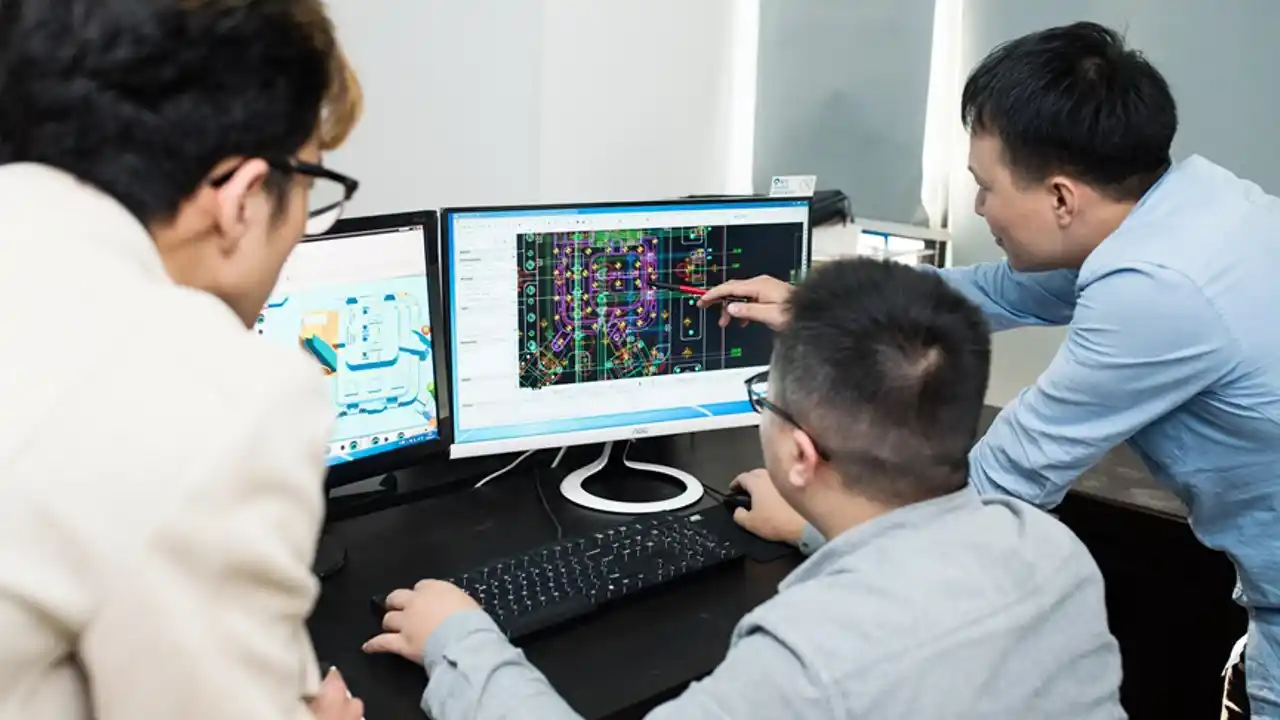
Paso 1: Análisis DFM (evaluación del diseño para la fabricabilidad)
Antes de iniciar oficialmente la producción de moldes, el proveedor debe proporcionar un DFM informe en el que se identifican los problemas en el diseño del producto —como ángulos de desmoldeo insuficientes, espesores de pared anómalos y estructuras con socavados— y se ofrecen recomendaciones para su modificación. Omitir este paso es la causa principal de la mayoría de los problemas de reelaboración que surgen posteriormente.
Paso 2: Análisis de flujo en el molde
Mediante un software de simulación, se simulan los procesos de llenado, mantenimiento de la presión y enfriamiento del material fundido dentro de la cavidad del molde para predecir con antelación la ubicación de las marcas de hundimiento, la deformación y las líneas de soldadura, optimizando así el diseño de la entrada de material. La reducción del número de pruebas minimiza la pérdida de tiempo y los costes.
Paso 3: Confirmación del diseño del molde
El proveedor facilita los planos de diseño de los moldes en 2D y 3D, y la producción comienza oficialmente una vez que el cliente confirma que son correctos. Dependiendo de la complejidad, el ciclo de fabricación suele oscilar entre 3 y 8 semanas.
Paso 4: Moldeado de prueba inicial T1
En la primera prueba de moldeo se obtienen las primeras muestras, que se someten a inspecciones dimensionales y visuales. A continuación, se modifica el molde para solucionar cualquier problema (T2, T3, etc.). En circunstancias normales, la aprobación de las muestras se consigue tras entre 1 y 3 rondas de pruebas de moldeo.
Paso 5: Producción en serie
La producción en serie comienza tras la aprobación por escrito de las muestras. El proveedor debe establecer un sistema de control de calidad de tres niveles que comprenda la inspección del primer artículo (FAI), el control de calidad durante el proceso (IPQC) y el control de calidad de salida (OQC), y mantener registros completos de la producción.
PREGUNTAS FRECUENTES
Ofrecemos servicios de moldeo por inyección de bajo volumen, pero los costes del molde suponen una inversión fija y única. Cuanto menor sea la demanda anual, mayor será el coste del molde por unidad. Por lo general, cuando el volumen de producción anual es inferior a 5.000 unidades, es importante evaluar cuidadosamente si merece la pena invertir en un molde de acero. Si el proyecto aún se encuentra en la fase de validación, el moldeo rápido de aluminio es una opción más rentable.
Depende del tipo de acero y del nivel de mantenimiento:
- Matrices de aluminio: de 5.000 a 50.000 ciclos
- Matrices de acero preendurecido P20: de 300 000 a 500 000 ciclos
- Matrices de acero H13 tratadas térmicamente: de 1 millón a 2 millones de ciclos
El mantenimiento rutinario (limpieza, lubricación e inspección periódicas) es tan importante para la vida útil del troquel como la elección del acero.
Las tolerancias del moldeo por inyección dependen del tipo de proceso y del material:
- Moldeo por inyección estándar: Tolerancias de ±0,1 a ±0,3 mm
- Moldeo por inyección de precisión: tolerancias de ±0,01 a ±0,03 mm
- Moldeo por microinyección (componentes médicos y ópticos de ultraprecisión): tolerancias del orden de ±0,005 mm
Se puede mezclar, pero esto afectará a la uniformidad del flujo de fusión y a las propiedades mecánicas. Las aplicaciones en los sectores de la automoción, el sector médico y el contacto con alimentos suelen exigir expresamente el uso de material virgen, acompañado de la correspondiente certificación del material.
Depende de si eres comprador o fabricante.
Como comprador, no es necesario que cuentes con ninguna certificación, pero comprender los principios básicos del DFM y tener conocimientos sobre los materiales puede mejorar considerablemente la eficacia de la comunicación con los proveedores y reducir los costes innecesarios derivados de las repeticiones de trabajo.
Como fabricante (planta de moldeo por inyección), las certificaciones principales son las siguientes:
- ISO 9001: Un sistema general de gestión de la calidad y el requisito más básico
- IATF 16949: un requisito obligatorio para los clientes del sector de la automoción
- ISO 13485: Certificación para la fabricación de productos sanitarios
- Registro en la FDA: Obligatorio para los fabricantes de productos sanitarios o de materiales en contacto con alimentos destinados al mercado estadounidense
Además, los ingenieros de moldes suelen necesitar formación en diseño mecánico o ingeniería de moldes, mientras que los ingenieros de procesos deben contar con experiencia práctica en la puesta a punto de máquinas de transformación de plásticos. Las certificaciones se pueden obtener mediante formación, pero la experiencia práctica no se adquiere de la noche a la mañana: esta es la clave para evaluar las verdaderas capacidades de una fábrica de moldeo por inyección.
Aunque se puede mezclar, esto afecta a la estabilidad del flujo de fusión y a las propiedades mecánicas. Las aplicaciones en los sectores de la automoción, el sector médico y el contacto con alimentos suelen exigir expresamente el uso de materiales vírgenes y requieren la certificación de los mismos.
Se trata de una cuestión que hay que analizar por separado.
Ámbitos en los que resulta menos respetuoso con el medio ambiente:
- La mayoría de los materiales utilizados en el moldeo por inyección proceden de materias primas derivadas del petróleo, que son recursos no renovables.
- El proceso de fabricación de moldes consume grandes cantidades de acero y electricidad.
- Aunque los residuos de la compuerta (residuos de los canales de colada) pueden triturarse y reciclarse, su reutilización repetida reduce las prestaciones del material.
Ámbitos en los que es relativamente respetuoso con el medio ambiente:
- Los materiales termoplásticos pueden reciclarse por fusión de forma inherente, y los residuos de la entrada de inyección y las piezas de desecho pueden reutilizarse.
- La tasa de aprovechamiento del material en el moldeo por inyección es considerablemente mayor que en el mecanizado CNC (que elimina una gran cantidad de material).
- Las máquinas modernas de moldeo por inyección de precisión (especialmente los modelos totalmente eléctricos) son entre un 30% y un 60% más eficientes energéticamente que las máquinas hidráulicas tradicionales.
- Los plásticos de origen biológico (como el PLA y el bio-PP) pueden transformarse, lo que reduce aún más la huella de carbono.
Recomendaciones prácticas:
Si tu producto debe cumplir requisitos de sostenibilidad, ten en cuenta lo siguiente durante la fase de diseño: reducir el grosor de las paredes para minimizar el uso de material, seleccionar materiales reciclables o de origen biológico, y diseñarlo de forma que resulte fácil de reciclar y desmontar al final de su vida útil. El moldeo por inyección es, en sí mismo, un proceso neutro en carbono; su impacto medioambiental depende en gran medida de la selección de materiales y de la gestión de la fábrica.
Cada uno de los dos procesos resulta más adecuado para situaciones concretas; en la práctica, muchos proyectos de desarrollo de productos utilizan ambos.
| Dimensiones comparativas | Moldeo por inyección | Impresión 3D |
|---|---|---|
| Coste unitario (grandes volúmenes) | Extremadamente bajo | Relativamente alto; no disminuye con el tamaño del lote. |
| Inversión inicial | Elevado (coste del molde) | Prácticamente cero |
| Plazo de entrega (primer artículo) | Lento (entre 3 y 8 semanas para la fabricación del molde) | Rápido (1-3 días) |
| Precisión dimensional | Alta (clase ±0,05 mm) | Medio (±0,1–0,3 mm, dependiendo del proceso) |
| Calidad de la superficie | Excelente; permite obtener directamente un acabado superficial de clase A. | Normalmente es necesario realizar un posprocesamiento. |
| Selección de materiales | Extremadamente amplia, ya que abarca casi todos los materiales termoplásticos. | Limitado por los tipos de materiales imprimibles |
| Flexibilidad en las modificaciones de diseño | Bajo (alto coste de la modificación del molde) | Alto (basta con modificar el archivo directamente) |
| Apto para el procesamiento por lotes | Producción anual de más de 5.000 unidades | Hasta 100 unidades, o personalización a medida |
Cuando un producto aún se encuentra en fase de validación o requiere una personalización en lotes pequeños, la impresión 3D es la opción más rápida y flexible. Una vez finalizado el diseño y cuando se necesita la producción en serie, el moldeo por inyección ofrece ventajas en cuanto a coste y consistencia de la calidad que la impresión 3D no puede igualar.
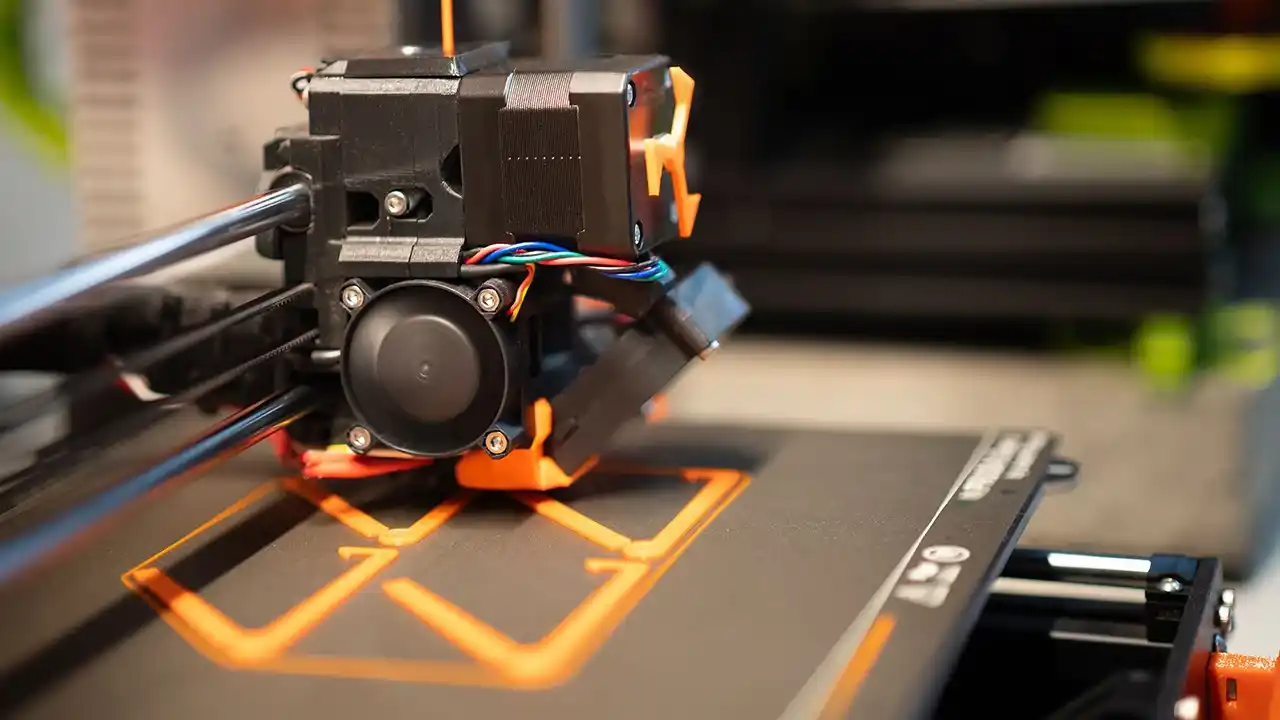
Estos dos procesos no compiten entre sí, sino que se complementan: primero se utiliza la impresión 3D para validar el diseño y, a continuación, el moldeo por inyección para la producción en serie. Este es el enfoque más habitual en el desarrollo actual de productos.
Resumir
El moldeo por inyección no es adecuado para todos los proyectos, pero, en el caso de las piezas de plástico que requieren una producción en serie y una alta precisión, es actualmente una de las soluciones de fabricación más consolidadas y rentables que existen.
Seleccionar el material adecuado, crear un diseño sólido y elegir al proveedor adecuado desde el principio: estos tres factores determinan el 80% del resultado de un proyecto de moldeo por inyección.
Este artículo ha sido redactado por el equipo de ingeniería de Dimud basándose en su experiencia real en proyectos. Dimud es una planta de fabricación integrada especializada en moldeo por inyección de precisión. Contamos con nuestro propio taller de moldes, centro de mecanizado CNC y taller de moldeo por inyección, y disponemos de las certificaciones IATF 16949, ISO 9001 y de la FDA. Llevamos más de una década prestando servicio a clientes de los sectores de la automoción, los dispositivos médicos, la electrónica de consumo y las nuevas energías.
Todos los rangos de parámetros, datos de costes y recomendaciones de proceso que figuran en este artículo se basan en la experiencia práctica de nuestro equipo de ingeniería, y no en fuentes externas. Si está evaluando soluciones de moldeo por inyección, no dude en ponerse en contacto con nosotros para solicitar un análisis DFM gratuito y un presupuesto para su proyecto.