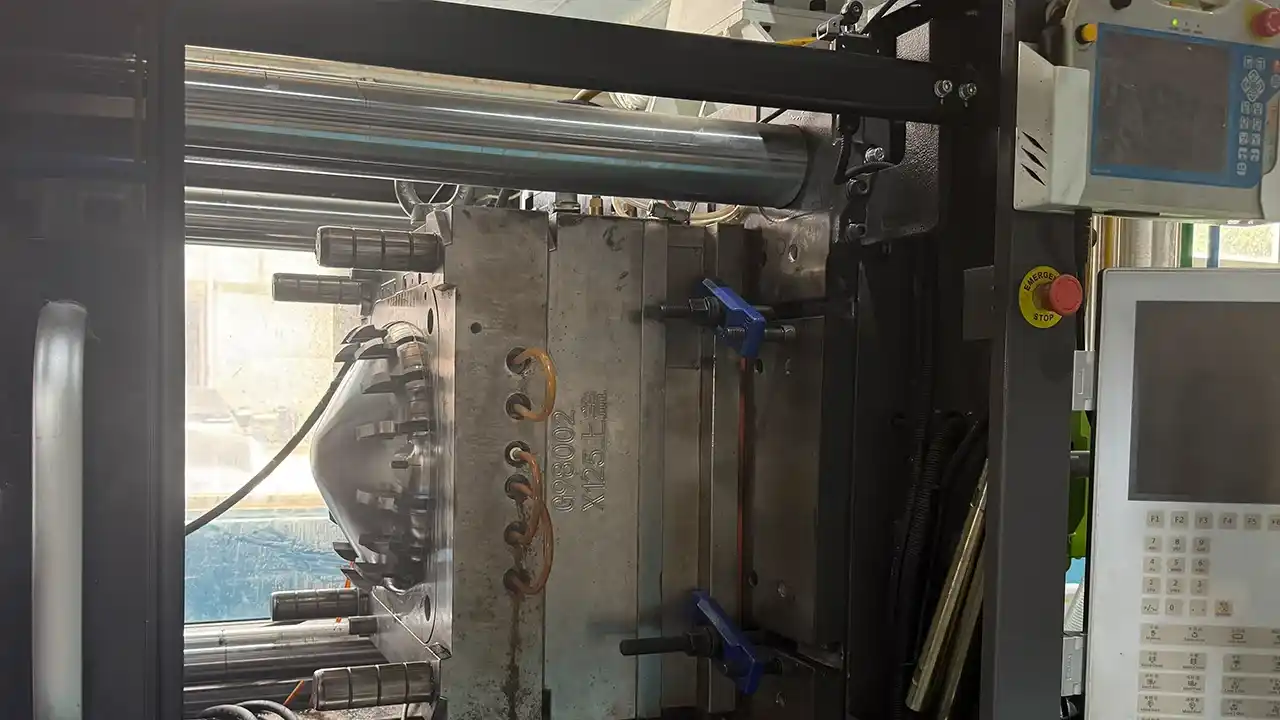

El polietileno de alta densidad es uno de los termoplásticos más rentables, resistentes químicamente y resistentes a los impactos que existen para el moldeo por inyección; sin embargo, su elevada tendencia a la contracción y al alabeo pone en aprietos a los ingenieros que no lo diseñan desde el principio. Esta guía abarca todo lo que necesita saber: ciencia de los materiales, parámetros de procesamiento, diseño de moldes, selección de calidades y aplicaciones reales, para que pueda especificar y fabricar piezas de HDPE con confianza.
¿Qué es el plástico HDPE?
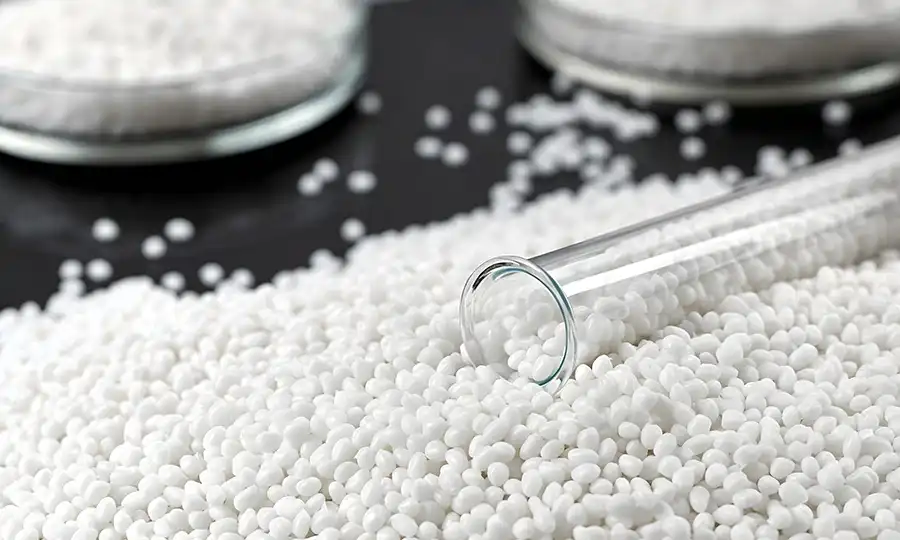
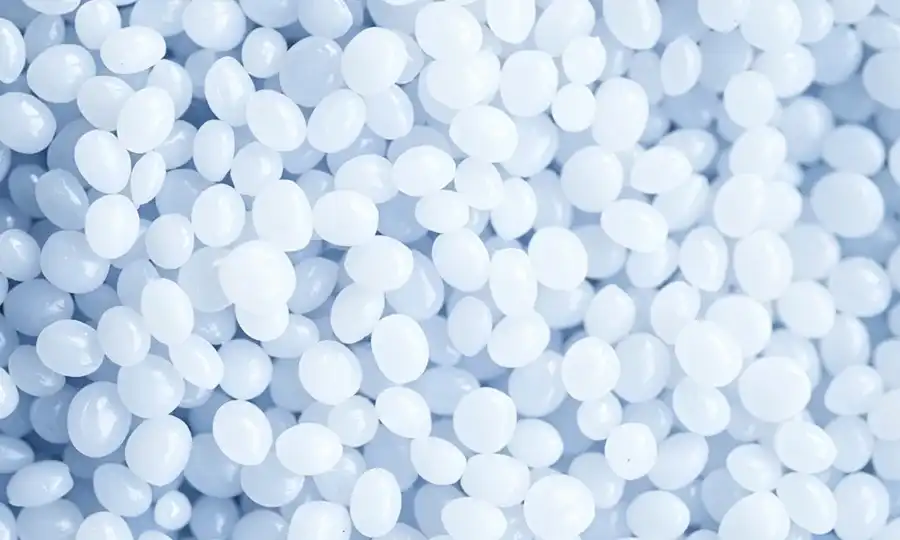
El polietileno de alta densidad - abreviado HDPE - es un polímero termoplástico semicristalino producido mediante la polimerización de monómeros de etileno en condiciones controladas de presión y catálisis. La denominación “de alta densidad” se refiere a la estructura de cadena molecular lineal y apretada que confiere a esta resina su combinación definitoria de rigidez, resistencia e inercia química.
Con un mercado mundial valorado en aproximadamente 1.400 millones de toneladas en 2024 y una previsión de alcanzar los 1.400 millones de toneladas en 2033 (IMARC Group), el HDPE es uno de los plásticos más producidos y reciclados del planeta. Se sitúa en el nivel de los termoplásticos básicos, junto con el PP y el PVC, pero su relación rendimiento-coste lo convierte a menudo en la opción preferida para aplicaciones en las que los plásticos técnicos estarían sobredimensionados y los materiales con menos recursos fallarían prematuramente.
El HDPE lleva el código de identificación de resina #2 y se clasifica dentro de la familia más amplia del polietileno:
| Tipo Polietileno | Densidad | Cristalinidad | Uso típico |
|---|---|---|---|
| LDPE | 0,910-0,940 g/cm³ | ~45% | Envases flexibles, película |
| LLDPE | 0,915-0,940 g/cm³ | ~50% | Film estirable, tubos flexibles |
| HDPE | 0,941-0,965 g/cm³ | ~70-80% | Contenedores rígidos, tuberías, piezas industriales |
| UHMW-PE | 0,930-0,935 g/cm³ | ~50% | Revestimientos de desgaste, componentes de alta resistencia |
La mayor cristalinidad de esta resina en relación con el LDPE es lo que le confiere una mayor rigidez, resistencia química y propiedades de barrera, así como un comportamiento de contracción más difícil en el moldeo por inyección.
La estructura molecular detrás del rendimiento del HDPE
Entender por qué el HDPE se comporta como lo hace en el procesado empieza en el nivel molecular. A diferencia del polietileno de baja densidad, que contiene abundantes ramificaciones de cadena corta y larga que alteran el empaquetamiento compacto, el polietileno de alta densidad está formado predominantemente por polímeros lineales no ramificados. cadenas. Estas cadenas se alinean fuertemente durante la solidificación, formando estructuras laminares cristalinas que representan el 70-80% del volumen del material.
Este alto grado de cristalinidad determina directamente varias de las propiedades técnicas más importantes de la resina:
- Resistencia química: El empaquetamiento denso y ordenado de las cadenas proporciona vías mínimas para que las moléculas de disolvente penetren en la matriz polimérica.
- Resistencia al impacto: Las regiones amorfas entre dominios cristalinos absorben energía bajo impacto sin fractura frágil
- Rendimiento de la barrera: Baja permeabilidad al gas y a la humedad en relación con polímeros amorfos de densidad comparable.
- Alto encogimiento: Contracción volumétrica significativa durante la cristalización - la fuente principal de los retos dimensionales del HDPE en el moldeo por inyección.
El peso molecular es la segunda variable estructural crítica. La resina HDPE está disponible comercialmente en un amplio espectro de pesos moleculares:
- Calidades MW estándar (Mn ~50.000-150.000 g/mol): Alto índice de fluidez (MFI > 6 g/10 min), adecuado para el moldeo por inyección
- Grados de alto MW (HMW-HDPE): Menor IMF, mejor impacto y rendimiento de la ESCR, más difícil de procesar
- Ultra alto peso molecular (UHMW-PE, Mn > 1.000.000 g/mol): No puede moldearse por inyección por medios estándar; requiere moldeo por compresión o extrusión por ariete.
Para aplicaciones de moldeo por inyección, las calidades con IMF de 5-20 g/10 min representan la gama de procesamiento estándar.
Propiedades principales del plástico HDPE
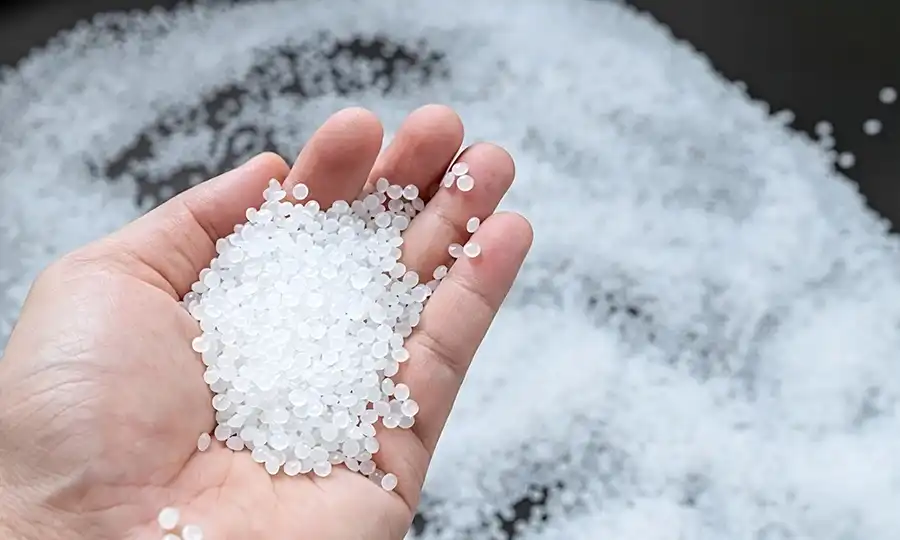
Propiedades mecánicas
| Propiedad | Valor típico | Unidad |
|---|---|---|
| Resistencia a la tracción | 21 - 37 | MPa |
| Alargamiento a la rotura | 300 - 1,000 | % |
| Módulo de flexión | 900 - 1,500 | MPa |
| Resistencia al impacto Izod (entallado) | 50 - 200 | J/m |
| Dureza Rockwell | R60 - R70 | — |
| Módulo de tracción | 700 - 1,400 | MPa |
Una característica mecánica clave del polietileno de alta densidad es su modo de fallo dúctil: en lugar de fracturarse catastróficamente bajo un impacto, se deforma plásticamente, absorbiendo una energía sustancial antes de fallar. Esto lo hace muy adecuado para aplicaciones que implican cargas mecánicas repetidas, impactos de caídas y manipulación brusca en condiciones de campo.
Una consideración crítica del diseño: la sensibilidad a las muescas. Las esquinas internas afiladas y los cambios bruscos de sección actúan como concentradores de tensión que reducen significativamente el rendimiento de impacto de la resina en la práctica. En Dimud, Nuestro equipo de ingeniería de moldes aplica sistemáticamente un radio interno mínimo de 0,5 × espesor de pared como norma básica para las piezas estructurales de HDPE, un pequeño cambio que prolonga sustancialmente la vida útil de la pieza.
Propiedades térmicas
| Propiedad | Valor | Unidad |
|---|---|---|
| Punto de fusión | 125 - 135 | °C |
| Temperatura de deflexión térmica (0,45 MPa) | 60 - 82 | °C |
| Temperatura de deflexión térmica (1,80 MPa) | 43 - 60 | °C |
| Punto de ablandamiento Vicat | 125 - 130 | °C |
| Temperatura de servicio continuo | hasta el 80 | °C |
| Coeficiente de dilatación térmica (CTE) | 100 - 200 × 10-⁶ | /°C |
La temperatura de deflexión térmica relativamente modesta de este material es una de sus limitaciones importantes. Las aplicaciones que requieran cargas sostenidas por encima de 60-70 ºC deben evaluarse cuidadosamente, o bien considerar materiales alternativos como PP, PA o grados rellenos de vidrio. El alto valor del CET también tiene implicaciones directas en la predicción de la contracción del molde y la especificación de la tolerancia de la pieza.
Propiedades físicas y de barrera
| Propiedad | Valor | Unidad |
|---|---|---|
| Densidad | 0.941 - 0.965 | g/cm³ |
| Absorción de agua (24 h) | < 0.01 | % |
| Contracción del molde | 1.5 - 3.5 | % |
| Índice de transmisión de oxígeno (OTR) | Bajo | — |
| Índice de transmisión del vapor de humedad | Muy bajo | — |
| Índice de refracción | 1.54 | — |
La absorción de agua casi nula del HDPE (< 0,01%) es una importante ventaja de procesamiento: las calidades estándar no requieren presecado antes del moldeo por inyección, lo que reduce el tiempo de preparación del ciclo y elimina el riesgo de que la humedad provoque holguras, rayas plateadas o degradación en la masa fundida.
El alto rango de contracción del molde de 1,5-3,5% es la característica de procesamiento más importante de la resina. Esta contracción es mayor en magnitud absoluta y más variable que la de la mayoría de los termoplásticos de ingeniería, y su naturaleza anisotrópica es la causa principal de los problemas de alabeo que los ingenieros encuentran con frecuencia en el polietileno de alta densidad. Abordaremos este tema en detalle en la sección de procesamiento.
Resistencia química
La resistencia química es posiblemente el atributo comercial más fuerte del HDPE. La resina demuestra una resistencia excepcional en una amplia gama de entornos:
Excelente resistencia (ningún ataque significativo):
- Ácidos inorgánicos diluidos y concentrados (HCl, H₂SO₄, HNO₃ a concentración y temperatura moderadas).
- Álcalis fuertes (NaOH, KOH en todas las concentraciones)
- Soluciones salinas acuosas
- Alcoholes, aldehídos y detergentes acuosos
- Grasas animales y vegetales, aceites y grasas
Resistencia limitada (evaluar según el grado y las condiciones):
- Hidrocarburos aromáticos (tolueno, xileno) - riesgo de hinchamiento y agrietamiento por tensión
- Disolventes halogenados (cloroformo, cloruro de metileno) - hinchazón
- Ácidos oxidantes fuertes a temperatura elevada
Limitación crítica - Agrietamiento por estrés ambiental (ESCR):
El modo de fallo más traicionero del HDPE es el agrietamiento por tensión ambiental (ESC). Se produce cuando la resina se expone simultáneamente a un agente químico (especialmente tensioactivos, determinados aceites y disolventes polares) y a una tensión mecánica, incluso muy por debajo del límite elástico del material. El agente químico no disuelve el polímero, sino que acelera el desenredo de los segmentos amorfos de la cadena, produciendo una fractura frágil en un material que, de otro modo, fallaría dúctilmente.
Para aplicaciones de contacto químico bajo carga mecánica, los grados de HDPE de alto peso molecular con valores ESCR (ensayo PENT) superiores a 1.000 horas son estándar. La selección del grado debe tener en cuenta explícitamente la ESCR; las tablas de resistencia química a granel por sí solas son insuficientes.
Propiedades eléctricas
| Propiedad | Valor | Unidad |
|---|---|---|
| Resistividad volumétrica | > 10¹⁶ | Ω-cm |
| Rigidez dieléctrica | 18 - 30 | kV/mm |
| Constante dieléctrica (1 MHz) | 2.3 - 2.4 | — |
| Factor de disipación (1 MHz) | < 0.0005 | — |
El factor de disipación extremadamente bajo del HDPE lo convierte en uno de los plásticos básicos más resistentes para aplicaciones eléctricas de alta frecuencia. Sus propiedades eléctricas no se ven afectadas por la humedad, lo que supone una ventaja significativa frente a los polímeros técnicos higroscópicos como el PA y el PC.
Moldeo por inyección de plástico HDPE: Parámetros de procesado y diseño de moldes
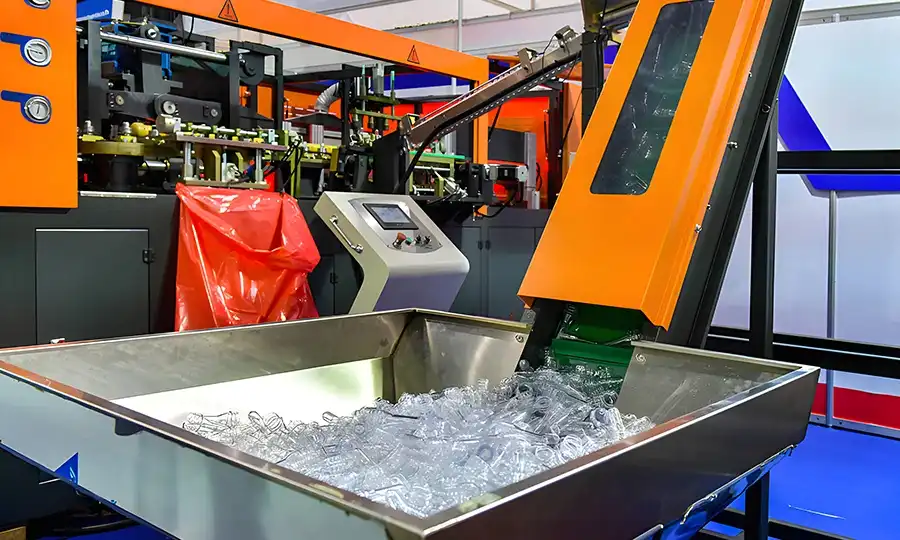
El procesamiento satisfactorio del HDPE requiere una atención disciplinada tanto a los parámetros de la máquina como al diseño del molde. La elevada contracción del material y su comportamiento impulsado por la cristalización implican que los problemas derivados de la geometría del molde no pueden corregirse por completo únicamente mediante el ajuste del proceso.
Requisitos de secado
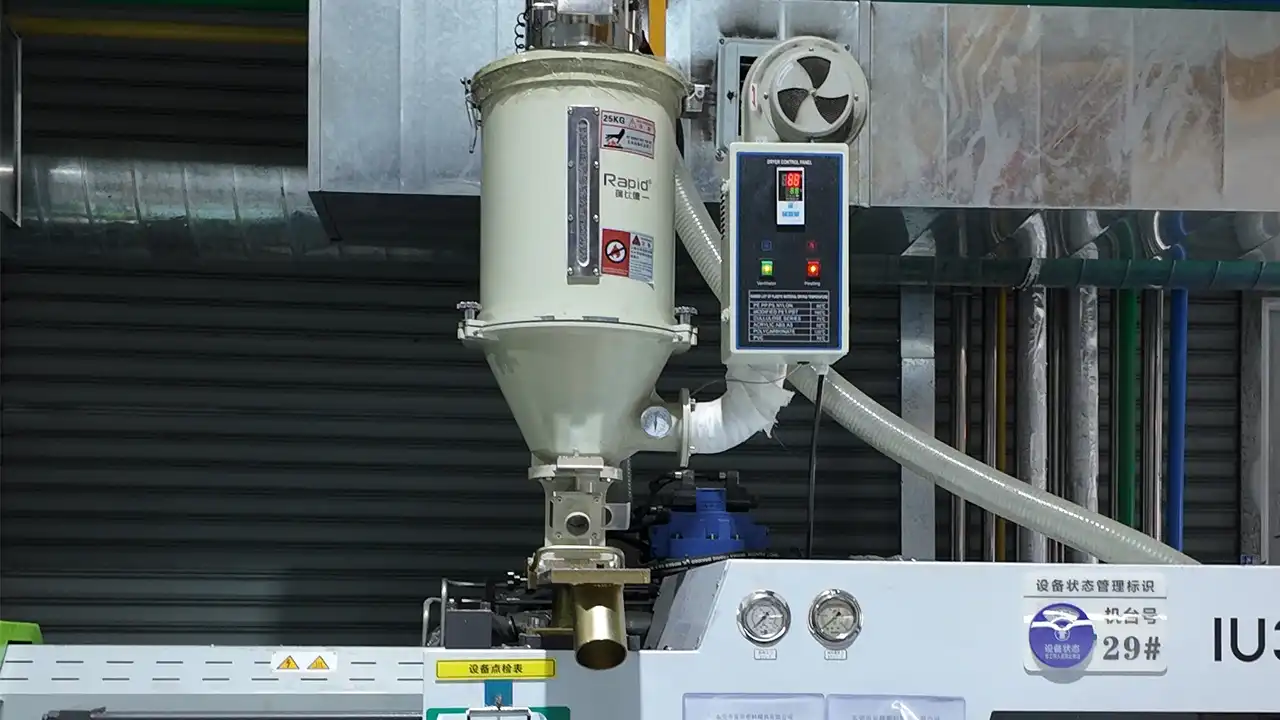
Las calidades estándar para moldeo por inyección absorben menos de 0,01% de humedad, por lo que no es necesario el presecado en condiciones normales de almacenamiento. Si la resina se ha almacenado en recipientes abiertos en entornos de alta humedad, el secado a 70-80°C durante 1-2 horas evita la deformación de la superficie y las estrías plateadas.
Temperatura de fusión
El intervalo de temperatura de fusión recomendado para el moldeo por inyección de HDPE es de 200-280°C, con la mayoría de los grados procesados a 220-260°C:
- 200-220°C: Ciclos más cortos, degradación térmica reducida; se necesita mayor presión de inyección.
- 220-250°C: Equilibrio óptimo de fluidez, calidad superficial y estabilidad dimensional
- 260-280°C: Necesario para paredes finas y largos recorridos de flujo; riesgo de degradación si el tiempo de residencia es excesivo.
Temperatura del molde
La temperatura del molde influye directamente en el comportamiento de cristalización, el acabado superficial y la tendencia al alabeo:
| Temperatura del molde | Efecto |
|---|---|
| 20-40°C | Ciclo rápido; mayor tensión interna y alabeo |
| 40-60°C | Calidad de superficie y tiempo de ciclo equilibrados |
| 60-80°C | Cristalinidad mejorada; mayor estabilidad dimensional |
| > 80°C | Máxima estabilidad; se utiliza para componentes de precisión |
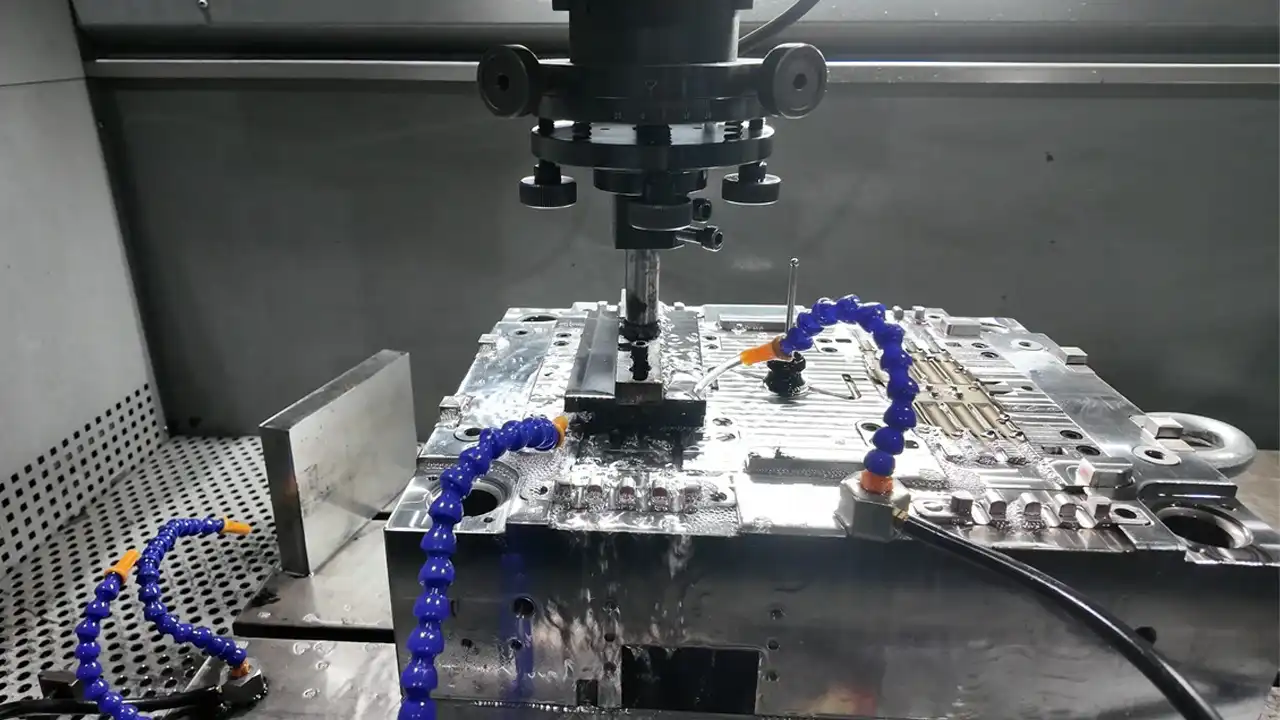
Para piezas de HDPE planas o de gran superficie con tolerancias estrictas, la práctica habitual en Dimud es una temperatura de molde de 50-70°C con una distribución uniforme de los canales de refrigeración. Las temperaturas de molde asimétricas suelen ser un factor subestimado del alabeo postmoldeo.
Presión y velocidad de inyección
| Parámetro | Gama recomendada |
|---|---|
| Presión de inyección | 70 - 140 MPa |
| Presión de mantenimiento | 50 - 80% de presión de inyección |
| Tiempo de espera | 10 - 30 segundos |
| Velocidad de inyección | Medio |
| Contrapresión | 5 - 15 MPa |
| Velocidad del tornillo | 40 - 80 RPM |
La masa fundida de polietileno de alta densidad es sensible al cizallamiento: una velocidad de inyección excesiva provoca fractura por fusión, visible en forma de rugosidad superficial. Las velocidades de llenado medias con compuertas de tamaño adecuado son preferibles a la inyección a alta velocidad.
Gestión de la contracción y la deformación del HDPE
Contracción del molde de HDPE de 1,5-3,5% es elevado y muy variable. Factores clave:
Contracción anisotrópica: El polímero se contrae mucho más en la dirección de llenado que en la perpendicular. En una pieza larga llenada desde un extremo, la contracción en la dirección de llenado puede alcanzar 2,5%, mientras que la contracción transversal es de 1,8%, un diferencial que se manifiesta como alabeo posterior a la inyección.
Variación del espesor de la sección: Las secciones gruesas cristalizan más tarde y se contraen más que las secciones finas adyacentes, creando gradientes de tensión internos.
Uniformidad de enfriamiento: La temperatura desigual de la superficie del molde, debida a una cobertura inadecuada del canal de refrigeración o a la construcción asimétrica del molde, provoca una cristalización diferencial en la pieza.
El enfoque de mitigación probado de Dimud:
- Canales de refrigeración conformados para geometrías complejas en las que los circuitos perforados convencionales no pueden mantener una temperatura uniforme
- Sensores de presión de cavidad para optimizar los perfiles de presión de mantenimiento
- Simulación del flujo del molde validar el equilibrio de llenado y predecir la distribución de la contracción antes de fabricar las herramientas
- Uniformidad del grosor de pared reforzada por DFM: la relación máxima de grosor de pared adyacente para HDPE es de 2:1
- Calidades con relleno mineral (talco o CaCO₃, 10-30%) cuando la estabilidad dimensional es prioritaria: los rellenos nuclean la cristalización y reducen significativamente la variación de la contracción.
Diseño de compuertas para moldes de HDPE
- Puertas submarinas (túneles): Estándar para la mayoría de las aplicaciones; permite la degeneración automática. Tamaño conservador para evitar la fractura de la masa fundida inducida por el cizallamiento.
- Puertas de abanico/borde: Preferido para piezas planas de gran superficie para crear frentes de flujo amplios y de baja velocidad.
- Puertas de bebedero directas: Para piezas de pared gruesa de una sola cavidad; proporciona la máxima presión de empaquetadura.
- Sistemas de canal caliente: Adecuada para la producción de grandes volúmenes; se prefiere la válvula de compuerta a la punta abierta para controlar la baba debida a la baja viscosidad de fusión del HDPE
- Evite las compuertas de tamaño insuficiente en secciones pesadas - restringe el empaquetado y produce marcas de hundimiento y vacíos internos
Defectos comunes en el moldeo por inyección de HDPE
| Defecto | Causa principal | Solución |
|---|---|---|
| Alabeo | Contracción diferencial por enfriamiento desigual | Refrigeración equilibrada, espesor de pared uniforme, ubicación óptima de la compuerta |
| Marcas de hundimiento | Embalaje insuficiente en secciones gruesas | Aumentar la presión/tiempo de retención, ampliar la compuerta |
| Tiros cortos | Baja temperatura de fusión o compuerta subdimensionada | Aumentar la temperatura de fusión, cambiar a un grado MFI superior |
| Splay / vetas plateadas | Humedad o temperatura de fusión excesiva | Secar la resina, reducir la temperatura de fusión, comprobar la ventilación |
| Fractura por fusión / piel de tiburón | Velocidad de inyección excesiva a través de una compuerta pequeña | Reducir la velocidad, ampliar la puerta |
| Agrietamiento por tensión ambiental | Grado incorrecto bajo exposición química + estrés | Especificar un grado ESCR superior, reducir la tensión residual |
| Delaminación | Contaminación del material o triturado incompatible | Purgar el barril, verificar la identidad del material |
Grados y modificaciones del HDPE
Grados estándar de moldeo por inyección
- Grados de MFI bajo (MFI 2-5 g/10 min): Mayor MW, mejor ESCR y rendimiento de impacto; se requiere más presión de inyección
- Grados MFI medios (MFI 5-15 g/10 min): Gama estándar de moldeo por inyección: procesabilidad y rendimiento equilibrados
- Grados de alto IMF (IMF 15-30+ g/10 min): Piezas de pared delgada y geometrías complejas; ESCR e impacto reducidos a mayor IMF
HDPE reforzado con fibra de vidrio (HDPE-GF)
La adición de fibra de vidrio corta 10-30% proporciona:
- 50-100% Mejora de la resistencia a la tracción
- Aumento del módulo de flexión de 2-4 veces
- HDT significativamente superior
- Anisotropía de contracción reducida
Contrapartidas: menor ductilidad, mayor desgaste de las herramientas, mayor coste del material.
HDPE con relleno mineral
El talco o carbonato cálcico con una carga de 10-40% aborda específicamente la variabilidad de la contracción del HDPE, mejorando la consistencia dimensional, reduciendo el alabeo y disminuyendo el coste de material por unidad de volumen.
HDPE estabilizado a los rayos UV
El negro de carbón (2-3%) proporciona la máxima protección contra los rayos UV y es el estándar del sector para infraestructuras de exterior. Las calidades estabilizadas con HALS conservan las opciones de color para aplicaciones exteriores que no sean negras.
HDPE ignífugo
Los sistemas de aditivos FR halogenados o libres de halógenos producen grados capaces de obtener las clasificaciones UL94 V-2, V-1 o V-0 para aplicaciones de armarios eléctricos.
HDPE conductor / ESD
Las calidades con carga de fibra o negro de humo proporcionan una resistividad controlada para aplicaciones sensibles a ESD, como bandejas de semiconductores y contenedores de productos químicos inflamables.
Polietileno de alta densidad de calidad alimentaria FDA
Existen numerosas fórmulas de resina conformes aprobadas según las normas FDA 21 CFR, EU 10/2011 y NSF. Confirme siempre la certificación a nivel de grado y lote, no solo la conformidad con la familia de polímeros.
Aplicaciones del plástico HDPE
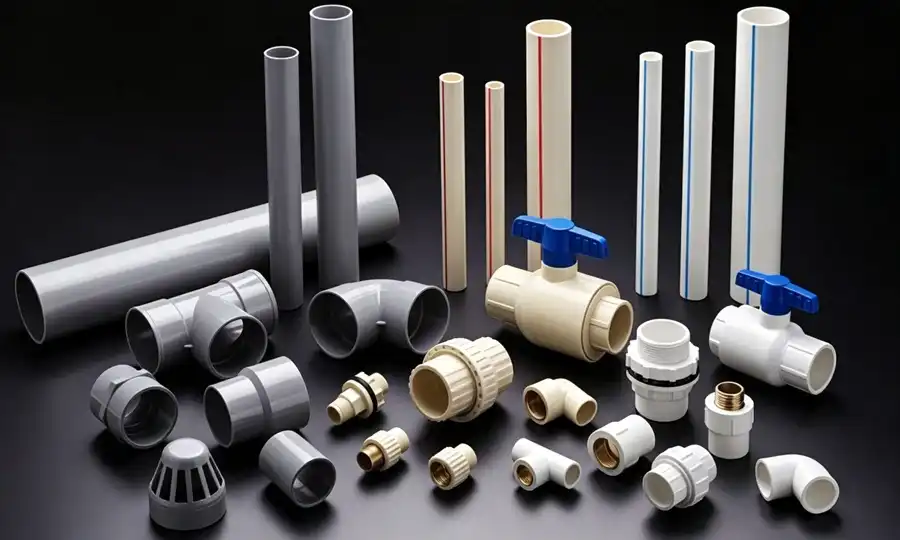
Procesado industrial y químico
La resistencia química, la tenacidad al impacto y la rentabilidad del HDPE lo convierten en la especificación estándar en toda la infraestructura química:
- Tanques de almacenamiento, recipientes, tolvas y sistemas de contención secundarios
- Carcasas de bombas, cuerpos de válvulas y accesorios de tuberías industriales
- Equipos de laboratorio y componentes de conducción de fluidos
- Sistemas de tuberías para infraestructuras (grados de presión PE100 / PE4710)
El rendimiento de los ESCR es tan crítico como la compatibilidad química a granel para aplicaciones de contacto químico presurizadas o sometidas a tensión, un detalle que los ingenieros deben verificar a nivel de grado, no suponerlo a partir de la categoría del polímero.
Embalaje
El polietileno de alta densidad domina los envases rígidos industriales y de consumo:
- Botellas, jerricanes y bidones de productos químicos y detergentes
- Botellas y jarras de leche aptas para uso alimentario (grados conformes con la FDA)
- Cierres y componentes de dispensación
- Cajas, palés y contenedores para materiales a granel
Automoción
Los ingenieros de automoción especifican piezas moldeadas por inyección de HDPE para sistemas de fluidos y aplicaciones de bajos:
- Depósitos de combustible (la norma mundial para turismos es el HDPE moldeado por soplado)
- Depósitos de líquido lavaparabrisas y rebosadero de refrigerante
- Conductos de aire, componentes de admisión y protectores de bajos
- Carcasas de batería para sistemas auxiliares de 12 V
La resistencia del polietileno de alta densidad a los productos químicos de la carretera, las sales de deshielo y las salpicaduras de combustible, combinada con una absorción de humedad casi nula, lo hacen especialmente eficaz en los bajos del capó y de la carrocería.
Productos de consumo y artículos para el hogar
- Contenedores domésticos, cubos y cajas
- Componentes de muebles de exterior (grados de estabilización UV)
- Juguetes y material de juego
- Tablas de cortar y superficies en contacto con alimentos (calidad FDA)
Aplicaciones médicas y farmacéuticas
Las resinas de HDPE de grado médico (USP Clase VI, ISO 10993) se utilizan en:
- Contenedores de diagnóstico y recipientes para muestras de un solo uso
- Envases farmacéuticos: frascos y cierres
- Carcasas de dispositivos médicos que requieren resistencia a la esterilización química
Plástico HDPE frente a otros materiales de moldeo por inyección
HDPE frente a PP
| Propiedad | Plástico HDPE | PP Homopolímero |
|---|---|---|
| Densidad | 0,941-0,965 g/cm³ | 0,900-0,910 g/cm³ |
| Rigidez (módulo de flexión) | 900-1.500 MPa | 1.300-1.800 MPa |
| Resistencia a los golpes | Mejor | Bien |
| Resistencia a la temperatura (HDT) | Baja | Más alto |
| Capacidad de bisagra viva | Pobre | Excelente |
| Contracción del molde | 1,5-3,5% | 1,0-2,5% |
Elija HDPE: máxima resistencia a los impactos; exposición a productos químicos agresivos; contacto con alimentos según la FDA; recipientes en contacto con líquidos.
Elige PP: mayor rigidez necesaria; temperaturas superiores a 80°C; diseños de bisagras vivas; mejor resistencia a la fatiga.
HDPE frente a ABS
Elija HDPE: la resistencia química y la durabilidad en exteriores son primordiales; el aspecto es secundario. Elige ABS: el acabado superficial, la pintura, el chapado o las tolerancias dimensionales precisas son los motores del diseño.
HDPE vs. Nylon (PA6 / PA66)
Elija HDPE: La estabilidad a la humedad, la resistencia a los ácidos y la optimización de costes son prioritarias.
Elige PA: se requieren prestaciones estructurales, resistencia al desgaste o capacidad para soportar altas temperaturas.
Ventajas y limitaciones del plástico HDPE
Por qué los ingenieros especifican HDPE
Excepcional resistencia química: Resistente a la gran mayoría de ácidos inorgánicos, bases y productos químicos industriales acuosos, a una fracción del coste de los fluoropolímeros o las resinas especiales de ingeniería.
Excelente resistencia al impacto: La dúctil absorción de energía hace que las piezas de plástico HDPE se encuentren entre las más fiables para aplicaciones de campo que impliquen abuso mecánico, impactos de caídas y manipulación brusca.
Absorción de humedad casi nula: Estabilidad dimensional en entornos húmedos sin necesidad de presecado en el moldeo por inyección: una ventaja operativa y de costes directa.
Rentabilidad: Precios a escala comercial, comparables a los del PP y significativamente inferiores a los de las resinas de ingeniería. La amplia disponibilidad de calidades especiales evita las penalizaciones por cambio de material.
Amplia aceptación reglamentaria: El almacenamiento de productos alimentarios, farmacéuticos y químicos se puede cumplir con las calidades especificadas correctamente, sin primas por polímeros especiales.
Totalmente reciclable: Código de resina #2, el termoplástico reciclado más extendido en todo el mundo. El rHDPE ha establecido mercados comerciales en tuberías, madera y envases.
Limitaciones conocidas
Contracción del molde elevada y anisótropa: Entre 1,5 y 3,5%, el más alto de todos los termoplásticos comunes. La ingeniería de moldes y la disciplina de procesos deben tener esto en cuenta desde las primeras fases de diseño.
Resistencia térmica modesta: La HDT por debajo de 80°C bajo carga limita la idoneidad para aplicaciones de temperatura elevada. Los ingenieros deben verificar la temperatura de funcionamiento en función de los datos específicos del grado, no solo de la gama de la familia de polímeros.
Alto CTE: 5-10 veces superior a la del acero. Los montajes que combinan componentes de HDPE con herrajes metálicos deben tener en cuenta la dilatación térmica diferencial en el diseño.
Difícil de pegar y pintar: Las superficies no polares y de baja energía superficial requieren un tratamiento previo con llama, corona o plasma antes de la unión adhesiva o el revestimiento.
Riesgo ESCR: Un modo de fallo no evidente que requiere una especificación de grado proactiva. No visible en las tablas estándar de resistencia química.
Resistencia limitada a los rayos UV (grados estándar): Las aplicaciones exteriores requieren explícitamente grados estabilizados a los rayos UV.
Cómo seleccionar el grado de HDPE adecuado para su proyecto
Paso 1 - Definir el intervalo de IFM: Haga coincidir el índice de flujo de fusión con la geometría de la pieza. Las paredes finas y los largos recorridos de flujo requieren un MFI ≥ 10-15. Las piezas estructurales de paredes gruesas se benefician de grados MFI más bajos con mejor ESCR y tenacidad.
Paso 2 - Fijar el objetivo de densidad: Mayor densidad (0,960-0,965) para máxima rigidez y rendimiento de barrera. Gama de densidades más bajas de HDPE (0,941-0,950) para una mejor ductilidad y ESCR.
Paso 3 - Evaluar los requisitos de la ESCR: Cualquier aplicación que implique exposición química bajo tensión mecánica debe especificar ESCR a través de los datos de ensayo PENT. Esto no es opcional para las piezas en contacto con productos químicos.
Paso 4 - Tratar la estabilidad UV: Las aplicaciones en exteriores requieren una especificación de grado estabilizado frente a los rayos UV. El negro de humo proporciona la máxima durabilidad; los sistemas HALS conservan la flexibilidad del color.
Paso 5 - Confirmar el cumplimiento de la normativa: Para aplicaciones alimentarias, médicas o de agua potable, verifique que el grado específico y el lote de producción cuenten con las certificaciones requeridas.
Paso 6 - Evaluar las opciones de relleno: Si la geometría de la pieza hace que el control del alabeo mediante el diseño del molde por sí solo sea insuficiente, los grados rellenos de minerales (20-40% talco o CaCO₃) proporcionan una consistencia de contracción significativamente mejorada.
Moldeo por inyección de plástico HDPE en Dimud
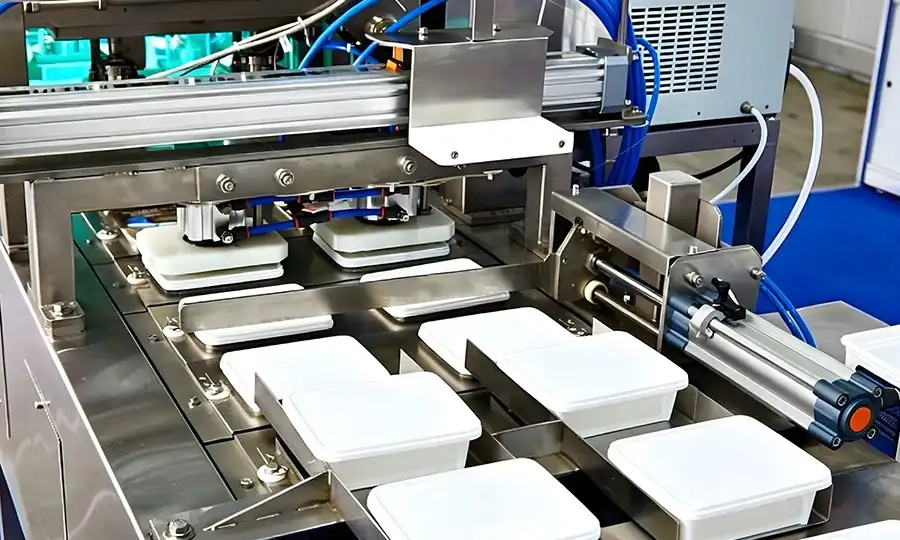
Infraestructura de fabricación de Dimud - una fábrica de moldes de precisión, una planta de mecanizado CNC y una instalación electrónica - da soporte a proyectos de moldeo por inyección de HDPE en todo el espectro de complejidad, desde la creación inicial de prototipos hasta la producción de grandes volúmenes.
Nuestro equipo de ingeniería aporta experiencia práctica en el moldeo por inyección de plástico HDPE en componentes de bajos de automóviles, piezas industriales en contacto con productos químicos, sistemas de envasado para consumidores y carcasas de dispositivos médicos, prestando servicio a clientes de Europa, Norteamérica y Oriente Medio.
Capacidades específicas del HDPE que aplicamos a cada proyecto:
- DFM para polietileno de alta densidad: Análisis de uniformidad de la pared, evaluación del riesgo de hundimiento y alabeo, optimización de la ubicación de las compuertas: todo ello se realiza antes de comenzar el diseño del molde.
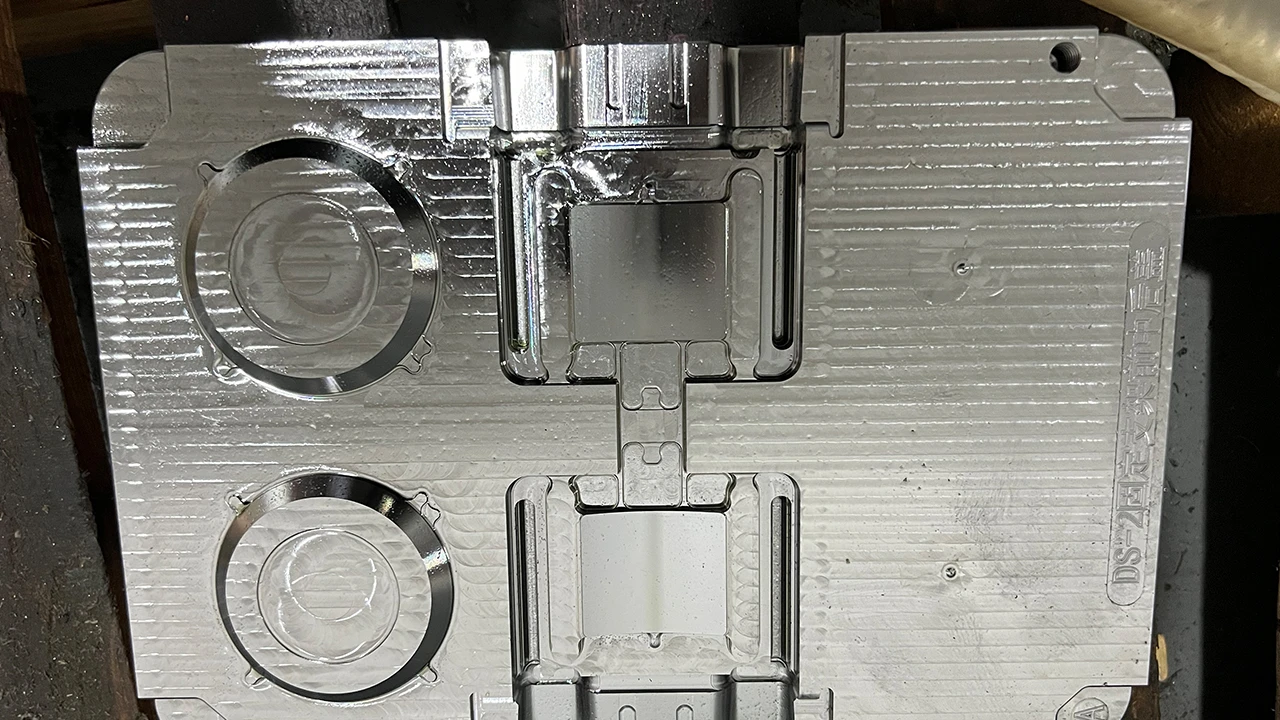
- Ingeniería de refrigeración de moldes de HDPE: Diseño del canal de refrigeración validado en función del comportamiento de cristalización del material, con simulación del flujo del molde para piezas complejas.
- Experiencia en la selección de grados: Optimización del IMF, evaluación del riesgo de ESCR y recomendaciones de grados modificados (relleno mineral, estabilizado UV, conforme a la FDA) en función de los requisitos reales de la aplicación.
- Cadena de suministro integrada: Abastecimiento de resina mediante moldeo por inyección, ensamblaje y logística de exportación, gestionados en un solo programa para eliminar el riesgo de coordinación entre varios proveedores.
Para proyectos que requieran piezas de plástico HDPE, ya sean prototipos, volúmenes reducidos o producción en serie, póngase en contacto con el equipo de ingeniería de Dimud para analizar sus necesidades.
Preguntas frecuentes
HDPE son las siglas de High-Density Polyethylene (polietileno de alta densidad), un polímero termoplástico producido a partir del etileno con una estructura molecular predominantemente lineal que le confiere gran cristalinidad, rigidez y resistencia química.
Las formulaciones de grado alimentario que cumplen las normas FDA 21 CFR, EU 10/2011 y NSF están ampliamente disponibles. La conformidad debe confirmarse a nivel de grado y lote específicos.
El alabeo es el resultado de una contracción diferencial anisotrópica: el polímero se contrae más en la dirección de flujo de la masa fundida que transversalmente, y las secciones gruesas se contraen más que las finas. Un enfriamiento desigual amplifica estas diferencias en una distorsión visible. Las soluciones incluyen un diseño equilibrado de la entrada, un grosor uniforme de la pared, un enfriamiento optimizado del molde y, en algunos casos, grados rellenos de minerales con un comportamiento de contracción más isótropo.
El agrietamiento por tensión ambiental (ESCR) es un modo de fractura frágil que se desencadena cuando la resina se expone simultáneamente a determinadas sustancias químicas (tensioactivos, aceites, disolventes polares) y a una tensión mecánica. El producto químico acelera el desenredo de la cadena polimérica sin disolver el material. La selección del grado debe centrarse explícitamente en el rendimiento ESCR para cualquier aplicación de contacto químico bajo carga.
Servicio continuo hasta aproximadamente 80°C para aplicaciones de carga. Las temperaturas superiores provocan fluencia y cambios dimensionales. Los grados de HDPE reforzados con fibra de vidrio amplían el rango práctico; por encima de 100 °C, los plásticos técnicos suelen ser la solución más adecuada.
Sí - código de identificación de la resina #2, el termoplástico más reciclado en todo el mundo. El HDPE post-consumo se reprocesa en tuberías, cubiertas y envases a una escala comercial significativa. El material triturado de moldeo por inyección interno puede reintroducirse normalmente a niveles de mezcla 10-25% sin un impacto significativo en el rendimiento.
Dimud es un proveedor integral de soluciones profesionales de moldeo por inyección con sede en China, con fábrica de moldes, mecanizado CNC y capacidades de fabricación de productos electrónicos. Prestamos servicio a clientes de los sectores de la automoción, la medicina, la electrónica y la industria en Europa, Norteamérica y Oriente Medio.