
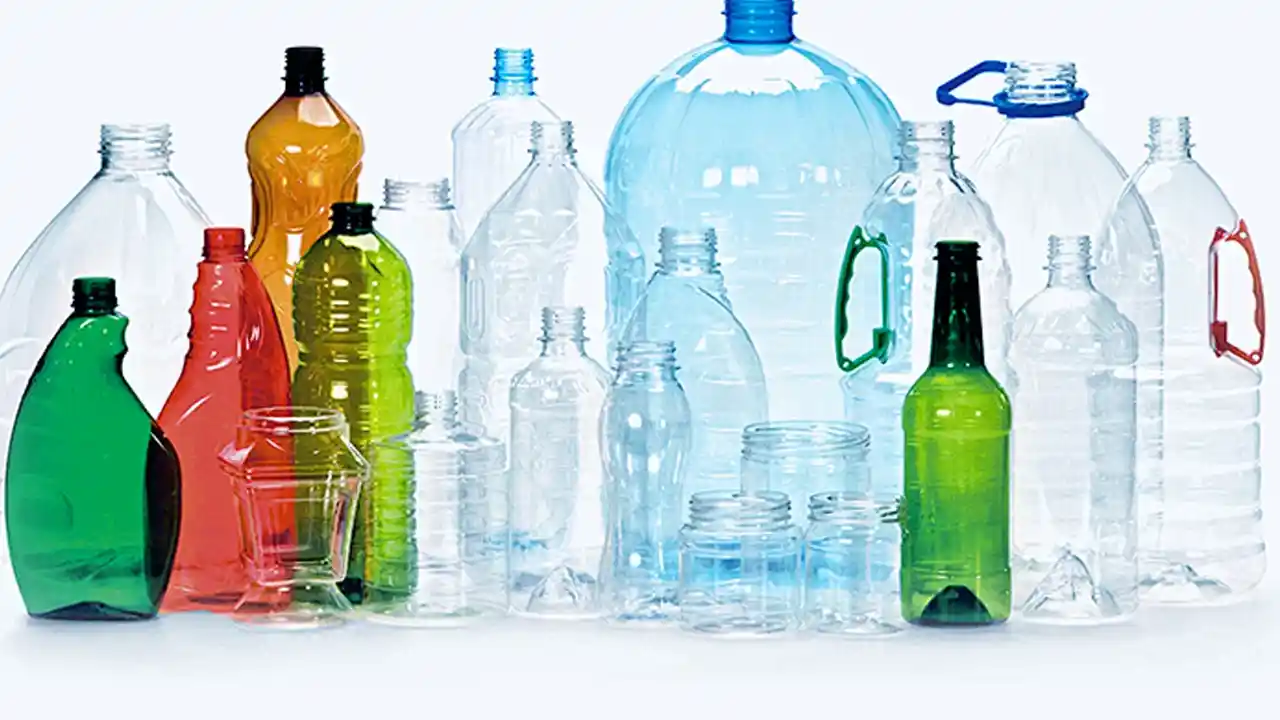
Cada vez que coges una botella de agua o un tarro de mantequilla de cacahuete de una estantería, hay una decisión de ingeniería poco conocida detrás de ese envase. Alguien, en algún momento, eligió el plástico PET, y no fue al azar.
El plástico PET (polietileno tereftalato) es un termoplástico ligero, resistente y muy transparente perteneciente a la familia de los poliésteres. Ofrece excelentes propiedades de barrera frente a la humedad y los gases, una buena resistencia química y una elevada relación resistencia-peso. El PET está homologado por la FDA para el contacto con alimentos, es reciclable (código de resina #1) y se utiliza ampliamente en botellas, envases alimentarios, fibras textiles y piezas moldeadas por inyección de precisión. Su punto de fusión se sitúa entre los 250 y los 260 °C, lo que lo hace adecuado para procesos de moldeo por inyección, moldeo por soplado y extrusión.
Entender qué es realmente el PET es —no solo su nombre— puede ahorrarte decisiones costosas sobre los materiales más adelante. Profundicemos en el tema.
¿De qué está hecho exactamente el plástico PET?
Parece una pregunta de clase de química, pero en realidad es algo importante en el sector manufacturero.
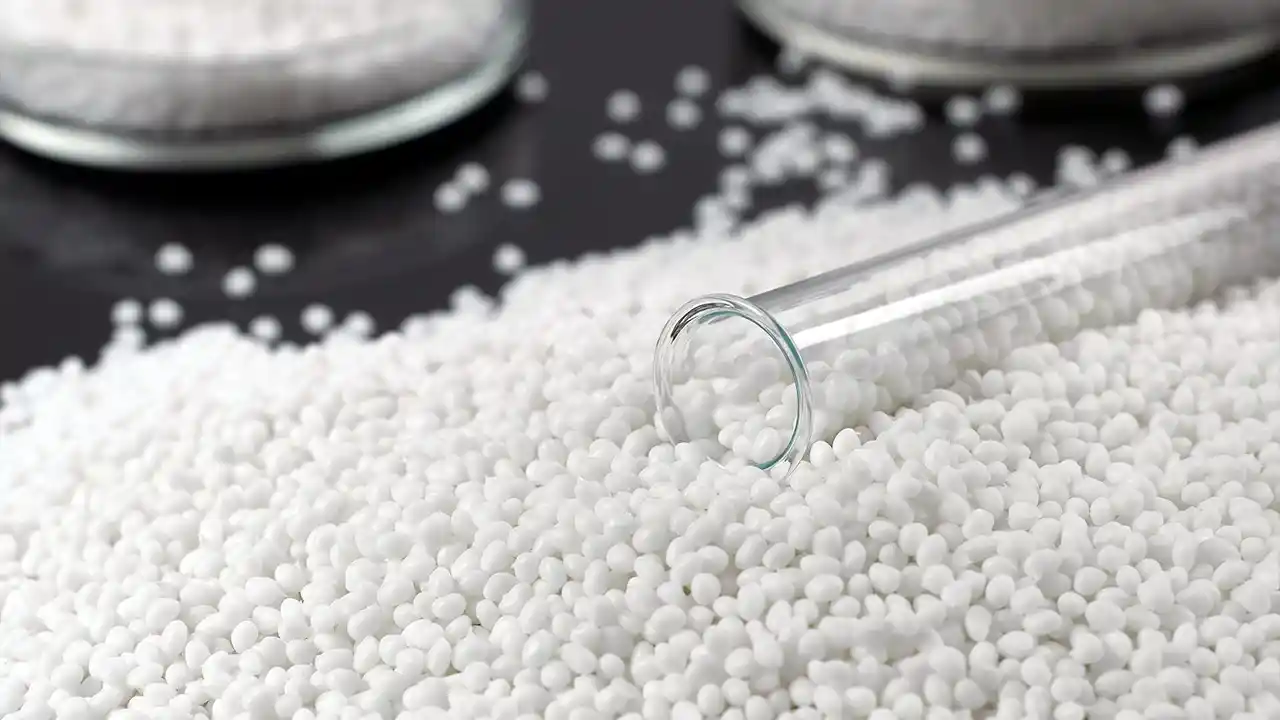
El PET es un polímero de condensación obtenido a partir de dos monómeros: el etilenglicol y el ácido tereftálico. La reacción de polimerización produce largos enlaces éster repetitivos, razón por la cual el PET pertenece a la familia de los poliésteres. Las cadenas poliméricas resultantes pueden organizarse en formas amorfas (transparentes) o semicristalinas (opacas/blancas), dependiendo de cómo se procese el material durante el moldeo o el enfriamiento.
Esta estructura molecular es la que confiere al PET su inusual combinación de propiedades. No es magia, sino química en acción a escala nanométrica.
Por qué es importante la diferencia entre los materiales amorfos y los cristalinos
Cuando el PET se enfría lentamente o se somete a un recocido térmico, sus cadenas poliméricas tienen tiempo de organizarse en estructuras cristalinas ordenadas. El resultado: un material más rígido, más resistente al calor y ligeramente opaco, que a menudo se denomina CPET (PET cristalizado). Este es el material con el que se fabrican las bandejas de comida aptas para el horno.
El enfriamiento rápido —como en el moldeo por soplado de una botella— congela las cadenas en un estado desordenado y amorfo. El resultado es una transparencia cristalina.
En el moldeo por inyección, este comportamiento supone un auténtico reto. El espesor de la pared, la velocidad de enfriamiento y la ubicación de la entrada de material influyen en que la pieza resulte transparente o opaca. Los ingenieros que no tienen en cuenta estos factores acaban obteniendo piezas con resultados irregulares y clientes desconcertados.
Hay otra cosa que conviene saber: el peso molecular del PET varía según el tipo. El PET para botellas tiene una viscosidad intrínseca (IV) de entre 0,72 y 0,84 dL/g aproximadamente. El PET para láminas tiene un valor inferior. El de grado para fibras, aún más baja. Utilizar un grado incorrecto en el diseño del molde es un error que se refleja en la calidad de la pieza mucho antes de que los informes de control de calidad lo señalen.
¿Cuáles son las características principales del plástico PET?
A los ingenieros les encantan las tablas de propiedades. Pero las tablas no te dicen nada por qué esas cifras son importantes en la producción real.
Las características principales del plástico PET son: resistencia a la tracción de 55–75 MPa, densidad de 1,33–1,45 g/cm³, temperatura de deflexión térmica (HDT) de 70–80 °C en estado amorfo y de hasta 170 °C en estado cristalino, excelente transparencia a los rayos UV en secciones delgadas, baja absorción de humedad (~0,1-0,31 TP3T tras 24 horas) y una alta barrera al oxígeno y al CO₂. Se adhiere mal a la mayoría de los adhesivos sin tratamiento superficial, pero responde bien a las tintas de impresión y a los procesos de recubrimiento.
Resistencia y rigidez
La resistencia a la tracción del PET es considerablemente mayor que la de muchos plásticos comunes. Una pared de PET de 2 mm soporta cargas que agrietarían una pieza similar de PP. Esto es importante en cajas de aparatos electrónicos, clips estructurales y envases de paredes finas, en los que los sistemas de encaje a presión deben resistir flexiones repetidas.
Dicho esto, el PET es sensible a las muescas — Las esquinas afiladas y los radios demasiado pequeños pueden provocar una fractura por fragilidad incluso a temperatura ambiente. Esto es un DFM Es un problema que surge constantemente cuando los clientes nos traen diseños elaborados por diseñadores industriales, y no por ingenieros de fabricación. Un radio de redondeo generoso no es solo una cuestión estética, sino que también es funcional.
Rendimiento de la barrera
La tasa de transmisión de oxígeno (OTR) del film de PET oscila entre 5 y 8 cc/(m²·día·atm) a 23 °C, un valor muy superior al del PE o el PP. Por eso las bebidas carbonatadas no pierden el gas en dos días cuando se embotellan en PET. Para una startup que esté diseñando un producto alimentario o una bebida, se trata de un requisito imprescindible, no de algo que simplemente estaría bien tener.
Límites térmicos
El PET amorfo se ablanda por encima de los 70 °C. Por lo tanto, no, una botella de agua de PET no es apta para el microondas. Sin embargo, las bandejas de CPET cristalizado que se utilizan en el envasado de comidas congeladas soportan temperaturas en el horno de hasta 220 °C: la misma familia de polímeros, pero un procesamiento diferente. El límite térmico no es fijo, sino que depende del proceso.
Estabilidad dimensional
El PET absorbe mucha menos humedad que el nailon (PA) o el ABS. Las piezas conservan mejor sus dimensiones en entornos húmedos, lo que supone una ventaja fundamental para piezas de precisión, conectores o carcasas de dispositivos médicos, en los que las tolerancias son muy ajustadas y las condiciones sobre el terreno son impredecibles.
¿Cuándo se debe utilizar el plástico PET?
La elección de los materiales es una de esas decisiones que muchos equipos toman con demasiada precipitación.
El PET es la opción ideal cuando se necesita transparencia óptica, conformidad con la normativa sobre contacto con alimentos, una barrera eficaz contra los gases y la humedad, y un rendimiento mecánico sólido, todo ello en un material reciclable. Ofrece un rendimiento óptimo en secciones de pared fina a media (0,8-3,5 mm), en aplicaciones en las que la temperatura de servicio continuo no supere los 70 °C y en las que la reciclabilidad o el cumplimiento normativo (FDA, contacto con alimentos de la UE) formen parte de los requisitos del producto.
El error en el que caen la mayoría de los equipos es considerar la selección de materiales como un mero ejercicio de consulta de catálogos. Ven que “PET = botellas” y dejan de pensar. El PET se utiliza en muchas más aplicaciones que esas.
Cuando el PET resulta una opción obvia
Envases blíster para productos médicos. La combinación de transparencia, propiedades de barrera y cumplimiento normativo hace que el PET sea prácticamente imbatible en este ámbito. Algunas empresas de dispositivos médicos han intentado pasar al PLA por motivos de sostenibilidad, pero han dado marcha atrás: la sensibilidad a la humedad del PLA y su menor rendimiento como barrera plantean problemas de almacenamiento que el PET no tiene.
Embalajes para productos electrónicos e insertos para bandejas. Las bandejas de película de PET antiestática son habituales en la manipulación de semiconductores y placas de circuito impreso. Su estabilidad dimensional y su compatibilidad con las salas blancas las convierten en una opción práctica frente a alternativas como el PS o el PP.
Piezas mecánicas moldeadas por inyección de precisión. Cuando necesites una pieza transparente y En el ámbito estructural —indicadores de flujo de fluidos, cubiertas de calidad óptica, componentes de laboratorio—, el PET compite seriamente con el policarbonato (PC), a menudo con un coste de material inferior. El PC destaca por su resistencia al impacto; el PET, por su coste y su resistencia química.
Cuándo pensárselo dos veces
Entornos con altas temperaturas. Si hay algún lugar donde las temperaturas se mantengan constantemente por encima de los 80 °C —como el compartimento del motor de un vehículo o equipos industriales—, el PET no es el material adecuado. En su lugar, plantéate utilizar PPS, PEI o PEEK.
Piezas que requieren una resistencia extrema. La resistencia al impacto del PET es normal. Para las carcasas que deben soportar caídas, el PC o las mezclas de ABS y PC resisten mejor las cargas de impacto.
Entornos químicamente agresivos. El PET resiste bastante bien los ácidos diluidos y la mayoría de los disolventes orgánicos, pero las bases concentradas y las cetonas lo corroen. Infórmate bien sobre la exposición a sustancias químicas antes de tomar una decisión.
¿En qué ámbitos se puede utilizar el plástico PET?
Si crees que el PET es solo un material de embalaje, es que te has fijado en las partes equivocadas de la cadena de suministro.
El plástico PET se utiliza en cinco áreas de aplicación principales: envases rígidos (botellas, tarros, envases tipo clamshell), envases flexibles (láminas, laminados), fibras textiles (ropa de poliéster y tejidos industriales), componentes moldeados por inyección de precisión (conectores, carcasas, piezas ópticas) y aplicaciones de ingeniería especializadas (bandejas de CPET aptas para el horno, dispositivos médicos termoformados, sustratos de película electrónica). La producción mundial de PET supera los 90 millones de toneladas métricas al año; los envases y las fibras representan la mayor parte, pero las aplicaciones industriales están creciendo rápidamente.
El embalaje: el uso más visible
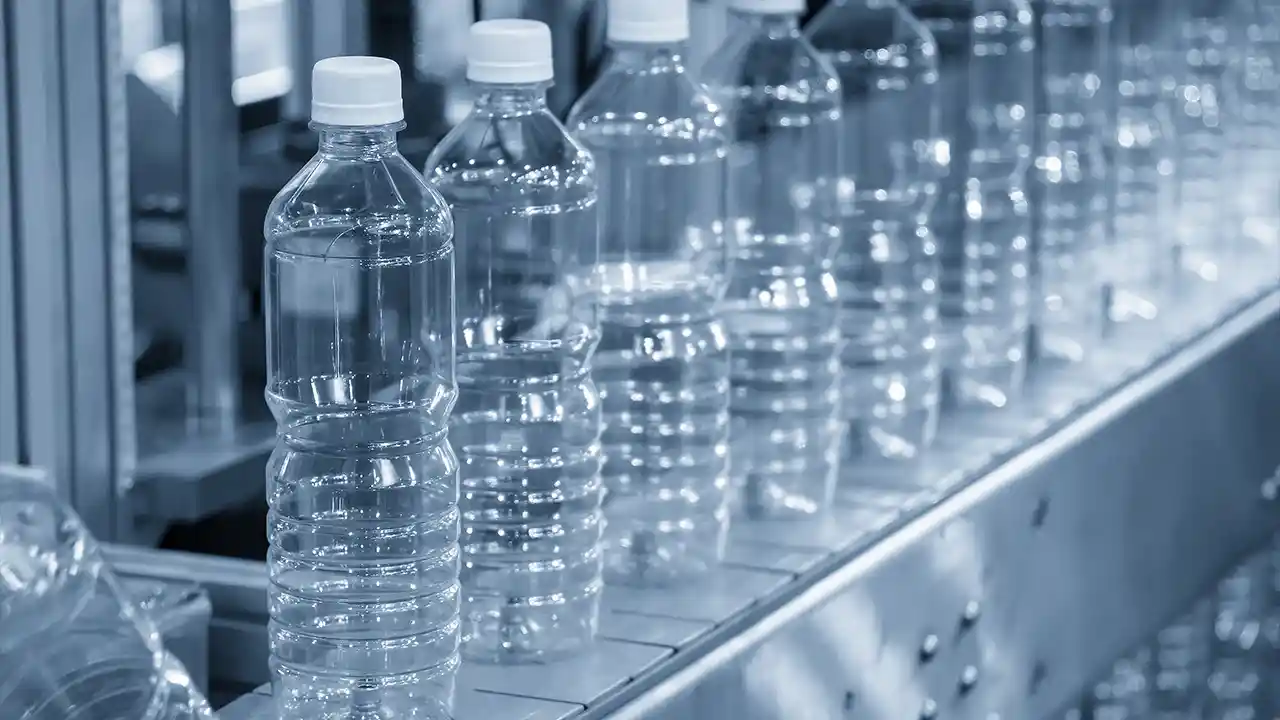
Las botellas de refrescos carbonatados son el ejemplo más emblemático. El proceso de moldeo por soplado y estiramiento biaxial orienta las cadenas poliméricas del PET en dos direcciones, lo que aumenta drásticamente la resistencia y el rendimiento de barrera más allá de lo que puede alcanzar el PET moldeado por inyección. Una botella de refresco carbonatado de 500 ml pesa entre 22 y 28 g de PET y soporta una presión interna de más de 3 bar. Se trata de un logro de ingeniería extraordinario que se esconde en todas las estanterías de las tiendas de conveniencia.
Las láminas de PET termoformadas se utilizan en envases tipo clamshell para productos electrónicos, productos frescos y artículos de consumo. Se fabrican a partir de láminas de APET (PET amorfo), que se calientan y se moldean sobre un molde. Tiempo de ciclo rápido; coste moderado del material.
Textiles: el PET con otro nombre
“El ”poliéster» que se utiliza en la ropa es casi siempre fibra de PET. Aproximadamente el 52% de la producción mundial de fibra corresponde al poliéster, lo que convierte al PET en el material sintético más producido del planeta en términos de volumen. Las botellas de PET recicladas suelen transformarse en fibra de poliéster (rPET), cerrando así un ciclo útil en la economía circular.
Componentes industriales y de precisión
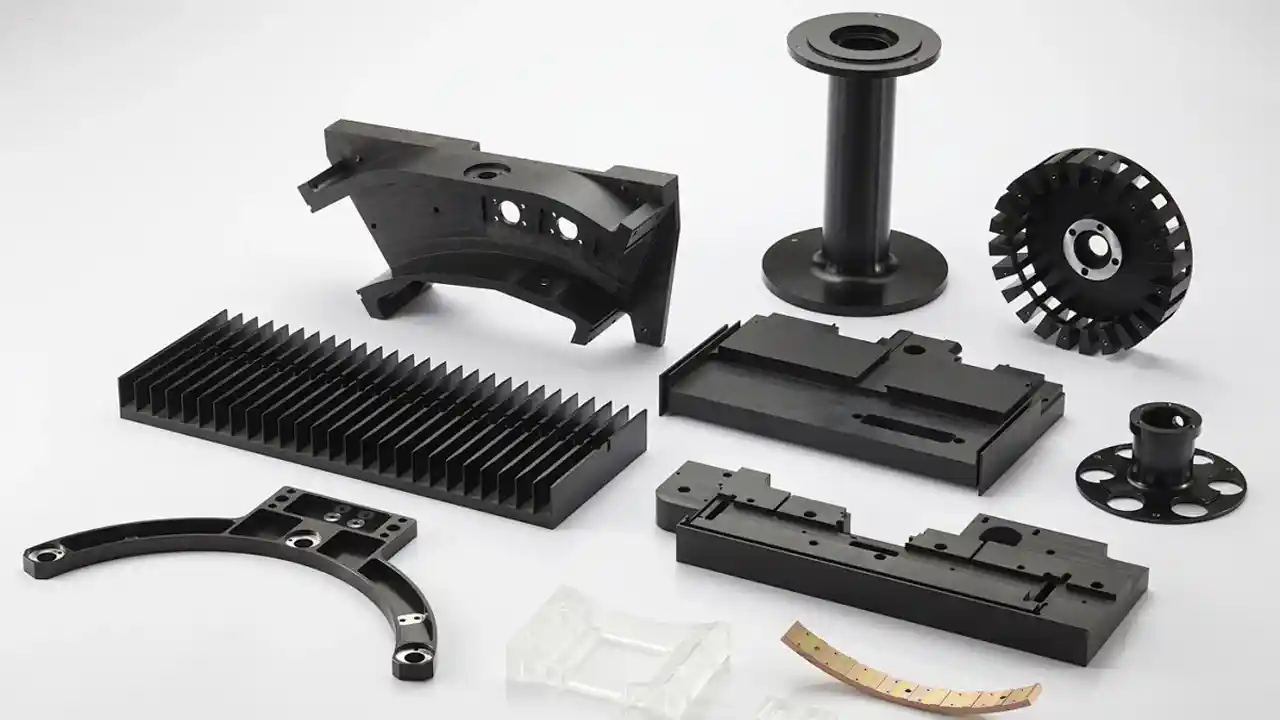
Aquí es donde las cosas se ponen interesantes desde el punto de vista de la fabricación. El PET se moldea por inyección para fabricar impulsores de bombas, asientos de válvulas, componentes de engranajes, conectores eléctricos y piezas de dispositivos de diagnóstico. La rigidez del material, su resistencia química y su estabilidad dimensional bajo carga sostenida lo convierten en un auténtico plástico de ingeniería, y no solo en una resina de embalaje que, casualmente, es moldeable.
En Dimud, trabajamos con clientes que nos traen piezas de PET tras haber tenido problemas de uniformidad en otros lugares. La causa principal casi siempre está relacionada con el proceso: un secado inadecuado (el PET debe secarse hasta alcanzar un contenido de humedad inferior a 0,021 TP3T antes del moldeo; de lo contrario, se hidroliza y pierde sus propiedades mecánicas), un control incorrecto de la temperatura de fusión o diseños de enfriamiento que provocan variaciones en la cristalinidad a lo largo de la pieza. Se trata de problemas que tienen solución, pero que requieren atención por parte de los ingenieros, no solo tiempo de máquina.
¿Qué es mejor para el moldeo por inyección: el HDPE o el PET?
Esta comparación surge constantemente. La respuesta depende totalmente de lo que signifique “mejor” para tu aplicación.
El HDPE y el PET satisfacen requisitos de diseño fundamentalmente diferentes. El HDPE ofrece una mayor resistencia química, menor densidad, mayor resistencia al impacto y un procesamiento más sencillo, lo que lo hace ideal para envases, tuberías y piezas estructurales que no requieren transparencia óptica. El PET ofrece una transparencia superior, mayor rigidez, mejor barrera contra los gases y una gama más amplia de homologaciones para el contacto con alimentos, lo que lo hace ideal para envases transparentes, componentes de precisión y aplicaciones reguladas. Ninguno de los dos es universalmente superior. La elección adecuada depende del espesor de la pared, la temperatura de servicio, los requisitos de aspecto y el entorno de uso final.
Análisis detallado de las verdaderas compensaciones
Transparencia: El PET gana por un amplio margen. El HDPE natural es de color blanco lechoso y translúcido. No es posible fabricar una botella de HDPE verdaderamente transparente sin añadir una cantidad significativa de aditivos y sin un proceso de fabricación complejo. El PET ofrece una transparencia similar a la del vidrio en secciones finas.
Resistencia química: El HDPE presenta una mayor resistencia general. Ácidos fuertes, álcalis concentrados, la mayoría de los disolventes… El HDPE los soporta mejor que el PET. Para los envases industriales que contienen productos químicos agresivos, el HDPE es la opción habitual.
Rigidez: El módulo de flexión del PET oscila entre 2.300 y 3.100 MPa. El del HDPE se sitúa entre 700 y 1.400 MPa en los grados de alta densidad. El PET es aproximadamente entre 2 y 3 veces más rígido por unidad de espesor. Esto es importante a la hora de diseñar piezas de paredes delgadas que deben mantener su forma bajo una carga prolongada.
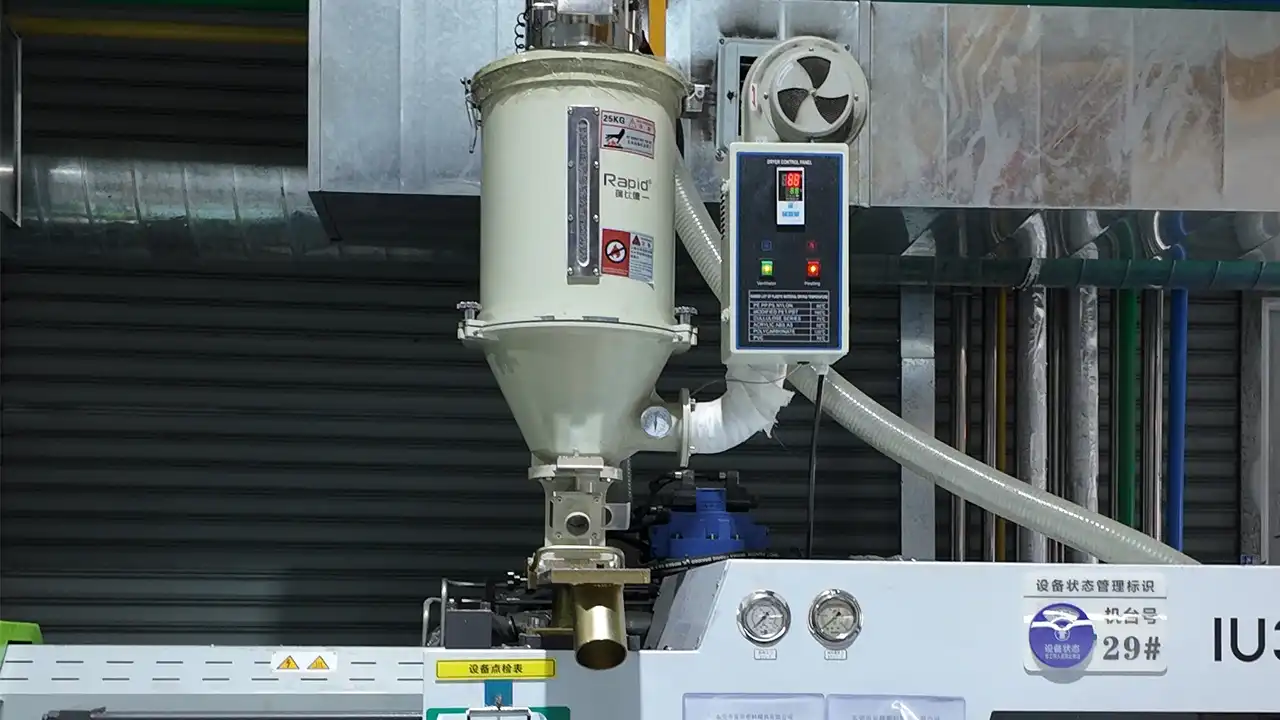
Complejidad del procesamiento: El HDPE es más tolerante. Temperaturas de fusión más bajas, menor sensibilidad a la humedad y márgenes de procesamiento más amplios. El PET exige un secado previo (de 4 a 6 horas a 160-170 °C en un secador desecante), un control de temperatura más estricto y un diseño de moldes más cuidadoso. Una fábrica que no cuente con el equipo adecuado producirá piezas de HDPE aceptables, mientras que, sin darse cuenta, deteriorará la calidad del PET.
Coste de las materias primas: Ambos son plásticos básicos. La resina de HDPE cuesta entre $0,95 y $1,40/kg en volúmenes habituales. El precio de la resina de PET varía considerablemente: el PET para botellas cuesta entre $0,85 y $1,30/kg en grandes volúmenes, pero el PET para inyección destinado a piezas de precisión puede costar entre $1,80 y $3,20/kg, dependiendo del grado y de la especificación del índice de fluidez (IV). No se debe dar por sentado que su coste es equivalente.
Reciclabilidad: Ambas cuentan con una infraestructura bien consolidada. El PET (#1) y el HDPE (#2) son los dos plásticos más reciclados a nivel mundial. Si la reciclabilidad al final de la vida útil es un requisito del producto, ambos la cumplen, aunque el mercado del reciclaje del PET está más desarrollado en muchas regiones.
La pregunta que siempre hago cuando surge esta comparación: ¿Necesitas claridad o necesitas firmeza? Esa única pregunta resuelve la decisión en aproximadamente el 80% de los casos.
¿Es seguro el plástico PET para aplicaciones alimentarias y médicas?
Esta cuestión surge en casi todos los proyectos relacionados con el embalaje o con productos destinados al consumidor.
El PET está homologado para el contacto directo con alimentos por la FDA de EE. UU. (21 CFR 177.1630), la Autoridad Europea de Seguridad Alimentaria (EFSA) y los organismos reguladores de la mayoría de los mercados mundiales. No contiene BPA (bisfenol A) y no libera sustancias en niveles detectables en condiciones normales de uso. El PET de grado médico se utiliza en el envasado de dispositivos, paños quirúrgicos y componentes de diagnóstico, pero el cumplimiento de la normativa sobre contacto con alimentos y la normativa médica exige una especificación correcta de la materia prima, y no basta con utilizar cualquier grado de resina de PET.
La cuestión del BPA
En los debates públicos sobre el BPA, el PET se confunde a menudo con el policarbonato (PC). El PC puede contener BPA, mientras que el PET no. Ambos plásticos son estructuralmente diferentes, a pesar de que, en un sentido químico amplio, ambos se clasifican como poliésteres.
Si un cliente te pregunta si tu producto de PET contiene BPA, la respuesta es «no», sin necesidad de matizaciones.
Qué requisitos debe cumplir realmente el “PET apto para uso alimentario” durante su fabricación
El uso de resina homologada para el contacto con alimentos es necesario, pero no suficiente. El molde, el sistema de canales, los colorantes, los agentes desmoldeantes y los coadyuvantes de procesamiento deben cumplir todos ellos los requisitos de contacto con alimentos. La contaminación cruzada durante la producción puede introducir sustancias que no están contempladas en la propia normativa aplicable al PET.
En el caso de los productos que se comercializan en el mercado de la UE, el Reglamento (UE) n.º 10/2011 regula los materiales plásticos en contacto con alimentos. Para cumplir con la normativa, es necesario realizar ensayos específicos de migración; la ficha técnica del material facilitada por el proveedor de la resina no es suficiente por sí sola.
Las aplicaciones de grado médico elevan aún más el listón: las pruebas de biocompatibilidad según la norma ISO 10993, la trazabilidad de las materias primas, el procesamiento en salas blancas y los sistemas de calidad documentados forman parte del conjunto. En Dimud, nuestros sistemas de calidad están diseñados para apoyar a los clientes que operan en sectores regulados. El momento de abordar el cumplimiento normativo es durante la fase de diseño para la fabricación (DFM), no después de que se haya fabricado el utillaje.
¿Qué rendimiento ofrece el PET en el moldeo por inyección de precisión?
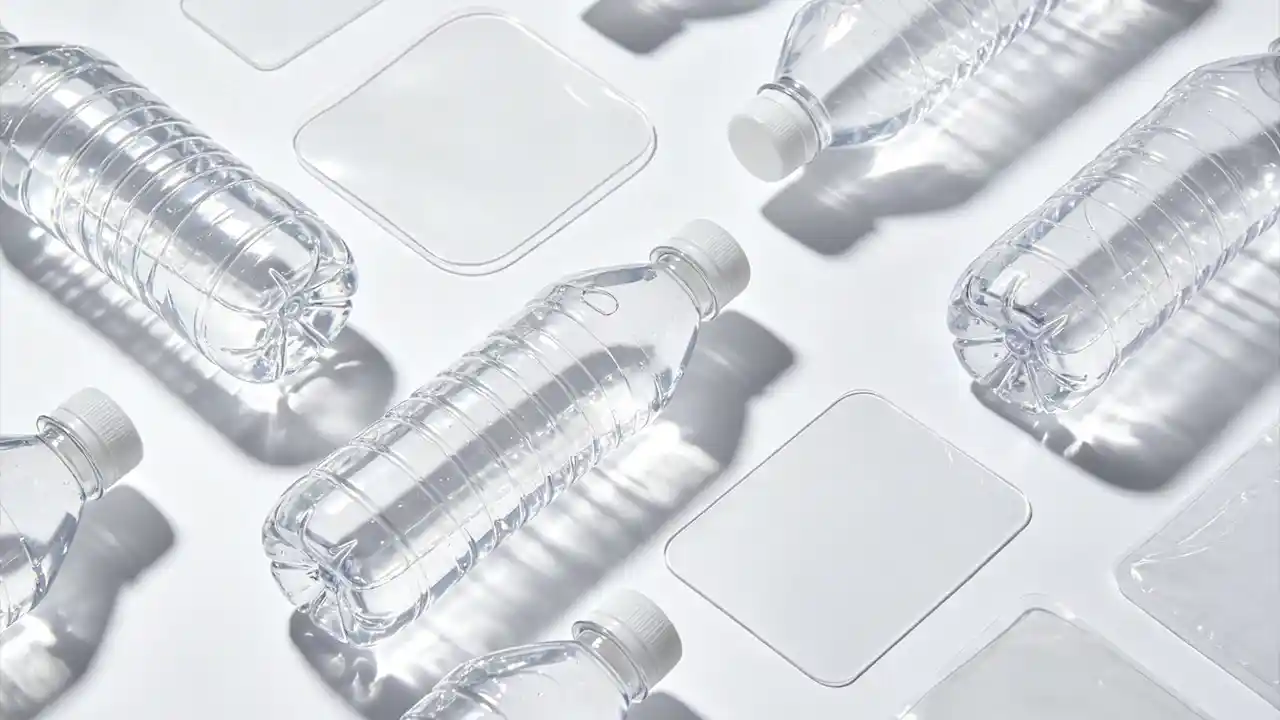
La selección de materiales y el diseño del proceso son aspectos inseparables. Lo que parece adecuado en una ficha técnica no siempre resiste el molde.
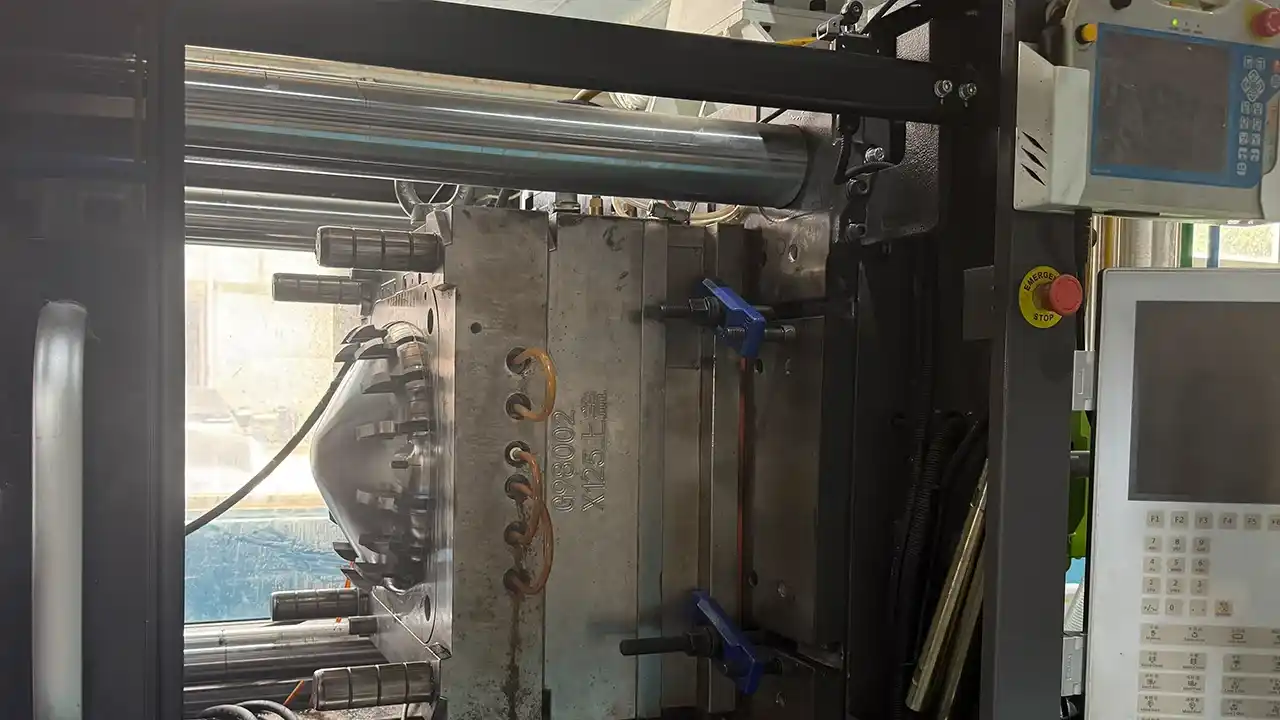
El moldeo por inyección de PET requiere una temperatura de fusión de 270–290 °C, una temperatura del molde de 10-30 °C (amorfo) o de 120-140 °C (semicristalino), y una resina presecada con un contenido de humedad inferior a 0,02%. Los tiempos de ciclo para piezas pequeñas y medianas oscilan entre 15 y 45 segundos. La mayor viscosidad de fusión del PET, en comparación con el PP o el ABS, exige presiones de inyección de 80 a 140 MPa y un diseño cuidadoso de la entrada de material para evitar marcas de flujo, residuos de material sin fundir o solidificación prematura en paredes delgadas.
Secado: la etapa que provoca la mayoría de los defectos de calidad del PET
El PET es higroscópico. Absorbe la humedad del aire, y esa humedad hidroliza las cadenas poliméricas durante el moldeo, lo que reduce el peso molecular, provoca defectos de expansión en las superficies de las piezas y degrada significativamente las propiedades mecánicas. Una pieza moldeada a partir de PET secado de forma inadecuada puede parecer aceptable, pero fallará al alcanzar el 60% de la capacidad de carga prevista.
Requisitos: secadores desecantes, 160-170 °C, un mínimo de 4 a 6 horas, con un tiempo de permanencia en la tolva controlado para evitar la reabsorción. En entornos de fabricación costeros con alta humedad, esta etapa requiere una gestión activa, no basta con marcar una casilla en una hoja de proceso.
Diseño de la puerta y control de la cristalinidad
Las entradas de tamaño insuficiente provocan un calentamiento por cizallamiento excesivo y pueden degradar el PET de forma localizada. El resultado se manifiesta en forma de decoloración, fragilidad cerca de la entrada o una disminución del índice de viscosidad (IV) en la pieza acabada. Las entradas submarinas, las entradas laterales y los sistemas de canal caliente presentan cada uno de ellos ventajas e inconvenientes en el procesamiento del PET que deben evaluarse en función de la geometría de la pieza.
La temperatura del molde controla directamente la cristalinidad. Por debajo de los 30 °C, las piezas salen amorfas y transparentes. Entre 120 y 140 °C, se obtiene un PET semicristalino con una temperatura de deformación calorífica (HDT) más alta, pero con menor transparencia. Esta no es una variable del proceso que deba dejarse al azar, sino una decisión de diseño que debe tomarse antes de comenzar con la fabricación del molde.
En Dimud, llevamos a cabo una revisión completa de DFM antes de fabricar cualquier molde. En el caso concreto de las piezas de PET, evaluamos la distribución del espesor de las paredes, la ubicación de la entrada de material en relación con las trayectorias de flujo previstas y la cristalinidad objetivo en función de los requisitos de la aplicación. Nuestro fabricación de moldes de precisión Este enfoque garantiza una calidad constante de las piezas a lo largo de largas series de producción, y no solo en las primeras cientos de unidades.
Conclusión
El plástico PET es mucho más que el material con el que está fabricada tu botella de agua. Se trata de un material de ingeniería de precisión con propiedades definidas, requisitos de procesamiento concretos y vías claras de cumplimiento normativo para aplicaciones alimentarias, médicas e industriales.
Que el PET sea adecuado para su producto depende de la transparencia, las propiedades de barrera, el rango de temperaturas, la exposición a sustancias químicas y sus requisitos normativos, y no de cuál sea el material más fácil de conseguir.