

Precision Mold Manufacturing Services
Tolerances to ±0.005mm | Automotive, Medical, Electronics
- Manufacturing Plants
- ISO Certified
- Export to Europe & North America
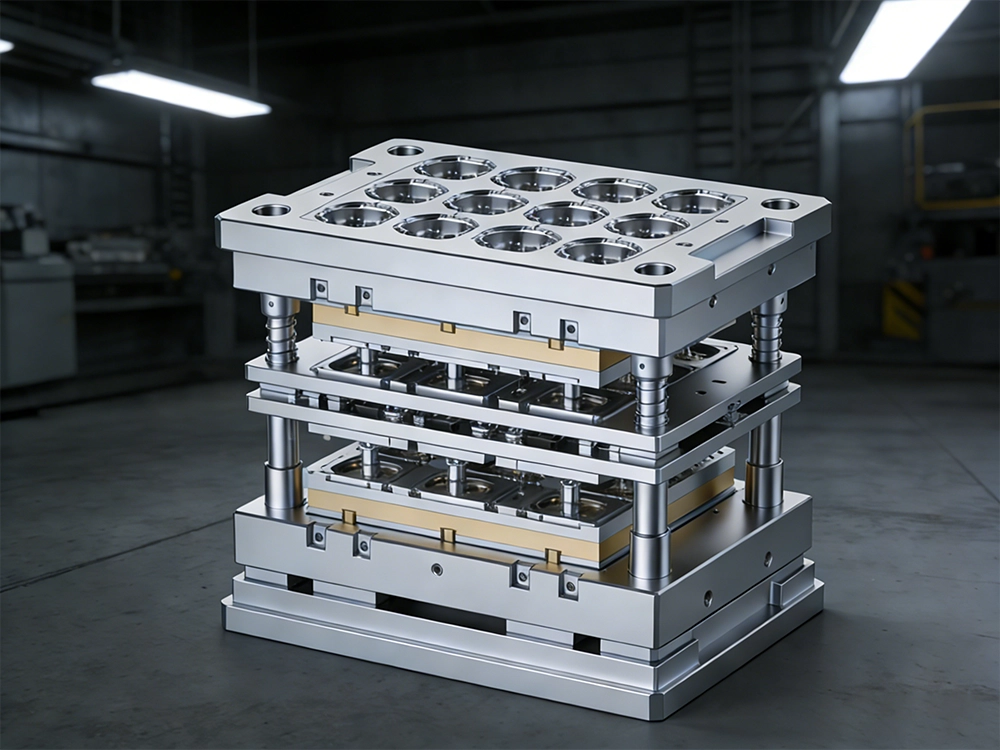
Precision Mold Manufacturing Built for Demanding Applications
Our precision mold manufacturing capabilities adhere to core standards of high precision and stability at every stage—from structural design to steel selection—to meet the mass production demands of high-standard industries such as automotive, medical, and electronics.
High-precision machining
The machining accuracy of the mold cavities and cores directly determines the dimensional stability of the parts. Tolerance accuracy up to ±0.005 mm
Expert Selection of Mold Steels
We match the most suitable mold steel grades based on product materials, production volume requirements, and operating environments, offering a comprehensive range from entry-level to high-end imported steels.Supports P20, H13, S136, 8407, and many other steel grades
Extremely Long Mold Service Life
Precise heat treatment processes and strict control of fit accuracy ensure that the mold maintains stable performance during high-frequency production, significantly reducing the risk of downtime for repairs.Mold service life of over 1 million cycles
Capabilities in Molding Complex Structures
We possess the design and manufacturing capabilities for complex structures such as multi-cavity molds, family molds, sliders, inclined pins, and hot runners, enabling us to meet the demands of highly complex parts.Supports multi-cavity molds / hot runners / complex side-core-pulling structures
Pre-Verification via Moldflow Analysis
Before mold manufacturing begins, Moldflow simulation is used to predict molding risks such as filling, warpage, and sink marks, thereby eliminating potential issues at the design stage.Completing molding simulations before mold manufacturing reduces the rate of rework during trial runs.
In-House CNC Precision Machining
Leveraging our in-house CNC manufacturing facility, we perform high-precision machining on critical mold components, with full in-house control throughout the entire process—no outsourcing required. In-house CNC facility; 100% of core processes completed in-house
Precision Mold Manufacturing Shouldn't Be This Hard. We Make It Simpler
In the field of precision mold manufacturing, most problems aren’t revealed during production—they’re often predetermined the moment the wrong supplier is chosen.
Dimud gets involved from the very beginning, systematically eliminating the most common high-risk stages of mold development.
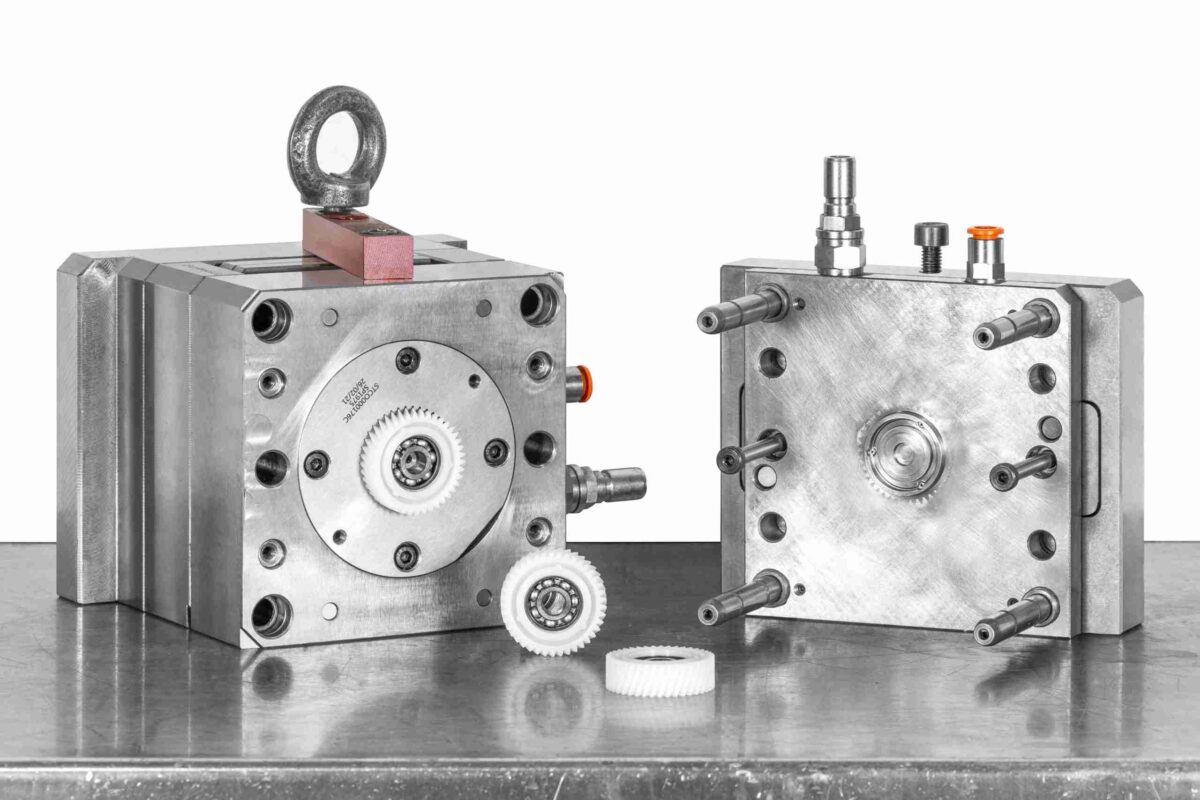
Recurring dimensional deviations and low part yield
After the mold is delivered, parts continue to exhibit dimensional deviations, leading to assembly failures and low yield rates; every trial run results in additional costs.
Dimud’s Solution:
During the Precision Mold Manufacturing phase, we perform high-precision machining of the cavities and cores to a tolerance of ±0.005 mm. Combined with Moldflow analysis, this allows us to identify and address potential dimensional risks before the mold is opened.
✅ Significantly improved first-time trial mold pass rate, reducing time and cost losses caused by repeated mold modifications.
Short mold life leads to frequent downtime for repairs during mass production
After 200,000 to 300,000 cycles, the mold begins to exhibit edge chipping, scratches, and dimensional drift, disrupting the production schedule and resulting in extremely high costs due to downtime for repairs.
Dimud’s Solution:
Starting with steel selection, we match high-performance mold steels such as H13 and S136 to your production volume requirements. Combined with precise heat treatment processes, this ensures the mold maintains stable structural integrity during high-frequency production.
Results Guaranteed:
✅ Mold design life of over 1 million cycles, providing reliable assurance for your mass production cycle.
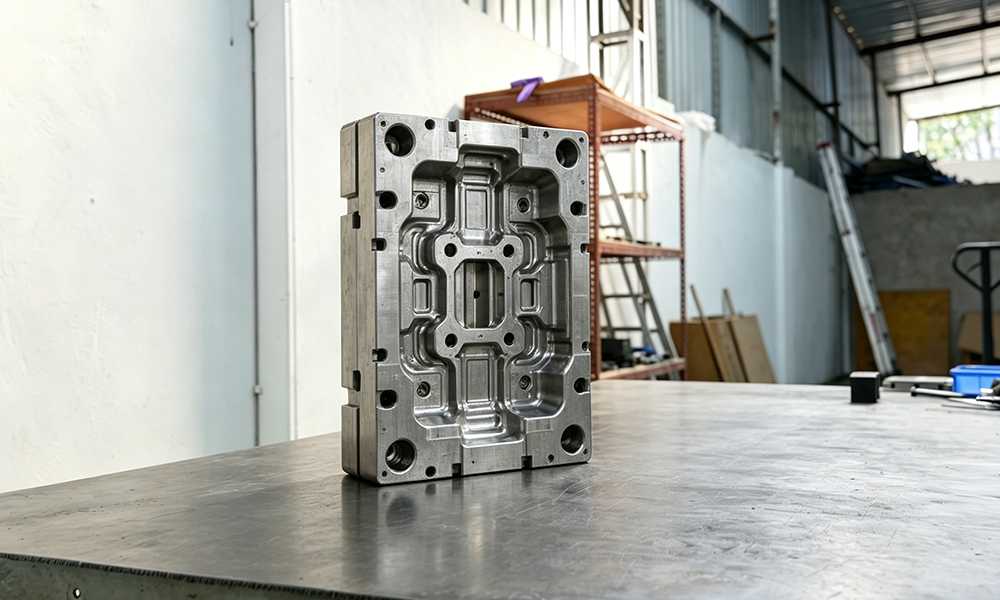
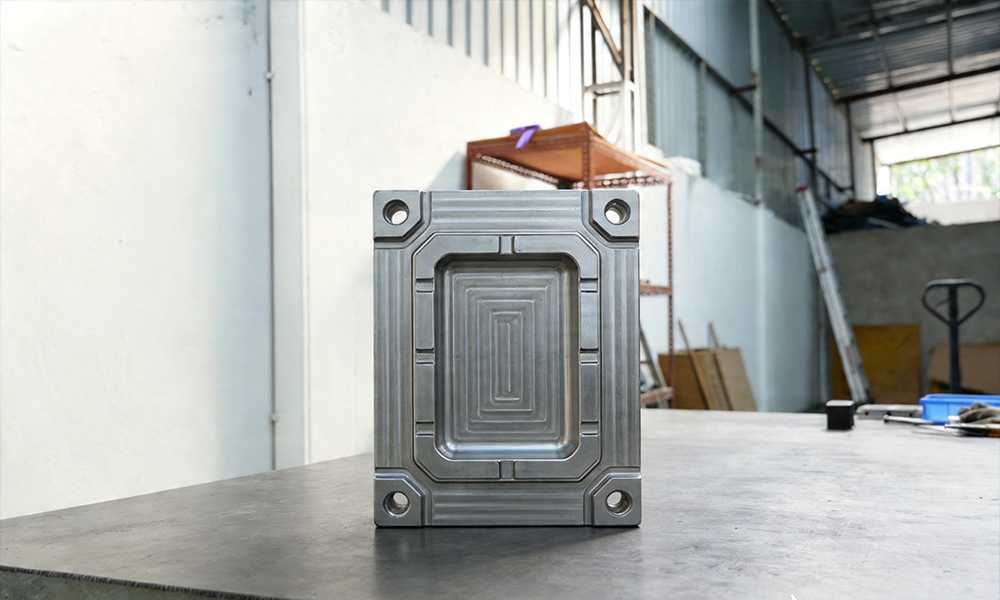
Design issues aren’t discovered until after the mold is made, and the cost of rework is enormous
Once the product design is finalized and mold development is complete, trial molding often reveals uneven wall thickness, severe sink marks, and difficulty in demolding—at which point the cost of making changes is already dozens of times higher than during the design phase.
Dimud’s Solution:
We engage in DFM Analysis (Design for Manufacturability) right from the project’s inception to identify structural risks, optimize wall thickness distribution, and confirm demolding directions, thereby eliminating design flaws at the drawing stage.
Results Guaranteed:
✅ Early DFM intervention saves clients an average of 30%+ in trial molding rework costs.
Repeated delays in delivery times are impacting product launch windows
Injection mold lead times from suppliers have been repeatedly delayed, forcing launch dates to be pushed back and causing market windows to be lost.
Dimud’s Solution:
Our in-house mold factory and CNC machining facility operate in tandem, with all critical processes completed internally, eliminating the need for external subcontracting and associated wait times. Upon project initiation, we provide a clear milestone timeline with trackable and feedback-enabled milestones at every stage.
Results We Promise:
✅ Transparent and controllable delivery schedules, with a minimum delivery cycle of 25 business days for standard mold projects.
Repeated delays in delivery times are impacting product launch windows
Injection mold lead times from suppliers have been repeatedly delayed, forcing launch dates to be pushed back and causing market windows to be lost.
Dimud’s Solution:
Our in-house mold factory and CNC machining facility operate in tandem, with all critical processes completed internally, eliminating the need for external subcontracting and associated wait times. Upon project initiation, we provide a clear milestone timeline with trackable and feedback-enabled milestones at every stage.
✅ Transparent and controllable delivery schedules, with a minimum delivery cycle of 25 business days for standard mold projects.
Remote procurement, a quality black box—problems aren’t discovered until the goods are received
Customers in Europe, the U.S., and the Middle East cannot be on-site for inspection and must rely solely on suppliers’ self-declarations. Only after receiving the goods do they discover dimensional deviations, surface defects, and assembly failures, and the return and exchange process is lengthy.
Dimud’s Solution:
We’ve established a comprehensive mold quality control system covering the entire supply chain—from incoming materials through production and finished goods to shipment. We provide CMM (coordinate measuring machine) inspection reports, photographic records of the production process, and pre-shipment video inspections to ensure that data for every batch is traceable and results are reliable.
✅ 100% pre-shipment inspection + complete quality inspection reports delivered with every shipment, giving you peace of mind even with remote procurement.
If you are facing any of these challenges—let us know your needs now, and the Dimud engineering team will provide a professional response within 24 hours.
From Concept to Delivery — One Partner, Zero Gaps
Dimud’s Precision Mold Manufacturing service system covers every key stage of product realization.
From the initial design drawings to the final mass production delivery, you’ll deal with just one team.
Requirements & Engineering Consultation
Once we understand your product application, material requirements, production targets, and budget, our team of engineers will conduct a preliminary feasibility assessment.
DFM Analysis & Rapid Prototyping
We conduct DFM analysis of product structures to identify design risks and provide optimization recommendations; we also offer rapid tooling prototyping services to help you validate your design with physical prototypes before moving to full-scale production.
Mold Design & Engineering
Based on the approved product design, complete a comprehensive mold structure plan prior to mold design and manufacturing, including gate locations, runner systems, cooling layouts, and ejection mechanism designs.
Precision Mold Manufacturing
We have entered the core manufacturing phase. Our in-house mold shop and CNC shop work in tandem to ensure cavity and core precision is maintained within ±0.005 mm, with in-house control over the entire process—from steel treatment and fit accuracy to surface finishing.
Mold Trial & Validation
Complete mold trials and validation; perform full-scale inspections on the first batch of samples; record molding parameters; and make precise adjustments to address any deviations until the samples fully meet customer requirements.
Mass Production & Delivery
Once the mold has been approved, we move on to the plastic injection molding production phase. We coordinate raw material procurement, injection molding, post-processing, and assembly, and handle final quality inspection and logistics for shipment.
Precision Mold Manufacturing Across Industries That Demand More
Different industries have vastly different requirements for mold precision, material compliance, and mass production stability.
Dimud specializes in four core industries, leveraging its specialized manufacturing expertise to deliver custom plastic injection mold solutions that meet industry standards.

Key Industry Challenges:
Automotive parts demand extremely high dimensional consistency and assembly precision. A single mold must support continuous mass production for over hundreds of thousands of cycles, and parts must maintain long-term stability under high-temperature and vibration-prone conditions.
Primary Applications:
- Dashboard panels and interior structural components
- Headlight housings and lens covers
Electronic Control Unit (ECU) housings - Wire harness connectors and snap-fit fasteners
Door trim strips and functional brackets
Dimud’s Tailored Solution:
We utilize high-strength mold steel and precision CNC machining to ensure cavity dimensional consistency. By combining Moldflow analysis to optimize runner and cooling systems, we address warpage and sink marks in large-area parts, meeting the strict tolerance requirements for automotive-grade high-precision plastic parts.

Key Industry Challenges:
Medical components have strict requirements for material biocompatibility, surface cleanliness, and dimensional repeatability. They must also comply with regulatory standards such as FDA and ISO 13485, and any variation in quality between batches is unacceptable.
Primary Applications:
- In vitro diagnostic (IVD) device housings and cartridges
- Surgical instrument handles and functional components
- Structural components for medical diagnostic instruments
- Drug delivery devices (syringes, pump assemblies)
- Laboratory consumables (test tube racks, sample trays)
Dimud’s Tailored Solutions:
We support precision molding of medical-grade engineering plastics (PC, PP, and ABS medical grade), strictly controlling mold surface roughness and cavity cleanliness. Through a full-process traceability system and batch inspection reports, we ensure that every batch of parts meets the compliance requirements of the medical industry.

Key Industry Challenges:
Electronic products have short product lifecycles and complex structures, requiring enclosures to balance precise fit, thin-wall molding, and aesthetic quality; thermal management components and connectors, meanwhile, have specific requirements for dimensional stability and material thermal conductivity.
Primary Applications:
Consumer electronics enclosures and back covers
Industrial controller and communication equipment housings
Electrical connectors and precision sockets
Heat-dissipating structural components and thermal conductive brackets
High-precision plastic fixtures for semiconductor equipment
Dimud’s Tailored Solutions:
We possess the manufacturing capabilities for thin-wall molds (wall thickness ≤ 1.0 mm) and high-gloss molds, supporting the precision molding of high-performance engineering plastics such as LCP, PPS, and PEEK. Through DFM analysis, we optimize wall thickness uniformity to resolve issues of insufficient filling and warpage in thin-wall parts.

Key Industry Challenges:
The robotics and energy storage industries are experiencing rapid growth, with products moving from R&D to mass production at an extremely fast pace. Parts often feature complex structures and require frequent iterations; simultaneously, there are increasingly stringent requirements for lightweight design, structural strength, and assembly precision.
Primary Application Parts:
- Robotic joint housings and structural support components
Collaborative robot end-effector assemblies - Energy storage module housings and battery cell mounting brackets
Battery Management - System (BMS) structural components
Drone airframes and functional enclosures
Dimud’s Tailored Solutions:
We provide end-to-end precision mold manufacturing support, covering everything from rapid prototyping to large-scale mass production. We support quick mold changeovers and iterative mold development, helping customers significantly shorten the time-to-market from R&D to mass production without compromising precision.
Why Global Brands Choose Dimud for Precision Mold Manufacturing
With so many injection mold manufacturers in China, it’s not easy to find a truly trustworthy partner.
Here are the real reasons why our customers choose Dimud and continue to work with us.
Vertically Integrated Mold Manufacturing Company
Dimud operates its own mold factory, CNC precision machining facility, and electronics assembly plant. These three facilities work in tandem, eliminating the need for outsourcing core processes. From mold steel machining to component assembly, the entire production chain is completed in-house.
Mold Engineering Support from Day One
We are not a mere contract manufacturer that only begins work once we receive the drawings. From the early stages of a project, Dimud’s team of engineers proactively gets involved, participating in structural reviews and offering optimization suggestions, truly serving as an extension of the client’s R&D team.
Transparent Mold Manufacturing Cost Structure
We provide a clear breakdown of our mold quotes, covering all costs such as steel, machining, heat treatment, and trial runs, with no hidden fees or unexpected charges later on. This allows customers to fully understand the budget structure before the project begins.
Dedicated Support for Global Clients
Serving clients in Europe, North America, and the Middle East, Dimud has a dedicated English-speaking team to ensure smooth project communication across time zones. We have standardized response procedures for project progress updates, quality inspection reports, and video acceptance of samples.
Flexible MOQ for Startups and Growing Brands
We don’t just serve large manufacturers. For startups, small and medium-sized brands, and R&D institutions, Dimud offers flexible minimum order quantity options, allowing them to benefit from precision mold manufacturing services that meet the same standards as mass production right from the product validation stage.
Accountable Delivery with Full Documentation
Each project has clearly defined delivery milestones, and we provide mold drawings, inspection reports, molding parameter records, and shipping documents. All delivery milestones are fully documented, and lines of responsibility are clearly defined.
Frequently Asked Questions About Precision Mold Manufacturing
Dimud’s precision mold manufacturing capabilities cover the full range from standard precision to ultra-high precision. Machining tolerances for mold cavities and cores can be controlled to ±0.005 mm, with surface roughness as low as Ra 0.4 μm.
For mold cavity tolerance control requirements with strict assembly specifications, we utilize our in-house CNC precision machining equipment and a comprehensive coordinate measuring machine (CMM) inspection process to ensure that the critical dimensions of every mold fully comply with design specifications.
The standard process timeline is as follows:
- DFM Analysis: 2–3 business days
- Mold Design: 5–7 business days
- Mold Manufacturing: 15–20 business days
Initial Trial Run and Sample Delivery: 3–5 business days
Total cycle time: Approximately 25–35 business days (depending on mold complexity).
Once the project is launched, we provide a clear milestone schedule, and progress at each stage can be tracked in real time.
The engineering plastics we support at Precision Mold Manufacturing include:
General-purpose materials: ABS, PP, PC, PA6/PA66, POM, PET
High-performance materials: PEEK, PPS, LCP, glass-filled nylon
Medical/food-grade materials: Medical-grade PC, PP, TPE
Special requirements: Flame-retardant materials (UL94 V-0), conductive/anti-static materials
If your material has specific flow or shrinkage requirements, our engineers will evaluate and optimize the mold design in advance during the DFM phase.
Each mold comes with a “Mold Maintenance Manual” upon delivery, which includes information on recommended maintenance intervals, lubrication points, storage conditions, and more.
For plastic injection mold maintenance, we offer:
During the warranty period: Free repairs for mold failures caused by manufacturing defects
Outside the warranty period: Paid services such as repairs, polishing, and insert replacement
For customers in other locations: We support mold return-to-factory maintenance and provide a repair record report.
We recommend performing preventive maintenance every 50,000 to 100,000 production cycles to significantly extend the mold’s service life.
Mold modification costs depend on the type and scope of the changes:
Material removal modifications: Relatively simple, with lower costs
Material addition modifications: Require welding or replacement of inserts, with higher costs
Major structural modifications: We will assess whether a new mold needs to be made on a case-by-case basis
Upon receiving a modification request, we typically issue a mold modification assessment report within 1–2 business days. This report includes the modification plan, a detailed cost breakdown, and the estimated timeline. We proceed only after the client’s confirmation, with no hidden fees.
Injection molding material selection is a critical decision that affects part performance and mold life.
During the DFM phase, our team of engineers assists clients with material selection by considering the following factors:
Part functional requirements: strength, toughness, temperature resistance, chemical resistance
Aesthetic requirements: transparency, surface finish, and color requirements
Industry compliance: Certification requirements for medical, automotive, food contact, and other sectors
Cost control: Recommendation of the most cost-effective material while meeting performance requirements
Material selection recommendations will be submitted as part of the DFM report for client review and approval.
For custom molds developed by Dimud at the client’s request, intellectual property rights and ownership of the mold belong entirely to the client.
Our standard cooperation agreement includes:
Non-Disclosure Agreement (NDA): Client design documents and product information are strictly confidential and will not be disclosed to any third party.
Mold Ownership Statement: Clearly states that the mold is the client’s exclusive asset.
Delivery of Design Documents: Upon project completion, 2D/3D mold drawings can be provided to the client upon request.
Protecting model ownership and intellectual property is a fundamental commitment in our collaboration with overseas clients.
Yes. Dimud has comprehensive capabilities for the design and manufacture of multi-cavity molds, suitable for mass production projects that require increased production capacity and reduced unit costs.
The mold types we support include:
- Single-cavity molds (1 cavity)
- Multi-cavity molds (2 / 4 / 8 / 16 / 32 cavities and above)
- Family molds (multiple parts per mold)
Hot runner multi-cavity molds
The greater the number of cavities, the higher the requirements for mold manufacturing precision and runner balance. We use Moldflow runner balance analysis to ensure consistent filling across all cavities and prevent dimensional deviations in parts from different cavities.
Our mold sampling and approval process is specifically designed for remote customers, ensuring that overseas buyers can complete reliable acceptance without needing to be on-site:
Standard sample delivery includes:
Physical T1 samples shipped to the customer’s designated address
Full-scale CMM inspection report (including measured values vs. tolerance comparison)
High-resolution photos of the sample (multiple angles)
Video recording of the trial molding process
Molding process parameter record sheet
Once the client confirms the sample meets specifications, they must sign the PPAP / Sample Approval Form before mass production can begin. If dimensional deviations are found, we will complete adjustments and resubmit the sample within 5 business days of receiving client feedback.
Ready to Start Your Next Precision Mold Project?
Send us your drawings or product idea — our engineers will provide a free DFM analysis within 24 hours.