

Design for Manufacturability (DFM) Services
Optimize your design for efficient production, lower cost, and fewer risks before manufacturing begins.
- Identify design issues early
- Reduce production cost
- Improve product reliability
- All uploads are secure and confidential
Why Early DFM Matters

Reduce Tooling Costs
Early DFM identifies design flaws that would require costly mold modifications later, cutting tooling expenses by up to 30%.
Shorten Production Timelines
By optimizing for manufacturability upfront, we eliminate rework and delays, shaving weeks off your project timeline.
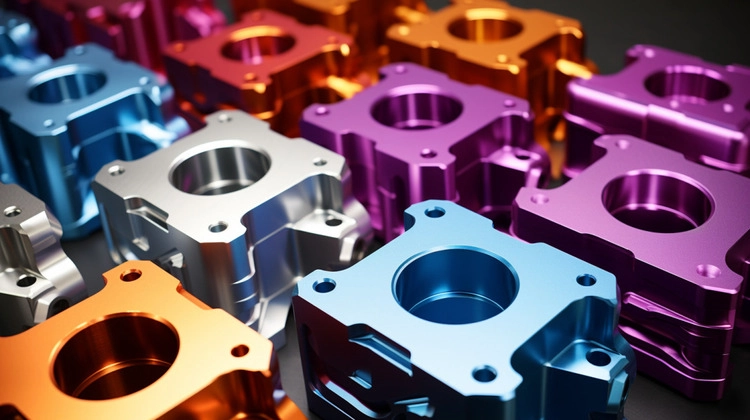
Improve Part Quality & Consistency
DFM ensures your design is optimized for material flow, cooling, and ejection, resulting in higher-quality, more consistent parts.
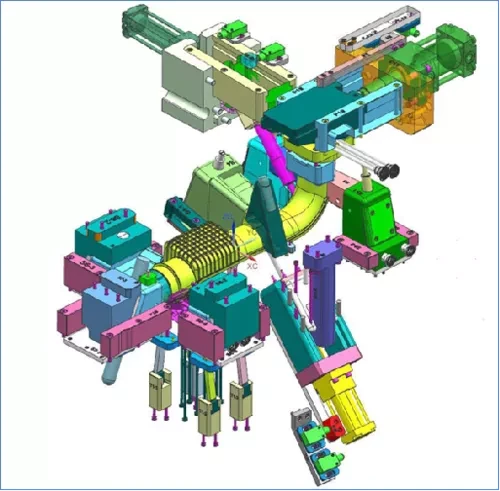
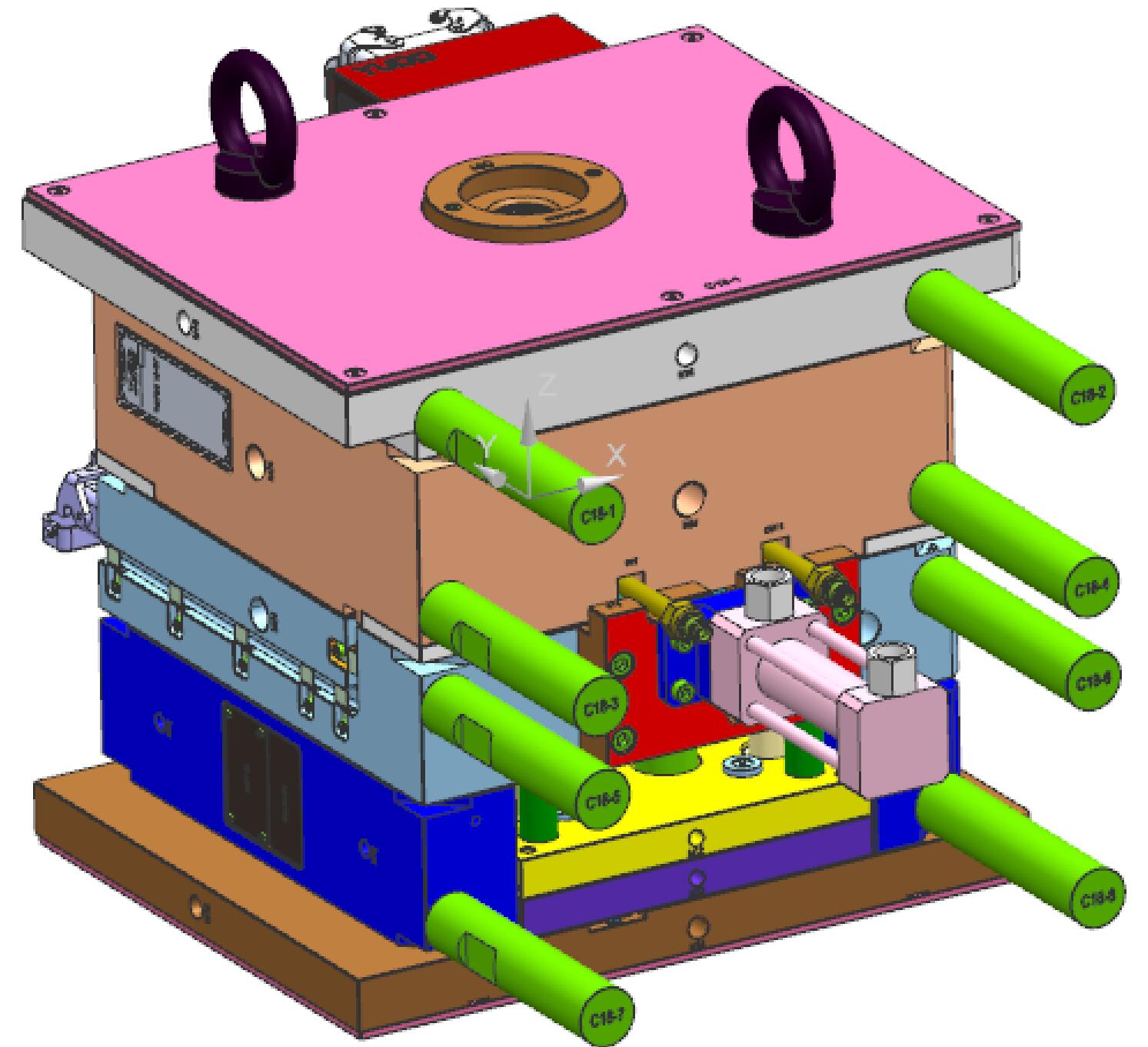
3D Mold Design
Mold design is a core part of the manufacturing process. A well-designed mold can reduce the overall cost of tooling and production, thereby directly benefiting our clients.
We specialize in converting your 2D concepts into 3D CAD models, or designing 3D CAD models exclusively based on your requirements.
At Dimud, we independently develop molds to meet specific standards including DME, HASCO, and other international specifications. We cater to a wide range of applications, such as automotive, home appliance, PC, mobile phone, commodity molds,and double-layer molds.
Whether you need a basic mold or a highly complex one, our skilled team ensures accurate and on-time delivery. Our comprehensive 3D design services range from simple parting line splits to full 3D mold assemblies. We create 3D models of all product components to verify design correctness and functionality, after which finalized we finalize 2D reference drawings and detailed drawings.
Our design process utilizes industry-leading CAD/CAM/CAE systems and professional software such as Unigraphics and Pro-Engineer. Customers can provide 2D drawings or 3D data in DXF, DWG, PRT, IGES, or STEP format, or simply send us the physical sample. We will perform a reverse scan to create a product blueprint and commence mold design once the blueprint is approved. Existing projects can also be customized to meet your needs.
Our design team will also provide detailed mold assembly drawings for further discussion. This includes optimizing parting lines, gate location, ejector pin positioning, cooling channel layout, and slide movement distances to develop a solution that fully meets your satisfaction.
2D Mold Design
The Dimud Design Team is a professional group capable of providing complete 3D models, general assembly drawings, a full set of 2D detail drawings for all machined components, and Bill of Materials (BOM). We also offer design modifications and manufacturing support. We can clearly present 2D engineering concepts derived from 3D CAD models to our clients. Please feel free to contact us for more details.
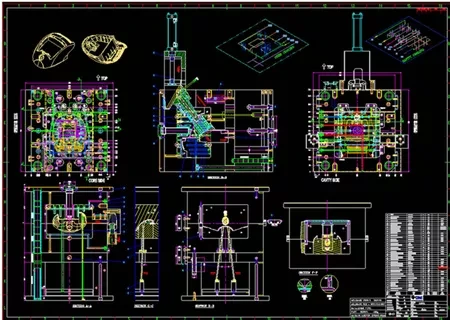
General Assembly drawing will be ready for the first time according to your specification and supplied information. To help you describe your requirements, please fill out Mold Specification form. The 2D mould drawing is saved using software AutoCAD with DWG &DXF document format and is sent to the client by Dimud Design.
The final mould drawings should be assembly drawings containing at least two plane views (injection side view + ejection side view) and 2 sections (longitudinal and transverse)
- The functional design of the tool
- The cooling system (incl. a separate clear cooling view)
- The injection system (+ detail section of gates)
- The ejection system
- Hydraulic systems
- Electrical system hot-runners and connections
- The tool and main part dimensions
- Lifting holes and security details
- Materials and heat treatment according to tool standard/steel specifications
- Purchased parts including technical specification and the BOM (Bill of Material).
2D Mold Parts Detail
DFM Report
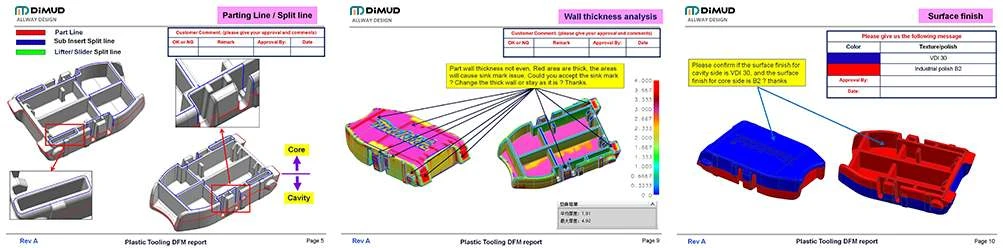
DFM (Design For Manufacturability) report
We know a successful moulding part starts with a well-designed mold. The successful mold design starts with a whole and detailed DFM report.
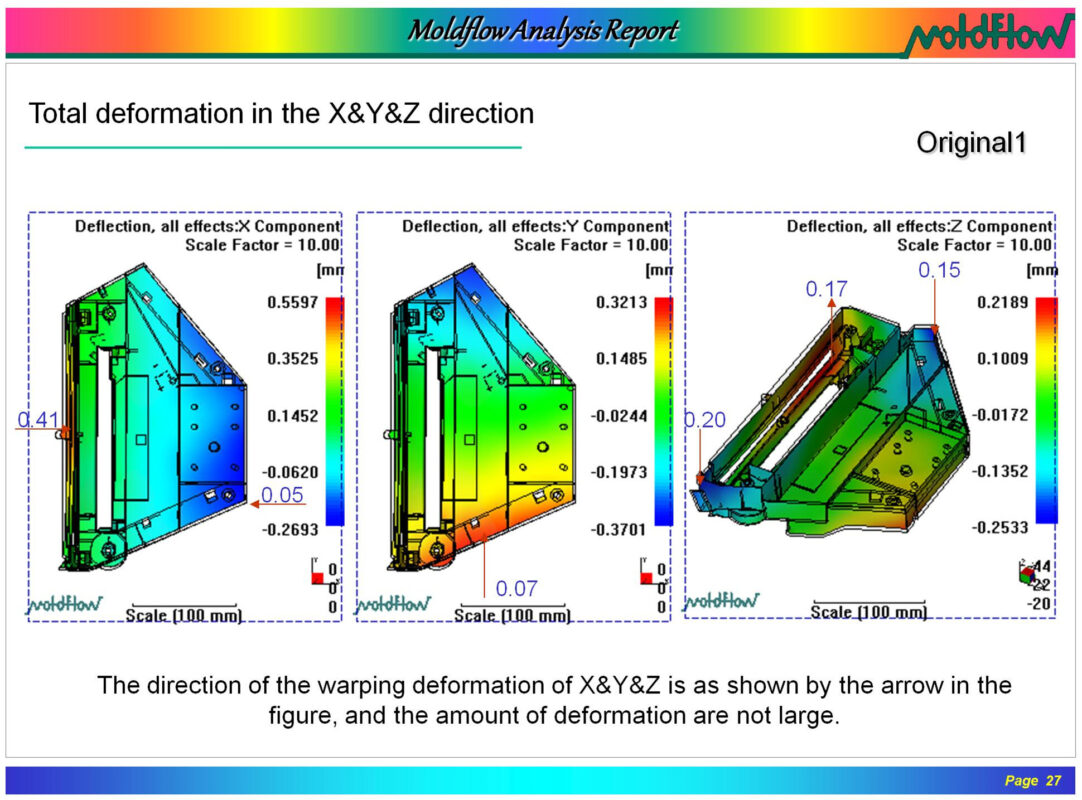
The successful DFM reports can shorten communication time with customer on the mold designs and reduce errors during mold manufacturing. Our team can do great DFM report with rich experience including the mold flow analysis, injection process, mold design & building, saving steel,and measuring.
DFM report shown the detail include:
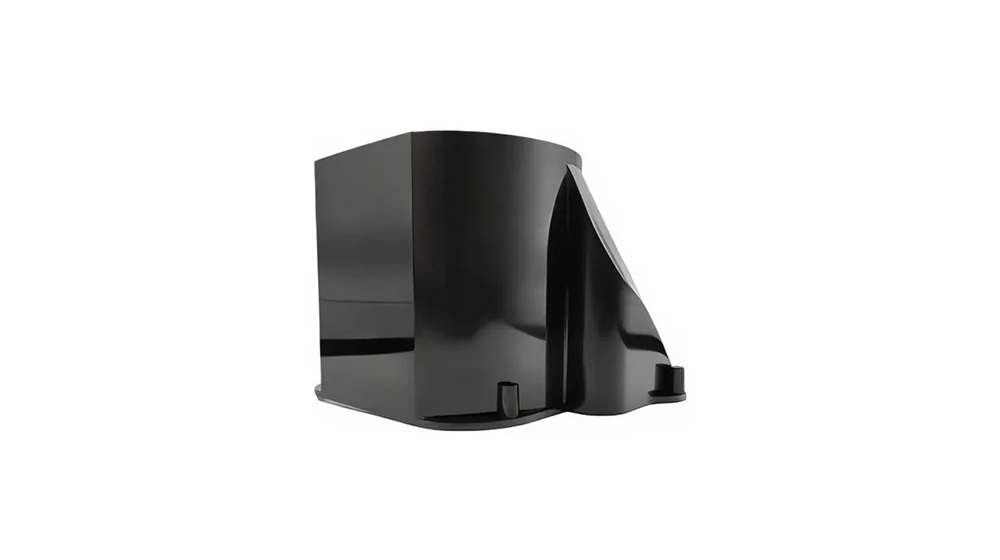
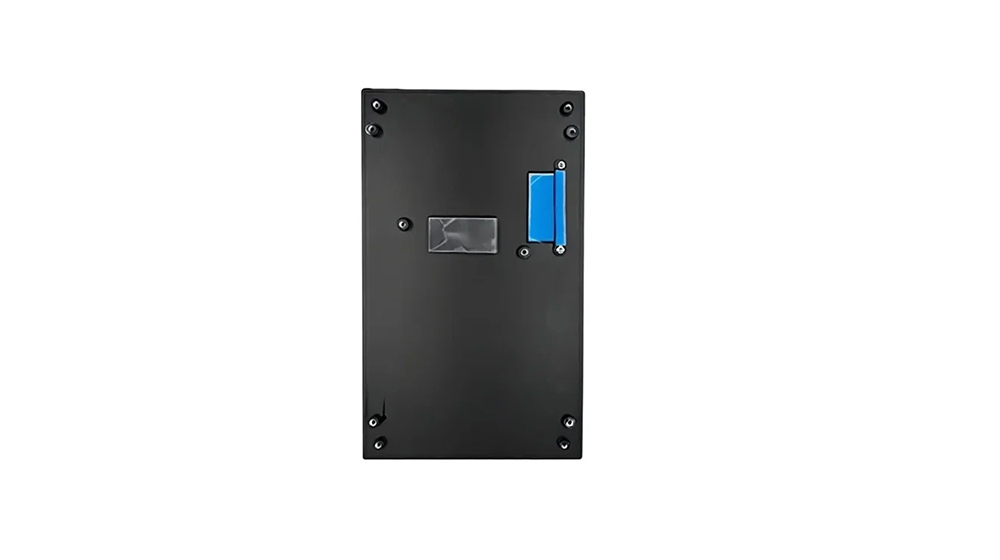
Product Design & Change
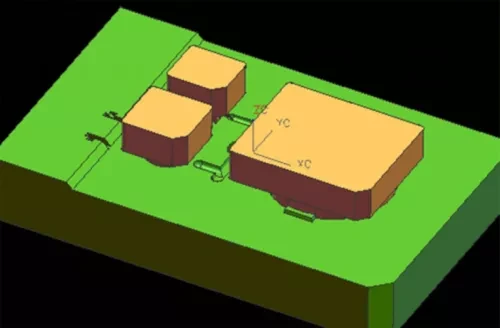
Moldflow Analysis
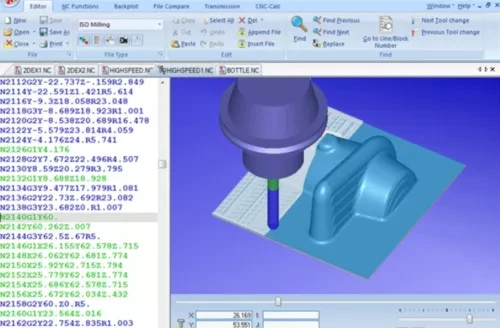
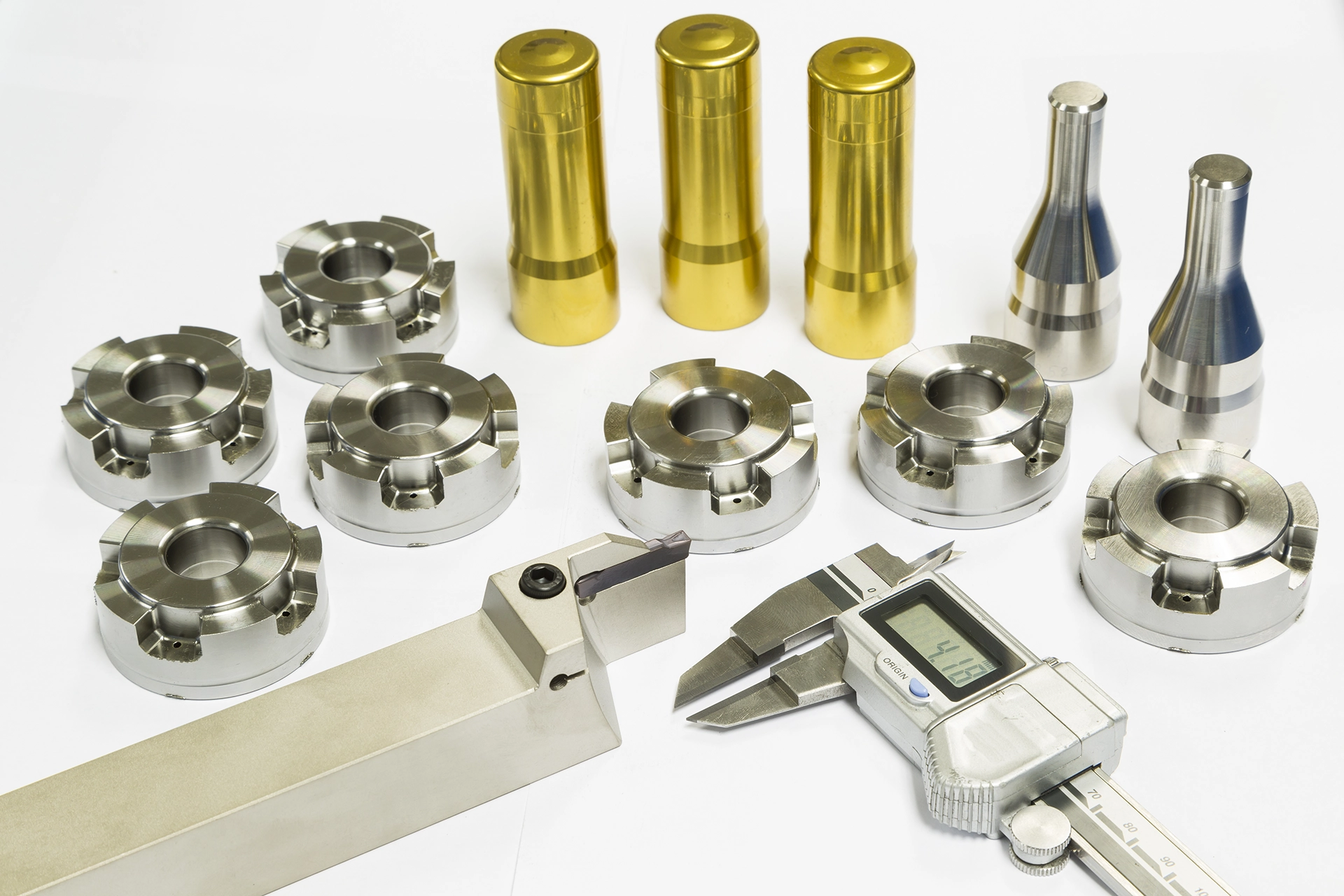
Electrode Design & CNC Programming
Check The Final Mold
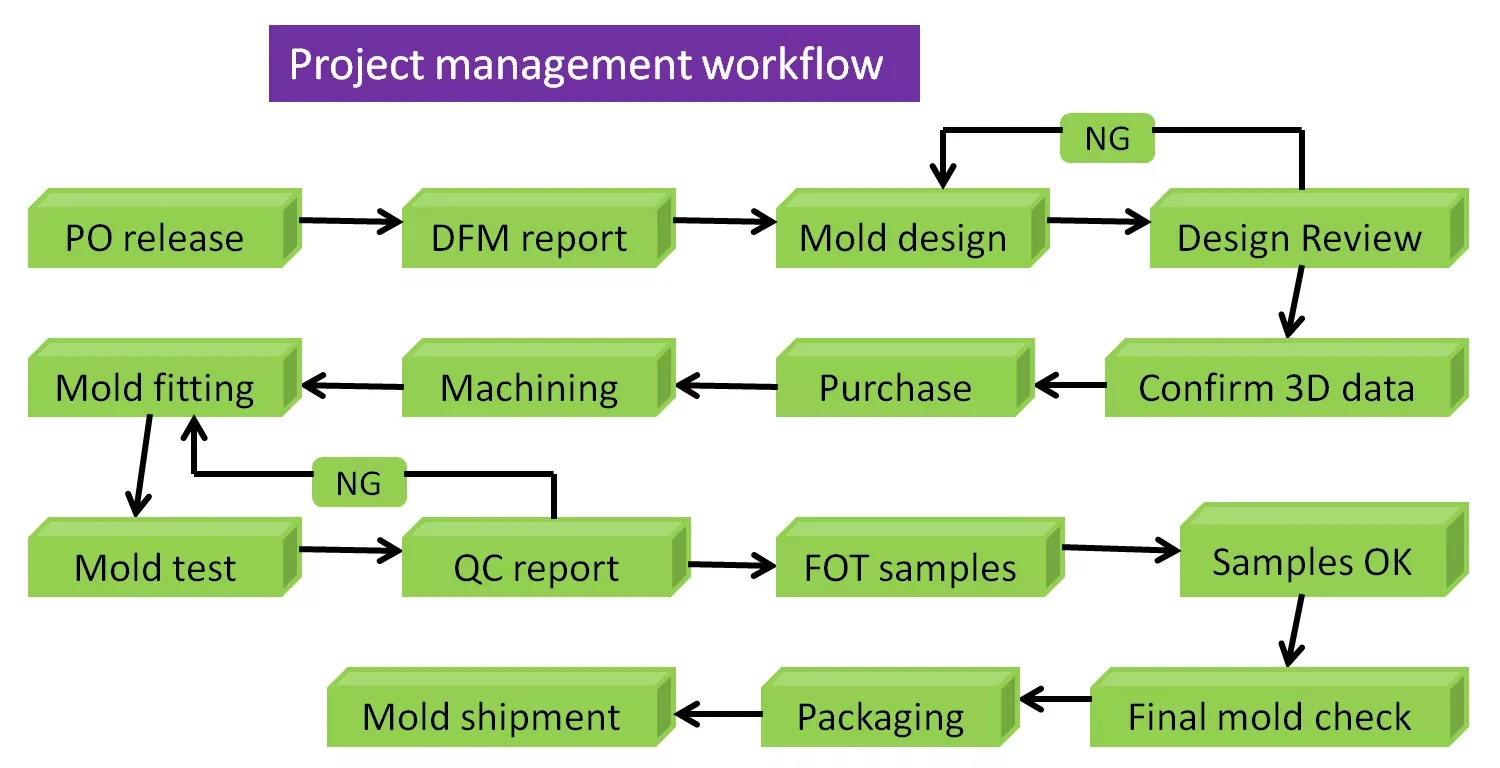
Project Management(PM)
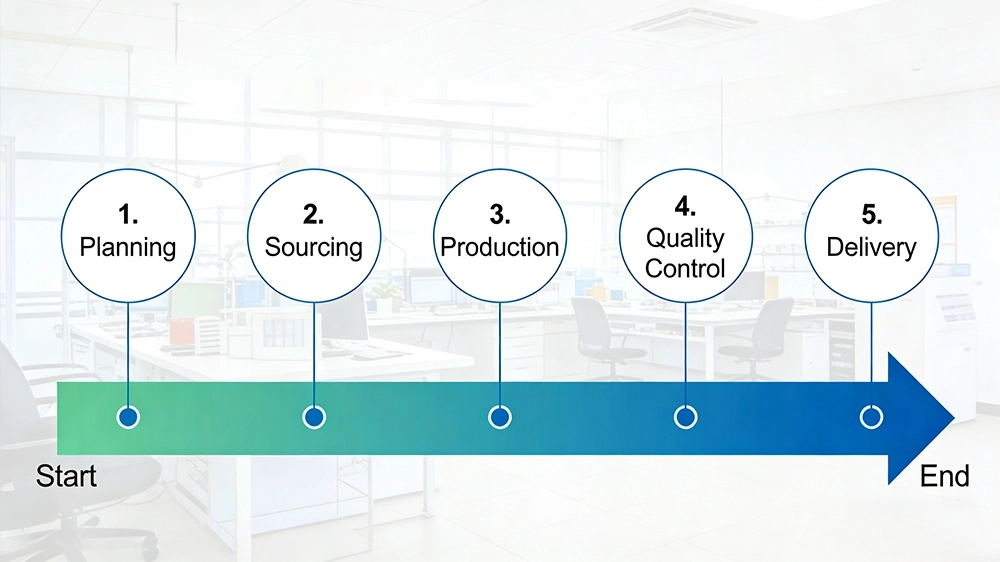
Our DFM Process
How Our Engineers Make DFM Decisions

Design Review & Material Analysis
Our engineers conduct a thorough review of your 3D CAD model and analyze material properties to identify potential issues.

Mold Feasibility Assessment
We assess the design for moldability, considering factors like cavity count, gating, and cooling system design.

Cost & Timeline Optimization
We provide a detailed cost breakdown and timeline projection, identifying opportunities to reduce costs and accelerate production.

Design Iteration & Validation
We work with you to iterate on the design, using simulation tools to validate changes and ensure manufacturability.

Final DFM Report
We deliver a comprehensive DFM report with design modifications, material suggestions, and mold design guidelines.
Case-Style Examples
Automotive Lamp Housing DFM Optimization
Challenge:A client’s initial lamp housing design had complex undercuts and inconsistent wall thickness, leading to projected tooling costs of $150,000 and a 12-week production timeline.
Solution:Our DFM team simplified the geometry, optimized wall thickness, and recommended a side-action cam mechanism, reducing mold complexity.
Result:Tooling costs were cut by 28% to $108,000, and the production timeline was shortened to 8 weeks, with zero defects in the first production run.
Automotive Interior Trim Component DFM
Challenge:A client’s interior trim design had insufficient draft angles, leading to ejection issues and projected cycle times of 45 seconds per part.
Solution:We increased draft angles and optimized the ejection system, improving part release and reducing cycle time.
Result:Cycle time was reduced to 30 seconds per part, increasing daily output by 50% and lowering per-unit production costs.
Ready to Optimize Your Product Design with DFM?
Request a free DFM analysis and get actionable recommendations to reduce costs and accelerate production.