
High-Precision Plastic Insert Molding Services
Seamlessly Integrating Metal and Plastic for Stronger, Smarter, and More Cost-Effective Products

A confidentiality agreement can be signed before providing a quote if necessary
What is Insert Molding?
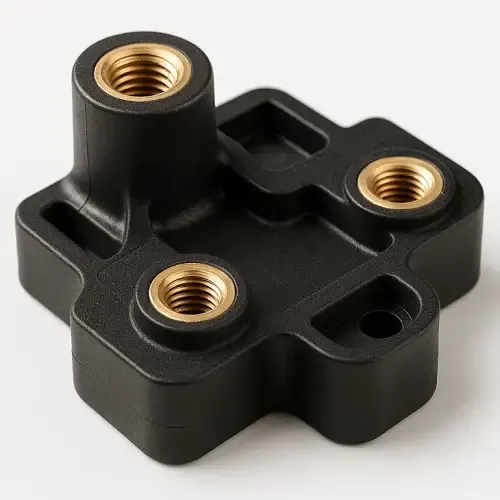
Insert Molding is an advanced manufacturing process in which pre-prepared inserts are placed into a mold, and molten plastic is subsequently injected into the mold cavity via an injection molding process, resulting in the integral formation and bonding of the plastic and the inserts under conditions of high pressure and high temperature.
The Core Principles of Insert Molding: Precision Integration of Materials for Superior Performance
The core of insert molding lies in achieving a structurally integrated combination of different materials (usually metal and plastic) under high temperature and pressure injection molding conditions. This is not merely a molding process, but a systematic solution that optimizes product structure, improves performance, and reduces manufacturing costs through engineering design.
From an engineering perspective, its principle can be broken down into three key mechanisms: precise positioning, melt encapsulation, and interfacial bonding.
Precise positioning and constraint
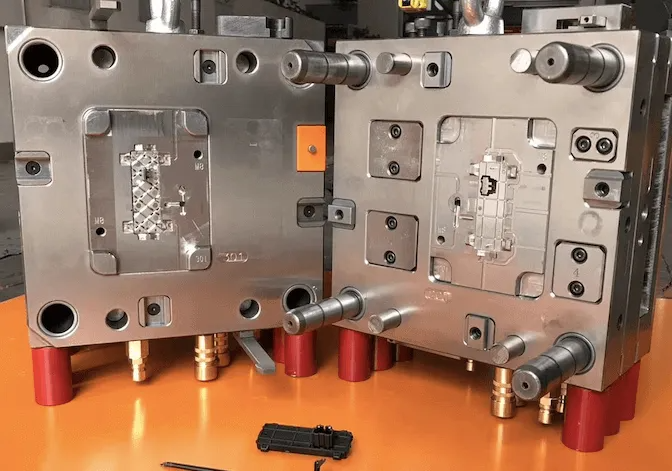
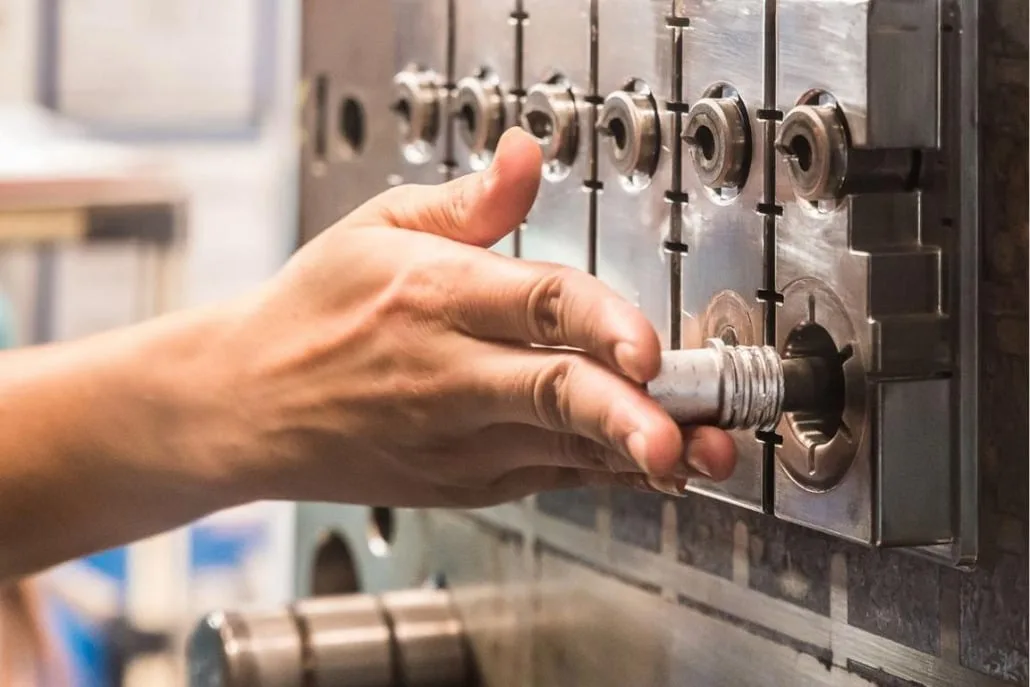
Before injection molding begins, pre-machined inserts (such as metal threads, terminals, or structural components) are precisely placed and fixed in designated positions within the mold cavity. This process, seemingly simple, actually determines the dimensional accuracy and functional reliability of the final product.
Key control points include:
- Positioning accuracy: Ensuring minimal insert positional errors through high-precision mold structures or specialized fixtures.
- Anti-displacement design: Preventing inserts from shifting or tilting under the high-pressure impact of injection molding.
- Automated adaptation: Achieving stable embedding during mass production using robotic arms or automated feeding systems.
From an engineering perspective, this step directly determines whether the product can achieve high-consistency mass production standards and is a key differentiator between ordinary machining and high-end manufacturing.
Molten Plastic Flow and Encapsulation
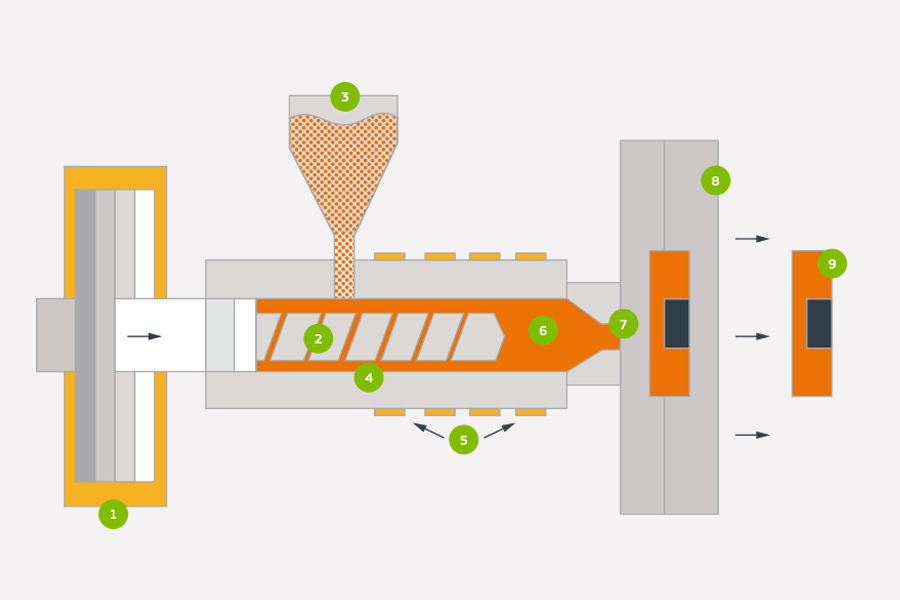
Once the mold is closed, molten plastic (such as PC, ABS, PA, etc.) is injected into the cavity under high temperature (typically 200°C+) and high pressure, undergoing complex flow behavior around the insert:
- The molten plastic rapidly fills the mold cavity channels.
- An encapsulation layer is formed on the insert surface.
- A “mechanical interlocking structure” is formed in fine structural areas.
The core of this stage is:
Plastic is not only a filler material, but also a “structural bonding medium.”
Key technical points include:
- Flow path design (avoiding air bubbles and short shots)
- Weldline control (preventing structural weaknesses)
- Pressure distribution optimization (ensuring complete encapsulation)
Excellent flow design allows products to achieve higher structural strength and appearance quality without increasing material costs.
Interface Bonding Mechanism
The true core of insert molding lies in the bonding method between the insert and the plastic. Unlike a simple “wrap,” this bonding typically involves three mechanisms:
- Mechanical Interlocking: The plastic enters the texture, pores, or grooves on the insert surface, forming a “physical locking structure” upon cooling. This is the most important and stable bonding method.
- Shrinkage Locking: The plastic shrinks upon cooling, creating a tightening force on the insert, increasing pull-out strength.
- Interfacial Adhesion: Under specific material combinations (such as certain engineering plastics and metal surface treatments), a certain degree of intermolecular bonding occurs.
The combined effect of these three mechanisms results in the final structure possessing:
- High tensile strength
- High vibration resistance
- Long-term stability
Solidification & Integration
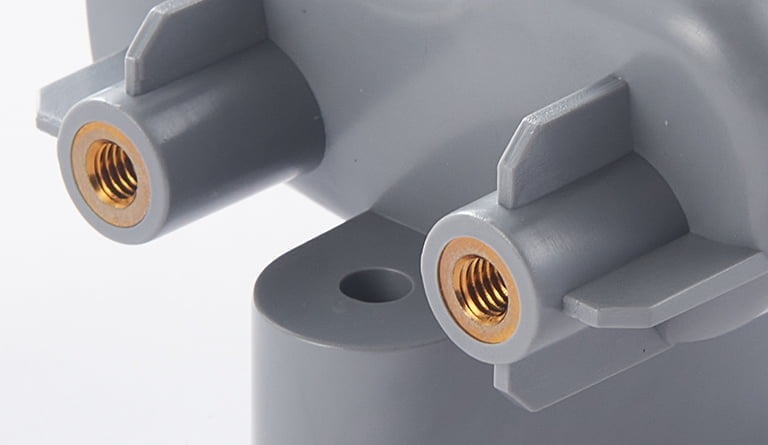
During the cooling phase, the plastic transforms from a molten state to a solid state, simultaneously completing:
- Dimensional shaping
- Internal stress release
- Permanent locking of inserts
The final result is an inseparable composite structural component with performance far superior to traditional assembly methods.
Advantages of Dimud implementation
To truly realize the technological value of Insert Molding, it relies not only on the process itself but also on overall engineering capabilities.
At Dimud, we translate this principle into mass-producible, high-quality products through the following methods:
- Preliminary DFM analysis to optimize insert structure and plastic flow path
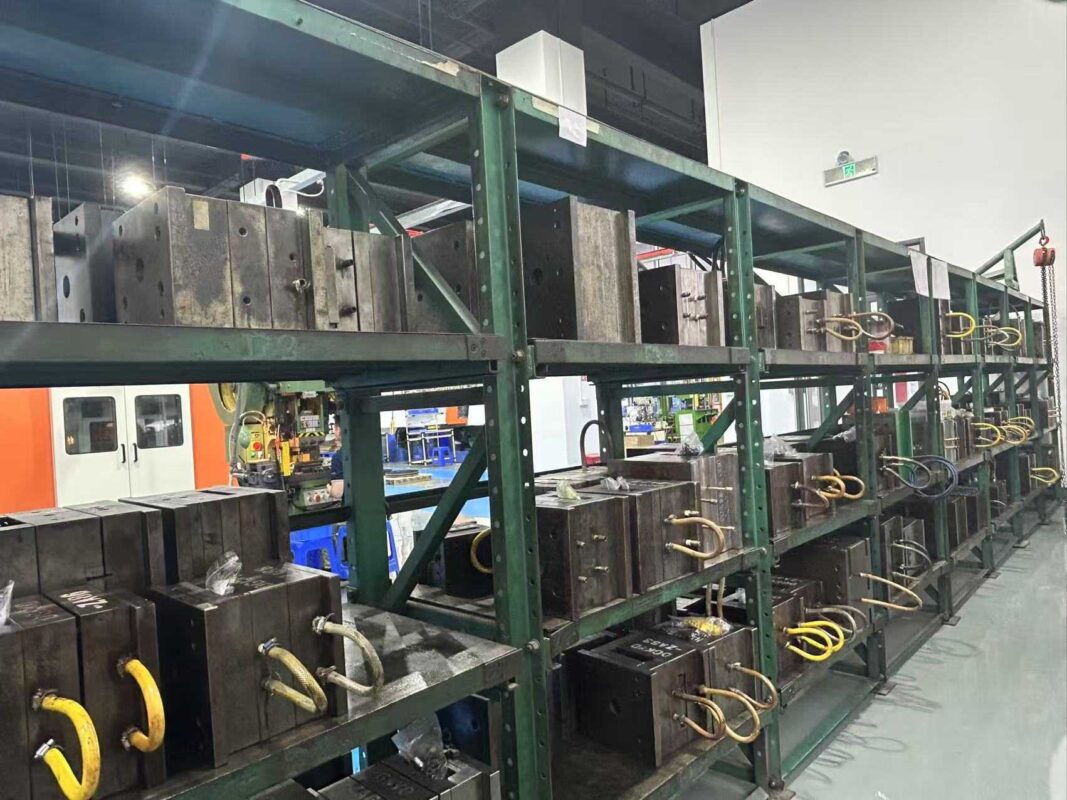
- High-precision mold design to ensure stable and reliable insert positioning
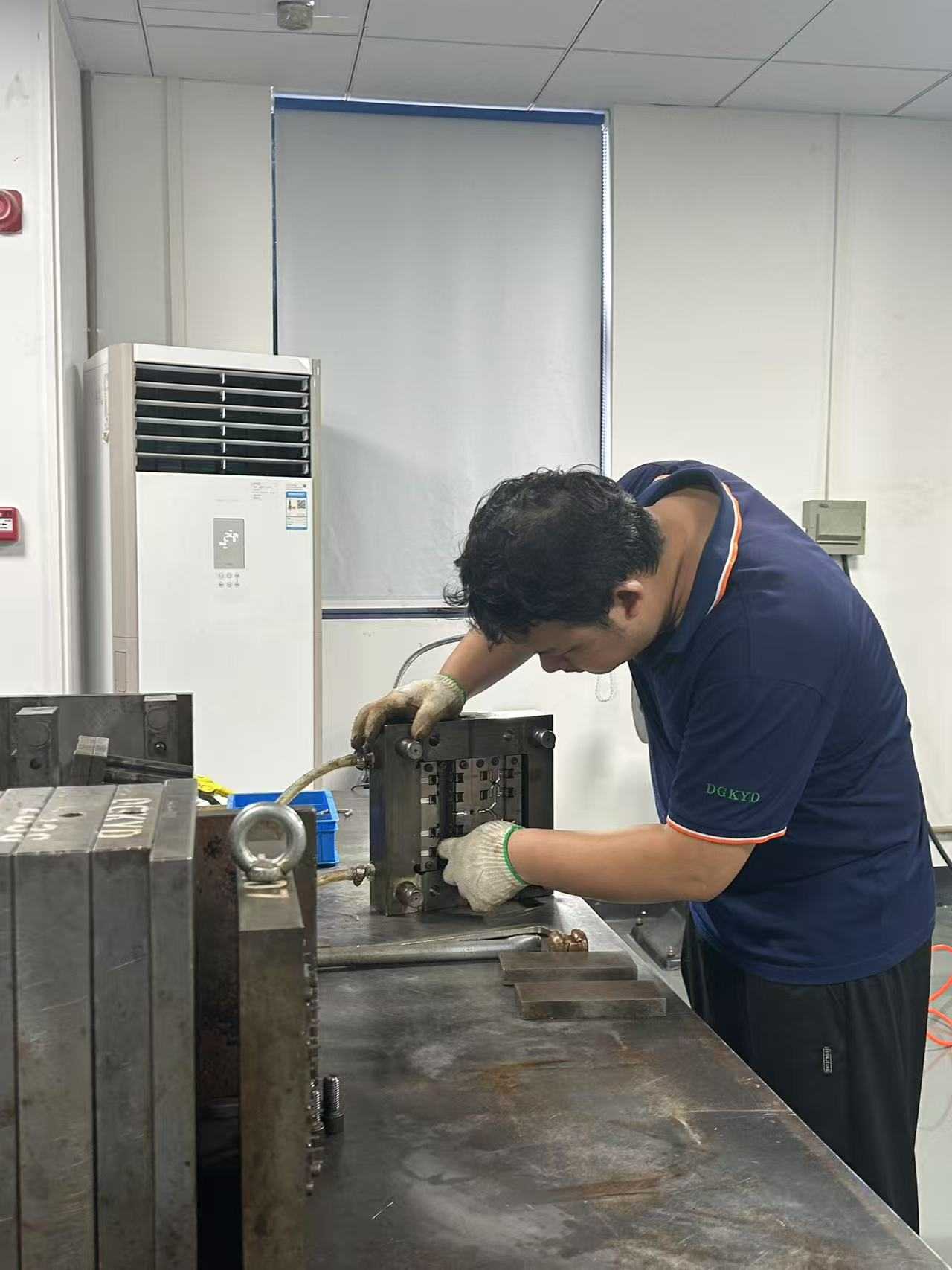
- Multi-process integration (CNC machining + mold making + injection molding) to guarantee insert accuracy
- Strict process control to ensure consistency in every molding cycle
Ultimately, we help customers achieve:
A complete closed loop from design concept → stable mass production → cost optimization
How to Start Your Insert Molding Project
Starting your Insert Molding project with Dimud is simple and structured. We break the process into five clear steps to ensure fast communication, engineering accuracy, and smooth production.
Send Your Requirements
Share your drawings, 3D files, or product idea. Our team will review your application, material needs, and functional goals.
DFM Review
We analyze your design for manufacturability, checking insert positioning, structure, and material compatibility to reduce production risks early.
Mold Design
Our engineers design a precise mold solution, including insert positioning and flow optimization to ensure stable production quality.
Sampling
We produce prototype samples using the finished mold to verify fit, function, and overall performance before mass production.
Mass Production
After approval, we start stable production with strict quality control and manage delivery to ensure consistent, on-time supply.
Why choose us for Insert Molding?
Choosing the right manufacturing partner for Insert Molding directly impacts product performance, cost efficiency, and long-term reliability. At Dimud, we don’t just produce parts—we deliver engineered manufacturing solutions that reduce risk and accelerate your product to market.
Structural integration
Traditional structures typically require:
screws, glue, welding, and subsequent assembly.
Insert molding, on the other hand,
completes structural integration directly during the molding stage, reducing or even eliminating secondary assembly.
High-strength bonding
Because it is molded under high temperature and pressure:
the plastic and inserts form a mechanical bond + partial molecular bonding, resulting in structural strength far exceeding that of adhesive or post-assembly structures, making it more suitable for load-bearing structural components.
Precision positioning capability
Insert molding is suitable for:
Structures requiring high thread precision
Electrical connection terminal positioning
High-reliability components in medical or automotive applications
Key control points:
Mold positioning accuracy
Insert fixture design
Shrinkage compensation design
Improve production efficiency
Once the mold is stable:
Automated production can be achieved, reducing manual assembly steps and lowering overall manufacturing costs.
Insert Molding Industry Solutions
Insert molding is widely used in industries with high requirements for structural strength, assembly efficiency, and long-term reliability. It solves problems such as unstable connections, complex processes, and poor consistency in traditional assembly methods by molding metal and plastic in a single unit.
By replacing screws and secondary assembly with one-piece insert molding, structural strength and long-term stability are improved.
Solutions: Complex assembly of multiple parts, insufficient connection strength, and poor vibration resistance.
Main Applications: Sensor housings, connectors, interior mounting components, functional brackets.
Achieve high-cleanliness and high-consistency production of precision structural components to meet medical-grade standards.
Problems Solved: Unstable assembly precision of tiny parts, high risk of contamination, and stringent requirements for structural reliability.
Main Applications: Diagnostic equipment housings, handheld medical devices, fluid control components
Solve Problems: Loose connections, difficulty in precise alignment, assembly challenges arising from product miniaturization
Main Applications: Connector housings, PCB support structures, terminal fasteners
Improves electrical connection stability and structural precision, suitable for high-density electronic product designs.
Solutions: High-load structures are prone to loosening, modular connections are unstable, and long-term system reliability is insufficient.
Main Applications: Robot structural components, joint components, battery structural housings, conductive connection modules
Achieve high-strength structural integration, improving mechanical durability and the safety and stability of energy storage systems.
FAQ on Injection Molding Manufacturing
Insert Molding is used to combine metal and plastic parts into a single integrated component, improving strength and reducing assembly steps.
Cost depends on tooling and material selection. It is usually more cost-effective in medium to high-volume production due to reduced assembly steps.
Yes. Once the mold is validated, it is highly efficient for stable and cost-effective mass production.
Threaded inserts, metal pins, electrical terminals, and structural metal components are commonly used.
The bond is very strong due to mechanical locking and thermal shrinkage, making it suitable for load-bearing applications.
Insert Molding embeds a rigid part into plastic, while Overmolding applies a secondary plastic layer over a base component.
Yes. It is widely used for small, high-precision components in electronics and medical devices.
Key factors include insert positioning accuracy, mold design, material selection, and injection parameters.
Yes. Overmolding is widely used for small precision components such as buttons, connectors, and electronic housings.
Yes. We provide full custom solutions from design optimization and mold development to mass production.