

Industrial Manufacturing Materials for Precision Parts Production
Your level of understanding of various manufacturing materials will directly impact your product’s industrial design.
- Extensive hands-on experience with hundreds of materials
- Familiar with materials across a wide range of industries
- Continuous innovation in the application of new materials
- An NDA can be signed if needed before the quotation.
Explore Materials by Manufacturing Process
Explore materials based on how your product will be manufactured, so you can make smarter decisions that align with performance, cost, and production requirements from the start.
Plastic materials for high-volume production and complex parts.
Mold Making Materials
Tooling materials designed for durability and long-term performance.
CNC Machining Materials
Metals and plastics for precision-machined components.
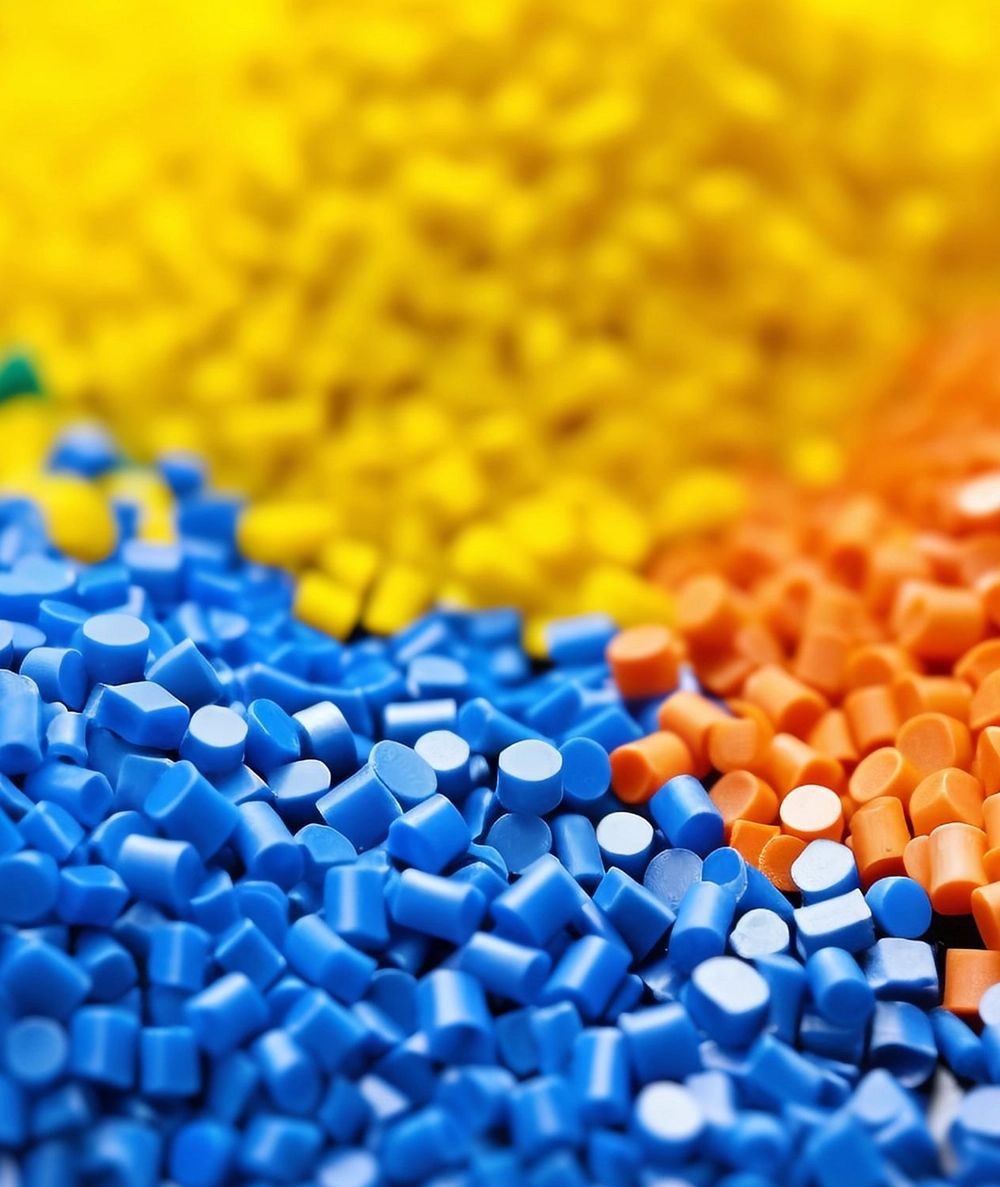
Injection Molding Materials
Expertise in Modified Plastic Materials
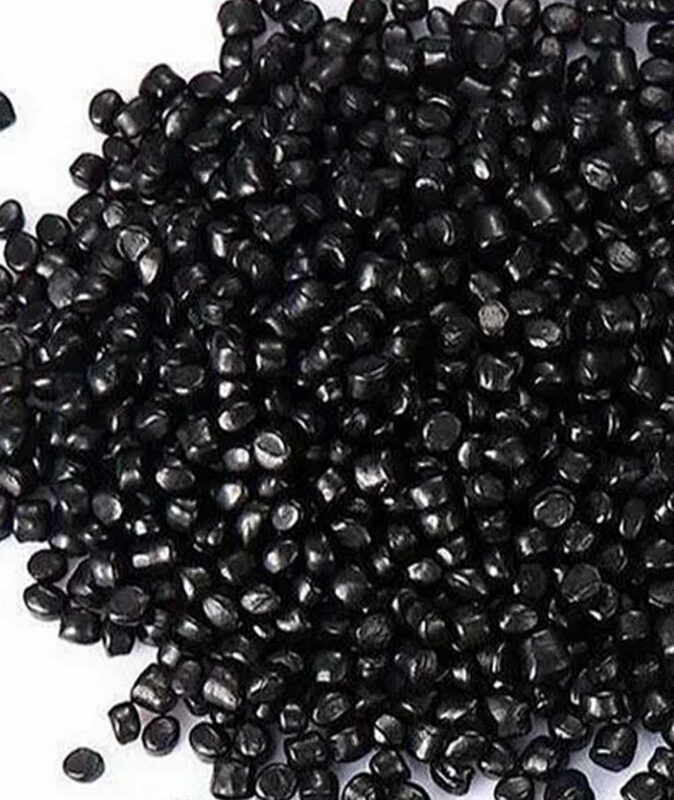
There are many different types of plastics and most of them can be used as injection molding materials. There are different classifications of plastics according to their performance when subjected to heat, application range, flammability, hardness, shinkrage, etc.
For different plastic materials, we can quickly determine the causes of injection molding defects and treatment options, which makes our plastic parts solutions incredibly powerful.
Mold Making Materials
We have more than ten years of hands-on experience in steel materials
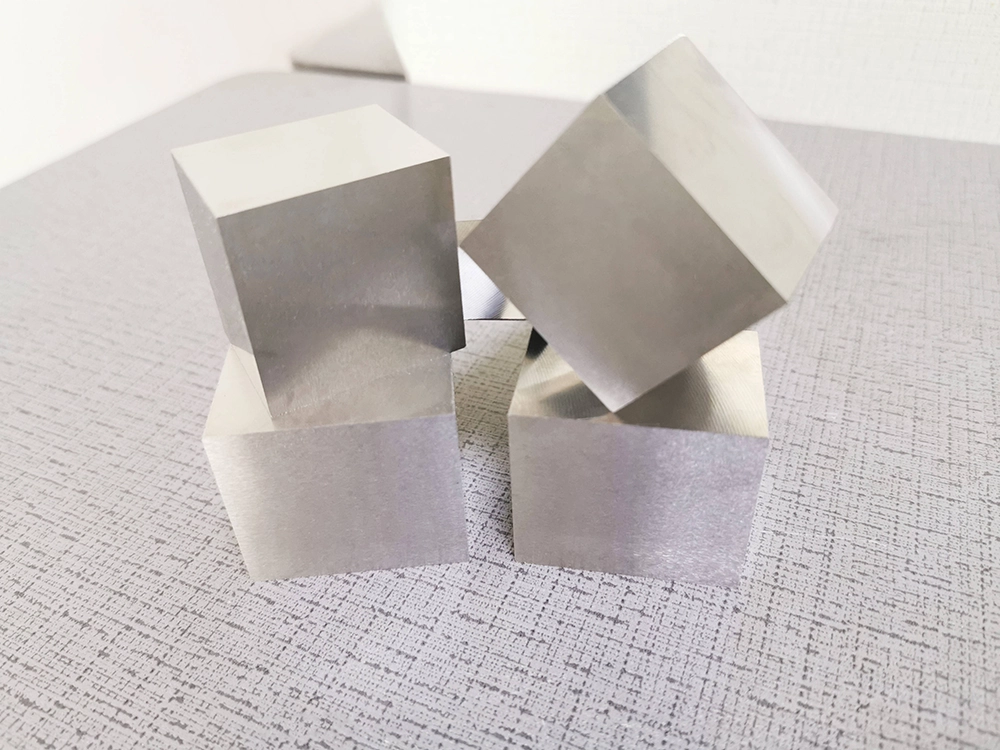
In most cases, the choice of materials to use for the mold depends on the quantity you require. Whether to make low-volume manufacturing or mass production will affect the choice of your mold, and the materials used for rapid tooling and production tooling are different. There are many kinds of steel, as well as aluminum alloy, the different models will affect the service life of the mold, so before choosing the mold, you should make a certain production planning.
SPI Mold Classification defines the lifespan and quality of the mold, which in a sense determines the choice of material for your mold.
CNC Materials
We have a complete CNC material supply system
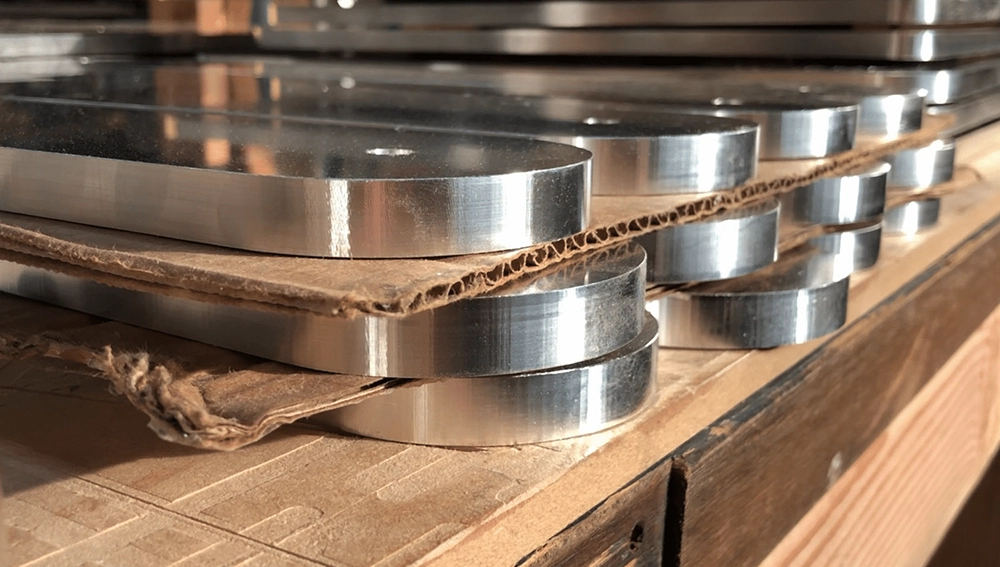
Our catalogue of CNC materials includes a plastic, metal and composite manufacturing options. We work with metals including aluminium, magnesium, steel, titanium, brass and more. In addition to our stock material options,Dimud can source for desired materials and provide machining with customized raw materials that will match the desired application of your part.
Each material can be subdivided into a number of different types, and the corresponding processed material should be selected according to the requirements of the product or parts.
Why Material Selection Matters
You make better decisions when your material choice is aligned with real product demands, helping you avoid performance issues, unexpected costs, and production setbacks—so your parts deliver reliable results and your project moves forward without unnecessary risk.
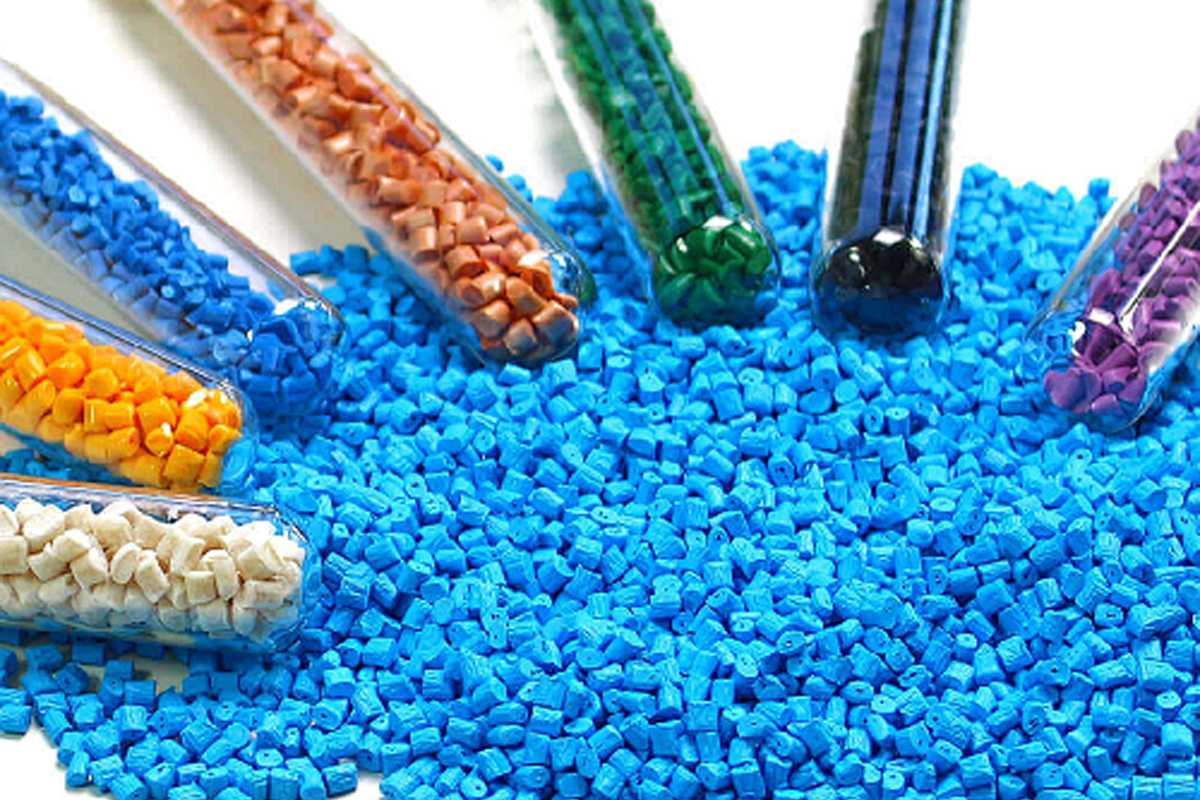
Ensure Product Reliability in Real Use
Choose materials that perform consistently under actual working conditions.
Prevent Production Failures Early
Avoid issues like deformation, cracking, or instability during manufacturing.
Control Overall Project Budget
Select materials that balance performance needs with cost efficiency.
Improve Part Consistency at Scale
Maintain uniform quality across every production batch.
Match Materials to Manufacturing Methods
Ensure your material works seamlessly with the chosen production process.
Support Long-Term Product Performance
Use materials that meet durability, safety, and lifecycle expectations.
FAQ
You select materials based on performance requirements, production method, and cost goals—getting expert guidance helps you avoid costly mistakes early.
It depends on your application, but common choices include ABS, PC, and nylon, each offering different strength, heat resistance, and durability.
CNC machining typically uses metals like aluminum and stainless steel, as well as engineering plastics for precision components.
Material choice directly impacts raw material cost, processing difficulty, and production efficiency, which together define total manufacturing cost.
In some cases yes, but often different materials are used to balance speed, cost, and performance at different development stages.
Plastics are lighter and more flexible in design, while metals offer higher strength and durability for demanding applications.
Suitability depends on melting behavior, flow characteristics, and mechanical performance under production conditions.
Yes, choosing the right material can significantly enhance durability, functionality, and overall product reliability in real-world use.