

SLM 3D Printing Service for Complex Metal Parts
Turn complex metal designs into functional parts with SLM additive manufacturing. From DfAM review and material selection to post-processing, CNC finishing, inspection, and assembly, Dimud supports your project from CAD file to final delivery.
- Tolerances as fine as ±0.1 mm
- ISO 9001:2015, ISO 13485, ISO14001:2015, IATF 16949:2016 certified
- Lead time as fast as 1 day
Why Choose SLM Metal 3D Printing?
SLM is often most valuable when geometry complexity, part consolidation, lightweighting, or low-volume production outweigh the cost advantages of conventional machining or casting.
Complex Internal Channels
Suitable for internal cooling channels, complex fluid passages, and structures that are difficult to machine.
Part Consolidation
Integrating multiple parts into a single structure reduces assembly, fasteners, and potential leakage points.
No Tooling Required
No mold is required, making it suitable for prototyping, pilot production, small batch production, and design iteration.
Lightweight Structures
It can be combined with lattice structure, topology optimization and lightweight design.
High-Performance Metal Materials
Depending on the project, stainless steel, aluminum alloy, titanium alloy, nickel-based high-temperature alloy, tool steel, etc. can be selected.
Hybrid Manufacturing
After printing, it can be combined with CNC, EDM, heat treatment, polishing, sandblasting, coating and assembly.
Is SLM Suitable for Your Project?
Does your part structure require internal flow channels, lightweight design, or integration of multiple parts? Is the project a functional prototype, low-volume pilot production, or long-term stable production? What are your specific requirements regarding dimensional tolerances, surface quality, and material properties?
Unsure if your project is suitable for SLM 3D printing? Based on our experience manufacturing complex metal parts, Dimud has compiled the following key assessment dimensions. Our engineering team will evaluate the part structure, material properties, dimensional tolerances, surface requirements, production quantity, and delivery targets, and recommend more suitable manufacturing paths, including SLM, CNC machining, casting, or hybrid manufacturing solutions, helping you achieve a balance between performance, cost, and delivery time.
Suitable SLM scenarios
- The parts have complex internal channels
- The parts need to be lightweight
- Multiple parts can be integrated
- Small batch or pilot production
- Unwilling to bear the mold development costs
- Need to quickly verify complex metal structures
- Need conformal cooling mold inserts
- Traditional CNC tools cannot access critical areas
SLM may not be suitable for certain situations
- Simple structure, large production volume
- Extremely high surface roughness requirements but post-processing is not allowed
- Requires ultra-large size parts
- Parts can be efficiently machined using ordinary CNC
- Project cost sensitive, and no complex structure has value
- Casting molds are mature, with stable and large production volumes
Dimud Online 3D Printing Service Solutions
We offer more than just 3D printing services. Our team of engineers will evaluate and analyze your project, providing the most efficient, cost-effective, and high-quality solutions to ensure your project reaches the market as quickly as possible.
Prototyping
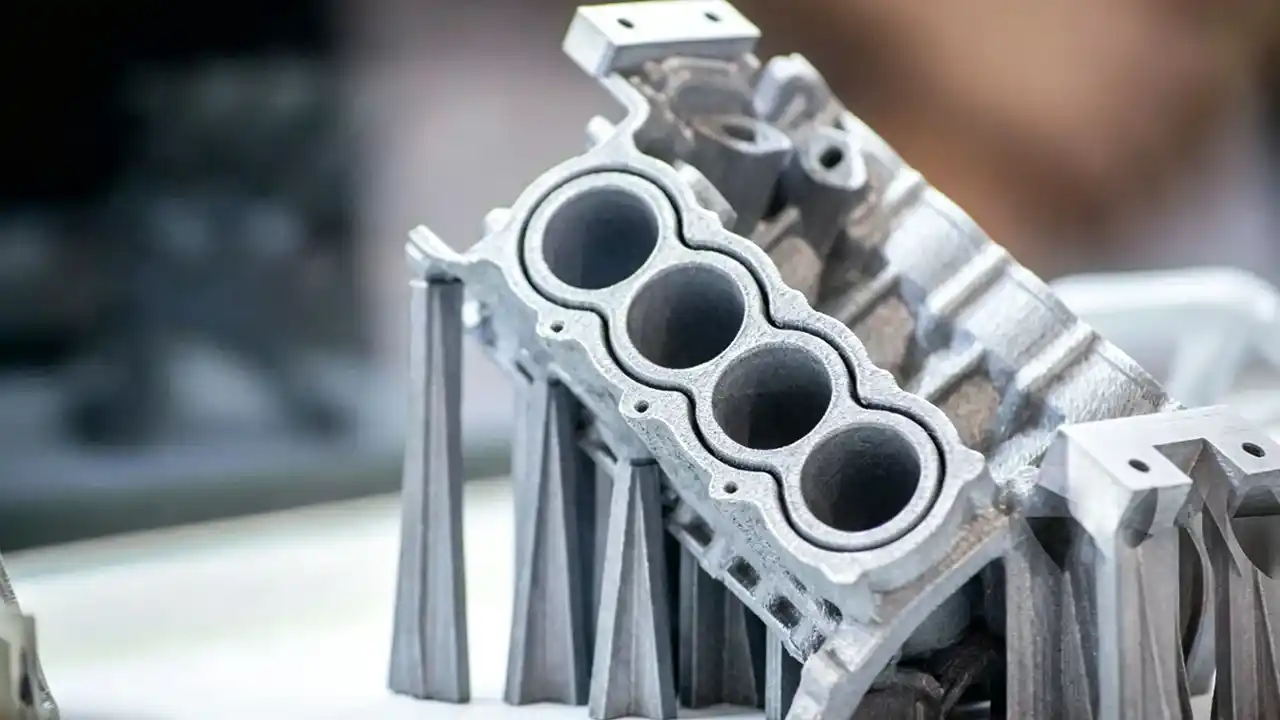
Validate your design quickly with functional prototypes before investing in tooling. From complex metal parts to plastic components, Dimud helps you select the right 3D printing process for faster design iterations, functional testing, and early-stage product development.
Low-Volume production
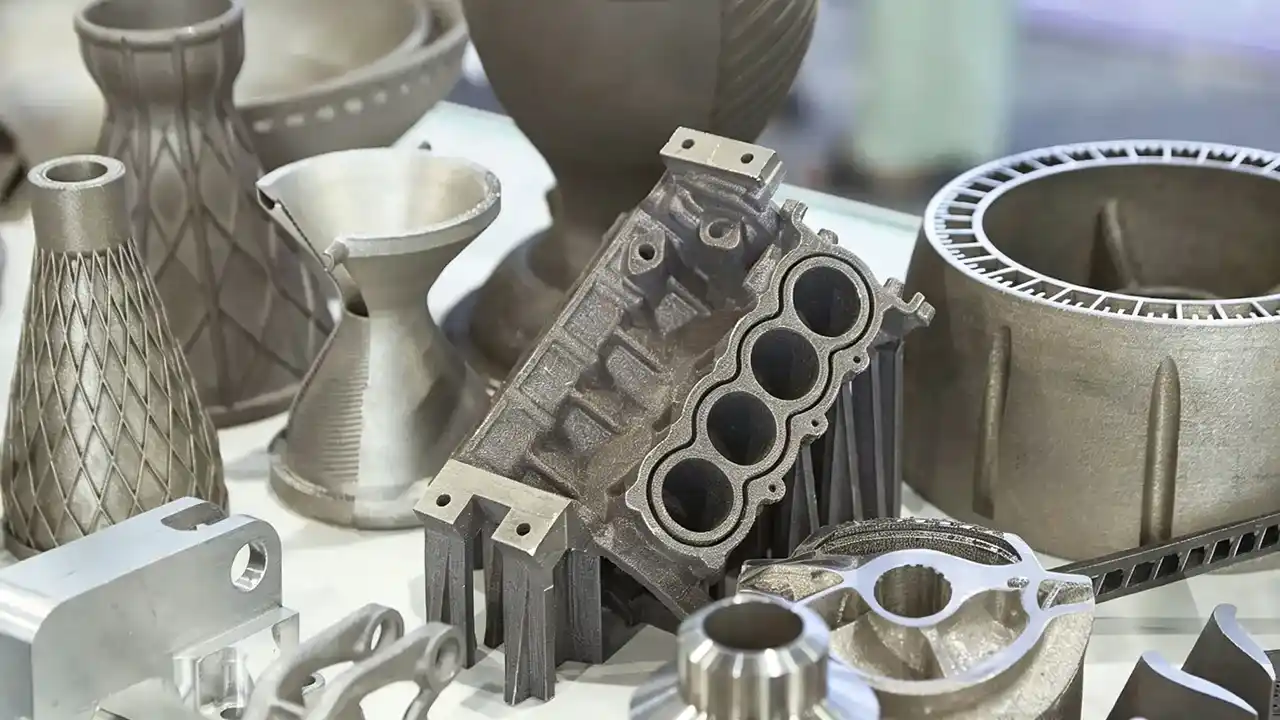
Vacuum Casting
Our urethane casting service bridges the gap between prototyping and mass production. Perfect for low to medium-volume production, creating durable, high-quality parts with excellent surface finish and detail.
Mass production
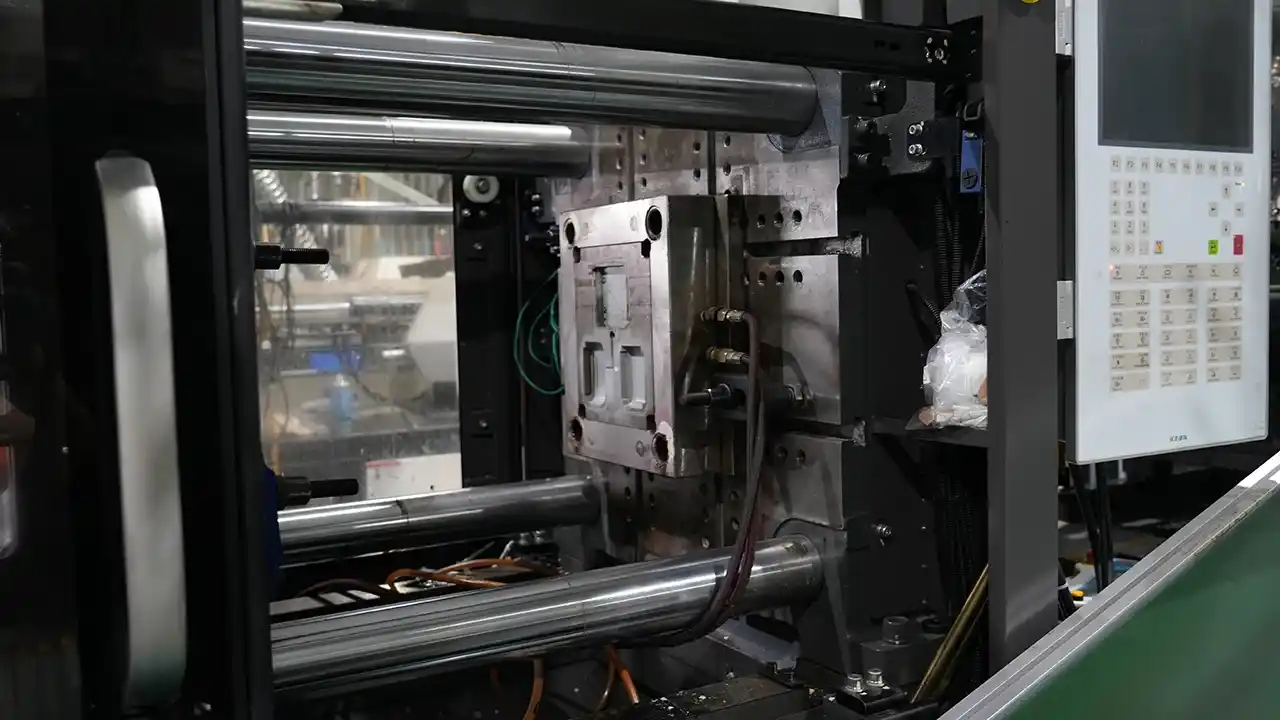
Scale from validated prototypes to stable, cost-effective production with injection molding. Dimud provides mold design, tooling, molding, secondary processing, assembly, and quality control to support reliable production from thousands to millions of parts.
Dimud SLM 3D Printing Capabilities
Dimud offers SLM 3D printing services for complex metal parts, supporting integrated manufacturing from DfAM design evaluation, material selection, printing parameter planning to heat treatment, CNC finishing, inspection, and assembly. Leveraging our large-scale, multi-laser SLM manufacturing capabilities, we can help you efficiently manufacture metal parts with complex internal flow channels, lightweight structures, integrated part designs, and those difficult to achieve with traditional machining methods. We also develop more suitable manufacturing solutions based on part performance, precision, cost, and delivery time requirements.
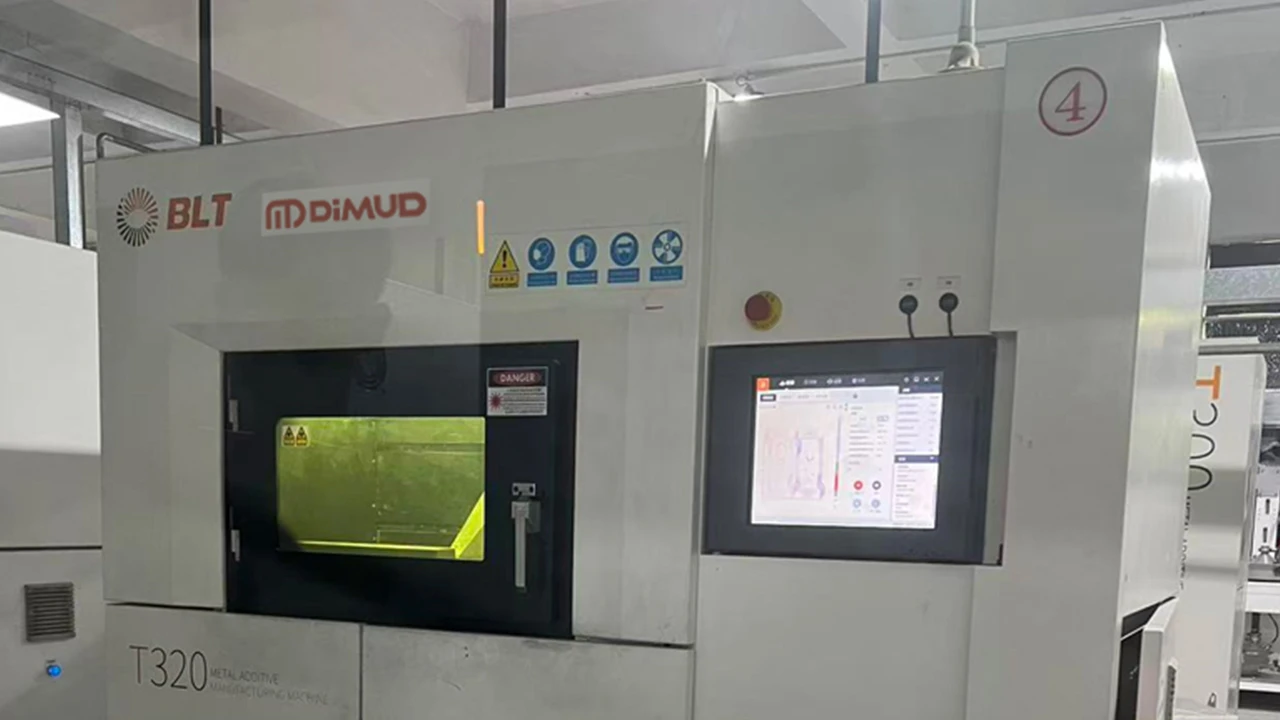
| Capability | Dimud SLA Manufacturing Support |
|---|---|
|
Printing Process |
Industrial SLA 3D Printing |
|
Order Quantity |
From 1 part to low-volume production |
|
Resin Materials |
40–100 μm; a standard 60 μm layer thickness strikes a balance between manufacturing efficiency, surface quality, and detail. |
|
Minimum recommended wall thickness |
It is recommended that the thickness be no less than 0.5 mm; ultra-thin walls, long cantilever structures or large-area thin-walled structures require DfAM engineering assessment. |
|
Minimum feature size |
The minimum printable feature size is approximately 0.5 mm, depending on the material, printing orientation, support strategy, and post-processing requirements. |
|
Minimum aperture |
For dimensions within 100 mm, the typical accuracy can be controlled within ±0.1 mm; for dimensions exceeding 100 mm, the accuracy is typically evaluated at ±0.1%. |
|
Original printed surface roughness |
The original printed surface is typically Ra 8–20 μm; different surface orientations, overhang angles, materials, and support contact areas will affect the final surface condition. |
|
CNC precision machining accuracy |
For key holes, sealing surfaces, assembly reference surfaces, and high-precision mating surfaces, CNC, EDM, or grinding can be combined to achieve a maximum dimensional accuracy of ±0.005 mm. |
|
Post-processed surface roughness |
After CNC precision machining, the standard surface can achieve Ra 0.8 μm; depending on the application of the parts, sandblasting, polishing, grinding and other surface treatments are also available. |
|
Available metal materials |
It supports 316L, 17-4PH, AlSi10Mg, Ti-6Al-4V, Inconel 718, Inconel 625, maraging steel, tool steel and other materials specified for the project. |
|
Post-processing capability |
It supports support removal, stress relief, heat treatment, CNC milling, turning, EDM, tapping, sandblasting, polishing, surface treatment and assembly. |
|
Testing and Quality Control |
We can provide dimensional inspection, critical dimension reports, material batch traceability, visual inspection, hardness testing, CMM measurement, 3D scanning, and inspection plans tailored to project requirements. |
SLM 3D Printing Service for Various Industries
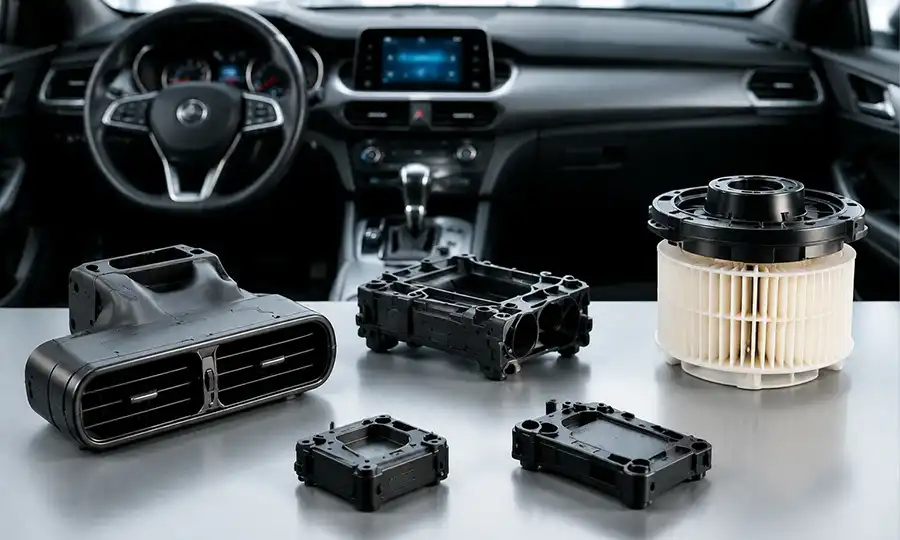
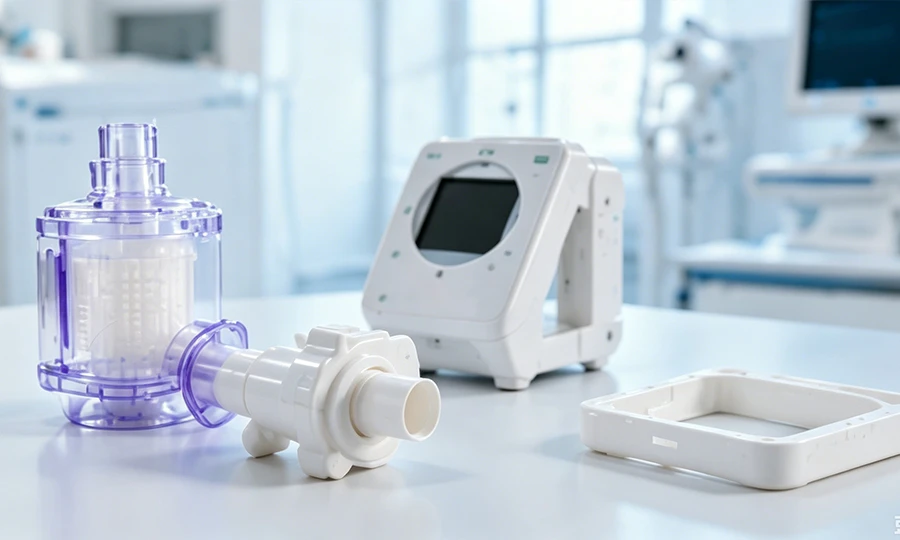
From lightweight automotive components and precision electronics parts to medical device components and robotic assemblies, Dimud uses SLM metal 3D printing to turn complex designs into functional metal parts. Our engineers optimize material selection, part geometry, and post-processing to help reduce development time, simplify assembly, and achieve the performance required for real-world applications.


SLM Materials for Metal 3D Printing
Different SLM materials directly affect the strength, weight, corrosion resistance, high temperature resistance, thermal conductivity, and post-processing methods of parts. The Dimud engineering team assists customers in selecting more suitable metal materials based on the part’s usage environment, load requirements, dimensional accuracy, surface requirements, and cost targets. They also combine printing parameters, heat treatment, and CNC finishing solutions to ensure that the parts meet the actual application requirements.
| Material | Main Features | Typical Applications |
|---|---|---|
|
316L Stainless Steel |
Good corrosion resistance, high toughness, and stable overall performance |
Fluid components, industrial equipment, fixtures, corrosion-resistant structural parts |
|
17-4PH stainless steel |
It has a good balance between strength, hardness and corrosion resistance, and can undergo aging treatment. |
Mechanical structural components, tooling fixtures, transmission components, functional prototypes |
|
AlSi10Mg aluminum alloy |
Lightweight and with good thermal conductivity, it is suitable for lightweight design. |
Automotive parts, robot components, heat dissipation structures, lightweight brackets |
|
Ti-6Al-4V titanium alloy |
High strength-to-weight ratio and excellent corrosion resistance |
Aerospace structural components, medical components, high-performance lightweight parts |
|
Inconel 718 |
It possesses excellent high-temperature strength, oxidation resistance, and corrosion resistance. |
High-temperature components, energy equipment, and thermal fluid system parts |
|
Inconel 625 |
High temperature and corrosion resistant, suitable for complex chemical or high temperature environments. |
Chemical equipment, marine environmental components, energy and industrial fluid components |
|
Martensitic aging steel |
High strength and good heat treatment properties make it suitable for high load and mold applications. |
Mold inserts, conformal cooling components, tooling fixtures, high-strength structural components |
|
Tool steel |
High hardness and good wear resistance make it suitable for complex molds and wear-resistant parts. |
Injection mold inserts, molding tools, wear-resistant mechanical parts |
|
Cobalt-chromium alloy |
It is wear-resistant, corrosion-resistant, and has good high-temperature stability. |
Medical, dental, wear-resistant and high-temperature application parts |
How to Choose the Right SLM material?
If a project prioritizes corrosion resistance and general mechanical properties, 316L or 17-4PH are often common choices; if lightweighting and thermal conductivity are the focus, AlSi10Mg can be prioritized; for high-temperature, corrosive, or high-strength applications, Inconel, titanium alloys, and maraging steels are more advantageous. For conformal cooling mold inserts, wear-resistant tools, or high-load tooling, a comprehensive assessment is needed, considering tool steel, maraging steel, and subsequent heat treatment options.
The actual material selection also requires evaluation based on part structure, printing direction, wall thickness, post-processing requirements, operating environment, and batch size requirements. Dimud can provide material and manufacturing pathway recommendations before project initiation, helping clients achieve a more reasonable balance between performance, cost, and delivery time.
From SLM Printing to Ready-to-Assemble Metal Parts
SLM metal 3D printing can create complex internal flow channels, irregular cavities, and lightweight structures, but the original printed parts usually still require post-processing to meet critical dimensions, mating surfaces, threads, sealing performance, and surface quality requirements. Dimud combines SLM additive manufacturing with CNC finishing, heat treatment, surface treatment, inspection, and assembly capabilities to provide customers with hybrid manufacturing solutions from complex structure forming to final part delivery.
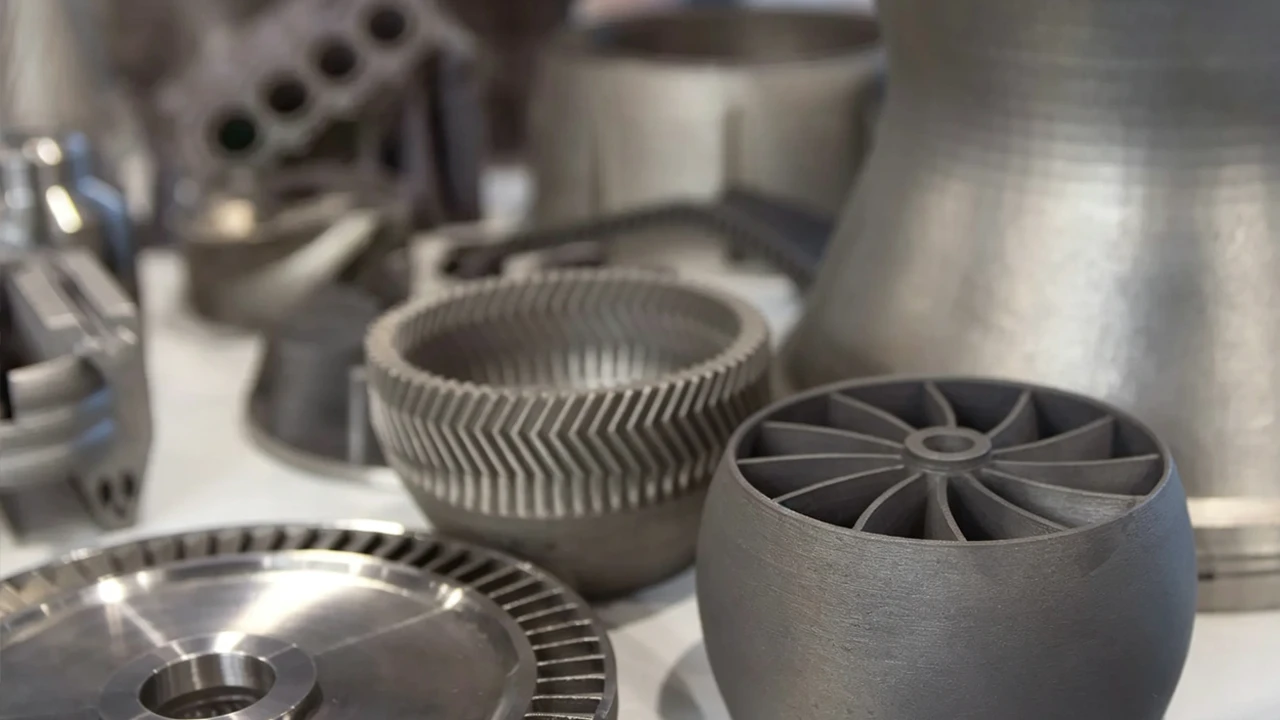
After printing, the supports are removed, cut and separated, and excess powder is cleaned according to the part structure and support layout to reduce the impact of the support contact area on the part surface and functional areas.
SLM parts generate thermal stress during the forming process. Depending on the material and application requirements, stress relief, solution treatment, aging treatment, or other heat treatments can be performed to improve dimensional stability, mechanical properties, and consistency in subsequent processing.
For high-precision holes, sealing surfaces, threads, bearing mating surfaces, and assembly reference surfaces, precision machining can be performed through CNC milling, turning, drilling, tapping, or grinding. SLM is responsible for complex geometries, while CNC is responsible for critical dimensions and assembly accuracy.
For deep grooves, narrow slits, complex internal angles, or locations that are difficult to access with traditional tools, EDM or other local finishing methods can be used according to the requirements of the parts to improve the manufacturing feasibility and dimensional control of critical areas.
We can provide sandblasting, polishing, grinding, and other surface treatment solutions based on the appearance, friction, corrosion resistance, or environmental requirements of the parts. For functional parts, we can also evaluate solutions in conjunction with subsequent coatings or special treatment requirements.
Before delivery, critical dimension inspection, visual inspection, material batch traceability and assembly verification can be carried out according to project requirements. For projects that require multiple parts to fit together, Dimud can also provide part assembly, packaging and integrated delivery support.
FAQ
SLM builds parts layer by layer based on CAD models by using a high-energy laser to melt metal powder in an inert gas environment. Following the printing process, parts typically undergo powder removal, support removal, heat treatment, CNC finishing, and inspection to meet requirements for critical dimensions, mating surfaces, and actual assembly. The value of SLM lies not merely in the "printing" itself, but in transforming complex structures into functional metal components.
SLM stands for Selective Laser Melting and is a metal laser powder bed fusion process. It is suitable for manufacturing components with complex internal channels, lightweight structures, conformal cooling inserts, and integrated designs, as well as for low-volume metal part production. For complex parts that are difficult to machine using traditional CNC methods yet require the properties of metal, SLM often represents a more valuable choice.
SLS is typically used to sinter polymer powders (such as nylon) and is suitable for visual models, functional prototypes, and small-batch plastic parts; SLM, on the other hand, is used to melt metal powders to manufacture metal components from materials like stainless steel, aluminum alloys, titanium alloys, and nickel-based alloys. In short, SLS is better suited for rapidly validating plastic structures, while SLM is more appropriate for projects requiring strength, heat resistance, corrosion resistance, or complex functional metal structures.
SLA uses a UV laser to cure liquid resin, typically resulting in smoother surfaces suitable for display models, aesthetic validation, and highly detailed prototypes; SLM uses a laser to melt metal powder, making it suitable for manufacturing metal parts capable of withstanding loads, high temperatures, corrosion, or long-term use. If the project prioritizes aesthetics, detail, and low-cost validation, SLA is more appropriate; if the focus is on functional performance, structural strength, and end-use metal applications, SLM is worth considering.
Commonly used SLM materials include 316L, 17-4PH, AlSi10Mg, Ti-6Al-4V, Inconel 718, Inconel 625, maraging steel, and tool steel. Material selection should be based on factors such as part strength, weight, corrosion resistance, temperature resistance, thermal conductivity requirements, and post-processing needs, rather than solely on the unit price of the material.
SLM is generally more valuable when parts feature complex internal channels, enclosed cavities, lattice structures, integrated assemblies, or areas inaccessible to cutting tools. Conversely, CNC machining is often more cost-effective for parts with simple geometries, stable production volumes, and numerous critical dimensions. A more rational approach is to use SLM to produce the complex structures and then employ CNC machining to finish the high-precision mating surfaces.
As-printed SLM parts are generally suitable for standard dimensional control; however, high-precision features—such as hole locations, sealing surfaces, threads, and assembly datums—typically require post-processing via CNC machining, EDM, or grinding. To optimize costs and lead times, customers should identify critical dimensions during the early design phase and avoid imposing unnecessary high-precision requirements on as-printed surfaces.
Yes. The Dimud engineering team can conduct a DfAM assessment prior to project launch, covering aspects such as wall thickness, overhang angles, support strategies, powder removal from internal channels, thermal deformation risks, machining allowances, and post-processing paths. Identifying issues before printing reduces the need for trial and error, helping the project advance more quickly to the validation or small-batch production stage.
Yes. In addition to SLM metal 3D printing, Dimud offers integrated services including heat treatment, CNC machining, EDM, sandblasting, polishing, tapping, surface finishing, dimensional inspection, and assembly. For procurement teams, this integrated delivery model minimizes issues related to multi-vendor coordination, logistics handoffs, and ambiguous quality accountability.