
Wenn Ihr Produkt eine weiche Haptik, elastische Rückstellung, Stoßdämpfung, Dichtungseigenschaften oder das Umspritzen von weichen und harten Materialien erfordert, ist TPE in der Regel das Material der Wahl für den Spritzguss. Allerdings ist “TPE” weder eine bestimmte Sorte noch ein Kunststoff mit festen Eigenschaften; vielmehr bezeichnet der Begriff eine ganze Familie thermoplastischer Elastomere, deren verschiedene Typen sich hinsichtlich Wärmebeständigkeit, Ölbeständigkeit, Druckverformungsrest, Abriebfestigkeit und Kosten erheblich voneinander unterscheiden.
Daher reicht es bei weitem nicht aus, bei der Materialauswahl lediglich “TPE 70A” anzugeben. Zwei TPE-Werkstoffe mit derselben Härte können sich erheblich unterscheiden: Der eine eignet sich möglicherweise zum Umspritzen von PP, während der andere nur mit ABS kompatibel ist; der eine hält möglicherweise dem langfristigen Kontakt mit Schmieröl stand, während der andere bereits nach wenigen Tagen aufquellen und erweichen könnte.
Dieser Artikel soll Produktingenieuren, Fachleuten aus dem Beschaffungswesen, F&E-Teams und Hardware-Start-ups dabei helfen, verschiedene praktische Probleme anzugehen:
- Was genau ist TPE-Kunststoff?
- Wie sollte man sich zwischen verschiedenen TPE-Typen entscheiden?
- Für welche Projekte eignet sich TPE-Kunststoff – und für welche nicht?
- Wie lassen sich die Risiken im Zusammenhang mit dem Spritzgießen von TPE-Kunststoffen, dem Umspritzen und der Massenproduktion bewältigen?
- Wie schneidet TPE im Vergleich zu PVC ab?
Was ist TPE?
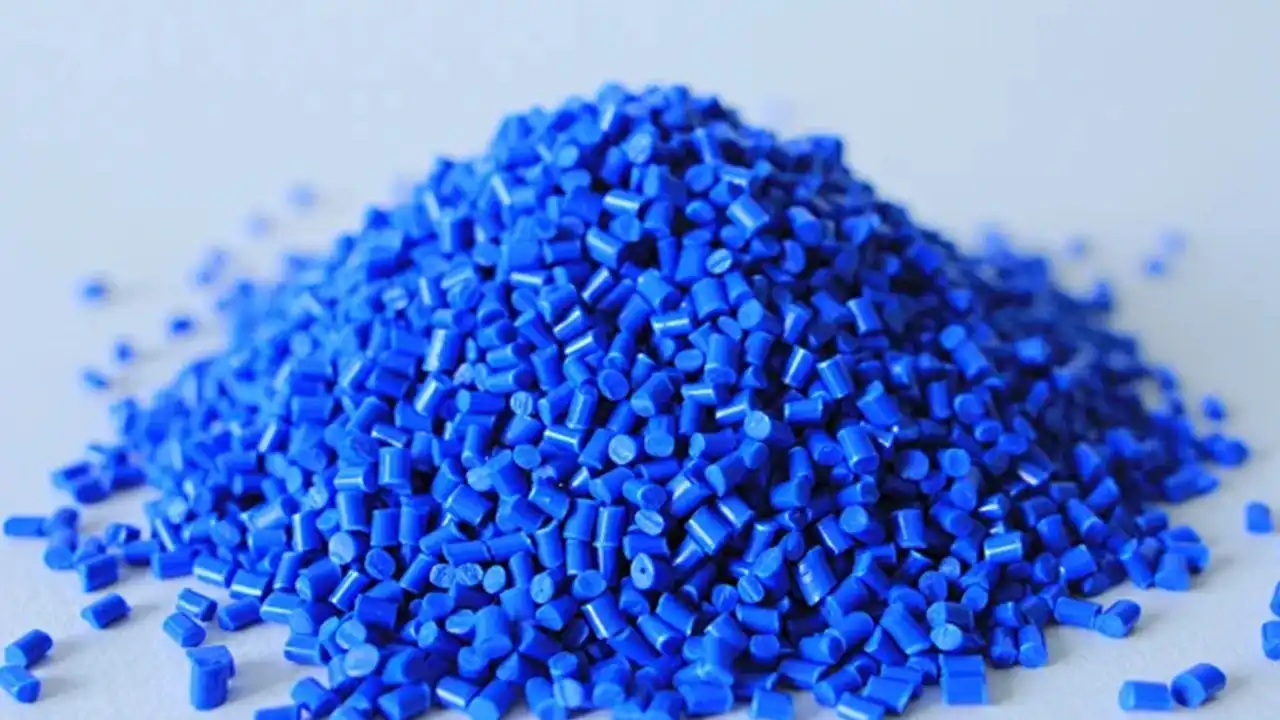
TPE steht für „Thermoplastisches Elastomer“. TPE-Kunststoff weist bei Raumtemperatur eine gummiartige Weichheit, Elastizität und Rückstellfähigkeit auf, schmilzt jedoch bei Erwärmung, fließt und lässt sich genau wie herkömmliche Thermoplaste im Spritzgussverfahren verarbeiten.
Dies ist der wichtigste technische Vorteil von TPE-Material: Es vereint in gewissem Maße die Eigenschaften von Elastomeren und Thermoplasten.
Herkömmlicher Kautschuk muss in der Regel vulkanisiert werden. Nach Abschluss der Vulkanisierung bilden die Molekülketten eine dauerhaft vernetzte Struktur, und das Material lässt sich nicht mehr einschmelzen. TPE-Kunststoff verdankt seine Elastizität einer reversiblen physikalischen Struktur: Bei Erwärmung erweicht die starre Phase, sodass das Material fließen kann; beim Abkühlen bildet sich die Struktur wieder, und die Elastizität wird wiederhergestellt. Daher lässt es sich mit Verfahren wie Spritzguss, Extrusion, Blasformen, Zweifarben-Spritzguss und Umspritzen verarbeiten.
“TPE-Gummi” ist eine gängige umgangssprachliche Bezeichnung auf dem Markt, um die gummiartige Haptik und Elastizität des Materials hervorzuheben; streng genommen ist TPE-Kunststoff jedoch nicht mit Naturkautschuk, EPDM, NBR oder Silikonkautschuk gleichzusetzen.
Auch TPR und TPE sind keine zwei parallel existierenden Konzepte. TPR bezieht sich in der Regel auf thermoplastische Elastomere auf Styrolbasis in den SBS- oder SEBS-Systemen, die einen Zweig der TPE-Familie bilden. Um mehr über die Beziehung zwischen den beiden zu erfahren, können Sie den Artikel von Dimud lesen TPR-Kunststoff-Leitfaden.
Wie funktioniert TPE-Kunststoff?
Die meisten TPE-Kunststoffe enthalten sowohl “harte Phasen” als auch “weiche Phasen”.”
Die weiche Phase ist für Dehnung, Biegung, Dämpfung und Elastizität verantwortlich; die harte Phase bildet bei Raumtemperatur Strukturen, die physikalischen Vernetzungen ähneln, wodurch ein dauerhaftes Verrutschen der Molekülketten verhindert wird und das Material nach einer Verformung wieder in seine ursprüngliche Form zurückkehren kann.
Wenn TPE auf Verarbeitungstemperaturen erhitzt wird, erweicht oder schmilzt die harte Phase, wodurch die ursprüngliche physikalische Vernetzungsstruktur vorübergehend verschwindet; dadurch kann das Material unter dem Druck der Schnecke durch den Anguss fließen und den Formhohlraum ausfüllen. Beim Abkühlen aggregiert die harte Phase wieder, wodurch die Elastizität und Maßhaltigkeit des Bauteils wiederhergestellt werden.
Die Struktur von TPV unterscheidet sich geringfügig. TPV besteht in der Regel aus dynamisch vulkanisierten EPDM-Kautschukpartikeln, die in einer thermoplastischen Matrix, beispielsweise PP, dispergiert sind. Obwohl die Kautschukphase chemisch vernetzt ist, bleibt die kontinuierliche thermoplastische Matrix schmelzfließfähig, sodass das TPE-Material mit herkömmlichen Anlagen für Thermoplaste verarbeitet werden kann.
Aus diesem Grund lassen sich verschiedene TPE-Mischungen auch nicht allein anhand ihrer Härte vergleichen. Grundpolymere, Weichmacheröle, der PP-Anteil, Füllstoffe, Flammschutzmittel, UV-Stabilisatoren, Farbmasterbatches und Haftvermittler beeinflussen alle die endgültigen Eigenschaften.
Wichtigste Eigenschaften und technische Daten von TPE-Kunststoff
| Leistungsspezifikationen | Häufige Erscheinungsformen oder Ausprägungen | Auswirkungen auf das Produktdesign |
|---|---|---|
| Härte | Etwa Shore A 5–95, wobei einige Härtegrade die Shore-D-Skala erreichen | Bestimmt die Haptik, die Verformung, das Entformen und den Dichtungsdruck |
| Dichte | 0,85–1,30 g/cm³ | Beeinflusst das Teilgewicht und die Materialkosten pro Volumeneinheit |
| Zugfestigkeit | 2–50 MPa | Die TPU- und TPC-Werte liegen in der Regel über denen des Standard-TPS. |
| Dehnung bei Bruch | 200%–800% | Es kann die langfristige Widerstandsfähigkeit nicht eigenständig widerspiegeln |
| Betriebstemperatur | -50 °C bis über 150 °C, je nach System | Es gibt erhebliche Unterschiede zwischen dem Standard-TPS und dem Hochleistungs-TPC/TPA. |
| Schrumpfungsrate beim Spritzgießen | Etwa 0,31 TP3T–2,51 TP3T für Styrolsysteme | SEBS- und ultraweiche Formulierungen weisen in der Regel eine stärkere Schrumpfung auf |
| Chemikalienbeständigkeit | Von gut zu großartig | Bei den Prüfungen müssen Kombinationen aus Öl, Kraftstoff, Reinigungsmitteln und Einwirkzeiten berücksichtigt werden |
| UV-Beständigkeit | Das hängt vom Polymer und vom Stabilisator ab | SBS ist nicht für den direkten, langfristigen Einsatz im Freien geeignet. |
| Färbbarkeit | Im Allgemeinen besser | Naturfarbenes TPS eignet sich besonders gut für die ästhetische Gestaltung von Konsumgütern |
| Elektrische Isolationseigenschaften | Im Großen und Ganzen gut | Die Auslegungsklasse muss weiterhin unter Berücksichtigung von Spannung, Temperatur und UL-Anforderungen ausgewählt werden. |
Bei Projekten betrachten wir in der Regel nicht ausschließlich die Zugfestigkeit. Bei Griffen, Knöpfen, Dichtungen oder schwingungsdämpfenden Bauteilen sind folgende Kennzahlen aussagekräftiger:
- Shore-A- oder Shore-D-Härte (siehe Normen ASTM D2240 oder ISO 868);
- Stauchverformung (Temperatur, Stauchverhältnis und Dauer müssen angegeben werden);
- Zugfestigkeit und Bruchdehnung;
- Reißfestigkeit;
- Abriebfestigkeit;
- Beständigkeit bei niedrigen Temperaturen und Alterung bei hohen Temperaturen;
- Abziehfestigkeit (Haftung am Untergrund);
- Beständigkeit gegen UV-Strahlung, Ozon, Schweiß, Öle/Fette und Reinigungsmittel;
- UL 94, Anforderungen an den Kontakt mit Lebensmitteln oder an die Biokompatibilität.
Meiner Erfahrung nach reicht es nicht aus, einem Lieferanten lediglich mitzuteilen, dass man “70A-TPE-Kunststoff” benötigt – das ist keine ordnungsgemäße Materialspezifikation. Die Härte ist lediglich ein Ausgangspunkt, nicht das entscheidende Kriterium für die Materialauswahl.
Vorteile von TPE-Kunststoff
Keine Vulkanisierung erforderlich; geeignet für die hocheffiziente Massenproduktion
Herkömmlicher Gummi benötigt eine Aushärtungszeit, während TPE-Kunststoff nach dem Einspritzen in die Form in erster Linie durch Abkühlung geformt wird. Bei kleinen und mittelgroßen Teilen mit einer gut durchdachten Struktur sind die Produktionszyklen in der Regel kürzer, und die Automatisierung lässt sich leichter umsetzen.
Geeignet für das Co-Spritzgießen von weichen und harten Materialien
TPE-Kunststoff kann auf Strukturen aus PP, ABS, PC, PC/ABS, PA oder Metall umspritzt werden, um rutschhemmende, abdichtende, dämpfende und isolierende Funktionen zu erfüllen. Eine gut konzipierte Umspritzlösung kann den Einsatz von Klebstoffen, Schrauben oder separaten weichen Bauteilen überflüssig machen und so die Montagekosten sowie potenzielle Fehlerquellen reduzieren.
Härte, Haptik und Farbe sind einstellbar
Durch die Anpassung des Basispolymers, des Öls, der Füllstoffe und der Additive in der TPE-Mischung lassen sich verschiedene Härtegrade – von gelartig bis halbstarr – sowie trockene, seidige, reibungsintensive oder matte Texturen erzielen.
Produktionsabfälle können eingeschmolzen werden
TPE-Kunststoff aus Angussmaterial und Testformen, das homogen und sauber ist und keiner starken thermischen Zersetzung unterzogen wurde, kann in der Regel in kontrollierten Anteilen wiederverwendet werden. “Wiederaufbereitbar” bedeutet jedoch nicht, dass es unbegrenzt recycelt werden kann. Die thermische Vorgeschichte, Verunreinigungen, die Farbe und Mehrkomponentenstrukturen können den Anteil an recyceltem Material, der verwendet werden kann, einschränken.
Trägt dazu bei, die Anzahl der Bauteile zu reduzieren
Bei entsprechendem Produktionsvolumen lassen sich durch das Umspritzen mit TPE-Kunststoff ein starres Gerüst, eine Soft-Touch-Oberfläche, eine Dichtungskante und eine Dämpfungsstruktur in einem einzigen Bauteil vereinen. Zwar können sich die Materialkosten pro Einheit erhöhen, doch können sich die Gesamtkosten für Montage, Lagerhaltung und Qualitätskontrolle des Produkts verringern.
Einschränkungen von TPE-Kunststoff
TPE-Kunststoff ist kein universeller Ersatz für Silikon, EPDM oder alle Arten von Weich-PVC.
Die Eigenschaft von TPE, die am häufigsten überschätzt wird, ist seine langfristige Dichtfähigkeit. Nur weil sich ein Bauteil beim Drücken mit der Hand schnell zurückfedert, bedeutet das noch lange nicht, dass es seine Dichtkraft nach 1.000 Stunden Druckbelastung bei 80 °C noch beibehält. Das Gefühl des Materials bei Raumtemperatur und seine bleibende Verformung unter Druckbelastung bei hohen Temperaturen sind zwei völlig unterschiedliche Messgrößen.
Weitere häufige Einschränkungen sind:
- Standard-TPS-Typen weisen eine begrenzte Hitze-, Öl- und Lösungsmittelbeständigkeit auf;
- Bei besonders weichen Werkstoffen kommt es häufig zu Anhaftungen an der Form, Verformungen und Auswerfermarken;
- TPEs mit geringer Härte weisen in der Regel eine höhere Schrumpfung und eine geringere Maßhaltigkeit auf;
- Hohe Temperaturen, hohe Scherkräfte oder zu lange Verweilzeiten können zu Zersetzung, Geruchsbildung und Verfärbungen führen;
- Öle oder niedermolekulare Bestandteile in bestimmten Formulierungen können an die Oberfläche wandern;
- Materialien verbinden sich nicht von selbst, nur weil sie beide als “TPE” klassifiziert sind;
- Für Flammschutz, medizinische Anwendungen, den Kontakt mit Lebensmitteln und geringe Geruchsbelästigung sind spezielle Typen erforderlich;
- TPEs eignen sich im Allgemeinen nicht für den Einsatz als hochsteife, tragende Bauteile.
Welche Arten von TPE-Kunststoffen gibt es?
Die sechs wichtigsten TPE-Typen, die in der Branche üblicherweise vorkommen, sind die folgenden.
| Typ | Wichtigste Merkmale | Typische Anwendungen | Wesentliche Einschränkungen |
|---|---|---|---|
| TPS, TPE-S oder SBC | Weich, leicht zu färben, relativ preiswert und einfach zu verarbeiten | Griffe, Spielzeug, Knöpfe und Alltagsgegenstände mit Gummibeschichtung | Durchschnittliche Hitzebeständigkeit, Ölbeständigkeit und Druckverformungsrest |
| TPO | Geringe Dichte, witterungsbeständig und verfügt über eine gute chemische Beständigkeit | Innen- und Außenverkleidungen für Kraftfahrzeuge, Schutzkomponenten und Bauteile für den Architekturbereich | Sie sind im Allgemeinen weniger elastisch und fühlen sich weicher an als TPS |
| TPV | Hitzebeständig, witterungsbeständig und ermüdungsbeständig, mit guter Langzeitbeständigkeit | Dichtungen, Hülsen, Faltenbälge und Dichtungsringe für die Automobilindustrie | Es kostet mehr als ein herkömmliches TPS, und die Gestaltungsmöglichkeiten sind relativ begrenzt. |
| TPU | Abriebfest, reißfest, hochfest und mäßig ölbeständig | Rollen, Schutzabdeckungen, Kabel, bewegliche Teile | Hygroskopisch; muss vor dem Spritzgießen in der Regel gründlich getrocknet werden |
| TPC oder TPE-E | Hitzebeständig, ermüdungsbeständig, ölbeständig und mit hervorragender dynamischer Leistung | Balg, Schläuche und industrielle Armaturen für die Automobilindustrie | Die Härte ist in der Regel hoch, und die Materialkosten sind relativ hoch. |
| TPA, PEBA oder COPA | Flexibilität bei niedrigen Temperaturen, geringes Gewicht und Ermüdungsbeständigkeit | Medizinische Katheter, Sportartikel, flexible Präzisionsschläuche | Hohe Kosten; strenge Anforderungen an die Trocknung und die Prozesssteuerung |
TPS: Das gängigste Soft-Touch-TPE
TPS umfasst SBS, SIS, SEBS und andere Styrol-Blockcopolymer-Systeme. SBS bietet geringere Kosten und eine einfache Verarbeitung, weist jedoch eine relativ geringe Beständigkeit gegen UV-Strahlung und thermische Alterung auf. SEBS ist hydriert und weist daher eine hervorragende Witterungs-, Hitze- und Oxidationsbeständigkeit auf, wodurch es sich besser für hochwertige Konsumgüter, medizinische Formulierungen und Komponenten für den Langzeitgebrauch eignet.
TPO: Geeignet für leichte Anwendungen und den Einsatz im Außenbereich
TPO basiert hauptsächlich auf Polyolefinen und zeichnet sich durch eine geringe Dichte sowie eine gute Wasser-, Chemikalien- und Witterungsbeständigkeit aus. TPO wird zwar häufig für Stoßfänger, Innenverkleidungen und große Schutzbauteile in der Automobilindustrie verwendet, ist jedoch in der Regel nicht die erste Wahl, wenn ein besonders weicher Griff gewünscht wird.
TPV: Näher am Gummi für eine längere Lebensdauer
TPV eignet sich besonders gut für Bauteile, die wiederholte Kompression, thermische Alterungsbeständigkeit, Witterungsbeständigkeit und langfristige Formbeständigkeit erfordern. Wenn es bei einem Projekt um Dichtungen für die Automobilindustrie, Schutzmanschetten unter der Motorhaube oder industrielle Faltenbälge geht, ziehe ich in der Regel die Bewertung von TPV vor, anstatt auf Versuch und Irrtum mit kostengünstigem TPS zurückzugreifen.
TPU: Hervorragende Verschleißfestigkeit und mechanische Festigkeit
TPU ist oft zuverlässiger als herkömmlicher TPE-Kautschuk, wenn Bauteile Abrieb, Dehnung, Stößen oder wiederholter Biegung standhalten müssen. Es eignet sich für Anwendungen wie Rollen, Antriebsriemen, Sportgeräte, Schutzhüllen für Mobiltelefone und Kabelummantelungen. Allerdings ist TPU feuchtigkeitsempfindlich; eine unzureichende Trocknung kann zu silbernen Streifen, Luftblasen und einer Hydrolyse der Molekülketten führen
TPC und TPA: Für Projekte mit höheren Leistungsgrenzen
TPC und TPA eignen sich für Umgebungen, in denen hohe Ermüdungsbelastungen, große Temperaturbereiche, Kälteschlag oder Kontakt mit Ölen auftreten. Aufgrund ihrer höheren Materialkosten und der komplexen Verarbeitung sind sie keine geeignete Wahl, wenn das einzige Ziel darin besteht, ein “besseres Gefühl” zu erzielen.”
Unter welchen Umständen sollte TPE-Kunststoff für den Spritzguss gewählt werden?
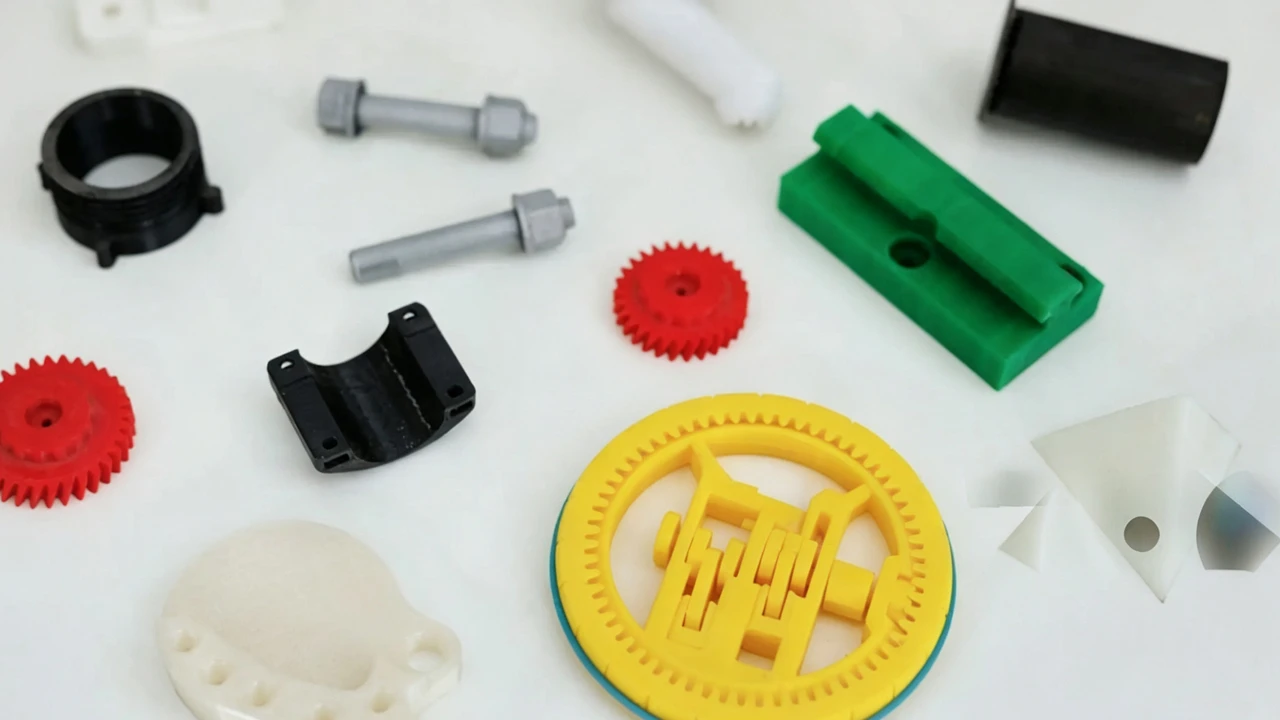
Die folgenden Anwendungsbereiche sollten bei der Bewertung von TPE-Kunststoffen generell vorrangig berücksichtigt werden:
Das Produkt muss eine weiche Haptik oder eine rutschfeste Oberfläche aufweisen.
Werkzeuggriffe, Griffbereiche an medizinischen Geräten, Bedienknöpfe und Sportgeräte können von Soft-Touch-Oberflächen profitieren, die die Reibung und den Komfort verbessern. In diesem Zusammenhang ist die Härte allein nicht der einzige Faktor; die Reibungsleistung muss auch unter Bedingungen mit trockenen Händen, nassen Händen, Schweiß und öligen Rückständen geprüft werden.
Das Produkt erfordert Polsterung, Stoßdämpfung oder Geräuschdämpfung.
TPE-Kunststoff kann zur Dämpfung von Stößen und Vibrationen in Anwendungen wie Roboter-Endanschlägen, Polsterungen für elektronische Geräte, Geräuschdämmkomponenten im Fahrzeuginnenraum sowie Schutzteilen für den Transport eingesetzt werden.
Das Bauteil muss wiederholt gebogen oder elastisch verformt werden.
TPE-Elastomere eignen sich für Kabelendkappen, flexible Scharniere, Staubkappen und Knöpfe. Bei der Konstruktion sollten jedoch scharfe Kanten und lokale Spannungskonzentrationen vermieden werden; andernfalls reißen selbst die besten Materialien an ihren schwächsten Stellen.
Das Produkt erfordert ein integriertes Hardware-Software-Design.
Wenn weiche Bauteile dauerhaft an einem starren Rahmen befestigt werden sollen, sollten Sie Folgendes berücksichtigen: Umspritzdienstleistungen oder Zweistufen-Spritzguss. Mittlere Produktionsmengen eignen sich in der Regel für das Umspritzen, während bei stabilen Großserienprojekten die Kosten für die Investition in eine Zweifarbenform leichter verteilt werden können.
Das Projekt muss die Produktion rasch ausweiten.
Sobald das Design fertiggestellt und die Materialien validiert sind, lässt sich TPE-Kunststoff mithilfe von Mehrfachformen und automatisierten Anlagen zuverlässig herstellen, wodurch er sich für einen schrittweisen Übergang von der Validierung in Kleinserie zur Serienfertigung eignet.
Unter welchen Umständen sollte TPE-Kunststoff nicht gewählt werden?
Das Bauteil muss langfristig einer hohen Temperaturbelastung standhalten.
Bei Hochtemperaturdichtungen, Dampfventilen und Bauteilen, die wiederholt einer Hochtemperatursterilisation unterzogen werden, sollten Silikonkautschuk, FKM, EPDM oder spezielles TPV bei der Bewertung vorrangig berücksichtigt werden. Nur weil ein Standard-TPE-Kunststoff einer bestimmten Temperatur für kurze Zeit standhalten kann, bedeutet das noch lange nicht, dass er für den langfristigen Einsatz bei dieser Temperatur geeignet ist.
Das Produkt steht in ständigem Kontakt mit Kraftstoff, aromatischen Lösungsmitteln oder stark korrosiven Medien.
Bei Standardformulierungen aus SBS und SEBS kann es zu Quellung, Erweichung oder einer Verschlechterung der Leistungsfähigkeit kommen. Solche Anwendungen sollten Eintauchprüfungen unterzogen werden, und es sollten Vergleiche mit TPU, TPC, TPV, FKM oder anderen technischen Werkstoffen angestellt werden.
Das Bauteil trägt die Hauptlast der Konstruktion.
TPE-Kunststoff eignet sich zur Erzielung von Elastizität, ist jedoch nicht geeignet, um PA, PBT, PC oder Metall bei der Aufnahme primärer struktureller Belastungen zu ersetzen. Produkte, die harte und weiche Materialien kombinieren, sollten in der Regel aus einem starren Grundmaterial bestehen, das die Last aufnimmt, während der TPE-Kunststoff für die Oberflächenbeschaffenheit und die elastischen Eigenschaften sorgt.
Die Toleranzanforderungen sind sehr streng
Ultrweiche Teile sind anfällig für Schrumpfung, Nachschrumpfung, Schließkraft und Umgebungstemperatur. Werden für TPE-Kunststoffe mit geringer Härte Toleranzen vorgegeben, die mit denen für POM- oder Metallteile vergleichbar sind, führt dies in der Regel zu hohen Kosten für die Formeinstellung und die Vorversuche.
Die Nachfrage ist sehr gering, und das Design steht noch nicht endgültig fest.
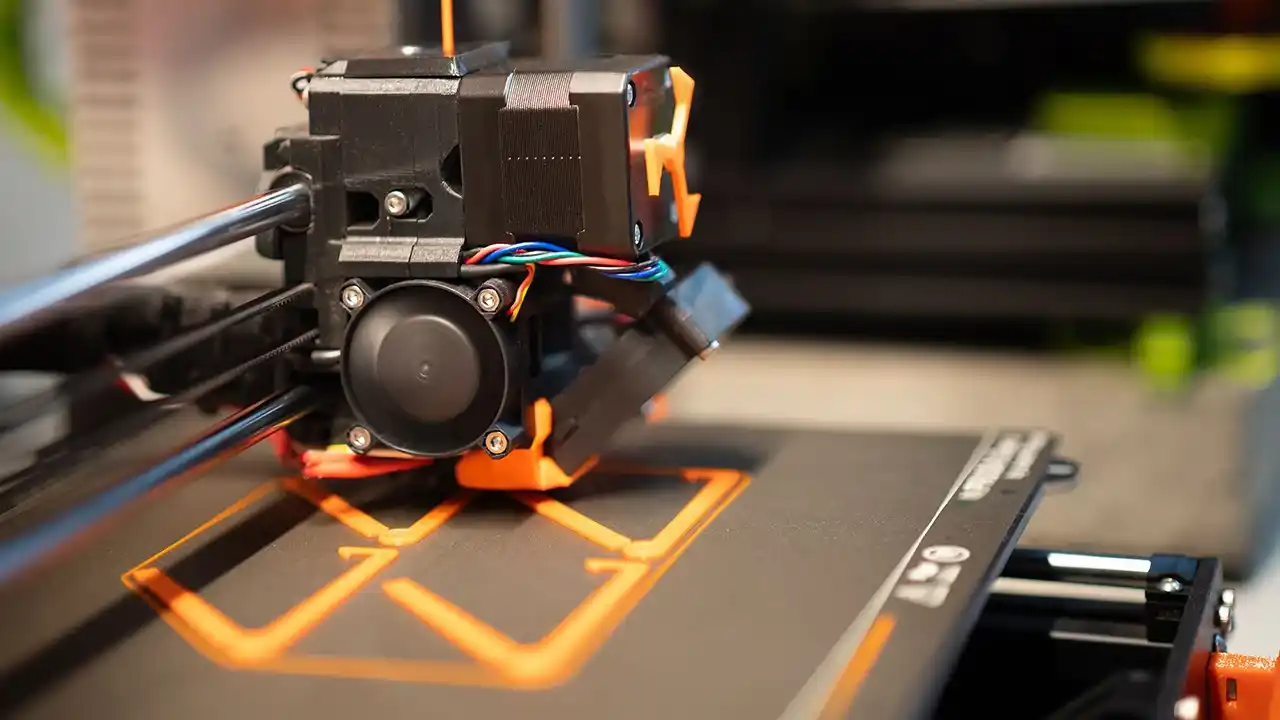
Wenn nur wenige Prototypenteile benötigt werden, ist es in der Regel nicht rentabel, sofort eine Spritzgussform zu entwickeln. Stattdessen können Sie zunächst mithilfe von Soft-3D-Druck, Vakuumguss oder Zerspanung die Struktur mit alternativen Materialien validieren und anschließend im Kleinserien-Spritzguss die serienreifen Materialien validieren.
Es wurde keine bestimmte Güteklasse gefunden, die den gesetzlichen Anforderungen entspricht.
“Man darf sich nicht allein auf mündliche Zusicherungen der Lieferanten verlassen, wenn es um ”TPE in Lebensmittelqualität“ und ”TPE in medizinischer Qualität“ geht. Die Serienproduktion sollte nicht beginnen, ohne dass konkrete Typenbezeichnungen, Konformitätserklärungen, die Rückverfolgbarkeit der Chargen und die erforderlichen Prüfungen vorliegen.
Wozu wird TPE-Kunststoff verwendet?
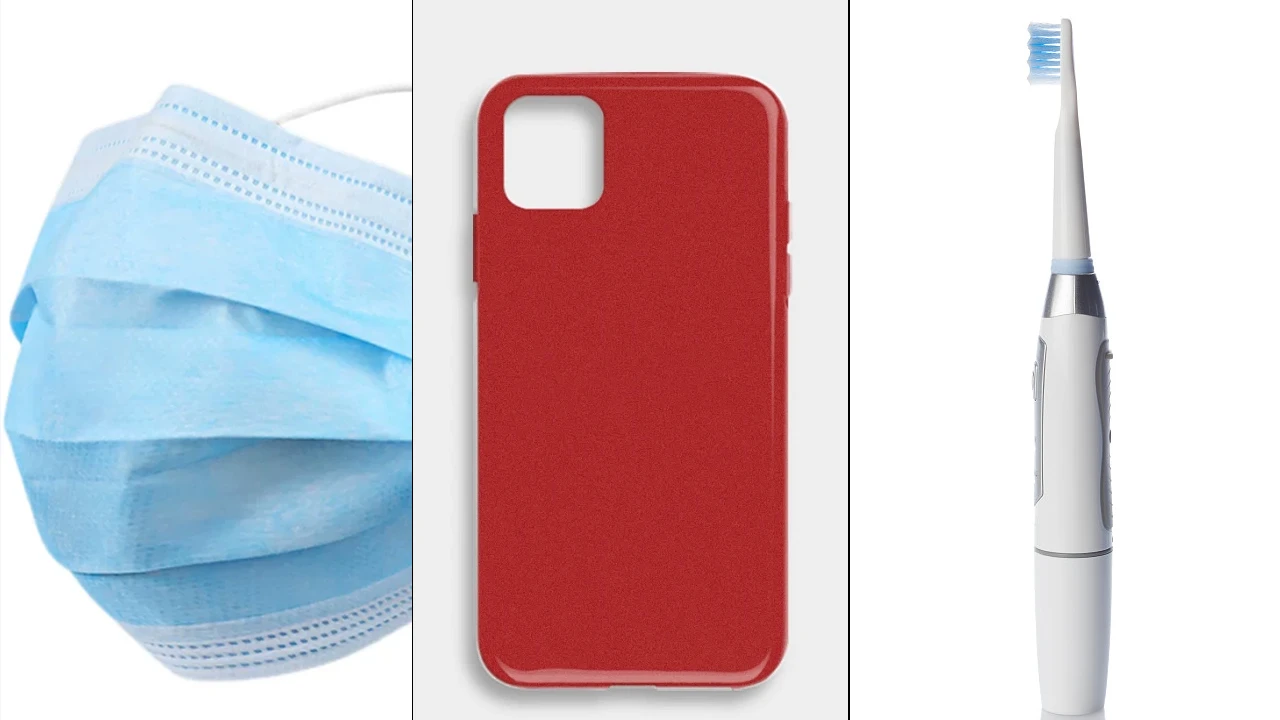
Kfz-Teile
TPE-Kunststoff kann für Türdichtungen, Kabelmuffen, Getränkehalter, Staubschutzkappen, Innenraumknöpfe, stoßdämpfende Polster, Glasverkleidungen und flexible Bauteile im Motorraum verwendet werden. Bei Anwendungen im Innenraum müssen Geruch, VOCs und Beschlagbildung berücksichtigt werden; bei Anwendungen im Außenbereich müssen UV-Strahlung, Ozon und Temperaturwechselbeanspruchung berücksichtigt werden; und bei Anwendungen im Motorraum muss zudem die Beständigkeit gegen Öl und Alterung bei hohen Temperaturen überprüft werden.
Unterhaltungselektronik
Zu den gängigen Anwendungsbereichen zählen Kopfhörerkomponenten, Handyhüllen, Knöpfe, Armbänder für Wearables, Ladekabelschutzhüllen und rutschfeste Fußpolster. Bei Projekten im Bereich der Unterhaltungselektronik ist häufig eine Kombination aus ansprechender Optik, angenehmer Haptik, geringer Geruchsentwicklung, Schweißbeständigkeit und guter Haftung auf PC/ABS-Substraten gefragt.
Medizinische Geräte
TPE-Kunststoff in medizinischer Qualität kann für Schläuche, Dichtungen, Tropfkammern, Gesichtsmasken, Griffbereiche und Verbindungsstücke verwendet werden; allerdings muss die Sicherheit für bestimmte Formulierungen und Endanwendungen überprüft werden. Lieferanten von Materialien in medizinischer Qualität stellen in der Regel spezifische Prüfberichte gemäß ISO 10993 oder behördliche Unterlagen zur Verfügung, doch ersetzen diese Dokumente nicht automatisch die für das endgültige Medizinprodukt erforderliche Risikobewertung und Validierung. Die Dokumentation von Teknor Apex zu TPE in medizinischer Qualität stellt zudem einen expliziten Zusammenhang zwischen der Konformität und bestimmten Produktlinien sowie Formulierungen her, anstatt sich auf den allgemeinen Begriff “TPE” zu beziehen.”
Industrie- und Roboterkomponenten
TPE-Kunststoff kann für Faltenbälge, Staubschutzmanschetten, Schwingungsdämpfungsfüße, flexible Verbindungsstücke, Kabelummantelungen, Schutzbeschichtungen für Sensoren und mechanische Anschlagblöcke verwendet werden. Bei industriellen Anwendungen sollten Schmierstoffe, Reinigungsmittel, zyklische Beanspruchung und Umgebungstemperatur gezielt geprüft werden.
Konsumgüter und Werkzeuge
TPE-Kunststoff wird häufig in Zahnbürsten, Rasierern, Küchenutensilien, Elektrowerkzeugen, Spielzeug und Sportgeräten verwendet, um eine weiche Haptik und rutschfeste Eigenschaften zu gewährleisten. Wenn diese Produkte mit der Haut, Lebensmitteln oder Kindern in Kontakt kommen, muss die Einhaltung der einschlägigen Vorschriften des Zielmarktes überprüft werden.
Wichtige Parameter für den TPE-Kunststoffspritzguss
Es gibt keine einheitlichen Parameter für TPE-Kunststoffe, die für alle Systeme gelten. Die unten aufgeführten Bereiche eignen sich als Ausgangspunkt für Probespritzguss; die Einstellungen für die Serienfertigung müssen sich nach dem technischen Datenblatt (TDS) des Materiallieferanten richten.
| Materialsysteme | Gängige Referenzwerte für Schmelztemperaturen | Anforderungen an die Trocknung | Wesentliche Verarbeitungsrisiken |
|---|---|---|---|
| TPS vom Typ SBS/SEBS | 170–230 °C | Bei den meisten Standardqualitäten ist dies nicht erforderlich; eine Ausnahme bilden spezielle feuchtigkeitsabsorbierende Qualitäten | Ausguss, Schrumpfung, Anhaftung an der Form, thermische Zersetzung |
| TPO | 180–230 °C | Das ist in der Regel nicht notwendig | Läufspuren, Schweißnähte und Oberflächenunregelmäßigkeiten |
| TPV | 190–240 °C | Für die meisten Typen nicht erforderlich; Informationen zu speziellen Formulierungen finden Sie im technischen Datenblatt (TDS) | Unebene Oberfläche, unzureichende Füllung |
| TPU | 190–230 °C | In der Regel ist ein Entfeuchtungstrockner erforderlich | Hydrolyse, Silberfäden, Blasen, Sprödigkeit |
| TPC | 210–250 °C | Es muss in der Regel gründlich getrocknet werden | Hydrolyse, übermäßig lange Verweildauer |
| TPA | 220–280 °C | Es muss in der Regel getrocknet werden | Feuchtigkeitsaufnahme, Zersetzung und Maßänderungen |
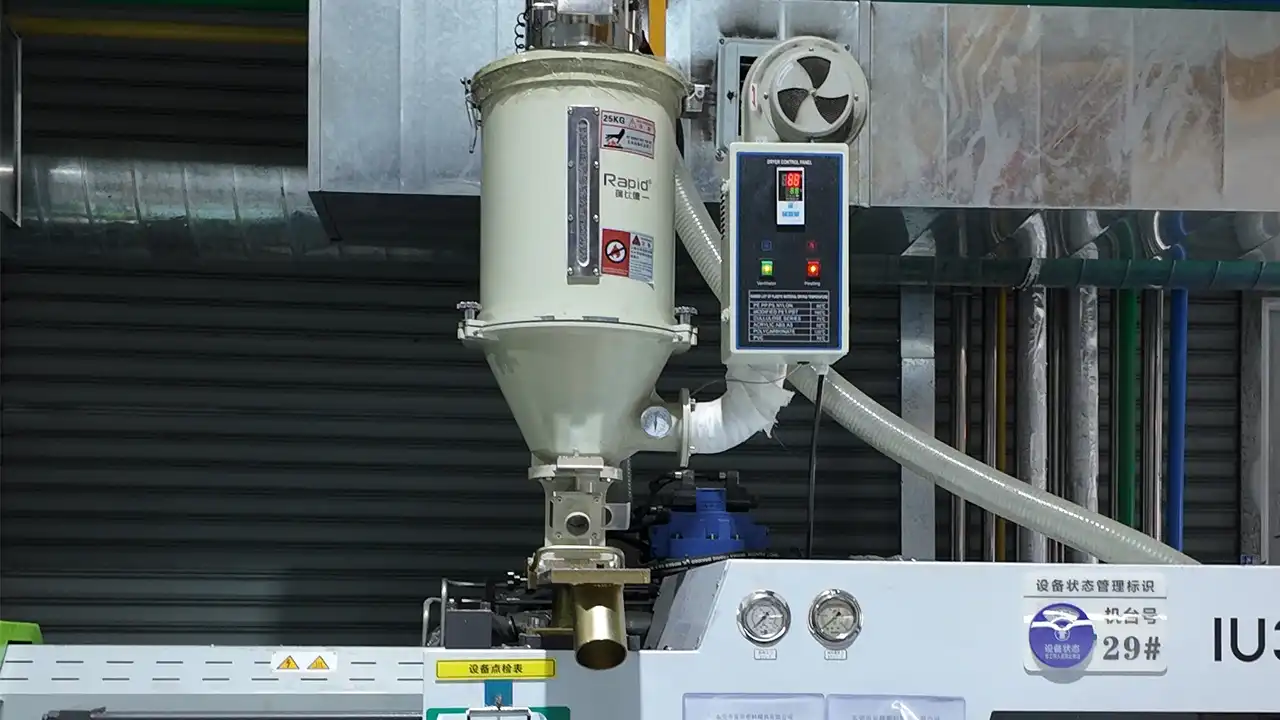
Gehen Sie nicht davon aus, dass das Material vollständig getrocknet ist, nur weil der Trichter beheizt wurde. Bei TPU, TPC und TPA beeinflussen der Taupunkt und die Temperatur der Trocknungsluft, die Trocknungszeit, die Dicke des Materialbetts sowie die Verweildauer des Materials nach dem Einlauf in die Maschine den endgültigen Feuchtigkeitsgehalt.
TPE-Kunststoffspritzgussverfahren
Materialprüfung und Vorbehandlung
Überprüfen Sie vor Beginn der Serienfertigung die Materialbezeichnung, die vollständige Typenbezeichnung, die Chargennummer, die Farbe, den Recyclinganteil und die Trocknungsanforderungen. Reinigen Sie bei einem Materialwechsel den Trichter, die Schnecke und den Heißkanal gründlich, um eine Kreuzkontamination zwischen verschiedenen TPE-Compounds oder anderen Kunststoffen zu vermeiden.
Plastifizierung und Schmelzekontrolle
Die meisten TPE weisen ein scherverdünnendes Verhalten auf, was bedeutet, dass ihre Viskosität bei höheren Schergeschwindigkeiten abnimmt, wodurch das Befüllen dünnerer Abschnitte ermöglicht wird. Hohe Einspritzgeschwindigkeiten können jedoch eine unsachgemäße Ausgestaltung von Anguss und Entlüftungskanälen nicht ausgleichen. Übermäßig hohe Geschwindigkeiten können zu Verbrennungen, Spritzspuren und Gratbildung führen.
Die Temperatur im hinteren Teil des Zylinders sollte generell nicht zu hoch eingestellt werden, da dies leicht zu Brückenbildung am Einlauf oder zu einer vorzeitigen Erweichung des Materials führen kann. Vermeiden Sie es, TPE-Kunststoff bei Stillstand der Maschine über längere Zeit im Zylinder oder im Heißkanal verbleiben zu lassen.
Befüllung und Druckhaltung
Die Einspritzgeschwindigkeit sollte schnell, stabil und frei von übermäßiger Scherung sein. Der Nachdruck ist nur so lange erforderlich, bis die Angussstelle erstarrt ist. Ein übermäßiger Nachdruck löst nicht alle Schrumpfprobleme; vielmehr kann er zu Gratbildung, inneren Spannungen und Schwierigkeiten beim Entformen führen.
Abkühlen und Entformen
Selbst wenn die Oberfläche des weichen TPE-Kunststoffs abgekühlt ist, kann das Innere noch verformungsanfällig sein. Ein vorzeitiger Auswurf kann Auswerferstiftabdrücke, Kratzer oder bleibende Verformungen hinterlassen. In der Form sollten größere Auswerferstifte, Auswerferplatten oder ein luftunterstützter Auswurf zum Einsatz kommen, um den lokalen Druck zu verringern.
Wichtige Aspekte bei der Konstruktion von TPE-Kunststoffteilen und Formen
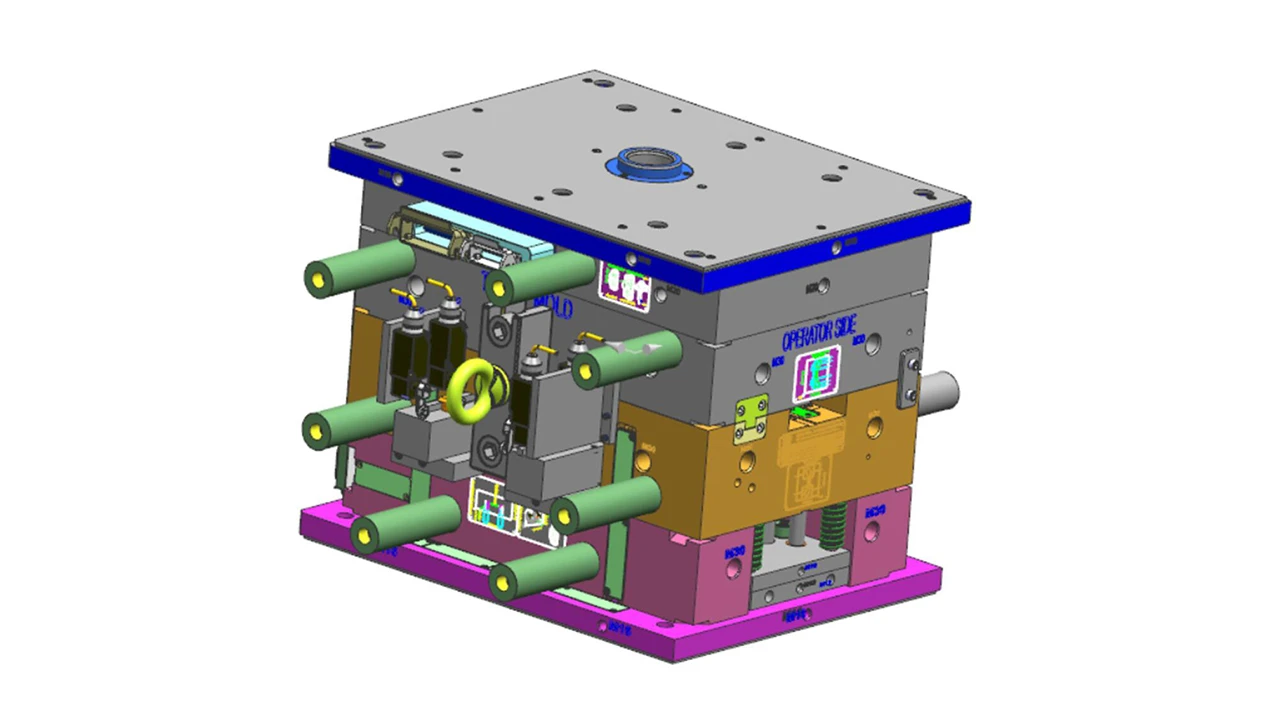
Gleichmäßige Wandstärke gewährleisten
Plötzliche Änderungen der Wandstärke können zu Strömungsstagnation, Kavitation, Einfallstellen und ungleichmäßiger Kühlung führen. Im Allgemeinen können 1–3 mm als vorläufiger Auslegungsbereich für viele kleine und mittelgroße TPE-Kunststoffteile dienen, doch die tatsächliche Wandstärke hängt weiterhin von der Fließlänge, der Härte und der Funktionalität ab.
Dicke Abschnitte sollten ausgehöhlt werden
Eine Erhöhung der Wandstärke verbessert nicht zwangsläufig die Zuverlässigkeit von weichen Bauteilen. Übermäßig dicke Bereiche können die Abkühlzeit verlängern, die Schrumpfung verstärken und die Maßhaltigkeit beeinträchtigen. Ein besserer Ansatz besteht in der Regel darin, durch Rippen, Verrundungen und starre Rahmen für zusätzliche Stabilität zu sorgen.
Ausreichende Entformungswinkel vorsehen
Weiche Werkstoffe weisen eine hohe Reibung auf und neigen dazu, am Kern zu haften. Bei langen Kernzugabschnitten empfiehlt es sich, zunächst einen Entformungswinkel von 3°–5° auf einer Seite zu prüfen; stark strukturierte Oberflächen erfordern größere Entformungswinkel.
Die Belüftung muss ausreichend fein sein
Für TPE-Kunststoffe auf Styrolbasis empfiehlt Avient eine typische Tiefe der Entlüftungsnut von etwa 0,012–0,025 mm. Zu tiefe Entlüftungsnuten können zu Gratbildung führen, während zu flache Entlüftungsnuten zu Verbrennungen, Unterfüllungen und einer verminderten Festigkeit der Schweißnaht führen können.
Gates sollte den Zugang zu dichter besiedelten Gebieten priorisieren
Die Anspielstellen sollten so gewählt werden, dass der Fließweg möglichst gleichmäßig verläuft und gleichzeitig Bereiche mit hoher Beanspruchung sowie optisch kritische Oberflächen vermieden werden. Weiche Werkstoffe neigen zur Fadenbildung; daher müssen verdeckte Anspielstellen und Punktanspielstellen für bestimmte Werkstoffsorten validiert werden.
Häufige Ursachen für Fehler beim TPE-Kunststoff-Umspritzen
Die häufigste Ursache für Fehler beim Umspritzen ist nicht ein zu geringer Einspritzdruck, sondern vielmehr eine von vornherein falsche Materialkombination.
In der Regel lässt sich leicht ein geeignetes TPE auf Polyolefinbasis für die Verklebung mit PP-Substraten finden; für ABS, PC, PC/ABS und PA sind jedoch klebstoffmodifizierte Typen erforderlich, die speziell für diese polaren Werkstoffe entwickelt wurden. Bei Metallen oder Werkstoffen mit geringer Oberflächenenergie sind häufig mechanische Verriegelungen, eine Oberflächenbehandlung oder eine Grundierung erforderlich.
Eine zuverlässige Verklebung hängt außerdem ab von:
- Unabhängig davon, ob die Oberfläche des Untergrunds Öl, Trennmittel oder Feuchtigkeit enthält;
- Ob die Substrattemperatur ausreichend ist;
- Die Verweilzeit zwischen den einzelnen Sekundärspritzgusszyklen;
- Ob die Schmelztemperatur des TPE die Diffusion an der Grenzfläche begünstigt;
- Die Dicke der Umspritzung und die Fließrichtung;
- Ob Durchgangsbohrungen, Hinterschneidungen und Nuten so ausgelegt sind, dass sie eine mechanische Verriegelung gewährleisten;
- Abblättern, Schweiß und Temperaturwechsel in der tatsächlichen Betriebsumgebung des Produkts.
Kompatibilitätsübersichten können lediglich dabei helfen, die Auswahl an Materialien einzugrenzen; sie sind jedoch kein Ersatz für Formtests. Bei kritischen Produkten sollten Prüfkörper aus dem endgültigen Substrat und dem endgültigen TPE-Kunststoff hergestellt werden, um 90°- oder 180°-Schäl-, Alterungs- und Umweltprüfungen zu durchlaufen. Weitere Informationen zu Methoden der Konstruktion finden Sie unter “Was ist Overmolding? Verfahren, Design und Anwendungen.”
Häufige Fehler beim Spritzgießen von TPE-Kunststoffen und deren Lösungen
| Mängel | Häufige Ursachen | Vorrangige Kontrollbereiche |
|---|---|---|
| Blitzlicht | Geringe Materialviskosität, übermäßige Entgasung und unzureichende Schließkraft | Die lokale Geschwindigkeit und Temperatur verringern und die Trennfuge überprüfen |
| Materialmangel | Niedrige Schmelztemperatur, kleine Angussöffnung und unzureichende Entlüftung | Die Fließfähigkeit verbessern, den Anguss vergrößern und die Entlüftung verbessern |
| Wanderweg | Schwankungen bei der Füllgeschwindigkeit, plötzliche Änderungen der Wandstärke und eine unsachgemäße Platzierung des Angusses | Optimierung von Geschwindigkeitskurven und Strömungswegen |
| Verkohlt | Stehende Luft, Hochgeschwindigkeits-Druckluft, Materialien, die zu lange an Ort und Stelle belassen wurden | Die Abluft am Ende der Produktionslinie erhöhen, um die Verweildauer zu verringern |
| Silberne Fäden oder Blasen | Feuchtigkeitsaufnahme oder thermische Zersetzung des Materials | Überprüfen Sie den tatsächlichen Feuchtigkeitsgehalt und das Trocknungssystem |
| Fingerhut-Marke | Das Teil ist zu weich, die Kühlung ist unzureichend und der Auswurfbereich ist zu klein. | Verlängern Sie die Abkühlzeit, vergrößern Sie den Durchmesser des Auswerferstifts oder verwenden Sie eine Auswerferplatte |
| Sich an die Norm halten | Unzureichender Entformungswinkel, Kern zu fest umschlossen, Oberfläche zu glatt | Erhöhen Sie die Steigung, passen Sie die Textur an und nutzen Sie die Entlüftungsfunktion |
| Ablösung der Gummibeschichtung | Materialunverträglichkeit, Verunreinigung des Substrats oder niedrige Temperatur | Die Klebekraft anpassen und mechanische Verriegelungen hinzufügen |
| Verschiebung | Unterschiede bei der Strömungskontraktion, übermäßiger Halte-Druck und ungleichmäßige Kühlung | Stellen Sie den Ventil-, Halte- und Kühlkreislauf ein |
TPE oder PVC: Für welches Material sollten Sie sich entscheiden?
Beim Vergleich von TPE und PVC sollte man sich nicht ausschließlich auf den Stückpreis der Materialien konzentrieren. Vielmehr sollten die Leistungsmerkmale, die Einhaltung gesetzlicher Vorschriften sowie die Verarbeitungs- und Montagekosten über den gesamten Lebenszyklus des Produkts hinweg verglichen werden.
| Vergleichsobjekte | TPE-Kunststoff | Weich-PVC |
|---|---|---|
| Elastische Erholung | Meistens besser | Je nach Weichmachersystem können im Laufe der Zeit Veränderungen auftreten |
| Flexibilität bei niedrigen Temperaturen | Die meisten kompatiblen Modelle zeigten eine gute Leistung | Manche Formulierungen werden bei niedrigen Temperaturen hart |
| Flammhemmung | Es ist eine spezielle flammhemmende Formulierung erforderlich | PVC verfügt von Natur aus über eine gute Flammhemmung |
| Materialdichte | In der Regel niedriger | In der Regel höher |
| Plastifizierungsverfahren | Auf der Grundlage von Elastomerstrukturen oder Compoundierungssystemen | Die Weichheit wird in erster Linie durch den Einsatz von Weichmachern erreicht |
| Umspritzen | Es können Klebstoffformulierungen für Materialien wie PP, ABS, PC und PA entwickelt werden | Es haftet gut auf PVC-Untergründen |
| Verarbeitungsrisiken | Die Hauptprobleme sind Feuchtigkeitsaufnahme, Schrumpfung, Gratbildung und das Anhaften an der Form | Durch Überhitzung wird es zersetzt und setzt korrosive Gase frei. |
| Wiederverwendung von Produktionsabfällen | Ein einzelnes Material zu reinigen ist in der Regel einfacher | Es lässt sich recyceln, doch die Sortierung und die Kontrolle der thermischen Stabilität sind komplexer. |
| Kosten | Standardqualitäten weisen in der Regel eine höhere Qualität auf als Weich-PVC | In der Regel niedriger |
| Die wichtigsten Vorteile | Rückprall, Haptik, Leistung bei niedrigen Temperaturen, weiche und harte Gummibeschichtung | Kostengünstige, flammhemmende und bewährte Kabel- und Schlauchsysteme |
Wenn bei einem Produkt Widerstandsfähigkeit, Flexibilität bei niedrigen Temperaturen, eine weiche oder harte Beschichtung, eine geringe Dichte oder die Verwendung PVC-freier Materialien im Vordergrund stehen, greife ich in der Regel auf TPE zurück.
Wenn bei einem Projekt die Rohstoffkosten oder die inhärente Flammwidrigkeit eine hohe Priorität haben oder wenn bestehende Produkte und Zertifizierungssysteme bereits auf Weich-PVC basieren, kann PVC die sinnvollere Wahl sein. Modernes Weich-PVC kann zudem mit phthalatfreien Weichmachern hergestellt werden, sodass die Annahme, dass “alles PVC schädlich ist”, nicht als Grundlage für die Materialauswahl herangezogen werden sollte.
Ebenso ist TPE-Kunststoff nicht von Natur aus sicher, frei von Zusatzstoffen oder biologisch abbaubar. Man muss die jeweilige TPE-Mischung überprüfen, anstatt sich auf die allgemeine Bezeichnung der Materialklasse zu verlassen. Informationen zu den Eigenschaften und Verarbeitungsbeschränkungen von PVC finden Sie im Artikel von Dimud über PVC-Werkstoffe sowie in den entsprechenden Daten in der Datenbank für Spritzgusswerkstoffe.
Wie können wir die Gesamtkosten eines TPE-Kunststoffprojekts kontrollieren?
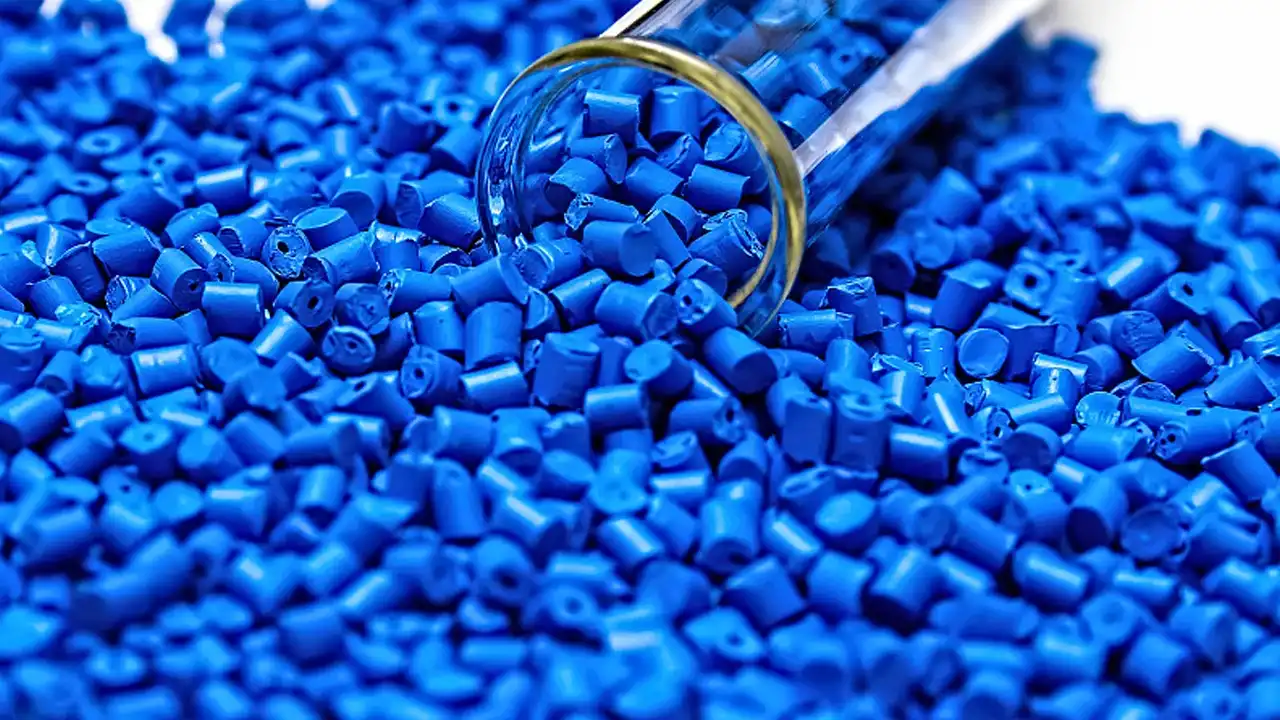
Wenn man sich ausschließlich auf Vergleiche des Preises pro Kilogramm stützt, kann dies leicht zu einer falschen Materialauswahl führen. Die tatsächlichen Stückkosten setzen sich zusammen aus:
Stückkosten = Materialverbrauch + Spritzgießzykluszeit + Amortisation der Form + Ausschuss + Nachbearbeitung + Montage + Qualitätsprüfung
Ein kostengünstigerer TPE-Typ könnte letztendlich teurer sein als ein Typ mit stabilerer Leistung, wenn er längere Abkühlzeiten erfordert, übermäßigen Anguss erzeugt oder zu einer Delaminierung beim Umspritzen führt. Umgekehrt könnte ein TPE-Typ mit Klebeeigenschaften und einem höheren Stückpreis die Gesamtproduktkosten tatsächlich senken, da dadurch der Einsatz von Klebstoffen, Schrauben und manueller Montage entfällt.
Für Start-ups und neue Produktprojekte empfehle ich, zunächst eine Validierung in kleinen Chargen mit den tatsächlichen Materialien durchzuführen, bevor man sich für Mehrfachformwerkzeuge und Automatisierungslösungen entscheidet. Bei ausgereiften Produkten sollte der Schwerpunkt auf der Bewertung von Zykluszeiten, der Anzahl der Kavitäten, Strategien für den Einsatz von Mahlgut, der automatisierten Teileentnahme und der Integration in die Montage liegen.
Dimud unterstützt den gesamten Prozess – von der DFM über die Formenentwicklung und die Validierung in Testläufen bis hin zur Serienfertigung – durch seine Dienstleistungen im Bereich Kunststoff-Spritzgießen.
FAQ
TPE verhält sich hinsichtlich seiner Eigenschaften eher wie Gummi, hinsichtlich seiner Verarbeitung jedoch eher wie ein Thermoplast. Es ist elastisch, kann jedoch erhitzt werden, bis es schmilzt, und lässt sich im Spritzguss- oder Extrusionsverfahren verarbeiten.
Es gibt kein Material, das in jeder Hinsicht überlegen ist. Wenn es auf Zähigkeit, Flexibilität bei niedrigen Temperaturen und Umspritzbarkeit ankommt, ist TPE-Kunststoff in der Regel die bessere Wahl; wenn hingegen niedrige Kosten, inhärente Flammhemmung oder ein bewährtes PVC-System gefragt sind, ist Weich-PVC möglicherweise besser geeignet.
Es lässt sich nicht pauschal sagen, dass alle TPE-Kautschuke sicher sind. Die Eignung kann erst bestätigt werden, wenn nachgewiesen wurde, dass eine bestimmte Typenbezeichnung die Anforderungen hinsichtlich Lebensmittelkontakt, medizinischer Verwendung, Biokompatibilität oder chemischer Beschränkungen für die beabsichtigte Anwendung erfüllt und die erforderliche Validierung des Endprodukts durchlaufen hat.
Ein ganzes TPE-Kunststoffteil ist nicht dasselbe wie ein Mikroplastikpartikel, doch durch Zerschneiden, Verschleiß, Alterung oder unsachgemäße Entsorgung können Polymerpartikel entstehen, die kleiner als 5 mm sind. Die Tatsache, dass ein Material wieder eingeschmolzen werden kann, bedeutet nicht, dass es biologisch abbaubar ist. Auch die Europäische Kommission definiert Mikroplastik als Kunststoffpartikel, die in der Regel kleiner als 5 mm sind und sich nur schwer aus der Umwelt entfernen lassen.
Vom Materialnamen hin zu überprüfbaren Lösungen für die Serienfertigung
Bei der Auswahl von TPE-Kunststoffen lautet die eigentliche Frage nicht “Welches TPE ist das beste?”, sondern vielmehr:
Wie flexibel muss dieses Bauteil sein? Bei welcher Temperatur wird es eingesetzt? Mit welchen Medien kommt es in Kontakt? Wie lange muss es seine Dichtkraft aufrechterhalten? Auf welches Substrat wird es umspritzt? Wie hoch ist das angestrebte Produktionsvolumen? Für welchen Markt ist das Produkt bestimmt?
Erst wenn diese Fragen geklärt sind, lassen sich das Materialsystem, die Härte, die Haftfestigkeit, die Formstruktur und die Prüfnormen des TPE-Kunststoffs genau festlegen.
Dimud verfügt über integrierte Kompetenzen in den Bereichen Formenbau, CNC-Bearbeitung, Spritzguss und Elektronikmontage. Bei TPE-Projekten können wir bereits ab der Produktentwurfsphase eine DFM-Analyse durchführen, um die Materialverträglichkeit, Umspritzstrukturen, Schrumpfung, Entlüftung, Entformung und Durchlaufzeiten in der Serienfertigung zu bewerten. Dies hilft unseren Kunden, reibungslos von der Prototypenvalidierung zur stabilen Produktion überzugehen, anstatt erst nach Fertigstellung der Form festzustellen, dass die Materialien nicht miteinander verbunden werden können oder dass die Teile langfristig nicht zuverlässig funktionieren.