

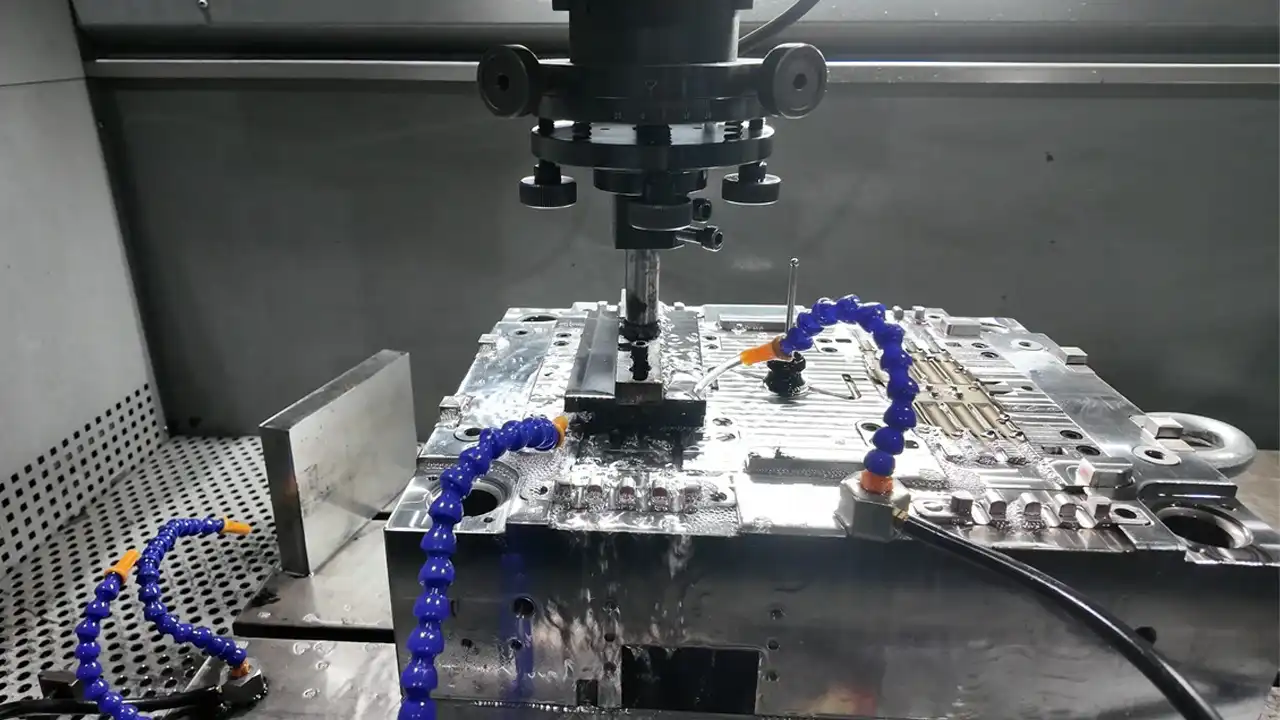
Was ist CNC-Bearbeitung?
CNC-Bearbeitung steht für „Computer Numerical Control“-Bearbeitung. Es handelt sich um ein typisches subtraktives Fertigungsverfahren: Zunächst wird ein Rohling aus Metall, technischen Kunststoffen oder Verbundwerkstoffen geformt; anschließend steuert ein CNC-System die Werkzeugmaschine, die Spindel und die Schneidwerkzeuge, um….
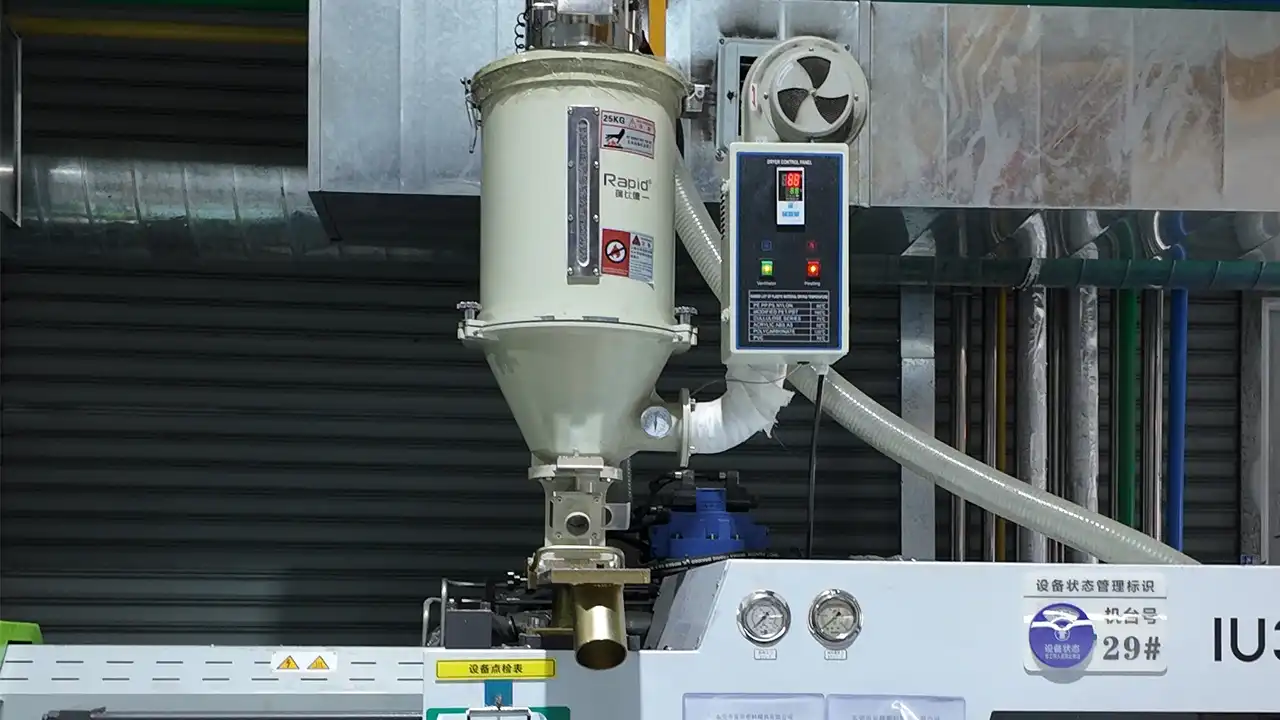
Ein umfassender Leitfaden zu TPE-Kunststoffen: Eigenschaften, Typen, Spritzgussverfahren und Materialauswahl
Wenn Ihr Produkt einen weichen Griff, elastische Rückstellkraft, Stoßdämpfung, Dichtungseigenschaften oder das Umspritzen von weichen und harten Materialien erfordert, ist TPE in der Regel das Material der Wahl für den Spritzguss. Allerdings ist “TPE” weder eine bestimmte Sorte noch ein...
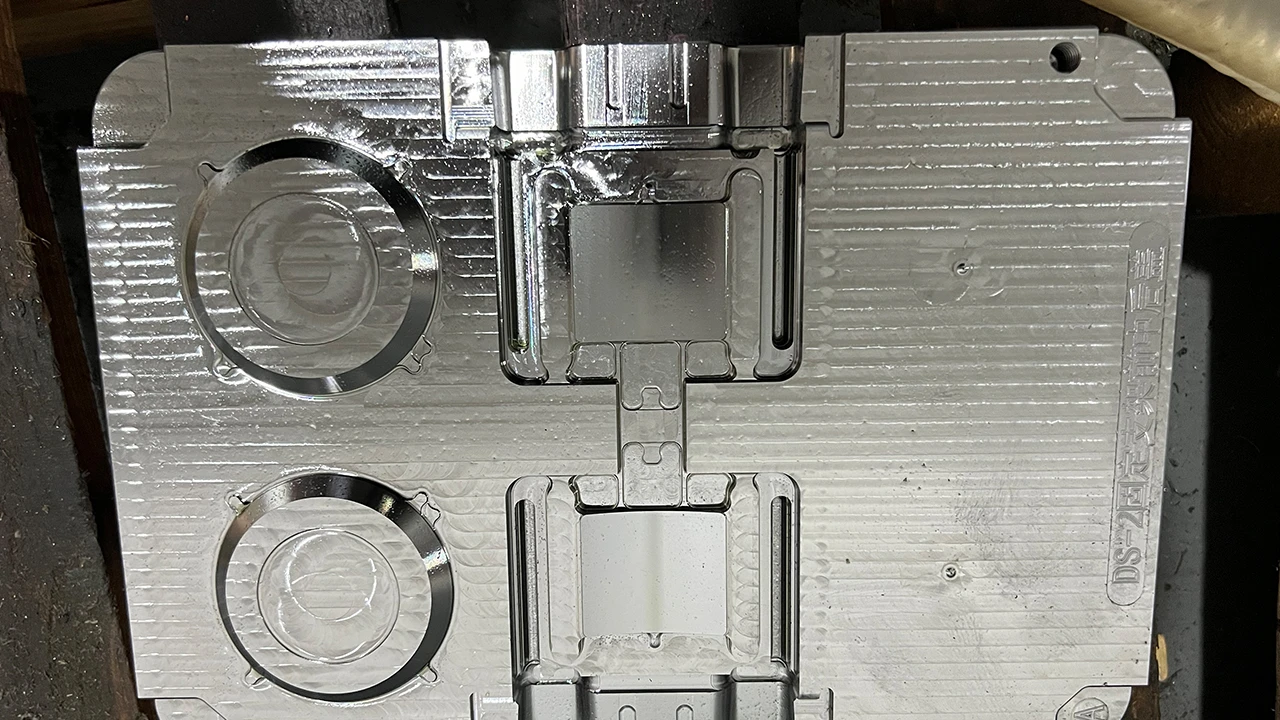
Umfassender Leitfaden zu Epoxidharzen: Eigenschaften, Typen, Anwendungsbereiche und Spritzgussverfahren
Epoxidharz ist ein duroplastischer Werkstoff, der durch eine chemische Vernetzungsreaktion aushärtet. Es ist bekannt für seine hohe Haftfestigkeit, Formstabilität, hervorragende elektrische Isolierfähigkeit, chemische Beständigkeit und die Möglichkeit, seine Zusammensetzung sehr genau anzupassen, und wird daher häufig in Bereichen wie der Elektronikverpackung, der Elektrotechnik….
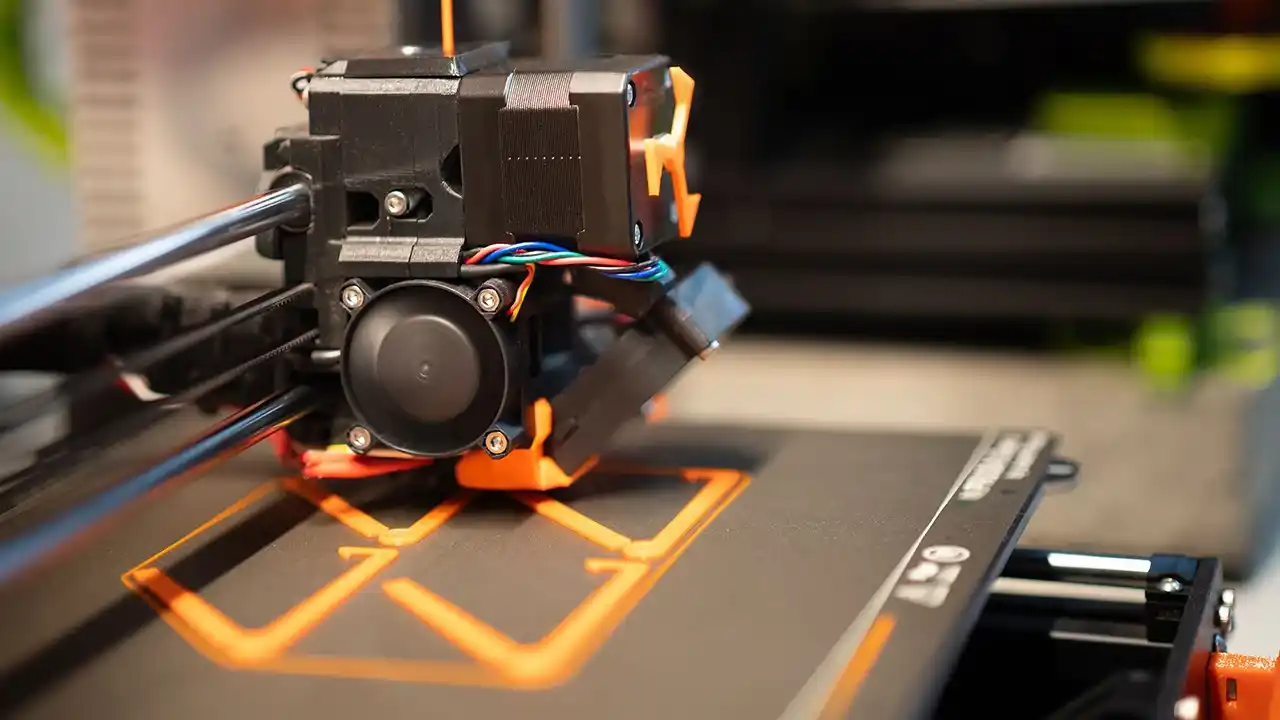
3D-Druck vs. Spritzguss: Was eignet sich besser für Ihr Projekt?
Wenn Sie sich für ein Fertigungsverfahren für ein neues Produkt entscheiden, lässt sich die Frage “3D-Druck oder Spritzguss” kaum vermeiden. Zwar scheinen beide Verfahren zur Herstellung von Kunststoffteilen geeignet zu sein, doch unterscheiden sie sich hinsichtlich ihrer Anwendungsbereiche, Kostenstrukturen, Produktqualität und Massenproduktion...
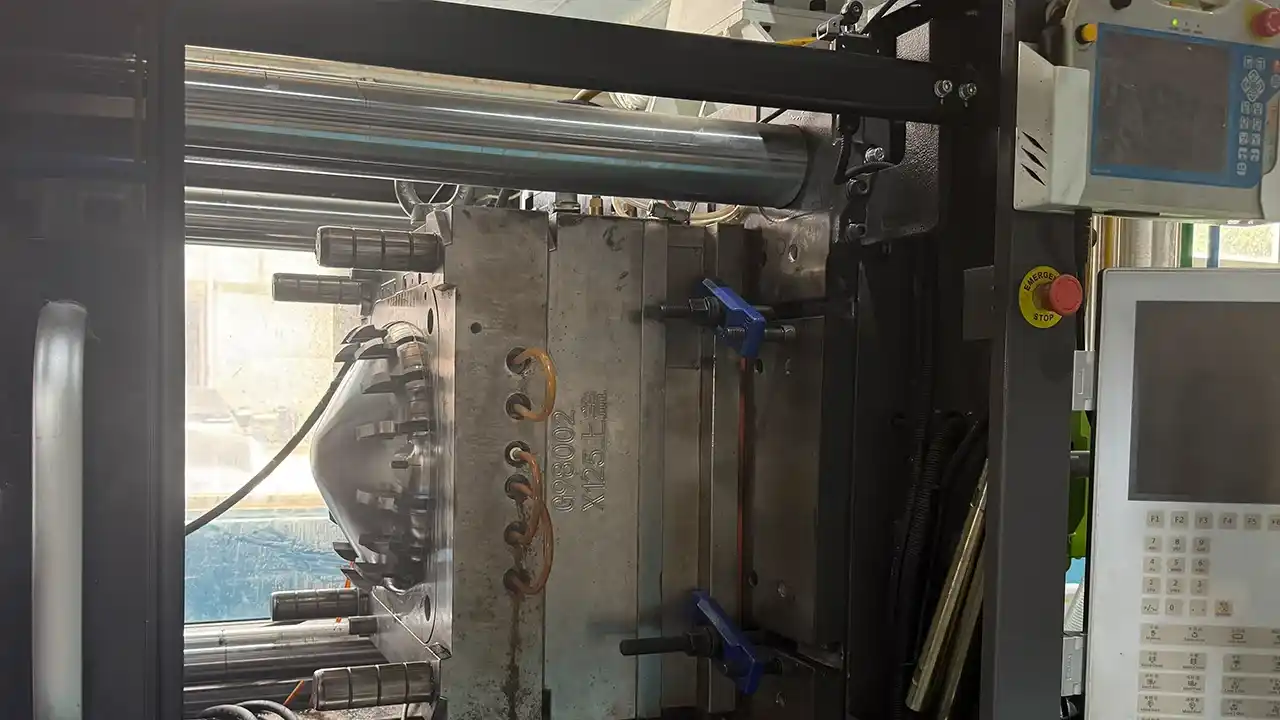
Leitfaden zur Konstruktion von Spritzgussformen
Das Spritzgießen ist derzeit weltweit das am häufigsten eingesetzte Verfahren zur Herstellung von Kunststoffteilen. Es ermöglicht die Fertigung äußerst gleichmäßiger Teile innerhalb von Sekunden bis zu einigen Dutzend Sekunden und eignet sich für nahezu alle Branchen, darunter die Automobilindustrie, die Medizinbranche, die Konsumgüterindustrie...
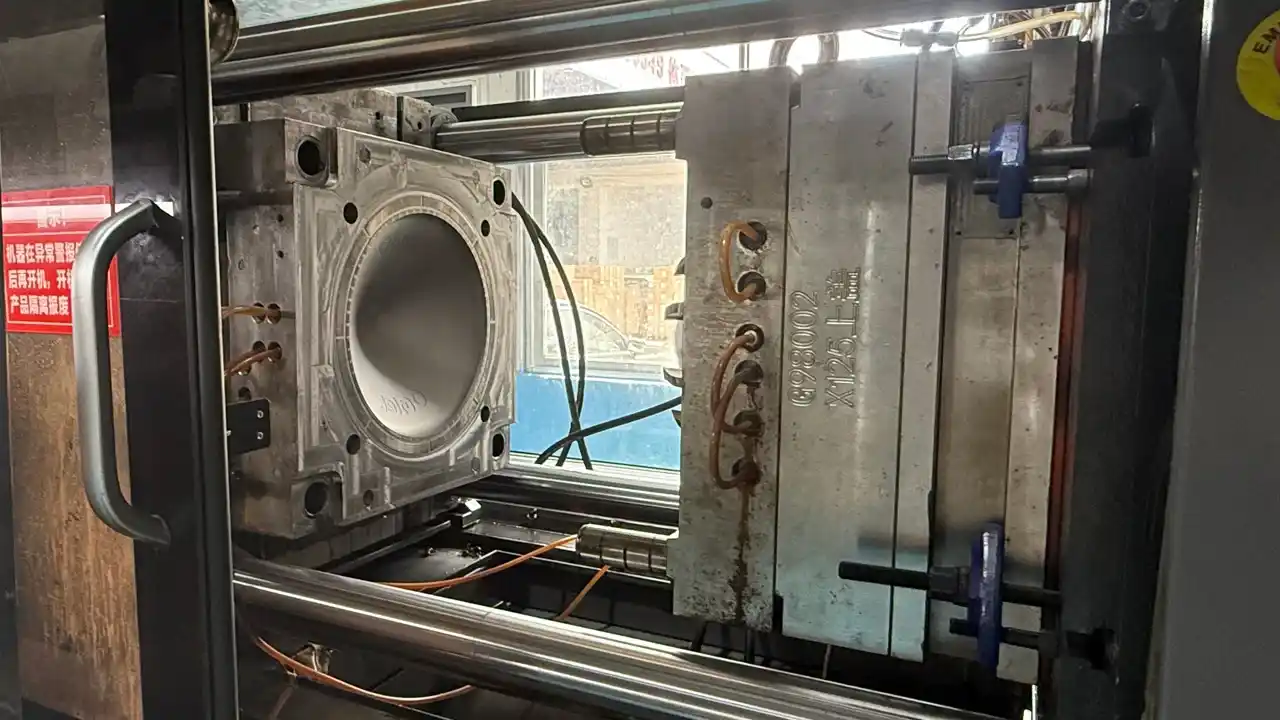
Ein Leitfaden zum Einstieg in den Spritzguss
Was ist Spritzguss? Der Spritzguss ist derzeit das am häufigsten verwendete Fertigungsverfahren für Kunststoffteile. Das Prinzip dahinter ist einfach: Kunststoffgranulat wird erhitzt, bis es schmilzt, und anschließend unter hohem Druck in eine Metallform gespritzt; danach...
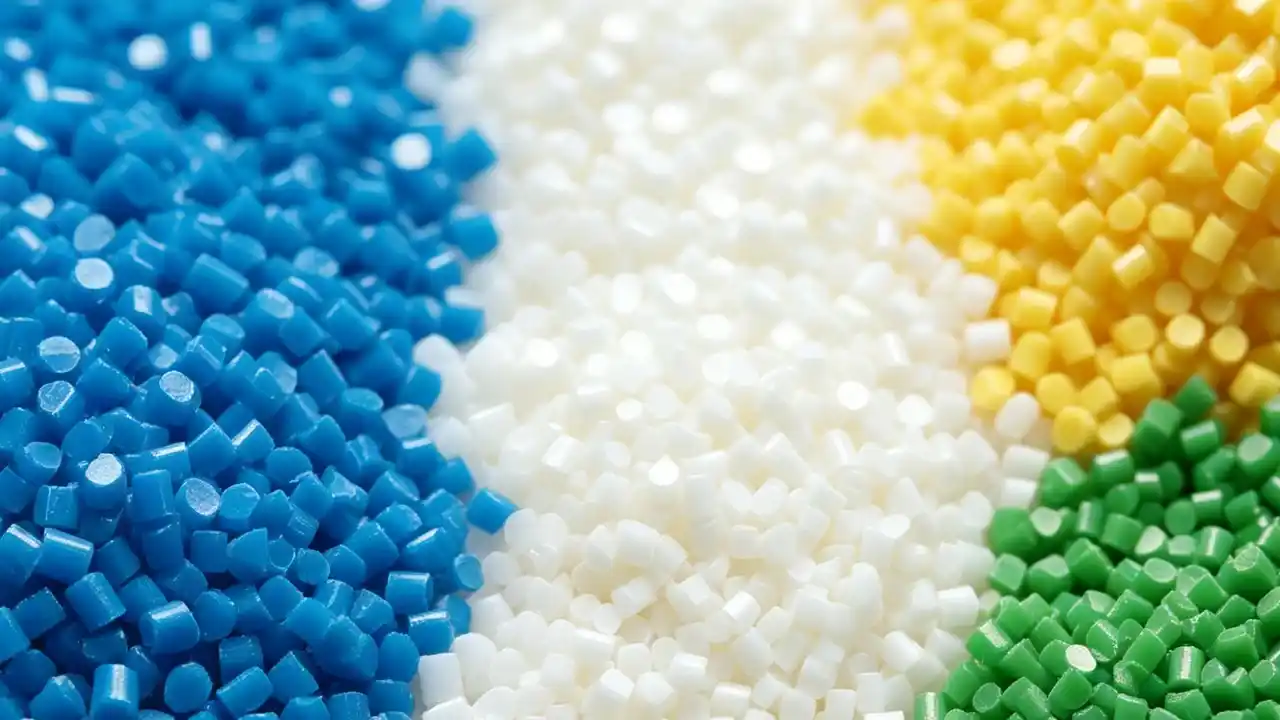
Der umfassende Leitfaden zum TPR-Kunststoffspritzguss: Eigenschaften, Vergleiche und industrielle Anwendungen
TPR-Kunststoff hat sich seit Jahrzehnten in ausgereiften Anwendungen in Branchen wie der Automobilindustrie, der Unterhaltungselektronik und der Medizintechnik bewährt. Bei der Materialauswahl stehen Ingenieure jedoch oft vor denselben Dilemmata: Worin genau besteht der Unterschied zwischen TPR und...
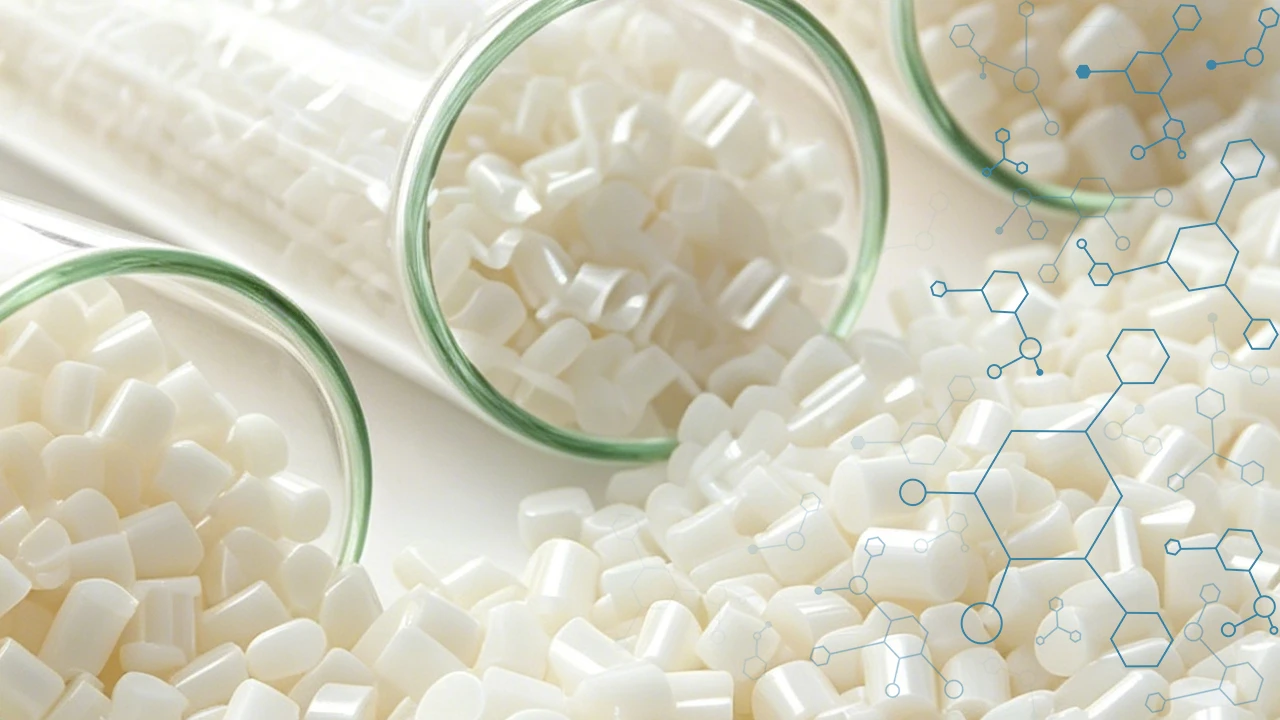
Der umfassende Leitfaden zum PFA-Kunststoffspritzguss: Eigenschaften, chemische Verträglichkeit und industrielle Anwendungen
Sie sind sich nicht sicher, ob PFA-Kunststoff für Ihr Projekt geeignet ist? Sie wissen nicht, welche PFA-Kunststoffsorte Sie verwenden sollen? Sie haben Schwierigkeiten, einen Hersteller mit nachweislicher Erfahrung im PFA-Spritzguss zu finden? Sie fragen sich, wie sich PFA-Kunststoff im Vergleich zu PVDF oder PTFE für Ihr ….
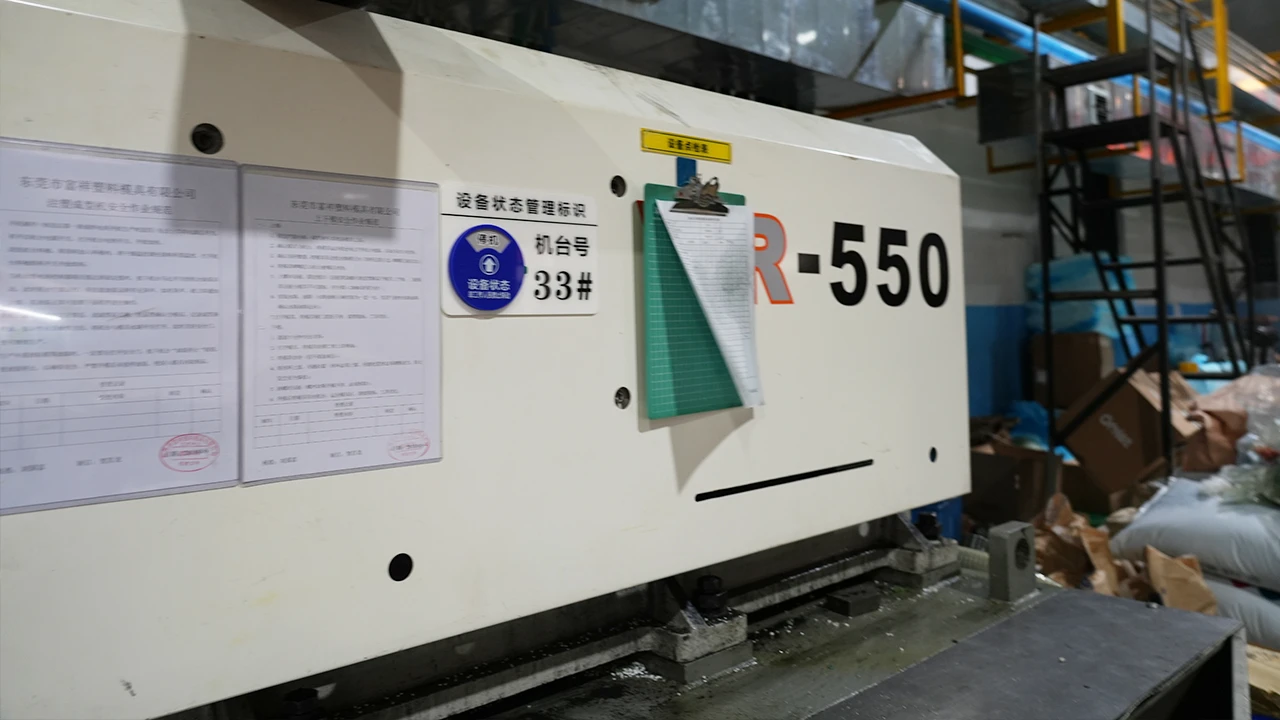
ETFE-Kunststoff: Ein umfassender Leitfaden zu Technik und Spritzguss – von den Materialeigenschaften bis hin zu praktischen Anwendungen
Sind Sie auf der Suche nach einem Kunststoff, der aggressiven Chemikalien standhält, extreme Temperaturen von -200 °C bis +150 °C übersteht und im Außenbereich jahrzehntelang hält – und sich dennoch im Spritzgussverfahren zu komplexen, präzisen Geometrien verarbeiten lässt, ohne dass auf spezielle Fertigungsverfahren zurückgegriffen werden muss? ETFE...