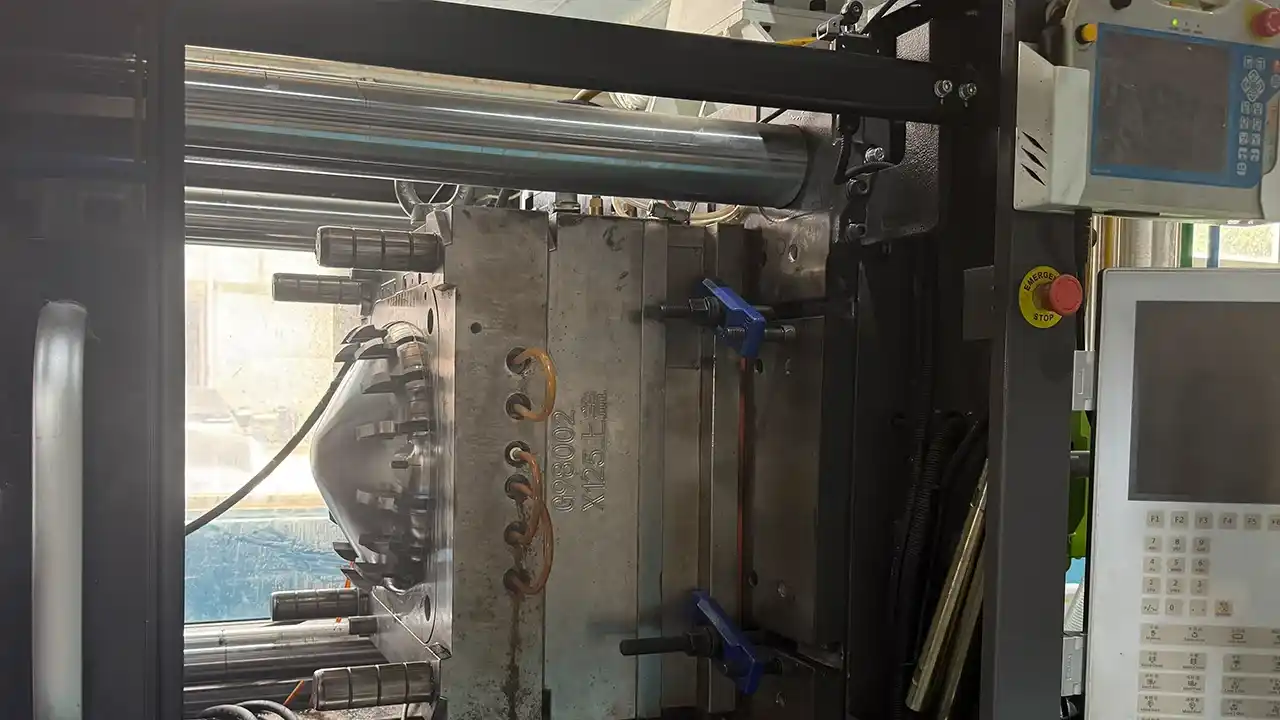

TPR plastic has a proven track record of mature applications spanning decades in industries such as automotive, consumer electronics, and medical devices. However, engineers often face the same dilemmas when selecting materials: What exactly is the difference between TPR and TPE? In what scenarios is TPR plastic more suitable than silicone? What are the key process considerations for TPR plastic injection molding?
Dimud’s engineering team has many years of experience in processing high-performance materials for precision injection molding. This article systematically outlines the complete knowledge framework for TPR plastic from three perspectives—materials science, practical processing, and material selection—to help engineers and procurement teams make informed material decisions.
What is TPR Plastic?
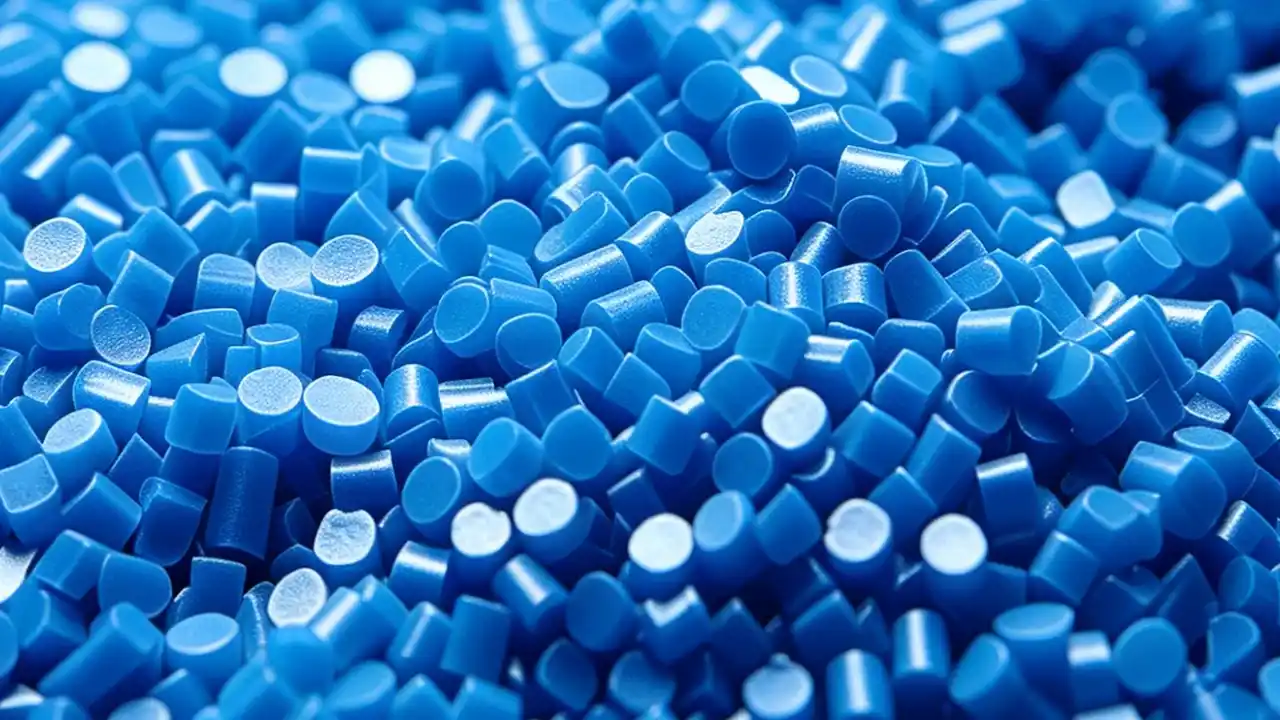
TPR plastic stands for Thermoplastic Rubber and is an important subcategory of thermoplastic elastomers (TPE). From a chemical perspective, TPR plastic is typically a blend of styrene-based block copolymers (particularly SBS, or styrene-butadiene-styrene triblock copolymer) and polyolefins such as polypropylene (PP) or polyethylene (PE).
The molecular structure of TPR plastic features a typical “A-B-A” block structure: the styrene (S) hard blocks at both ends impart elastic memory and physical strength similar to vulcanized rubber at room temperature, while the butadiene (B) soft block in the middle provides flexibility and elastic deformation capacity. When the temperature rises above the softening point, the hard styrene segments break down, and the material melts into a flowable melt that can be molded using standard thermoplastic processes such as injection molding and extrusion; upon cooling, the hard segments reform, and the molded part regains its elastic properties. This reversible physical cross-linking mechanism is the most fundamental material characteristic of TPR plastic and is what fundamentally distinguishes it from traditional vulcanized rubber (which undergoes chemical cross-linking and is irreversible).
The relationship between TPR plastic and TPE often confuses engineers: TPE is a broad category encompassing various thermoplastic elastomers (including SBS-based TPR, SEBS-based TPE, TPU, TPV, etc.), whereas TPR plastic typically refers specifically to SBS-based thermoplastic rubber and its blends. In industrial practice, the two terms are sometimes used interchangeably, but strictly speaking, TPR plastic is a specific member of the broader TPE family.
As a professional injection molding manufacturer, Dimud provides customers with end-to-end services ranging from material selection to mass production. If you are evaluating whether TPR plastic is suitable for your project, please visit the Dimud website to contact our engineering team for expert advice.
Basic Properties of TPR Plastic
A comprehensive understanding of TPR properties is the foundation for selecting the right material. The following is a systematic summary of the core technical parameters of TPR plastic from multiple perspectives:
Mechanical and Physical Properties
| Performance indicators | Typical value range |
|---|---|
| Shore A hardness | 20A–90A (adjustable via formulation) |
| Tensile strength | 5–25 MPa |
| Elongation at break | 300%–700% |
| Tear strength | 15–60 kN/m |
| Compression set (23°C) | 20%–40% |
| Density | 0.87–1.10 g/cm³ |
TPR plastic has an extremely wide range of hardness (20A–90A), which can be flexibly customized by adjusting the SBS/PP ratio and the amount of plasticizer. This is one of its most valuable engineering properties—the same material system can range from extremely soft (with a gel-like feel) to semi-rigid (similar to hard rubber), covering a wide range of applications.
Thermal Properties
| Performance Metrics | Typical values |
|---|---|
| Continuous operating temperature | –40°C to +100°C |
| Short-term peak heat resistance | 120°C |
| Injection molding processing temperature | 180°C–220°C |
| Vicat softening point | 75–110°C |
The upper heat resistance limit of TPR plastic (100°C continuously, 120°C for short periods) is its most notable performance gap compared to silicone (230°C continuously), and this should be carefully evaluated in high-temperature applications. Its low-temperature performance, however, is quite excellent; it retains good flexibility at -40°C without becoming brittle, which is a significant advantage in automotive seals and outdoor consumer products.
Chemical Resistance
TPR plastic has good resistance to the following media:
- Dilute acids (hydrochloric acid, dilute sulfuric acid) and dilute bases
- Water (including hot water) and water vapor (<100°C)
- Alcoholic solvents (ethanol, isopropanol)
- Most polar organic compounds (glycerol, ethylene glycol)
Situations Requiring Caution:
- Nonpolar organic solvents (such as benzene, toluene, and hexane): The styrene-butadiene structure of SBS-based TPR plastic is sensitive to swelling in nonpolar solvents, which may cause the material to soften and fail; if chemical resistance is a key requirement, SEBS-based TPE or TPU should be prioritized
- Concentrated acids and strong oxidizing agents: High-concentration nitric acid and high-concentration sodium hypochlorite solutions can corrode TPR plastic and are therefore not suitable.
Electrical Performance
| Performance Metrics | Typical values |
|---|---|
| Volume resistivity | 10¹³–10¹⁵ Ω·cm |
| Dielectric Strength | 15–25 kV/mm |
TPR plastic has good electrical insulation properties, making it suitable for applications with moderate electrical performance requirements, such as consumer electronics housings and cable jackets.
Other Key Performance Characteristics
- Coefficient of friction: 0.5–0.8 (static); offers excellent surface grip, which is a key advantage for soft grips and anti-slip applications
- Abrasion resistance: Superior to traditional PVC, with an abrasion volume of approximately 120–200 mm³ (based on the Taber abrasion test)
- Rebound rate: Compression rebound rate >80%, with good elastic memory
- Colorability: Excellent; can be formulated in any color, with a vibrant and uniform surface color
Chemical Composition and Molecular Structure of TPR Plastic
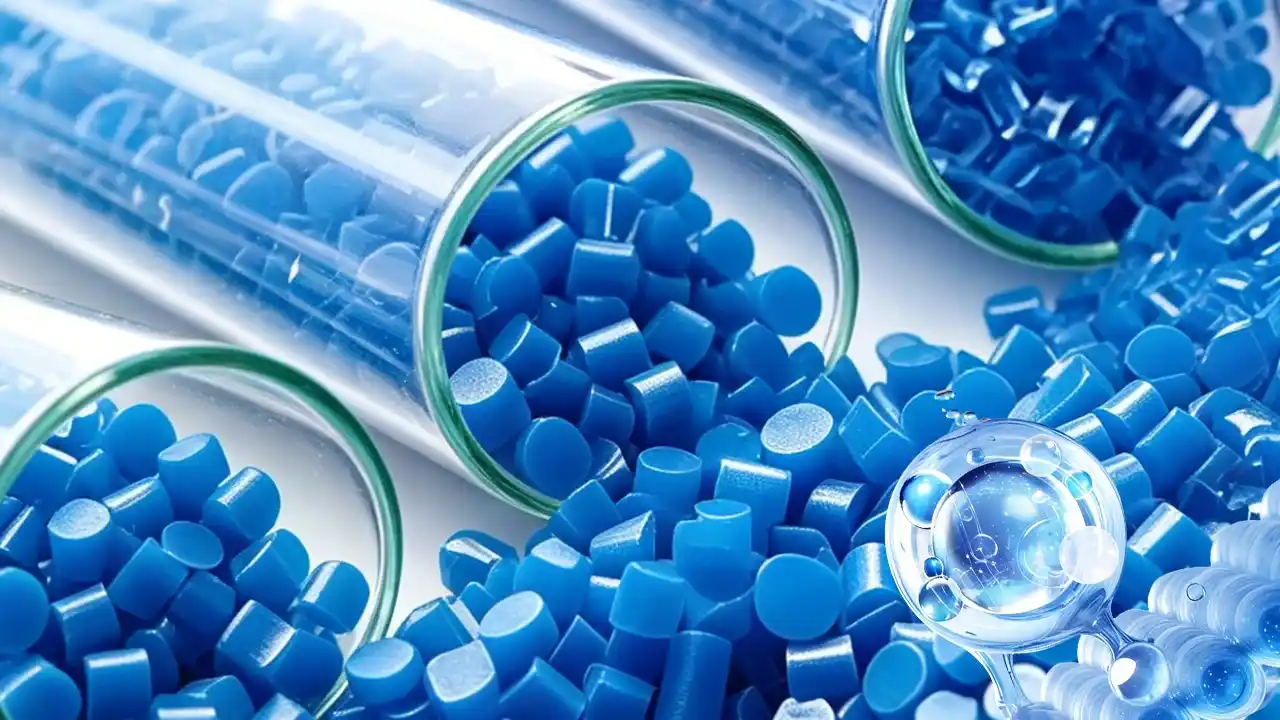
A deeper understanding of the chemical composition of TPR plastic helps engineers identify the root causes of performance differences when selecting materials:
Major Chemical Systems
SBS-based TPR (Styrene-Butadiene-Styrene): The most classic TPR system, characterized by low cost, good processing flow, and a wide range of adjustable hardness. The main drawback is that the butadiene double bonds (C=C) in SBS are sensitive to ultraviolet (UV) oxidation; prolonged outdoor exposure can lead to yellowing and a decline in mechanical properties. It is suitable for cost-sensitive, non-outdoor consumer product applications.
SEBS-based TPR/TPE (styrene-ethylene-butylene-styrene): By hydrogenating the mid-block of SBS to eliminate unsaturated double bonds, this material significantly improves UV resistance, heat aging resistance, and chemical resistance. SEBS-based materials cost approximately 30%–60% more than SBS, but are suitable for outdoor, medical, and applications requiring chemical resistance. Strictly speaking, SEBS-based materials are typically classified as “high-performance TPEs” rather than “standard TPRs.”
SEBS/PP alloy TPR plastic: Blending SEBS with polypropylene (PP) further enhances rigidity, heat resistance, and processing flowability. It is the mainstream choice for automotive interior components and heat-resistant consumer goods, with Shore A hardness typically ranging from 60A to 80A.
Formulation Components
Standard TPR plastic formulations typically include the following components:
- Block copolymer matrix (SBS/SEBS): 35%–65%, determines basic elastic properties
- Polyolefins (PP/PE): 10%–30%, enhance rigidity and thermal stability
- Plasticizers (mineral oil/paraffin oil): 15%–35%, to adjust hardness and low-temperature performance
- Fillers (calcium carbonate, talc): 0%–20%, to reduce costs and adjust density and shrinkage
- Stabilizers and antioxidants: 0.5%–2%, to prevent thermal-oxidative degradation during processing and use
- Colorants: added as needed
Formulation flexibility is one of the most important engineering characteristics of TPR plastic—by adjusting the proportions of each component, hardness, flexibility, chemical resistance, and processing flow can be customized over a fairly wide range. This also means that TPR plastics from different suppliers may exhibit significant performance variations even under the “same grade”; therefore, when purchasing, it is essential to explicitly require suppliers to provide complete technical data sheets (TDS) and batch test reports (CoA).
Advantages and Limitations of TPR Plastic
TPR Benefits: Key Advantages
① Combines the elasticity of rubber with the processing convenience of thermoplastics. The core value of TPR plastic lies in its ability to be mass-produced on standard injection molding equipment without vulcanization. Injection molding cycles typically range from 20 to 60 seconds (depending on part complexity), which is significantly shorter than the vulcanization cycles of traditional rubber (typically 3–10 minutes), thereby significantly improving production efficiency and reducing the unit manufacturing cost.
② Hardness is highly adjustable, offering great design flexibility. The wide hardness range of Shore A 20–90 means TPR plastic can cover applications ranging from extremely soft tactile gaskets to semi-rigid structural components. Design engineers can flexibly select formulations to meet different tactile and functional requirements without having to switch to entirely different material systems.
③ Excellent surface grip and anti-slip performance. A high coefficient of friction (0.5–0.8) and excellent surface texture make TPR plastic the natural choice for soft tool grips, sports equipment handles, infant and toddler products, and soft buttons on electronic devices. Compared to rigid plastics, the soft contact surface of TPR plastic offers irreplaceable comfort advantages in ergonomic design.
④ Outstanding Fatigue Resistance and Elastic Memory: Even after millions of bending and compression cycles, TPR plastic maintains a high level of elastic recovery, with a fatigue life far superior to that of traditional PVC. The longevity advantages of TPR plastic are particularly evident in seals, hinged structural components, and vibration-damping elements that require repeated deformation.
⑤ Good adhesion compatibility, supporting two-shot molding and overmolding. TPR plastic exhibits excellent melt adhesion to various thermoplastic substrates (PP, ABS, PC, PA, etc.), making it an ideal soft-section material for two-shot molding and overmolding. Composite parts combining soft and hard materials can be produced in a single injection molding process without the need for subsequent bonding or assembly, and are widely used in power tools, consumer electronics, and automotive interior components.
⑥ 100% Recyclable; Production Waste Can Be Directly Reused Unlike traditional vulcanized rubber (chemically cross-linked, with non-recyclable waste), the physical cross-linking structure of TPR plastic is reversible at high temperatures. Injection molding sprue material and scrap parts can be completely remelted and reprocessed, achieving a material utilization rate close to 100%, which offers significant sustainability advantages under increasingly stringent green manufacturing requirements.
⑦ Low VOC emissions and strong compliance. Volatile organic compound (VOC) emissions during the processing of high-quality TPR plastic are typically below 10 ppm—far lower than those of PVC (>50 ppm) and traditional vulcanized rubber. It meets major compliance standards such as RoHS, REACH, and FDA, making it suitable for food contact, toys, and medical device applications.
Limitations of TPR Plastic
① Limited heat resistance; unsuitable for sustained high-temperature environments The upper limit of TPR plastic’s continuous operating temperature (approximately 100°C) is its most notable shortcoming. In applications such as engine compartment seals (operating temperature >150°C) and high-temperature sterilization (steam >121°C), TPR plastic may undergo permanent deformation or even melt; in such cases, silicone rubber, FKM fluorocarbon rubber, or TPV (thermoplastic vulcanizate) should be used instead.
② SBS-based TPR plastic lacks weather resistance. TPR plastic based on a basic SBS formulation contains unsaturated double bonds, making it sensitive to UV radiation and ozone. Prolonged outdoor use can lead to yellowing, cracking, and a loss of elasticity. For outdoor applications, SEBS-based formulations or formulations incorporating UV stabilizers should be selected, although this will result in higher initial costs.
③ Poor resistance to nonpolar solvents. As mentioned earlier, SBS-based TPR plastic is prone to swelling in nonpolar solvents such as benzene, toluene, and cyclohexane, making it unsuitable for applications involving prolonged contact with such chemicals. For applications requiring higher chemical resistance, SEBS or TPU are more suitable options.
④ Weak dimensional stability at high temperatures: Due to the low glass transition temperature (Tg) of TPR plastic, the dimensional stability and rigidity of parts decrease significantly when operating temperatures approach the upper limit. For parts requiring precise dimensional tolerances, the effects of thermal expansion must be fully considered during the design phase.
⑤ High compression set The permanent deformation rate of TPR plastic under long-term compressive loads (20%–40%) is higher than that of silicone rubber (5%–15%) and fluorocarbon rubber. For static seals that require long-term sealing force retention, compensation should be provided through “compression over design” during the design phase, or an assessment should be made to determine whether silicone rubber should be used instead.
TPR vs. TPE / TPR vs. PVC / TPR vs. Silicone
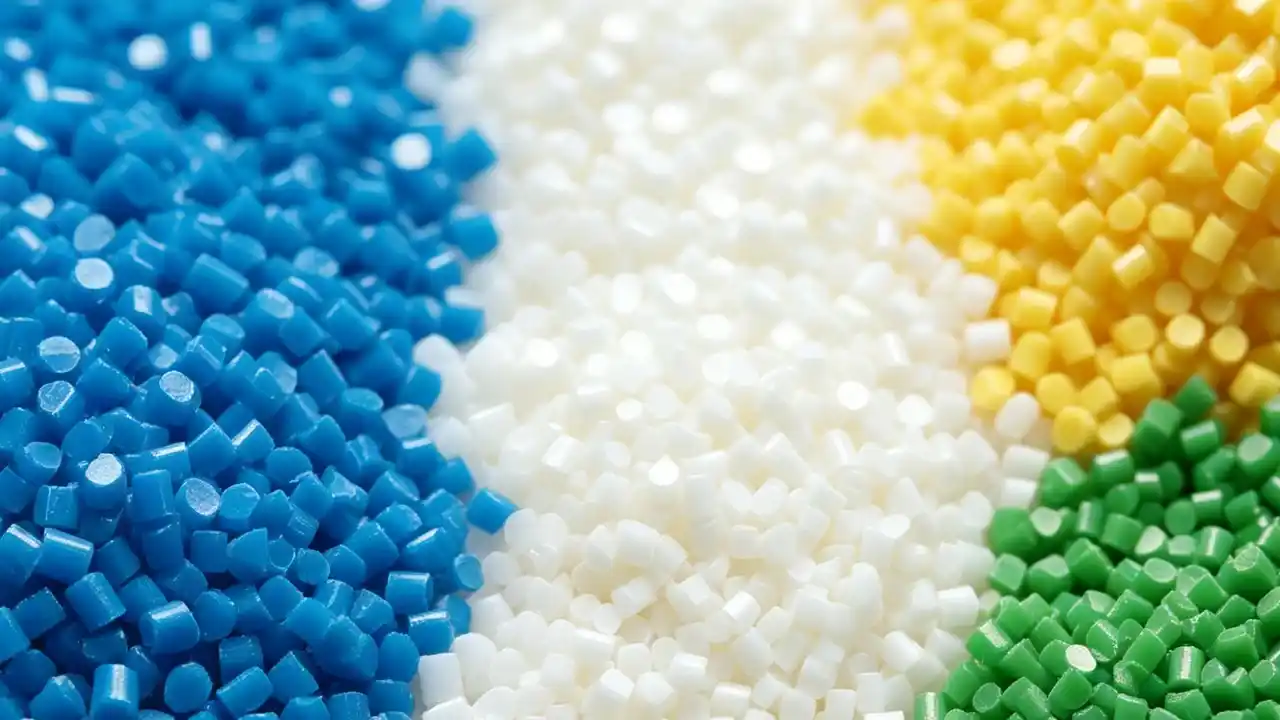
A proper understanding of the differences between TPR plastic and other elastomer materials is key to avoiding selection errors:
TPR vs. TPE
This is the concept that engineers find most confusing. Essentially, TPR is a subset of TPE; they are not two distinct materials:
| Comparison dimensions | TPR Plastic | TPE |
|---|---|---|
| Chemical system | Based primarily on SBS/SEBS + polyolefins | Covers various systems such as SBS, SEBS, TPU, TPV, and TPEE. |
| Typical hardness range | Shore A 20–90A | Shore A 10A – Shore D 70D |
| Heat resistance | General (≤120°C) | Depending on the system, TPV can reach 150°C, while TPEE can reach even higher temperatures. |
| Solvent resistance | SBS-based materials are relatively weak, whereas SEBS-based materials perform better. | TPU offers excellent oil resistance; TPV is resistant to hot oil. |
| cost | Low-to-medium | Depending on the system, TPU/TPEE costs are significantly higher |
Practical Selection Recommendations: In most injection molding projects, the question of “TPR or TPE” essentially boils down to choosing between SBS/SEBS-based soft elastomers and high-performance elastomers with more specialized functions, such as TPU or TPV. For projects with limited budgets that do not involve extreme operating conditions, SBS-based TPR plastic offers the best overall value for money; For applications requiring oil resistance, heat resistance, or high strength, you should upgrade to higher-performance TPE systems (such as TPU or TPV).
TPR vs. PVC
| Comparison dimensions | TPR Plastic | Flexible PVC |
|---|---|---|
| Environmental Compliance | Halogen-free, compliant with RoHS/REACH | Contains chlorine; combustion produces toxic chlorides |
| Plasticizer | No phthalate plasticizers required | Soft PVC relies on plasticizers such as DEHP |
| Low-Temperature Resistance | Excellent (remains flexible even at -40°C) | It becomes hard and brittle at low temperatures, and this effect is even more pronounced after plasticizer migration |
| Recyclability | 100% Recyclable by Melting | Recycling is difficult, and the cost of disposing of chlorine-containing waste is high |
| Processing Temperature | 180–220°C | 160–200°C |
| Raw Material Costs | Slightly higher than PVC | Lowest, suitable for highly price-sensitive scenarios |
| Tactile sensation | Rubber-like; soft and elastic | Adjustable, but the resilience is not as good as TPR |
Key Conclusion: Under the increasingly stringent EU regulations on hazardous substances—such as REACH and RoHS—phthalate plasticizers in soft PVC have been subject to significant restrictions, prompting many manufacturers to proactively replace PVC components with TPR plastic. TPR plastic’s compliance advantages in applications involving skin contact, food contact, toys, and medical devices are becoming increasingly prominent, and it has emerged as one of the most widely used alternatives to PVC.
TPR vs. Silicone
| Comparison dimensions | TPR Plastic | Silicone rubber(Silicone) |
|---|---|---|
| Heat resistance temperature | ≤120°C | ≤230°C |
| Processing method | Injection molding/extrusion (no vulcanization required) | Liquid Injection Molding (LSR) or compression molding requires vulcanization |
| Production cycle | Short (20–60 seconds/item) | Longer (LSR: 30–120 seconds, plus vulcanization time) |
| Compression set | 20%–40% | 5%–15% |
| Raw material costs | Low–Medium | Medium–High (LSR material is approximately 2–5 times that of TPR plastic) |
| Recyclability | 100% Recyclable | Cannot be recycled by melting (thermosetting) |
| Biocompatibility | Good (FDA/USP Class VI Certified) | Best (implant-grade silicone rubber) |
| Transparency | Translucent to opaque | High Transparency (LSR) |
| Electrical Insulation | Good | Excellent |
Key Conclusion: TPR plastic offers comprehensive advantages in terms of cost, processing efficiency, and recyclability, making it suitable for high-volume, cost-sensitive applications under non-extreme operating conditions. Silicone rubber offers higher performance limits in high-temperature resistance, long-life sealing, implant-grade medical applications, and food-contact applications, but it also comes with higher initial costs and greater processing complexity. The two materials are not in competition but are complementary—during product development, a clear choice should be made based on target operating temperatures, compliance requirements, and economies of scale, rather than simply comparing material prices.
The Manufacturing Process for TPR Plastic
TPR plastic supports a variety of thermoplastic molding processes, primarily including:
Injection Molding: The most common processing method for TPR plastic, suitable for the mass production of parts with complex shapes and precise dimensions. TPR has good melt flow and strong mold-filling capabilities, allowing for the molding of thin-walled parts and structures with intricate details. Overmolding: An important application of TPR injection molding, this process involves injecting TPR plastic onto rigid substrates such as PP or ABS to form composite parts that combine soft and hard materials. No adhesives are required, and the bond strength is reliable.
Extrusion: Used for products with regular shapes, such as continuous profiles, pipes, sealing strips, and cable sheaths. TPR plastic extrusion offers high dimensional accuracy (on the order of ±0.1 mm) and fast production speeds, making it the most cost-effective production method for high-volume parts with simple cross-sections.
Blow Molding: Used to produce hollow products, such as squeeze bottles and tubes, and has certain applications in the medical and consumer goods packaging sectors.
Two-Shot / 2K Molding: In a single mold, a rigid base material (such as PP) is first injection-molded, followed by the TPR plastic soft segment, completing the molding of a composite product in a single process. Compared to overmolding, two-shot molding is more efficient but involves higher mold costs; it is suitable for ultra-high-volume production.
Calendering: TPR plastic is pressed between rollers into sheets or films of a specific thickness. Used in applications such as footwear materials and waterproof membranes, it is the mainstream process in the footwear and leather alternatives industries.
TPR Injection Molding: Key Points of the Injection Molding Process
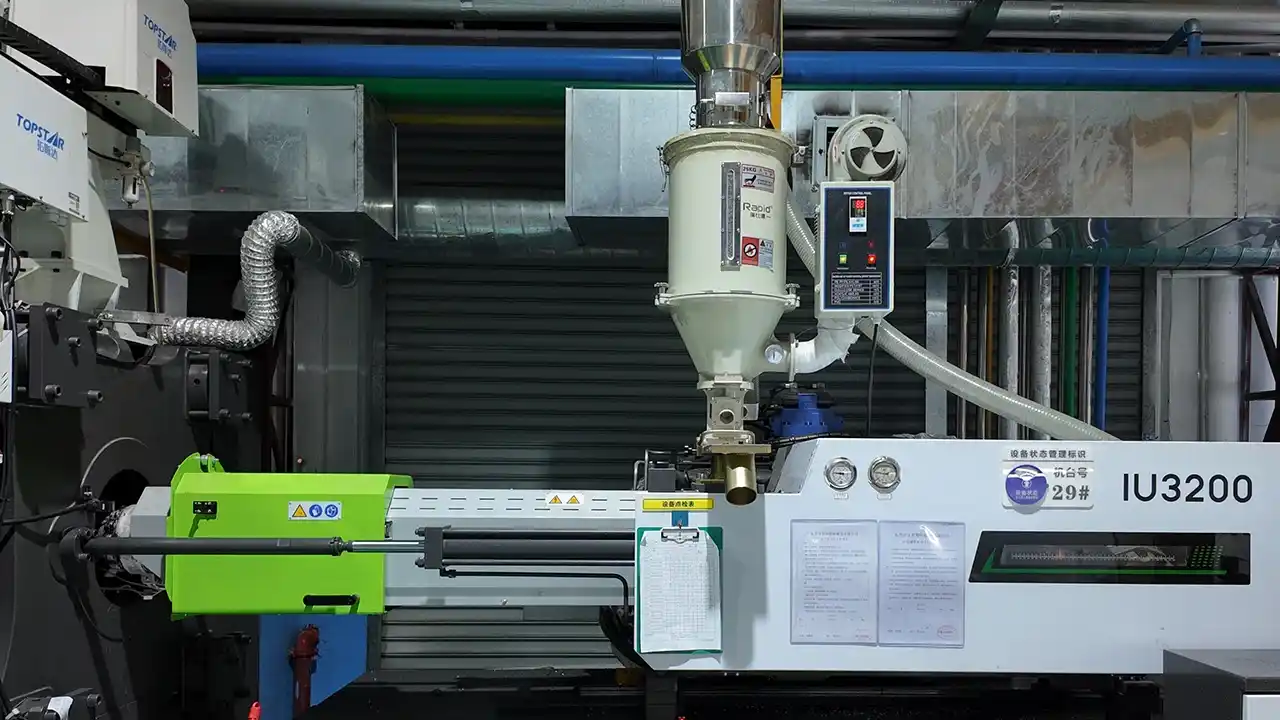
TPR injection molding involves several specific process considerations compared to rigid engineering plastics. Below is a summary of practical experience from the Dimud engineering team:
Material Pretreatment
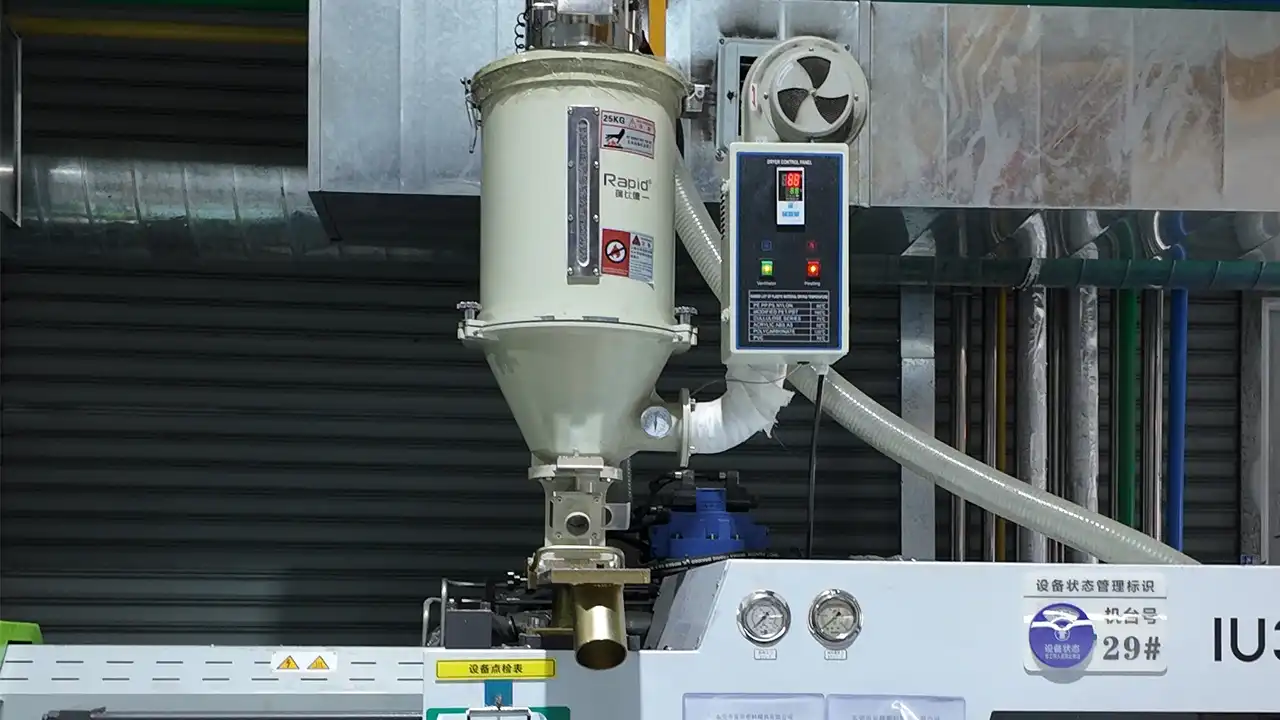
TPR plastic typically has a low moisture absorption rate (approximately 0.02%–0.10%, depending on the formulation), but TPR formulations containing white oil or plasticizers may exhibit surface migration (“oil bleeding”) if stored improperly. It is recommended to dry the material at 60–80°C for 2–4 hours prior to injection molding; this is particularly important for formulations containing polar fillers such as calcium carbonate.
Barrel Temperature Settings
The processing temperatures for TPR plastic are significantly lower than those for most engineering plastics:
| area | Recommended temperature range |
|---|---|
| Feed section | 150–170°C |
| Compression section | 170–190°C |
| Homogenization section | 185–210°C |
| Nozzle temperature | 180–205°C |
Note: TPR plastic is sensitive to overheating. If the barrel temperature exceeds 230°C, the SBS-based material may begin to degrade, resulting in yellowing of the finished parts and a stronger odor. When the machine is idle for more than 10 minutes, lower the barrel temperature to below 150°C to avoid prolonged exposure to high temperatures.
Mold Temperature and Cooling
The recommended mold temperature is 20–50°C (lower than for rigid plastics). TPR plastic has low thermal conductivity, so parts with thicker walls require sufficient cooling time to ensure dimensional stability during demolding; insufficient cooling time can cause the part to continue shrinking and deforming after demolding. The recommended cooling time is wall thickness (mm) × 3–5 seconds as an initial reference, and should be adjusted based on the actual part temperature.
Injection Speed and Pressure
TPR plastic has low melt viscosity and good flowability, making it relatively tolerant of injection speed variations. However, excessively high injection speeds may cause jetting at the gate and result in flow marks on the part surface. A moderate injection speed is recommended, with holding pressure typically set at 40%–60% of the injection pressure for 2–5 seconds.
Shrinkage Rate
The linear shrinkage rate of TPR plastic is approximately 1.5%–3.0%, which is higher than that of most rigid engineering plastics and is significantly influenced by hardness (formulation)—softer TPR plastic (lower Shore A) exhibits a higher shrinkage rate. For parts with dimensional accuracy requirements, it is recommended to verify the actual shrinkage rate through trial molding during the DFM stage before determining the mold dimensional compensation.
Considerations for Overmolding
During TPR overmolding, the bond strength between the substrate (PP, ABS, etc.) and the TPR depends on:
- Material compatibility (PP is naturally compatible with SBS-based TPR; ABS and TPR require specific formulation matching)
- Substrate surface temperature (the temperature of the substrate before the second shot directly affects the quality of interfacial fusion)
- Gate location and injection parameters (sufficient heat and pressure must be ensured at the interface for the TPR melt to form a good bond)
It is recommended to confirm the adhesion test data for the TPR formulation and the target substrate with the supplier during the material procurement phase.
Key Points in TPR Plastic Mold Design
As an elastomeric material, TPR plastic presents several key differences from rigid plastics in mold design:
Wall Thickness Design: The recommended wall thickness for TPR plastic elastic parts is 1.5–4.0 mm. Wall thickness that is too thin (<1.0 mm) can result in insufficient elasticity and make filling difficult; wall thickness that is too thick (>5 mm) will significantly increase cooling time and cause sink marks. For functional structures such as sealing lips and elastic cantilevers, special attention must be paid to the relationship between strain and wall thickness to avoid stress concentration in functional areas.
Draft Angle: TPR plastic elastic parts can be aided in demolding by elastic deformation; for simple shapes, a smaller draft angle of 0.5°–1° is acceptable. However, for surfaces with textured patterns, the draft angle must be increased to the texture depth divided by 10 (i.e., approximately 1° of draft for every 0.1 mm of texture depth); otherwise, the textured pattern will be scratched during demolding.
Parting Line and Venting: TPR plastic has low melt viscosity and requires high sealing precision at the parting line—excessive gaps (>0.03 mm) can easily cause flash. The recommended vent groove depth is 0.01–0.015 mm, which is shallower than for rigid plastics, to prevent the low-viscosity TPR plastic melt from being forced into the vent grooves and causing blockages.
Overmolding Mold Design: Overmolding molds require precise positioning of the substrate to prevent the first-shot part from shifting during mold closure and injection. The clearance of the substrate locating pins must be controlled within 0.02–0.05 mm; excessive clearance will cause TPR plastic to seep into the substrate’s locating holes, affecting appearance and dimensions.
Why Choose TPR Plastic for Injection Molding?
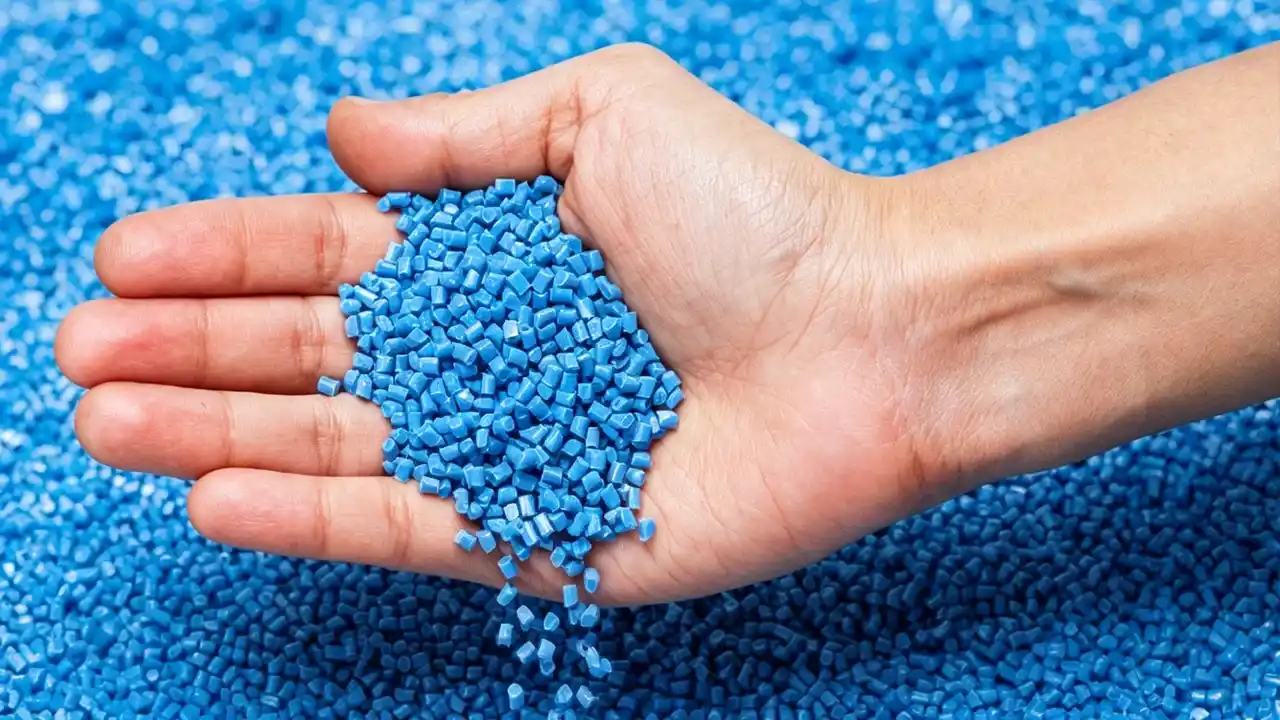
TPR plastic is the optimal choice for injection molding in the following scenarios:
① Soft-touch feel + mass injection molding production: In any application requiring a rubber-like texture, a non-slip grip, or a soft-touch user interface on plastic products, TPR injection molding can achieve these goals with the lowest process costs and highest production efficiency—no vulcanization or bonding required, moving directly from pellets to finished parts.
② Seeking a PVC Alternative to Improve Compliance: Under compliance frameworks such as the EU’s REACH, Toy Safety (EN 71), and RoHS, restrictions on plasticizers in soft PVC are becoming increasingly stringent. TPR plastic is halogen-free and phthalate-free, making it the most direct alternative for meeting these compliance requirements while maintaining the functionality of flexible parts.
③ Overmolding of Products Combining Hard and Soft Components Soft grips for power tools, toothbrush handles, handles for medical assistive devices, and shock-resistant protective cases for electronic products—for all these products requiring a “hard shell + soft core” structure, dual-material overmolding solutions combining TPR plastic with PP or ABS are the industry-standard manufacturing approach.
④ Applications Requiring Shock Absorption and Cushioning: TPR plastic’s elastic deformation and energy absorption capabilities make it the material of choice for shock-absorbing and cushioning components such as shock-absorbing pads, anti-vibration bushings, and cushioning footpads. Its overall performance surpasses that of PVC foam, while its cost is lower than that of silicone rubber.
⑤ Flexible Seals for Low-Temperature Applications: Within the operating temperature range of -40°C to +80°C, TPR plastic seals exhibit superior elastic consistency compared to PVC (which hardens significantly at low temperatures) and some TPUs, making them a cost-effective choice for outdoor equipment, cold-chain logistics, and automotive seals.
⑥ High-volume, cost-sensitive consumer goods projects: Compared to silicone rubber, TPR plastic typically has a raw material cost that is 50%–80% lower. It features short injection molding cycles, compatibility with standard injection molding equipment, and relatively simple mold designs, making its overall manufacturing cost highly competitive for high-volume consumer goods.
To learn more about Dimud’s TPR injection molding capabilities and the full range of supported materials, please visit our Comprehensive Guide to Injection Molding Materials, or contact our engineering team directly to discuss your project requirements.
Applications of TPR Plastic in Major Industries
The unique properties of TPR plastic make it ideal for high-value applications across several core industries served by Dimud:
Automotive Industry
TPR plastic is one of the most widely used elastomer materials in the automotive sector, with a wide range of applications:
Sealing Strips and Weatherstripping: Sealing strips for doors, windows, sunroofs, and trunk lids must maintain their elastic sealing properties over the long term while offering comprehensive resistance to UV aging, low temperatures, and rain. SEBS-based TPR plastic sealing strips, with their superior weather resistance and low compression set, have become a leading choice and are gradually replacing traditional EPDM rubber in certain low-demand sealing applications.
Soft Interior Contact Parts: Soft steering wheel covers, leather-feel gearshift knobs, and soft-touch dashboard trim—for interior components requiring “soft-touch feel + durability + precise molding,” TPR injection molding’s two-color or overmolding processes enable automated mass production, offering far greater efficiency than manual bonding methods.
Functional Trim Parts: Floor mat anti-slip pads, wiring harness sleeves, rubber caps—these small-volume, high-volume auxiliary trim parts represent the most typical mass-production applications for TPR plastic injection molding, with each vehicle typically using tens to hundreds of such small TPR components.
New Energy Vehicle (EV) Applications: As EV penetration increases, new components such as charging port dust covers, soft support pads for battery modules, and cable management clips are opening up new growth opportunities for TPR plastic.
Consumer Electronics Industry
Mobile Phone Cases and Covers: TPR injection-molded phone cases combine drop protection and shock absorption with a non-slip grip and precise dimensional molding, making them one of the highest-volume TPR injection-molded products on the market. A dual-material solution combining TPR and PC (PC frame + TPR corner bumpers) has become the mainstream structural design in the phone case industry.
Headphones and Wearable Devices: Ear wings, ear tips, and charging case seals for TWS earbuds, as well as watch straps and sensor protective covers for smartwatches, are all widely manufactured using TPR plastic injection molding. Their core advantages lie in the comfort they provide when in contact with the skin and their lightweight nature.
Cable and Connector Sleeves: The stress-relief sections (break-resistant designs) of data and charging cable connectors commonly use TPR plastic injection molding; its elasticity helps distribute bending stress, significantly extending the service life of the cables.
Device Buttons and Pads: Remote control buttons, soft-touch surfaces on game controllers, and non-slip keyboard feet—TPR plastic injection-molded parts are virtually ubiquitous in the “human-machine interface” of consumer electronics, serving as the most cost-effective way to enhance the tactile quality of electronic products.
The Current Status of Sustainability and Compliance at TPR Plastic
Environmental Compliance
High-quality TPR plastic typically meets the following major compliance standards:
- RoHS: Free of harmful heavy metals such as lead, mercury, and cadmium
- REACH: Mainstream formulations are free of SVHCs (Substances of Very High Concern), particularly restricted phthalate plasticizers
- FDA 21 CFR: Food-contact-grade TPR plastic formulations meet FDA requirements for food-contact materials
- EN 71 (Toy Safety): Toy-grade TPR plastic formulations meet the heavy metal and migration requirements of the EU Toy Safety Directive
- USP Class VI: Some medical-grade TPR plastic formulations have passed USP Class VI biocompatibility testing
Sustainability Advantages
The thermoplastic nature of TPR plastic provides it with inherent sustainability advantages: injection molding scrap can be 100% remelted and reprocessed; end-of-life products can enter the thermoplastic elastomer recycling system, with some being used for downcycling applications (such as modified asphalt and sports field infill). Compared to PVC (which incurs high disposal costs due to its chlorine content) and traditional vulcanized rubber (whose waste cannot be recycled), TPR plastic offers significant advantages in terms of its environmental impact across the entire life cycle.
Purchasing Recommendations
TPR plastic formulations vary significantly among suppliers. Low-cost, inferior-quality TPR plastic may contain excessive levels of phthalate plasticizers (DEHP, DBP) or heavy-metal heat stabilizers. When used in toys, food contact applications, medical devices, and children’s products, you must explicitly request the following from suppliers:
- Complete TDS (Technical Data Sheet) and CoA (Certificate of Analysis)
- REACH SVHC declaration
- Relevant compliance test reports (RoHS, EN 71, FDA, etc.)
FAQ
High-quality TPR plastic is safe. It is latex-free and contains no phthalate plasticizers (achieving flexibility without the need for external plasticizers), and meets major compliance requirements such as FDA, RoHS, REACH, and EN 71 (toy safety). It is widely used in food contact applications, toys, infant and toddler products, and medical devices. It is important to note that there are low-cost TPR plastic products on the market that use inferior raw materials or contain restricted plasticizers—when purchasing, be sure to request complete compliance test reports from suppliers and choose certified brand-name raw materials.
The main limitations of TPR plastic include: limited heat resistance (continuous operating temperature typically does not exceed 100°C, making it unsuitable for high-temperature sterilization or high-temperature environments such as engine compartments); poor resistance to non-polar solvents (SBS-based formulations are prone to swelling in solvents such as benzene and toluene); relatively high compression set (less suitable than silicone rubber for long-term static sealing applications); SBS-based formulations have poor UV resistance (SEBS-based formulations or the addition of UV stabilizers are required for long-term outdoor use); and dimensional stability is significantly affected by temperature (the rigidity of parts decreases noticeably when operating near the upper limit of the service temperature range).
No. TPR plastic is a thermoplastic elastomer based on SBS or SEBS, with a main chain composed of carbon-carbon (C-C) bonds. It can be processed using standard injection molding equipment, is 100% recyclable, and has a maximum heat resistance of approximately 120°C. Silicone rubber is a thermosetting elastomer with a main chain composed of silicon-oxygen (Si-O) bonds. It requires vulcanization (cross-linking) for molding, typically has a maximum heat resistance of 230°C, and offers superior biocompatibility; however, it cannot be recycled through melting and is more expensive. The two materials have fundamental differences in chemical structure, processing methods, heat resistance, and recyclability, and are not interchangeable.
TPR injection molding is a manufacturing process in which TPR plastic pellets are heated and melted in an injection molding machine, then injected under high pressure through a screw into a closed mold cavity; after cooling and curing, the mold is opened and the part is ejected. Compared to injection molding of rigid engineering plastics, TPR injection molding operates at lower processing temperatures (180–220°C), requires longer cooling times (due to the low thermal conductivity of elastomers), and exhibits higher shrinkage rates (1.5%–3.0%). Overmolding (TPR injection molding onto a rigid substrate) is one of the most common applications of TPR injection molding, allowing for the production of products combining soft and rigid materials in a single molding process, without the need for additional bonding steps.
Yes, thermoplastics are the primary category of materials used in injection molding. As a thermoplastic elastomer, TPR plastic can be processed entirely using standard injection molding equipment—which is precisely its greatest engineering advantage over traditional vulcanized rubber (which can only be processed via compression molding or transfer molding and requires vulcanization time). Once heated to its melting temperature, TPR plastic can be injected into a mold just like any ordinary thermoplastic; it regains its elasticity upon cooling. The entire injection molding cycle is typically completed within 20–60 seconds, resulting in production efficiency far higher than that of thermoset elastomers.
Collaboration with Dimud on a TPR Plastic Injection Molding Project
Dimud is an integrated manufacturer specializing in the development and mass production of high-precision injection molds. With its own mold factory, injection molding plant, and electronics assembly facility, the company offers injection molding capabilities for a full range of materials—from general-purpose TPR plastic to high-performance elastomers (TPU, TPV, SEBS)—and supports both TPR plastic overmolding and two-shot molding processes.
For every TPR plastic injection molding project, we provide:
- DFM (Design for Manufacturability) analysis (wall thickness / draft angle / texturing / gate location evaluation)
- Compatibility evaluation between overmolding substrates and TPR plastic
- Process parameter development and first article inspection (FAI)
- Complete handover from small-batch pilot production to mass production
If you are planning a TPR plastic injection molding project, please feel free to contact us or visit the Dimud Injection Molding Materials Guide to learn about the full range of materials we support.