
Warum Toleranzen darüber entscheiden, ob Ihr Bauteil erfolgreich ist oder nicht
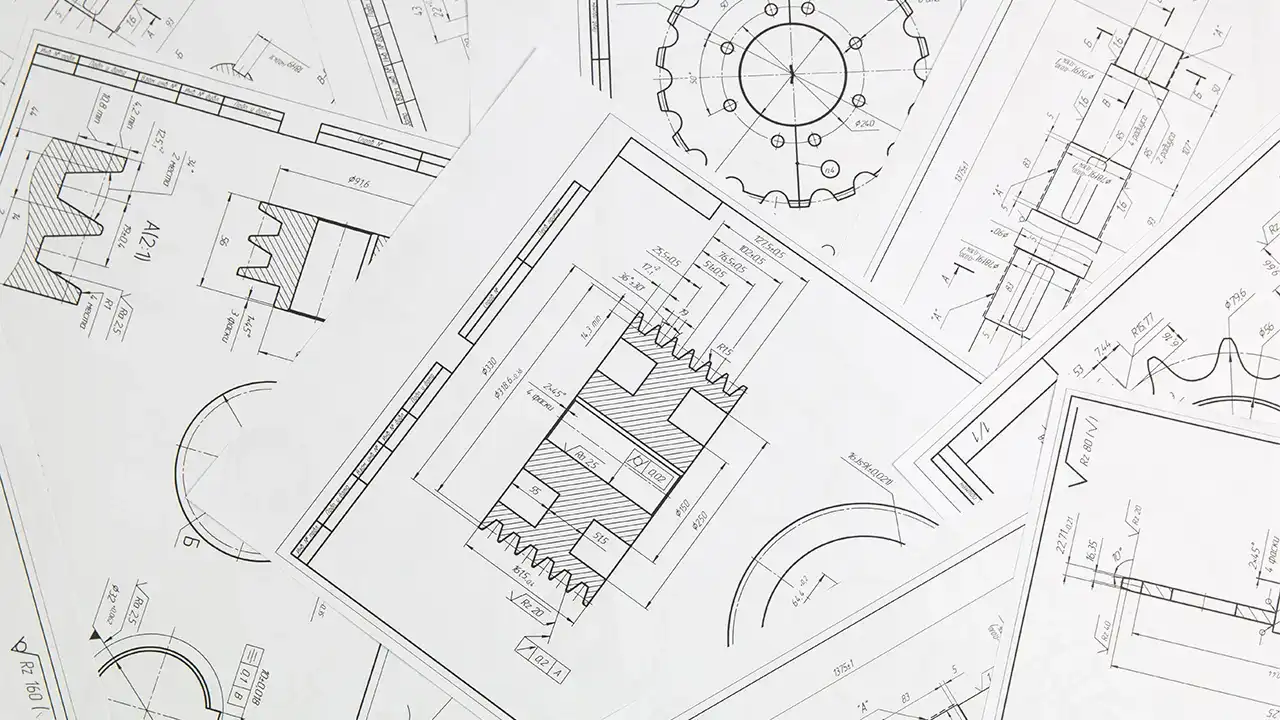
Jedes technische Bauteil existiert auf dem Papier als perfekte Zahl – ein Wellendurchmesser von 12,000 mm, eine Gehäusetiefe von 8,500 mm. In der Realität sind diese perfekten Zahlen jedoch niemals erreichbar. Jedes Schneidwerkzeug biegt sich unter Belastung leicht durch, jedes Werkstück dehnt sich beim Erwärmen geringfügig aus, und jede Vorrichtung bringt ihre eigenen mikroskopischen Positionsabweichungen mit sich. Die Abweichung zwischen dem Idealmaß und dem, was die Maschine tatsächlich produziert, ist unvermeidlich.
Was ein gut konstruiertes Bauteil von einem unterscheidet, das für den Schrott bestimmt ist, ist nicht die Beseitigung dieser Abweichung – sondern deren intelligenter Umgang. Dieser Umgang erfolgt über die Toleranzen bei der CNC-Bearbeitung: die festgelegten Grenzen, innerhalb derer ein Maß liegen muss, damit ein Bauteil als akzeptabel gilt.
Die richtige Wahl der Toleranzen hat direkte Auswirkungen auf den Erfolg der Montage, die Funktionssicherheit, die Produktionskosten und die Durchlaufzeit. Werden die Toleranzen ohne technische Begründung zu eng gewählt, steigen die Kosten, verlangsamt sich der Durchsatz und die Beziehungen zu den Lieferanten geraten unter Druck. Sind sie hingegen zu großzügig bemessen, lassen sich die Teile nicht sauber montieren, verschleißen schneller oder versagen unter Belastung. Dieser Leitfaden erläutert, wie Toleranzen funktionieren, welche Präzision bei verschiedenen Bearbeitungsverfahren erreichbar ist und wie Sie Entscheidungen treffen, die Ihre Konstruktionsanforderungen mit den praktischen Gegebenheiten der Fertigung in Einklang bringen.
Was CNC-Bearbeitungstoleranzen eigentlich bedeuten
Eine Toleranz ist die insgesamt zulässige Abweichung bei einem Maß. Bei einem Nennmaß (Sollmaß) von 25,00 mm und einer Toleranz von ±0,05 mm reicht der zulässige Bereich von 24,95 mm bis 25,05 mm. Jedes gemessene Teilmaß, das innerhalb dieses Bereichs liegt, besteht die Prüfung. Alles, was außerhalb dieses Bereichs liegt, wird aussortiert.
In Toleranzangaben tauchen immer wieder einige Schlüsselbegriffe auf:
- Nennmaß: Die in der Zeichnung angegebene Soll-Zielgröße
- Obergrenze: Der maximal zulässige Messwert
- Untergrenze: Der zulässige Mindestmesswert
- Toleranzband: Die arithmetische Differenz zwischen Ober- und Untergrenze
- Abweichung: Die Differenz zwischen der tatsächlich gemessenen Größe und der Nennmaßangabe
- Datum: Ein Bezugspunkt, eine Linie oder eine Ebene, die als Ausgangspunkt für Messungen dient
In technischen Zeichnungen werden Maßtoleranzen auf drei verschiedene Arten angegeben:
Bilaterale Toleranz — Die Abweichung verteilt sich symmetrisch um den Nennwert: 25,00 ±0,05 mm. Dies ist das gängigste Format und bietet dem Zerspaner auf beiden Seiten des Zielwerts gleich viel Spielraum.
Einseitige Toleranz — Die gesamte zulässige Toleranz liegt auf einer Seite des Nennmaßes. Ein Stift könnte beispielsweise mit 12,00 +0,00 / −0,02 mm angegeben werden, was bedeutet, dass er nur das Nennmaß erreichen oder unterschreiten darf, nicht jedoch darüber liegen darf. Dies ist nützlich, wenn die Presspassung oder das Spiel in einer Richtung konstruktiv entscheidend ist.
Grenzmaße — In der Zeichnung sind nur die Ober- und Untergrenzen direkt angegeben, zum Beispiel 24,95 / 25,05 mm, sodass es dem Zerspaner überlassen bleibt, einen beliebigen Wert innerhalb dieses Bereichs einzuhalten.
Die beiden wichtigsten Toleranzfamilien: Maßtoleranzen und geometrische Toleranzen
Maßtoleranzen
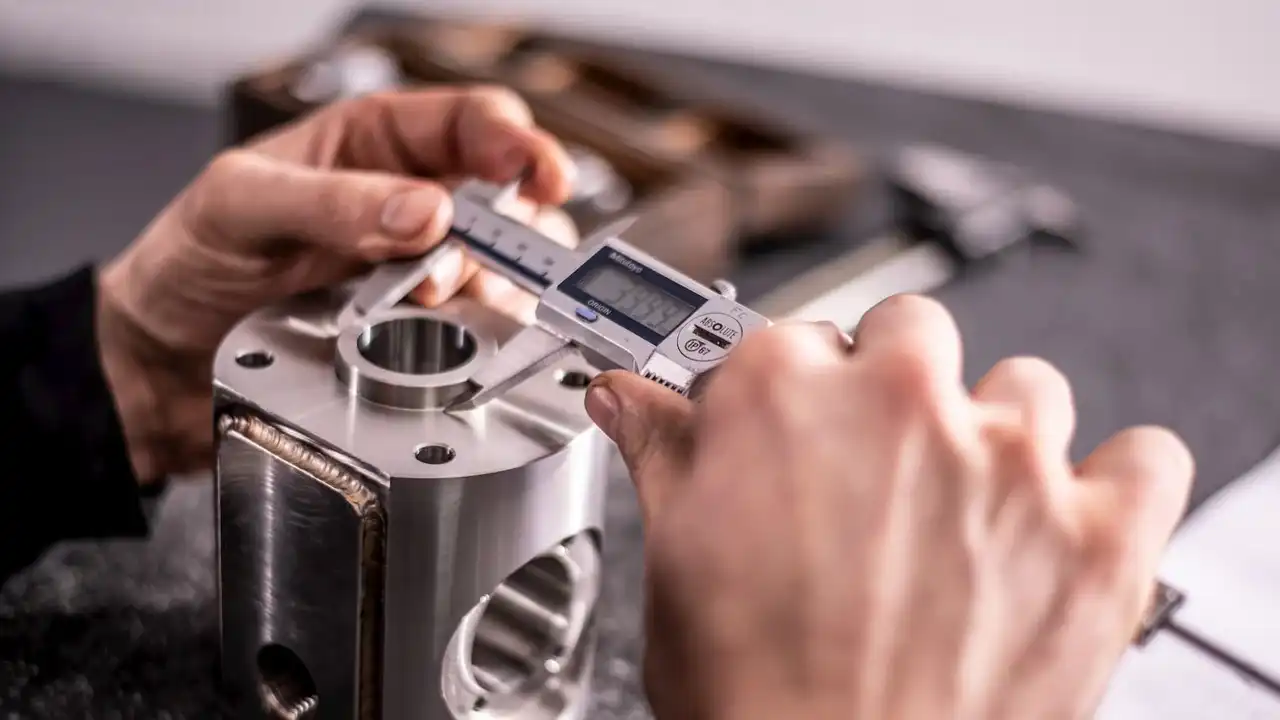
Maßtoleranzen legen die Abmessungen von Merkmalen fest: Längen, Durchmesser, Tiefen, Breiten und Gewindeabmessungen. Sie bilden die Grundlage für die meisten Zeichnungen und sind die ersten Toleranzen, die ein Zerspaner heranzieht.
Geometrische Bemaßung und Tolerierung (GD&T)
Die Größe allein reicht oft nicht aus, um die Anforderungen an die Leistung eines Bauteils vollständig zu beschreiben. Eine Welle kann beispielsweise einen Durchmesser innerhalb der Toleranz aufweisen, aber dennoch verbogen sein. Eine ebene Fläche kann zwar die richtige Höhe haben, aber stark verzogen sein. GD&T löst dieses Problem, indem es mithilfe einer standardisierten Symbolsprache die Kontrolle über Form, Ausrichtung, Lage und Rundlauf ermöglicht.
Zu den gängigen GD&T-Prüfungen gehören:
- Ebenheit: Um wie viel eine Oberfläche von einer perfekten Ebene abweichen darf
- Rundheit: Wie genau sich ein Querschnitt einem perfekten Kreis annähert
- Zylindrizität: Gemeinsame Steuerung von Durchmesser und Geradheit über die gesamte Länge eines Zylinders
- Senkrechte: Wie genau ein Merkmal im 90°-Winkel zu einem Bezugspunkt liegt
- Tatsächliche Position: Die zulässige Abweichung von der Stelle, an der sich der Mittelpunkt eines Merkmals im Idealfall befinden muss
- Rundlaufabweichung und Gesamtrundlaufabweichung: Um wie viel eine Oberfläche abweicht, wenn sich das Bauteil um eine Bezugsachse dreht – entscheidend für rotierende Bauteile wie Wellen und Lagersitze
GD&T ist besonders wichtig bei Baugruppen, bei denen mehrere Teile aufeinander ausgerichtet werden müssen. Unser CNC-Bearbeitungsdienstleistungen Das Team prüft im Rahmen des Zeichnungsprüfungsprozesses die GD&T-Angaben, um bereits vor Beginn der Bearbeitung allfällige Spezifikationen zu identifizieren, die unnötige Kosten oder Produktionsrisiken verursachen könnten.
Standard-Toleranzklassen: ISO 2768 und IT-Klassen
ISO 2768
ISO 2768 ist die am häufigsten herangezogene allgemeine Toleranznorm für CNC-bearbeitete Teile. Sie legt Standardtoleranzklassen für Längenmaße, Winkelmaße und geometrische Merkmale fest, wenn in der Zeichnung keine individuellen Toleranzen für einzelne Merkmale angegeben sind.
Die Norm unterteilt lineare Toleranzen in vier Klassen:
| Note | Symbol | Anwendung |
|---|---|---|
| Gut | f | Hochpräzise Teile; Baugruppen mit Presspassung |
| Mittel | m | Allgemeiner Maschinenbau; die meisten bearbeiteten Bauteile |
| Grob | c | Fertigteilkonstruktionen; weniger kritische Maße |
| Sehr grob | v | Schwere Konstruktionsarbeiten; Grobbearbeitung |
Die meisten Zerspanungsbetriebe, darunter auch Dimud, verwenden standardmäßig ISO 2768-m (mittel) für Metallteile und ISO 2768-c (grob) für Kunststoffbauteile, sofern in der Zeichnung nichts anderes angegeben ist. Wenn eine strengere Maßkontrolle erforderlich ist, werden die Toleranzen für einzelne Merkmale direkt in die Zeichnung eingetragen.
ISO 286 – IT-Leistungsstufen
Für Wellen- und Bohrungspassungen – also die präzise Abstimmung zylindrischer Elemente – definiert die Norm ISO 286 ein System von Toleranzklassen, die als „International Tolerance“ (IT)-Klassen bezeichnet werden und von IT01 (höchste Genauigkeit) bis IT18 (geringste Genauigkeit) reichen.
In der allgemeinen Zerspanungspraxis umfassen die Klassen IT6 bis IT8 Präzisionspassungen, wie sie beispielsweise bei Lagerzapfen und Führungsstiften zum Einsatz kommen. Die Klassen IT9 bis IT11 beziehen sich auf Standard-Spielpassungen. Die Klassen IT12 bis IT14 gelten für lose Passungen und allgemeine Maße, bei denen die Montagetoleranz großzügig bemessen ist.
Durch Bearbeitungsverfahren erreichbare Toleranzen
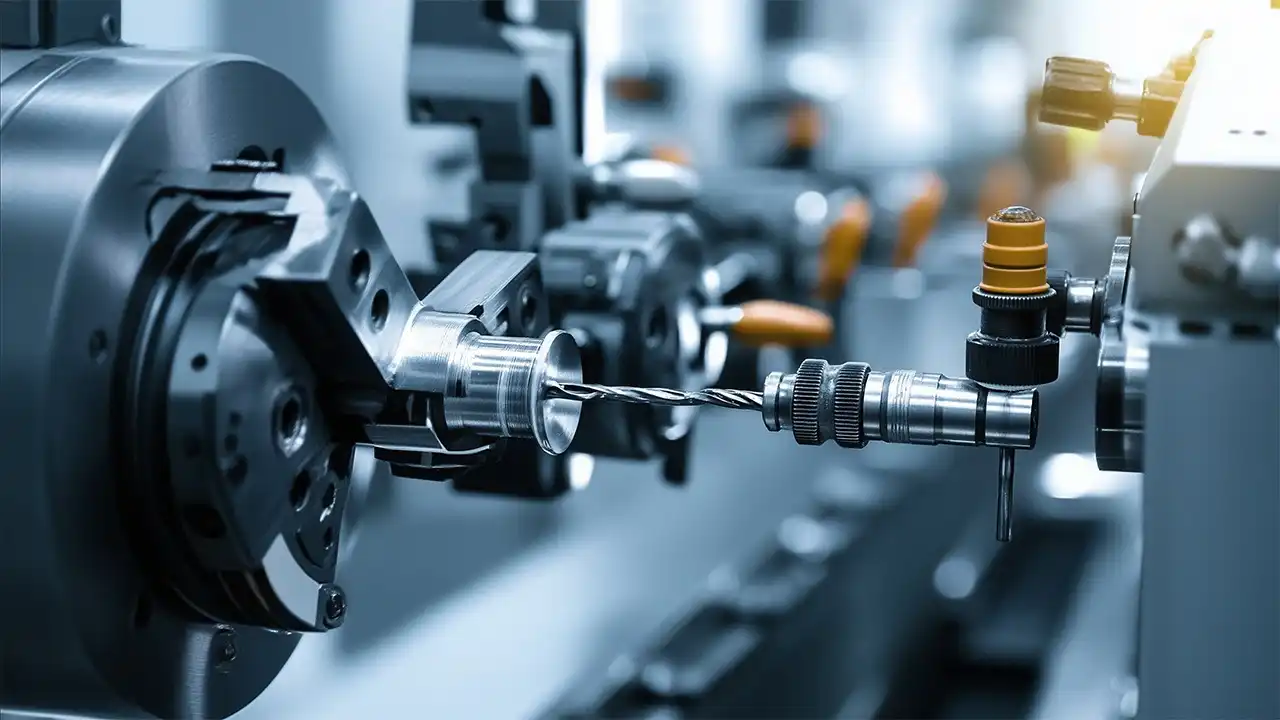
Verschiedene Bearbeitungsverfahren erzielen naturgemäß unterschiedliche Präzisionsgrade. Die Wahl des richtigen Verfahrens für die geforderte Toleranz ist ein wesentlicher Bestandteil einer kosteneffizienten Bauteilkonstruktion.
Toleranzen beim CNC-Fräsen
CNC-Fräsen entfernt Material mit rotierenden Mehrpunktfräsern über drei oder mehr Achsen. Die mit modernen 3-Achsen- und 5-Achsen-Fräszentren erreichbaren Maßtoleranzen liegen in der Regel in folgenden Bereichen:
- Standardtoleranz: ±0,1 mm – geeignet für unkritische Merkmale, Spielpassungen und optische Oberflächen
- Mittlere Genauigkeit: ±0,05 mm – der in der Praxis übliche Standardwert für die meisten Konstruktions- und Funktionsteile
- Hohe Präzision: ±0,01 mm – erfordert eine kontrollierte Umgebung, eine starre Befestigung und scharfe Werkzeuge
- Nahezu präzise: ±0,005 mm – bei bestimmten Merkmalen durch sorgfältige Prozesseinstellung erreichbar
Die Oberflächengüte beim Fräsen liegt in der Regel zwischen Ra 0,8 μm und Ra 3,2 μm, je nach Werkzeugwegstrategie und Fräsergeometrie.
Toleranzen beim CNC-Drehen
CNC-Drehen Das Werkstück wird gegen ein stationäres Schneidwerkzeug gedreht, wodurch zylindrische Formen mit außergewöhnlich gleichbleibendem Durchmesser entstehen. Bei rotationssymmetrischen Teilen ist das Drehen dem Fräsen hinsichtlich der Durchmessergenauigkeit durchweg überlegen:
- Standard: ±0,05 mm – ausreichend für Wellen, Buchsen und abgestufte Zylinder, die in allgemeinen Baugruppen verwendet werden
- Genauigkeit: ±0,01 mm – geeignet für Lagerzapfenpassungen und Verbindungselemente, bei denen ein kontrolliertes Spiel erforderlich ist
- Hohe Präzision: ±0,005 mm – erreichbar bei Durchmessern, die eine Press- oder Präzisionsübergangspassung erfordern
Durch den Einsatz von angetriebenen Werkzeugen auf mehrachsigen Drehzentren können sekundäre Fräsmerkmale ohne erneutes Einspannen hinzugefügt werden, wodurch die Positionsbeziehung zwischen gedrehten und gefrästen Merkmalen erhalten bleibt.
CNC-Schleiftoleranzen
CNC-Schleifen verwendet Schleifscheiben, die mit hoher Drehzahl arbeiten, um minimale Materialmengen bei außergewöhnlich hoher Oberflächenintegrität abzutragen. Es ist das Verfahren der Wahl, wenn die Maßgenauigkeit die äußersten Grenzen dessen erreichen muss, was mit CNC-Bearbeitung möglich ist:
- Standard-Schleifen: ±0,005 mm
- Hochpräzises Schleifen: ±0,002 mm
- Hochpräzises Flächen- und Rundschleifen: ±0,001 mm
Die durch das Schleifen erzielte Oberflächenrauheit kann Werte von Ra 0,1 μm bis Ra 0,4 μm erreichen – deutlich feiner als beim Fräsen oder Drehen. Bauteile, die geschliffen werden sollen, werden in der Regel zunächst grob bearbeitet, anschließend bei Bedarf wärmebehandelt oder gehärtet und schließlich auf das Endmaß feingeschliffen. Die CNC-Schleifkapazitäten von Dimud ermöglichen die Fertigung von Präzisionsformeinsätzen, Bauteilen in Lagerqualität und hochgenauen Funktionsteilen in unserem Präzisionsformenbau Arbeitsablauf.
Wie sich die Materialauswahl auf die erreichbaren Toleranzen auswirkt
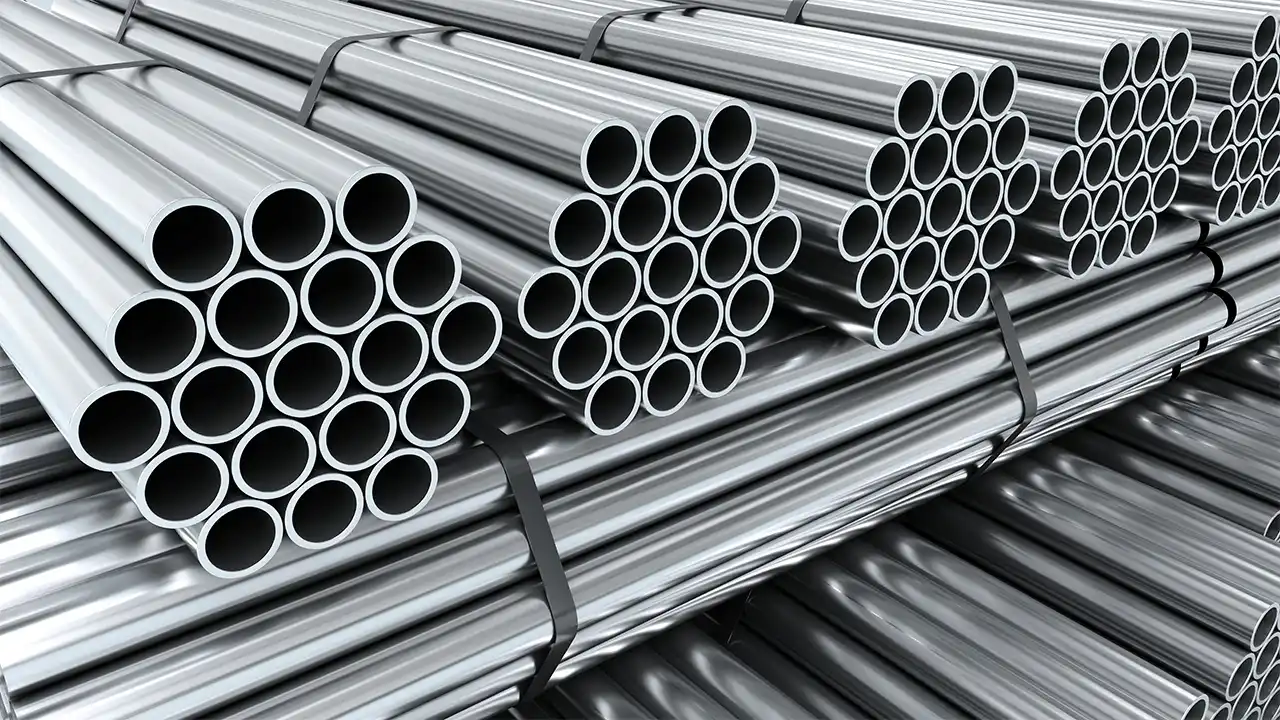
Das Materialverhalten beim Zerspanen schränkt grundsätzlich ein, wie eng eine Toleranz eingehalten werden kann, ohne dass die Kosten in die Höhe getrieben werden. Manche Werkstoffe lassen sich vorhersehbar bearbeiten und halten die Maße gut ein; bei anderen treten Schwankungen auf, deren Bewältigung zusätzliche Prozessschritte erfordert.
Aluminiumlegierungen gehören zu den Materialien, die sich am besten für Arbeiten mit engen Toleranzen eignen. Sie lassen sich sauber zerspanen, erfordern geringere Schnittkräfte, leiten Wärme effizient ab und weisen nach der Bearbeitung stabile Maße auf. Bei Aluminiumteilen lassen sich routinemäßig Toleranzen von ±0,01 mm und bei kritischen Merkmalen – mit entsprechender Sorgfalt – sogar ±0,005 mm erreichen.
Edelstahl Bei der Bearbeitung kommt es zu einer Kaltverfestigung, wodurch Wärme entsteht, die den Werkzeugverschleiß beschleunigt und eine thermische Ausdehnung des Werkstücks verursacht. Eine Genauigkeit von ±0,01 mm bei Edelstahl ist zwar machbar, erfordert jedoch schärfere Werkzeuge, langsamere Vorschübe und häufigere Kontrollen.
Messing und Kupfer Das Material lässt sich sehr gut bearbeiten und weist eine hervorragende Oberflächengüte auf, kann jedoch an den Schnittkanten eher verschmieren als sauber abzuscheren, was die Qualität der Gewinde- und Bohrungsoberflächen beeinträchtigen kann. Mit der richtigen Werkzeugwegstrategie lassen sich bei diesen Werkstoffen enge Toleranzen erzielen.
Titan Es vereint hohe Festigkeit, geringe Wärmeleitfähigkeit und chemische Reaktivität mit Schneidwerkzeugen – eine anspruchsvolle Kombination. Um bei Titanbauteilen eine Toleranz von ±0,02 mm einzuhalten, sind eine sorgfältige Werkzeugauswahl, eine stabile Aufspannung und kontrollierte Vorschubgeschwindigkeiten erforderlich.
Technische Kunststoffe (ABS, PC, POM und Nylon) stellen jeweils andere Herausforderungen dar. Innere Spannungen im Ausgangsmaterial können sich während der Bearbeitung lösen und zu Verformungen führen. Kunststoffe nehmen Feuchtigkeit aus der Umgebung auf, was im Laufe der Zeit zu Maßänderungen führt. Aus diesem Grund ist ISO 2768-c (grob) oft die praktische Standardtoleranz für CNC-Teile aus Kunststoff, wobei engere Werte für Merkmale vorbehalten sind, bei denen die Funktion dies erfordert.
Der direkte Zusammenhang zwischen Toleranz und Kosten
Eine der folgenreichsten Entscheidungen, die ein Konstrukteur trifft, ist die Frage, welche Merkmale tatsächlich enge Toleranzen erfordern und bei welchen die Standardwerte ausreichen. Die finanziellen Auswirkungen unnötiger Präzision sind erheblich und oft erst sichtbar, wenn das Angebot vorliegt.
Hier sind die Gründe, warum engere Toleranzen die Kosten in die Höhe treiben:
Längere Zykluszeiten. Um eine Genauigkeit von ±0,005 mm zu erreichen, sind geringere Vorschubgeschwindigkeiten, geringere Schnitttiefen und durchgehend konservativere Bearbeitungsparameter erforderlich. Das gleiche Teil, dessen Bearbeitung bei einer Genauigkeit von ±0,1 mm 20 Minuten dauert, kann bei einer Genauigkeit von ±0,005 mm bis zu 60 Minuten in Anspruch nehmen.
Häufigere Inspektionen. Enge Maßtoleranzen erfordern Messungen während des Fertigungsprozesses mit einer Koordinatenmessmaschine (CMM), Luftmessgeräten oder Präzisionsbohrungsmessgeräten – was jeweils zusätzlichen Zeitaufwand bedeutet. Teile mit Standardtoleranzen können stichprobenartig geprüft werden; ultrapräzise Teile werden häufig zu 100% geprüft.
Schleifen als Folgevorgang. Wenn die Toleranzen so groß sind, dass sie durch Fräsen oder Drehen nicht mehr zuverlässig eingehalten werden können, wird das Schleifen als sekundärer Prozess hinzugefügt – was zusätzliche Maschinenzeit, Rüstzeit und Handhabungsaufwand mit sich bringt.
Spezialwerkzeuge und Spannvorrichtungen. Um eine Toleranz von 0,005 mm einzuhalten, sind starre, thermisch stabile Spannvorrichtungen und präzise ausgewuchtete Schneidwerkzeuge erforderlich. Dies verursacht zusätzliche Rüstkosten, insbesondere bei Kleinserien.
Höhere Ausschussquote. Engere Toleranzbereiche führen statistisch gesehen dazu, dass mehr fehlerhafte Teile erkannt werden, was die Kosten für Nacharbeit und Ausschuss erhöht.
Ein praktischer Ansatz: Wenden Sie enge Toleranzen nur auf funktionskritische Merkmale an – Lagerbohrungen, Passstifte, Passflächen und Gewindedurchmesser. Belassen Sie alle nicht funktionsrelevanten Maße auf den Standardwerten gemäß ISO 2768-m. Reichen Sie Ihren Entwurf ein für DFM-Analyse (Design for Manufacturability) Die Überprüfung vor Produktionsbeginn ist eine der effektivsten Methoden, um Merkmale mit zu großen Toleranzen frühzeitig zu erkennen und Kosten zu senken, ohne die Leistungsfähigkeit der Teile zu beeinträchtigen.
Branchenspezifische Toleranzanforderungen
Automobilkomponenten
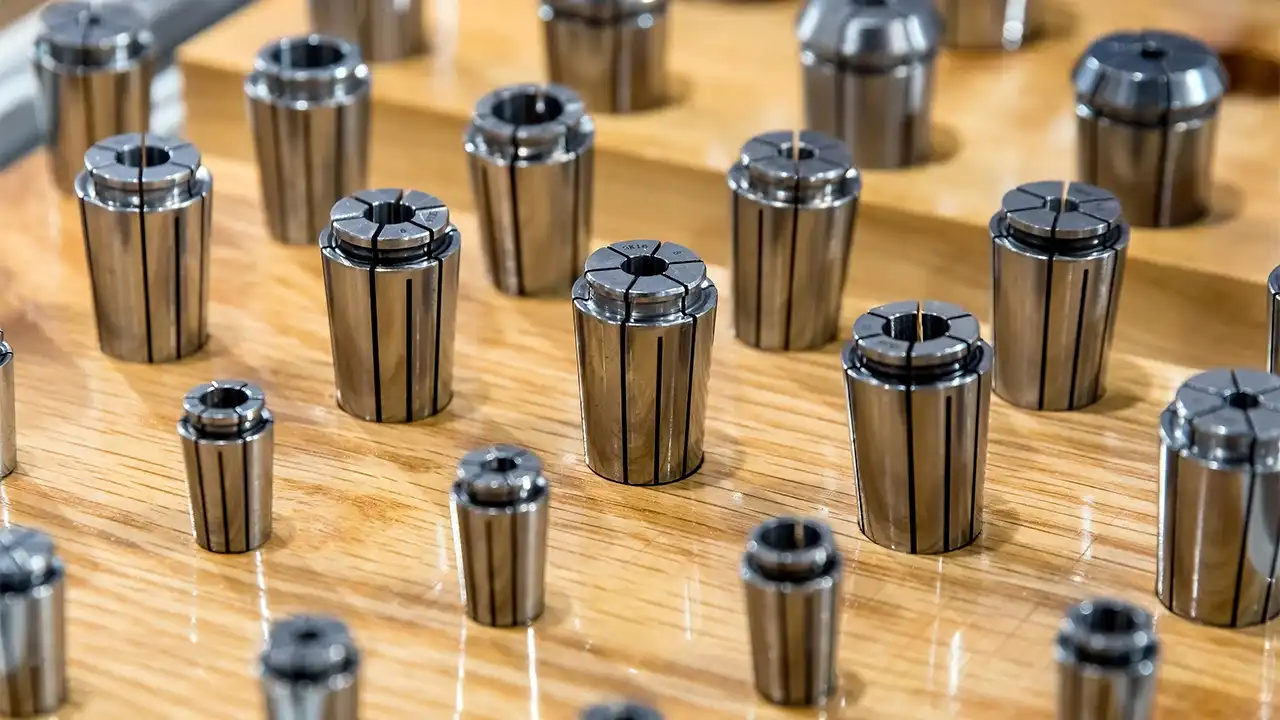
Herstellung von Automobilteilen erfordert vor allem Konsistenz. Bauteile wie Gehäuse, Halterungen und Wellenanschlüsse erfordern für funktionsgerechte Passungen in der Regel Toleranzen im Bereich von ±0,02 mm bis ±0,05 mm, wobei einige lagerrelevante Merkmale Toleranzen von ±0,005 mm bis ±0,01 mm erfordern. Ebenso wichtig sind geometrische Toleranzen für die Ebenheit der Passflächen und die Lage der Befestigungsbohrungen, da Baugruppen im Automobilbereich aus zahlreichen Unterbaugruppen bestehen, die präzise aufeinander ausgerichtet sein müssen.
Herstellung medizinischer Geräte
Herstellung medizinischer Geräte unterliegt einigen der strengsten Maß- und Prozessanforderungen aller Branchen. Komponenten für chirurgische Instrumente, Gehäuse für implantierbare Geräte und Teile für Diagnosegeräte erfordern in der Regel Toleranzen von ±0,005 mm bis ±0,01 mm, kombiniert mit Oberflächenbeschaffenheiten von bis zu Ra 0,2 μm, um die Biokompatibilität zu gewährleisten und die Anhaftung von Bakterien zu verhindern. Für jede Komponente in medizinischer Qualität wird eine lückenlose Rückverfolgbarkeit der Material-, Prozess- und Prüfunterlagen erwartet.
Elektronik und Halbleiter
Für Anwendungen in der Elektronik und Halbleitertechnik, CNC-gefräste Bauteile mit engen Toleranzen kommen in Sensorgehäusen, Steckverbinder-Schnittstellen, Kühlkörperkonstruktionen und IC-Gehäuseführungen zum Einsatz. Die Positionstoleranzen für Steckverbinder-Stiftlöcher und Schnittstellenflansche liegen häufig zwischen ±0,01 mm und ±0,02 mm, da eine Fehlausrichtung auf Leiterplattenebene zu Montagefehlern in den nachfolgenden Produktionsschritten führt. Auch die Toleranzen für ebene Oberflächen bei wärmeableitenden Bauteilen sind entscheidend für die Leistung der thermischen Schnittstelle.
Robotik und Energiespeicherung
Rahmenkonstruktionen und Verbindungsstellen in der Robotik erfordern sowohl enge Maßtoleranzen als auch die Einhaltung geometrischer Vorgaben – insbesondere Rechtwinkligkeit und Lagegenauigkeit –, um eine reibungslose Bewegung unter Belastung zu gewährleisten. Energiespeicherkomponenten wie Batteriegehäuseeinsätze erfordern einheitliche Presspassungs- oder Spieldurchmesser, um über alle Produktionschargen hinweg einen zuverlässigen elektrischen und mechanischen Kontakt zu gewährleisten.
So geben Sie Toleranzen in technischen Zeichnungen korrekt an
Eine unzureichende Toleranzangabe ist eine der häufigsten Ursachen für Verzögerungen in der Fertigung und Kostenüberschreitungen. Die folgenden Vorgehensweisen führen zu übersichtlicheren und besser umsetzbaren Zeichnungen:
Verwenden Sie eine Toleranz für den Titelblock. In jeder Zeichnung sollte eine allgemeine Toleranz festgelegt werden – in der Regel ISO 2768-m für Metallteile –, die für alle Maße gilt, für die keine gesonderte Angabe vorliegt. Dadurch werden Unklarheiten vermieden und die Zeichnung vereinfacht.
Legen Sie nur dann engere Toleranzen als die Standardwerte fest, wenn die Funktion dies tatsächlich erfordert. Wenn ein Bauteil nicht an einer Baugruppenpassung oder einer funktionalen Schnittstelle beteiligt ist, reicht die Toleranzangabe im Titelblock aus.
Geben Sie kritische Passungen unter Verwendung der Wellen- und Bohrungsbezeichnungen nach ISO 286 an. Eine als Ø20H7 bezeichnete Bohrung und die dazugehörige Welle als Ø20g6 vermitteln jedem fachkundigen Zerspaner sofort die beabsichtigte Passungsklasse (Spiel, Übergang oder Presssitz), ohne dass eine zusätzliche Anmerkung erforderlich ist.
Enge geometrische Toleranzen sollten mit einer klar definierten Bezugsstruktur einhergehen. Eine Angabe zur Ebenheit oder Lage ist nur dann aussagekräftig, wenn der Messbezugspunkt – also der Bezugspunkt, von dem aus die Messung erfolgt – in der Zeichnung eindeutig gekennzeichnet ist.
Vermeiden Sie es, enge Toleranzen über mehrere Bauteile hinweg in einer Baugruppe zu stapeln. Toleranzsumme tritt auf, wenn die kombinierte Abweichung mehrerer Merkmale in einer Baugruppe zu einer Baugruppe führt, die außerhalb der zulässigen Grenzen liegt, obwohl jedes einzelne Teil innerhalb der Toleranz liegt. Eine frühzeitige Konstruktionsprüfung durch CNC-Prototyping hilft dabei, Probleme bei der Schichtung zu erkennen, bevor sie sich auf die Serienbauteile auswirken.
Häufige Fehler, die zu Toleranzproblemen in der Produktion führen
Selbst erfahrene Ingenieurteams stoßen in der Produktion auf Probleme im Zusammenhang mit Toleranzen. Zu den häufigsten zählen:
Alle Merkmale gleich behandeln. Die Anwendung einer Toleranz von ±0,01 mm auf eine gesamte Zeichnung, obwohl dies eigentlich nur für zwei oder drei Bauteile erforderlich ist, treibt die Kosten in die Höhe und verlängert die Vorlaufzeit, ohne dass dadurch ein technischer Nutzen entsteht.
Das Materialverhalten wird außer Acht gelassen. Die Festlegung derselben Toleranz für eine POM-Kunststoffbuchse und eine Edelstahlwelle ohne Berücksichtigung der unterschiedlichen Bearbeitbarkeit und Wärmeausdehnung der jeweiligen Werkstoffe führt im Betrieb zu unvorhersehbaren Passungsverhältnissen.
Weglassen der Oberflächenbeschaffenheit bei kritischen Merkmalen. Eine Bohrung kann zwar innerhalb der Maßtoleranzen liegen, aber dennoch funktionsunfähig sein, wenn ihre Oberflächenrauheit zu hoch ist, was zu beschleunigtem Verschleiß oder Undichtigkeiten der Dichtungen führt. Toleranz- und Oberflächengütevorgaben wirken zusammen.
Überdimensionierung von Winkeltoleranzen. Winkelmaße wie Fasen, Konuswinkel und Passflansche unterliegen häufig engeren Winkeltoleranzen, als es ihre Funktion erfordert, was die Komplexität der Prüfung erhöht und die Kosten in die Höhe treibt.
Wie Dimud die Einhaltung der Toleranzvorgaben in der gesamten Produktion sicherstellt

Bei Dimud ist die Toleranzkontrolle keine Endkontrolle – sie ist in den gesamten Produktionsablauf integriert.
Prüfung der Vorproduktionszeichnungen erkennt unklare Spezifikationen, im Verhältnis zur Bauteilgeometrie zu enge Toleranzen sowie alle GD&T-Angaben, die eine spezielle Spannvorrichtung oder Prozessplanung erfordern, bevor auch nur ein einziges Bauteil geschnitten wird.
Maßprüfung während des Fertigungsprozesses setzt kalibrierte Messgeräte ein – darunter die Prüfung mit Koordinatenmessgeräten für komplexe Geometrien und Präzisionsmessungen für Wellen- und Bohrungspassungen –, um sicherzustellen, dass die Teile innerhalb des Toleranzbereichs liegen, bevor die gesamte Charge fertiggestellt wird.
Erstmusterprüfung (FAI) Bei neuen Bauteilen wird überprüft, ob der Fertigungsprozess durchgehend Maße innerhalb des vorgegebenen Toleranzbereichs liefert, bevor die Serienfertigung freigegeben wird.
Rückverfolgbarkeit Über unser ISO-konformes Qualitätssystem werden Materialzertifikate, Prozessprotokolle und Prüfdaten mit jeder Produktionscharge verknüpft. Unser umfassender Ansatz zum Qualitätsmanagement und zu Zertifizierungen wird auf unserer Seite „Qualität und Zertifizierungen“.
Dieser strukturierte Ansatz beim Toleranzmanagement bedeutet, dass die in Ihrer Zeichnung festgelegte Genauigkeit auch in den gelieferten Teilen zum Ausdruck kommt – nicht nur beim ersten Muster, sondern durchgängig in jeder Charge.
Häufig gestellte Fragen
Für Metallteile ohne individuelle Toleranzangaben gilt bei Dimud standardmäßig die Norm ISO 2768-m (mittlere Genauigkeitsklasse), was für Maße im Bereich von 30 bis 120 mm einer Toleranz von ±0,1 mm entspricht. Für kritischere Maße werden direkt in der Zeichnung engere individuelle Toleranzen angegeben.
Durch CNC-Schleifen in einer temperaturgeregelten Umgebung lassen sich bei bestimmten Merkmalen Toleranzen von ±0,001 mm bis ±0,002 mm erzielen. Bei den meisten Teilen werden durch Standard-Fräs- und Drehbearbeitungen zuverlässig Toleranzen von ±0,01 mm bis ±0,05 mm erreicht.
Nein. Toleranzen sollten den funktionalen Anforderungen entsprechen. Eine unnötig enge Toleranz bei einem nicht kritischen Merkmal verursacht zusätzliche Kosten und verlängert die Vorlaufzeit, ohne die Leistung des Bauteils zu verbessern. Das Ziel besteht darin, genau die Präzision festzulegen, die die Funktion erfordert – nicht enger, nicht lockerer.
Enge Maßtoleranzen und feine Oberflächengüten werden oft gemeinsam festgelegt, da beide Faktoren das Zusammenspiel der Teile in Baugruppen beeinflussen. Sie werden jedoch unabhängig voneinander kontrolliert. Ein Teil kann maßgenau sein und dennoch eine raue Oberflächengüte aufweisen oder innerhalb der Maßtoleranz liegen und gleichzeitig eine sehr feine Oberflächengüte besitzen. Beide Parameter sollten in der Zeichnung ausdrücklich angegeben werden, wenn sie von Bedeutung sind.
Die hilfreichste Anfrage enthält ein STEP- oder IGES-3D-Modell sowie eine 2D-Zeichnung, in der alle kritischen Toleranzen angegeben sind, Bezugspunkte für etwaige GD&T-Kontrollen sowie Angaben zu Werkstoff und Oberflächenbeschaffenheit. Je vollständiger die Zeichnung ist, desto schneller und genauer kann das Angebot erstellt werden.
Arbeiten Sie mit einem Team zusammen, das sich mit Toleranzen von der Konstruktion bis zur Auslieferung auskennt
Beim Toleranzmanagement trifft die technische Absicht auf die Realität der Fertigung. Bei Dimud arbeitet unser CNC-Bearbeitungsteam mit Kunden über das gesamte Toleranzspektrum hinweg zusammen – von Standardbauteilen für den allgemeinen Maschinenbau bis hin zu Präzisions-Formeinsätzen, die eine Maßgenauigkeit von unter 10 Mikrometern erfordern.
Ganz gleich, ob sich Ihr Projekt noch in der frühen Entwurfsphase befindet und Sie DFM-Feedback zur Machbarkeit der Toleranzen benötigen oder ob Sie bereits vollständig definierte, produktionsreife Zeichnungen vorliegen haben – unser Ingenieurteam steht Ihnen gerne zur Verfügung, um Ihre Anforderungen zu prüfen, mögliche Risiken bei den Spezifikationen zu identifizieren und Ihnen ein detailliertes Angebot zu unterbreiten.
Wenden Sie sich an Dimud, um ein Angebot für die CNC-Bearbeitung zu erhalten — Laden Sie Ihre CAD-Dateien und Zeichnungen hoch, und unser Team wird Ihnen innerhalb von 24 Stunden technisches Feedback und ein Preisangebot zukommen lassen.