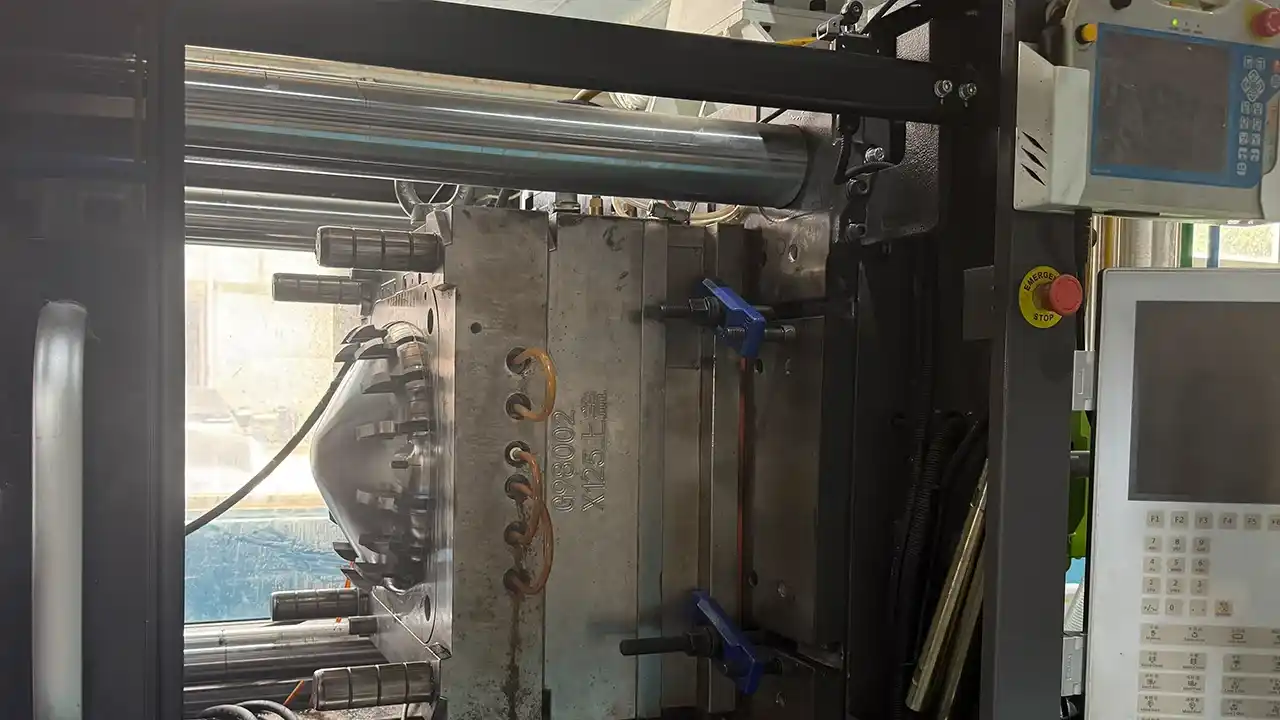

Automotive interior components may appear simple from the outside, but many of them play an important role in seat comfort, safety, assembly stability, and long-term vehicle performance. This automotive seat headrest guide sleeve is a typical example. It is a small plastic component installed in the vehicle seat system, but it must provide accurate headrest post guidance, stable snap-fit retention, smooth adjustment, and a clean visible finish after assembly.
For this project, the customer needed a durable and dimensionally stable plastic headrest guide bushing that could meet both functional and appearance requirements. Dimud supported the project through material selection, DFM review, precision mold design, controlled plastic injection molding, and quality inspection. This case study explains how we manufactured the automotive headrest guide sleeve and controlled the key engineering risks behind this type of automotive interior plastic part.
Projektübersicht
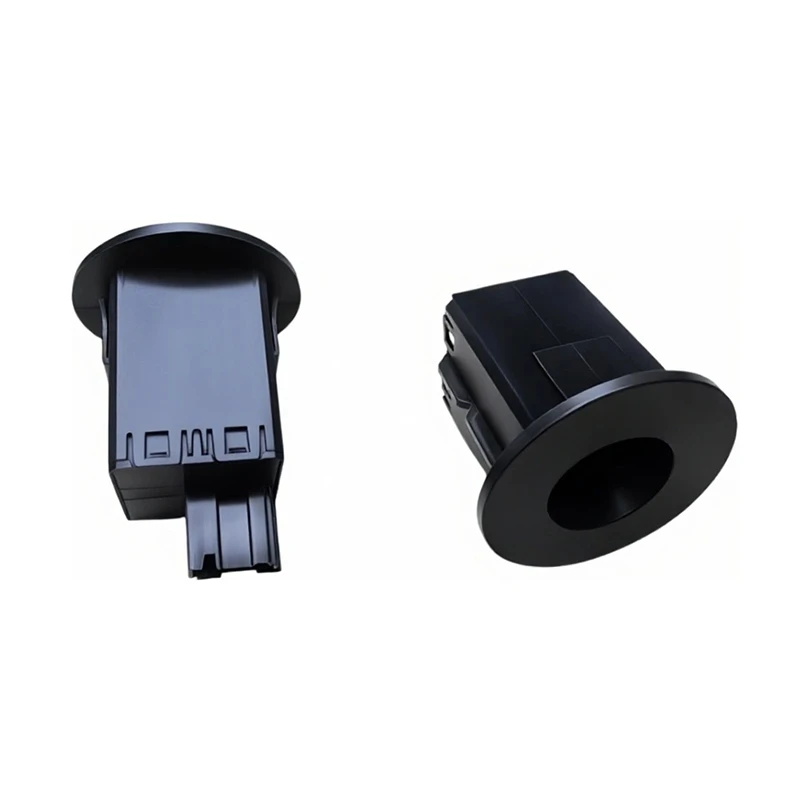
A Germany-based automotive customer with more than ten years of experience in the automotive components field contacted Dimud to develop a customized plastic headrest guide sleeve for a vehicle seat assembly. The customer had previously worked with another supplier, but the existing parts showed several production and quality issues, including unstable guide hole dimensions, visible flash around the bezel area, inconsistent snap-fit performance, and surface defects on the visible black trim surface.
Because this component is installed in the automotive seat system, even small dimensional deviations could affect headrest adjustment, assembly stability, and long-term user experience. The customer needed a more reliable manufacturing partner who could not only produce the plastic part, but also review the product structure, optimize the mold design, control molding shrinkage, and ensure consistent quality during batch production.
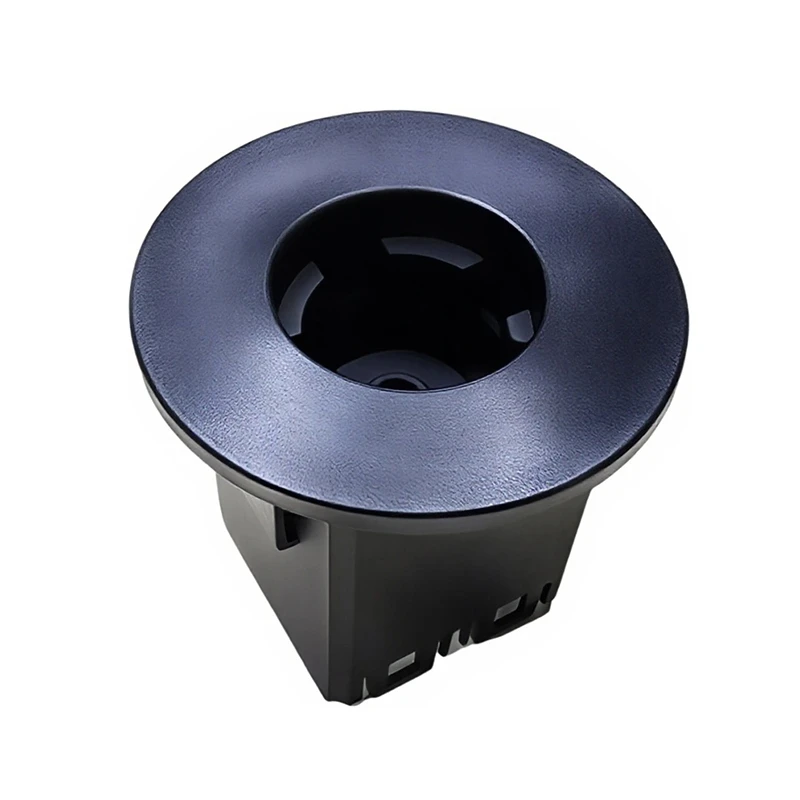
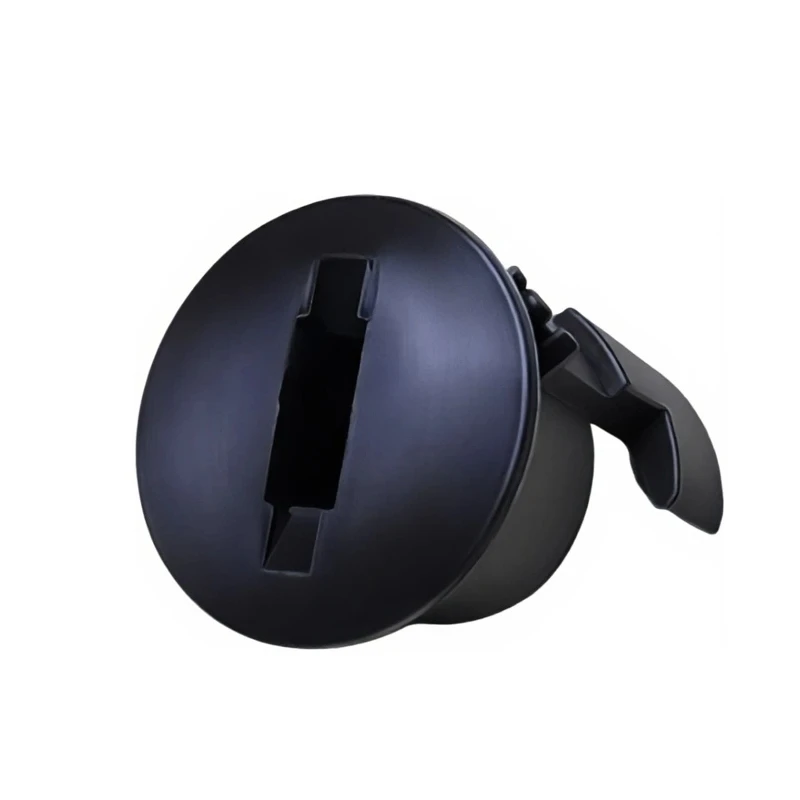
The part required a visible circular bezel, a deep guide body, snap-fit retention features, locking slots, and side openings. These structural features made the project more complex than standard plastic injection molding. Dimensional stability, low friction, reliable assembly, clean surface appearance, and repeatable production quality became the key engineering priorities.
Unter Dimud, our engineering and production teams supported the project from DFM review and mold design to injection molding production and final quality inspection. By combining material selection, mold structure optimization, process control, and quality verification, we helped the customer develop a production-ready automotive seat headrest guide sleeve that met both functional and visual requirements.
Produktparameter
| Artikel | Spezifikation |
|---|---|
| Produktname | Automotive Seat Headrest Guide Sleeve |
| Anwendung | Automotive seat headrest system |
| Product Type | Interior functional plastic component |
| Herstellungsprozess | Kunststoffspritzguss |
| Empfohlene Materialien | Black POM-C / automotive-grade engineering plastic |
| Alternative Material Options | ABS, PA66, PC/ABS, or modified POM depending on OEM requirements |
| Approx. Overall Size | 103 mm × 40 mm × 35 mm |
| Guide Opening | Approx. 12.7 mm or customized to headrest post geometry |
| Wanddicke | 1.8–2.2 mm recommended |
| Visible Surface | Matte schwarze Strukturoberfläche |
| Surface Finish Requirement | Fine texture, no flash, no obvious flow marks, no sink marks on visible bezel |
| Key Tolerance Area | Guide hole, locking window, snap-fit clips, outer bezel fit |
| Recommended Critical Tolerance | ±0.05 mm on functional guide and locking features |
| General Tolerance | ±0.10–0.15 mm depending on drawing requirements |
| Form Typ | Multi-cavity injection mold |
| Gate Type | Submarine gate or hidden side gate |
| Mold Steel Option | P20 / H13 / S136 depending on production volume and surface requirements |
| Qualitätskontrolle | First article inspection, dimensional inspection, visual inspection, assembly fit check |
| Color | Black |
| Customer Information | Confidential |
Note: Final dimensions, tolerance values, resin grade, and validation requirements should follow the customer’s 2D drawings, 3D CAD data, and OEM specification.
Customer Challenge
The customer needed a plastic part that looked simple from the outside but required precise functional performance inside the seat assembly.
The visible top bezel had to match the interior surface quality of the vehicle seat. At the same time, the internal guide structure had to allow smooth insertion of the headrest post without looseness, noise, or unstable locking. The snap-fit features also had to be strong enough for assembly while avoiding stress whitening or breakage during installation.
The main challenges included:
- Maintaining accurate guide hole dimensions after molding shrinkage
- Avoiding flash around the visible bezel and locking window
- Controlling warpage on the long guide body
- Ensuring stable snap-fit assembly into the seat structure
- Improving surface consistency on the black visible trim area
- Designing a mold that could release the side windows and undercut features safely
- Balancing strength, wear resistance, and cost through material selection
For automotive interior parts, these details matter because even small dimensional variation can lead to loose assembly, rattling noise, difficult headrest adjustment, or visible quality defects.
Auswahl des Materials
For this type of plastic headrest guide bushing, material selection must consider friction, wear resistance, dimensional stability, impact strength, and long-term performance inside the vehicle interior.
In this case, black POM-C was selected as the preferred material option because it provides good dimensional stability, low friction, and wear resistance for sliding or guide-related applications. These properties are valuable for parts that interact with metal headrest posts and require smooth adjustment over repeated use.
For projects where the visible surface, impact resistance, or cost target is different, ABS or PC/ABS may also be evaluated. For more details about engineering resin selection, Dimud’s POM plastic guide und automotive injection molding guide can help engineers compare material behavior, molding requirements, and application suitability.
DFM-Überprüfung
Before tooling, Dimud reviewed the product structure from a manufacturing perspective. The goal was to reduce tooling risk and prevent common injection molding defects before mold manufacturing started.
The DFM review focused on:
- Wall Thickness Balance
The guide body and top bezel had different geometry requirements. Wall thickness transitions were reviewed to reduce sink marks, internal stress, and warpage. - Draft Angle Optimization
The long body and side openings required enough draft to ensure smooth ejection. Insufficient draft could cause drag marks, deformation, or part sticking. - Gate Location
The gate had to be placed away from the visible top surface. A hidden side gate or submarine gate helped protect the appearance of the circular bezel. - Snap-Fit Strength
The locking clips and retention features were reviewed to avoid weak sections, sharp internal corners, and stress concentration. - Undercut and Side Feature Release
The rectangular side windows and locking features required careful mold action design to ensure reliable demolding. - Shrinkage Compensation
Because guide fit is critical, mold dimensions were compensated according to material shrinkage and functional tolerance requirements.
This early engineering review helped reduce the risk of repeated mold modification and improved the chance of achieving qualified samples during mold trial.
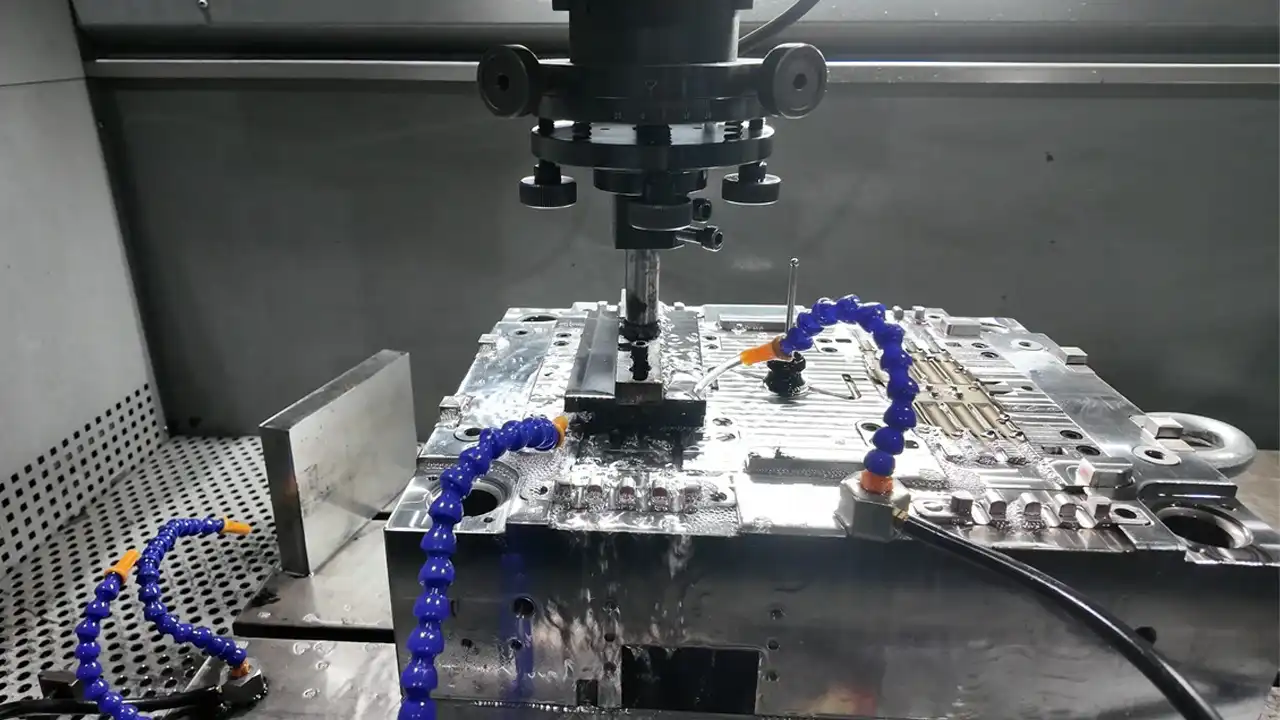
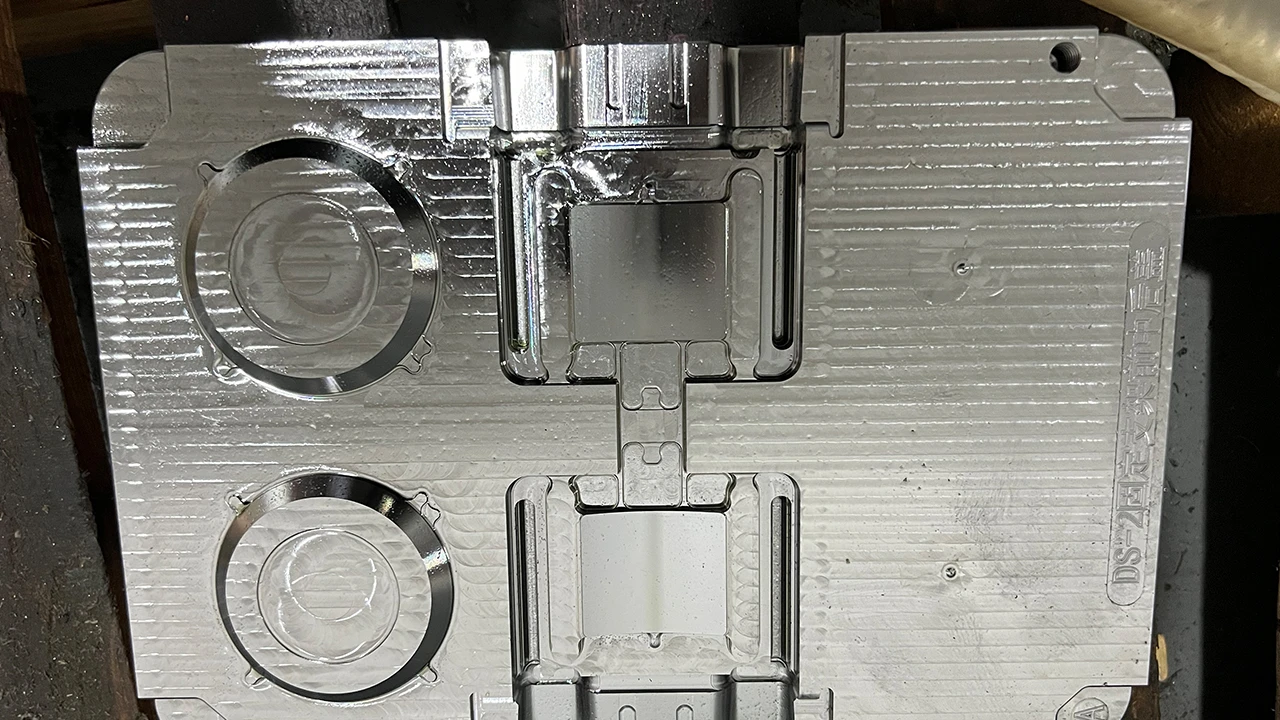
Mold Design Strategy
The part included a top visible bezel, a deep guide sleeve body, side windows, snap-fit clips, and a locking structure. To mold these features accurately, the tooling design required stable parting line control, proper venting, and reliable ejection.
The mold design included:
- Hidden gate design to protect the visible surface
- Balanced cooling channels to reduce warpage
- Slide or lifter design for side openings and undercut features
- Ejector layout positioned away from key cosmetic areas
- Venting around the guide body and locking windows
- Steel selection based on expected production volume and surface requirements
- Texture control on the visible bezel area
For this type of part, mold precision is directly connected to assembly performance. If the guide hole becomes too tight, the headrest post may not move smoothly. If it becomes too loose, the part may cause noise or unstable adjustment. This is why mold design and process control must be handled together.
Injection Molding Process
Dimud produced the component through controlled Dienstleistungen im Bereich Kunststoff-Spritzgießen. The production process was designed to maintain repeatability across critical dimensions and visible surface areas.
The general process included:
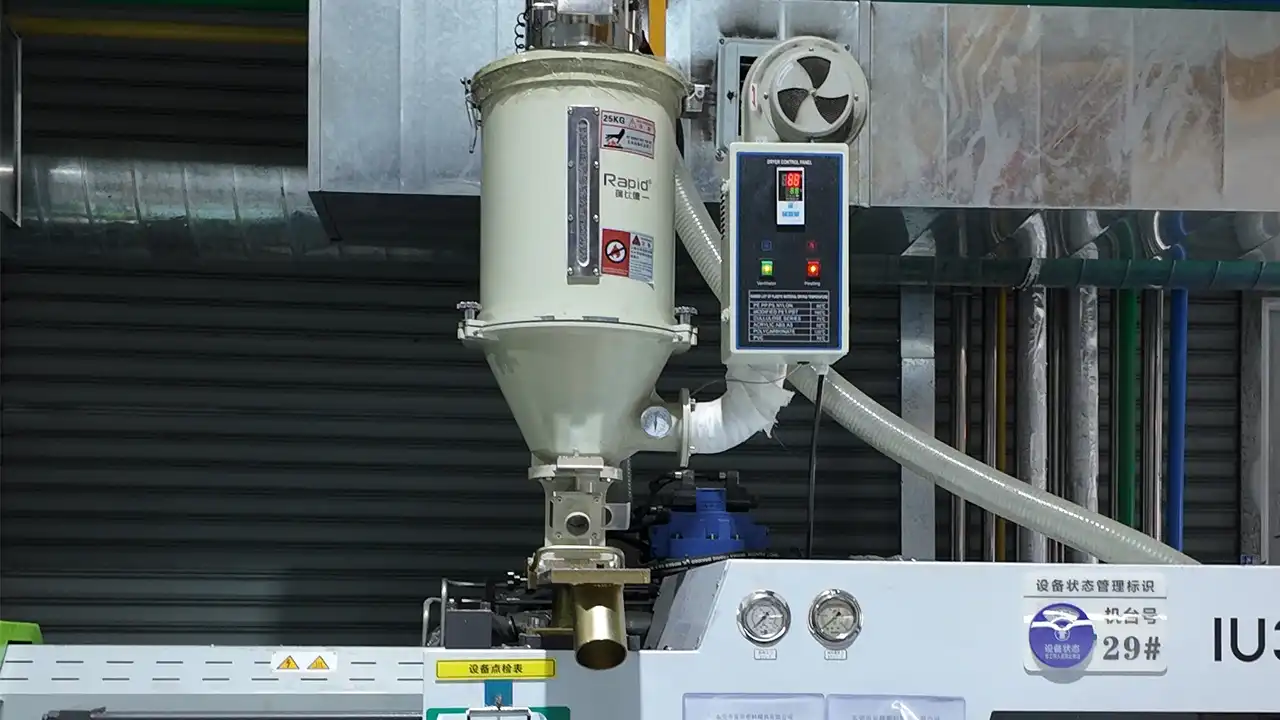
- Material drying and preparation
- Machine setup and mold temperature control
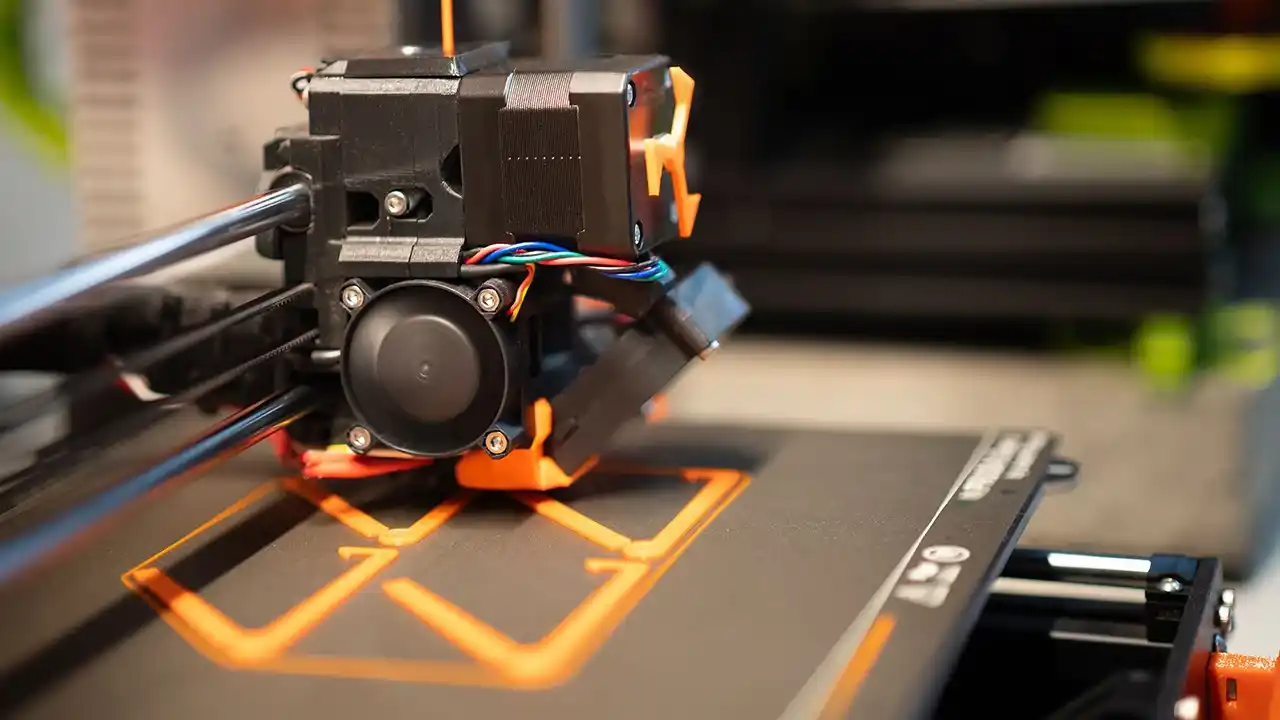
- First-shot trial and sample review
- Short-shot analysis if needed
- Holding pressure and cooling time optimization
- Dimensional inspection of guide hole and locking features
- Visual inspection of the top bezel surface
- Assembly fit verification
- Batch production after sample approval
Key molding controls included injection speed, holding pressure, cooling time, mold temperature, and part ejection stability. For black automotive interior parts, stable molding parameters are especially important because flow marks, gloss variation, and flash are easy to notice on visible surfaces.
Qualitätskontrolle
Quality control was built around both appearance and function. The part had to look clean after installation, but more importantly, it had to perform reliably inside the seat assembly.
Dimud inspected the following areas:
- Outer bezel diameter and surface appearance
- Guide opening size and shape
- Locking window dimensions
- Snap-fit clip dimensions
- Side slot position
- Warpage on the guide body
- Flash around the visible edge
- Surface texture consistency
- Assembly fit with matching seat structure
- Smooth movement of the headrest post
The key inspection methods included visual inspection, caliper and gauge inspection, first article inspection, and assembly fit testing. For critical production runs, additional dimensional reports can be provided according to customer requirements.
Manufacturing Results
After DFM review, mold optimization, and controlled injection molding, the final parts met the customer’s functional and visual requirements.
The project achieved:
- Stable fit with the seat headrest system
- Smooth guide function for the headrest post
- Clean matte black visible surface
- Controlled flash around the bezel and side features
- Reliable snap-fit assembly performance
- Improved dimensional consistency in key functional areas
- Production-ready mold structure for repeat batch manufacturing
The final component was approved for the customer’s automotive seat assembly application.
Why This Case Matters
This automotive headrest guide sleeve shows why small plastic parts still require serious engineering attention. The part may be compact, but it includes multiple functional requirements: guiding, locking, retention, appearance, noise control, and assembly reliability.
A low-quality mold could easily create flash, deformation, tight movement, loose fit, or visible surface defects. By combining DFM analysis, mold design, material selection, injection molding, and quality inspection, Dimud helped reduce these risks before mass production.
This case also demonstrates Dimud’s ability to manufacture precision automotive interior plastic parts with both functional and cosmetic requirements.
You can explore more manufacturing examples in our case studies section, where Dimud shares practical project experience across injection molding, mold manufacturing, CNC machining, and custom plastic part production.
FAQ
An automotive seat headrest guide sleeve is a plastic component installed in the vehicle seat backrest. It guides the headrest metal post, supports height adjustment, and helps keep the headrest stable during use.
POM is commonly used for a plastic headrest guide bushing because it offers good dimensional stability, low friction, and wear resistance. Depending on the project requirements, Dimud can also evaluate ABS, PA66, PC/ABS, or modified engineering plastics.
Precision is important because the guide hole, locking window, and snap-fit clips directly affect assembly, movement, and stability. If the dimensions are not controlled well, the headrest may feel loose, too tight, or difficult to adjust.
Common problems include flash around the bezel, warpage on the guide body, unstable snap-fit performance, surface defects, and inaccurate guide hole dimensions. Dimud reduces these risks through DFM review, mold optimization, and controlled injection molding parameters.
Yes. Dimud can manufacture custom automotive plastic parts based on 2D drawings, 3D CAD files, or physical samples. Our team can support material selection, DFM analysis, mold design, injection molding, and quality inspection.
Dimud checks key areas such as the guide opening, snap-fit clips, locking slots, visible bezel surface, flash, warpage, and assembly fit. First article inspection, dimensional inspection, visual inspection, and functional fit checks can be arranged according to customer requirements.
Yes. With the right mold design, material selection, and process control, this type of automotive headrest guide sleeve can be produced consistently in batch or mass production. Dimud can design multi-cavity injection molds to improve production efficiency when volume increases.
Dimud provides more than plastic part production. We support automotive customers with DFM review, precision mold manufacturing, plastic injection molding services, material guidance, and quality control. This helps reduce tooling risk, improve part consistency, and support reliable production for automotive interior plastic components.
Schlussfolgerung
The automotive seat headrest guide sleeve is a small but important plastic component in the vehicle interior system. It must provide smooth headrest adjustment, reliable locking support, stable assembly, and a clean visible finish.
Through engineering-led DFM review, accurate mold design, controlled injection molding, and strict quality inspection, Dimud delivered a production-ready solution for this automotive plastic component.
If you are developing custom automotive interior plastic parts, Dimud can support your project from early design review to mold manufacturing, injection molding production, and final delivery.