
Ein Kunde schickte uns einmal einen Entwurf für das Gehäuse eines Wearables. Er hatte starres ABS als Material vorgesehen. Beim dritten Falltest entstand ein Riss. Nach der Umstellung auf TPU überstand das Gehäuse über fünfzig Falltests. Diese eine Materialentscheidung ersparte dem Kunden monatelange, kostspielige Neukonstruktionsarbeiten und eine Verzögerung bei der Produkteinführung.
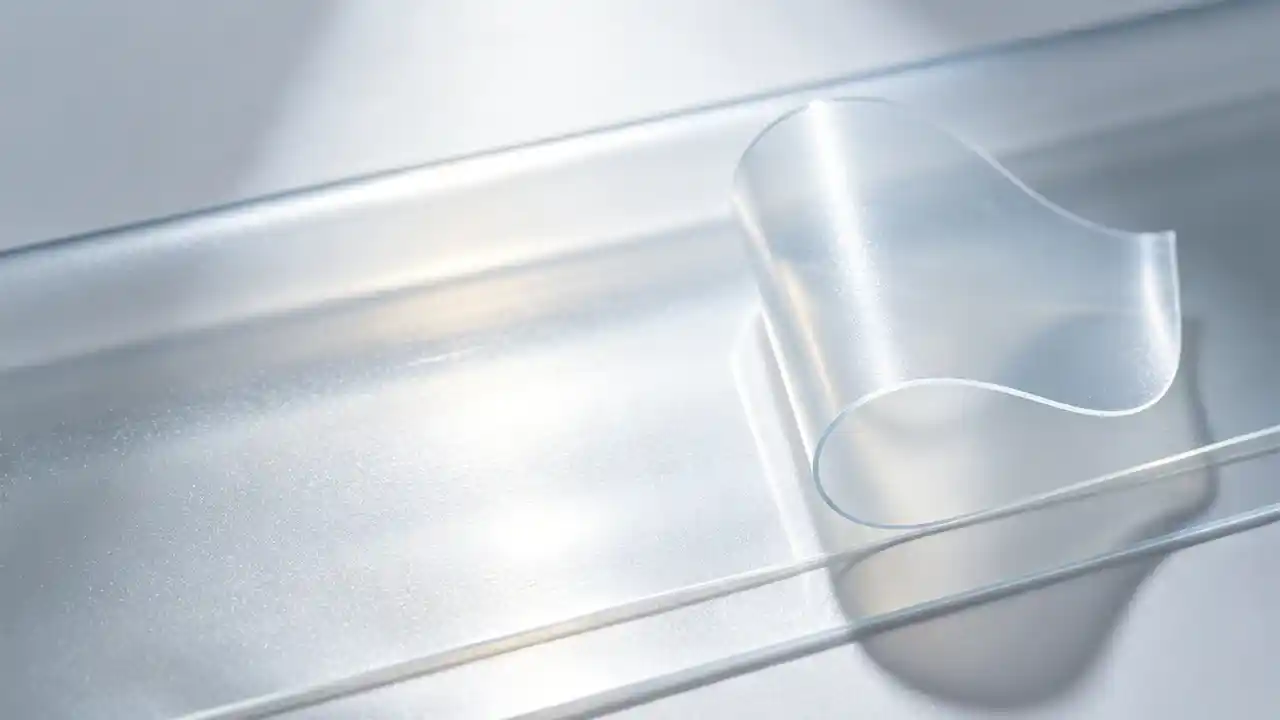
TPU – kurz für thermoplastisches Polyurethan – ist ein flexibler, gummiartiger Kunststoff, der sich wie ein herkömmlicher Thermoplast verarbeiten lässt. Er vereint die Elastizität von Gummi mit der Festigkeit und Formbarkeit von Kunststoff. TPU liegt in einem Härtebereich von etwa Shore 60A bis Shore 80D, sodass es je nach Typ weich und biegsam oder relativ steif sein kann. Es ist widerstandsfähiger gegen Abrieb, Öle und wiederholtes Biegen als die meisten herkömmlichen Kunststoffe – weshalb es in den unterschiedlichsten Bereichen zum Einsatz kommt, von Schuhsohlen über medizinische Schläuche bis hin zu Kabelummantelungen.
Genau diese Bandbreite an Verhaltenseigenschaften macht es so schwierig, TPU genau zu definieren. Es ist nicht ganz Gummi, aber auch nicht ganz harter Kunststoff. Schauen wir uns das also einmal genauer an – angefangen bei den Vorgängen, die tatsächlich im Inneren des Materials ablaufen.
Welche Eigenschaften hat TPU?
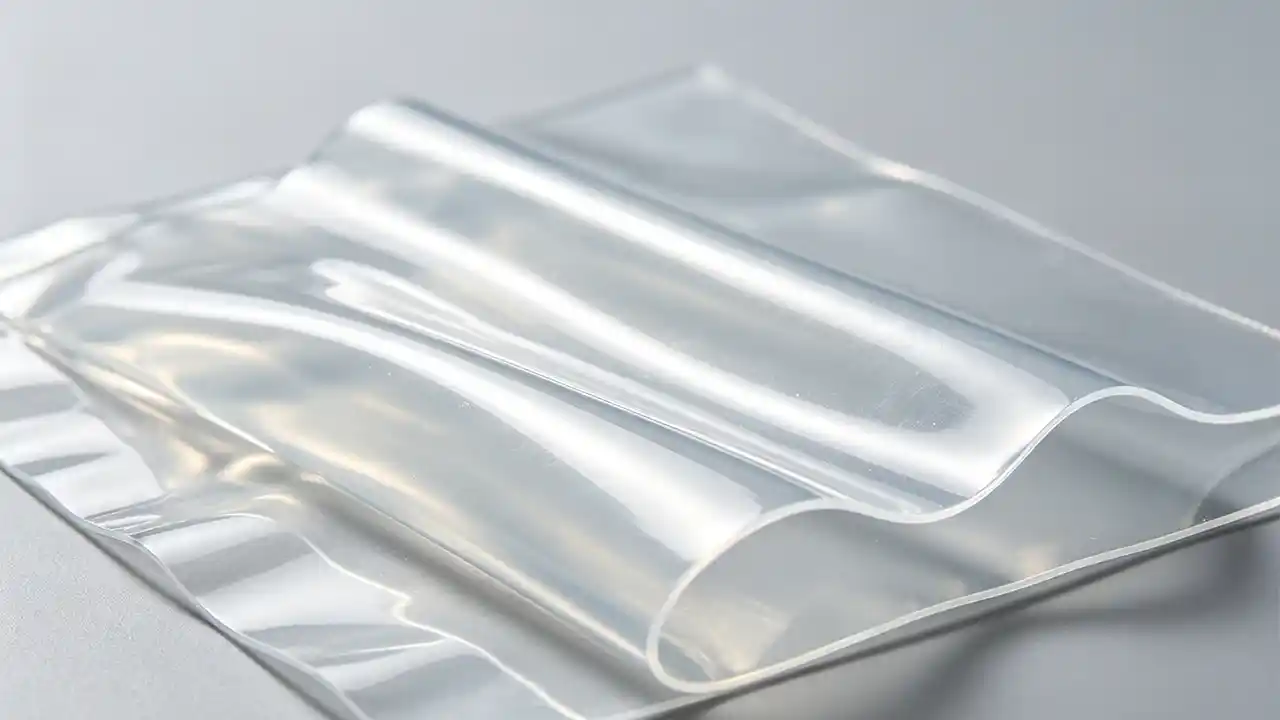
Diese Frage ist wichtig, bevor Sie sich für eine Form entscheiden. Wenn Sie die mechanischen Eigenschaften von TPU kennen, können Sie besser einschätzen, ob das Material Ihrem Anwendungsfall standhält – oder schon versagt, sobald ein Kunde das Produkt in die Hände nimmt.
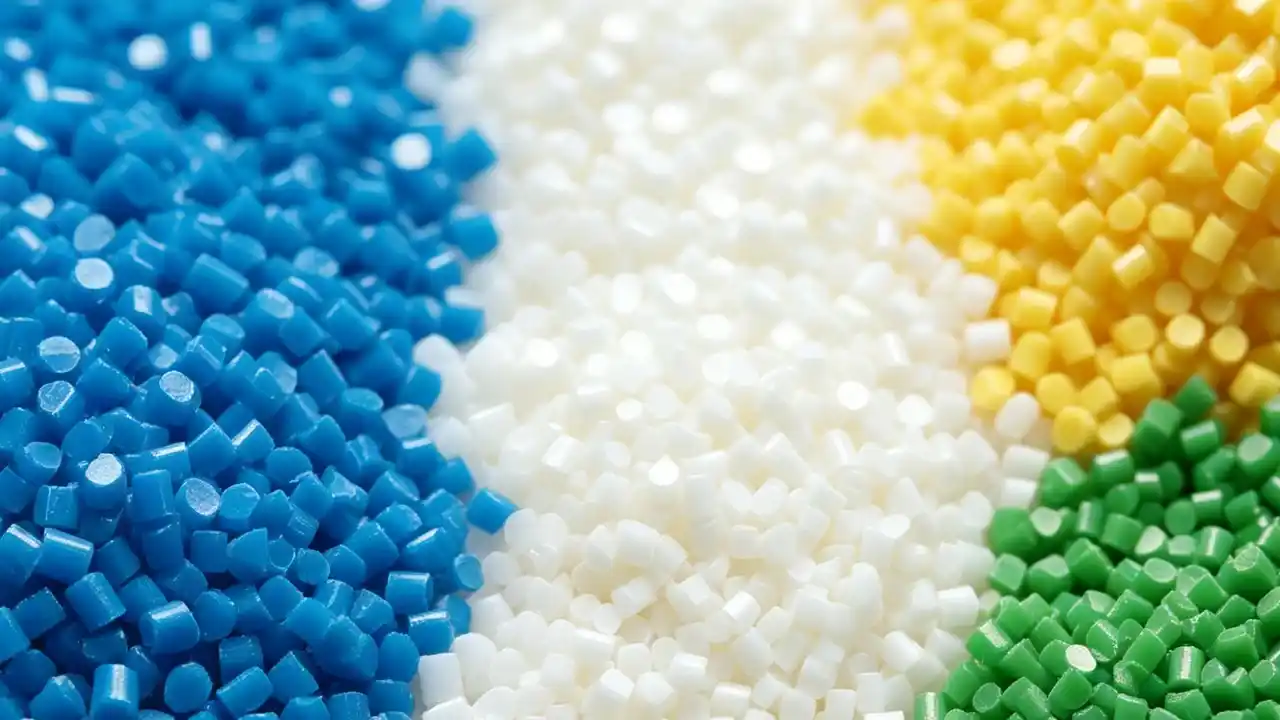
Zu den herausragenden Eigenschaften von TPU zählen eine hervorragende Abriebfestigkeit, hohe Elastizität und eine solide chemische Beständigkeit gegenüber Ölen und Fetten. Viele Typen bleiben bereits bei Temperaturen von bis zu -40 °C flexibel. Die Zugfestigkeit liegt je nach Typ typischerweise zwischen 25 und 65 MPa. Im Gegensatz zu den meisten Kautschuken schmilzt und fließt TPU – daher lässt es sich spritzgießen, extrudieren oder sogar im 3D-Druck verarbeiten. Die Shore-Härte variiert stark, weshalb sich TPU in Schuhsohlen weich anfühlt, in industriellen Walzen jedoch fest ist.
Härte und Flexibilität: Mehr Möglichkeiten, als den meisten Menschen bewusst ist
Eine Shore-Härte von 70A fühlt sich unter den Fingern fast wie Gel an. Eine Shore-Härte von 65D fühlt sich fest und leicht steif an – eher wie steifes Nylon als wie flexibles Gummi. Diese Bandbreite verstehen viele Designer erst dann wirklich, wenn sie mit mehreren Härtegraden gearbeitet haben.
Für Produktdesigner bedeutet dies, dass TPU keine einmalige Entscheidung ist – es handelt sich vielmehr um eine ganze Produktkategorie. Die Wahl des richtigen Typs hängt ganz davon ab, welchen Kräften Ihr Bauteil ausgesetzt sein wird. Eine Schutzhülle für Elektronikgeräte erfordert einen ganz anderen Biegemodul als eine Dichtung für Hydrauliksysteme.
Thermisches Verhalten
Standard-TPU-Typen sind für Betriebstemperaturen zwischen -40 °C und etwa 80–100 °C ausgelegt. Einige Spezialtypen halten auch höheren Temperaturen stand. Wenn Ihre Anwendung jedoch kontinuierlich bei 120 °C oder darüber betrieben wird, sollten Sie sich eingehend über die Materialoptionen beraten lassen, bevor Sie davon ausgehen, dass ein beliebiger TPU-Typ langfristig standhalten wird.
Abrieb- und Chemikalienbeständigkeit
Hier macht TPU seinem Ruf wirklich alle Ehre. Bei Abriebfestigkeitsprüfungen schneidet es durchweg besser ab als Naturkautschuk, Neopren und die meisten anderen thermoplastischen Elastomere (TPE). Bei Bauteilen, die wiederholt über Oberflächen gleiten, an ihnen reiben oder auf ihnen rollen – wie Förderbandführungen, Kabeldurchführungen oder Verschleißstreifen –, hält TPU deutlich länger.
Die chemische Beständigkeit ist gegenüber Ölen, Kraftstoffen und vielen Fetten sehr gut. Bei konzentrierten Säuren, starken Basen und einigen Ketonen ist die Beständigkeit jedoch eingeschränkt. Prüfen Sie dies stets unter Berücksichtigung Ihrer spezifischen chemischen Umgebung.
Verarbeitungsmerkmale
TPU lässt sich gut im Spritzguss verarbeiten, erfordert jedoch eine sorgfältige Temperatur- und Druckregelung. Im geschmolzenen Zustand weist es eine relativ niedrige Viskosität auf – was für dünne Wandstärken und komplexe Geometrien von Vorteil ist. Allerdings ist es vor der Verarbeitung feuchtigkeitsempfindlich, worauf wir in Kürze noch näher eingehen werden.
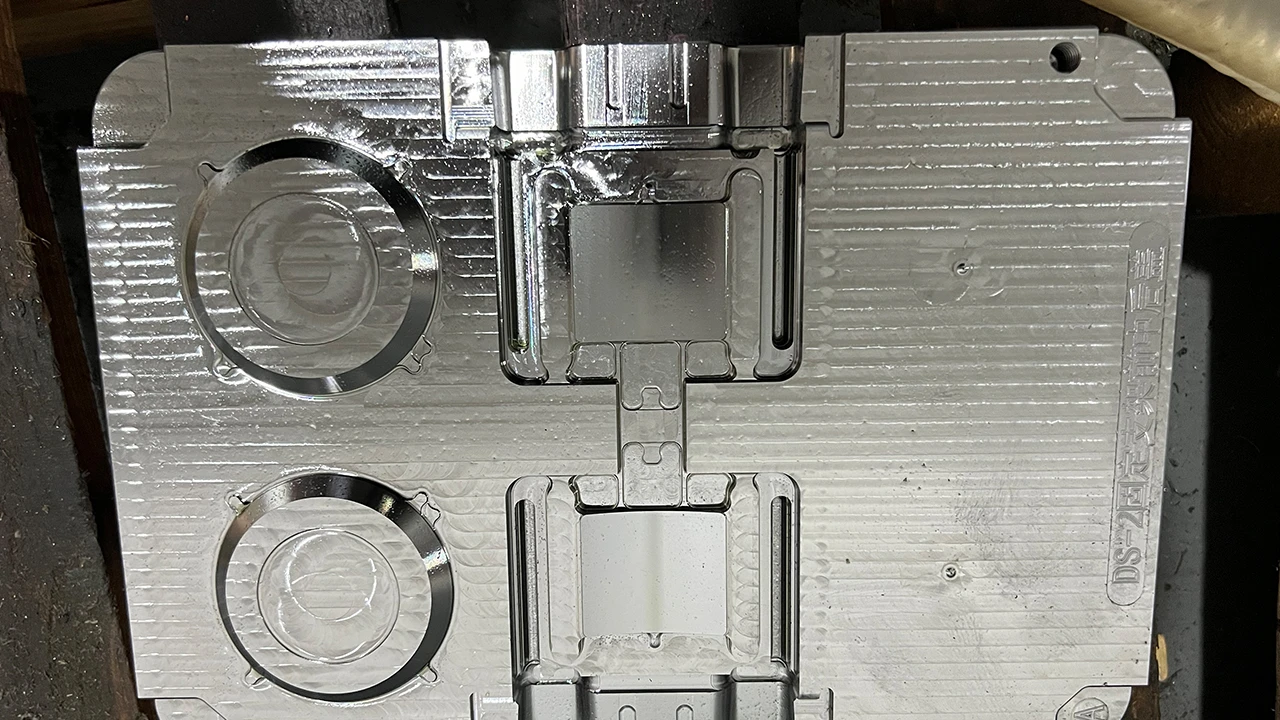
Bei Dimud prüft unser Ingenieurteam im Rahmen der DFM-Analyse die TPU-Typen, um Probleme beim Fließen, Verformungsrisiken und Bedenken hinsichtlich der Angussplatzierung bereits vor dem Formenbau zu erkennen. Dieser frühzeitige Schritt hat bereits mehreren Kunden kostspielige Werkzeugüberarbeitungen erspart. Weitere Informationen zu diesem Prozess finden Sie auf unserer Seite zu Dienstleistungen im Bereich Kunststoffspritzguss.
Welche Eigenschaften machen TPU gegenüber anderen Kunststoffen zum Material der Wahl?
“Warum nicht einfach Gummi verwenden?” – Das ist eine berechtigte Frage, und die Antwort hat mit der Herstellbarkeit zu tun. TPU bietet gummiähnliche Eigenschaften. und die Verarbeitungsflexibilität eines Thermoplasts. Und so sieht diese Kombination in der Praxis aus.
TPU wird gegenüber herkömmlichem Gummi und vielen thermoplastischen Elastomeren bevorzugt, da es ohne Vulkanisierung – den langsamen chemischen Aushärtungsschritt, den Gummi erfordert – spritzgegossen werden kann. Dies verkürzt die Zykluszeit und senkt die Kosten erheblich. TPU haftet zudem beim Umspritzen gut auf starren Kunststoffsubstraten, was Soft-Touch-Griffe, Dichtungen und flexible Abschnitte innerhalb eines Bauteils ermöglicht. Es bietet eine höhere Abriebfestigkeit als die meisten Elastomere, recycelbare Abfälle und eine strengere Maßhaltigkeit – Vorteile, die bei der traditionellen Gummiverarbeitung nur schwer zu erreichen sind.
Das Vulkanisationsproblem – und warum TPU dieses Problem umgeht
Herkömmliche Gummiteile müssen vulkanisiert werden: Dabei werden sie durch Hitze und chemische Vernetzung mit ihren endgültigen mechanischen Eigenschaften versehen. Dieser Prozess ist langsam, arbeitsintensiv und das Endprodukt ist nicht recycelbar. Bei TPU entfällt all das. Schmelzen, Einspritzen, Abkühlen, Auswerfen. Die Zykluszeiten für kleinere Teile können unter einer Minute liegen.
Das ist in der Produktion kein unerheblicher Vorteil. Wenn man 50.000 Einheiten pro Monat produziert – wie es bei einigen unserer Kunden der Fall ist –, summiert sich eine Verkürzung der Taktzeit um 30 Sekunden über ein Produktionsjahr hinweg sehr schnell.
TPU-Umspritzung: Einer ihrer am wenigsten genutzten Vorteile
Eine der praktischsten Eigenschaften von TPU ist seine Haftung auf starren Untergründen – ABS, PC, Nylon – während Umspritzen. Dadurch können Ingenieure Produkte mit weichen Griffbereichen, stoßdämpfenden Abschnitten oder wasserdichten Dichtungen entwickeln, die alle in einem einzigen Fertigungsschritt hergestellt werden.
Wir haben mit genau dieser Kombination an Griffen, Gerätegehäusen und Werkzeuggriffen gearbeitet. Um ein optimales Ergebnis zu erzielen, müssen die Substrattemperatur, der Anpressdruck und die Position der Angussstelle präzise gesteuert werden. Eine schwache Klebeverbindung macht sich bei der Erstmusterprüfung selten bemerkbar – sie tritt erst zutage, wenn ein Produkt bereits seit sechs Monaten im Einsatz ist.
Formstabilität im Vergleich zu Gummi
Eine aus einer Platte zugeschnittene flache Gummiplatte hält standardmäßig Toleranzen im Bereich von ±1–2 mm ein. Ein spritzgegossenes TPU-Bauteil kann ohne Probleme Toleranzen von ±0,1–0,2 mm einhalten. Bei Schnappverbindungen, Montageflächen oder allen Bauteilen mit Gegenstücken ist diese Maßgenauigkeit von entscheidender Bedeutung.
Recycelbarkeit
TPU-Abfälle können wieder zermahlen und wiederverwendet werden. Duroplastischer Kautschuk lässt sich nach dem Aushärten nicht mehr einschmelzen. In der Produktion führt dies im Laufe der Zeit zu weniger Materialverschwendung und zu niedrigeren Stückkosten – zwar nicht dramatisch, aber kontinuierlich.
Ist thermoplastisches Polyurethan (TPU) hygroskopisch?
Das ist ein Punkt, an dem viele Produktteams scheitern. Sie wählen einen hervorragenden TPU-Typ aus, verzichten auf das Vortrocknen und wundern sich dann, warum die Teile mit Oberflächenblasen, silbernen Streifen oder verminderter mechanischer Festigkeit aus der Produktion kommen. Die Antwort lautet: Ja – TPU nimmt Feuchtigkeit auf – und das spielt eine größere Rolle, als die meisten erwarten.
Ja, TPU ist hygroskopisch. Vor dem Spritzgießen müssen TPU-Granulate vorgetrocknet werden, in der Regel bei 80–100 °C für 2–4 Stunden, um den Feuchtigkeitsgehalt auf unter 0,05%, bezogen auf das Gewicht, zu senken. Eine unzureichende Trocknung führt während der Verarbeitung zu hydrolytischem Abbau: Die Polymerketten zerfallen, was zu schlechten mechanischen Eigenschaften, Oberflächenfehlern und einer verkürzten Lebensdauer der Bauteile führt. Selbst frisch geöffnete Säcke mit TPU-Granulat können unter feuchten Bedingungen innerhalb weniger Stunden so viel Umgebungsfeuchtigkeit aufnehmen, dass Verarbeitungsprobleme auftreten.
Was auf molekularer Ebene geschieht
TPU ist ein Blockcopolymer mit abwechselnden harten und weichen Segmenten. Die weichen Segmente – in der Regel Polyether- oder Polyesterpolyole – weisen eine natürliche Affinität zu Wasser auf. Feuchtigkeit bleibt nicht an der Oberfläche haften, sondern diffundiert in das Innere des Granulats.
Erhitzt man dieses Granulat in einem Spritzzylinder auf 190–220 °C, verwandelt sich das darin enthaltene Wasser in Dampf. Dieser reagiert mit den Urethanbindungen in einem Prozess, der als Kettenspaltung bezeichnet wird – die Polymerketten brechen buchstäblich auseinander. Das Bauteil mag beim Austritt aus der Form normal aussehen, seine mechanischen Eigenschaften sind es jedoch nicht.
Polyester vs. Polyether-TPU: Unterschiedliche Feuchtigkeitsempfindlichkeit
TPU auf Polyesterbasis weist stärkere intermolekulare Kräfte und eine höhere mechanische Festigkeit auf – allerdings hydrolysieren seine Esterbindungen im Laufe der Zeit in Gegenwart von Wasser, selbst nach der Verarbeitung. Bei feuchten oder nassen Einsatzbedingungen können Bauteile aus Polyester-TPU innerhalb von 12 bis 18 Monaten nach dem Einsatz im Feld spürbar an Qualität einbüßen.
TPU auf Polyetherbasis ist hydrolysebeständig. Es bewährt sich in nassen Umgebungen, feuchten Klimazonen und bei Anwendungen mit wiederholter Wassereinwirkung. Bei medizinischen Schläuchen, Kabeln für den Außenbereich oder Konsumgütern, die in der Nähe von Wasser eingesetzt werden, kann dieser Unterschied den Ausschlag zwischen einer Lebensdauer von zwei Jahren und einer von zehn Jahren geben.
Dies ist ein Auswahlkriterium, das bei allgemeinen Materialvergleichen leicht übersehen wird. Es ist jedoch von Bedeutung.
Praktische Hinweise zur Vortrocknung
- Temperatur: 80–100 °C. Bei einigen Sorten ist genau 90 °C angegeben – bitte überprüfen Sie das Datenblatt Ihres Lieferanten.
- Zeit: Mindestens 2–4 Stunden in einem Entfeuchtungstrockner. Umluftofen sind weniger effektiv.
- Feuchtigkeitsziel: Vor der Verarbeitung weniger als 0,051 TP3T, bezogen auf das Gewicht.
- Nach dem Trocknen: Bewahren Sie die Pellets in verschlossenen Trichtern oder temperaturgeregelten Behältern auf. Offene Behälter in einer feuchten Fabrikhallenumgebung machen die Trocknung innerhalb von ein bis zwei Stunden zunichte.
Das überprüfen unsere Verfahrenstechniker bei der Produktionsvorbereitung für jeden TPU-Auftrag – es handelt sich um einen dieser kleinen Parameter, die einen überproportional großen Einfluss auf die Teilequalität haben.
Wann sollte TPU verwendet werden?
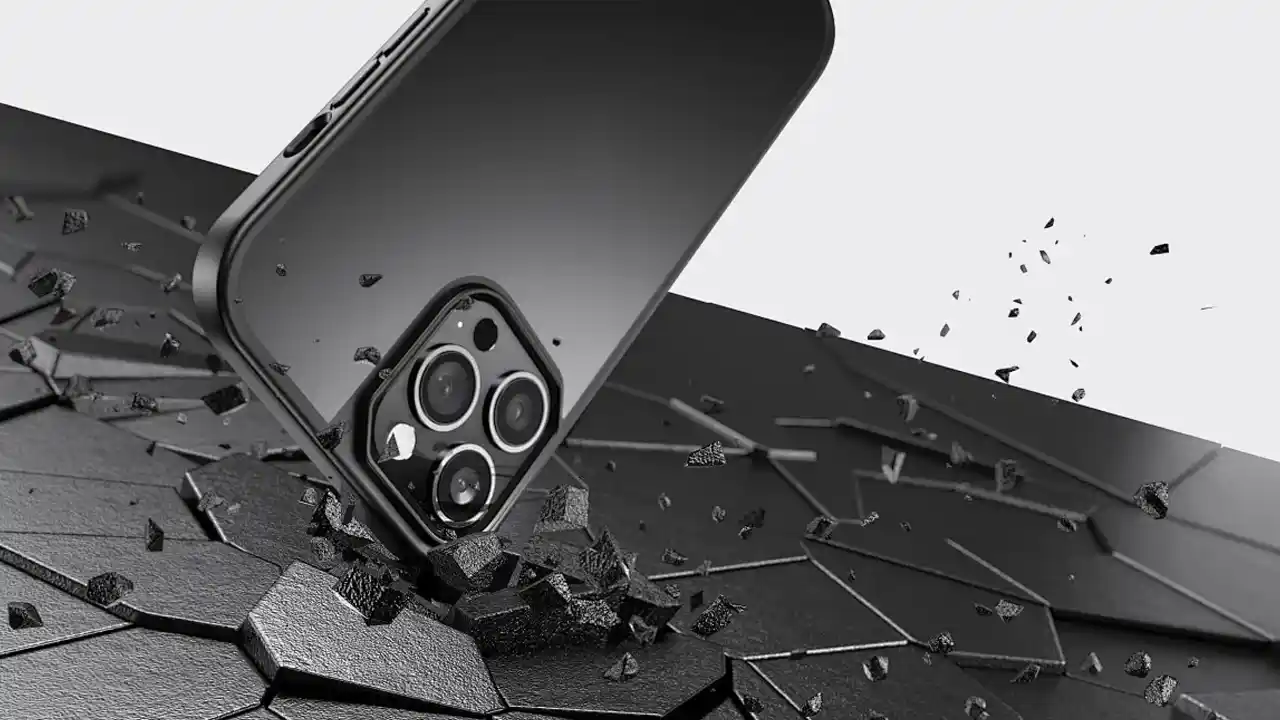
Die entscheidende Frage lautet nicht: “Kann TPU hier eingesetzt werden?”, sondern: “Sollte es eingesetzt werden?” TPU hat klare Stärken und echte Grenzen. Zu wissen, wo der Einsatz sinnvoll ist – und wo ein anderes Material tatsächlich besser geeignet ist –, unterscheidet ein gutes Design von einem teuren Fehler.
Verwenden Sie TPU, wenn Ihr Bauteil Flexibilität in Verbindung mit Zähigkeit erfordert: Kabelmäntel, Schutzgehäuse, tragbare Komponenten, Griffe, Dichtungen, flexible Schläuche. Es eignet sich hervorragend für Bauteile, die wiederholten Biegebelastungen oder Stößen ausgesetzt sind, ohne zu brechen. Vermeiden Sie TPU für Teile, die dauerhaft Temperaturen über 100 °C ausgesetzt sind, in Umgebungen mit konzentrierten Chemikalien zum Einsatz kommen oder bei denen eine hohe Steifigkeit erforderlich ist. Die meisten TPU-Typen sind durchscheinend bis undurchsichtig und nicht optisch klar – überdenken Sie daher die Wahl dieses Materials, wenn Transparenz eine Konstruktionsanforderung ist.
Anwendungsbereiche, in denen TPU durchweg gute Leistungen erbringt
Unterhaltungselektronik: Handyhüllen, Ohrstöpsel, Kabelentlastungen, flexible Tastenmembranen. Sturzfestigkeit und griffige Haptik sind genau das, was den Verbrauchern auffällt – und was die meisten hochwertigen Kabelzubehörteile dank TPU statt billigerem PVC bieten.
Medizinprodukte: Nicht implantierbare Schläuche, Katheterkomponenten, Schläuche für Peristaltikpumpen, Schutzgriffe. Bestimmte Qualitäten wurden gemäß ISO 10993 auf Biokompatibilität geprüft. Die Auswahl von Materialien für medizinische Anwendungen erfordert eine sorgfältige Validierung, doch TPU ist in diesem Bereich ein etabliertes Material.
Schuhe und Bekleidung: Laufsohlen, Uhrenarmbänder, Armbänder für Fitness-Tracker. Die Kombination aus Abriebfestigkeit und Flexibilität ist hier der entscheidende Wertfaktor.
Industriekomponenten: Förderbandkomponenten, Antriebsrollen, Verschleißstreifen, Hydraulikdichtungen. Umgebungen mit hoher Beanspruchung und starkem Abrieb, in denen sich der Vorteil von TPU hinsichtlich der Haltbarkeit gegenüber Gummimischungen nach 6–12 Monaten Betrieb deutlich zeigt.
Wann TPU die falsche Wahl ist
Wenn das Bauteil bei 120 °C unter Belastung seine strukturelle Steifigkeit beibehalten muss, sollten Sie sich nach einer anderen Lösung umsehen. Wenn Sie wasserklare optische Komponenten benötigen, ist TPU ohne Spezialtypen, die die Kosten erheblich in die Höhe treiben, nicht geeignet. Wenn bei einem flexiblen Bauteil mit geringen Leistungsanforderungen der Kostenfaktor im Vordergrund steht, können Standard-TPE-Mischungen oder PVC deutlich wirtschaftlicher sein.
Ich habe schon erlebt, dass Start-ups TPU für Bauteile überdimensioniert haben, für die eigentlich nichts weiter als flexibles PVC erforderlich gewesen wäre. Die TPU-Variante kostete pro Kilogramm dreimal so viel, erforderte engere Formtoleranzen und brachte in der Anwendung keinen messbaren Vorteil. Niemand hat dabei gewonnen.
Erst einen Prototyp erstellen, bevor man sich festlegt
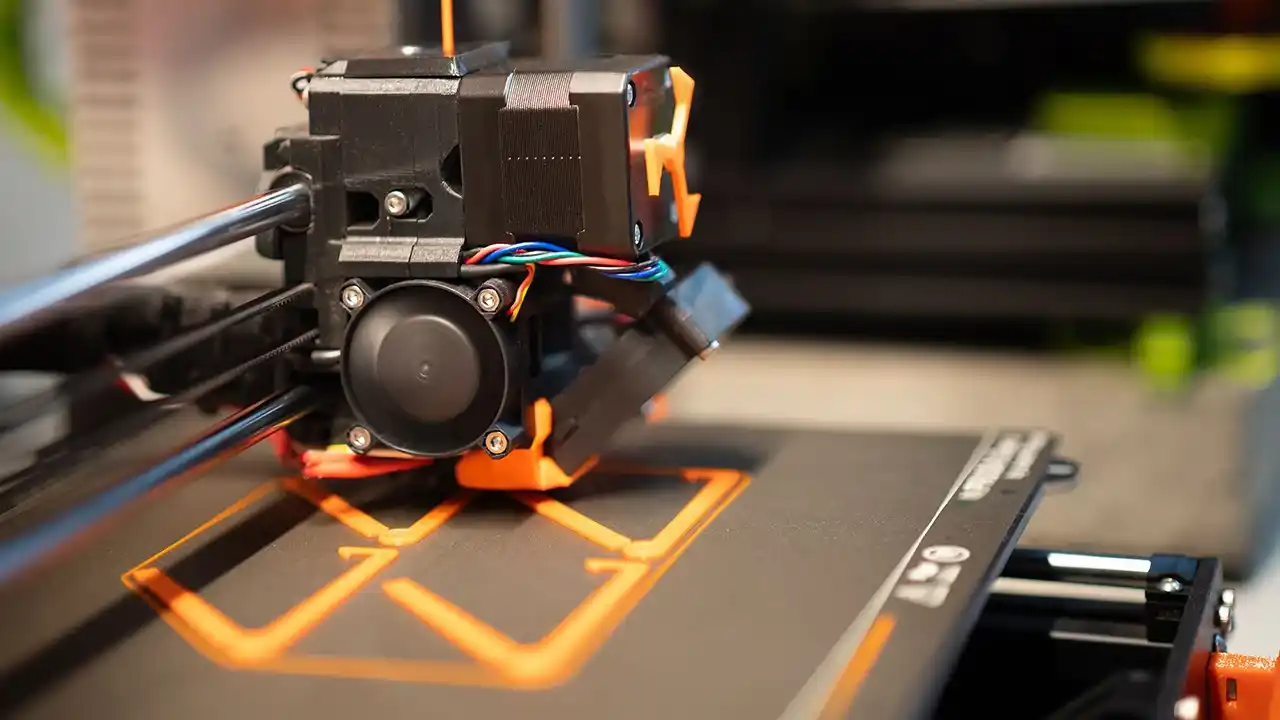
Wenn Sie sich unsicher sind, erstellen Sie einen physischen Prototyp. 3D-gedruckte TPU-Prototypen vermitteln Ihnen schnell ein greifbares Gefühl dafür, wie sich das Material verhält, bevor Sie in den Werkzeugbau investieren. Wir empfehlen diesen Schritt regelmäßig Kunden, die zwischen zwei Materialoptionen entscheiden müssen – so lässt sich die Frage innerhalb von Tagen statt Wochen klären. Unser Prototypenerstellungsservice unterstützt genau diese Art der Validierung in der frühen Entwicklungsphase.
Worin unterscheidet sich TPU von Silikon?
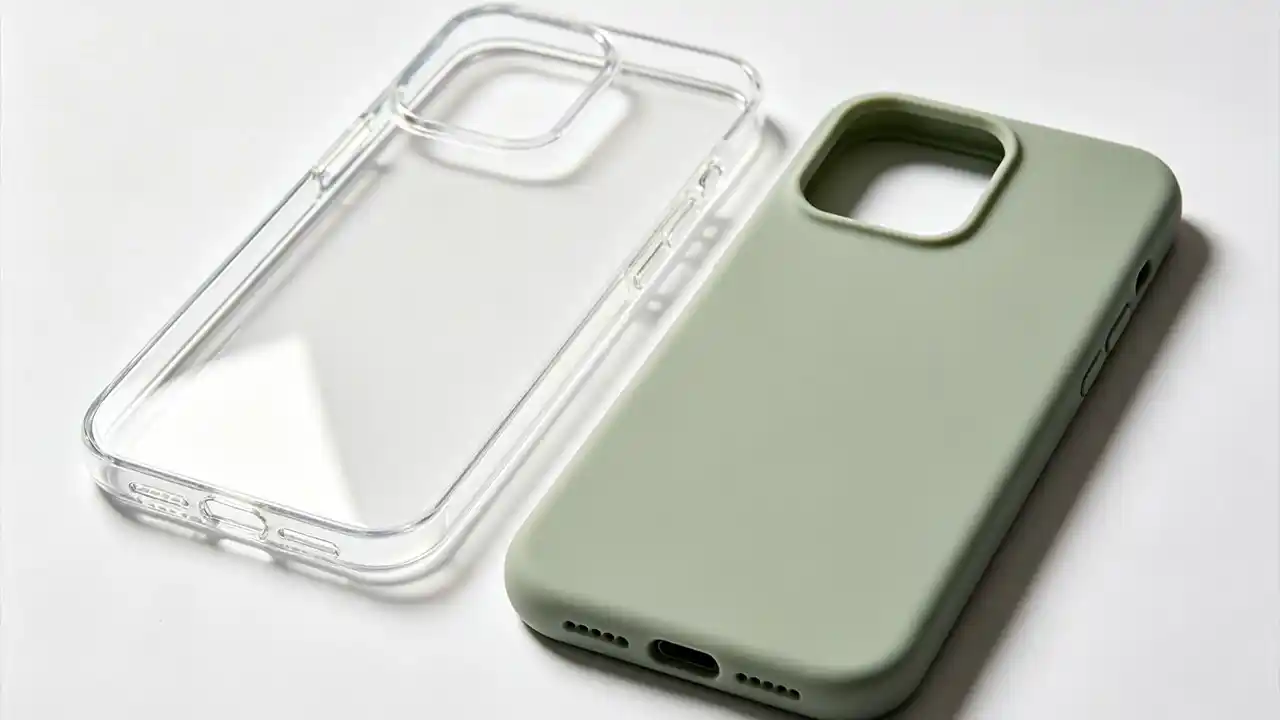
Dieser Vergleich taucht immer wieder auf. Beide Materialien sind flexibel, kommen in ähnlichen Produktkategorien vor und werden beide unter dem Begriff “weiche Materialien” zusammengefasst. Doch in der Produktion, im praktischen Einsatz und in Bezug auf Ihr Budget verhalten sie sich ganz unterschiedlich.
TPU und Silikon sind beide flexible Elastomere, unterscheiden sich jedoch grundlegend in ihrer chemischen Zusammensetzung und Verarbeitung. Silikon ist duroplastisch – es härtet dauerhaft aus und kann weder wieder geschmolzen noch recycelt werden. TPU ist thermoplastisch – es lässt sich auf Standardanlagen im Spritzgussverfahren verarbeiten und erzeugt recycelbaren Ausschuss. Silikon ist für höhere Dauertemperaturen (200 °C+) geeignet und weist eine bessere UV- und Ozonbeständigkeit auf. TPU bietet eine überlegene Abriebfestigkeit, eine höhere mechanische Festigkeit und niedrigere Rohstoffkosten. Die Entscheidung hängt in der Regel vom Temperaturbereich, der chemischen Umgebung, der Haptik der Oberfläche und der Fertigungsinfrastruktur ab.
Verarbeitung: Hier liegt der größte praktische Unterschied
Flüssigsilikonkautschuk (LSR) ist ein Zweikomponentensystem, das spezielle Spritzgussanlagen erfordert – beheizte Formen, Kaltzylinder und spezielle Maschinen. TPU lässt sich auf Standard-Spritzgussanlagen für Thermoplaste verarbeiten. Wenn die Werkzeuginfrastruktur für Thermoplaste bereits vorhanden ist, ist die Einführung von TPU eine unkomplizierte Prozessumstellung. Die Einführung von LSR ist eine Investition, die eine grundlegende Entscheidung erfordert.
Das bedeutet nicht, dass die Verarbeitung von Silikon schwieriger wird – es macht es anders, was mit höheren Einrichtungskosten verbunden ist. Bei der Kleinserien- oder Kleinserienfertigung spielt diese Infrastrukturinvestition eine große Rolle. Unsere Spritzgussdienstleistungen für Flüssigsilikonkautschuk behandelt LSR speziell – die beiden Prozesse unterscheiden sich tatsächlich so stark voneinander, dass sie als separate Capabilities ausgeführt werden können.
Temperaturbereich: Silikon liegt klar vorn
Silikon behält seine Flexibilität kontinuierlich von -60 °C bis über 200 °C bei. Die meisten TPU-Typen beginnen unter mechanischer Belastung bei Temperaturen über 80–100 °C zu erweichen. Für alle Anwendungen in der Nähe einer Wärmequelle – Ofendichtungen, Bauteile unter der Motorhaube, Gehäuse von Beleuchtungskörpern – ist Silikon das richtige Material. Bei Standard-TPU-Typen gibt es keine Alternative.
Abriebfestigkeit: TPU liegt klar vorn
Silikon weist eine geringe Abriebfestigkeit auf. Silikonteile, die an Oberflächen reiben, nutzen sich schnell ab. Bei allen Anwendungen, bei denen mechanischer Kontakt, Gleitreibung oder wiederholter Verschleiß auftreten, übertrifft TPU Silikon deutlich und sorgt für eine messbar längere Lebensdauer.
Oberflächengefühl und haptischer Charakter
Silikon hat eine charakteristische weiche, leicht klebrige Haptik, die Verbraucher in vielen Produktkategorien mit Premiumqualität assoziieren. TPU lässt sich zwar so formulieren, dass es glatt oder strukturiert ist, doch die haptische Eigenschaft ist eine andere – weniger klebrig, eher kunststoffartig. Keines der beiden Materialien ist objektiv besser. Es hängt davon ab, welches Erlebnis Sie gestalten möchten.
Kosten
TPU ist pro Kilogramm in der Regel kostengünstiger als Silikon, und die Herstellung von Standard-Spritzgussformen ist kostengünstiger als die von LSR-Formen. Bei großen Stückzahlen ist der Unterschied in den Stückkosten zwischen einem TPU-Teil und einem gleichwertigen LSR-Teil real – nicht immer entscheidend, aber real.
Was sind die wichtigsten TPU-Typen – und wie trifft man die richtige Wahl?
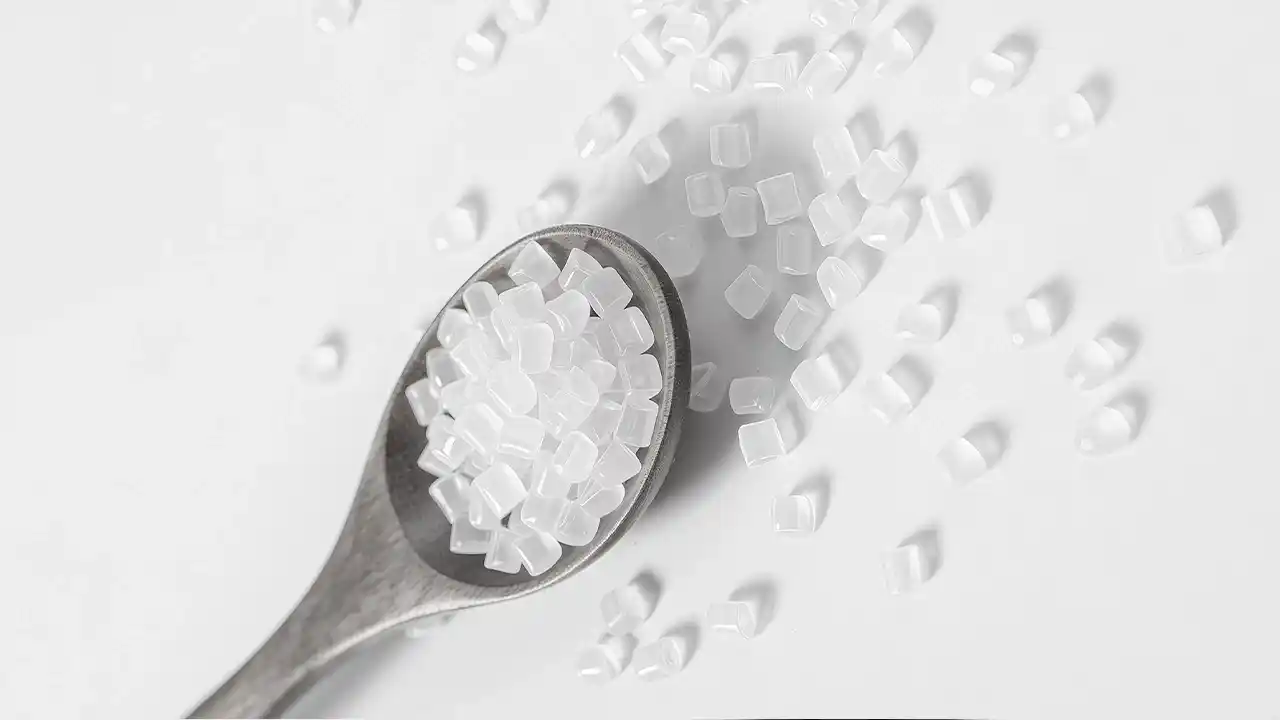
Nicht jedes TPU ist aus dem gleichen Material. Die Auswahl von “TPU” ohne Angabe der chemischen Zusammensetzung ist vergleichbar mit der Bestellung von “Stahl” ohne Angabe der Güteklasse oder Härte. Die zugrunde liegende chemische Zusammensetzung beeinflusst die Verarbeitbarkeit, die Langzeitleistung und die Einhaltung gesetzlicher Vorschriften.
TPU wird grob in Typen auf Polyester- und auf Polyetherbasis unterteilt. Polyester-TPU bietet eine bessere mechanische Festigkeit, Ölbeständigkeit und Abriebfestigkeit – und eignet sich daher für industrielle Anwendungen und den Einsatz im Außenbereich. Polyether-TPU ist feuchtigkeits- und hydrolysebeständiger und eignet sich daher besser für feuchte Umgebungen und medizinische Anwendungen. TPU-Typen auf Polycarbonatbasis bieten eine höhere thermische Stabilität. Eine weitere Unterscheidung ergibt sich aus der Härte, den Additivpaketen (Flammschutzmittel, UV-Stabilisatoren, antimikrobielle Zusätze) sowie der Einhaltung gesetzlicher Vorschriften für bestimmte Märkte.
Polyester vs. Polyether: Die entscheidende Wahl
Polyester-TPU basiert auf Esterbindungen im weichen Segment. Diese sorgen für stärkere intermolekulare Kräfte – höhere Zugfestigkeit und bessere Abriebfestigkeit. Der Nachteil: Esterbindungen hydrolysieren im Laufe der Zeit in Gegenwart von Wasser. Bei Anwendungen im Außenbereich oder in feuchten Umgebungen äußert sich dies in einer Materialalterung nach 12–24 Monaten im Einsatz.
Polyether-TPU nutzt stattdessen Etherbindungen. Diese sind hydrolysebeständig. Sie zersetzen sich unter feuchten oder nassen Bedingungen nicht in gleicher Weise. Bei medizinischen Schläuchen, Kabeln für den Außenbereich, Uhrenarmbändern oder Konsumgütern, die regelmäßig mit Wasser in Kontakt kommen, halten Polyether-Typen über die gesamte tatsächliche Lebensdauer des Produkts hinweg deutlich länger.
Dieser Auswahlpunkt verdient mehr Beachtung, als ihm in allgemeinen Leitfäden üblicherweise zuteilwird.
Flammschutztypen
Viele TPU-Formulierungen enthalten flammhemmende Additive für Elektronikgehäuse, Draht- und Kabelisolierungen sowie Bauprodukte. Diese Typen werden gemäß den UL-94-Normen geprüft – üblicherweise mit den Klassifizierungen V0 oder V2. Für Gehäuse von Unterhaltungselektronik und Kabelmäntel ist dies keine Option – es handelt sich um eine gesetzliche Vorschrift in den meisten Exportmärkten, darunter die USA und die EU.
Beim Durcharbeiten von Materialauswahl Zusammen mit unserem Entwicklungsteam ist dies eine der ersten Fragen, die wir bei jeder Anwendung im Bereich der Unterhaltungselektronik stellen: Welche Sicherheitszertifizierungen gelten, und lässt die Materialzusammensetzung diese zu?
Leitfaden zur Härteauswahl
- Shore 60A–80A: Sehr weich, gelartig. Polsterungen, medizinische Griffe, Ohrstöpsel, orthopädische Einlagen.
- Shore 85A–95A: Mittlere Flexibilität. Der am häufigsten verwendete Bereich für Schuhsohlen, Schutzhüllen und Kabelmäntel.
- Shore 40D–60D: Steif, aber leicht biegsam. Industrierollen, strukturell biegsame Bauteile, Förderbandteile.
Wenn man den tatsächlich benötigten Bereich überschreitet, entstehen Probleme. Ist das Bauteil zu weich, verformt es sich unter Belastung. Ist es zu steif, verliert es den Biegebereich oder die Stoßdämpfung, auf die man bei der Konstruktion abgestellt hat.
Lässt sich TPU spritzgießen – und worauf sollte man achten?
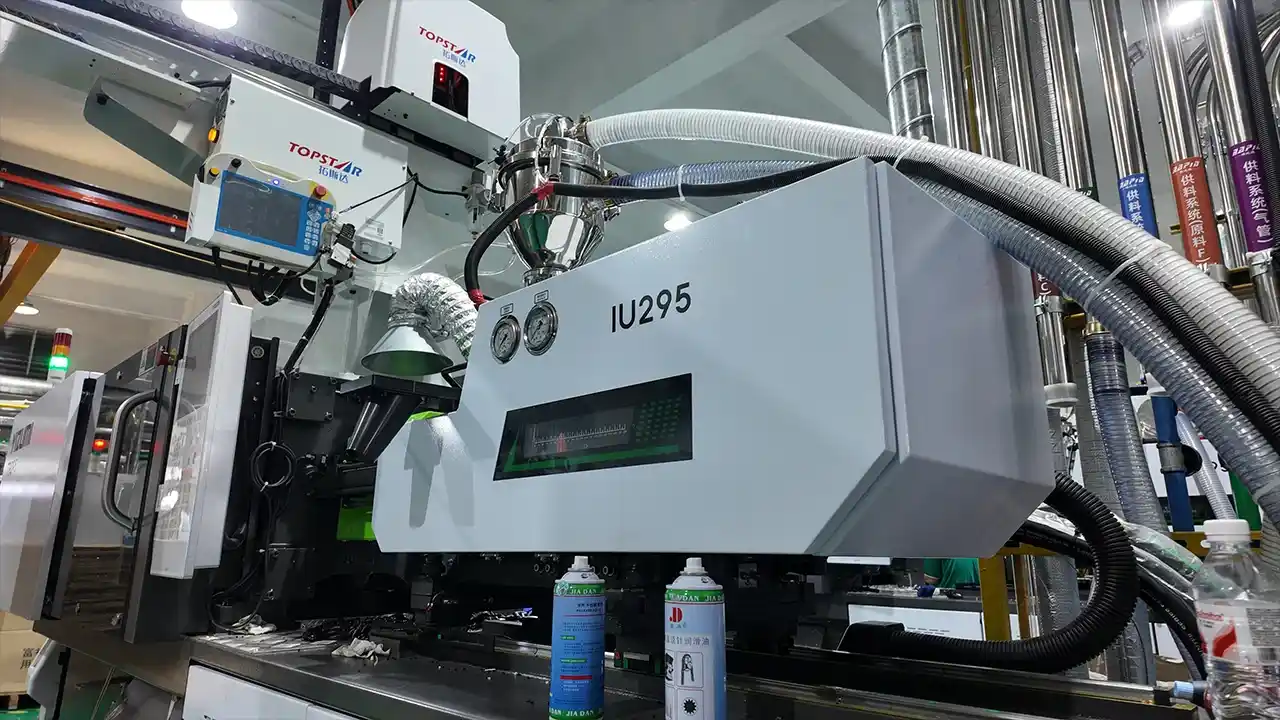
Ja, TPU lässt sich sauber spritzgießen. Allerdings weist es einige Eigenheiten auf, die Teams überraschen können, wenn sie noch keine Erfahrung mit diesem Material haben. Wird es verarbeitet, ohne diese Eigenheiten zu kennen, führt dies zu Oberflächenfehlern, schwachen Angussnähte und Bauteilen, die nicht den vorgegebenen Eigenschaften entsprechen.
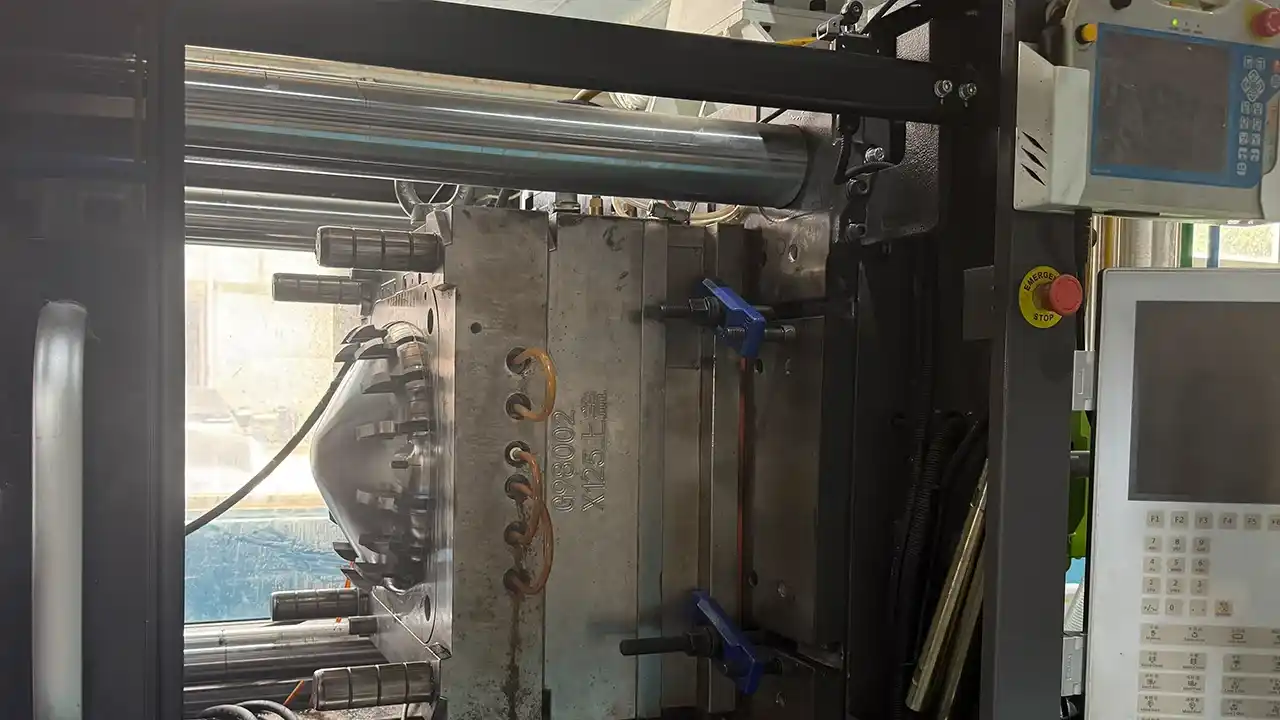
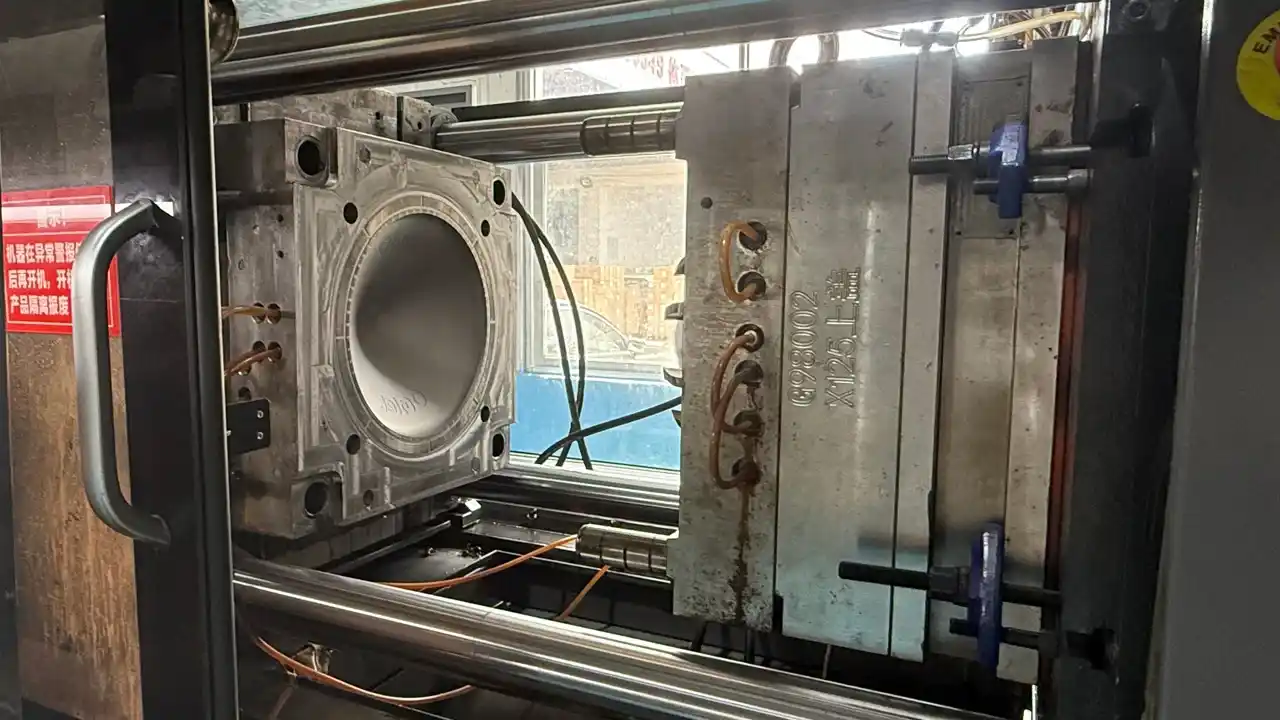
TPU wird auf Standard-Spritzgießmaschinen bei Zylindertemperaturen von 180–220 °C und Formtemperaturen von etwa 20–50 °C verarbeitet. Wichtige Anforderungen: obligatorische Vortrocknung (80–100 °C für 2–4 Stunden), geringer Gegendruck zur Vermeidung von Scherzerfall sowie eine sorgfältige Angussgestaltung, da bei flexiblen Teilen Angussspuren deutlicher sichtbar sind als bei starren. Die Verweilzeit im Zylinder sollte kurz gehalten werden. Weiche Typen erfordern optimierte Auswerferanlagen – dünne, flexible Teile können sich beim Auswerfen dehnen oder reißen, wenn die Entformungsschrägen und die Anordnung der Auswerfer nicht auf das Materialverhalten abgestimmt sind.
Entwurfsansichten für flexible Teile
Bei harten Kunststoffen wie ABS oder PC ist ein Entformungswinkel von 0,5–1° Standard. Bei weichem TPU – insbesondere bei Shore 85A und darunter – kann man manchmal einen geringeren Entformungswinkel verwenden, da sich das Teil beim Auswerfen verbiegt. Diese Flexibilität ist jedoch ein zweischneidiges Schwert. Ein Bauteil, das sich vom Kern löst, kann reißen, wenn die Wandstärke oder die Position des Angusses nicht stimmt.
Der häufigste Fehler, den wir bei Entwürfen feststellen, die zur DFM-Prüfung eingereicht werden: keine Formschräge bei internen Elementen mit engen Toleranzen, kombiniert mit einer weichen TPU-Spezifikation. Die Form funktioniert beim ersten Schuss noch einwandfrei. Beim 200. Schuss zeigt sich bereits ein Verschleißmuster. Beim 2.000. Schuss kommt es zu Maßabweichungen. Unsere DFM-Analyseservice Dies betrifft insbesondere die Werkzeugherstellung für flexible Materialien – durch eine frühzeitige Überprüfung lässt sich dies vermeiden.
Überlegungen zur Wanddicke
TPU lässt sich in dünnen Wandstärken recht gut verarbeiten, doch bei Wandstärken unter etwa 0,6 mm treten bei den meisten Standardtypen häufig Probleme beim Füllen und Oberflächenfehler auf. Eine gleichmäßige Wandstärke ist bei TPU zudem wichtiger als bei starren Kunststoffen. Uneinheitliche Abkühlung in Abschnitten mit variabler Wandstärke führt zu Verformungen, die ein flexibles Material tatsächlich beibehält – im Gegensatz zu einem starren Teil lässt es sich nach dem Auswerfen nicht mehr glattdrücken.
Schweißnähte an flexiblen Bauteilen
Schweißnähte in TPU-Teilen sind im Vergleich zu den meisten starren Werkstoffen relativ schwächer. Vermeiden Sie es, Schweißnähte in Bereichen anzubringen, die wiederholten Biegebelastungen oder zyklischen Beanspruchungen ausgesetzt sind. Bei der Formkonstruktion sollte bei der Wahl der Angussposition berücksichtigt werden, wo sich Schweißnähte bilden und ob diese Positionen mit Geometrien zusammenfallen, die hohen Belastungen ausgesetzt sind.
Bei Dimud führen wir Mold-Flow-Simulationen durch, bevor wir die Angussplatzierung bei TPU-Teilen endgültig festlegen. Das ist keine reine Formalität – es wirkt sich direkt auf die langfristige Qualität der Teile aus. Wenn Sie einen Fertigungspartner für das TPU-Spritzgießen in Betracht ziehen und die Position der Schweißnaht während der Formkonstruktion nicht besprochen wird, sollten Sie dies als Warnsignal betrachten.
Schlussfolgerung
TPU bewährt sich in Konstruktionen, bei denen die Verarbeitung von Gummi zu teuer ist und harter Kunststoff nicht flexibel genug ist. Es ist robust, abriebfest, formbar und über einen breiten Härtebereich hinweg vielseitig einsetzbar. Es hat jedoch auch klare Grenzen: eine maximale Temperatur von etwa 100 °C, Feuchtigkeitsempfindlichkeit vor der Verarbeitung sowie das Risiko der Hydrolyse bei Polyester-Typen, die über einen längeren Zeitraum Wasser ausgesetzt sind.
Die Wahl des Materials ist nur die halbe Miete. Die andere Hälfte besteht darin, wie es verarbeitet wird und wie die Form darauf abgestimmt wird. Wenn Sie an einem Produkt arbeiten, bei dem TPU zum Einsatz kommt – oder wenn Sie noch darüber nachdenken, ob TPU die richtige Wahl ist – Unser Ingenieurteam bei Dimud steht Ihnen gerne zur Verfügung, um Ihren Entwurf zu prüfen. Wir haben bereits große Mengen an TPU mit unseren Werkzeugen verarbeitet. Wir wissen, wo es gut funktioniert und wo nicht.