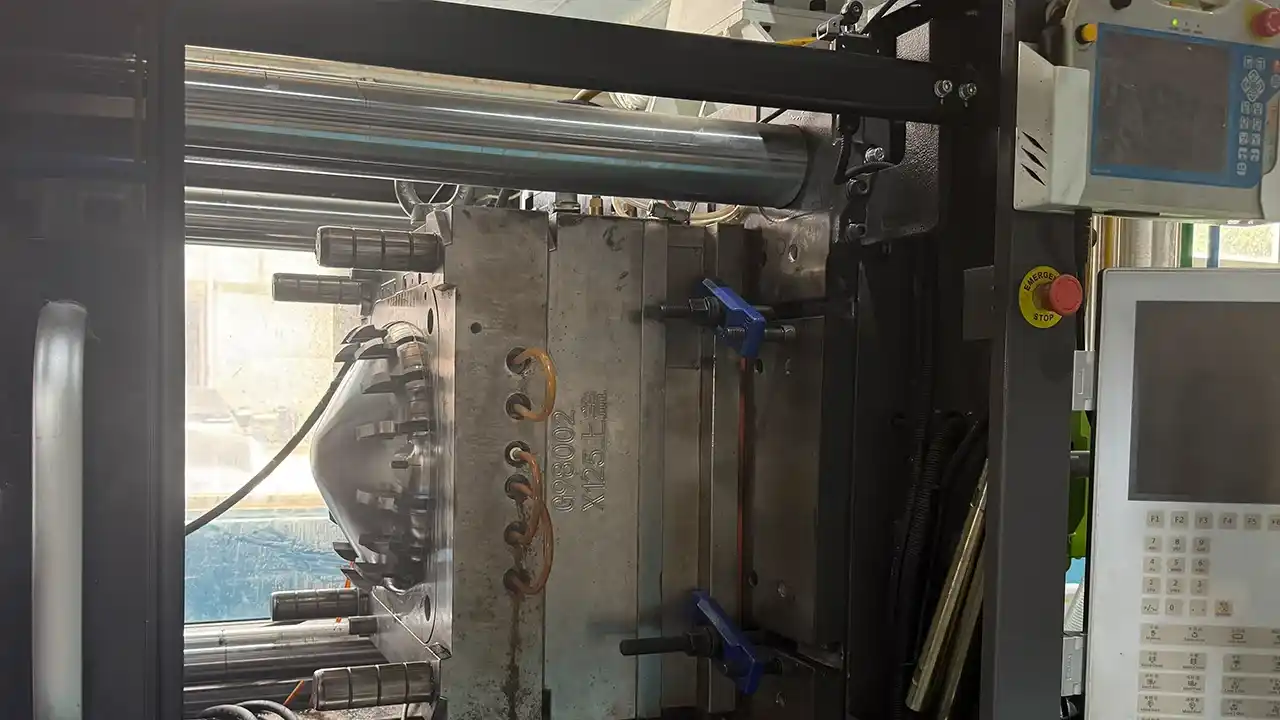

Not sure if PFA plastic is suitable for your project? Unsure which grade of PFA plastic to use? Struggling to find a manufacturer with proven PFA injection molding experience? Wondering how PFA plastic compares to PVDF or PTFE for your specific application? Concerned about whether PFA plastic meets PFAS compliance requirements in your target market?
PFA plastic sits at the pinnacle of the fluoroplastic hierarchy. It is neither the cheapest nor the easiest to process, but it is irreplaceable in applications where extreme chemical environments coexist with ultra-high purity requirements. This is why semiconductor wafer fabs, biopharmaceutical companies, and high-end medical device manufacturers worldwide regard PFA plastic as the standard material for fluid systems—even though its cost is several times higher than that of PVDF.
Dimud’s engineering team has systematically accumulated expertise in the field of high-performance fluoroplastic injection molding. This article will systematically outline the core knowledge of PFA plastic from three perspectives—materials science, engineering selection, and injection molding processes—to help engineers and procurement teams make informed material selection decisions.
What is PFA plastic?
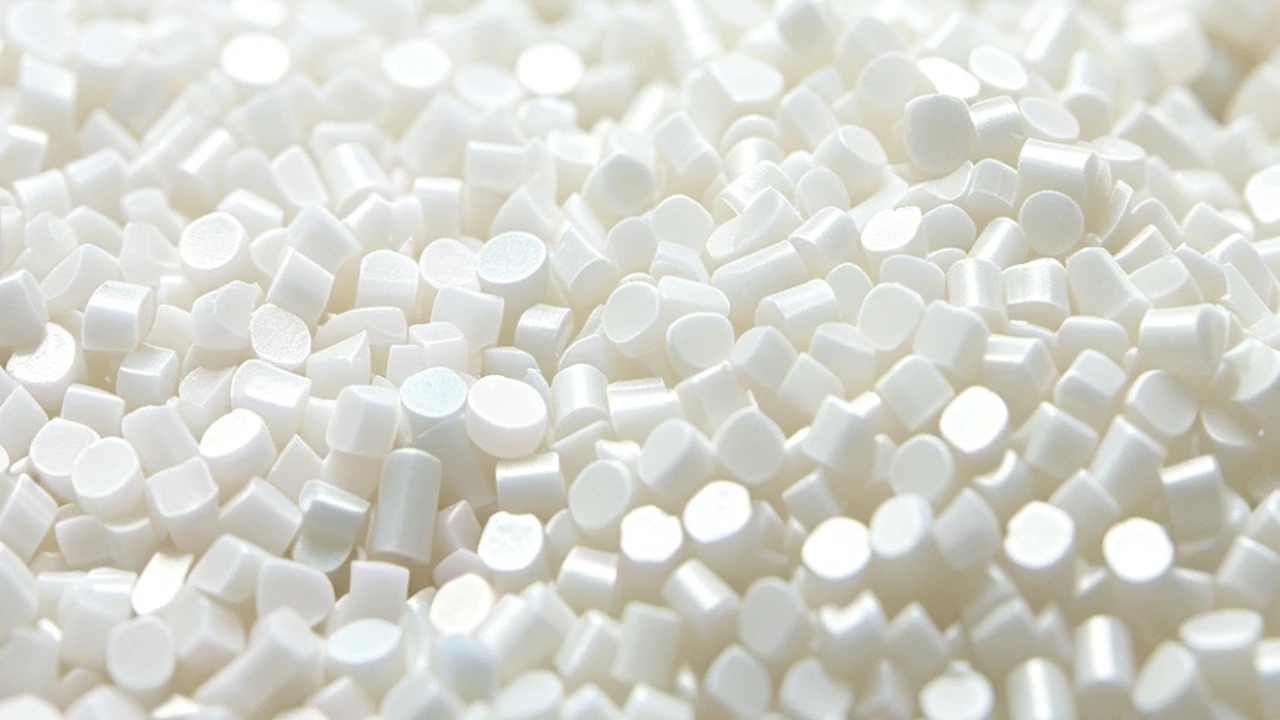
The full name of PFA plastic is Perfluoroalkoxy (perfluoroalkoxy polymer), which is a copolymer of tetrafluoroethylene (TFE) and perfluoroalkyl vinyl ether (PAVE). The most common PAVE copolymer monomers are perfluoropropyl vinyl ether (PPVE) and perfluoromethyl vinyl ether (PMVE); the choice between these two determines the specific grade characteristics of PFA plastic.
The commercial history of PFA plastic dates back to the 1970s. DuPont was the first to introduce Teflon® PFA in 1972; since then, Solvay’s (now Syensqo) Hyflon® PFA and Daikin’s Neoflon® PFA have become the three major global supply systems.
The development of PFA plastic has a clear engineering rationale: PTFE has nearly perfect chemical properties but cannot be melt-injected; FEP solved PTFE’s processing challenges but reduced the maximum heat resistance from 260°C to 200°C. By introducing bulkier perfluoroalkoxy side chains onto the TFE main chain, PFA plastic reduces the melt viscosity of PTFE to a level suitable for injection molding while fully retaining a continuous service temperature of 260°C and near-spectrum chemical resistance—something FEP cannot achieve, and the fundamental reason for PFA plastic’s higher price.
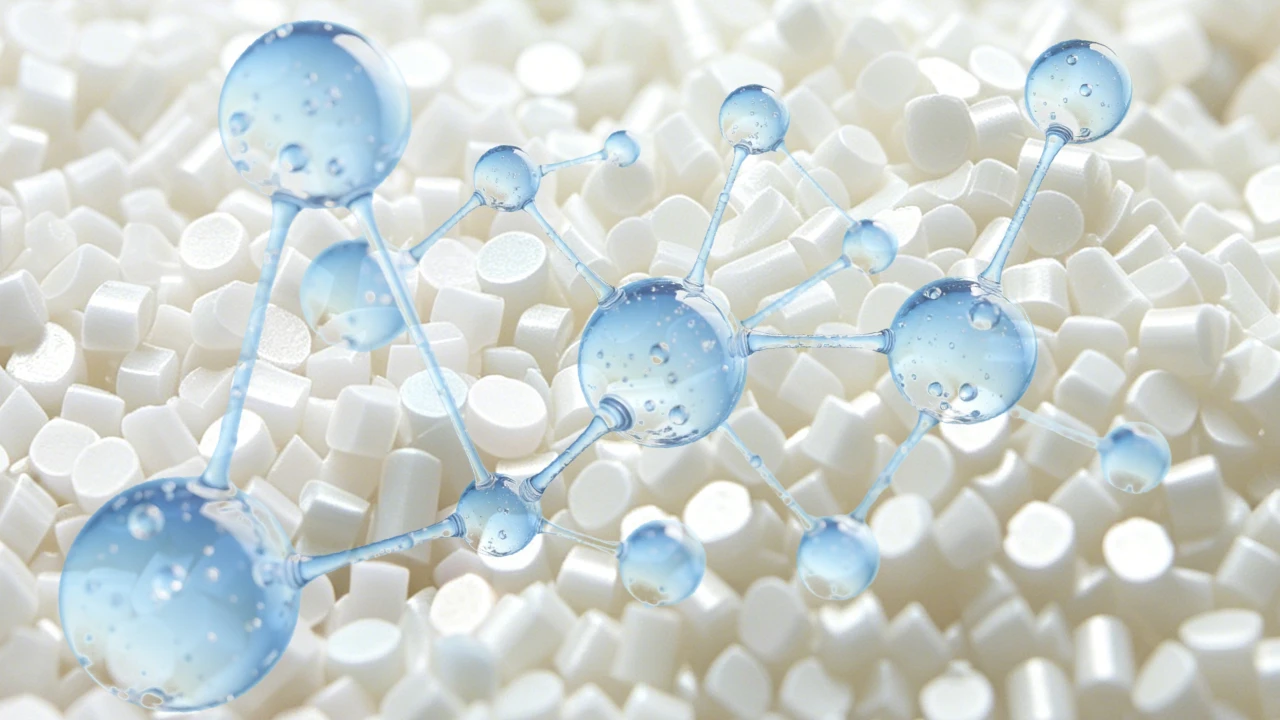
From a chemical structural perspective, PFA plastic is a semi-crystalline perfluorinated polymer in which all hydrogen atoms on the main chain and side groups are replaced by fluorine atoms, with a C–F bond energy of approximately 485 kJ/mol. Compared to FEP, PFA plastic has larger side chains that interfere less with the main chain’s crystalline structure; consequently, its crystallinity (approximately 50%–70%) is higher than that of FEP, directly resulting in better creep resistance and superior thermal stability—two properties that are critical for fluid seals.
As a PFA plastic fabricator specializing in high-performance material injection molding, the Dimud team conducts a systematic DFM review before the start of every PFA project to ensure that the material properties are fully aligned with the part design and mold solution.
What Are the Key Properties and Characteristics of PFA Plastic?
A comprehensive understanding of PFA properties is the foundation for selecting the right material. The following provides a systematic overview of the core parameters of PFA plastic from multiple perspectives:
Thermal Performance
| Performance Metrics | Typical value |
|---|---|
| Melting temperature (Tm) | 305–310 °C |
| Continuous service temperature | -200 °C – +260 °C |
| Short-term peak heat resistance | +300 °C |
| Heat Deflection Temperature (HDT, 0.45 MPa) | 74–77 °C |
| Coefficient of Thermal Expansion (CTE) | 120–150 × 10⁻⁶ /K |
| Thermal conductivity | 0.19–0.24 W/(m·K) |
PFA plastic has a continuous service temperature of up to 260°C, placing it on par with PTFE and PEEK and far exceeding that of FEP (200°C) and PVDF (150°C). Its performance at extremely low temperatures is equally outstanding—it remains flexible and does not become brittle even in liquid helium at -200°C, making it a rare choice for cryogenic fluid systems.
Mechanical Properties
| Performance Metrics | Typical value |
|---|---|
| Tensile strength | 28–35 MPa |
| Elongation at break | 300–400% |
| Flexural modulus | 600–850 MPa |
| Hardness (Shore D) | 60–65 |
| Creep resistance | Superior to PTFE and FEP |
Compared to FEP plastic, PFA plastic has slightly higher tensile strength and flexural modulus; more importantly, its creep resistance is significantly better than that of FEP and PTFE—which means that PFA plastic seals are better able to maintain their sealing force after prolonged exposure to pressure, offering a clear advantage in terms of service life for valve seats, flange gaskets, and fluid fittings.
Electrical Performance
| Performance Metrics | Typical value |
|---|---|
| Dielectric constant (10⁶ Hz) | 2.0–2.1 |
| Dielectric loss (tan δ) | <0.0002 |
| Volume resistivity | >10¹⁸ Ω·cm |
| Dielectric strength | 19–25 kV/mm |
PFA plastic has one of the lowest dielectric losses (tan δ < 0.0002) among all thermoplastic polymers and maintains extremely low signal loss even in the GHz frequency range. This is the core advantage of PFA insulation applications—particularly in aviation sensor harnesses, medical device signal cables, and cables used inside semiconductor cleanrooms, where the electrical properties of PFA plastic are virtually irreplaceable.
Other Key Attributes
- Transparency: PFA plastic is a highly transparent material with a light transmittance of approximately 96%, second only to FEP among fluoroplastic injection molding grades.
- Surface Energy: With extremely low surface energy (approximately 18–20 mN/m), it resists contamination and is easy to clean, making it an ideal choice for ultra-high-purity fluid lines.
- Gas Permeability: PFA plastic has lower gas permeability than FEP, making it the preferred choice for high-purity analytical systems with stringent gas barrier requirements.
- Moisture Absorption: <0.03%; it absorbs virtually no moisture, eliminating the need for forced drying prior to injection molding.
- Flame Retardancy: UL 94 V-0 rating, LOI (Limiting Oxygen Index) >95%; inherently non-flammable, requiring no flame-retardant additives.
- Radiation resistance: PFA plastic exhibits superior resistance to gamma rays and electron beams compared to FEP, maintaining performance under higher radiation doses, making it suitable for medical radiation sterilization applications
PFA Chemical Compatibility: A Detailed Explanation
PFA’s chemical compatibility is its most decisive advantage when selecting PFA plastic. Compared to all other fluoroplastics, PFA plastic offers the closest thing to “full-spectrum chemical compatibility”:
Resistance to Harsh Media
Strong inorganic acids (any concentration): Hydrofluoric acid (HF), hydrochloric acid (HCl), sulfuric acid (H₂SO₄ ≤98%), nitric acid (HNO₃ ≤65%), phosphoric acid, and perchloric acid—these are the most common corrosive media in semiconductor wet processes and chemical processing plants. PFA plastic can provide long-term, stable service in these environments, whereas PVDF experiences performance degradation in certain high-temperature, strong-acid scenarios.
Strongly Oxidizing Mixed Acids: SPM solution (concentrated H₂SO₄:H₂O₂ = 4:1, 120–150°C)—one of the most aggressive cleaning solutions in semiconductor processes. At high temperatures of 150°C, PVDF undergoes significant degradation, whereas PFA plastic maintains its structural integrity under these conditions—this is the primary reason why advanced-process wafer fabs mandatorily specify PFA plastic.
Strong bases (any concentration): NaOH, KOH—PFA plastic exhibits much greater resistance to strong bases than PVDF and is more stable than FEP, eliminating concerns about degradation risks during alkaline etching and alkaline cleaning processes.
Full spectrum of organic solvents: ketones (DMSO, DMF, NMP), aromatic hydrocarbons, halogenated hydrocarbons, aliphatic hydrocarbons, esters—these polar solvents are off-limits for PVDF, but PFA plastic is almost completely immune to them.
Strong oxidizing agents: ozone (O₃), hydrogen peroxide (H₂O₂ at high concentrations), sodium hypochlorite—PFA plastic exhibits long-term stability in these highly oxidative environments, making it the material of choice for piping in bleaching processes and disinfection systems.
A Very Small Number of Restricted Applications Requiring Careful Evaluation
PFA plastic’s “near-total resistance” is not without limits. The following extreme scenarios must be clearly evaluated before material selection:
- Liquid alkali metals (sodium, potassium): These attack C-F bonds at high temperatures and are common restrictions for all fluoroplastics.
- Elemental fluorine (F₂) at high temperatures and high concentrations: Under these conditions, it can slowly erode the backbone of perfluoropolymers.
- Certain trihalides (e.g., BrF₃): These are extremely oxidizing halogens and require separate validation
- High-dose ionizing radiation (>100 kGy): This can cause C-F bond breakage and a decline in mechanical properties; the upper limit of radiation dose must be clearly defined during the material selection phase
Engineering Recommendations: Before using PFA plastic in contact with corrosive media, it is recommended to conduct immersion compatibility testing in accordance with ASTM D543. This is particularly important for multi-component mixed media and operating conditions where temperatures exceed 200°C; data sheets for single media cannot substitute for validation under actual operating conditions.
PFA vs PVDF- What's The Difference?
When selecting high-performance fluoroplastics, the choice between PFA and PVDF is the most common comparison engineers face. Both are “high-performance injection-moldable” materials, but they are designed for completely different operating conditions:
| Comparison dimensions | PFA Plastic | PVDF |
|---|---|---|
| Continuous service temperature | ≤260°C | ≤150°C |
| Chemical resistance: Strong acids | Near-full spectrum, including strongly oxidizing acids. | Excellent; however, there are limitations regarding high-temperature, strongly oxidizing acids. |
| Chemical resistance: Strong alkalis | Excellent (at any concentration) | Limited (degradation at high concentrations/high temperatures) |
| Chemical resistance: Polar solvents (NMP/DMSO) | Fully tolerated | Swelling/degradation |
| Mechanical strength | Medium (28–35 MPa) | Relatively high (40–55 MPa) |
| Creep resistance | Superior to PVDF | generally |
| Injection molding shrinkage rate | 3–4% | 3–4% |
| Optical transparency | Highly transparent | Translucent white |
| Piezoelectric properties | none | have |
| Raw material costs | Extremely high (2–4 times that of PVDF) | high |
| High-purity semiconductor applications | Optimal, mainstream-specified material | Good performance; suitable for low-temperature ranges. |
Key Selection Conclusions:
- For semiconductor applications where the operating temperature exceeds 150°C, there is contact with polar solvents such as NMP or DMSO, long-term service in strong alkalis is required, or material leaching must be controlled to the ppb level—PFA plastic must be selected;
- For semiconductor applications where operating temperatures are below 150°C, contact with strong acids (not strong alkalis) is present, piezoelectric functionality is required, or cost is a key consideration—PVDF offers better value for money;
- The injection molding processes for both materials are highly complex and require factories with experience in high-performance fluoroplastic injection molding to ensure part quality.
PFA and PTFE belong to the same chemical family and have highly similar properties, but there are several key differences between them in terms of processability, creep resistance, and surface purity, which determine their respective application boundaries:
Processability: The Most Fundamental Difference
PTFE has the highest melt viscosity of any thermoplastic polymer—in fact, it is so high that it is virtually “non-flowing.” It cannot be processed via injection molding or conventional extrusion and can only be used to produce parts through sintering (pressing + high-temperature sintering) or machining. This means PTFE can only be used to manufacture simple geometries, resulting in high production costs for mass production, and it cannot be used to produce thin-walled, complex structural parts.
By introducing perfluoroalkoxy side chains, PFA plastic reduces melt viscosity to a level suitable for injection molding and extrusion, enabling the mass production of complex PFA plastic parts such as elbows, valve bodies, and fittings. This is the most fundamental engineering advantage of PFA plastic over PTFE.
Creep Resistance: The Structural Advantage of PFA Plastic
A well-known weakness of PTFE is cold flow—creep that occurs when subjected to prolonged pressure at room temperature, leading to gradual relaxation and failure of seals. PFA has a higher degree of crystallinity (approximately 50%–70% vs. PTFE’s 40%–70%, but with more uniform crystalline regions), and the perfluoroalkoxy side chains inhibit interchain slippage. As a result, its creep resistance under identical operating conditions is significantly superior to that of PTFE, making it the preferred choice for long-life, high-pressure seals.
Surface Purity: Processing Advantages of PFA Plastic
PTFE is produced through a sintering process; residues of additives (such as polymerization aids and lubricants) from this process are potential sources of contamination, and microscopic pores may exist within the sintered parts, posing a risk of ionic contamination to ultra-high-purity fluid systems. PFA plastic is produced via melt injection molding, resulting in a dense, non-porous surface on the finished parts. The leaching of metal ions can be more easily controlled to below the ppb level, which is the key reason why semiconductor wafer fabs prefer PFA plastic over PTFE in UHP (ultra-high-purity) fluid systems.
Summary of Cross-Comparison
| Comparison dimensions | PFA Plastic | PTFE |
|---|---|---|
| Melt injection moldability | Injection-moldable | Cannot be melt-injection molded |
| Continuous service temperature | ≤260°C | ≤260°C |
| Chemical resistance | Near-full spectrum | Most Powerful (Near-Full Spectrum) |
| Creep resistance | excellent | Poor (cold flow issue) |
| Surface compactness | Melt-molded, dense and non-porous. | Sintering, microporosity risk |
| Coefficient of friction | Low (approx. 0.2) | Lowest (approximately 0.04–0.1) |
PFA Plastic's Grade System
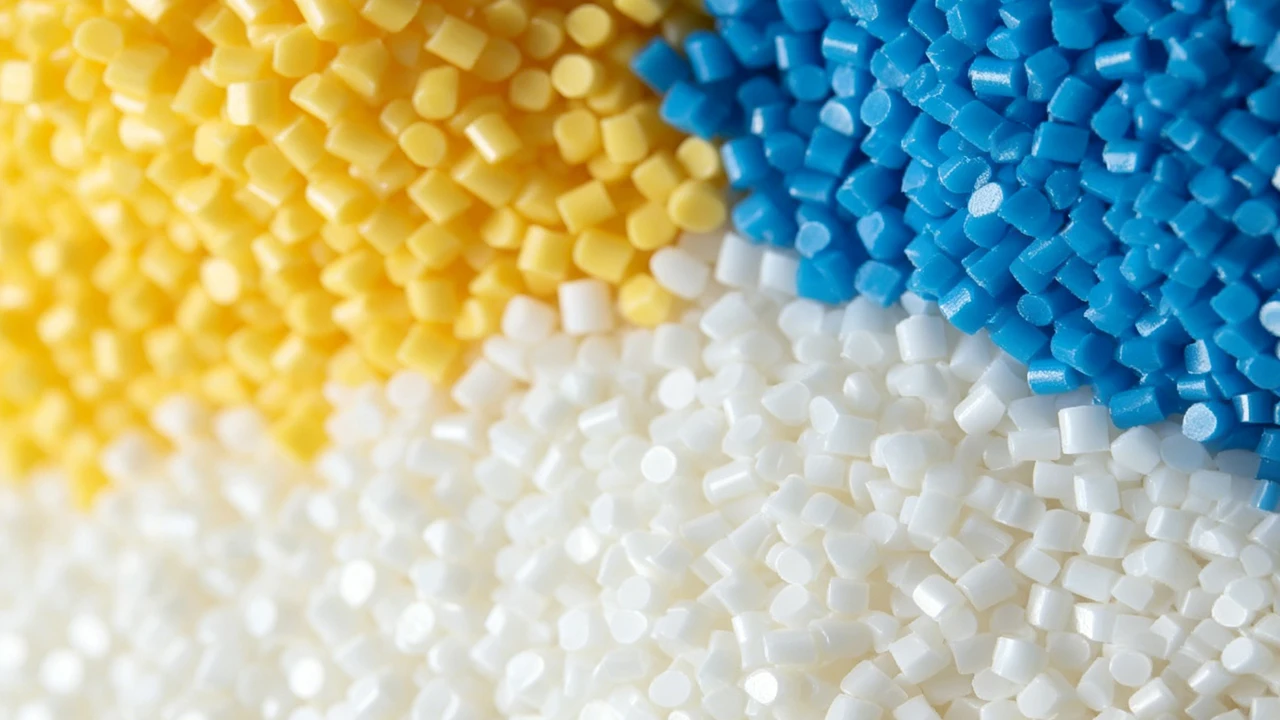
PFA plastic materials on the market are classified into the following main categories based on their applications and properties. When selecting a material, it is important to clearly define the target application:
Injection Molding Grade vs. Extrusion Grade
Injection molding grade PFA (e.g., Chemours Teflon® PFA 440-HP, Daikin Neoflon® PFA AP-231): Features a high melt flow rate (MFR) (approximately 14–20 g/10 min at 372°C) and excellent melt flowability, making it suitable for precision injection molding of complex geometries. It is the preferred grade for PFA injection molding projects.
Extrusion-grade PFA (e.g., Teflon® PFA 340, Neoflon® PFA AP-210): Features a lower MFR (approximately 2–7 g/10 min) and higher melt strength, making it suitable for continuous extrusion of tubing and cable jackets; it is not recommended for direct use in injection molding (due to difficulty in filling the mold and a high risk of uneven shrinkage).
Key Principle: When purchasing from suppliers, be sure to explicitly request technical data sheets (TDS) and certificates of analysis (CoA) for grades specifically designed for injection molding. The processing parameters for injection-molding-grade and extrusion-grade PFA plastic differ significantly; mixing the two will result in severe part defects.
Ultra-High-Purity Semiconductor-Grade Grades
Semiconductor-grade PFA (such as Chemours Teflon® PFA HP-Plus and Daikin Neoflon® PFA SH series) undergoes specialized end-group stabilization treatment to control metal ion leaching to extremely low levels (Fe, Cu, and Al each <0.1 ppb), meeting SEMI F57 certification requirements. It is specifically used for the distribution of ultra-high-purity chemicals and wet etching equipment in wafer fabs. The entire production process for these grades takes place in a cleanroom environment. Although their procurement cost is approximately 30%–60% higher than that of general-purpose grades, they are indispensable in advanced processes (nodes below 3 nm).
High Creep-Resistant Grades
For applications subject to long-term pressure, such as valve seats and seals, some suppliers offer highly crystalline PFA plastic grades specifically optimized for creep resistance (e.g., Solvay Hyflon® PFA MFA). Under identical stress and temperature conditions, these grades exhibit significantly superior sealing retention compared to standard injection-molding grades, making them suitable for high-pressure chemical valve applications with extremely stringent sealing reliability requirements.
Filled and Modified Grades
Glass-fiber or carbon-fiber-filled modified PFA plastic grades can increase the flexural modulus to approximately 2,000–4,000 MPa, making them suitable for structural components requiring higher rigidity. However, chemical resistance is subject to certain limitations due to the filler materials, and compatibility must be verified separately when used in highly corrosive media.
PFA Injection Molding: A Detailed Explanation of the Manufacturing Process
PFA injection molding is one of the most technically challenging processes in high-performance material injection molding; its processing temperatures, equipment requirements, and process control precision are all significantly higher than those for PVDF and FEP. Below is a summary of the core processes developed by the Dimud engineering team for the PFA plastic project:
Equipment Requirements: More Stringent Than for FEP
PFA melt temperatures reach as high as 350–390°C, and its thermal degradation products are also corrosive fluorides (such as HF). All equipment components in contact with the melt must meet the following requirements:
- Barrel and Screw: A bimetallic composite barrel (with a Ni/Co-based alloy lining) or a Hastelloy C-276 screw must be used; ordinary P20 or H13 steel corrodes extremely rapidly when exposed to PFA plastic melt
- Mold Cavities: It is recommended to use corrosion-resistant stainless steel (S316L) with a DLC or CrN-based PVD hard coating, which both prevents corrosion and reduces surface roughness to improve demolding performance
- Temperature Control Accuracy: The accuracy of the barrel and mold temperature control systems must be better than ±2°C, as the PFA plastic process window is extremely sensitive to temperature control accuracy.
- Venting Design: The nozzle and mold venting systems must be adequate to prevent the accumulation of HF degradation gases inside the mold, which can corrode the cavities.
The workshop ventilation system must meet the safety requirements for PFA processing, and operators should be equipped with appropriate protective gear.
Barrel Temperature Settings
PFA injection molding has the highest processing temperature of all common injection-molding-grade fluoroplastics:
| Area | Recommended temperature |
|---|---|
| Feed section | 300–320 °C |
| Compression section | 340–360 °C |
| Homogenization section | 360–385 °C |
| Nozzle temperature | 355–380 °C |
Important Warning: PFA plastic undergoes severe thermal degradation at temperatures exceeding 400°C, releasing large amounts of corrosive and toxic gases. The barrel over-temperature protection setting must not exceed 395°C, and a separate dual over-temperature alarm system must be installed.
Mold Temperature
PFA plastic requires a higher mold temperature than FEP: the recommended range is 180–230°C. The need for a high mold temperature stems from two factors:
- Enhanced crystallinity: Higher mold temperatures facilitate slow cooling of the PFA plastic after molding, resulting in a more complete crystalline structure, which directly improves the part’s chemical resistance and creep resistance.
- Reduction of residual stress: Slow cooling at high mold temperatures effectively reduces internal residual stress in the part, minimizing warpage and the risk of stress corrosion cracking in corrosive media.The high mold temperature requirements for PFA plastic typically necessitate a hot oil circulation heating system (oil temperature controller); standard water-based heating systems cannot achieve mold temperatures above 180°C. This is a key cost factor that must be carefully evaluated in PFA mold quotations.
Injection Speed and Pressure
PFA plastic has a relatively low melt viscosity but is still significantly higher than that of FEP. The following injection strategies should be noted:
- A “low-medium-low” staged injection is recommended: low speed during the gate section (5–15 mm/s), medium speed for the main cavity (15–30 mm/s), and deceleration at the end to prevent gas entrapment.
- Injection pressure is typically controlled between 60–120 MPa, with holding pressure set at approximately 50%–70% of the injection pressure.
- Hold pressure time must be precisely adjusted based on wall thickness and gate solidification time; insufficient hold pressure for PFA plastic will directly result in sink marks.
7.5 Shrinkage Rate and Dimensional Control
The linear shrinkage rate of PFA plastic injection-molded parts is approximately 3%–4% (in the flow direction) and 4%–5% (in the perpendicular direction), with significant anisotropy. For high-precision parts (tolerance <±0.15 mm), the shrinkage distribution must be predicted using Moldflow analysis; mold dimensional compensation cannot rely on empirical values. If the anisotropy of PFA plastic shrinkage is not fully considered during the DFM stage, the probability of the first mold being scrapped is extremely high.
Shutdown and Cleaning Procedures
If PFA plastic remains in the barrel for more than 10 minutes, the temperature must be lowered immediately and a cleaning procedure performed (using HDPE to displace residual PFA from the barrel). If downtime exceeds 30 minutes, the barrel temperature must be reduced to below 270°C to prevent thermally degraded carbides from entering the part during the next startup.
PFA Plastic Joining and Assembly Methods
PFA plastic injection-molded parts can be joined during the assembly stage using the following methods:
- Hot Gas Welding: Using a PFA filler rod and a hot air gun, two PFA plastic parts are welded together to form a seamless fluid pipeline. The weld strength can reach 70%–85% of the base material’s strength, making it the standard connection method for chemical piping systems.
- Butt Fusion Welding: The two ends of PFA plastic pipe fittings are melted using a heating plate and then joined end-to-end. This method is suitable for connecting large-diameter pipes.
- Mechanical Fittings: Threaded joints, flange connections, etc., which require PFA plastic O-rings for sealing.
- Insert Molding: Metal pipe fittings are pre-placed in a mold and then encapsulated with PFA plastic through injection molding to create a metal-fluoroplastic composite structure that combines the mechanical strength of the metal components with the chemical resistance of PFA.
Key Points for Mold Design of PFA Injection-Molded Parts
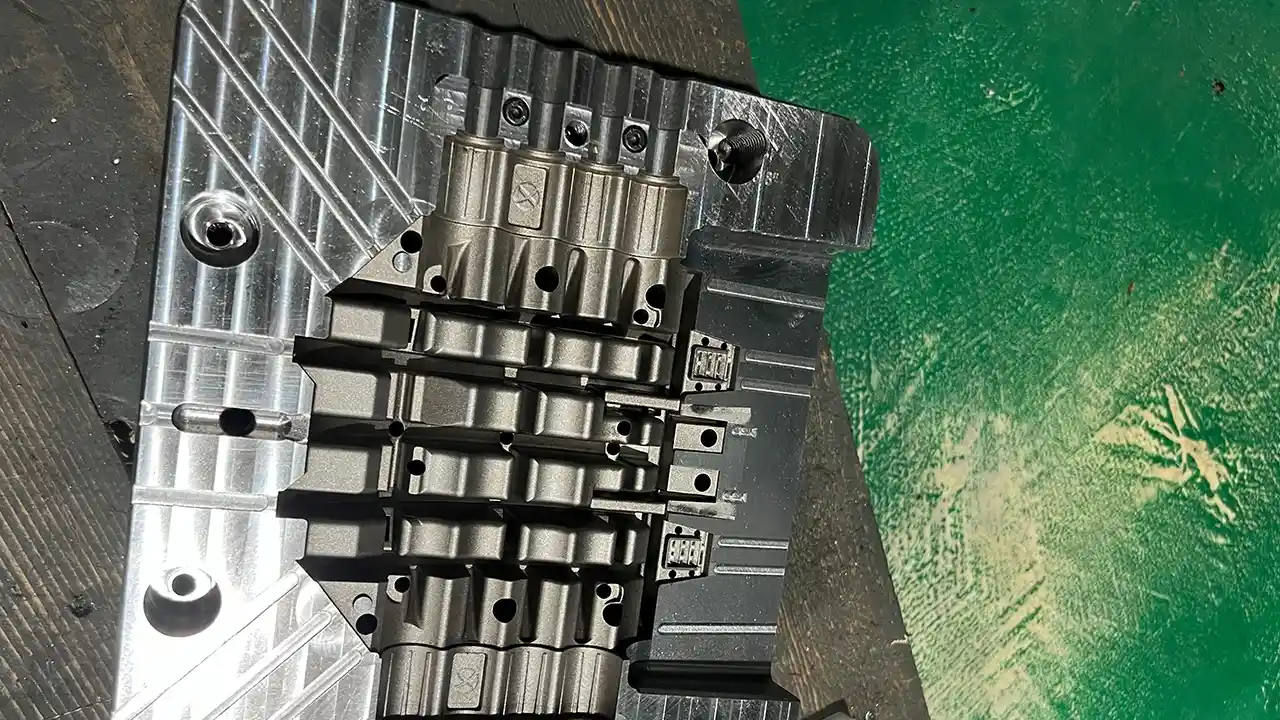
The high shrinkage rate and extremely high processing temperatures of PFA plastic place far more stringent demands on mold design than those of general-purpose engineering plastics. Dimud performs the following key DFM checks for every PFA plastic project:
Wall Thickness Design: Recommended wall thickness is 1.2–4.0 mm; wall thickness transitions should be tapered rather than stepped. Extra-thick walls (>4 mm) require special consideration in hold-pressure design and cooling systems to prevent sink marks caused by shrinkage in thick-walled areas.
Draft Angle: PFA plastic is relatively soft, and the melt exhibits some adhesion to metal surfaces. A minimum draft angle of ≥1.5° per side (for smooth surfaces) is recommended; for deep-hole structures, this should be increased to 2.5°–3° per side. The Ra value of the cavity surface should be controlled between 0.4–0.8 μm; excessively rough surfaces will significantly increase ejection force.
Gate Design: PFA plastic has a high melt temperature (350–390°C), and the thermal history at the gate is a high-risk area for material degradation. A moderate gate cross-sectional area is recommended to avoid excessive shear caused by an overly small gate at high temperatures; the gate location should be kept away from sealing surfaces and surfaces subject to chemical contact to prevent potential minor degradation in the gate area from affecting the part’s critical performance.
Vent Design: Vent grooves should be 0.015–0.02 mm deep and cover the entire circumference of the parting line; for deep-cavity parts, ejector pins should be used for venting to prevent the accumulation of high-temperature gases (containing trace amounts of HF) that could corrode the cavity.
Cooling System: The high mold temperature required for PFA plastic necessitates hot oil circulation heating. The cooling circuit must be independent of the heating system to ensure the part is uniformly cooled to the target temperature (typically below 100°C) before mold opening, thereby preventing part deformation caused by overheating during ejection.
What Are the Limitations and Considerations for PFA?
A thorough understanding of the limitations of PFA plastic is essential to avoiding selection errors:
① Extremely high material costs: PFA plastic is one of the most expensive thermoplastic injection molding materials on the market, costing approximately 15–30 times more than general-purpose engineering plastics—and even more than PEEK (depending on the grade). In applications where PVDF or PPS can serve the same function, using PFA plastic will result in unreasonable BOM cost pressures.
② The injection molding process is extremely challenging, with high risks to yield rates. PFA plastic is one of the most technically demanding materials among all common thermoplastic injection molding materials, requiring extremely high standards for equipment materials, temperature control precision, downtime management, and shrinkage control. Factories lacking experience in high-performance fluoroplastic injection molding often face extremely high first-mold failure rates and scrap rates for parts, and the overall project cost may far exceed expectations.
③ Low mechanical strength and rigidity: PFA plastic is not suitable for withstanding significant structural loads. In applications requiring semi-structural parts with high rigidity, PEEK or PPS should be prioritized (as their chemical resistance is sufficient in most non-extreme scenarios).
④ Low Heat Deflection Temperature (HDT): While PFA plastic has a continuous service temperature of up to 260°C, its heat deflection temperature (HDT, 0.45 MPa) under load is only approximately 74–77°C. This means that in scenarios where pressure and high temperature coexist, the risk of deformation in PFA plastic must be compensated for during the design phase through wall thickness and support structures.
⑤ Anisotropic shrinkage poses challenges for high-precision parts. PFA plastic has an injection molding shrinkage rate of approximately 3%–5% with significant anisotropy. This results in lengthy mold adjustment cycles and high costs for precision parts with strict tolerance requirements (<±0.1 mm). It is a risk factor that must be thoroughly assessed during the DFM phase before any PFA injection molding project begins.
⑥ PFAS compliance developments require continuous monitoring. Like PVDF and FEP, PFA plastic—as a perfluorinated polymer—falls under the broad category of PFAS. Current PFAS restriction regulations in the EU and the U.S. are still evolving; procurement teams must continuously monitor the latest regulatory developments and allow for the evaluation of alternative materials.
Why choose PFA plastic for injection molding components?
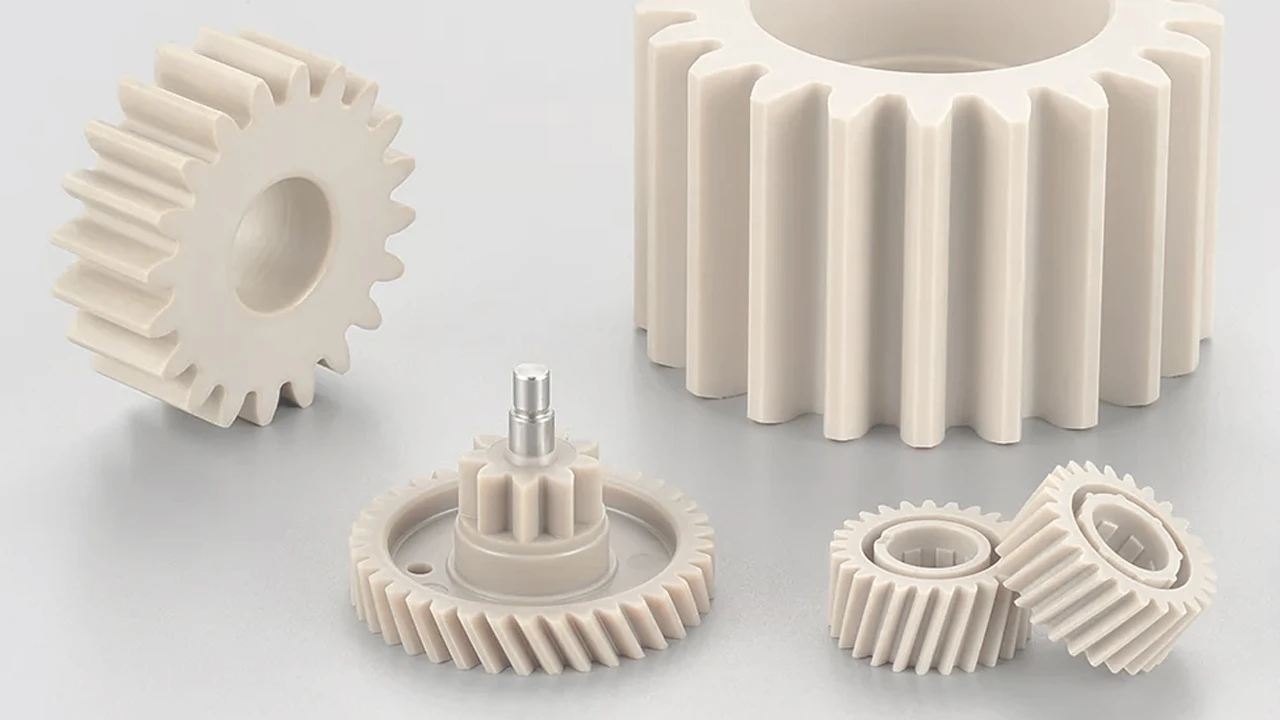
① In operating conditions where temperatures exceed 150°C and injection molding is required, PVDF approaches its performance limits at temperatures above 150°C, while FEP has an upper limit of 200°C. whereas PFA plastic can operate continuously and stably up to 260°C. For continuous operating conditions between 150°C and 260°C that require the injection molding of complex-shaped parts in batch production, PFA plastic is currently the only mainstream material that meets both of these conditions.
② Simultaneous resistance to strong alkalis and strong acids: PVDF has limited resistance to strong alkalis, and FEP also has limitations in certain high-temperature alkaline conditions. In contrast, PFA plastic exhibits near-full-spectrum, long-term stable resistance to both strong acids and strong alkalis, making it a truly “fully media-compatible” injection-molding-grade fluoroplastic.
③ Mandated Material for Semiconductor UHP Fluid Systems: Under the SEMI F57 framework, advanced-process wafer fabs typically mandate the use of high-purity grades of PFA plastic for chemical delivery lines, wet etch tanks, and sampling ports; other materials cannot meet the technical specification requirement of <0.1 ppb for metal ion leaching.
④ Applications Requiring Injection Molding and Transparency PFA plastic has a high light transmittance of nearly 96%. In scenarios where transparent fluoroplastic parts are needed for fluid monitoring or photochemical applications, PFA plastic is the only injection-moldable material that can simultaneously meet the requirements for high-temperature resistance (260°C) and high transparency.
⑤ Long-life, high-reliability seals: Because PFA plastic exhibits superior creep resistance compared to PTFE and FEP, PFA plastic components typically have a service life 30%–50% longer than comparable PTFE products in long-term, high-pressure sealing applications such as valve seats, flange gaskets, and high-pressure fittings, resulting in a competitive total cost of ownership (TCO).
⑥ PFA Insulation for High-Frequency Electrical Insulation: PFA plastic has one of the lowest dielectric losses (tan δ < 0.0002) among all injection-moldable and extrudable materials. In high-frequency signal transmission above the GHz range, as well as in aviation sensor harnesses and medical device signal cables, the low signal loss provided by PFA insulation is a key performance indicator.
What Are the Primary Applications and Uses of PFA Plastic?
PFA plastic has clearly defined, high-value applications across all of Dimud’s core service industries:
Automotive Industry (PFA Automotive Parts)
The use of PFA plastic in the automotive industry is concentrated in specific segments that require resistance to extreme temperatures, corrosive media, and high purity; it is not used throughout the entire vehicle:
Sensor harness insulation (PFA insulation): PFA plastic extruded sleeving is commonly used to insulate the leads of automotive oxygen (O₂) sensors, NOx sensors, and exhaust temperature sensors. This is because these sensors are located near the exhaust system, where long-term operating temperatures exceed 200°C. Under these conditions, the service life of standard engineering plastics and silicone rubber insulation is extremely short, whereas PFA plastic’s continuous heat resistance up to 260°C and low dielectric loss make it ideally suited for this application.
New Energy Vehicle (EV) Thermal Management Systems: In the liquid-cooled battery systems and motor cooling circuits of electric vehicles, the long-term compatibility between the coolant and the materials of fittings and tubing is a key reliability indicator. PFA plastic is completely inert to ethylene glycol/water coolant mixtures and poses no risk of leaching under high-temperature cycling conditions, making it one of the preferred materials for high-end EV thermal management connectors.
PFA Automotive Parts for Fuel Systems: PFA plastic exhibits excellent resistance to gasoline, diesel, and biofuels. It is used in seals, sensor interfaces, and fuel distribution valve bodies for high-pressure fuel injection systems. Particularly in the fuel/electrical hybrid systems of hybrid vehicles, PFA plastic offers unique value due to its dual advantages of chemical resistance and electrical insulation.
Medical Device Industry
The core value of PFA plastic in the medical field stems from its combination of biocompatibility, sterilization compatibility, and ultra-low leaching rates:
Single-Use Systems: In single-use bioprocessing systems for cell culture, blood processing, and biopharmaceutical filling, PFA plastic injection-molded components (valves, connectors, sampling ports) meet FDA 21 CFR and USP Class VI biocompatibility requirements and pose no risk of leachables, making them one of the preferred structural materials for high-end single-use systems.
Catheters and Medical Tubing: PFA plastic’s high transparency, flexibility, and compatibility with gamma irradiation sterilization (withstanding doses of 25–50 kGy) make it an excellent choice for the outer sheaths of interventional catheters, interfacing tubing for microfluidic systems, and syringe components. Its superior creep resistance compared to FEP gives it an advantage in catheter applications requiring long-term maintenance of geometric precision.
High-Frequency Medical Device Signal Cable Insulation: PFA insulation provides a high-frequency insulation solution with low dielectric loss, resistance to sterilants, and biocompatibility for signal cables in MRI (magnetic resonance imaging) equipment, ultrasound devices, and ECG monitors.
Dimud possesses specialized process capabilities in the injection molding of medical device components and can provide medical clients with integrated injection molding services ranging from DFM analysis to mass production. We welcome discussions regarding production solutions for compliant components.
PFA Plastic's Current Status Regarding Sustainability and Compliance
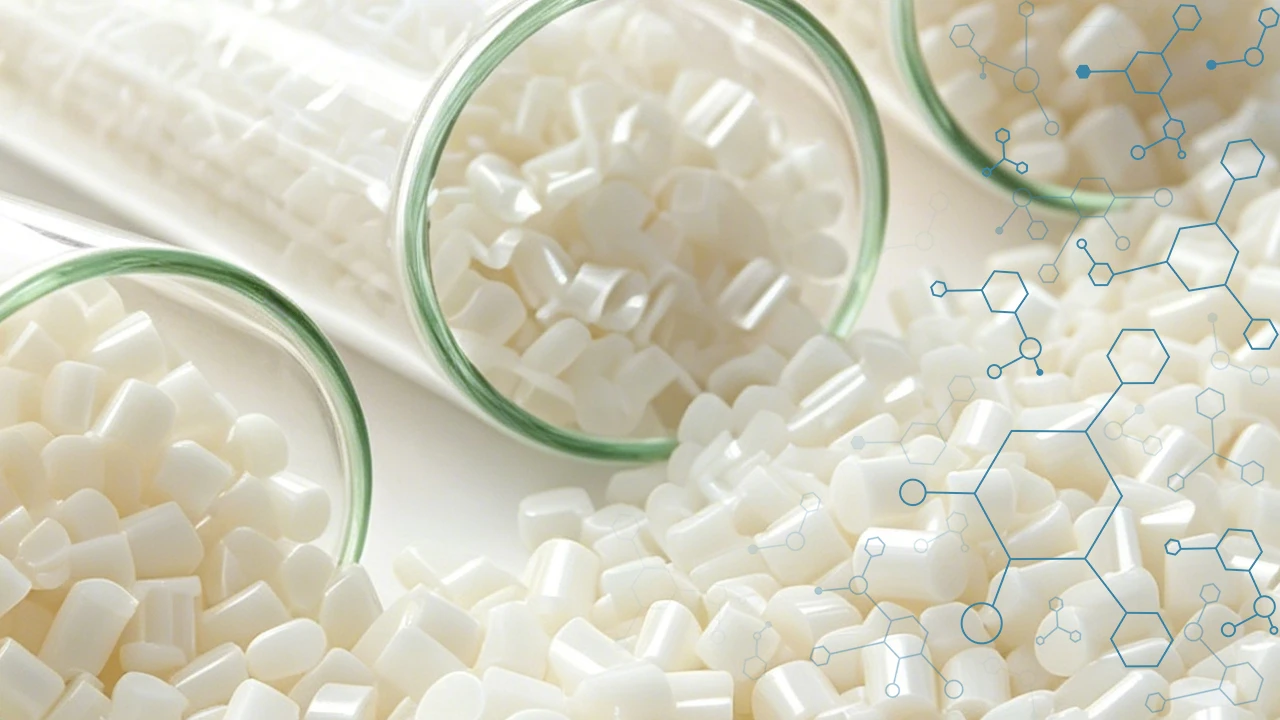
Definition of PFAS and the Approach to Managing PFA Plastics
Chemically speaking, PFA plastics fall under the broad category of PFAS (per- and polyfluoroalkyl substances) because their molecular chains consist entirely of C-F bonds. However, PFA plastic is a high-molecular-weight perfluorinated polymer whose behavior in the environment differs fundamentally from that of the short-chain, low-molecular-weight PFAS (such as PFOA, PFOS, and GenX) that have raised public concern: it is insoluble in water, does not bioaccumulate, and does not migrate from the surface of manufactured products into soil or water bodies.
In the update to the PFAS restriction proposal released by the European Chemicals Agency (ECHA) in August 2025, high-molecular-weight fluoropolymers (including PFA plastic) were generally recommended for an extended transition period, with the final regulatory conclusion expected to be finalized by the end of 2026. Manufacturers supplying products to the European and North American markets are advised to continuously monitor the latest regulatory developments from ECHA and the EPA.
PFOA Manufacturing Compliance
Major PFA plastic suppliers such as Chemours, Solvay (Syensqo), and Daikin have fully transitioned to PFOA-free synthesis processes since 2020. All current commercial grades are PFOA-free and comply with EU REACH and global POPs regulations. When purchasing, it is recommended to request a “PFOA-free declaration” and a REACH compliance certificate from suppliers.
Frequently Asked Questions
PFA plastic is non-toxic to humans when used in its solid state. It has obtained FDA (21 CFR food contact compliance) and USP Class VI biocompatibility certifications and is widely used in medical devices and food contact applications. It is important to note that when PFA plastic degrades at processing temperatures (>350°C), it produces corrosive hydrofluoric acid (HF) and polymer fumes. Inhalation of high concentrations can irritate the respiratory tract; therefore, injection molding environments must be equipped with adequate ventilation and exhaust systems, and operators must follow safety protocols. Solid parts do not release harmful substances within the normal operating temperature range (<260°C).
Strictly speaking, Teflon® is a registered trademark owned by Chemours (a spin-off from DuPont) that covers its various fluoropolymer product lines, including Teflon® PTFE, Teflon® FEP, and Teflon® PFA. Therefore, PFA products manufactured by Chemours can be referred to as “Teflon® PFA,” but since “Teflon” is a trademark exclusively owned by Chemours, Daikin’s Neoflon® PFA and Solvay’s Hyflon® PFA cannot use this trademark. In the context of technical material selection, “PFA” is the chemical classification of the material, while “Teflon” is a registered trademark of Chemours; the two terms must not be used interchangeably.
This is a question of different levels of comparison. Both are environmental issues that require attention, but their mechanisms differ, so it is impossible to simply determine which is better or worse. PFAS includes various perfluoro- and polyfluoroalkyl substances, among which short-chain, small-molecule PFAS are strictly regulated due to their high persistence, bioaccumulation, and endocrine-disrupting effects; the main issue with microplastics is the ecological impact caused by their physical form (entering the food chain, damaging marine life, etc.). The regulatory pathways and scientific assessment frameworks for the two are different. It is particularly important to note that PFA plastic, as a high-molecular-weight solid polymer, exhibits fundamental differences in environmental behavior compared to strictly regulated short-chain PFAS; therefore, one cannot draw the erroneous conclusion that “PFA plastic is PFAS” is equivalent to “PFA plastic is as dangerous as PFOA.”
No, PFA plastic is a semi-crystalline thermoplastic perfluoropolymer, not rubber. Rubber is a highly elastic cross-linked elastomer (such as EPDM, silicone rubber, and fluorocarbon rubber FKM) that can rebound significantly when subjected to force; PFA plastic, on the other hand, is a linear semi-crystalline thermoplastic material with an elongation at break of approximately 300%–400%, but its elastic recovery is far inferior to that of rubber. In sealing applications, PFA plastic is typically used to manufacture rigid valve seats, linings, and fittings, rather than O-rings that require elastic deformation (O-rings are typically made of FKM fluorocarbon rubber).
PFA stands for Perfluoroalkoxy; its full chemical name is Perfluoroalkoxy Alkane. It is a copolymer of tetrafluoroethylene (TFE) and perfluoroalkyl vinyl ether (PAVE), where “perfluoro” refers to the fact that all hydrogen atoms in the molecular chain are replaced by fluorine atoms, “alkoxy” refers to alkyl groups in the side chains that contain ether bonds (-O-); it is precisely this side-chain structure that disrupts the highly ordered crystalline structure of PTFE, giving PFA the processability required for melt injection molding.
There are several primary methods for joining PFA plastic parts; the choice depends on the operating conditions and geometric shape of the joint:
Hot Gas Welding: The most commonly used method for joining PFA pipes. It involves layering PFA filler rod using a heat gun heated to approximately 350°C. The weld strength can reach 70%–85% of the base material’s strength, making it suitable for on-site pipe connections and repairs.
Butt Fusion Welding: This method involves melting the end faces of two PFA pipe fittings using a heating plate and joining them together. The joint is uniform and contains no filler material, making it suitable for batch connections of large-diameter pipes. The weld strength is close to that of the base material.
Mechanical Connections: Threaded joints and flanged connections sealed with PFA O-rings or PTFE gaskets are suitable for applications requiring disassembly for maintenance. Installation is simple but demands high precision in thread machining.
Insert Molding: A metal pipe fitting is pre-positioned in a mold and encapsulated with PFA plastic to form a composite structure. This method is suitable for mass production of complex joints requiring metal skeleton support, offering high joint strength and suitability for automated production.
Infrared Welding (IR Welding): A precision welding method developed in recent years that uses non-contact heating. It produces high-quality welds with a low risk of contamination, making it suitable for medical devices and semiconductor cleanroom applications where extremely high cleanliness standards for fittings are required.
Collaboration with Dimud on the PFA Plastic Injection Molding Project
Dimud is an integrated manufacturer specializing in the development and mass production of high-precision injection molds. With its own mold factory, injection molding plant, and electronics assembly facility, the company has accumulated systematic process expertise in the injection molding of high-performance materials such as PVDF, PEEK, PPS, and LCP. Dimud is capable of providing end-to-end services for PFA injection molding projects, from DFM reviews to mass production delivery.
For each high-performance material project, we provide:
- DFM (Design for Manufacturability) analysis (shrinkage compensation / gate design / wall thickness uniformity / draft angle)
- Moldflow analysis for shrinkage and warpage prediction
- Corrosion-resistant mold material solutions (S316L + DLC/CrN coatings)
- Process parameter development and first article inspection (FAI)
- Complete handover from small-batch pilot production to mass production