

Injection Mold Manufacturing Built for Precision and Scale
From single-cavity prototypes to high-volume production molds, we engineer every tool to deliver consistent, repeatable results.
- 15+ Years in Mold Manufacturing
- 500+ Molds Delivered Annually
- CE / ISO Certified Production
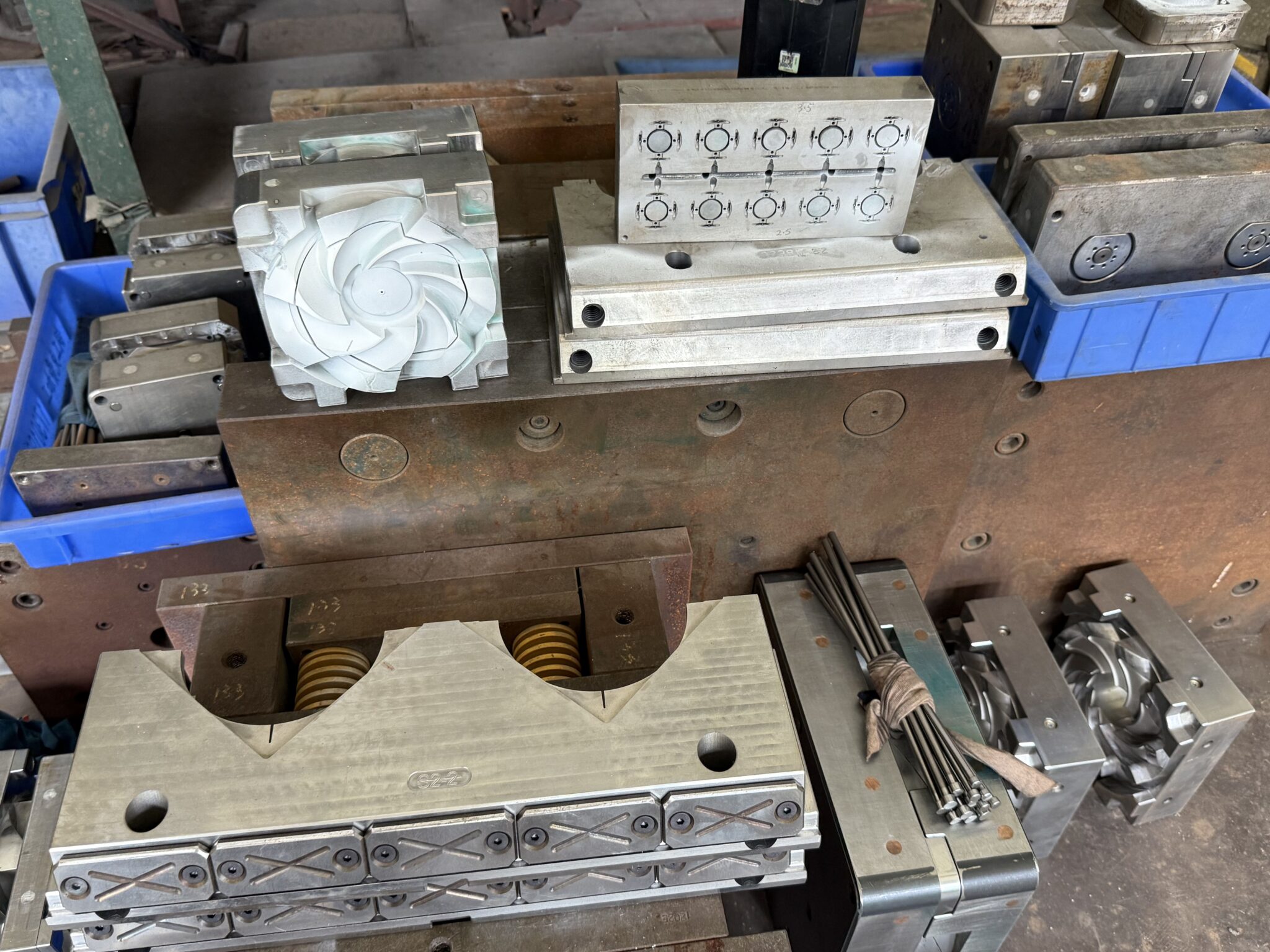
What Is Injection Mold Manufacturing?
Injection mold manufacturing is a comprehensive manufacturing system that spans from mold design and machining to mass injection molding production. Its core principle involves heating thermoplastic or thermosetting raw materials until they reach a molten state, injecting them under high pressure into the cavities of precision steel molds, and then demolding them after cooling and solidification to produce plastic parts that closely match the shape of the mold cavities.
The fundamental advantage of this process lies in its high reproducibility—a single mold can consistently produce hundreds of thousands or even millions of parts with identical dimensions, making it one of the most widely used methods for mass-producing plastic parts worldwide.
What stages are involved in the manufacture of injection molds?
When first learning about the process, many clients tend to view “injection mold manufacturing” simply as “making a mold.” However, in actual projects, the process involves far more steps than that—from the initial product design documents to the final delivery of production-ready, qualified parts.
A complete injection mold manufacturing project typically includes the following core stages:
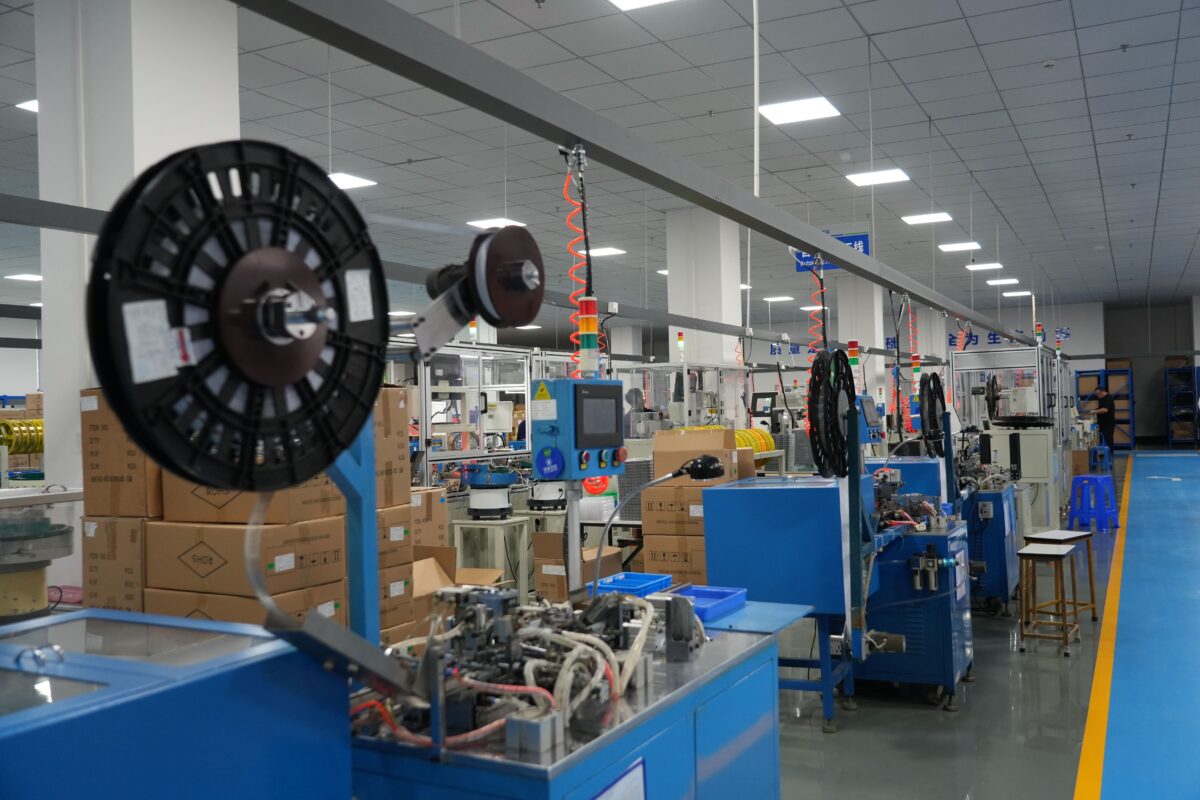
Design for Manufacturability (DFM) Analysis
Before the official launch of mold development, engineers conduct a systematic review of the product’s 3D design files to assess their suitability for injection molding production. The value of this step lies in identifying and eliminating potential design risks early on—such as sink marks caused by uneven wall thickness, difficulty in demolding due to insufficient draft angles, and structural features that cannot be machined.
A high-quality DFM report can often save customers rework costs several times the report’s value before mold production begins. Dimud provides free DFM analysis services for all new projects.
Mold Design & Engineering
Once DFM is approved, the project enters the mold engineering design phase. Engineers make the following design decisions based on part geometry, material properties, production volume requirements, and surface quality specifications:
- Number of cavities (single-cavity / multi-cavity / family mold), which directly affects the unit production cost
- Injection system (hot runner / cold runner), which affects material utilization and cycle time
- Cooling system design, which affects molding cycle time and part warpage
- Venting system and ejection mechanism design, which affect part appearance and mold life
- Steel selection (P20 / H13 / S136 / NAK80, etc.), which determines mold life and machining accuracy
The quality of the work at this stage is the fundamental guarantee of the stability of subsequent injection molding production.
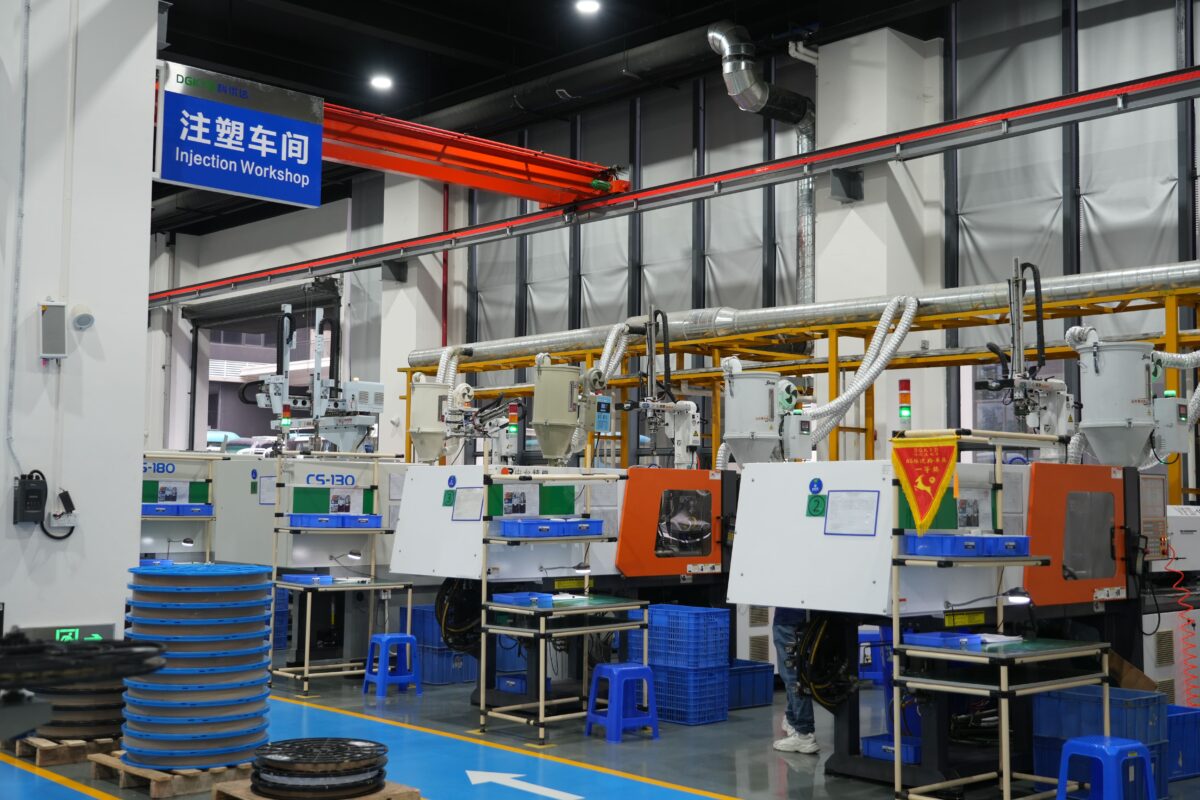
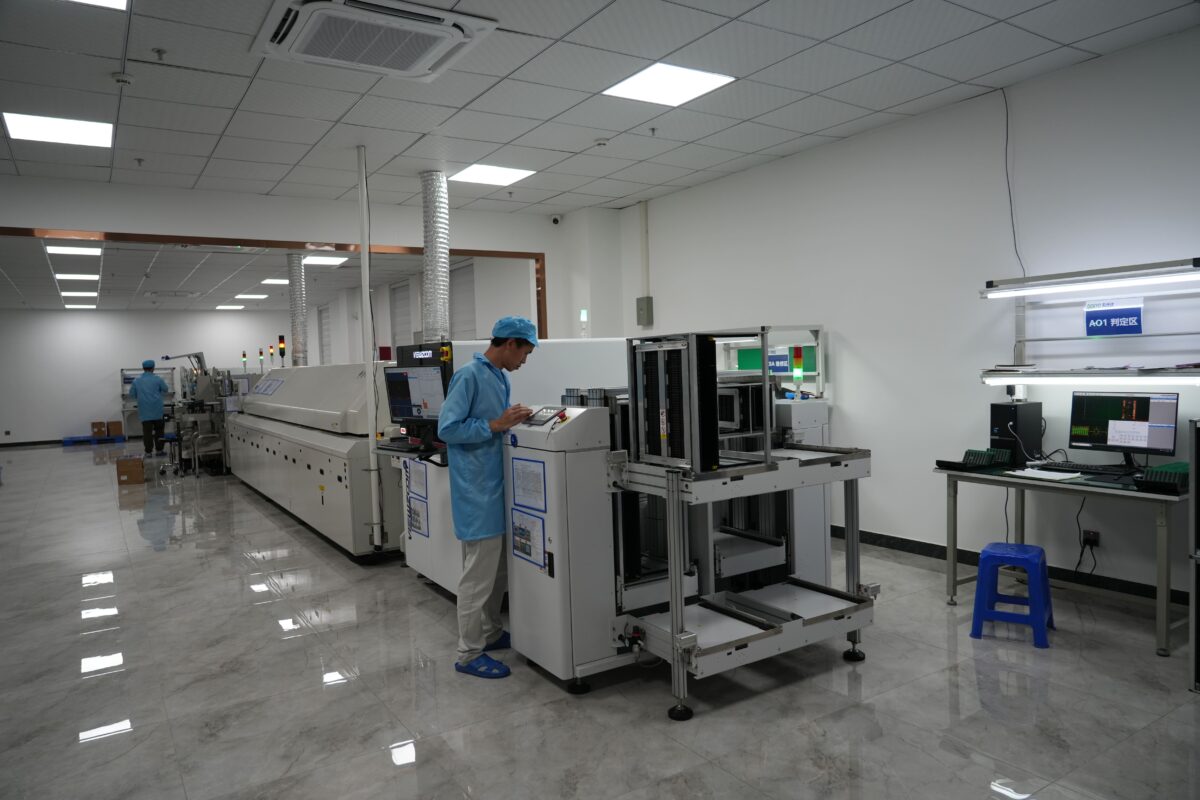
Precision Mold Fabrication
Once the mold design is complete, the process moves on to the machining stage. Dimud’s in-house mold factory is equipped with high-precision CNC machining centers, EDM machines, slow-wire EDM machines, and mirror polishing equipment, enabling the following:
- Cavity dimensional accuracy: ±0.01 mm – ±0.05 mm
- High-precision machining of complex surfaces, microstructures, and deep-cavity parts
- Various surface treatments: Textured finish / Mirror polishing / Sandblasting / Etching
Mold Trial and Validation
Once mold machining is complete, production does not begin immediately. The mold trial phase (T1/T2 Trial) is a critical milestone for verifying the soundness of the mold design. Through actual injection molding tests, engineers inspect metrics such as part dimensional compliance, surface quality, filling conditions, and warpage, and use these results to fine-tune and modify the mold until the parts fully meet design specifications.
Mass Production
Once the mold has passed inspection, production enters a stable mass production phase. Well-established process parameters, standardized operating procedures, and a rigorous first-article inspection system work together to ensure consistent quality across every batch of products.
Secondary Processing & Assembly
For products requiring painting, screen printing, ultrasonic welding, insert installation, or multi-component assembly, Dimud can complete these processes on a single platform, reducing time losses and quality risks associated with moving parts between multiple suppliers.
| Parameter item | Dimud's Scope of Services |
|---|---|
|
Die steel |
P20 / H13 / S136 / 718H / NAK80 |
|
Mold life |
300,000 – 1,000,000+ cycles |
|
Cavity accuracy |
±0.01mm — ±0.05mm |
|
Mold cavity type |
Single-cavity / Multi-cavity / Family mold |
|
Flow system |
Hot runner / Cold runner |
|
Suitable Materials |
ABS / PP / PC / PA / PEEK / TPU / TPE 等 |
|
Surface treatment |
Mirror polish / Leather-grain etching / Sandblasting / High-gloss |
|
Part weight |
0.1g — 5000g |
|
Mold Delivery Time |
Standard: 25–45 business days |
Our Injection Mold Manufacturing Process
With six distinct phases and clear delivery milestones, you’ll know exactly where the project stands at every step.
STEP 01 — Aligning Requirements
Before the project begins, our engineers will work with you to confirm each item—including part functionality, finish grade, expected production volume, status of existing documentation, and delivery requirements—and will issue a written confirmation of requirements to serve as the basis for all subsequent work.
STEP 02 — DFM (Design for Manufacturability) Analysis
Our engineers will conduct a systematic review of your 3D design files, focusing on identifying wall thickness defects, insufficient draft angles, undercut solutions, and gate placement risks. We will provide a clearly annotated DFM report with specific modification recommendations, delivered within two business days at no cost.
STEP 03 — Mold Engineering Design
Complete the mold structure design, including cavity layout, gating system, cooling channels, side-ejection mechanism, and material selection, accompanied by Moldflow flow simulation analysis. Production may only begin after the proposal has been reviewed and signed off by the client. There are no "black boxes" and no unilateral decisions.
STEP 04 — Precision Mold Manufacturing
CNC Finishing → EDM (Electrical Discharge Machining) → Slow-Wire EDM → Grinding and Polishing → CMM (Coordinate Measuring Machine) Inspection → Mold Assembly The entire process is completed at Dimud’s in-house mold factory, with each critical step inspected individually and processing progress proactively updated according to milestones.
STEP 05 — Tooling Validation
T1 trial molding → Problem resolution → T2 validation → Process parameter lock-in → Full-scale First Article Inspection (FAI) Once the customer receives the FAI report and sample parts and provides written confirmation of acceptance, the process parameters are locked in, and mass production begins.
STEP 06 — Mass Production and Ongoing Support
We perform first-article inspection, in-process inspections, and final inspection for every batch, and include a quality inspection report with each shipment. Molds are maintained regularly according to a scheduled maintenance plan, and we support flexible batch ordering, with a single mold serving a product throughout its entire lifecycle.
Dimud's Injection Mold Manufacturing Capabilities
Before deciding to work with us, please familiarize yourself with our manufacturing capabilities—this will help you determine whether your product is truly suitable for us to handle.
Injection Mold Types We Manufacture
| Application Parts | Key Grinding Requirements |
|---|---|
|
Surgical Instrument Guides / Positioning Pins |
External cylindrical grinding, tolerance ±0.002 mm, surface free of burrs and burn marks |
|
Precision structural components for diagnostic equipment |
Flat grinding, flatness ≤ 0.002 mm, Ra ≤ 0.2 μm |
|
Implant Molding Core |
Coordinate grinding, final machining of hardened steel, contour accuracy ±0.003 mm |
|
Microfluidic Device Molds |
Profile grinding, dimensional accuracy of fine features: ±0.002 mm |
|
Precision parts made of stainless steel / titanium alloy |
Non-magnetic contamination control, Ra ≤ 0.1 μm |
Precision & Mold Longevity
| Application Parts | Key Grinding Requirements |
|---|---|
|
Surgical Instrument Guides / Positioning Pins |
External cylindrical grinding, tolerance ±0.002 mm, surface free of burrs and burn marks |
|
Precision structural components for diagnostic equipment |
Flat grinding, flatness ≤ 0.002 mm, Ra ≤ 0.2 μm |
|
Implant Molding Core |
Coordinate grinding, final machining of hardened steel, contour accuracy ±0.003 mm |
|
Microfluidic Device Molds |
Profile grinding, dimensional accuracy of fine features: ±0.002 mm |
|
Precision parts made of stainless steel / titanium alloy |
Non-magnetic contamination control, Ra ≤ 0.1 μm |
Moldable Materials
Our injection molding capabilities cover mainstream engineering plastics and specialty materials, and we provide material selection recommendations:
General-purpose materials: ABS / PP / PE / PS / PVC
Engineering Plastics: PC / PA6 / PA66 / POM / PBT / ABS+PC
High-Performance Materials: PEEK / PPS / LCP / ULTEM
Elastomers: TPU / TPE / TPR / LSR (Liquid Silicone Rubber)
Filled and Modified Materials: Glass-fiber-reinforced PA / Carbon-fiber-reinforced PEEK / Flame-retardant ABS
Not sure which material to use? Our engineers can provide specific material recommendations based on the part’s operating temperature, chemical exposure, mechanical requirements, and cost objectives.
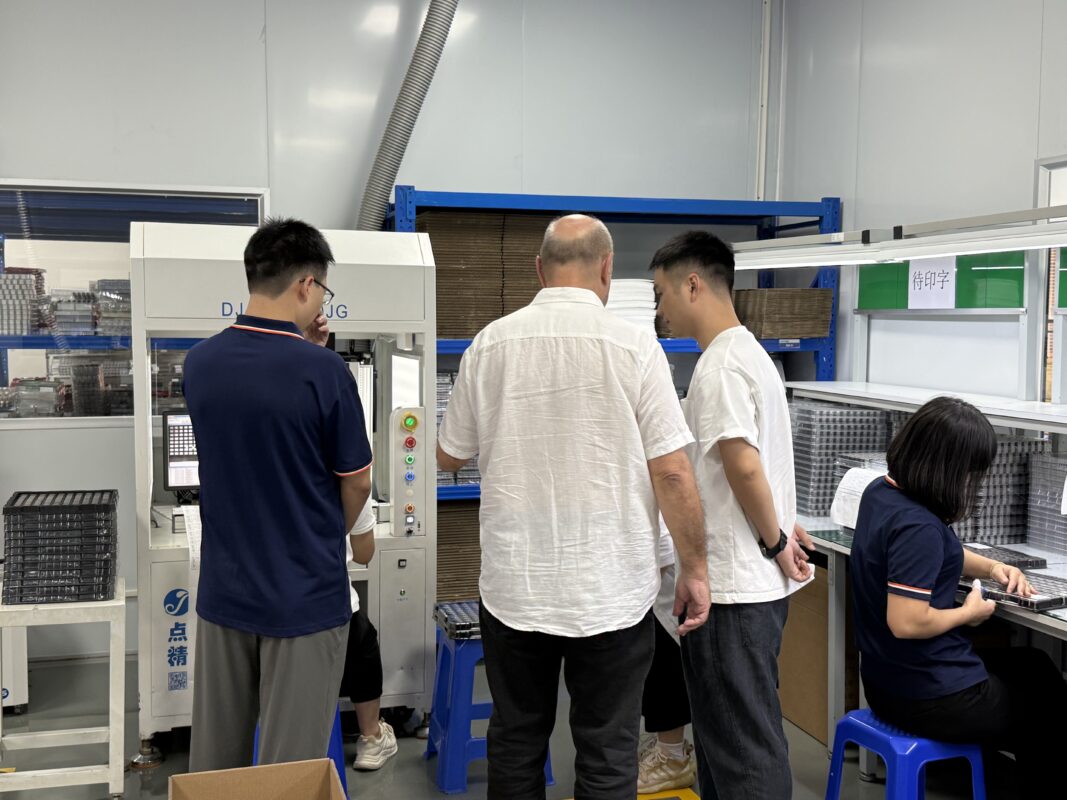
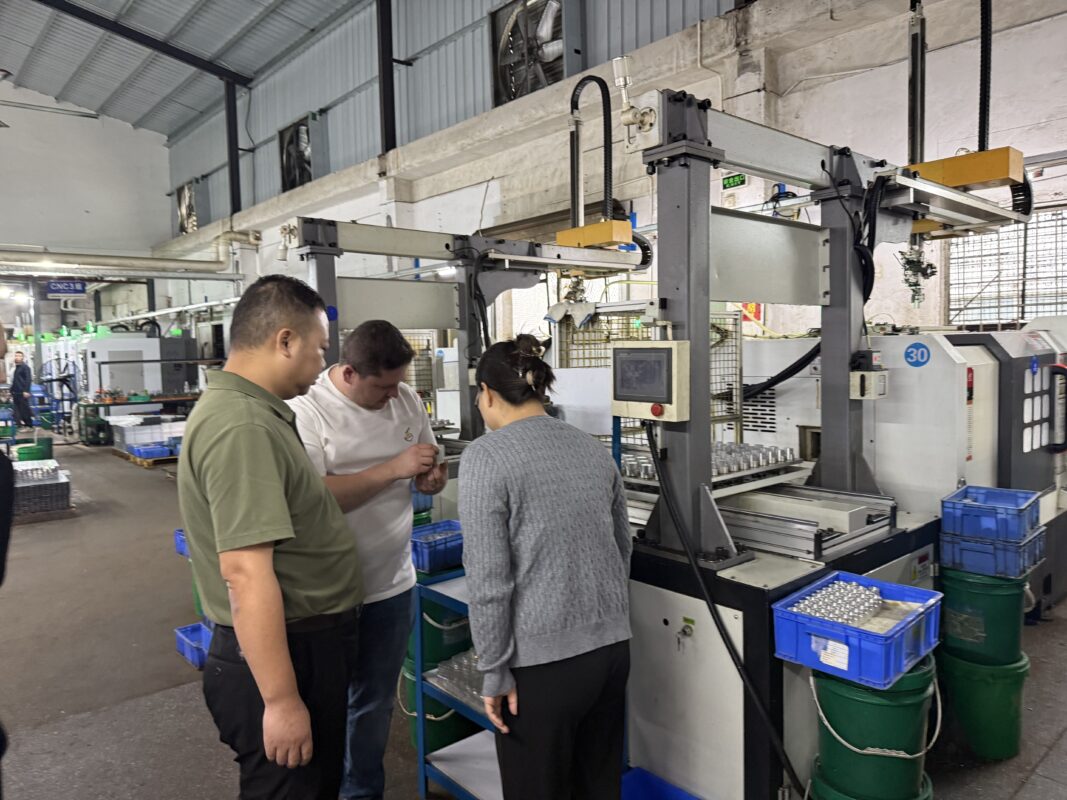
How do we ensure quality?
We implement multi-level quality control throughout the entire injection molding manufacturing process. All inspection data is provided with the project documentation:
CMM (Coordinate Measuring Machine): 100% inspection of critical dimensions, with standard dimensional inspection reports
Projector / Image Measuring Machine: Rapid 2D dimensional inspection of small precision parts
Hardness Tester / Tensile Testing: Verification of material mechanical properties
Color Difference Meter: Control of appearance and color consistency
Wall Thickness Gauge: Non-destructive wall thickness measurement
FAI First Article Inspection Report: Covers all dimensions specified in drawings
PPAP Documentation Support: Meets the quality system requirements of automotive and high-demand industrial customers
Why Choose Dimud for Injection Mold Manufacturing?
Choosing an injection mold manufacturer essentially means selecting a long-term, reliable manufacturing partner—here are the key differences we believe you should consider.
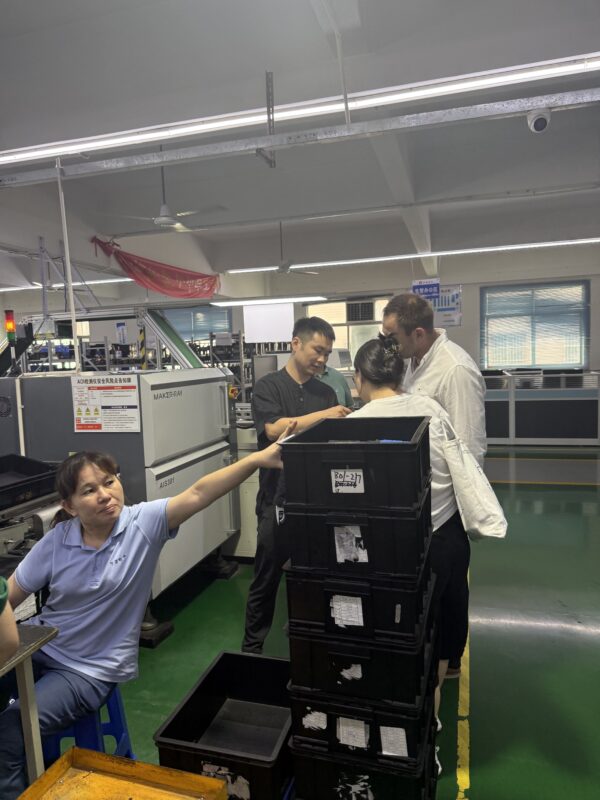
Guaranteed Mold Life
Based on the customer’s expected production volume, we define the steel grade and mold life targets at the project’s outset and stipulate them in the contract.
Standard Molds: 300,000–500,000 cycles
High-Life Molds: Over 1 million cycles
Mold life is not a vague marketing term, but a quantifiable, traceable delivery metric.
In-House Mold Tooling, No Subcontracting
All core precision components, such as mold cavities and cores, are machined entirely in our in-house mold shop.
This means we are directly responsible for machining quality, lead times are not affected by external suppliers, mold design data is fully retained internally, and we can respond more quickly to subsequent mold repairs, cavity enlargements, and spare part manufacturing.
Low MOQ Injection Molding
Many injection molding factories are only willing to accept large orders, often leaving startup brands and R&D teams shut out.
Dimud supports small-batch orders, providing end-to-end service with a single mold—from validation trials of a few hundred pieces to large-scale mass production of millions. You can first validate the market with a small batch and then scale up production as needed, without having to bear the inventory pressure of large batches when order volumes are uncertain.
Traceable Quality for Every Batch
Every batch shipped is accompanied by a comprehensive quality inspection report, including measured values for critical dimensions, visual inspection conclusions, and records of any process anomalies.
All data is traceable to specific production batches and mold conditions, meeting the quality system requirements of clients in industries such as automotive and medical, and supporting PPAP documentation submission.
Frequently Asked Questions about Insert Molding
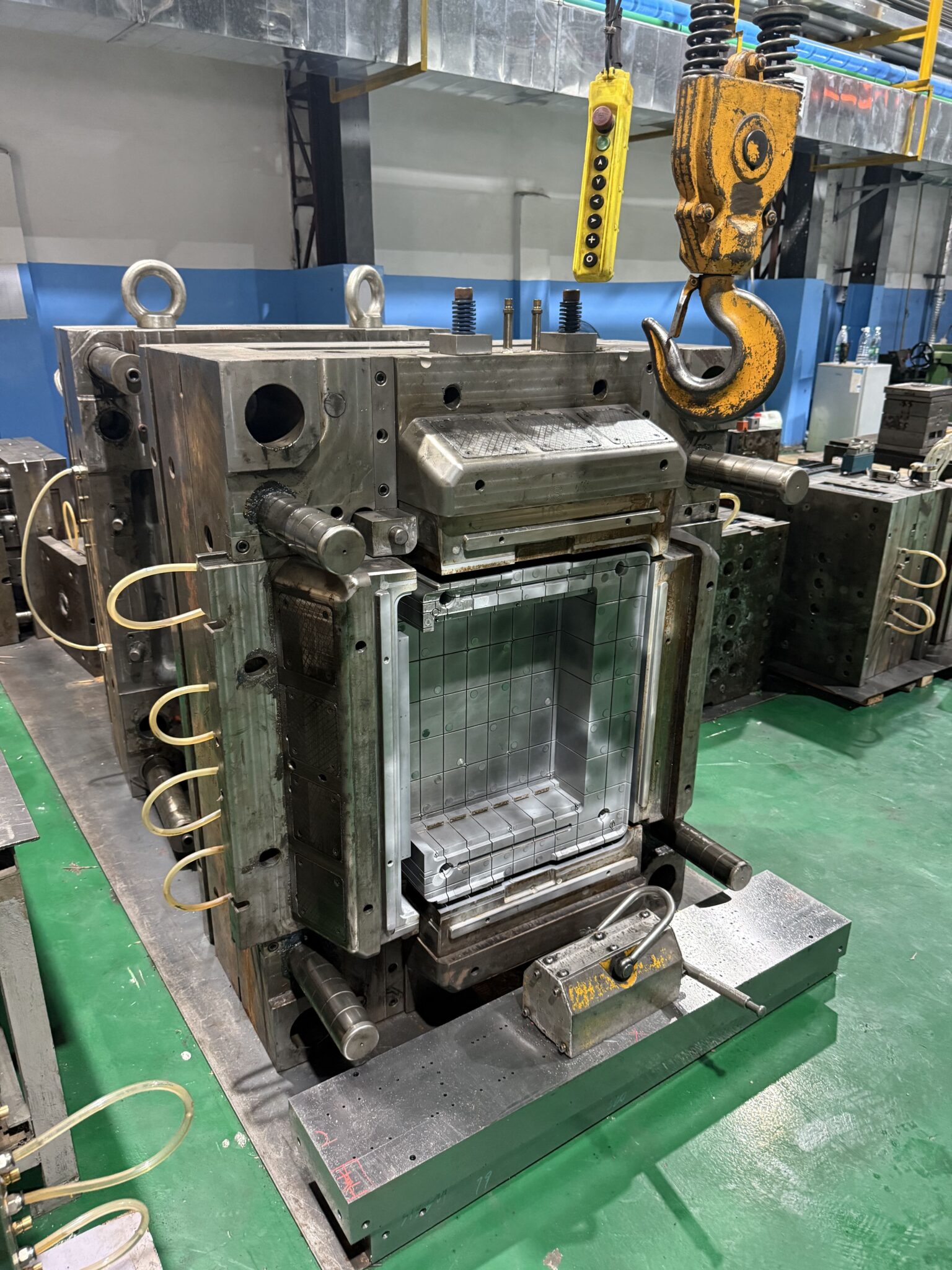
Mold costs depend on part complexity, the number of cavities, and the grade of steel used, typically ranging from a few thousand to tens of thousands of dollars. The key factors affecting the quote are: part dimensions, the number of undercuts, surface finish requirements, and expected production volume. Send us your 3D files to receive a detailed quote within 2 business days.
The standard lead time for an injection mold is 25–45 business days, depending on the complexity of the design. For urgent projects, the lead time can be shortened to as little as 18 business days, subject to an evaluation of the part’s structure.
Once the mold is developed, we support small-batch production with no fixed MOQ requirement. You can start with a small batch for market validation and scale up production as needed later, using the same mold continuously.
The mold cost is a one-time setup fee, and the mold belongs to the customer. For each subsequent order, you only need to pay for injection molding production costs (materials + processing + quality inspection); there is no need to pay the mold fee again.
The bond is forceful due to mechanical locking and thermal shrinkage, making it suitable for load-bearing applications.
Insert Molding embeds a rigid part into plastic, while Overmolding applies a secondary plastic layer over a base component.
Send us your 3D files (in STEP, STP, or IGES format), and our engineers will provide a free DFM (Design for Manufacturing) analysis report, clearly identifying any risks in your current design and recommending how to optimize it.
We cover a wide range of materials, from general-purpose plastics to high-performance engineering plastics: ABS, PP, PC, PA6/PA66, POM, PEEK, TPU, TPE, LCP, and more. For specific application environments (high temperature, flame retardant, food contact, medical grade), we can recommend specific grades based on your requirements.
If dimensional deviations occur during the trial molding phase due to mold design or machining, we will be responsible for the modifications, and the costs will be borne by us. After the modifications are completed, we will conduct trial molding again until the FAI (First Article Inspection) report is approved and the customer confirms acceptance.
If not to place an order, how will the mold be handled?
Molds can be stored at our facility long-term, and we will perform scheduled maintenance and upkeep. As the mold is the customer’s property, if you need to transfer it to another facility, we will provide complete mold documentation and process parameter files to facilitate the handover.
Yes. We currently have the capacity to manage over 20 mold projects simultaneously, with a monthly injection molding production capacity exceeding 5 million parts. We are capable of handling multiple product categories and batches concurrently, making us an ideal partner for brand clients with multi-SKU development needs.