

Custom CNC Turning Services
Get a full quote within 24 hours — from drawing to production-ready parts.
- Available for both rapid prototyping and high-volume production
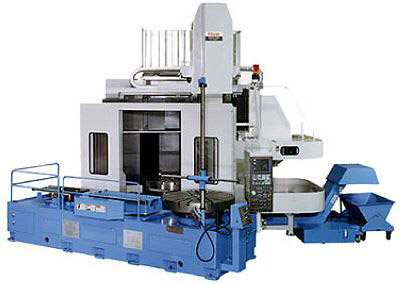
- Powered by advanced equipment including Haas, GF+, and Makino
- Precision up to ±0.0254 mm (±0.001") for critical components
- Full-service solution from mold design to final production
An NDA can be signed if needed before the quotation.
Our CNC Turning Capabilities
From simple turned parts to complex, multi-feature components, our CNC turning services cover the full range of turning needs—whether it’s a single-piece prototype or mass production, we deliver with precision.
OD / ID Turning
Meets the high-precision machining requirements for the outer and inner diameters of shaft-type and sleeve-type parts.
Suitable for functional parts with stringent requirements for coaxiality and cylindricity.
Drive shaft / Bushing / Hydraulic cylinder block
Thread Turning
Supports the machining of internal and external threads to various standards, including metric, imperial, and trapezoidal.
The thread profiles feature high precision and consistent fit accuracy, meeting stringent assembly requirements.
Fasteners / Connectors / Precision Screws
Taper & Contour Turning
Precision forming of complex contours and tapered surfaces is achieved through multi-axis coordination.
Single-pass forming eliminates the need for re-clamping and reduces cumulative errors.
Tapered Fittings / Non-circular Rotating Parts / Mold Mandrels
Facing & Grooving
High-precision end-face flatness control, combined with precision grooving processes.
We offer custom machining for a variety of groove types, including O-grooves, rectangular grooves, and V-grooves.
Sealing groove components / Snap ring groove structure / Spacer ring
Swiss-Type Turning
Designed specifically for slender shafts and small-diameter, high-precision parts.
Supports the mass production of complex micro-parts with high aspect ratios and extremely tight tolerances.
Medical device components / Precision sensor shafts / Micro connectors
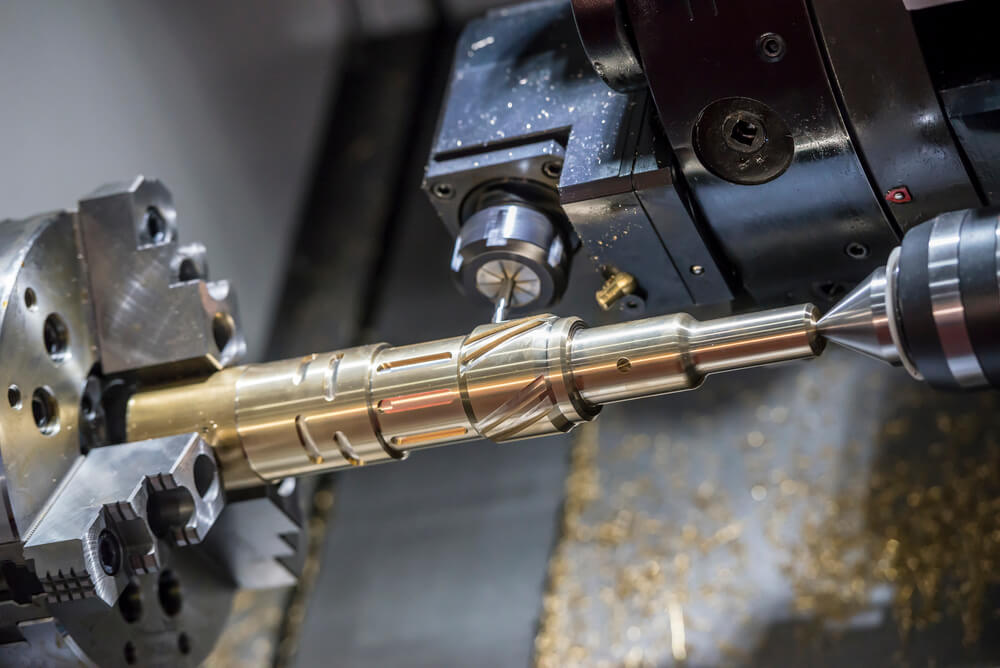
Turn-Mill Compound Machining
Perform combined turning and milling operations in a single setup.
This reduces the number of process steps, eliminates errors caused by multiple setups, and significantly improves the machining efficiency and consistency of complex parts.
Shaft-type parts with slotted holes / Complex multi-faceted structural components
Our CNC Turning Material Support
We support multi-material turning of metals and engineering plastics. Regardless of your parts’ requirements for strength, corrosion resistance, or biocompatibility, we can provide the right material solution.
Not sure which material to choose? Our engineers can provide expert material selection recommendations based on your part’s operating environment, load conditions, and budget—all handled simultaneously during the CNC turning quotation phase.
Metals
Aluminum
Lightweight, easy to machine, and offers excellent heat dissipation
Electronic enclosures / Aerospace structural components / Heat sinks
Stainless Steel
High strength, corrosion resistance, and an attractive finish
Medical Devices / Food Processing Equipment / Precision Fasteners
Carbon Steel
High strength, cost-effective, and suitable for high-volume production
Driveshaft / Gear blank / Structural load-bearing component
Titanium
High strength, low density, and excellent biocompatibility
Aerospace / Medical Implants / High-End Sports Equipment
Brass
Good electrical conductivity, easy to machine, wear-resistant
Connectors / Electrical Connectors / Precision Valve Bodies
Copper
Excellent thermal and electrical conductivity, high ductility
Conductive Components / Thermal Management Components / Transformer Accessories
Engineering Plastics
PEEK
High-temperature resistance, high strength, biocompatibility
Medical Devices / Semiconductor Fixtures / Aerospace Components
Nylon
Wear-resistant, self-lubricating, impact-resistant
Gears / Sliding bearings / Structural support components
Delrin
Dimensionally stable, low friction, and excellent dimensional stability
Precision Slides / Small Transmission Components / Valve Spools
PTFE
Extremely low coefficient of friction, resistance to severe corrosion, and resistance to extreme temperatures
Seals / Chemical Fittings / Insulating Washers
ABS
Well-balanced overall performance, excellent surface quality, and low cost
Enclosure Prototypes / Consumer Electronics / Fixturing
Do you have material specifications? Please specify the material grade when uploading drawings, and we will verify machinability and provide processing recommendations.
We are committed to quality—all of which can be verified
Precision isn’t a promise—it’s verifiable data. Our CNC turning process system is built around strict tolerance control and end-to-end quality management, ensuring that every batch of parts meets your design specifications.
Machining Accuracy Specifications
| Accuracy Items | Standard | Precision grade |
|---|---|---|
| Dimensional Tolerance | ±0.01mm | ±0.005mm |
| Roundness | 0.01mm | 0.005mm |
| Coaxiality | 0.02mm | 0.01mm |
| Surface Roughness | Ra 1.6μm | Ra 0.4μm |
| Min. Turning Diameter | Φ1.0mm | — |
| Max. Turning Diameter | Φ500mm | — |
| Max. Turning Length | 1500mm | — |
Four-Stage Quality Control Process
step 1
Incoming Material Inspection
All raw materials must undergo chemical composition testing and mechanical property verification prior to being accepted into inventory, accompanied by a Material Test Certificate (MTC), to prevent non-conforming materials from entering the production process at the source.
step 2
First Article Inspection(FAI)
A full-scale inspection of the first article is conducted before each production run, and mass production may only commence after approval by the customer or internal engineers, thereby effectively preventing systematic manufacturing deviations.
step 3
In-Process Inspection
During production, key dimensions are sampled and inspected at preset intervals to monitor machining stability in real time; any abnormal data triggers an immediate production halt for corrective action.
step 4
Final Inspection & Shipment Report
We conduct a comprehensive dimensional re-inspection of all finished products prior to shipment and provide a complete dimensional report and inspection data package to support customer record-keeping and traceability.
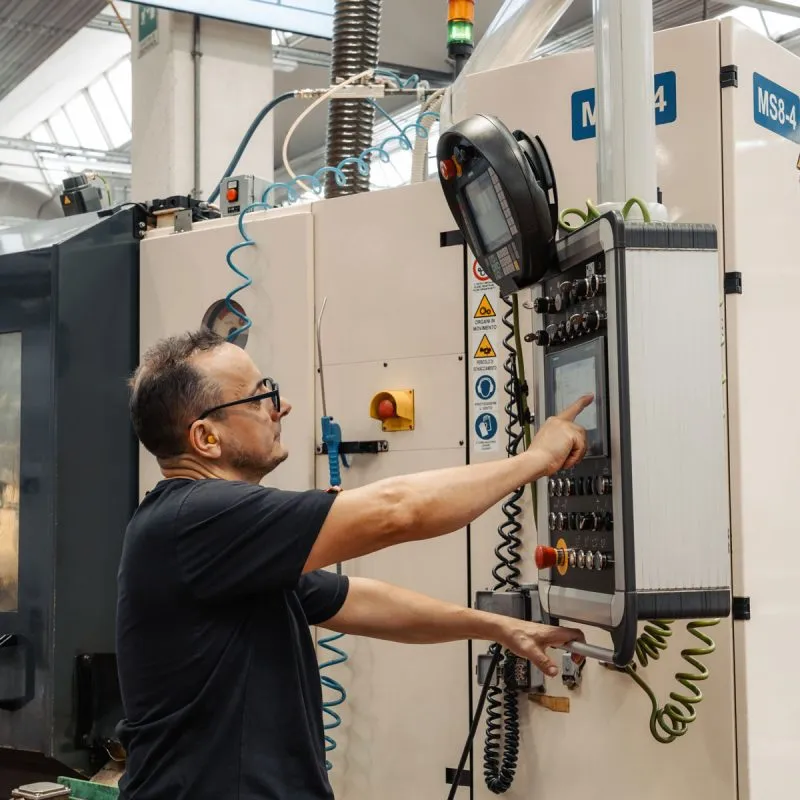
Testing capabilities
| Testing equipment | Usage Instructions |
|---|---|
| CMM | High-precision comprehensive measurement of complex spatial dimensions |
| Profilometer | Precise Quantitative Measurement of Surface Roughness |
| Vision Measuring System | Non-contact Inspection of Micro-Features and 2D Contours |
| Hardness Tester | Verification of Hardness Consistency After Heat Treatment of Materials |
Do you have strict precision requirements? Upload your drawings and mark the critical dimensions; our engineers will assess manufacturability and provide a manufacturing plan.
Applications of Our CNC Turning Services Across Various Industries
Different industries have vastly different requirements for parts. Our CNC turning services have been extensively applied across multiple high-demand sectors, offering specialized solutions tailored to the core challenges of each industry—rather than generic machining.
Typical Parts
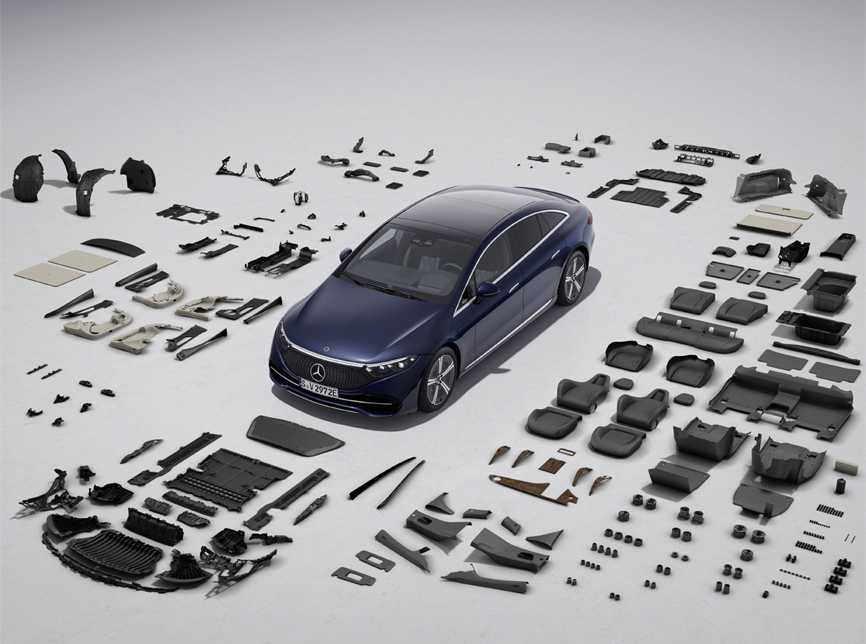
Driveshafts · Piston pins · Throttle shafts · Wheel hub bushings · Steering column shafts
Core Industry Requirements
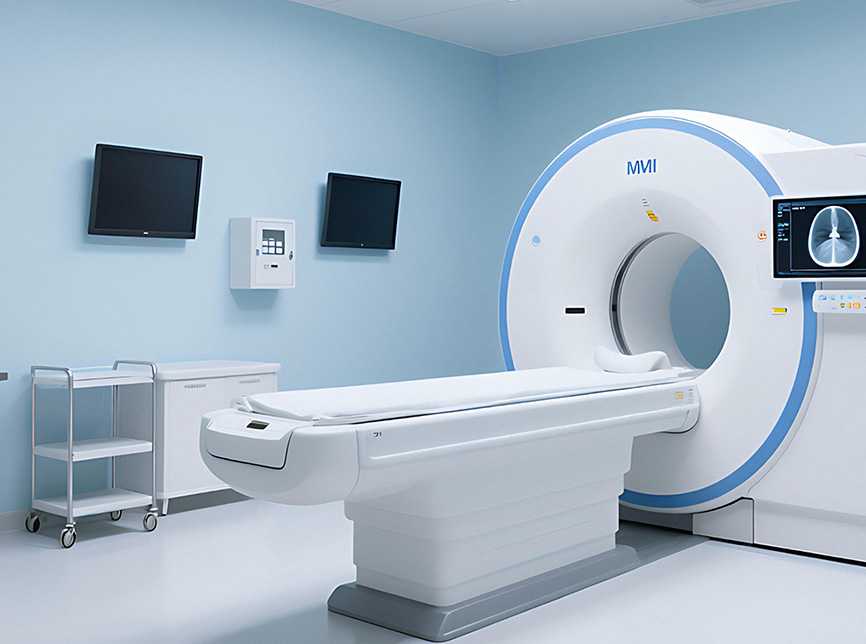
Automotive parts demand extremely high levels of dimensional consistency and batch stability; even a single dimensional deviation can lead to assembly failure or safety hazards.
How We Address These Challenges
Strict process control and statistical process control (SPC) mechanisms ensure that the dimensional data of every part in high-volume production remains within controlled limits. We support PPAP documentation submission to meet Tier 1/Tier 2 supplier system requirements.
Typical Components
Surgical instrument shafts · Endoscope assemblies · Orthopedic implant fixation devices · Structural components for diagnostic equipment · Fluid control valve spools
Core Industry Requirements
Medical components directly impact patient safety and are subject to stringent compliance requirements regarding material traceability, cleanliness, and machining precision.
How We Meet These Requirements
We support precision turning of biocompatible materials such as PEEK, medical-grade stainless steel, and titanium alloys, and provide comprehensive material reports and machining records to meet the quality traceability requirements for medical device components.

Typical Parts
RF connectors · Sensor housings · Semiconductor fixture pins · Heat sink bases · Precision insulating bushings
Core Industry Requirements
Electronic and semiconductor components typically feature miniature structures and high-density features, with extremely stringent requirements for geometric tolerances and surface quality, as well as short product iteration cycles.
How We Address These Challenges
Our capabilities in precision turning of small diameters (minimum Φ1.0 mm) combined with rapid tooling change mechanisms enable a swift transition from design verification to mass production, shortening the time-to-market cycle.
Typical Components
Joint drive shafts · Harmonic reducer wave generators · Battery module structural shafts · Motor rotor shafts · Encoder mounting brackets
Core Industry Requirements
The robotics and energy storage sectors are currently experiencing rapid growth, requiring both quick response to prototyping needs and the flexibility to scale production from small batches to mass production.
How We Address These Needs
We support seamless transition from rapid small-batch prototyping (3–7 days) to large-scale mass production, helping you complete the entire process from product validation to market launch without changing suppliers.

Is your industry not listed? Let us know your part requirements, and we’ll evaluate the best manufacturing solution.
Why Choose Dimud for CNC Turning
Can’t find your industry on the list? Tell us what parts you need, and we’ll evaluate the best manufacturing solution for you. With countless CNC turning suppliers worldwide, finding the right one for you isn’t easy. Here are the key reasons we build long-term partnerships with our clients—not just industry clichés, but what we can actually deliver.
One Supplier. Mold + CNC + Electronics.
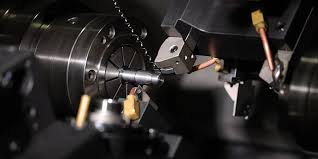
We operate three integrated facilities: an in-house mold shop, a CNC machining shop, and an electronics assembly plant. This means you won’t have to coordinate processes across multiple suppliers, track material flows, or risk miscommunication. From parts machining to component assembly, everything is managed by a single team, ensuring predictable results.
Engineer-to-Engineer Communication.
Your requests are received and addressed directly by engineers with hands-on machining experience, rather than being relayed through sales representatives. Accurate technical details, well-founded process decisions, and substantive feedback—this is the communication approach we consistently uphold throughout the execution of CNC turning projects.
Built for Global Buyers.
Our primary export markets are Europe, North America, and the Middle East, and we have a long history of serving international buyers with rigorous supplier management systems. We are well-versed in international quality and compliance frameworks such as ISO, PPAP, and RoHS, and we can deliver documentation, communicate progress, and handle issues in a manner that meets your procurement standards—without requiring you to spend time “teaching” us how to cooperate.
Every Order Gets Full Attention.
Our client base includes startups, small and medium-sized brands, and research institutions, and we fully understand the strategic importance of small-batch orders for early-stage product validation. We apply the same engineering review and quality control processes to a 10-piece prototype run as we do to a 10,000-piece mass production run, because we prioritize building a long-term partnership with you over the size of a single order.
Proactive Risk Identification, Not Just Execution.
During the project’s initial phase, we proactively conduct a manufacturability assessment of the drawings to identify design issues that could lead to manufacturing difficulties, tolerance conflicts, or unnecessary costs. We will openly inform you of any potential risks and provide actionable optimization recommendations—even if this requires additional time for communication, it is far better than having these issues surface during mass production.
Scalable Capacity, Long-Term Partnership.
Whether you’re currently in the product validation phase or scaling up for mass production, our production capacity planning can be flexibly adjusted to align with your business pace. You won’t need to search for new suppliers or rebuild trust and processes as your business grows—we’re a manufacturing partner who can accompany you from the very beginning all the way to full-scale production.
CNC Turning: Frequently Asked Questions
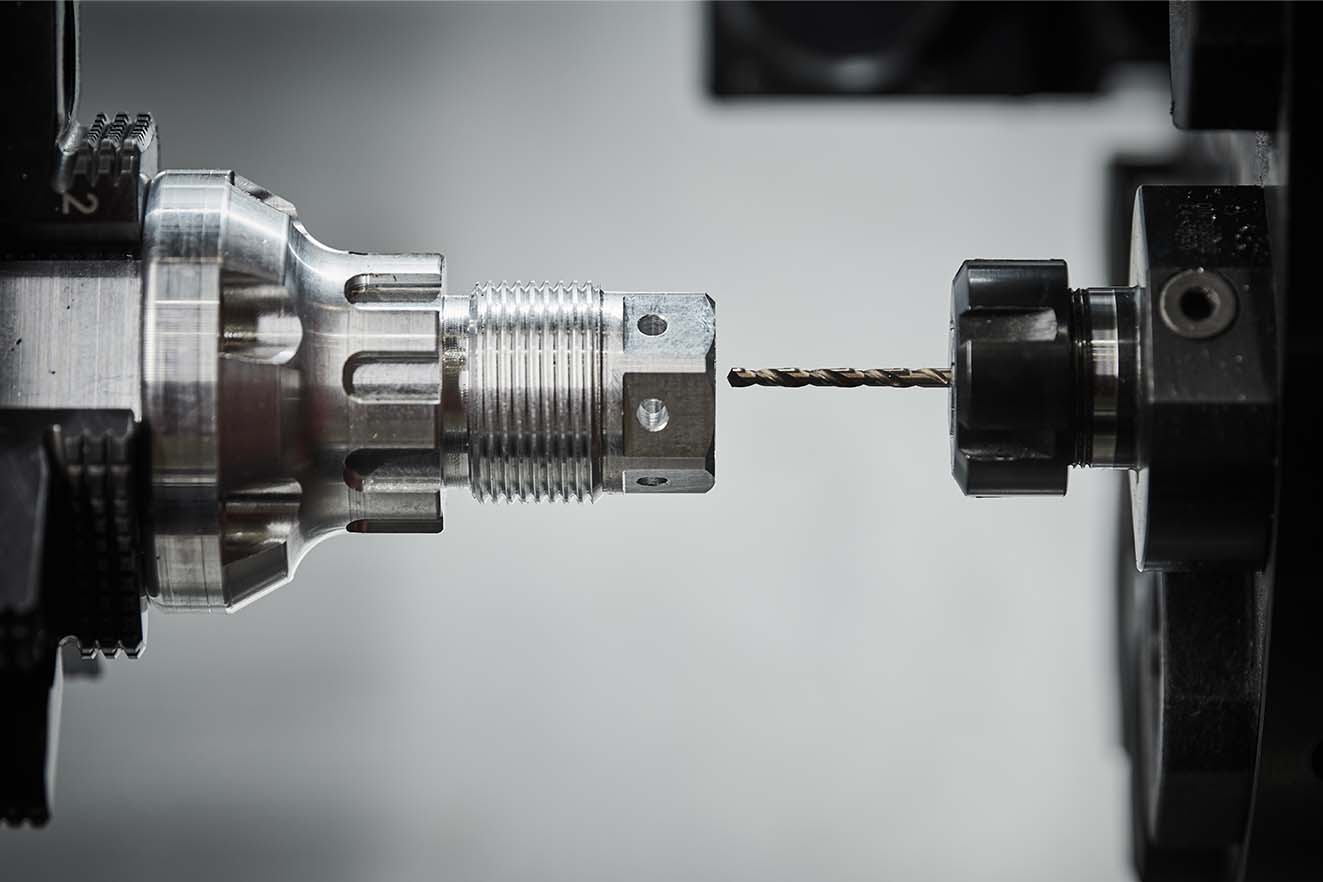
CNC turning is primarily used for machining shafts, cylindrical parts, threaded components, and symmetrical parts, and is suitable for the mass production of high-precision rotary parts.
Accuracy within ±0.01 mm is generally achievable, and with high-end equipment and optimized processes, it can reach the ±0.005 mm level.
It is highly suitable. Small-batch production does not require complex tooling, resulting in low costs and short lead times, making it ideal for the product validation phase.
Depending on the part’s complexity, prototyping generally takes 3–7 days, while batch production is typically completed within 1–3 weeks.
It can machine aluminum alloys, stainless steel, carbon steel, brass, and certain engineering plastics, covering most industrial application needs.
CNC turning is primarily used for machining rotationally symmetric parts, while CNC milling is suitable for complex 3D structures and asymmetric parts.
The machined surface is typically smooth. Secondary treatments such as polishing, anodizing, or electroplating can be applied as needed to enhance appearance and performance.
Yes, we offer custom machining based on customer drawings or 3D models and provide recommendations for optimizing manufacturability.
By standardizing the machining process through CNC programs and implementing end-to-end inspections, we ensure that every batch of products exhibits a high degree of consistency in both dimensions and performance.
Once you provide the part drawings (2D/3D) and material specifications, you can typically receive a detailed quote within 24–48 hours.