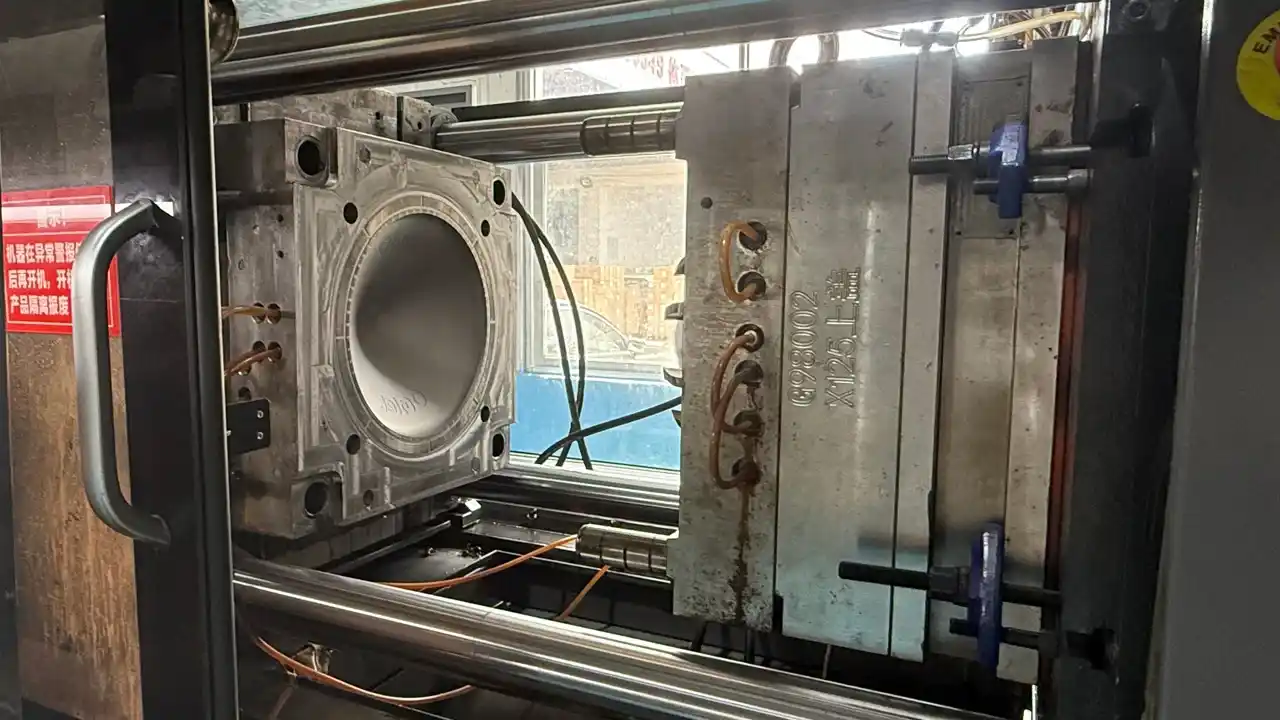

Полиэтилен высокой плотности — один из самых экономичных, химически стойких и ударопрочных термопластов, используемых в литье под давлением, однако его высокая усадка и склонность к короблению создают трудности для инженеров, которые не учитывают эти особенности на этапе проектирования. В этом руководстве освещены все необходимые аспекты: материаловедение, параметры обработки, проектирование пресс-форм, выбор марки материала и практические применения — чтобы вы могли с уверенностью определять технические требования и изготавливать детали из ПЭВП.
Что такое полиэтилен высокой плотности (ПЭВП)?
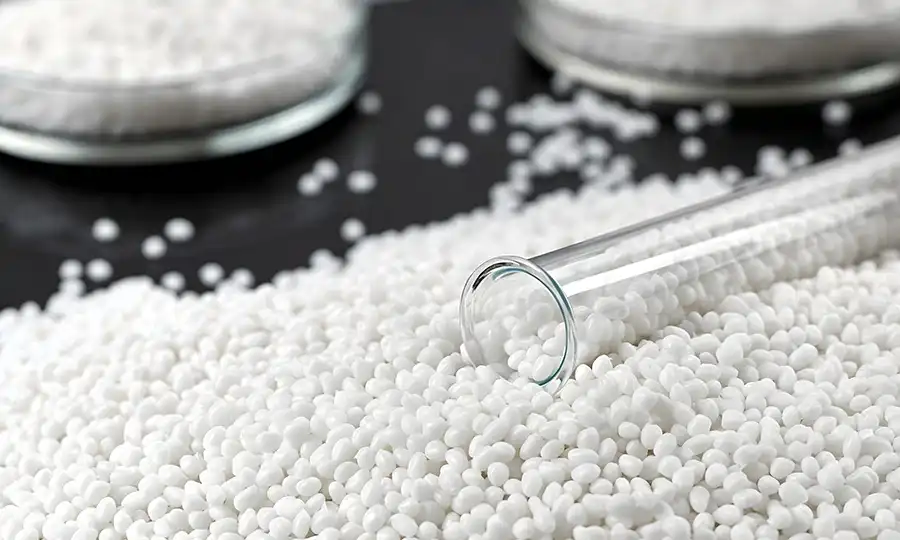
Полиэтилен высокой плотности (сокращенно HDPE) — это полукристаллический термопластичный полимер, получаемый в результате полимеризации мономеров этилена в контролируемых условиях давления и катализа. Обозначение “высокой плотности” относится к плотно упакованной линейной структуре молекулярной цепи, которая придает этому полимеру характерное сочетание жесткости, прочности и химической инертности.
Объем мирового рынка полиэтилена высокой плотности (HDPE) в 2024 году оценивается примерно в 1 484,3 млрд долларов, а к 2033 году, по прогнозам, он достигнет 1 411,6 млрд долларов (IMARC Group). Таким образом, HDPE входит в число наиболее массово производимых и широко перерабатываемых пластиков в мире. Он относится к категории термопластов широкого применения наряду с полипропиленом (PP) и поливинилхлоридом (PVC), но благодаря соотношению цены и качества часто становится предпочтительным выбором для тех случаев, когда применение инженерных пластиков было бы излишним, а материалы с более низкими эксплуатационными характеристиками вышли бы из строя преждевременно.
HDPE имеет код идентификации полимера #2 и относится к более широкому семейству полиэтиленов:
| Тип полиэтилена | Плотность | Кристалличность | Типичные области применения |
|---|---|---|---|
| LDPE | 0,910–0,940 г/см³ | ~45% | Гибкая упаковка, пленка |
| LLDPE | 0,915–0,940 г/см³ | ~50% | Стретч-пленка, гибкие трубки |
| ПНД | 0,941–0,965 г/см³ | ~70–80% | Жесткие контейнеры, трубы, промышленные детали |
| полиэтилен сверхвысокой плотности | 0,930–0,935 г/см³ | ~50% | Используйте прокладки и детали повышенной прочности |
Именно более высокая кристалличность этой смолы по сравнению с ПЭНД обусловливает её превосходную жёсткость, химическую стойкость и барьерные свойства, а также более сложные особенности усадки при литье под давлением.
Молекулярная структура, определяющая эксплуатационные характеристики ПЭВД
Чтобы понять, почему полиэтилен высокой плотности (ПЭВП) ведет себя именно так при переработке, нужно начать с молекулярного уровня. В отличие от полиэтилена низкой плотности (ПЭНП) — который содержит множество коротко- и длинноцепочечных разветвлений, нарушающих плотную упаковку — полиэтилен высокой плотности состоит преимущественно из линейного неразветвленного полимера цепи. Эти цепи плотно выравниваются в процессе затвердевания, образуя кристаллические ламеллярные структуры, которые занимают 70–80 % объема материала.
Такая высокая степень кристалличности напрямую определяет ряд важнейших эксплуатационных характеристик смолы:
- Химическая стойкость: Плотная упорядоченная цепная упаковка обеспечивает минимальное количество путей проникновения молекул растворителя в полимерную матрицу
- Ударная вязкость: Аморфные области между кристаллическими доменами поглощают энергию при ударе, не приводя к хрупкому разрушению
- Характеристики барьера: Низкая газо- и влагопроницаемость по сравнению с аморфными полимерами сопоставимой плотности
- Высокая усадка: Значительное объемное усадка при кристаллизации — основная причина проблем с размерами изделий из ПЭНП при литье под давлением
Молекулярная масса является второй важнейшей структурной характеристикой. Смола HDPE представлена в продаже в широком диапазоне молекулярных масс:
- Стандартные марки MW (Mn ~50 000–150 000 г/моль): Высокий индекс текучести расплава (MFI > 6 г/10 мин), подходит для литья под давлением
- Сорта с высокой молекулярной массой (HMW-HDPE): Более низкий показатель MFI, лучшие показатели по воздействию и соблюдению экономических, социальных и культурных прав, более сложная обработка
- Сверхвысокомолекулярный полиэтилен (UHMW-PE, среднемолекулярная масса > 1 000 000 г/моль): Не поддается литью под давлением стандартными методами; требует прессования или экструзии с помощью поршня
Для литья под давлением стандартный диапазон технологических характеристик составляют марки с индексом текучести (MFI) 5–20 г/10 мин.
Основные свойства полиэтилена высокой плотности (ПЭВП)
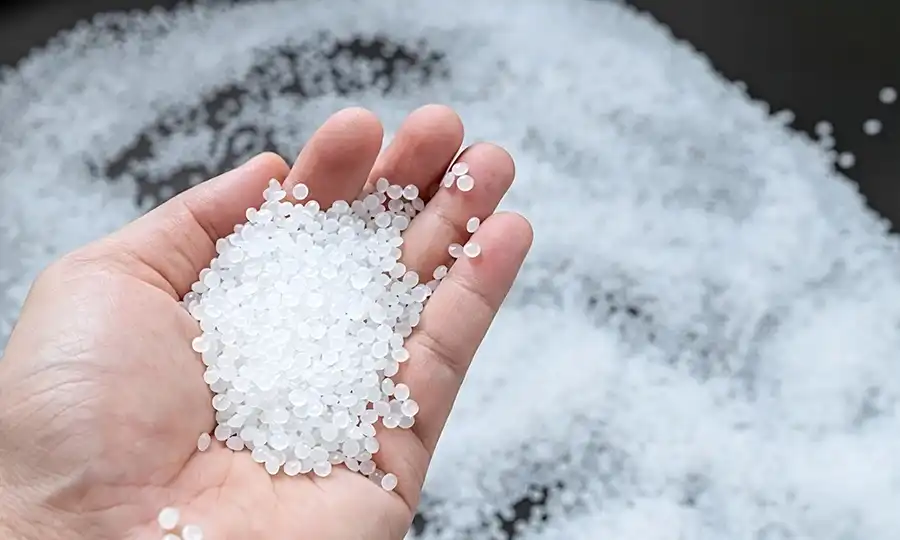
Механические свойства
| Недвижимость | Типичное значение | Единица |
|---|---|---|
| Предел прочности при течении | 21–37 | МПа |
| Относительное удлинение при разрыве | 300–1 000 | % |
| Модуль упругости при изгибе | 900–1 500 | МПа |
| Ударная вязкость по Изоду (с надрезом) | 50–200 | м/м |
| Твёрдость по Роквеллу | 60–70 | — |
| Модуль упругости | 700–1 400 | МПа |
Одной из ключевых механических характеристик полиэтилена высокой плотности является его пластический характер разрушения: при ударе он не подвергается катастрофическому разрушению, а подвергается пластической деформации, поглощая значительную энергию перед разрушением. Благодаря этому он отлично подходит для применения в условиях, предполагающих повторяющиеся механические нагрузки, удары при падении и неаккуратное обращение в полевых условиях.
Один из важнейших факторов, который необходимо учитывать при проектировании: чувствительность к надрезам. Острые внутренние углы и резкие изменения сечения действуют как концентраторы напряжений, что на практике значительно снижает ударопрочность пластмассы. В Димуде, Наша команда инженеров-конструкторов пресс-форм всегда руководствуется базовым правилом, согласно которому минимальный внутренний радиус для конструкционных деталей из ПЭНД должен составлять 0,5 × толщина стенки — это небольшое изменение позволяет значительно продлить срок службы деталей.
Тепловые характеристики
| Недвижимость | Значение | Единица |
|---|---|---|
| Температура плавления | 125–135 | °C |
| Температура теплового прогиба (0,45 МПа) | 60–82 | °C |
| Температура теплового изгиба (1,80 МПа) | 43–60 | °C |
| Температура размягчения по Викату | 125–130 | °C |
| Температура непрерывной эксплуатации | до 80 | °C |
| Коэффициент теплового расширения (CTE) | 100–200 × 10⁻⁶ | /°C |
Одним из важных ограничений данного материала является его относительно невысокая температура тепловой деформации. Необходимо тщательно анализировать условия применения, предполагающие длительное воздействие температур выше 60–70 °C, либо рассмотреть возможность использования альтернативных материалов, таких как полипропилен (PP), полиамид (PA) или стеклонаполненные марки. Высокий коэффициент теплового расширения также напрямую влияет на расчет усадки при литье и определение допусков на детали.
Физические и барьерные свойства
| Недвижимость | Значение | Единица |
|---|---|---|
| Плотность | 0,941 – 0,965 | г/см³ |
| Водопоглощение (24 часа) | < 0,01 | % |
| Усадка формы | 1,5–3,5 | % |
| Скорость проникновения кислорода (OTR) | Низкий | — |
| Коэффициент пропускания водяного пара | Очень низкий | — |
| Показатель преломления | 1.54 | — |
Практически нулевое водопоглощение HDPE (< 0,011 %) является важным преимуществом при переработке: стандартные марки не требуют предварительной сушки перед литьем под давлением, что сокращает время подготовки цикла и исключает риск появления разбегания, серебристых полос или деградации расплава под воздействием влаги.
Высокий диапазон усадки при формовании (1,5–3,51 ТП3Т) является наиболее значимой технологической характеристикой данного полимера. Эта усадка не только выше по абсолютной величине, но и более изменчива, чем у большинства инженерных термопластов, а ее анизотропный характер является основной причиной проблем с короблением, с которыми инженеры часто сталкиваются при работе с полиэтиленом высокой плотности. Мы подробно рассмотрим этот вопрос в разделе, посвященном переработке, ниже.
Химическая стойкость
Химическая стойкость, пожалуй, является главным коммерческим преимуществом полиэтилена высокой плотности (HDPE). Этот полимер демонстрирует превосходную стойкость в самых разных условиях:
Отличная стойкость (без заметных повреждений):
- Разбавленные и концентрированные неорганические кислоты (HCl, H₂SO₄, HNO₃ при умеренной концентрации и температуре)
- Сильные щелочи (NaOH, KOH любой концентрации)
- Водные растворы солей
- Спирты, альдегиды и водные моющие средства
- Животные и растительные жиры, масла и смазочные материалы
Ограниченная устойчивость (оценивается по сорту и условиям):
- Ароматические углеводороды (толуол, ксилол) — риск разбухания и растрескивания под действием напряжений
- Галогенизированные растворители (хлороформ, метиленхлорид) — набухание
- Сильноокисляющие кислоты при повышенной температуре
Критическое ограничение — растрескивание под воздействием внешних факторов (ESCR):
Наиболее опасным видом разрушения полиэтилена высокой плотности (HDPE) является растрескивание под воздействием внешних нагрузок (ESC). Оно возникает, когда полимер одновременно подвергается воздействию химического вещества (в частности, поверхностно-активных веществ, некоторых масел и полярных растворителей) и механической нагрузке — даже при нагрузке, значительно ниже предела текучести материала. Химическое вещество не растворяет полимер; вместо этого оно ускоряет распутывание аморфных сегментов цепи, вызывая хрупкое разрушение в материале, который в противном случае разрушился бы пластически.
Для применений, предполагающих контакт с химическими веществами при механической нагрузке, стандартно используются марки HDPE с высокой молекулярной массой, показатели ESCR (тест PENT) которых превышают 1000 часов. При выборе марки необходимо обязательно учитывать показатель ESCR — одних только таблиц общей химической стойкости недостаточно.
Электрические свойства
| Недвижимость | Значение | Единица |
|---|---|---|
| Объёмное удельное сопротивление | > 10¹⁶ | Ом·см |
| Диэлектрическая прочность | 18–30 | кВ/мм |
| Диэлектрическая проницаемость (1 МГц) | 2,3–2,4 | — |
| Коэффициент рассеивания (1 МГц) | < 0,0005 | — |
Благодаря чрезвычайно низкому коэффициенту диссипации HDPE является одним из самых прочных пластиков широкого применения для высокочастотных электрических систем. На его электрические свойства практически не влияет влага, что является значительным преимуществом по сравнению с гигроскопичными инженерными полимерами, такими как PA и PC.
Литье под давлением из полиэтилена высокой плотности (HDPE): технологические параметры и конструкция пресс-формы
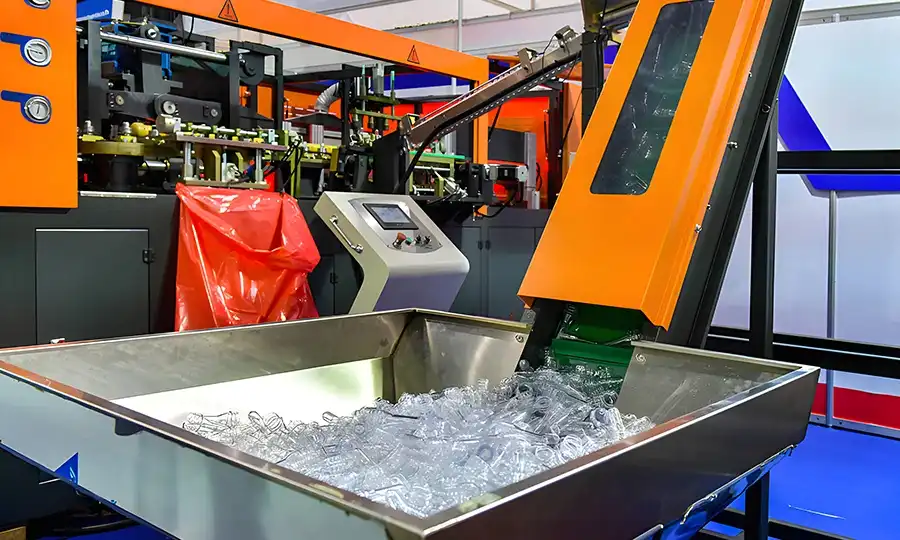
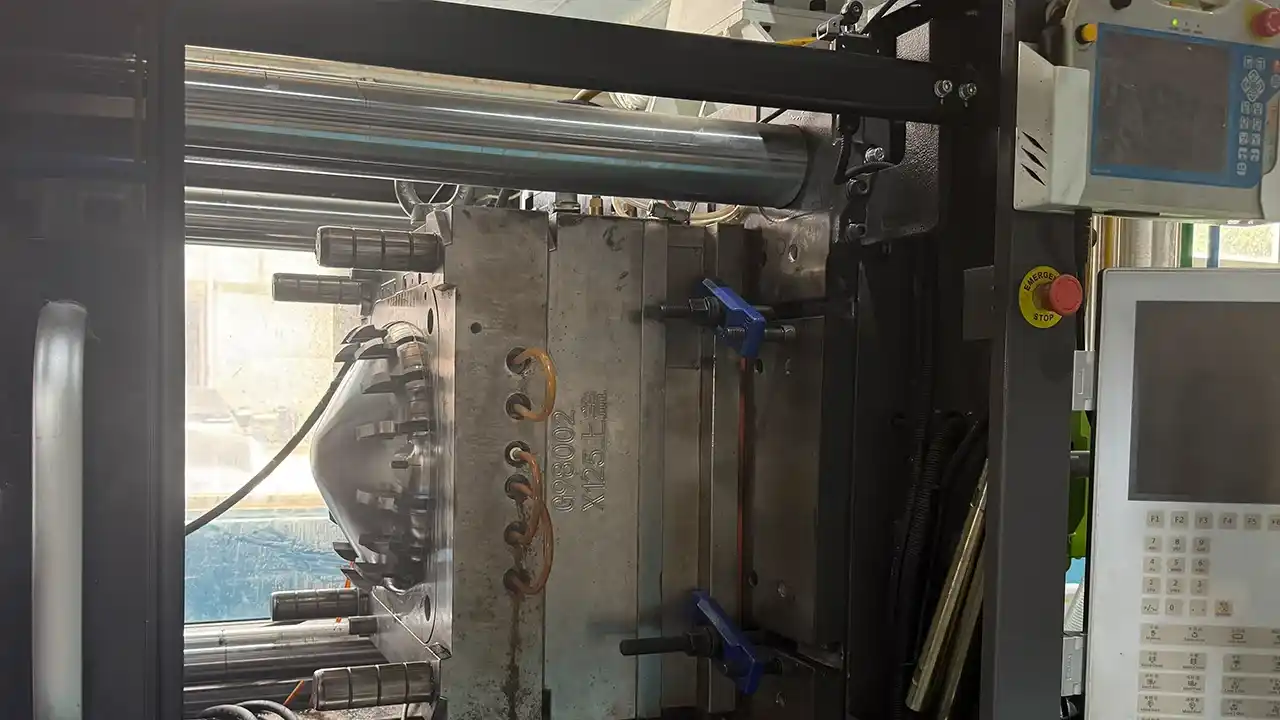
Для успешной переработки ПЭНД необходимо тщательно контролировать как параметры оборудования, так и конструкцию пресс-формы. Высокая усадка материала и его поведение, обусловленное кристаллизацией, означают, что проблемы, связанные с геометрией пресс-формы, невозможно полностью устранить лишь за счет корректировки технологического процесса.
Требования к сушке
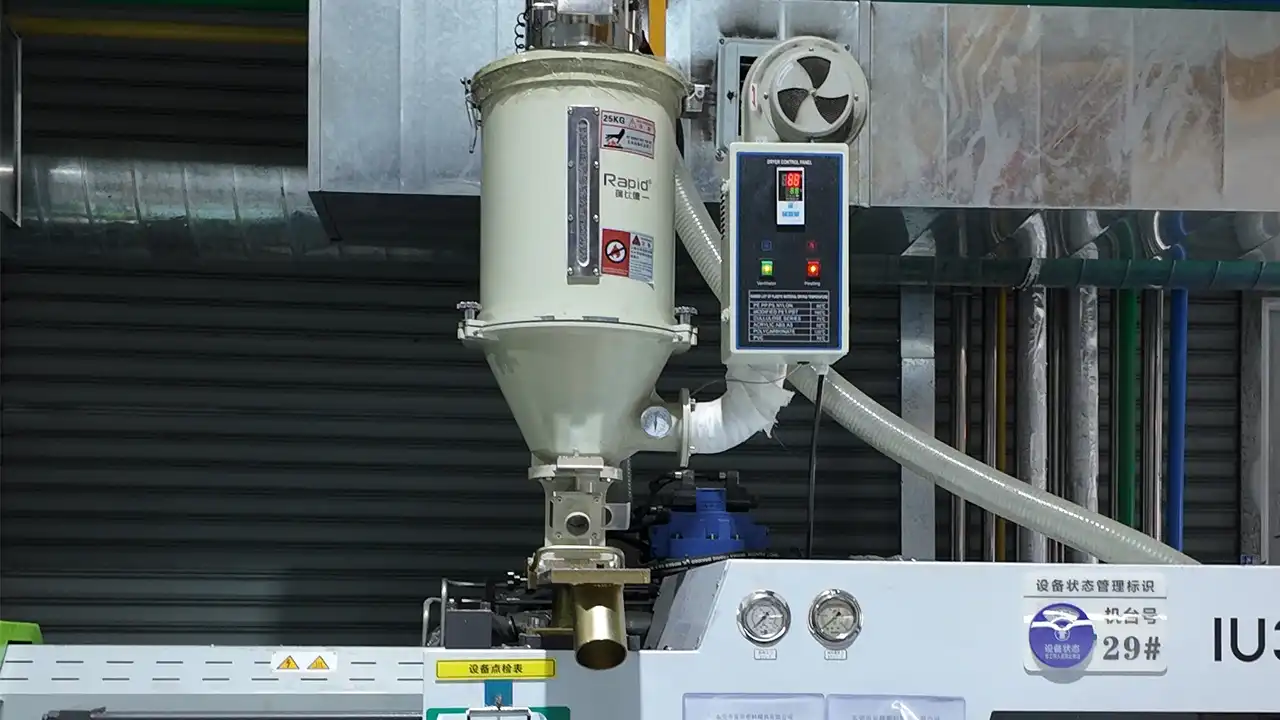
Стандартные марки полимера для литья под давлением поглощают менее 0,011 % влаги — при нормальных условиях хранения предварительная сушка не требуется. Если полимер хранился в открытых емкостях в условиях повышенной влажности, сушка при температуре 70–80 °C в течение 1–2 часов позволяет избежать растрескивания поверхности и появления серебристых полос.
Температура плавления
Рекомендуемый диапазон температур расплава для литья под давлением из ПЭНП составляет 200–280 °C, при этом большинство марок перерабатывается при температуре 220–260 °C:
- 200–220 °C: более короткие циклы, меньшая степень термического разложения; требуется более высокое давление впрыска
- 220–250 °C: оптимальный баланс между текучестью, качеством поверхности и стабильностью размеров
- 260–280 °C: Требуется для тонкостенных изделий и длинных траекторий потока; при чрезмерном времени пребывания существует риск деградации
Температура пресс-формы
Температура формы напрямую влияет на ход кристаллизации, качество поверхности и склонность к короблению:
| Температура пресс-формы | Эффект |
|---|---|
| 20–40 °C | Быстрый цикл; более высокие внутренние напряжения и коробление |
| 40–60 °C | Оптимальное соотношение качества поверхности и продолжительности цикла |
| 60–80 °C | Повышенная кристалличность; улучшенная стабильность размеров |
| > 80 °C | Максимальная стабильность; применяется для изготовления прецизионных деталей |
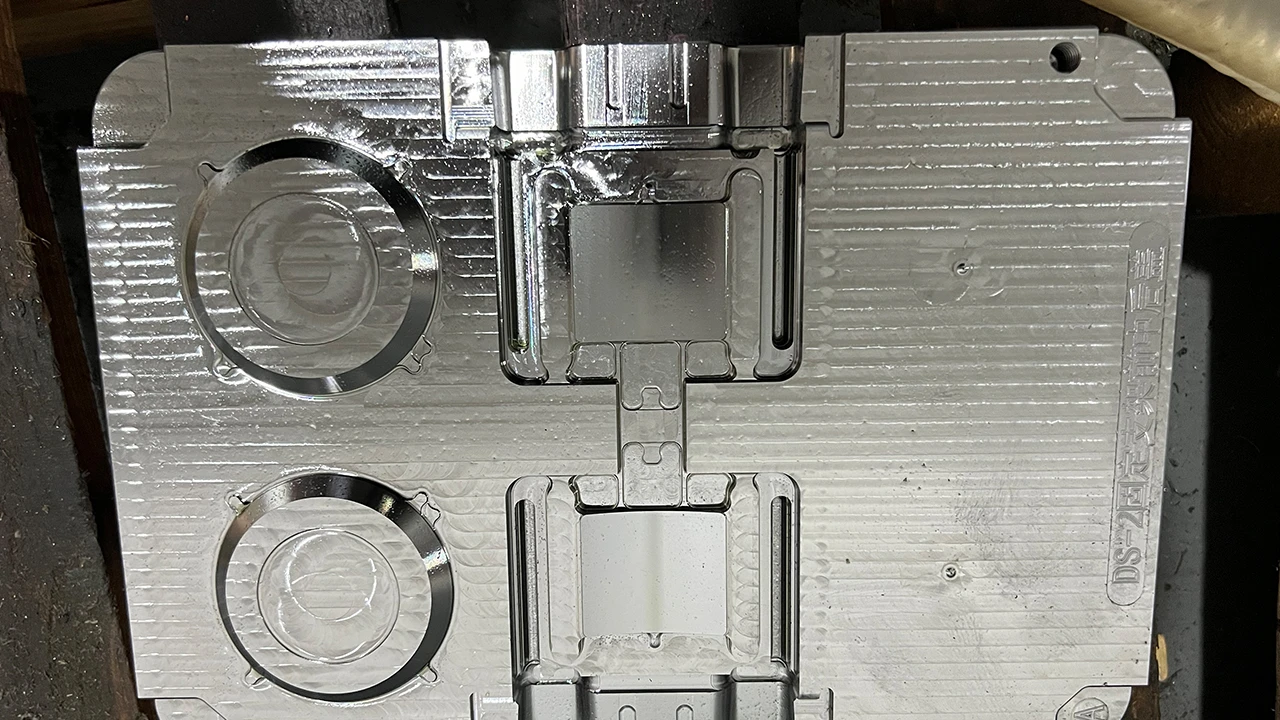
При производстве плоских или крупногабаритных деталей из ПЭНД с жесткими допусками в компании Dimud стандартной практикой является поддержание температуры формы на уровне 50–70 °C с равномерным распределением охлаждающих каналов. Асимметричное распределение температуры в форме часто недооценивается как фактор, вызывающий коробление изделий после формования.
Давление впрыска и частота впрыска
| Параметр | Рекомендуемый диапазон |
|---|---|
| Давление впрыска | 70–140 МПа |
| Поддержание давления | 50–801 ТП3Т давления впрыска |
| Время выдержки | 10–30 секунд |
| Скорость впрыска | Средний |
| Противодавление | 5–15 МПа |
| Скорость вращения | 40–80 об/мин |
Расплав полиэтилена высокой плотности чувствителен к сдвигу — чрезмерная скорость впрыска приводит к разлом при плавлении, что проявляется в виде шероховатости поверхности. Средние скорости наполнения при использовании литниковых каналов надлежащего размера предпочтительнее, чем литье с высокой скоростью.
Управление усадкой и короблением полиэтилена высокой плотности
Усадка формы из ПЭНД 1,5–3,51 ТП3Т является как высоким, так и весьма изменчивым. Основные факторы, влияющие на это:
Анизотропная усадка: Полимер дает значительно большую усадку в направлении заполнения, чем в перпендикулярном к нему направлении. В длинной детали, заполняемой с одного конца, усадка в направлении заполнения может достигать 2,51 % по объёму, тогда как поперечная усадка составляет 1,81 % по объёму — эта разница проявляется в виде коробления после выталкивания.
Изменение толщины сечения: Толстые участки кристаллизуются позже и дают большую усадку, чем прилегающие к ним тонкие участки, что приводит к образованию градиентов внутренних напряжений.
Равномерность охлаждения: Неравномерная температура поверхности пресс-формы — вызванная недостаточным охватом охлаждающих каналов или асимметричной конструкцией пресс-формы — приводит к неравномерной кристаллизации по всей детали.
Проверенный подход компании Dimud к снижению рисков:
- Конформные охлаждающие каналы для сложных геометрических форм, в которых традиционные просверленные контуры не способны обеспечить равномерную температуру
- Датчики давления в камере для оптимизации профилей удерживающего давления
- Моделирование потока в пресс-форме для проверки баланса заполнения и прогнозирования распределения усадки до изготовления пресс-формы
- Обеспечение равномерности толщины стенок с помощью DFM — максимальное соотношение толщин соседних стенок для HDPE составляет 2:1
- Марки с минеральным наполнителем (тальк или CaCO₃, 10–30%) — когда приоритетом является стабильность размеров: наполнители стимулируют зародышевую кристаллизацию и значительно снижают колебания усадки
Конструкция литниковых каналов для форм из ПЭНД
- Ворота подводного туннеля: Стандартное решение для большинства задач; включите автоматическую обрезку литников. Выбирайте размер с запасом прочности, чтобы предотвратить разрушение расплава под действием сдвига
- Вентиляционные / боковые заслонки: Рекомендуется для плоских деталей больших размеров с целью создания широких фронтов потока с низкой скоростью
- Прямые литниковые каналы: Для одногнездных деталей с толстыми стенками; обеспечивает максимальное давление уплотнения
- Системы горячеканальных литьевых форм: Хорошо подходит для крупносерийного производства; клапанный литник предпочтительнее открытого наконечника для контроля подтекания из-за низкой вязкости расплава ПЭНД
- Не устанавливайте заслонки слишком малого размера на участках с высокой плотностью — ограничивает уплотнение и приводит к образованию вдавливаний и внутренних пустот
Распространенные дефекты при литье под давлением полиэтилена высокой плотности
| Дефект | Основная причина | Решение |
|---|---|---|
| Деформация | Разница в усадке из-за неравномерного охлаждения | Обеспечить равномерное охлаждение, равномерную толщину стенок, оптимизировать расположение литников |
| Вмятины от раковины | Недостаточная уплотнение в толстых участках | Увеличьте давление удержания/время удержания, увеличьте размер литника |
| Короткие кадры | Низкая температура плавления или слишком маленький литниковый канал | Повысьте температуру плавления, перейдите на марку с более высоким показателем MFI |
| Распушение / серебристые полосы | Влажность или слишком высокая температура расплава | Просушите смолу, снизьте температуру плавления, проверьте вентиляцию |
| Разлом плавления / «акулья кожа» | Слишком высокая скорость впрыска через небольшой литник | Уменьшите скорость, увеличьте проход |
| Растрескивание под воздействием окружающей среды | Неправильная оценка при воздействии химических веществ и стресса | Указать более высокий класс ESCR, снизить остаточное напряжение |
| Отслоение | Загрязнение материала или использование несовместимого вторичного сырья | Очистить цилиндр, проверить соответствие материала |
Марки и модификации полиэтилена высокой плотности (HDPE)
Стандартные марки пластика для литья под давлением
- Низкие показатели MFI (MFI 2–5 г/10 мин): Более высокая мощность, лучшие показатели ESCR и ударопрочности; требуется более высокое давление впрыска
- Средние показатели MFI (MFI 5–15 г/10 мин): Стандартный ассортимент для литья под давлением — оптимальное соотношение технологичности и эксплуатационных характеристик
- Высокие показатели MFI (MFI 15–30+ г/10 мин): Детали с тонкими стенками и сложной геометрией; снижение показателя ESCR и ударопрочности при более высоких значениях MFI
Полиэтилен высокой плотности, армированный стекловолокном (HDPE-GF)
Использование коротковолокнистого стекловолокна 10–30% обеспечивает:
- 50–100%: повышение предела прочности на разрыв
- Увеличение модуля упругости на изгиб в 2–4 раза
- Значительно более высокий показатель HDT
- Снижение анизотропии усадки
Недостатки: снижение пластичности, повышенный износ инструмента, более высокая стоимость материала.
ПЭНД с минеральным наполнителем
Добавление талька или карбоната кальция в количестве 10–40% позволяет решить проблему неравномерности усадки ПЭНП, обеспечивая стабильность размеров, уменьшая коробление и снижая стоимость материала на единицу объема.
ПЭНД с УФ-стабилизаторами
Технический углерод (2–3%) обеспечивает максимальную защиту от ультрафиолетового излучения и является отраслевым стандартом для наружной инфраструктуры. Марки, стабилизированные HALS, позволяют сохранить цветовую гамму для наружных применений, не требующих использования черного цвета.
Огнестойкий полиэтилен высокой плотности
Системы добавок с галогенами или без галогенов позволяют получать марки материалов, соответствующие классам UL94 V-2, V-1 или V-0 для использования в электрических корпусах.
Проводящий / ESD-полиэтилен высокой плотности
Марки с добавлением технического углерода или волокон обеспечивают регулируемое удельное сопротивление для применений, чувствительных к электростатическому разряду (ESD), включая лотки для полупроводников и контейнеры для легковоспламеняющихся химических веществ.
FDA / полиэтилен высокой плотности, пригодный для контакта с пищевыми продуктами
На рынке широко представлены составы смол, соответствующие требованиям стандартов FDA 21 CFR, EU 10/2011 и NSF. Всегда проверяйте наличие сертификатов на конкретный сорт и партию, а не только на соответствие семейства полимеров.
Области применения полиэтилена высокой плотности
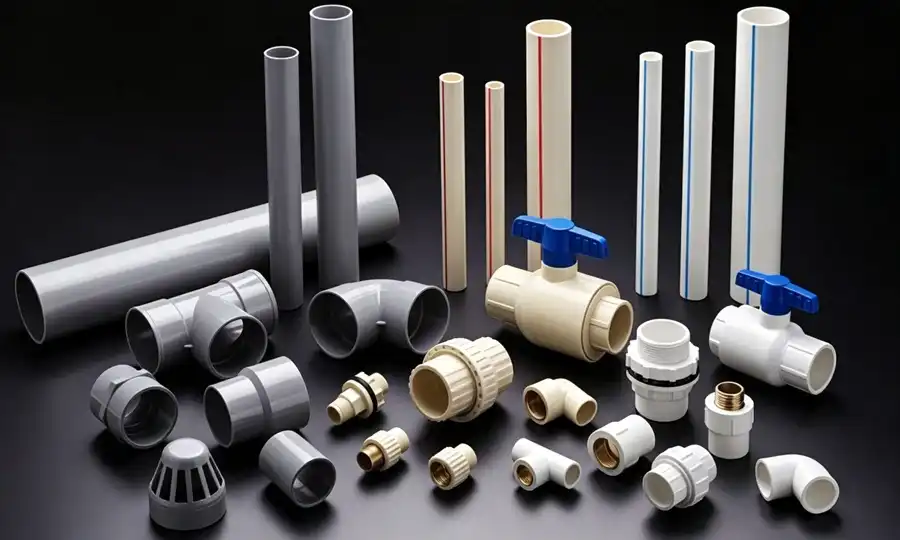
Промышленная и химическая переработка
Благодаря своей химической стойкости, ударопрочности и экономичности полиэтилен высокой плотности (HDPE) стал стандартным материалом в химической инфраструктуре:
- Резервуары для хранения, емкости, бункеры и системы вторичной защиты
- Корпуса насосов, корпуса клапанов и промышленная арматура
- Лабораторное оборудование и компоненты для работы с жидкостями
- Трубопроводные системы для инфраструктуры (марки PE100 / PE4710, рассчитанные на работу под давлением)
В условиях эксплуатации под давлением или при воздействии химических веществ, сопровождающейся механической нагрузкой, показатели сопротивления коррозии (ESCR) имеют такое же решающее значение, как и общая химическая совместимость — этот аспект инженеры должны проверять на уровне конкретного сорта материала, а не делать предположения, исходя из категории полимера.
Упаковка
Полиэтилен высокой плотности широко используется в производстве жесткой промышленной и потребительской упаковки:
- Бутылки для химикатов и моющих средств, канистры и бочки
- Пищевые бутылки и молочные кувшины (из материалов, соответствующих требованиям FDA)
- Крышки и дозирующие элементы
- Контейнеры для перевозки грузов, поддоны и контейнеры для насыпных грузов
Автомобили
Инженеры-автомобилестроители выбирают детали из полиэтилена высокой плотности (HDPE), изготовленные методом литья под давлением, для гидравлических систем и элементов нижней части кузова:
- Топливные баки (выдувные изделия из полиэтилена высокой плотности являются мировым стандартом для легковых автомобилей)
- Резервуары для омывателя и переливные бачки системы охлаждения
- Воздуховоды, компоненты системы впуска и защитные кожухи днища
- Корпуса аккумуляторов для вспомогательных систем 12 В
Устойчивость полиэтилена высокой плотности (HDPE) к воздействию дорожных химикатов, противогололедных реагентов и брызг топлива в сочетании с практически нулевым поглощением влаги делает его особенно эффективным для применения в подкапотных и подкузовных зонах.
Потребительские товары и товары для дома
- Бытовые контейнеры, мусорные баки и ящики
- Компоненты для уличной мебели (марки, устойчивые к ультрафиолетовому излучению)
- Игрушки и игровое оборудование
- Рабочие доски и поверхности, контактирующие с пищевыми продуктами (класс FDA)
Применение в медицине и фармацевтике
Смолы из полиэтилена высокой плотности медицинского назначения (класс VI по стандарту USP, соответствуют стандарту ISO 10993) используются в:
- Одноразовые диагностические контейнеры и сосуды для проб
- Фармацевтическая упаковка — флаконы и крышки
- Корпуса медицинских изделий, требующие устойчивости к химической стерилизации
Пластик из полиэтилена высокой плотности (HDPE) по сравнению с другими материалами для литья под давлением
ПЭНД против ПП
| Недвижимость | Пластик из полиэтилена высокой плотности | гомополимер ПП |
|---|---|---|
| Плотность | 0,941–0,965 г/см³ | 0,900–0,910 г/см³ |
| Жесткость (модуль упругости при изгибе) | 900–1 500 МПа | 1 300–1 800 МПа |
| Ударопрочность | Лучше | Хорошо |
| Термостойкость (HDT) | Нижняя часть | Выше |
| Возможность создания «живого» шарнира | Бедный | Превосходно |
| Усадка формы | 1,5–3,51 ТП3Т | 1,0–2,51 ТП3Т |
Выберите HDPE: максимальная ударопрочность; воздействие агрессивных химических веществ; соответствие требованиям FDA к материалам, контактирующим с пищевыми продуктами; тара для хранения жидкостей.
Выберите PP: требуется повышенная жесткость; температуры выше 80 °C; конструкции с гибкими шарнирами; повышенная усталостная прочность.
ПЭНД против АБС
Выберите HDPE: Химическая стойкость и долговечность при использовании на открытом воздухе являются приоритетными факторами; внешний вид имеет второстепенное значение. Выберите ABS: основное внимание уделяется качеству поверхности, окраске, гальваническому покрытию или соблюдению точных допусков на размеры.
ПЭНД против нейлона (PA6 / PA66)
Выберите HDPE: Приоритетными задачами являются устойчивость к влаге, кислотостойкость и оптимизация затрат.
Выберите PA: требуются конструктивные характеристики, износостойкость или способность выдерживать длительное воздействие высоких температур.
Преимущества и ограничения полиэтилена высокой плотности (HDPE)
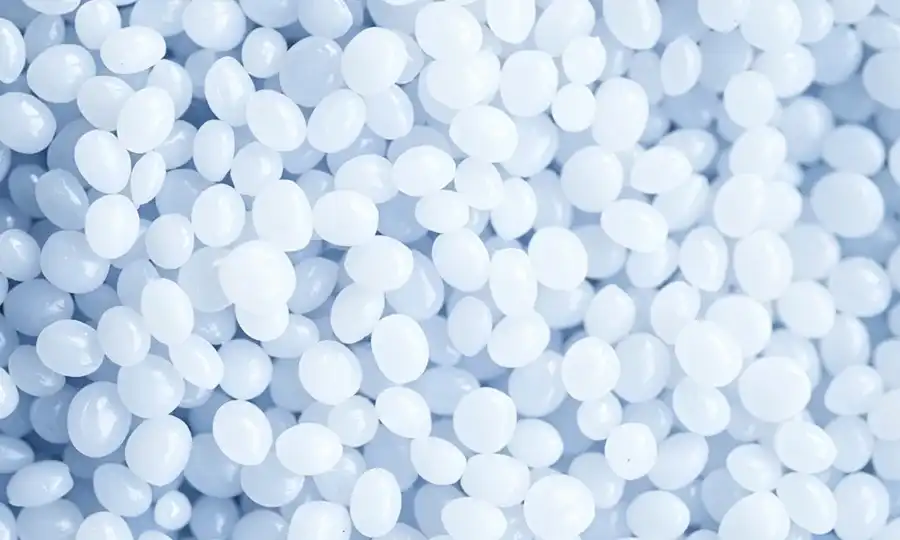
Почему инженеры выбирают HDPE
Исключительная химическая стойкость: Устойчив к воздействию подавляющего большинства неорганических кислот, щелочей и водных растворов промышленных химикатов — при этом его стоимость в разы ниже, чем у фторполимеров или специальных инженерных пластиков.
Превосходная ударная вязкость: Благодаря способности поглощать энергию при деформации детали из полиэтилена высокой плотности (HDPE) считаются одними из самых надежных для эксплуатации в полевых условиях, где они подвергаются механическим нагрузкам, ударам при падении и неаккуратному обращению.
Практически нулевое впитывание влаги: Стабильность размеров в условиях высокой влажности без необходимости предварительной сушки при литье под давлением — это прямое преимущество с точки зрения эксплуатации и затрат.
Экономическая эффективность: Цены на сырьевые материалы, сопоставимые со стоимостью полипропилена и значительно ниже цен на инженерные пластики. Широкая доступность специальных марок позволяет избежать затрат, связанных с заменой материала.
Широкое признание со стороны регулирующих органов: Соблюдение требований к хранению продуктов питания, фармацевтических и химических веществ можно обеспечить за счет использования материалов надлежащего класса — без необходимости доплачивать за специальные полимеры.
Полная пригодность к вторичной переработке: Код полимера #2 — наиболее широко перерабатываемый термопласт в мире. rHDPE завоевал прочные позиции на рынках труб, пиломатериалов и упаковки.
Известные ограничения
Высокая и анизотропная усадка формы: При значении 1,5–3,51 TP3T — самом высоком среди всех широко распространенных термопластиков. При разработке пресс-форм и организации технологического процесса необходимо учитывать этот фактор уже на самых ранних этапах проектирования.
Незначительное тепловое сопротивление: Температура HDT ниже 80 °C при нагрузке ограничивает применимость материала в условиях повышенных температур. Инженеры должны сверять рабочую температуру с данными, относящимися к конкретному сорту материала, а не только с диапазоном значений для всего семейства полимеров.
Высокий коэффициент теплового расширения: в 5–10 раз выше, чем у стали. При проектировании узлов, в которых компоненты из ПНД сочетаются с металлическими деталями, необходимо учитывать разницу в тепловом расширении.
Сложность приклеивания и окрашивания: Неполярные поверхности с низкой поверхностной энергией требуют предварительной обработки пламенем, коронным разрядом или плазмой перед склеиванием или нанесением покрытия.
Риск нарушения экономических, социальных и культурных прав: Неочевидный вид отказа, требующий упреждающего определения класса. Не отражен в стандартных таблицах химической стойкости.
Ограниченная устойчивость к ультрафиолетовому излучению (стандартные марки): Для наружного применения требуются материалы, специально устойчивые к ультрафиолетовому излучению.
Как выбрать подходящий сорт полиэтилена высокой плотности (HDPE) для вашего проекта
Шаг 1 — Определение диапазона MFI: Подбирайте индекс текучести расплава с учетом геометрии детали. Для тонкостенных деталей и деталей с длинными каналами течения требуется MFI ≥ 10–15. Для толстостенных конструкционных деталей лучше подходят марки с более низким MFI, обладающие более высокой стойкостью к воздействию окружающей среды (ESCR) и ударной вязкостью.
Шаг 2 — Установка целевого значения плотности: Более высокая плотность (0,960–0,965) для обеспечения максимальной жесткости и барьерных свойств. Диапазон более низких значений плотности HDPE (0,941–0,950) для обеспечения лучшей пластичности и сопротивления растрескиванию при низких температурах (ESCR).
Шаг 3 — Оценка требований ESCR: В любом случае применения, предполагающем воздействие химических веществ в условиях механической нагрузки, необходимо указать показатель ESCR на основе данных испытаний по методу PENT. Это является обязательным требованием для деталей, контактирующих с химическими веществами.
Шаг 4 — Обеспечение устойчивости к ультрафиолетовому излучению: Для наружного применения требуется материал, устойчивый к ультрафиолетовому излучению. Сажа обеспечивает максимальную долговечность, а системы HALS позволяют сохранить разнообразие цветовой гаммы.
Шаг 5 — Проверка соответствия нормативным требованиям: При использовании в пищевой промышленности, медицине или для питьевой воды убедитесь, что конкретный сорт материала и производственная партия имеют необходимые сертификаты.
Шаг 6 — Оцените варианты наполнителей: Если особенности геометрии детали не позволяют полностью устранить коробление с помощью одной лишь конструкции пресс-формы, то использование марок с минеральным наполнителем (20–40% с тальком или CaCO₃) позволяет значительно улучшить стабильность усадки.
Литье под давлением из полиэтилена высокой плотности (HDPE) в компании Dimud
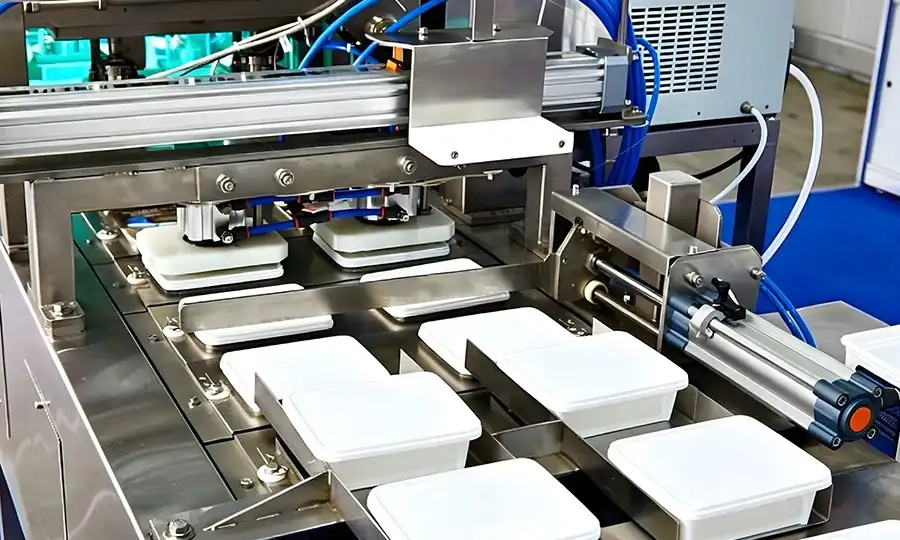
Производственная инфраструктура компании Dimud — завод по производству прецизионных пресс-форм, цех с ЧПУ и предприятие по производству электроники — обеспечивает реализацию проектов по литью под давлением полиэтилена высокой плотности (HDPE) любой степени сложности, начиная с изготовления первых прототипов и заканчивая крупносерийным производством.
Наша команда инженеров обладает практическим опытом в области литья под давлением из полиэтилена высокой плотности (HDPE) для производства деталей нижней части кузова автомобилей, промышленных деталей, контактирующих с химическими веществами, систем потребительской упаковки и корпусов медицинского оборудования — мы обслуживаем клиентов в Европе, Северной Америке и на Ближнем Востоке.
Возможности, связанные с ПЭНД, которые мы используем в каждом проекте:
- DFM для полиэтилена высокой плотности: Анализ однородности стенок, оценка риска просадки и коробления, оптимизация расположения литниковых каналов — все это выполняется до начала проектирования пресс-формы
- Технические аспекты охлаждения форм из ПЭНД: Конструкция каналов охлаждения, проверенная с учетом кристаллизационных характеристик материала, с использованием моделирования потока в пресс-форме для сложных деталей
- Опыт в области подбора сортов: Оптимизация МФИ, оценка рисков по стандарту ESCR и рекомендации по модифицированным классам (с минеральным наполнителем, устойчивые к УФ-излучению, соответствующие требованиям FDA) с учетом фактических требований к применению
- Интегрированная цепочка поставок: Поставка смолы, литье под давлением, сборка и экспортная логистика — все это управляется в рамках единой программы, что позволяет исключить риски, связанные с координацией действий нескольких поставщиков
Если вам требуются детали из полиэтилена высокой плотности (HDPE) — будь то для изготовления прототипов, мелкосерийного или серийного производства — обратитесь к инженерной команде Dimud, чтобы обсудить ваши требования.
Часто задаваемые вопросы
HDPE — это сокращение от «полиэтилен высокой плотности» — термопластичный полимер, получаемый из этилена, с преимущественно линейной молекулярной структурой, которая обеспечивает ему высокую кристалличность, жесткость и химическую стойкость.
На рынке широко представлены составы пищевого назначения, соответствующие требованиям стандартов FDA 21 CFR, EU 10/2011 и NSF. Соответствие требованиям необходимо подтверждать на уровне конкретного класса и партии.
Деформация возникает в результате анизотропной дифференциальной усадки — полимер сжимается сильнее в направлении потока расплава, чем в поперечном направлении, а толстые участки усаживаются сильнее, чем тонкие. Неравномерное охлаждение усиливает эти различия, приводя к видимым деформациям. Решения включают сбалансированную конструкцию литниковых каналов, равномерную толщину стенок, оптимизированное охлаждение пресс-формы, а в некоторых случаях — использование марок с минеральным наполнителем, которые демонстрируют более изотропную усадку.
Растрескивание под воздействием химических веществ (ESCR) — это тип хрупкого разрушения, возникающий при одновременном воздействии на полимер определенных химических веществ (поверхностно-активных веществ, масел, полярных растворителей) и механической нагрузки. Химическое вещество ускоряет распутывание полимерных цепей, не растворяя при этом материал. При выборе марки материала необходимо уделять особое внимание его устойчивости к ESCR для любых применений, предполагающих контакт с химическими веществами под нагрузкой.
Непрерывная эксплуатация при температурах до примерно 80 °C в условиях нагрузки. Более высокие температуры приводят к ползучести и изменению размеров. Марки HDPE, армированные стекловолокном, расширяют диапазон практического применения; при температурах выше 100 °C, как правило, более подходящим решением являются конструкционные пластики.
Да — код идентификации полимера #2, наиболее широко перерабатываемый термопласт в мире. Потребительский HDPE перерабатывается в трубы, настилы и упаковку в значительных промышленных масштабах. Внутренний переработанный материал для литья под давлением обычно можно повторно использовать в смесях с содержанием 10–25 % без существенного ухудшения эксплуатационных характеристик.
Компания Dimud — комплексный поставщик профессиональных решений в области литья под давлением со штаб-квартирой в Китае, располагающий собственным заводом по производству пресс-форм, производственными мощностями по обработке на станках с ЧПУ и производством электроники. Мы обслуживаем клиентов в автомобильной, медицинской, электронной и промышленной отраслях в Европе, Северной Америке и на Ближнем Востоке.