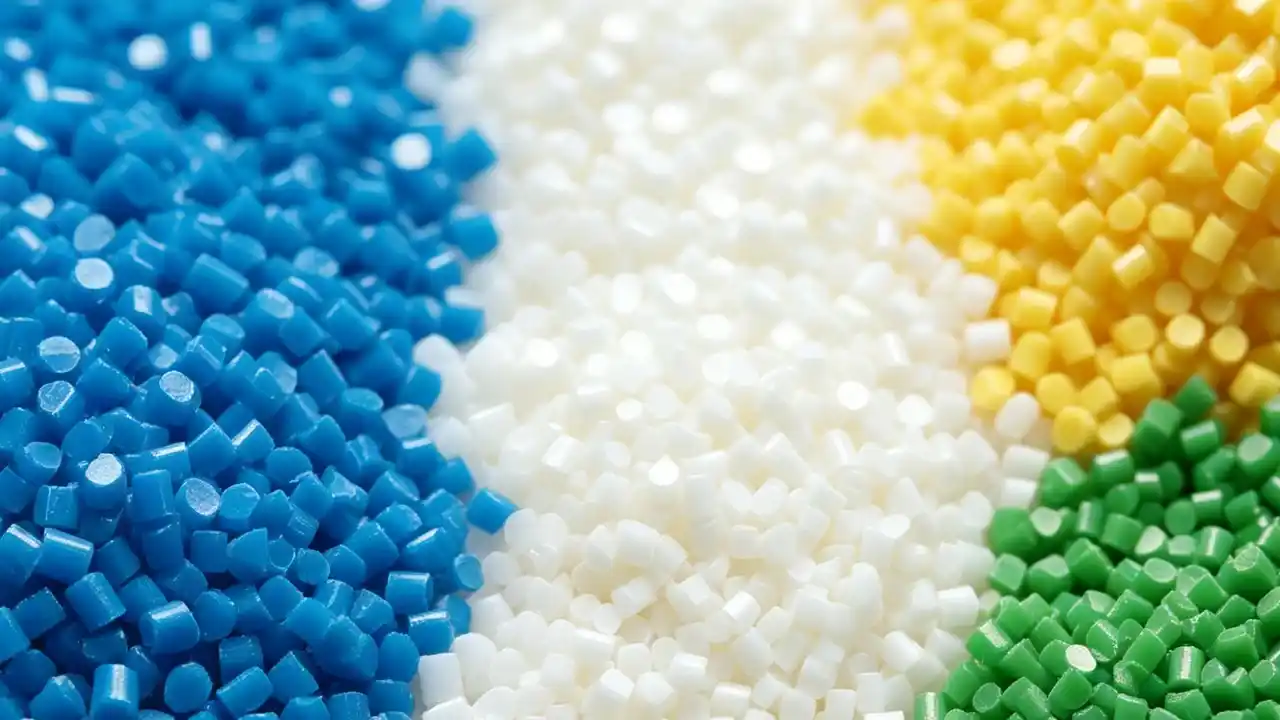

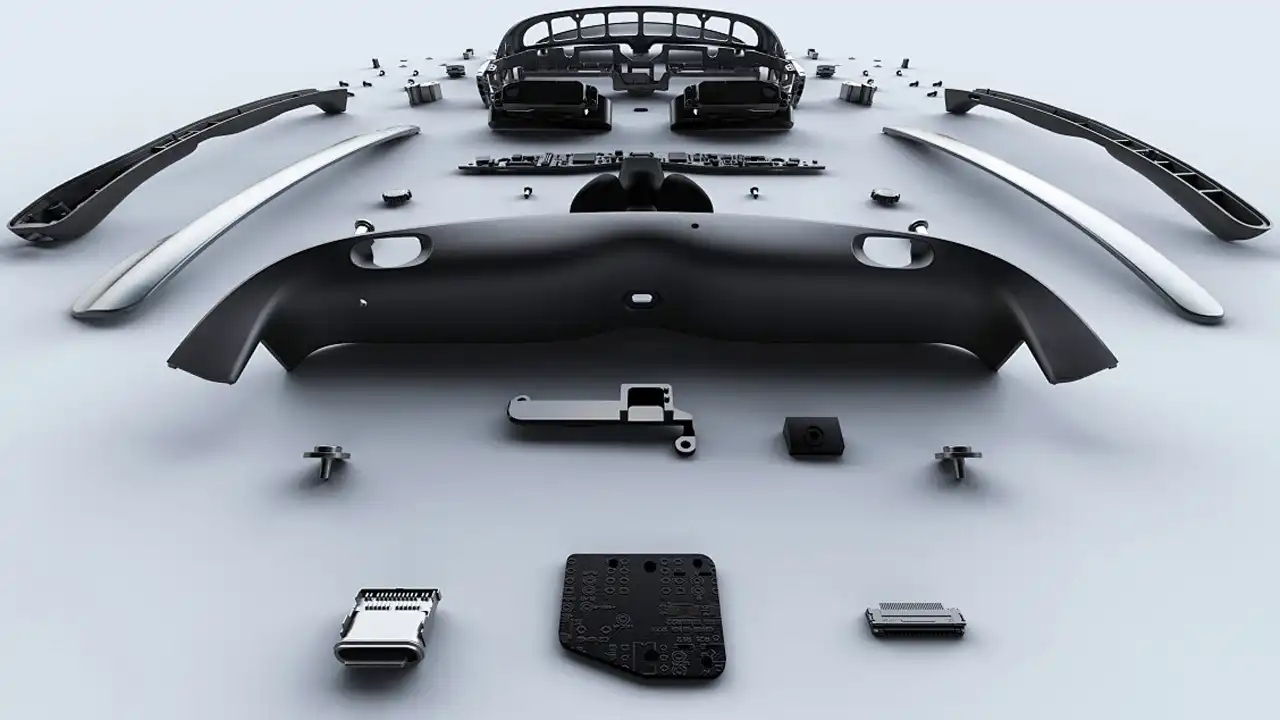
In the automotive manufacturing industry, reducing component costs and shortening production cycles while ensuring product strength and dimensional accuracy has long been a core challenge for many companies. Particularly with the rise of new energy vehicles and lightweight design, traditional manufacturing methods are struggling to meet the demands of complex, high-efficiency production. As a result, automotive injection molding is gradually becoming an indispensable key process in modern automotive component manufacturing. From interior trim and functional structural components to high-precision electronic assemblies, injection molding is helping automakers achieve their goals of lighter, faster, and more stable production. This guide provides a comprehensive analysis of automotive injection molding processes, materials, applications, and industry trends, helping you gain a deeper understanding of the true value of this technology.
What Is Automotive Injection Molding?
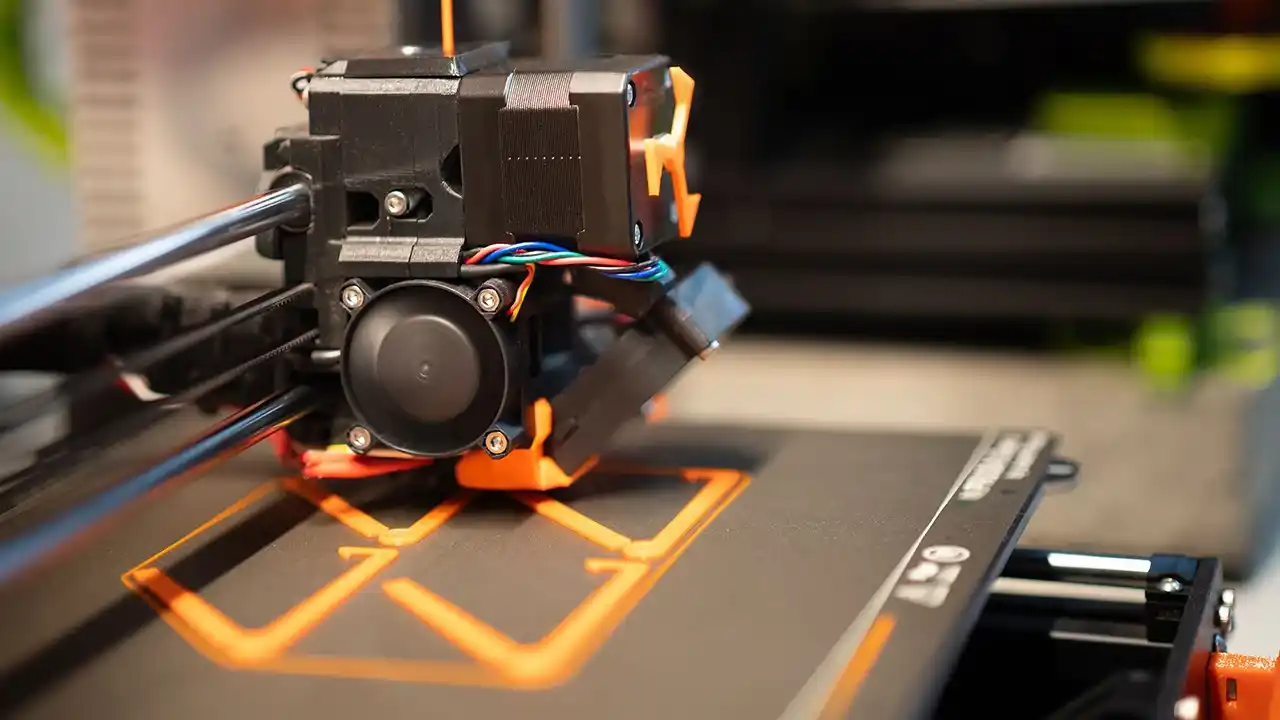
People often confuse injection molding with other plastic processes — blow molding, thermoforming, even 3D printing. The differences matter enormously. Knowing what plastic injection molding for automotive parts actually ist helps you make smarter design and sourcing decisions from day one.
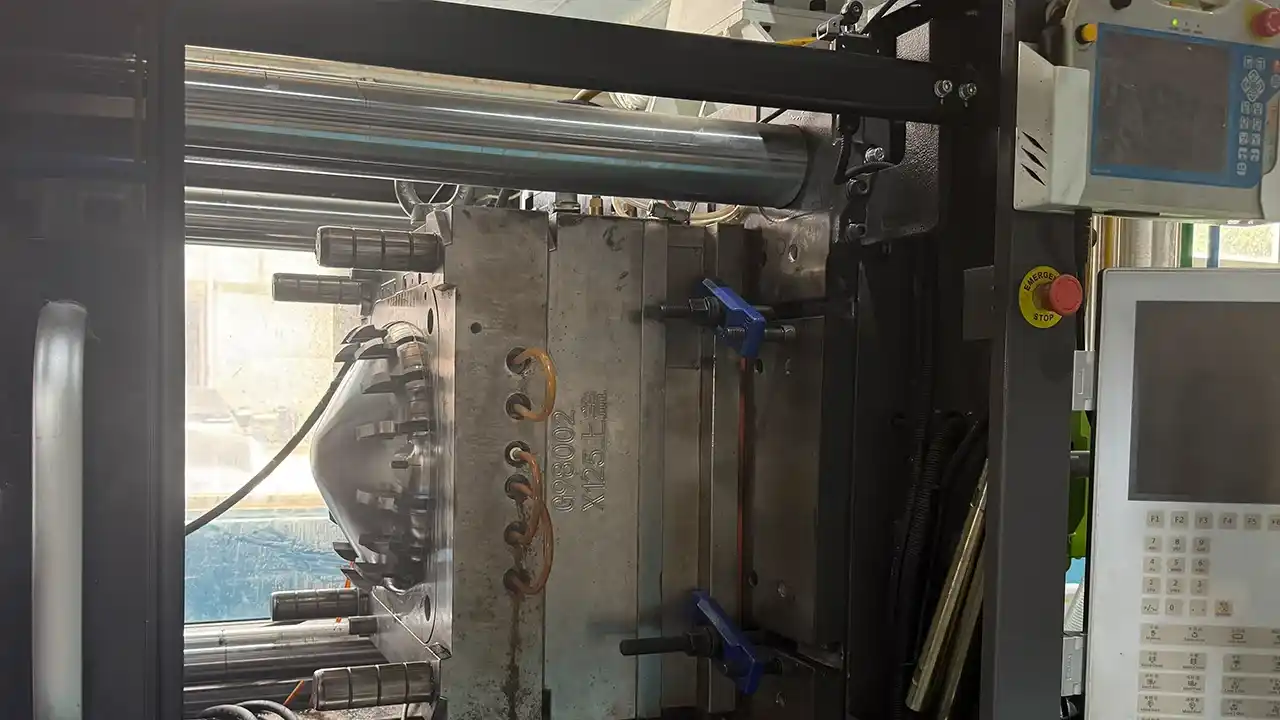
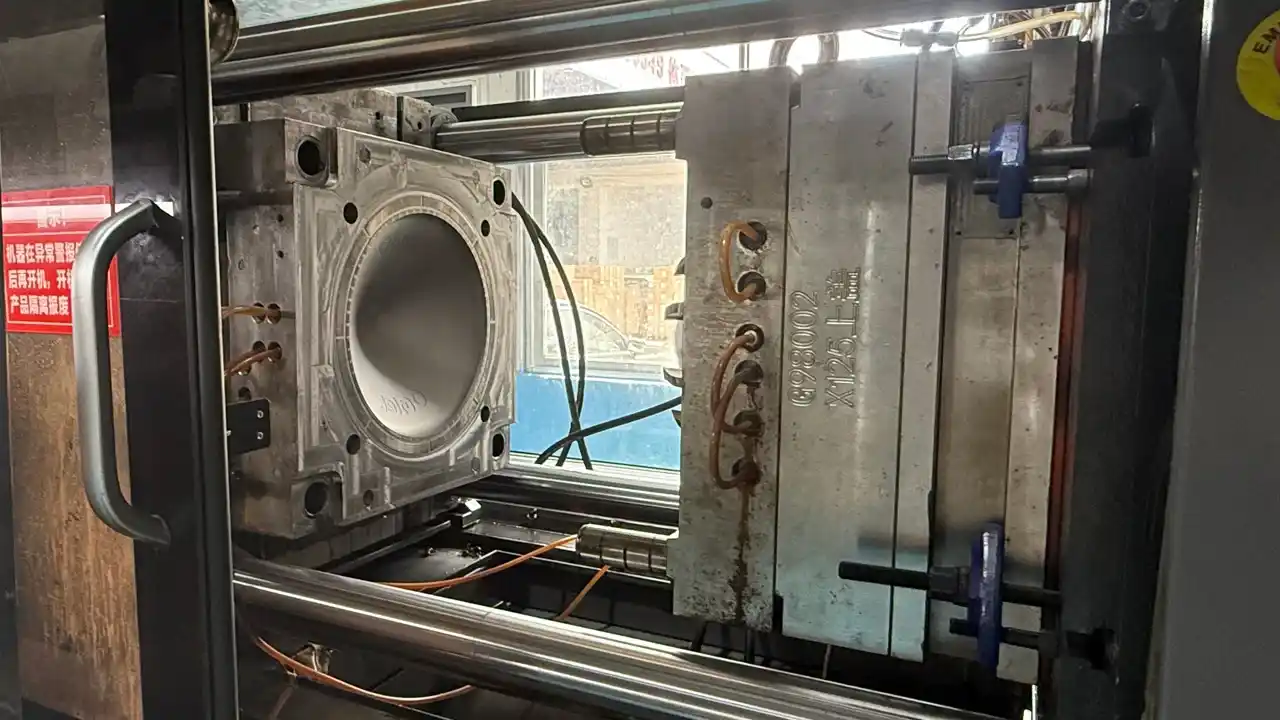
Automotive injection molding is a high-precision manufacturing process where melted engineering plastic is forced into a custom steel or aluminum mold cavity under pressures typically ranging from 10,000 to 30,000 psi. The plastic solidifies inside the mold in the exact shape of the finished part. The cycle repeats — often in under 60 seconds — to produce thousands or millions of identical components. It’s the method of choice for automotive plastic components because it handles complex geometries, demanding material requirements, and tight tolerances that no other high-volume process can match.
It’s Not Just “Melting and Pouring”
A lot of people picture injection molding like pouring chocolate into a candy mold. It’s nothing like that.
Plastic pellets drop into a heated barrel. A rotating screw melts and pressurizes them, then drives the melt through a narrow gate into a sealed mold cavity. The pressure is intense. The temperature is precise. Even a 5°C deviation in the barrel can shift the final part’s dimensions measurably.
Why Automotive Applications Demand More
Consumer product molds can be forgiving. Automotive molds cannot.
Car parts must survive road vibration, UV exposure, temperature swings from −40°C to 120°C, and sometimes direct chemical contact. That means mold design, material selection, and process parameters have to be calibrated far more carefully than in most other industries.
A mold built for an automotive bumper bracket might cost ten times more than a mold for a plastic toy — not because of part complexity alone, but because of the tolerances, the steel grade, and the shot life requirement (often 500,000 shots or more).
The Mold Is Everything
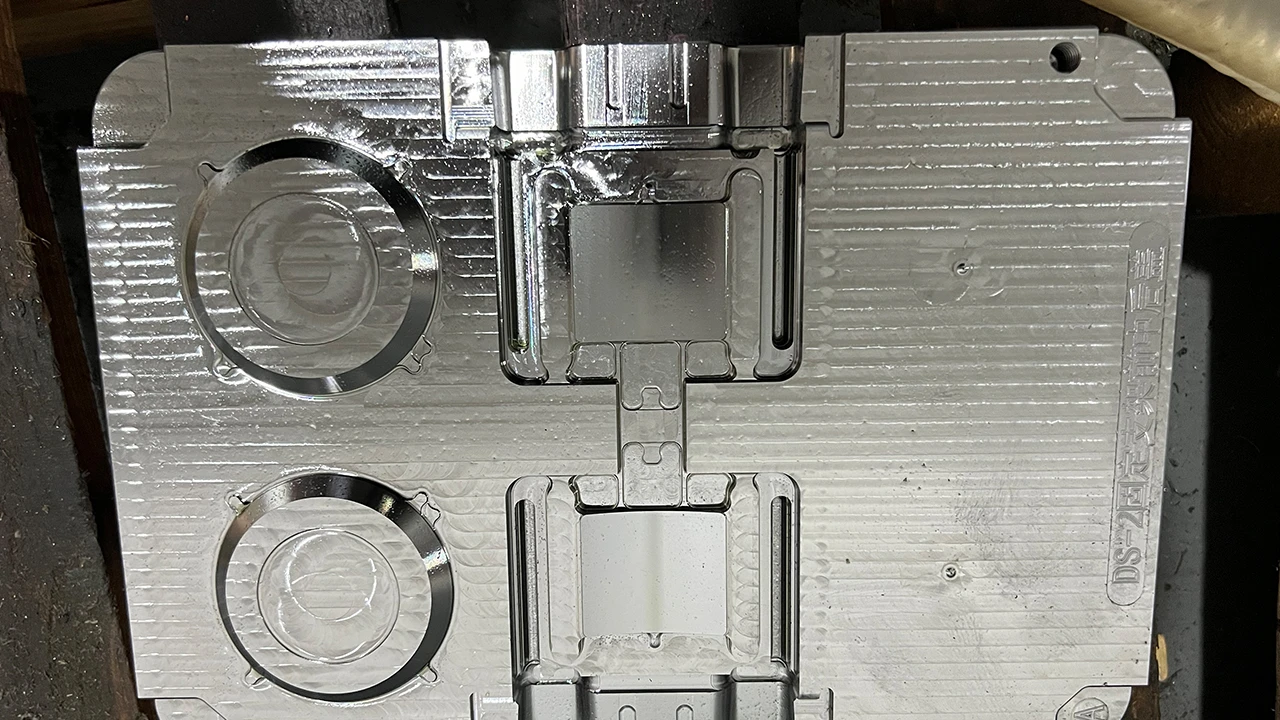
The mold isn’t just a cavity. It contains cooling channels, ejection pins, runner systems, gate locations, and venting features — all of which interact. Get one wrong and you get warping, sink marks, short shots, or flash.
Bei Dimud, unserem Präzisionsformenbau team engineers every gate position, cooling line, and draft angle with the final part’s performance in mind — not just its shape. That difference shows up in first-shot quality and long-term mold life.
What Is the Principle Behind Automotive Injection Molding?
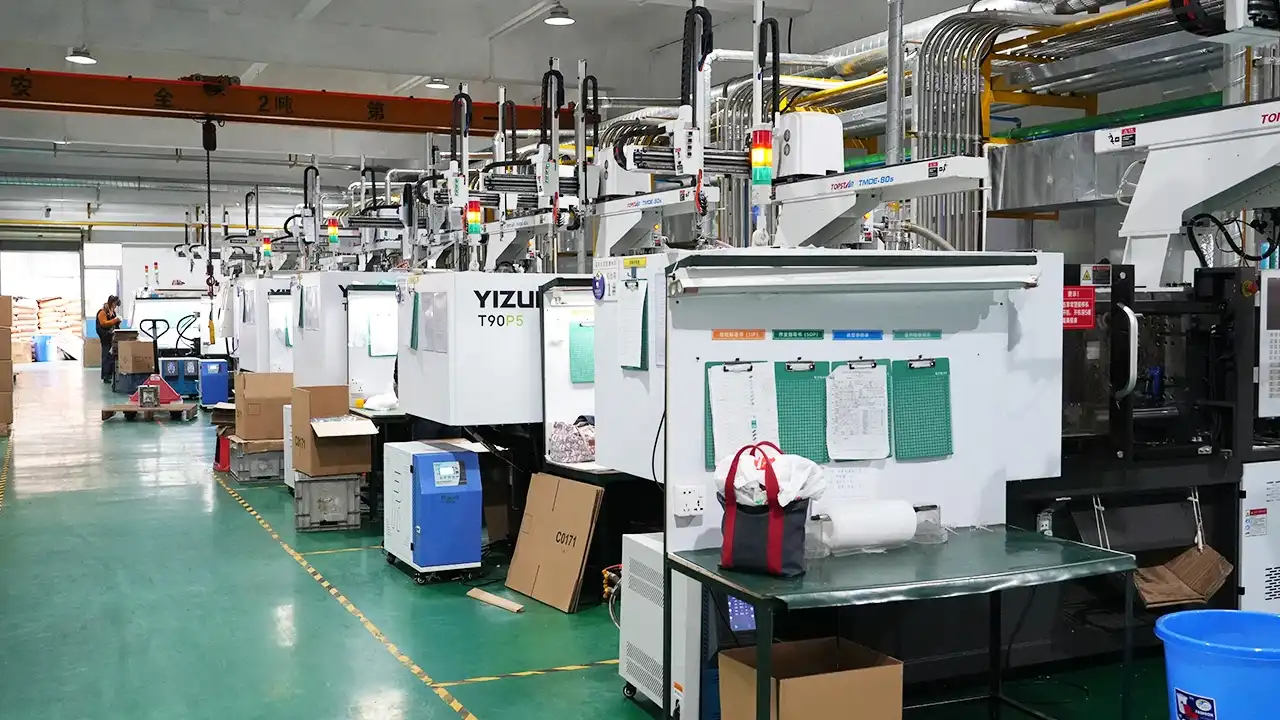
Understanding the process mechanics isn’t just academic. If you know how the machine works, you’ll understand why certain part designs are expensive to mold, why some materials shrink more than others, and why changing a wall thickness by 0.5 mm can matter more than you’d expect.
The principle behind automotive injection molding follows four core stages: plasticizing (melting the raw material), injection (forcing it into the mold cavity at high pressure), cooling (solidifying the part inside the mold), and ejection (releasing the finished part). Each stage is controlled by precise temperature, pressure, and timing parameters. Small deviations at any stage affect dimensional accuracy, surface finish, and structural integrity — which is why automotive-grade injection molding demands both high-quality tooling and experienced process engineers to maintain consistent, repeatable output across millions of cycles.
Plasticizing
Plastic pellets feed into the barrel of the injection machine. A reciprocating screw pushes them through three or four temperature zones, each set precisely to soften the material without degrading it. By the time the melt reaches the front of the screw, it’s a uniform, pressurized liquid ready to be injected.
Einspritzung
The screw acts like a plunger — ramming forward and driving molten plastic through the sprue, along the runner system, and through the gate into the mold cavity. This happens fast, sometimes in under a second. Injection speed and pressure are tuned per material and per part geometry. Too slow and you get incomplete fill. Too fast and you get flash, jetting, or burned material near the gate.
Cooling
This is where most people underestimate the complexity. Cooling isn’t passive — it’s engineered.
The mold has internal water channels designed to extract heat uniformly and quickly. Uneven cooling causes warping. Slow cooling increases cycle time and unit cost. Conformal cooling channels — which follow the mold surface exactly — are becoming more common in automotive production because they can reduce cooling time by 20–40% while improving part consistency.
Most of the total cycle time in injection molding is cooling time. Not injection. Not ejection. Cooling. That fact alone explains why wall thickness decisions in part design have such a big impact on production cost.
Auswurf
Once the part has solidified, the mold opens and ejector pins push the part out. For automotive components with undercuts or complex geometry, this step needs careful planning. Wrong ejector placement leaves witness marks on visible surfaces. Insufficient draft angle means the part sticks.
Our team at Dimud integrates DFM-Analyse from day one precisely because these issues — thick walls, missing draft angles, problematic undercuts — are inexpensive to fix in the design file and very expensive to fix after the mold is cut.
What Are the Advantages of Injection Molding for Automotive Parts?
You might wonder — why not use die casting, stamping, or CNC machining for car parts? The answer comes down to what injection molding does better than any other process when volume, consistency, and design complexity all matter at once.
The key advantages of injection molding for automotive plastic parts include: high production speed (cycle times under 60 seconds for most components), low per-unit cost at scale, excellent dimensional repeatability from part to part, the ability to mold complex geometries in a single shot, and compatibility with a wide range of engineering polymers. Injection molding also enables functional features — ribs, bosses, snap-fit clips, living hinges — to be molded directly into the part, reducing downstream assembly steps and total component count in the vehicle.
Speed That No Other Plastic Process Matches
A well-designed automotive injection mold can produce one part every 20–45 seconds. Run it continuously and you’re producing thousands of parts per shift. Compare that to CNC machining, which might take several minutes per piece. For production quantities over a few hundred units, injection molding wins on economics decisively.
Reproducibility
In automotive manufacturing, every part has to be the same. Not close — actually the same. Injection molding with a well-maintained mold delivers part-to-part dimensional variation measured in hundredths of a millimeter. That’s what makes assembly lines work. That’s what prevents the rattles, gaps, and fit-and-finish issues that customers notice immediately.
A single bad component that doesn’t seat properly can cause an assembly line stoppage. The repeatability of injection molding — when the mold and process are set up correctly — is what makes automotive manufacturers trust it at scale.
It can significantly reduce weight
Modern vehicles, especially EVs, are aggressively targeting weight reduction. Replacing a metal bracket with a 30% glass-filled nylon part that’s 60% lighter but maintains equivalent structural performance is exactly what injection-molded automotive plastic parts enable. Engineers are finding more and more opportunities to substitute engineered polymers for metal — and injection molding is the manufacturing backbone of that shift.
Design Integration
This is less obvious but enormously valuable. Injection molding lets you combine multiple functions into a single part. A door trim panel might integrate clip bosses, wire routing channels, speaker grille openings, and textured surfaces — all molded in a single shot. What would otherwise require 6–8 separate components becomes one. Fewer parts, fewer assembly errors, less inventory, lower cost.
What Are the Injection-Molded Parts in an Automotive?
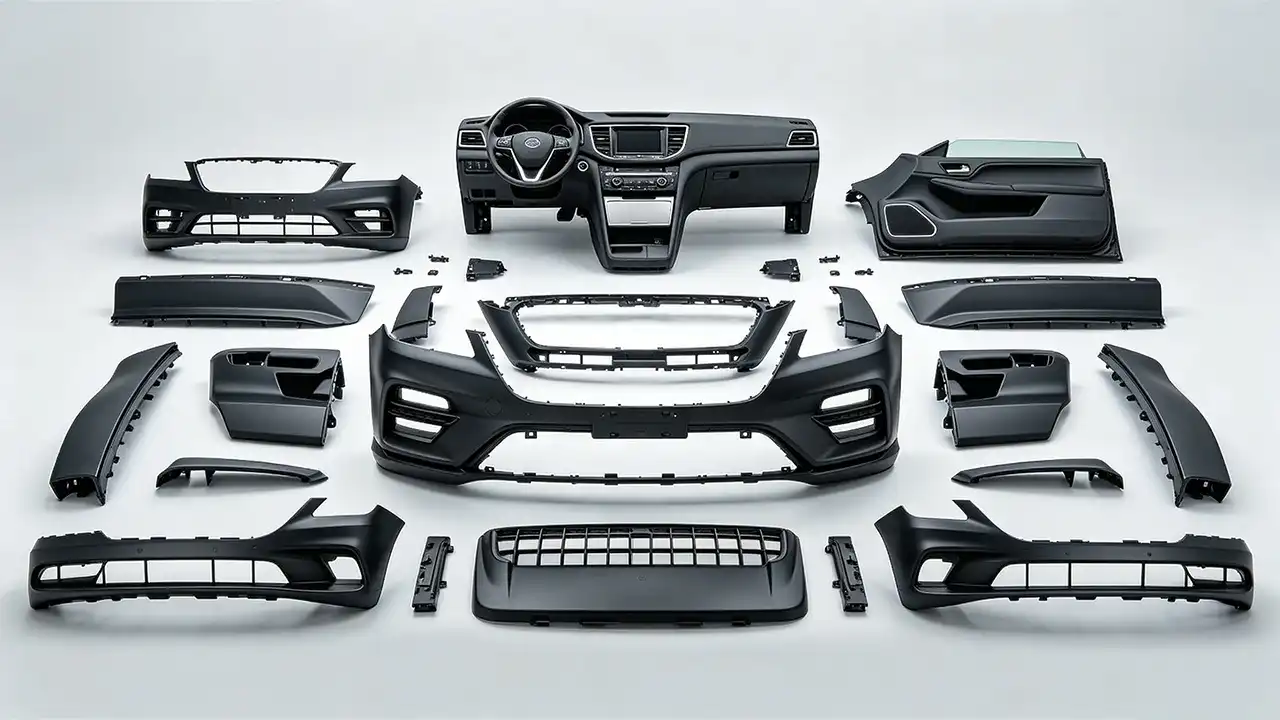
You’d be surprised how many plastic parts are in a modern vehicle. Some are obvious. Many are hidden behind panels and beneath the hood. If you’re sourcing or designing components for a vehicle program, knowing what gets injection-molded helps you scope your project accurately from the start.
Injection-molded parts in a modern vehicle include exterior components (bumpers, grilles, mudguards, mirror housings), interior components (dashboards, door panels, center consoles, instrument cluster bezels, seat adjusters), under-hood components (engine covers, air intake manifolds, fluid reservoirs, connector housings), lighting assemblies (headlamp housings, lens covers, reflectors), and electronic system enclosures (ECU cases, sensor brackets, ADAS component housings). Plastic parts account for approximately 50% of a vehicle’s total volume and around 10–15% of its weight — a share that continues to grow with every new vehicle platform.
Exterior Components
Bumpers are the most recognizable injection-molded automotive part. A modern front bumper fascia is a large, complex part — often over a meter wide — molded from rubber-toughened PP (PP-EPDM) because it absorbs low-speed impacts without cracking. The mold for one can weigh several tons and hold tolerances to ±0.3 mm across its entire span. That’s engineering, not just manufacturing.
Grilles, mudguards, mirror housings, and spoilers are all in this category too.
Interior Components
The dashboard alone might contain 20 or more individual injection-molded pieces — instrument panel carriers, HVAC housings, glove box assemblies, trim bezels. Each has specific requirements for tactile feel, color stability, UV resistance, and dimensional fit.
Door panels deserve special mention. They combine structural function with Class A surface quality. The visible face often has a specific texture applied to the mold via EDM (electrical discharge machining), so every single part exits the tool with the exact grain pattern the designer specified. That level of consistency is impossible with any other plastic forming process.
Under-Hood Applications
This is where material selection becomes critical. Under-hood temperatures can exceed 150°C near exhaust components. Parts like engine covers, intake manifolds, and cooling system components are typically made from glass-filled PA66 — a nylon variant that maintains strength and dimensional stability at elevated temperatures. Standard engineering plastics used for interior parts would fail here within months.
Electronic System Housings
As vehicles become smarter, the number of electronic components grows rapidly. Every sensor, control module, and connector needs a housing — typically small, precise, and often requiring insert molding, where metal contacts are placed into the tool before injection. ADAS applications are particularly demanding: radar sensor housings need to be dimensionally precise, weatherproof, UV-stable, and in many cases electromagnetically transparent. These tolerances push the limits of what injection molding can do.
Bei Dimud, unserem automotive manufacturing capabilities cover all these categories — from large exterior panels to small precision enclosures for electronic systems.
What Are the Common Materials Used in Automotive Injection Molding?

Choosing the wrong material is one of the most common — and most expensive — mistakes in automotive plastic component development. Different zones of a vehicle face completely different environments. What works perfectly for an interior trim piece will fail under the hood within six months. Knowing the material landscape upfront prevents costly redesigns and supplier changes mid-program.
The most common materials used in automotive injection molding include: Polypropylene (PP and PP-EPDM) for bumpers and interior trims; Nylon (PA6/PA66) and glass-filled Nylon for structural and under-hood components; Polycarbonate (PC) and PC/ABS blends for impact-resistant interior surfaces; ABS for decorative trims and instrument panels; PBT and PET for electrical connectors and sensor housings; and specialty high-performance polymers like PEEK or PPS for extreme heat or chemical resistance applications. Material selection should be driven by operating temperature, mechanical load, chemical exposure, regulatory requirements, and surface finish requirements.
Polypropylen (PP)
PP is affordable, lightweight, and surprisingly tough when properly compounded. It’s used in bumpers, door panels, battery trays, under-body shields, and countless interior components. The rubber-toughened PP-EPDM variant handles impact particularly well — which is why bumper fascias are made from it.
The limitation: its heat deflection temperature (~100°C) makes it unsuitable for anything close to heat sources.
Nylon (PA6 and PA66)
Glass-filled PA66 (30% or 50% glass fiber content) offers exceptional strength, stiffness, and thermal resistance up to 180–200°C. It’s the material of choice for intake manifolds, engine covers, cooling system housings, and structural brackets that live near heat sources.
One important note: nylon absorbs moisture from the environment, which affects its dimensions. Parts designed in nylon need to account for this — both in tolerancing and in mold design.
PC and PC/ABS
Polycarbonate alone has outstanding impact resistance and optical clarity. Blended with ABS, it becomes easier to process and gains better low-temperature toughness. You’ll find PC/ABS blends in instrument panels, interior bezels, pillar trims, and any interior surface that needs to look premium, feel solid, and survive a decade of UV exposure and daily handling.
ABS
ABS is one of the easiest engineering plastics to mold and finish. It accepts paint, chrome plating, and textured surfaces beautifully. For Class A interior surfaces where aesthetics matter as much as function, it’s hard to beat — even though it’s not the strongest or most heat-resistant option.
PBT and PET
These polyester-based engineering polymers deliver excellent dimensional stability, chemical resistance, and electrical insulation. They’re the go-to for connector bodies, sensor housings, switch components, and anything that lives adjacent to electrical systems and needs to hold its shape precisely over time.
PEEK and PPS
When a part faces sustained temperatures above 200°C, aggressive chemical environments, or extreme structural loads, standard engineering plastics won’t hold up. PEEK and PPS are used for transmission components, bearing cages, pump housings, and specialty automotive applications where nothing else performs adequately. They’re expensive — but for the applications that need them, there’s no substitute.
How Do You Choose the Right Mold Design for Automotive Parts?
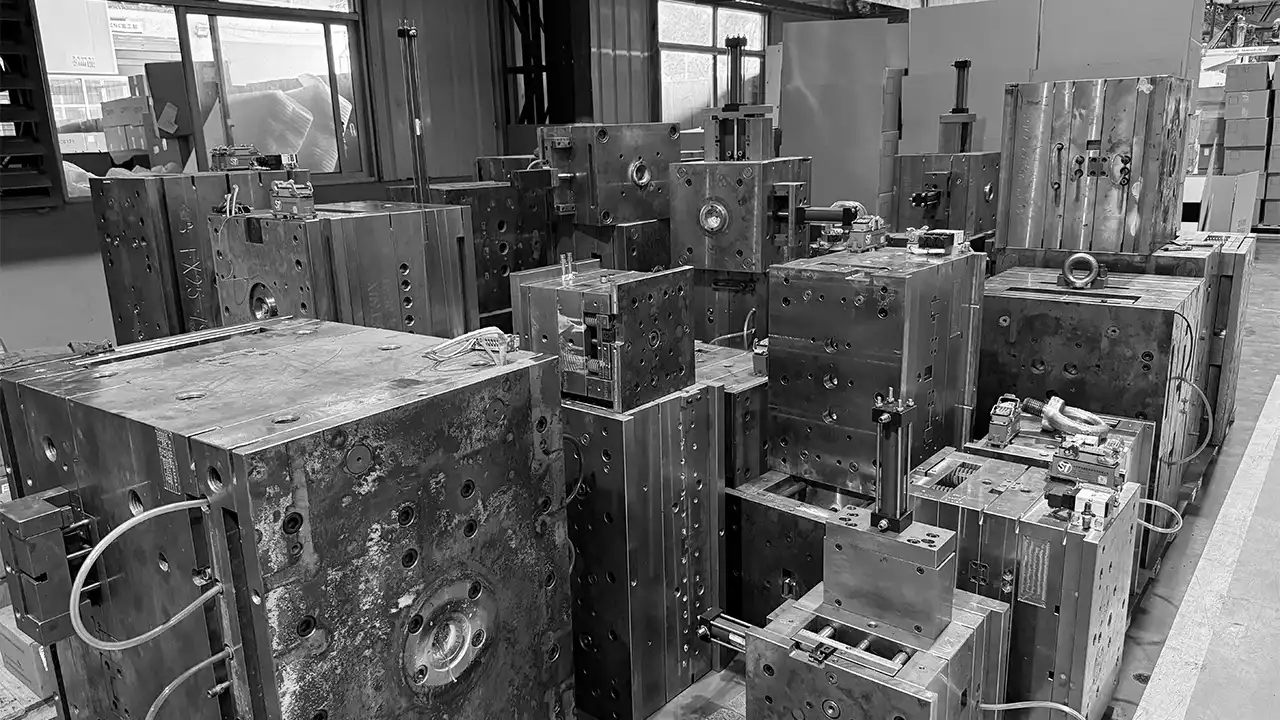
Getting the part shape right is one thing. Getting the mold design right is something else entirely. A poorly designed tool for an automotive application will haunt you — through warpage, long cycle times, short mold life, and constant process troubleshooting. Here’s what actually separates good automotive mold design from mediocre work.
Choosing the right automotive injection mold design requires evaluating: cavity count (single vs. multi-cavity based on production volume), gate type and location (which controls fill pattern, weld line placement, and surface quality), cooling channel layout (the single biggest driver of cycle time and part warpage), ejection system design (to release complex geometries without surface damage), and steel grade selection (P20 for moderate volumes, H13 or S136 for high-volume automotive programs). Mold flow simulation before steel cutting is strongly recommended to identify and resolve fill, cooling, and warpage issues before they become expensive tooling changes.
Anzahl der Hohlräume
Many buyers request a single-cavity tool to save upfront tooling cost. For low-volume needs, that’s a reasonable call. But if the product succeeds and volumes grow to 100,000 parts per year, a 4-cavity tool pays for itself quickly through higher throughput and lower per-part cost.
The real mistake is building a single-cavity tool for a product that becomes a hit — then having to commission new tooling mid-program while production demand is already there.
Torentwurf
The gate is the entry point where molten plastic enters the mold cavity. Its location and type determine where weld lines form, whether you get sink marks on visible surfaces, how uniformly the part fills, and how easily it can be de-gated.
For automotive exterior parts, submarine gates or edge gates are standard because they allow automatic de-gating during ejection. For precision housings and connectors, hot runner systems eliminate runner waste entirely and deliver better dimensional control shot-to-shot.
One wrong gate location on a Class A surface is a serious problem — and often cannot be corrected without expensive mold modifications.
Cooling Is the Hidden Efficiency Driver
Most of the cycle time in automotive injection molding is cooling time. Yet cooling systems are still designed as an afterthought on many tools.
For automotive production molds that run millions of cycles over their service life, even a 5-second reduction in cooling time compounds into enormous capacity gains. Conformal cooling inserts — often produced via metal additive manufacturing — are increasingly used in automotive tooling for complex part geometries to reduce cooling time and improve part-to-part consistency.
Steel Grade
P20 pre-hardened tool steel works for production volumes up to approximately 300,000 shots. For automotive programs running 500,000 to 1,000,000+ shots, H13 or equivalent high-hardness grades are necessary. Using the wrong steel leads to mold wear, dimensional drift over time, and eventually scrapped tooling — none of which you want when you’re in full production.
Dimuds Spritzgussformenbau team selects steel grade, cooling strategy, and cavity configuration based on your specific production volume and part requirements — not a standard template applied to every project.
What Are the Future Trends in Automotive Injection Molding?
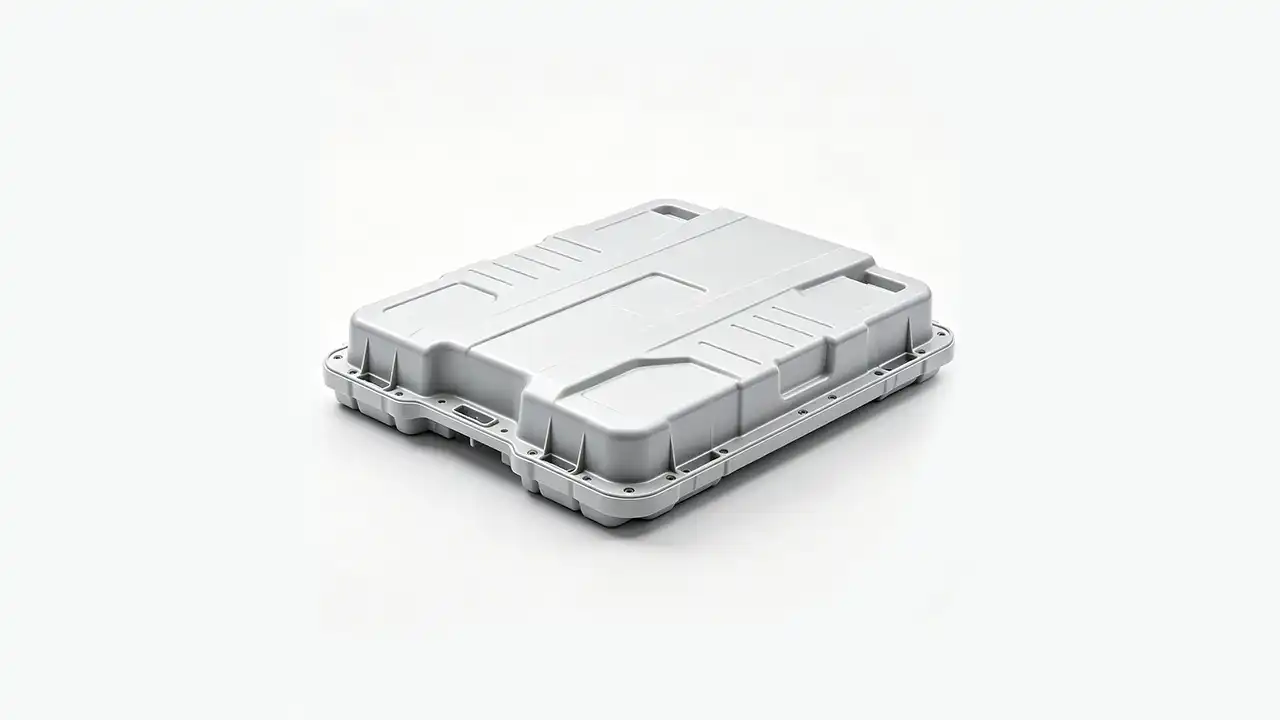
The automotive industry is changing faster than at any point in its history. Electric vehicles, autonomous driving systems, lightweighting targets, sustainability regulations — each of these is reshaping what plastic parts are needed, what materials are being specified, and how the manufacturing process itself is evolving.
Key trends shaping the future of automotive injection molding include: rapid growth in high-performance plastic housings for EV battery systems and powertrains; demand for precision ADAS sensor enclosures with tighter tolerances than any previous automotive plastic application; adoption of recycled-content and bio-based polymers driven by OEM sustainability commitments; digital process control and AI-powered defect detection for near-zero-defect production; and broader use of conformal cooling and rapid tooling to compress development cycles. The shift to electric vehicles is particularly significant — EVs require substantially more complex injection-molded plastic components per vehicle than traditional ICE platforms.
Electric Vehicles Are Rewriting the Parts List
Traditional combustion engine vehicles have relatively straightforward plastic part requirements near the powertrain. EVs are structurally different. Battery management systems, motor controllers, thermal management components, and charging hardware all need precision plastic enclosures — parts that require thermally stable materials, tight tolerances, and often insert-molded metallic contacts.
Battery module holders and cell enclosure components represent entirely new categories of injection-molded automotive parts that barely existed five years ago. The manufacturers who built tooling capability around these requirements early are in a strong competitive position.
ADAS Is Pushing Tolerance Requirements to New Limits
Advanced Driver Assistance Systems include radar sensors, cameras, ultrasonic transducers, and LiDAR units mounted across the vehicle exterior. Every one of these components needs a housing that maintains precise sensor alignment, resists moisture ingress, and is stable across a wide temperature range — while being electromagnetically transparent in relevant frequency bands.
The tolerances on ADAS sensor housings are tighter than almost any other automotive plastic application. This is pushing manufacturers toward more rigorous mold validation, tighter process control, and more frequent in-process dimensional monitoring than traditional automotive production historically required.
Sustainability Is No Longer Optional
European automotive OEMs are under increasing regulatory pressure to use recycled plastic content in vehicle interiors. Several brands have publicly committed to specific recycled content targets for new platforms. Processing post-consumer recycled (PCR) polymers introduces real challenges — higher variability in melt flow, different shrinkage behavior, surface quality issues. Manufacturers who solve these processing challenges now will hold a meaningful competitive advantage in the programs being designed today for launch in 2027–2030.
Smart Process Control Is Becoming a Baseline Expectation
The modern injection molding machine has embedded sensors monitoring cavity pressure, melt temperature, and fill characteristics in real time — and can make micro-adjustments on a shot-by-shot basis. Combined with machine vision systems for automated defect detection, the goal is consistent, zero-defect production without manual inspection of every part.
For automotive quality systems, this level of process data and traceability is shifting from a premium capability to a standard expectation — particularly for Tier 1 suppliers operating under IATF 16949.
At Dimud, we’ve built our Spritzgießdienstleistungen around exactly these demands — supporting automotive-grade quality requirements and the evolving production needs of EV and ADAS-related plastic components.
Is Automotive Injection Molding Right for Your Project?
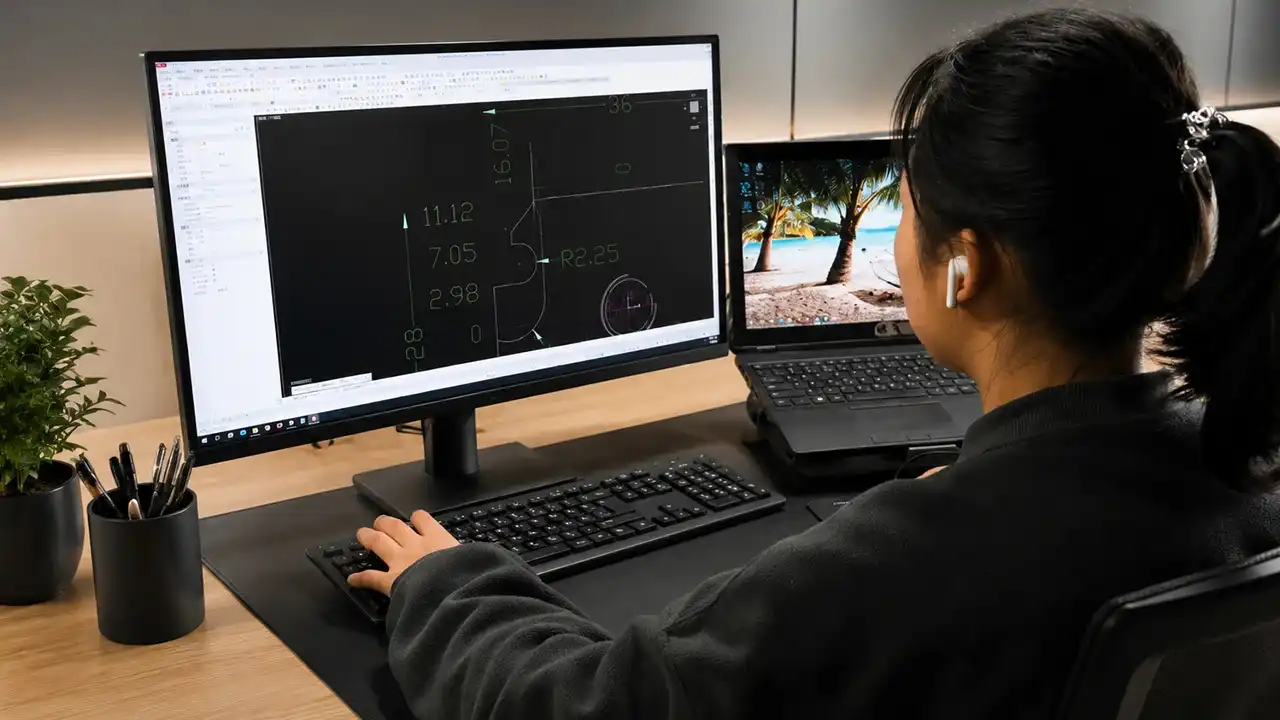
After all of that, the practical question: does your specific project actually need full automotive injection molding? The honest answer is — not always. Especially early in development. Here’s a clear framework for thinking through it.
Automotive injection molding makes the most economic sense when production volumes exceed approximately 10,000 parts per year, when dimensional consistency across a large production run is required for assembly, and when part complexity justifies the tooling investment. For lower volumes or early-stage design validation, rapid tooling or prototype injection molding bridges the gap before committing to production tooling. The key question isn’t whether injection molding can produce your part — it almost certainly can. The question is whether your volume justifies the upfront mold cost.
The Tooling Investment Threshold
Automotive injection molds are not cheap. A straightforward interior trim component might require $15,000–$30,000 in tooling. A complex structural part or large exterior component can easily reach $80,000–$150,000 or more. This upfront cost is the biggest barrier for startups and early-stage programs.
The math is straightforward: divide the mold cost by your projected production volume. A $50,000 mold over 50,000 parts adds $1.00 per part in tooling amortization — very reasonable. The same mold over 1,000 parts adds $50 per part, which might make CNC machining or 3D printing more economical for that production window.
When Rapid Tooling Is the Right Bridge
Aluminum molds or simplified steel tools — what the industry calls Schnellwerkzeugbau — offer a meaningful middle ground. Tooling costs run 40–70% lower than production tools. Lead times are shorter. And crucially, the parts are actual injection-molded components, not simulation stand-ins.
For automotive programs where you need 500–5,000 production-representative parts for testing, regulatory validation, or early market launch, rapid tooling is often the smarter choice than going straight to production tooling — especially if the design isn’t fully locked yet.
Choosing the Right Manufacturing Partner
Here’s where experience makes all the difference. A mold-maker who has spent their career on consumer product tooling is not automatically qualified to build automotive tooling. The tolerances, the material knowledge, the understanding of automotive quality management systems like IATF 16949 — these aren’t learned quickly.
What I always look for in a manufacturing partner: do they ask hard questions before quoting? If a supplier simply takes your drawing and sends back a price without asking about wall thickness uniformity, gate location options, or intended production volume — that tells you something. The questions a team asks upfront are more revealing than any capability claim.
Dimud’s team starts every automotive project with a thorough DFM review — not because it’s a policy box to check, but because we’ve seen too many programs derailed by design issues that a careful upfront analysis would have caught in an afternoon. It’s the difference between a manufacturing partner and a parts vendor.
Schlussfolgerung
Automotive injection molding is more than a manufacturing process. It’s the foundation that modern vehicle design depends on — enabling complex geometries, consistent quality, lightweight materials, and integrated functions that would be impossible or prohibitively expensive through any other method.
The complexity is real. Material selection, mold design, process control, tooling investment — each decision affects every one that follows. But with the right partner, it doesn’t have to be overwhelming.