SLS 3D Printing Service
Dimud provides custom SLS 3D printing service for functional prototypes, complex nylon parts, low-volume production, and product validation. With engineering support, material selection, post-processing, and one-stop manufacturing capabilities, we help you move from design validation to production with less risk and faster turnaround.
- Complex geometries without support structures
- Durable nylon parts for fit, assembly, and functional testing
- DFM review before printing to reduce redesign and production risks
What Is SLS 3D Printing?
SLS, short for Selective Laser Sintering, is an industrial-grade powder bed 3D printing process. It fabricates parts layer by layer by using a laser to selectively sinter powdered materials such as nylon and TPU. Unlike SLA or FDM, the unsintered powder surrounding the part provides support during the printing process, eliminating the need for additional support structures; this makes the technology ideal for complex geometries, internal channels, snap-fits, lightweight designs, and functional parts.
SLS Design Guidelines
SLS 3D printing enables the production of complex, functional nylon parts; however, the quality of the final component depends not only on the printing equipment but also on whether the design is optimized for the SLS process. Dimud conducts engineering assessments—evaluating wall thickness, clearances, hole placement, deformation risks, and post-processing requirements—prior to printing to help clients minimize print failures, assembly issues, and the need for rework.
Maximum Part Size
600×600×800mm
Standard tolerance
ISO 2768-C
Minimum Pore Size
1.5 mm
Minimum feature size
0.5 mm
Layer Thickness
0.12 mm
Powder Escape Hole
3.5 mm
Design Advice
- Keep wall thickness strong enough:Excessive thinness can lead to deformation or insufficient strength. It is advisable to avoid overly thin walls for standard structural components; the specific wall thickness should be determined based on the material, dimensions, and loading conditions.
- Leave enough clearance for moving parts:For assemblies, snap-fits, or moving parts, allow for appropriate clearance to prevent them from seizing up after printing.
- Design powder escape holes for enclosed structures:If the part contains internal cavities, powder removal holes must be designed; otherwise, powder may remain inside.
- Avoid large flat thin surfaces:Large, thin sheets are prone to warping; it is recommended to add ribs, modify the structure, or use a multi-part design.
- Consider surface finish early:If subsequent processes such as dyeing, painting, or assembly are required, surface allowances and assembly requirements must be taken into account during the initial design phase.
- Use SLS before tooling investment: If a part is intended for injection molding, SLS can be used to validate its structure, assembly, and functionality beforehand, thereby avoiding the discovery of issues only after the mold has been cut.
Why Choose SLS 3D Printing for Your Project?
No tooling cost
No mold opening is required; it is suitable for new product development, structural validation, design iteration, and small-batch orders.
Strong functional parts
SLS commonly utilizes materials such as PA12, PA11, TPU, and glass-fiber-reinforced nylon, making it suitable for producing functional parts that require specific levels of strength, wear resistance, heat resistance, or flexibility.
Complex geometry without support
SLS is better suited for internal channels, lightweight structures, snap-fits, hinges, complex housings, and assemblies.
Better for low-volume production
For quantity requirements ranging from dozens to hundreds of units—or even for initial small-batch validation—SLS is often more flexible than mold making.
Dimud SLS 3D Printing Capabilities
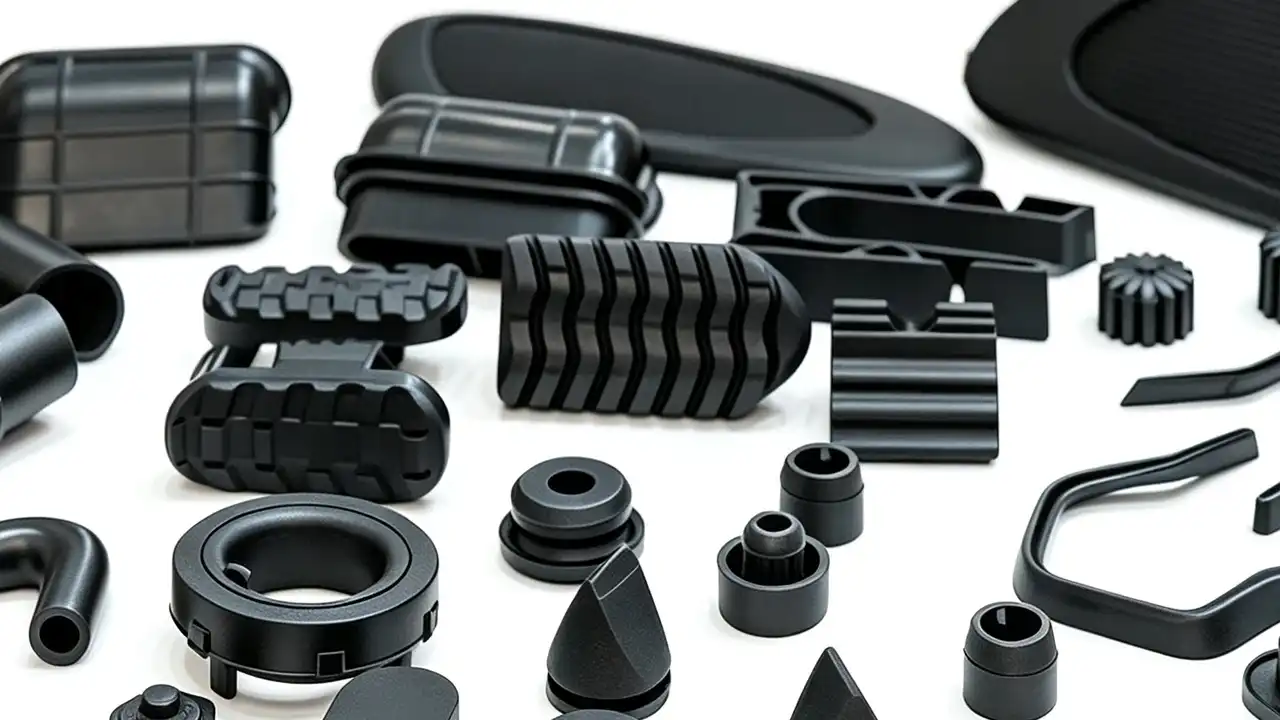
At Dimud, we do more than print parts. Our SLS 3D printing service combines engineering review, material selection, functional part manufacturing, post-processing, and production support to help you reduce development risks and move faster from prototype to production.
Custom SLS 3D Printing
Functional prototypes, complex nylon parts, low-volume components, and end-use plastic parts.
Engineering Review
Wall thickness, tolerance, powder removal, assembly clearance, and deformation risks checked before production.
Material Selection
Material recommendations based on strength, flexibility, heat resistance, wear resistance, and application needs.
Functional Nylon Parts
Suitable for housings, brackets, clips, snap-fit parts, jigs, fixtures, and testing components.
Post-Processing
Powder removal, bead blasting, dyeing, sanding, painting, surface finishing, and assembly support.
Production Support
Continue from SLS prototypes to CNC machining, mold making, injection molding, assembly, and mass production.
SLS 3D Printing Materials
Choosing the right material is critical for successful SLS 3D printing. At Dimud, we help customers select suitable SLS materials based on part strength, flexibility, wear resistance, surface finish, working environment, and production volume.
Nylon PA12
A versatile SLS material with good strength, wear resistance, and dimensional stability. Ideal for functional prototypes, housings, brackets, clips, jigs, fixtures, and low-volume production parts.
Nylon PA11
A tougher nylon material with better impact resistance and flexibility. Suitable for repeated-use parts, flexible structures, and components that need better ductility.
Glass-Filled Nylon
A reinforced SLS material with higher stiffness and dimensional stability. Suitable for rigid brackets, tooling parts, fixtures, and structural components.
TPU
A flexible SLS material for elastic, wear-resistant, and cushioning parts. Commonly used for seals, gaskets, protective covers, soft connectors, and wearable components.
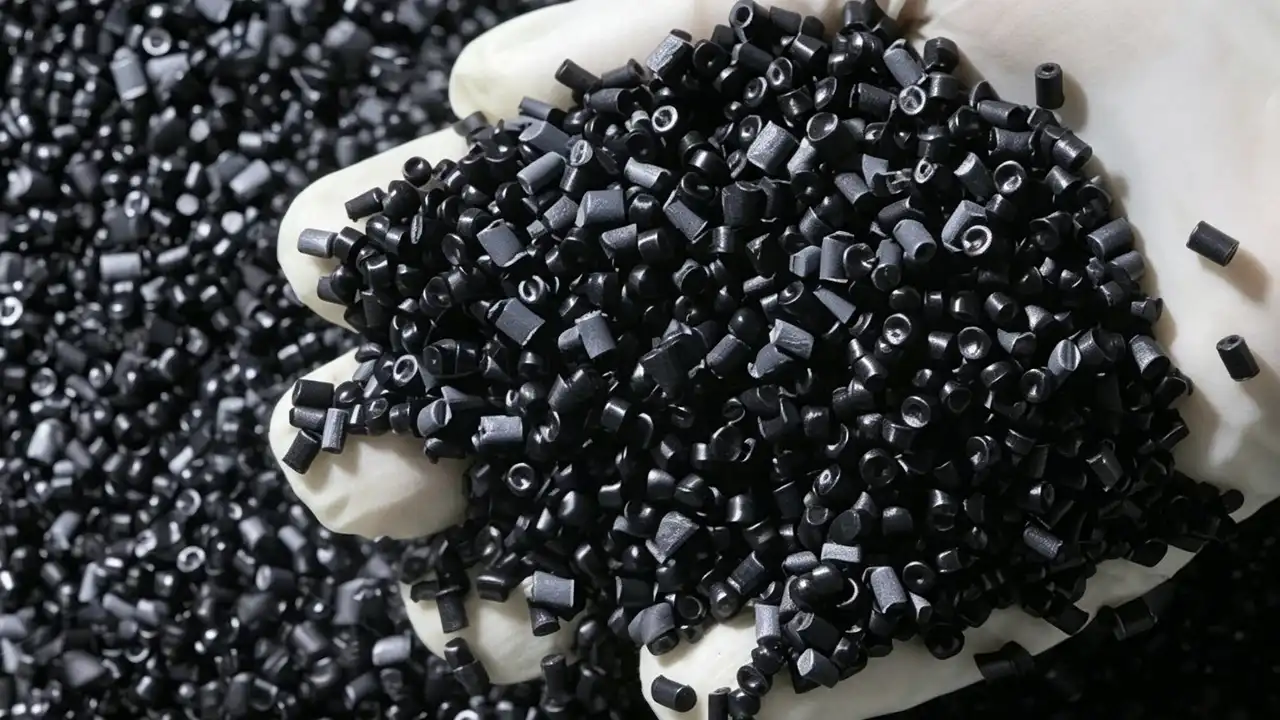
Need help choosing the right material? Send your 3D file to Dimud, and our engineers will recommend the most suitable SLS material based on your application.
SLS 3D Printing Applications
SLS 3D printing is widely used for functional prototypes, complex nylon parts, jigs, fixtures, housings, brackets, clips, and low-volume production parts. At Dimud, we help customers use SLS to validate product design, test assembly, reduce tooling risks, and move faster from prototype to production.
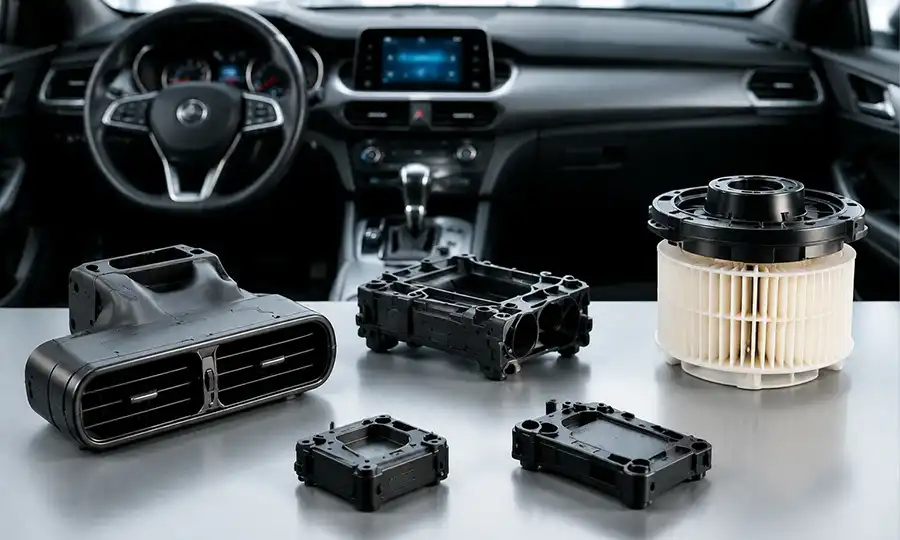
SLS is ideal for brackets, clips, air ducts, snap-fit parts, testing components, and assembly fixtures before tooling investment.

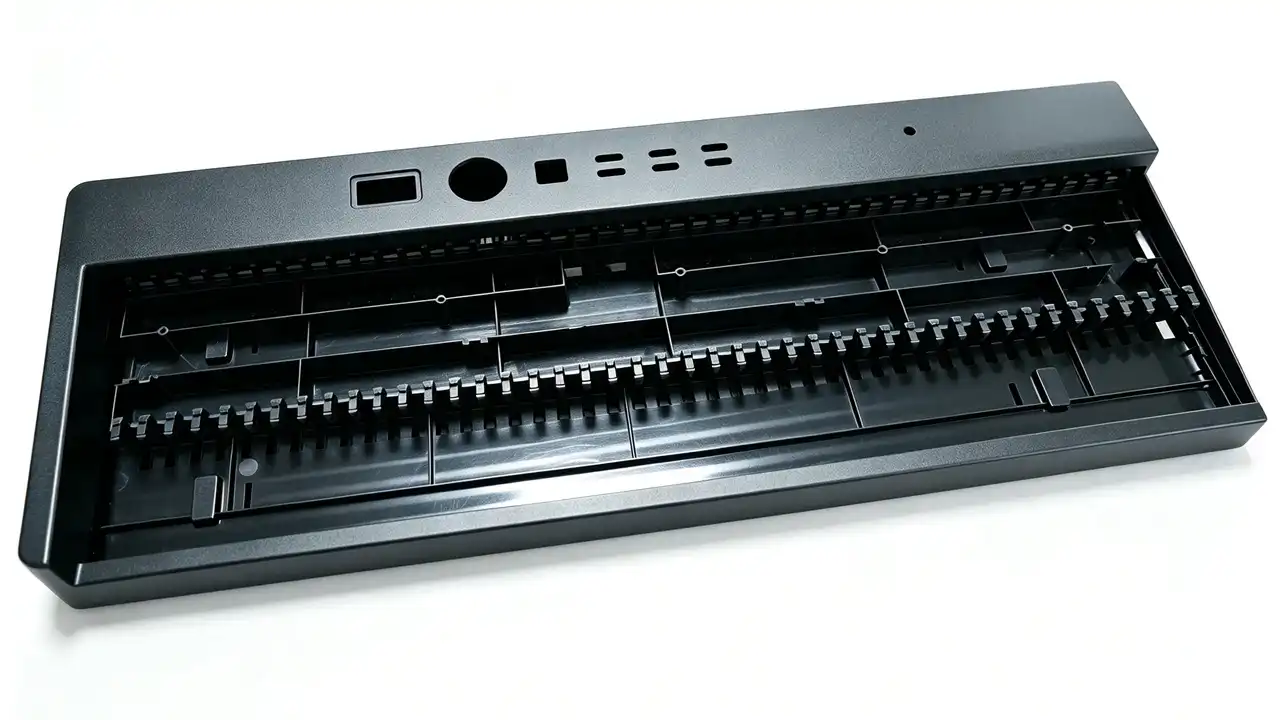
Helps validate housings, buttons, internal brackets, wearable parts, assembly structures, and functional enclosures.
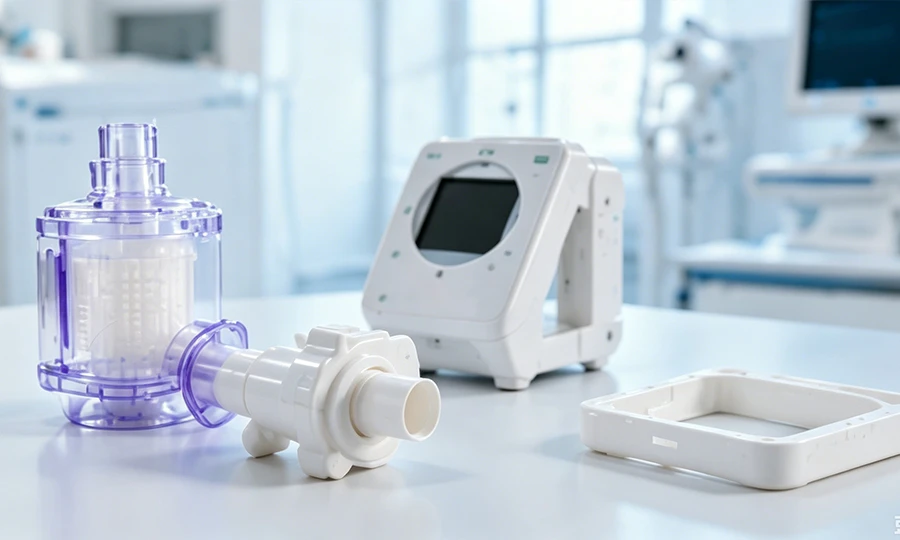
uitable for ergonomic prototypes, device housings, testing fixtures, surgical guide prototypes, and small-batch validation parts.

Used for lightweight brackets, grippers, sensor mounts, cable guides, covers, and custom end-effectors.
Why Choose Dimud for SLS 3D Printing Service?
Choosing the right SLS 3D printing supplier is not only about printing speed. For functional parts, customers also need engineering support, stable quality, material advice, post-processing, inspection, and a clear path to future production.
At Dimud, we help you reduce development risks and turn your SLS parts into reliable components for testing, assembly, and real-world use.
Engineering Review
We check wall thickness, assembly clearance, powder removal, deformation risks, and part strength before printing.
Process Selection Advice
We help you decide whether SLS, SLA, CNC machining, SLM, or injection molding is the best choice for your part.
Functional Nylon Parts
Ideal for housings, brackets, clips, snap-fit parts, jigs, fixtures, and real functional testing.
One-Stop Manufacturing
From SLS prototypes to CNC machining, mold making, injection molding, finishing, and assembly.
Prototype to Production
Validate your design with SLS before investing in tooling or mass production.
Industry Experience
Supporting automotive, medical devices, robotics, consumer electronics, and industrial applications.
FAQ
Yes. SLS is suitable for functional prototypes because it can produce durable nylon parts, complex geometries, snap-fit features, housings, brackets, and testing components.
Common SLS materials include Nylon PA12, Nylon PA11, TPU, and glass-filled nylon. The right material depends on strength, flexibility, heat resistance, surface finish, and application requirements.
SLA uses liquid resin and is better for smooth, detailed visual models. SLS uses powder-based thermoplastic materials and is better for strong functional parts, complex structures, and low-volume production.
Yes, SLS parts can be used for functional testing, jigs, fixtures, housings, brackets, and some end-use applications, depending on material, design, tolerance, and working environment.
Not always. SLS is better for prototypes, small batches, and design validation without tooling cost. Injection molding is better for high-volume production with lower unit cost after the mold is built.
Yes. Dimud can review wall thickness, part strength, powder removal, tolerance, surface finish, assembly requirements, and future production feasibility before manufacturing.
SLS printing is usually more expensive than basic FDM printing, but it can be more cost-effective when the part requires better strength, complex geometry, no support marks, functional testing, or low-volume production.
The final cost depends on part size, material, printing volume, wall thickness, post-processing, tolerance requirements, and quantity. At Dimud, we help customers review the design before production to reduce unnecessary material use, printing risks, and redesign costs.
FDM can be faster for very simple single parts, especially when the design does not require high strength or complex geometry. However, SLS can be more efficient for complex parts or batch production because it does not require support structures and can print multiple parts together in the powder bed.
For engineering projects, speed should not only mean “printing time.” Dimud also considers design review, post-processing, part strength, surface quality, and assembly reliability before recommending SLS or FDM.