
Choosing the wrong material for a CNC machined part is one of the most expensive mistakes a product team can make — not because raw materials are inherently costly, but because the ripple effects hit hard: failed prototypes, production delays, parts that crack under load, or surface finishes that simply don’t hold up in the field.
Over the years, our engineering team at Dimud has reviewed hundreds of projects where a material swap at the design stage would have saved weeks of rework and thousands of dollars in tooling adjustments. This guide draws on that hands-on experience to give you a practical, decision-focused framework for selecting the right material before your first chip hits the floor.
Whether you’re an R&D engineer developing a new mechanical assembly, a startup founder validating a prototype, or a procurement manager sourcing precision components, this guide walks you through the key variables that should drive every material decision in CNC machining.
Why Material Selection Is a Manufacturing Decision, Not Just an Engineering One
Most engineers approach material selection from a performance-first angle: tensile strength, hardness, and thermal resistance. These properties matter enormously — but they only tell half the story.
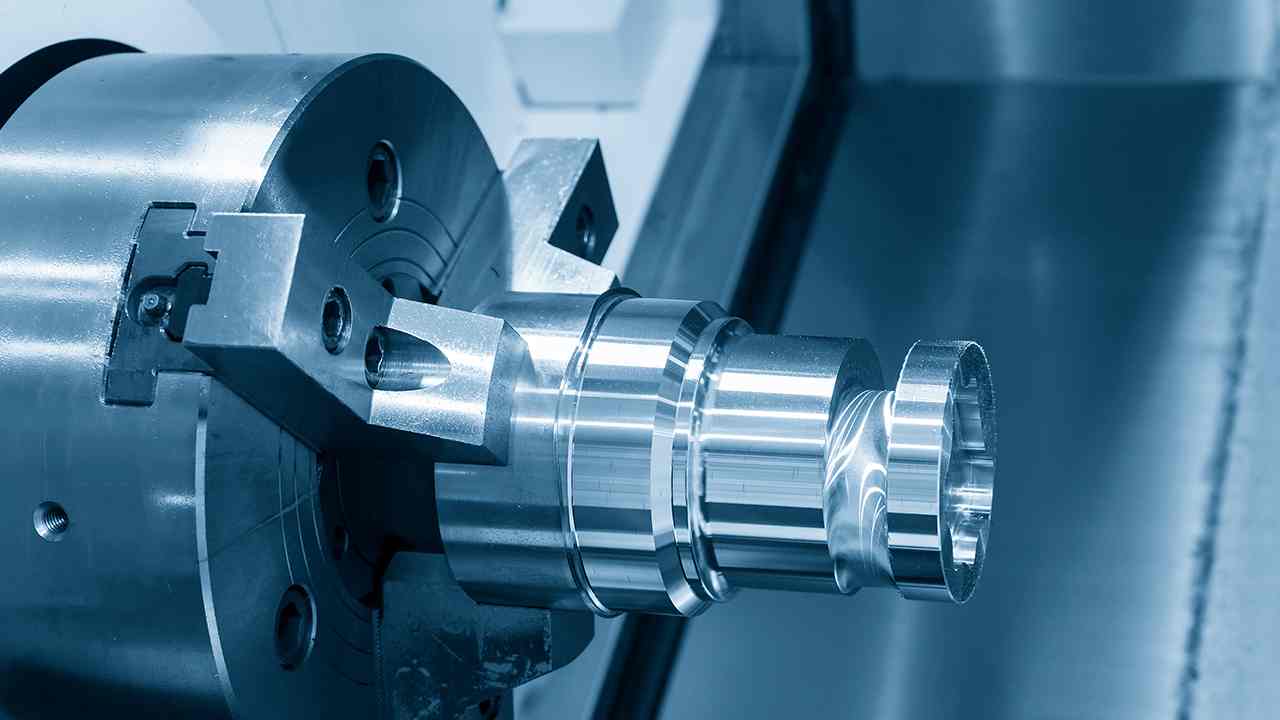
The other half is manufacturability. A material that performs brilliantly in service can be a nightmare to machine: it may work-harden under the cutting tool, generate excessive heat, cause premature tool wear, or demand such tight process controls that per-part costs spiral upward.
At the same time, a material that machines beautifully might not survive the end-use environment — whether that’s elevated temperatures, chemical exposure, repeated mechanical stress, or tight dimensional stability requirements over time.
Effective CNC machining material selection means finding the intersection: a material that delivers the functional performance your application demands and can be machined efficiently, repeatably, and cost-effectively at the volumes you need.
This is precisely why our CNC Machining Services team integrates DFM (Design for Manufacturability) review into every new project — so material trade-offs are evaluated early, before they become expensive problems downstream.
The Six Factors That Drive Material Choice in CNC Machining
Before diving into individual materials, it helps to have a structured framework. Every project differs, but the following six factors consistently shape the right choice.
1. Mechanical Performance Requirements
Start by mapping what the part actually needs to do. Key mechanical properties to evaluate include:
- Tensile and yield strength — the force the material can withstand before deforming permanently
- Hardness — resistance to surface indentation and wear
- Fatigue resistance — ability to endure repeated loading cycles without fracturing
- Impact toughness — how much energy the material absorbs before fracturing under sudden load
- Stiffness (elastic modulus) — how much the part deflects under load
High-stress structural components in automotive or robotics applications may demand hardened tool steel or titanium alloys. Lightweight structural brackets, on the other hand, often perform just as well in aluminum — at a fraction of the weight and cost.
2. Thermal Environment
Temperature has an outsized influence on material behavior. Consider both the operating temperature and any thermal cycling the part will experience.
Aluminum alloys begin to lose mechanical strength around 150–200°C. Stainless steel maintains properties well above 500°C. Engineering plastics like PEEK can sustain continuous service at 250°C, making them a compelling choice for certain high-temperature applications where weight savings matter.
For components near heat-generating electronics or within engine compartments, thermal conductivity and coefficient of thermal expansion (CTE) also come into play — especially if your part interfaces with dissimilar materials.
3. Corrosion and Chemical Resistance
Will the part be exposed to moisture, salt, cleaning agents, oils, or corrosive chemicals? Corrosion doesn’t just degrade appearance — it undermines structural integrity over time.
Stainless-steel grades like 316L are the standard choice for marine and medical environments due to their outstanding resistance to chloride corrosion. Aluminum benefits greatly from anodizing or surface treatments to extend its corrosion life. Copper and brass resist most non-oxidizing acids and offer excellent performance in wet environments. For highly aggressive chemical environments, engineering plastics may outperform metals entirely.
4. Dimensional Stability and Tolerance Requirements
CNC machining can hold extremely tight tolerances — our facility achieves ±0.005 mm on critical features — but the material must cooperate. Some materials are inherently dimensionally stable; others are prone to thermal expansion, moisture absorption, or internal stress relief that shifts dimensions after machining.
POM (Delrin/acetal) is well-regarded for its low moisture absorption and excellent dimensional stability among engineering plastics. Aluminum can distort slightly if residual stresses aren’t managed properly. For parts requiring long-term dimensional accuracy in variable environments, material choice is as important as machining precision.
5. Surface Finish and Post-Processing Compatibility
The intended surface finish — whether functional (wear resistance, reduced friction) or cosmetic (appearance for consumer products) — influences which material you should specify.
Aluminum anodizes beautifully, producing durable, color-flexible finishes ideal for consumer electronics and consumer-facing products. Stainless-steel polishes to a mirror finish suited for medical devices and high-end industrial equipment. Some materials are well-suited to electroplating or powder coating; others require specialty adhesion preparation.
Understanding your finishing requirements upfront prevents the frustrating scenario of specifying a material that can’t achieve your desired surface quality. Our Surface Finishing options cover anodizing, sandblasting, polishing, powder coating, brushing, and plating — and the right material pairing makes each process more effective.
6. Production Volume and Unit Cost
Material choice has a direct cost impact that varies significantly with volume. For one-off prototypes and low-volume production, machining ease and raw material availability matter most. For high-volume runs, machinability, tool life, and cycle time efficiency drive total cost.
Brass, for example, is highly machinable and produces excellent surface finishes efficiently — making it economical for precision connectors and fittings despite being a denser and more expensive raw material than aluminum. Titanium offers exceptional performance but demands slower feeds, specialized tooling, and careful process management, all of which add cost that only some applications justify.
CNC Machining Metals: A Practical Comparison
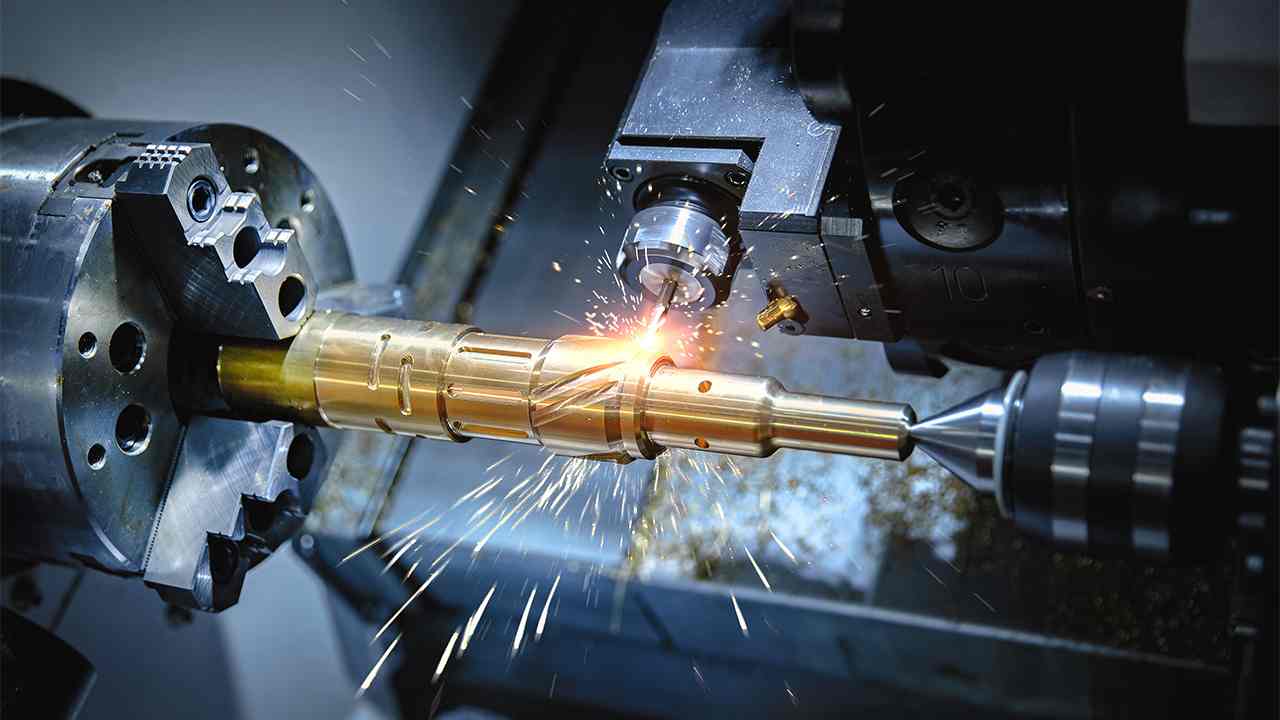
Aluminum Alloys — The Workhorse of Precision Machining
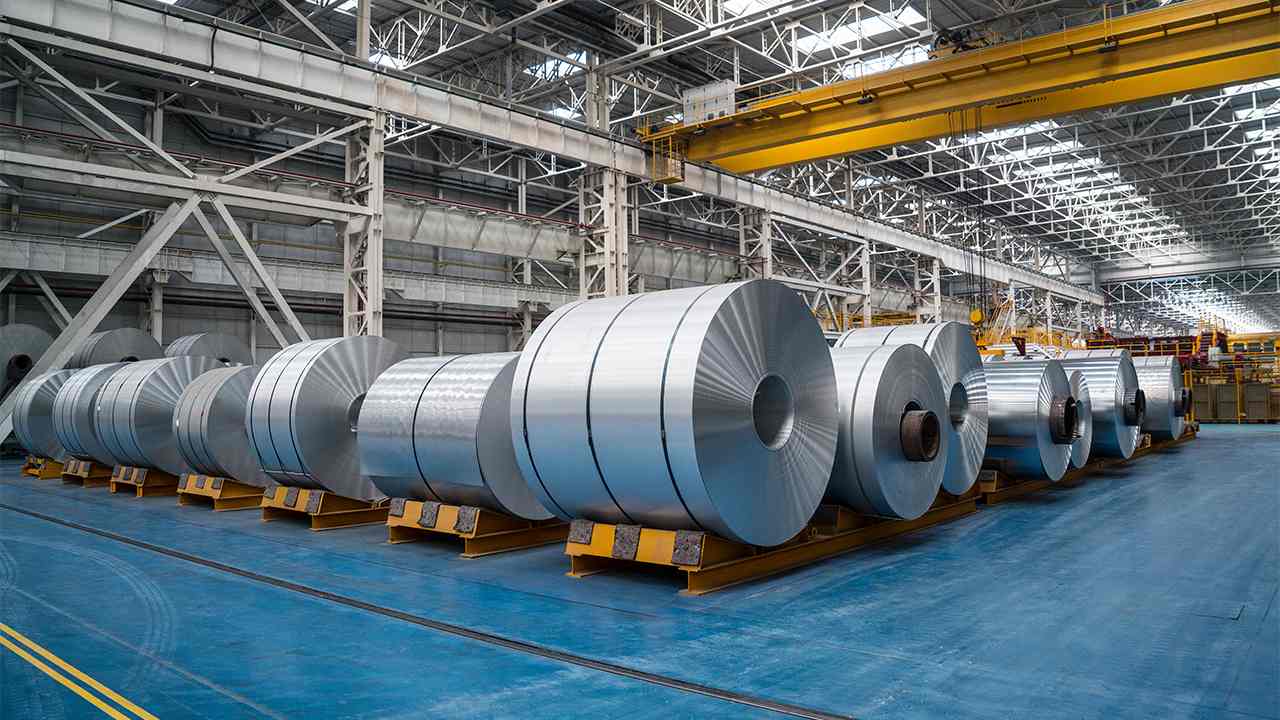
Aluminum is the most widely used metal in CNC machining for good reason: it combines excellent machinability, a favorable strength-to-weight ratio, natural corrosion resistance, and strong compatibility with anodizing and other finishing processes.
Common grades and their distinctions:
- 6061-T6: The most versatile general-purpose alloy. Good strength, excellent corrosion resistance, and easy to machine. Used across automotive brackets, electronic enclosures, consumer products, and structural components.
- 7075-T6: Significantly stronger than 6061, closer to steel in strength, but with lower corrosion resistance. Preferred in aerospace-grade structural components where strength is paramount.
- 5052: Lower strength but superior corrosion resistance, particularly in marine environments. Often specified for sheet metal work and enclosures.
Best applications: Enclosures, housings, heat sinks, structural brackets, prototypes, automotive and robotics structural frames.
What to watch: Thin walls and deep pockets can distort if fixturing or tool paths aren’t carefully managed. For high-precision features, material residual stresses from the rolling or forging process can cause movement after machining — stress-relief annealing before final machining mitigates this.
Stainless Steel — Durability Under Demanding Conditions
Stainless steel trades machinability for durability. It machines more slowly than aluminum — requiring reduced cutting speeds, greater cutting force, and more aggressive coolant — but delivers a combination of strength, hardness, and corrosion resistance that aluminum cannot match.
Key grades:
- 304 stainless steel: The standard grade, widely used across food processing equipment, medical components, and general industrial parts. Good corrosion resistance at an accessible cost.
- 316/316L stainless steel: Higher nickel and molybdenum content provides superior resistance to chloride-induced corrosion, making it the material of choice for marine environments, surgical instruments, and pharmaceutical equipment.
- 17-4 PH: Precipitation-hardening grade that achieves much higher strength than 304/316 after heat treatment. Used in aerospace fasteners, shafts, and high-load structural parts.
Best applications: Medical device components, marine hardware, food-contact parts, high-wear industrial components, and precision shafts.
What to watch: Stainless steel work-hardens readily, meaning aggressive feeds or dull tools increase surface hardness in a way that makes subsequent passes more difficult. Sharp tooling, consistent feeds, and effective coolant management are non-negotiable.
Titanium — Performance at a Premium
Titanium occupies a narrow but important niche: applications that demand the strength of steel with the weight of aluminum, combined with exceptional corrosion resistance and biocompatibility. Grade 5 titanium (Ti-6Al-4V) is the dominant CNC machining grade, accounting for the vast majority of industrial and aerospace titanium usage.
Its machinability is challenging — it generates significant heat at the tool-chip interface, has a strong tendency to work-harden, and can cause premature tool wear if process parameters aren’t carefully managed. As a result, titanium machining requires slower cutting speeds, high-pressure coolant, and tooling specifically selected for titanium.
Best applications: Aerospace structural components, medical implants, high-performance motorsport parts, and marine hardware where both weight and corrosion matter.
What to watch: Cost. Titanium is expensive as a raw material, and the slower machining process adds further to per-part cost. It should be specified when performance requirements genuinely demand it, not as a default premium choice.
Brass and Copper — Conductivity, Machinability, and Corrosion Resistance
Brass (copper-zinc alloy) is among the most machinable metals available — it cuts cleanly, produces excellent surface finishes, and causes minimal tool wear. This machinability advantage makes it economical for precision small parts despite higher raw material density.
Copper offers outstanding thermal and electrical conductivity — properties that aluminum cannot match — making it the material of choice for electrical busbars, heat exchangers, and components where energy transfer efficiency is critical.
Best applications for brass: Connectors, fittings, valves, precision gears, decorative hardware, and fluid-handling components.
Best applications for copper: Heat sinks, electrical contacts, busbars, and thermal management components.
What to watch: Neither material is well-suited for high-stress structural applications. Brass in particular can dezincify (a form of corrosion that selectively leaches zinc) in certain water chemistries — selecting the right grade (dezincification-resistant brass where appropriate) prevents long-term failures.
CNC Machining Plastics: Engineering-Grade Options
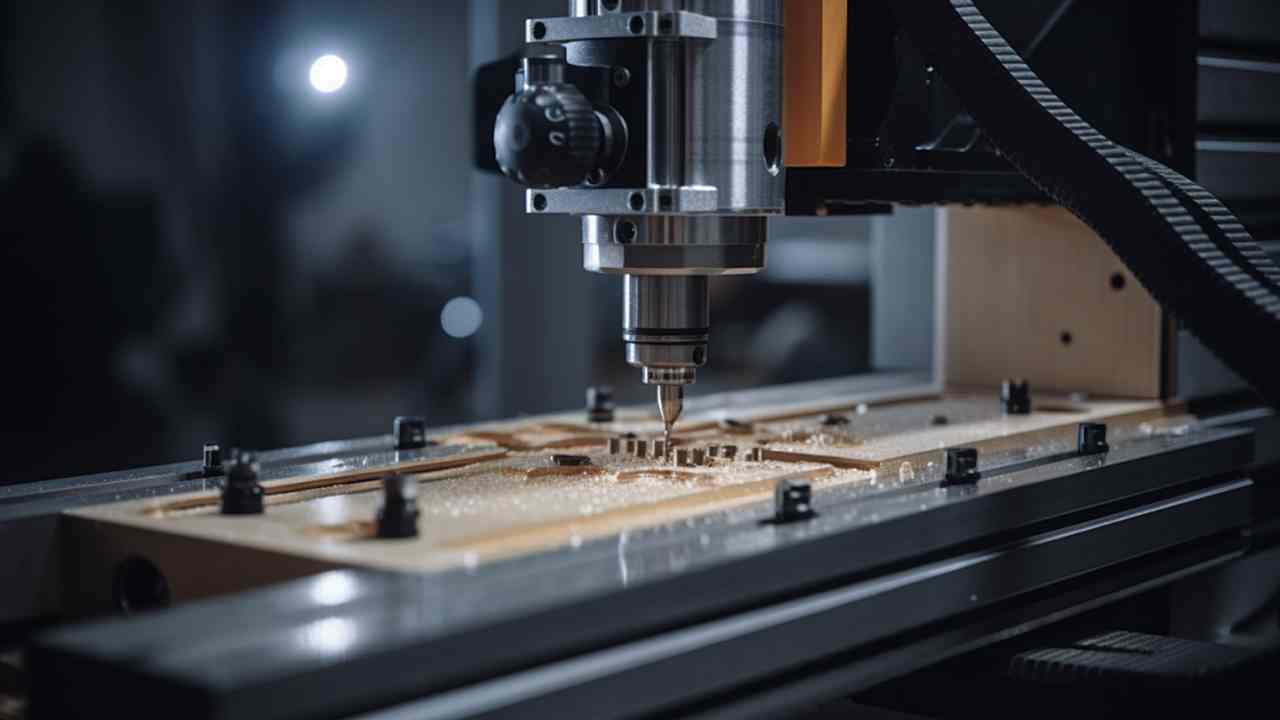
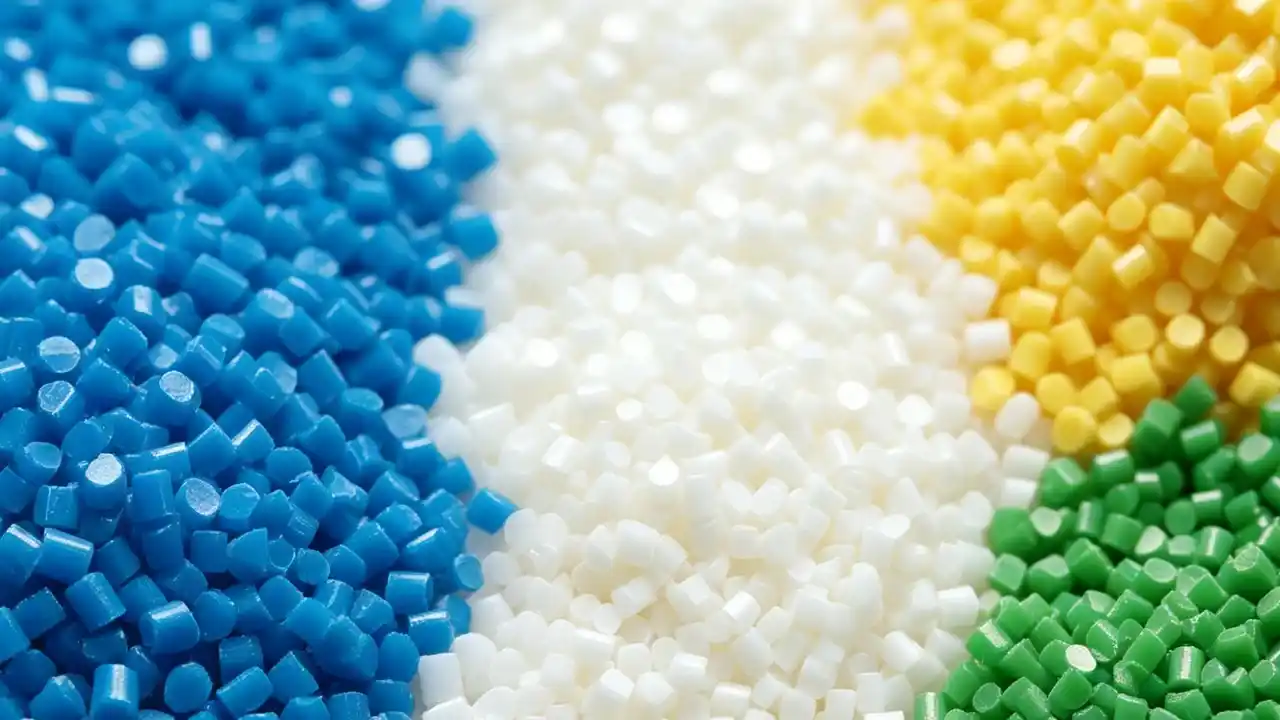
Engineering plastics are an increasingly important category in CNC machining, particularly for applications where electrical insulation, chemical resistance, low friction, or weight savings at moderate temperatures are priorities.
PEEK (Polyether Ether Ketone) — High-Performance Thermoplastic
PEEK is the closest the plastics world has to a high-performance metal substitute. It maintains mechanical properties at temperatures up to 250°C, resists a wide range of chemicals, offers excellent dimensional stability, and meets biocompatibility requirements for implantable medical devices.
Its main limitation is cost — PEEK is one of the most expensive engineering thermoplastics available. It should be specified when lower-cost alternatives genuinely cannot meet performance requirements.
Best applications: Medical instruments, aerospace structural components, semiconductor handling equipment, and chemical processing components.
POM (Polyoxymethylene / Acetal / Delrin) — Precision Plastic for Moving Parts
POM is a preferred material for precision mechanical components where low friction, high stiffness, dimensional stability, and resistance to moisture absorption are priorities. It machines well, holds tight tolerances, and performs consistently in temperature ranges up to about 100°C.
Best applications: Gears, bushings, sliding bearings, cams, valve components, and precision housings.
PC (Polycarbonate) — Transparent and Impact-Resistant
Polycarbonate offers a combination of optical clarity and exceptional impact resistance that makes it uniquely suited for transparent housings, protective covers, and light guides. It can be machined to high-quality optical surfaces with appropriate cutting parameters.
Best applications: Transparent enclosures, machine guards, optical components, and inspection windows.
Nylon (PA6 / PA66) — Versatile and Wear-Resistant
Nylon grades offer good mechanical strength, low friction, and wear resistance at a relatively accessible cost. However, nylon absorbs moisture from the atmosphere, which causes dimensional changes over time — an important consideration for tight-tolerance applications.
Best applications: Structural brackets, load-bearing components, vibration dampening parts, and mechanical housings in moderate-temperature environments.
ABS — Accessible and Prototype-Friendly
ABS is a widely available, cost-effective engineering thermoplastic that machines easily and produces consistent surface finishes. It lacks the thermal and chemical resistance of higher-performance materials but is an excellent choice for functional prototypes, enclosures, and general-purpose structural parts in benign environments.
Best applications: Prototypes, consumer product housings, low-stress structural components.
Material Selection by Industry Application

The right material often becomes clearer when you anchor the decision to the industry and application context.
Automotive and Robotics
Automotive and robotics applications demand components that withstand mechanical stress, vibration, and sometimes elevated temperatures — all while meeting weight and cost targets. Aluminum alloys dominate structural brackets, housings, and frames. Steel and stainless steel are specified for shafts, fasteners, and wear-critical components. POM and nylon find roles in low-friction bearings and sliding guides.
Our Automotive Parts Manufacturing and Robotics & Energy Storage experience gives us practical insight into grade selection for these environments.
Medical Devices and Healthcare
Biocompatibility, cleanability, and dimensional precision are non-negotiable in medical applications. 316L stainless steel and titanium Grade 5 are the dominant metals for implants and surgical instruments. PEEK serves specialized roles in spinal implants and endoscopic tools. Polycarbonate and ABS are used for non-contact device housings where sterilization compatibility is confirmed.
See how Dimud supports Medical Device Manufacturing with controlled-quality machining processes.
Electronics and Semiconductor
Consumer electronics enclosures are almost universally aluminum — specifically 6061 or 5052 — due to the combination of dimensional precision, surface finish quality (especially for anodizing), and weight. Copper and brass serve connector, contact, and thermal management roles. For insulating components within electrical assemblies, engineering plastics like PEEK and PC are specified.
Our work in Electronics & Semiconductor manufacturing covers both metal and plastic precision components.
Common Material Selection Mistakes (and How to Avoid Them)
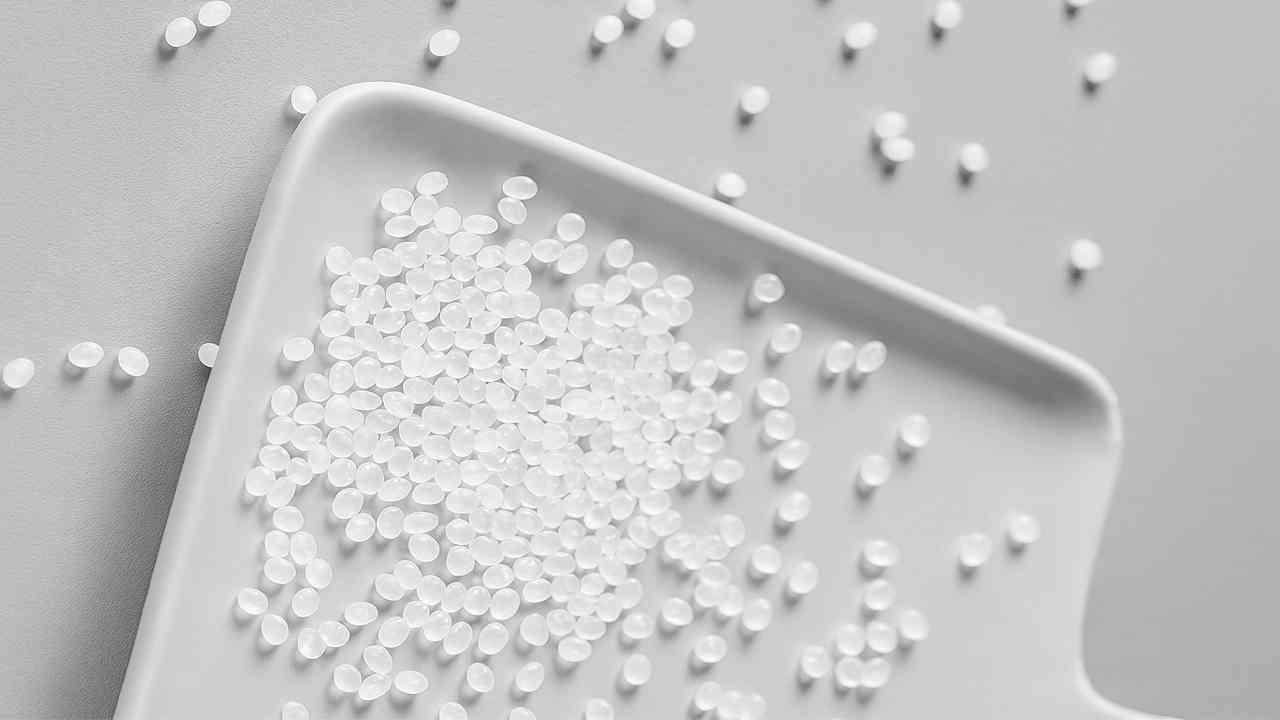
Specifying the Premium Option by Default
Titanium and PEEK are exceptional materials — but they’re also significantly more expensive to procure and machine. Many projects specify these materials when aluminum 7075 or stainless steel 316 would meet performance requirements perfectly well. Always ask: does the application genuinely demand this material’s specific properties, or is there a more cost-efficient option that achieves the same outcome?
Ignoring Post-Processing Compatibility
Choosing a material without considering the downstream surface treatment is a common planning gap. If your part requires anodizing, you need an aluminum grade that anodizes well. If you need electroplating, the substrate material must be compatible with the plating chemistry. These considerations should be locked in during the design stage, not after manufacturing begins.
Underestimating Moisture Absorption in Plastics
Nylon’s moisture absorption behavior catches teams off guard regularly. Dimensional changes due to moisture uptake can be significant — sometimes causing interference fits to loosen or clearance fits to tighten. For tight-tolerance nylon parts, either design the part with moisture-induced dimensional change accounted for, or switch to a lower-absorption material like POM.
Selecting Material Without Considering Machinability at Volume
A material that’s reasonable to machine at prototype quantities may become prohibitively expensive at production volumes. Titanium is the classic example: small prototype batches are manageable, but at 10,000-part production volumes, the machining cost impact is substantial. Volume planning and cost modeling should be part of the material selection conversation from the beginning.
How to Use DFM Analysis to Validate Your Material Choice
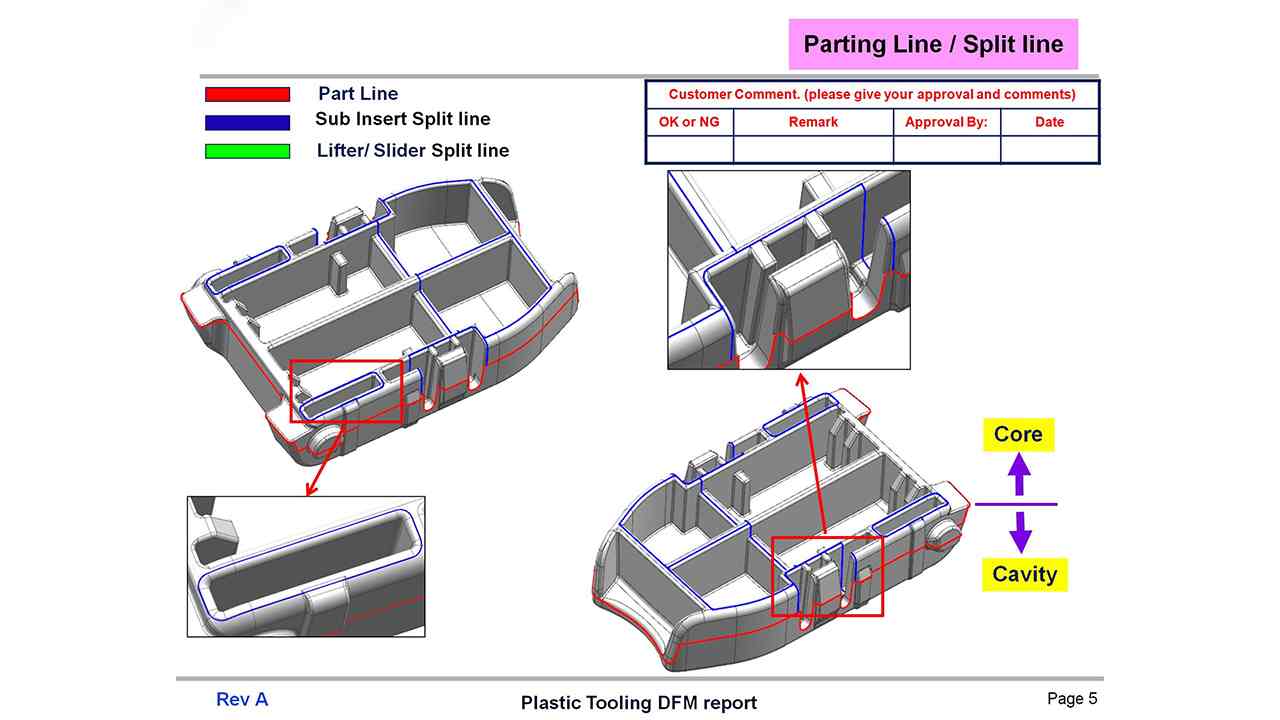
Design for Manufacturability (DFM) analysis is the most effective mechanism for catching material selection issues before they reach production. At Dimud, DFM review is integrated into every project from the start.
During DFM review, our engineers evaluate:
- Whether the specified material can achieve the required tolerances with standard machining processes
- Whether the material’s machinability will impact cost at the required production volume
- Whether post-processing or surface treatment requirements are compatible with the chosen material
- Whether alternative materials might offer equivalent performance at lower total cost
- Whether the part geometry creates machining challenges that interact with material properties (thin walls in hard materials, deep pockets in stainless steel, etc.)
The goal is to surface these trade-offs early — when adjustments are low-cost — rather than discovering them during production, when changes are expensive and delays are inevitable.
If you’re at the early design stage and uncertain about material selection, our Product Design & DFM service gives you access to experienced engineering judgment before you commit to tooling.
CNC Machining Material Comparison at a Glance
| Material | Machinability | Strength | Weight | Corrosion Resistance | Typical Applications |
|---|---|---|---|---|---|
| Aluminum 6061 | Excellent | Medium | Light | Good | Enclosures, brackets, structural |
| Aluminum 7075 | Good | High | Light | Moderate | Aerospace, high-load structural |
| Stainless 304 | Moderate | High | Heavy | Excellent | Medical, food, industrial |
| Stainless 316L | Moderate | High | Heavy | Outstanding | Marine, medical implants |
| Titanium Ti-6Al-4V | Challenging | Very High | Medium | Outstanding | Aerospace, medical implants |
| Brass | Excellent | Medium | Heavy | Good | Connectors, fittings, precision |
| Copper | Good | Low-Medium | Heavy | Good | Electrical, thermal management |
| PEEK | Good | High | Light | Excellent | High-temp, medical, semiconductor |
| POM (Delrin) | Excellent | Medium | Light | Good | Gears, bushings, precision sliding |
| Polycarbonate | Good | Medium | Very Light | Moderate | Transparent covers, housings |
| Nylon PA66 | Good | Medium | Light | Moderate | Structural, mechanical components |
| ABS | Excellent | Low-Medium | Very Light | Low | Prototypes, general housings |
Getting Expert Material Guidance for Your Project
Material selection is a decision where experience matters enormously. The difference between a material choice that works and one that causes production problems often comes down to familiarity with how a specific grade behaves under specific machining conditions — knowledge that accumulates through direct manufacturing experience, not just published specifications.
At Dimud, our engineering team works with metals including aluminum alloys, stainless steel grades, titanium, brass, and copper, as well as engineering plastics including PEEK, POM, PC, nylon, and ABS. Our complete Materials resource page provides an overview of the materials we work with across CNC machining, injection molding, and mold manufacturing.
When your project involves non-standard materials, specialized grades, or unusual performance requirements, we can also source custom raw materials and adapt our machining processes accordingly. If you’re navigating a material decision for an upcoming project, upload your files and specifications through our CNC Machining Services page and receive engineering feedback within 24 hours.
For projects that may also involve injection molded components alongside CNC machined parts — a common combination in product assemblies — our Injection Molding Services and integrated Supply Chain Management capability means both manufacturing streams can be coordinated under one roof, reducing handoff complexity and keeping your project timeline on track.
Frequently Asked Questions About CNC Machining Material Selection
Aluminum — specifically 6061-T6—is the most widely specified CNC machining metal due to its excellent machinability, favorable strength-to-weight ratio, and strong compatibility with anodizing and other surface treatments.
For prototyping, aluminum 6061 is typically the first choice: it machines quickly, costs less per part than steel or titanium, and closely represents the physical properties of a production aluminum part. Brass is preferred when the prototype requires precision threads or connector-type features.
Harder materials generally require slower cutting speeds, increased cutting force, and more frequent tool changes — all of which raise machining time and tooling costs. Stainless steel and titanium, for example, cost significantly more to machine per part than aluminum at equivalent complexity.
In specific applications, yes. PEEK can replace stainless steel in high-temperature, chemically exposed environments where weight savings matter. POM replaces bronze in sliding bearings due to lower friction and no lubrication requirement. The viability depends entirely on the mechanical, thermal, and chemical demands of the application.
316L stainless steel, titanium Ti-6Al-4V, and PEEK are the three primary materials for medical-grade CNC machined components, each offering the biocompatibility, corrosion resistance, and mechanical reliability that medical applications demand.
DFM analysis performed by an experienced manufacturing partner is the most reliable method. It surfaces potential issues with machinability, tolerance achievability, surface treatment compatibility, and cost at volume before any production commitment is made.
At Dimud, we believe the best CNC machined parts start with the right material decision — made early, with manufacturing experience behind it. If you’re working through a material selection challenge, our engineering team is available to review your design and provide practical guidance. Contact us or submit your files for a quote to get started.