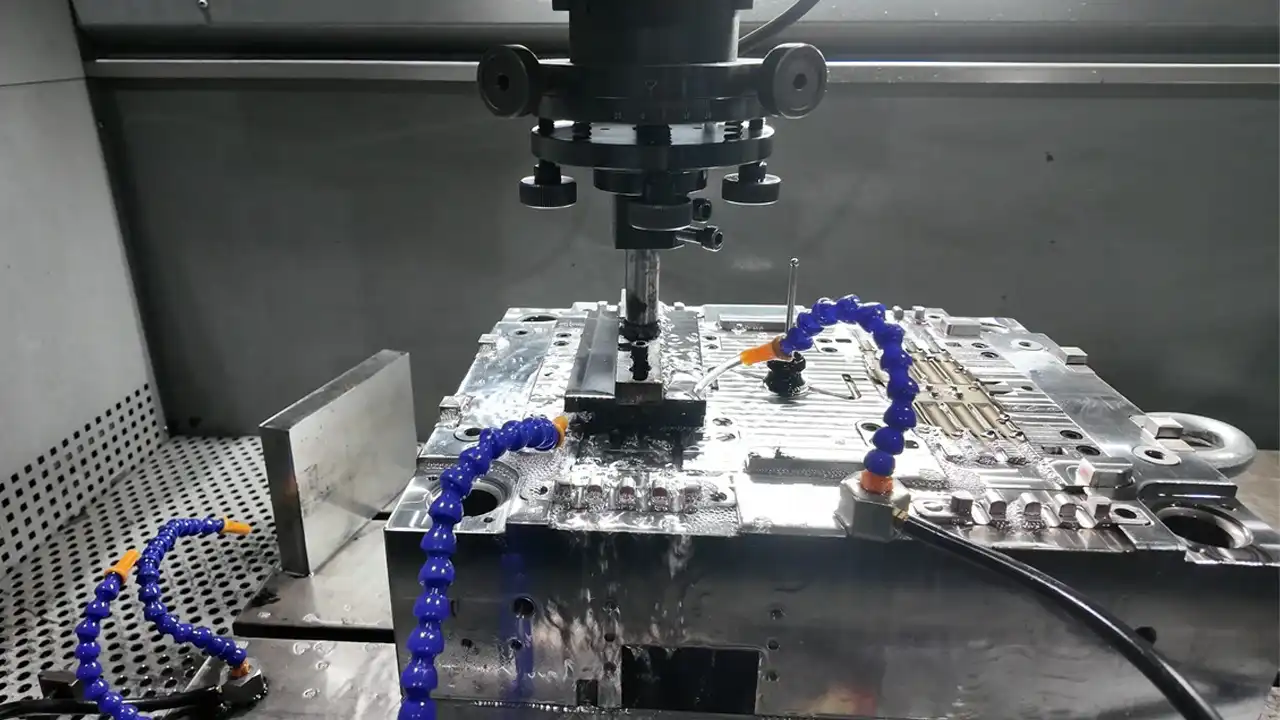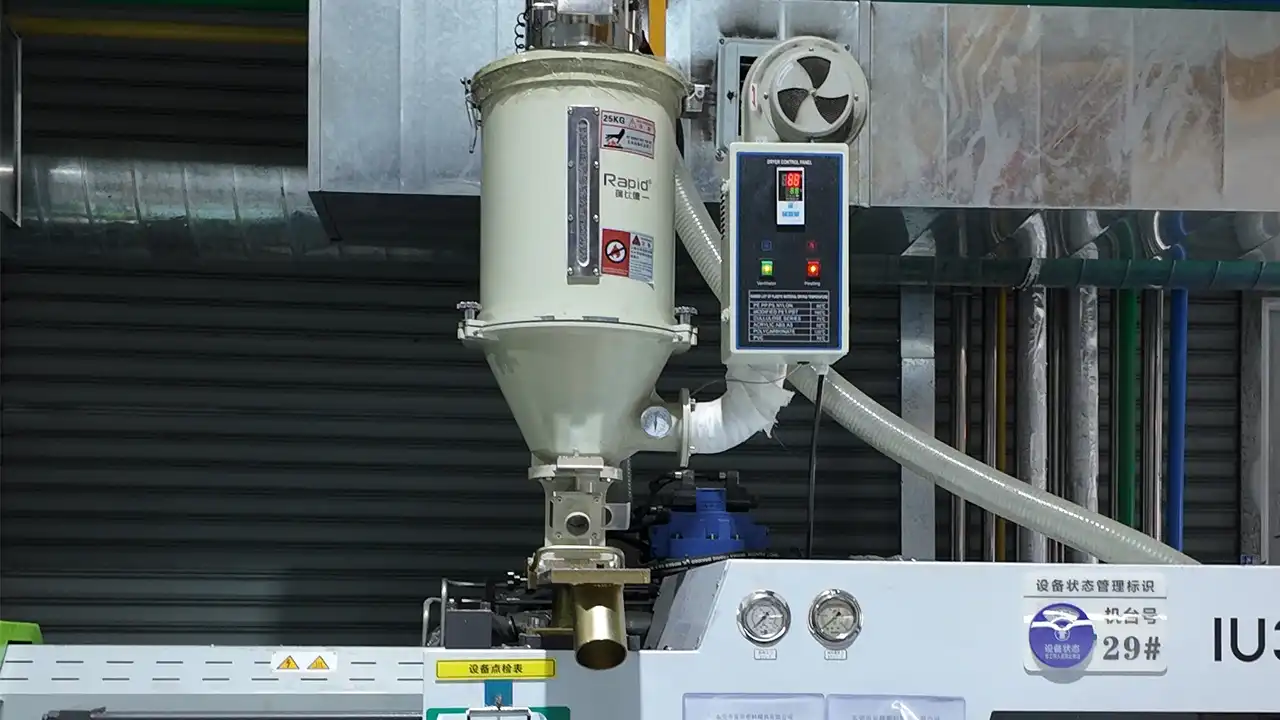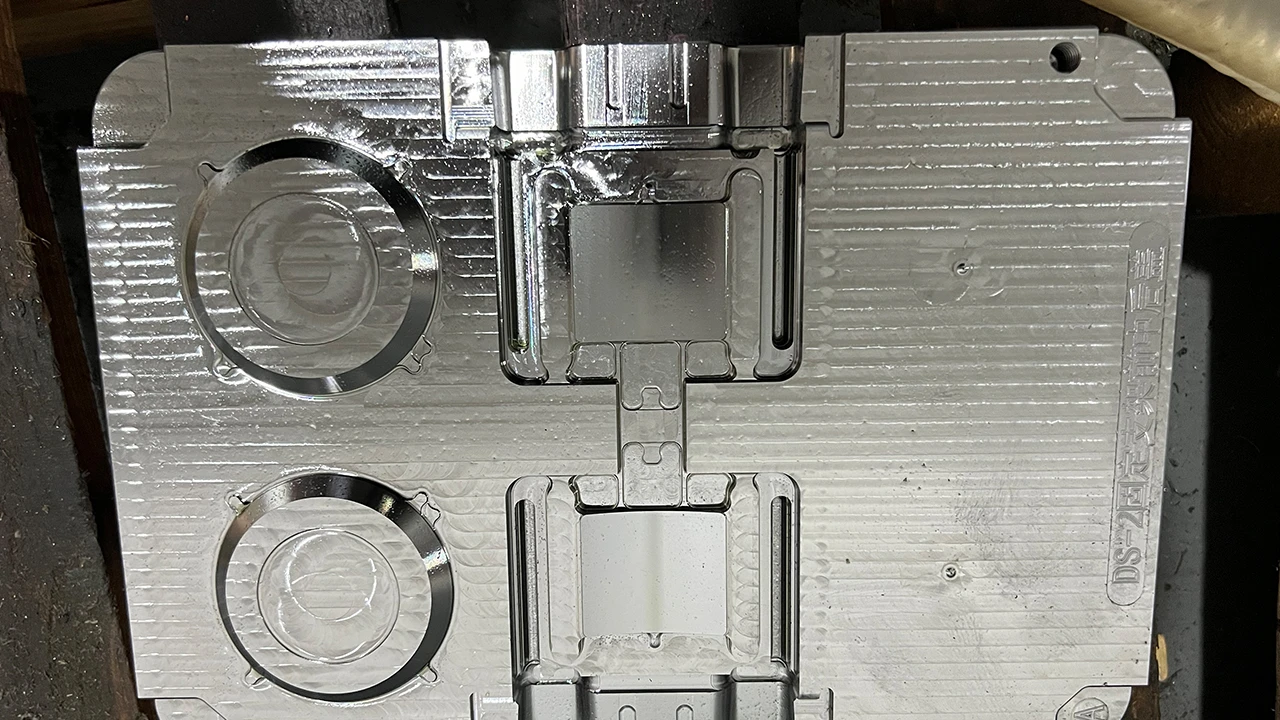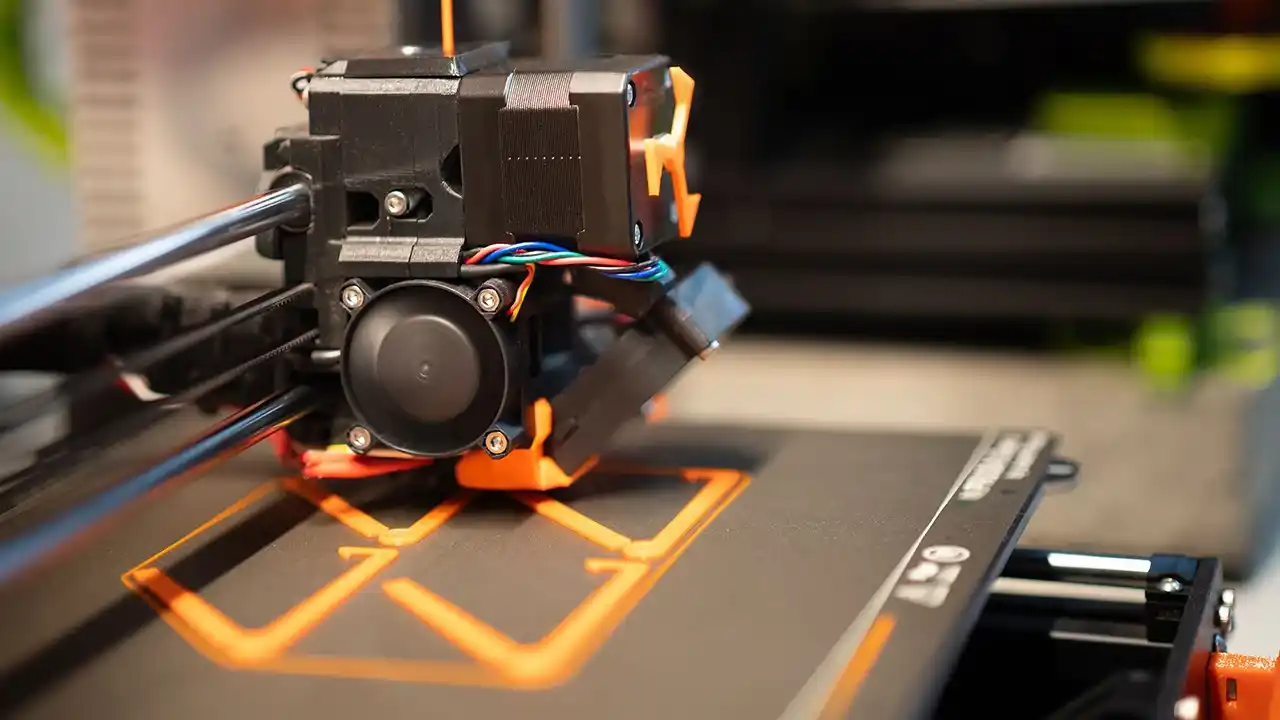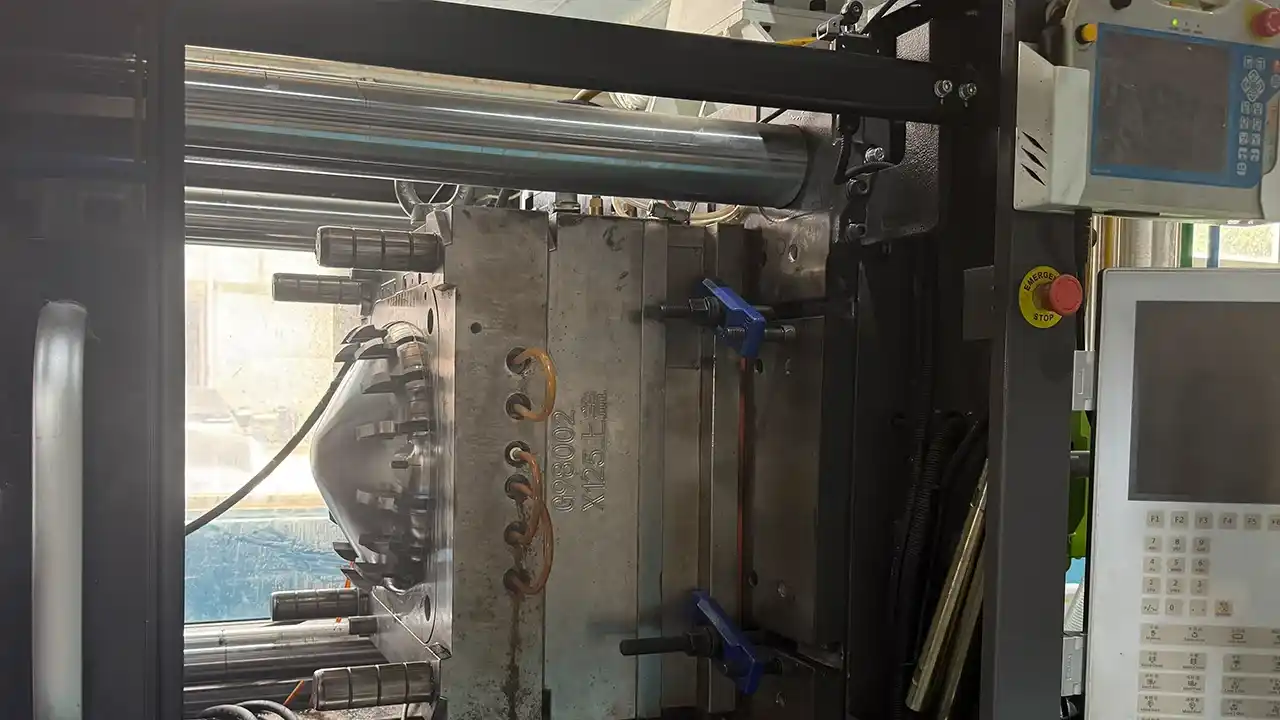

Поликарбонат (ПК) — один из самых высокоэффективных инженерных термопластов, доступных на рынке, и одновременно один из самых «непрощающих» при неправильной обработке или неверном подборе характеристик. Сочетание исключительной ударопрочности, оптической прозрачности и термической стабильности действительно трудно воспроизвести с помощью какого-либо другого широкодоступного материала. Однако чувствительность поликарбоната к влаге, температуре обработки, воздействию химических веществ и остаточным напряжениям после формования означает, что разница между успешно реализованным проектом с использованием ПК и провальным проектом гораздо меньше, чем часто предполагают инженеры.
Данное руководство охватывает обе стороны этой задачи. Опираясь на производственный опыт компании Dimud в таких областях, как автомобильное освещение, прецизионные оптические компоненты, корпуса медицинского оборудования и узлы для робототехники и систем накопления энергии, оно предоставляет знания в области материаловедения, технологической дисциплины, логики проектирования пресс-форм и системы обеспечения соответствия требованиям, необходимые для успешной реализации программ по производству поликарбоната — от выбора марки материала до утверждения первого образца и запуска серийного производства.
Что такое ПК-пластик?
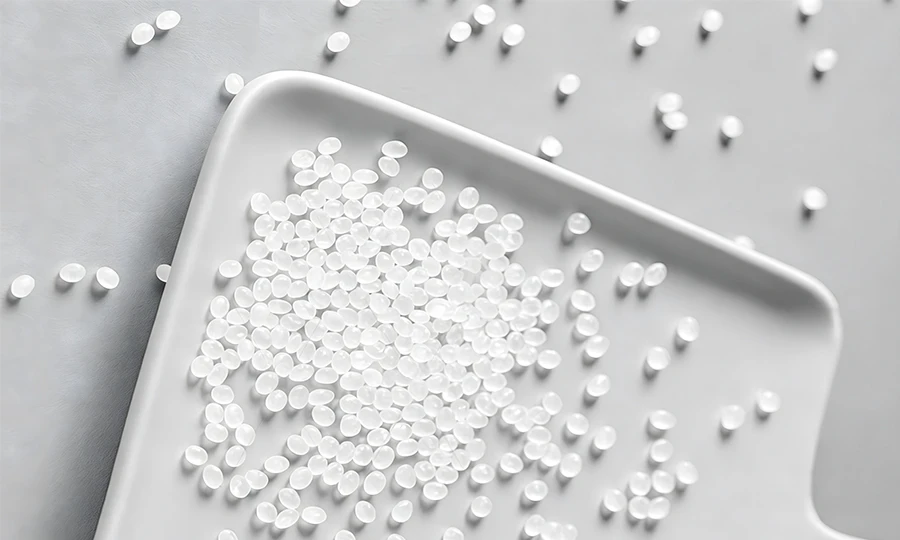
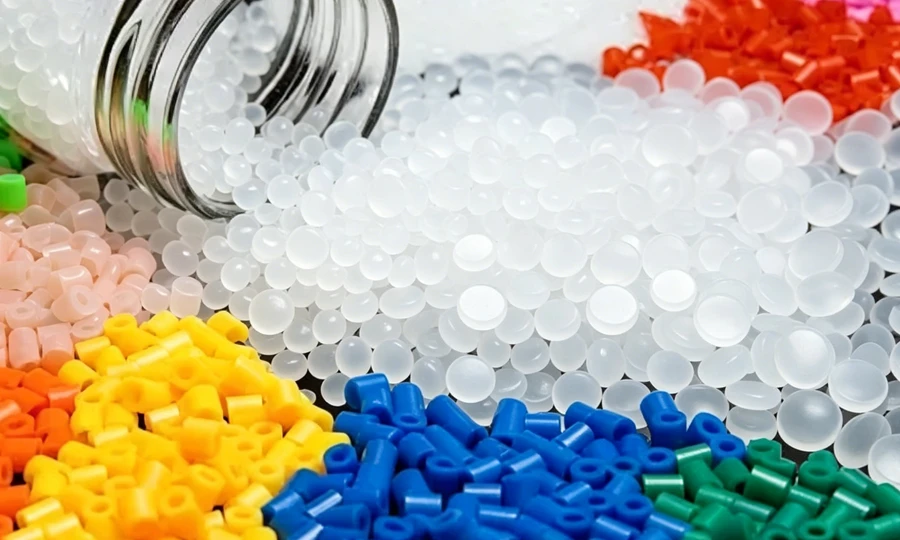
Поликарбонат — широко известный под аббревиатурой PC — представляет собой аморфный термопласт инженерного назначения, получаемый в результате поликонденсации бисфенола А (BPA) и фосгена либо с помощью более экологичного процесса переэтерификации в расплаве без использования фосгена, который всё чаще внедряют крупные производители, в том числе Covestro, SABIC и Mitsubishi Chemical.
Отличительной особенностью молекулярной архитектуры поликарбоната является карбонатная связь (-O-CO-O-), соединяющая звенья бисфенола А в гибкую цепь. Эти карбонатные группы в сочетании с жесткими бензольными кольцами, входящими в состав бисфенола А, создают полимер с двойными свойствами: бензольные кольца обеспечивают жесткость и термостойкость, а карбонатные связи позволяют поглощать энергию за счет деформации цепи при ударной нагрузке. В результате получается материал, способный достичь того, чего не может ни один однофазный полимер, — одновременно высокой жесткости и высокой ударопрочности без хрупкости, которая обычно сопутствует жесткости.
Чем пластик PC отличается от всех инженерных термопластов сопоставимой стоимости:
- Ударная вязкость по Изоду с надрезом превышает 600–850 Дж/м — это примерно в 10 раз больше, чем у акрила PMMA, и в 2–4 раза больше, чем у ABS
- Коэффициент пропускания света у материала 88–90% в оптических модификациях — сопоставим со стеклом при весе, составляющем одну шестую от веса стекла
- Температура теплового изгиба 130–140 °C при давлении 1,82 МПа — что позволяет использовать материал в зонах, прилегающих к подкапотному пространству автомобиля, а также в компонентах медицинских изделий, поддающихся стерилизации
- Стандартные марки обладают естественной огнестойкостью по классу UL 94 V-2; марки с огнезащитными добавками — по классу V-0 — без ухудшения механических свойств, которое огнезащитные добавки вызывают у большинства других полимеров
- Стабильность размеров, сопоставимая с ABS (усадка 0,5–0,7%), что позволяет соблюдать жесткие допуски в прецизионных оптических и механических применениях
Сколько вам обойдется пластик для ПК:
- Высокая вязкость расплава, требующая более высоких температур в цилиндре (260–320 °C) и более высокого давления впрыска по сравнению с АБС или ПС
- Обязательная предварительная сушка до влажности < 0,02% — одно из самых строгих требований к сушке в литье под давлением
- Восприимчивость к растрескиванию под воздействием окружающей среды (ESC) при одновременном воздействии химического контакта и остаточных напряжений формования
- Пожелтение под воздействием ультрафиолета у марок бумаги без покрытия после длительного пребывания на открытом воздухе
- Стоимость материала примерно в 2–3 раза выше, чем у АБС-пластика — это оправдано для применений, где важны эксплуатационные характеристики, но не для стандартных корпусов
В Димуде, Программы по производству поликарбонатных изделий охватывают такие компоненты, как линзы автомобильных фар, прозрачные окна медицинского оборудования, панели корпусов электронных устройств и конструктивные кожухи для робототехнических платформ. Каждый сектор предъявляет к цепочке поставок поликарбоната свои требования — оптическая прозрачность для автомобильной промышленности, сертификация биосовместимости для медицинской отрасли, огнестойкость для электроники и точность размеров для робототехники — и наша команда инженеров учитывает эти требования на этапе проектирования (DFM) до начала изготовления пресс-форм.
Обзор рынка: от поликарбоната общего назначения до оптического и медицинского поликарбоната
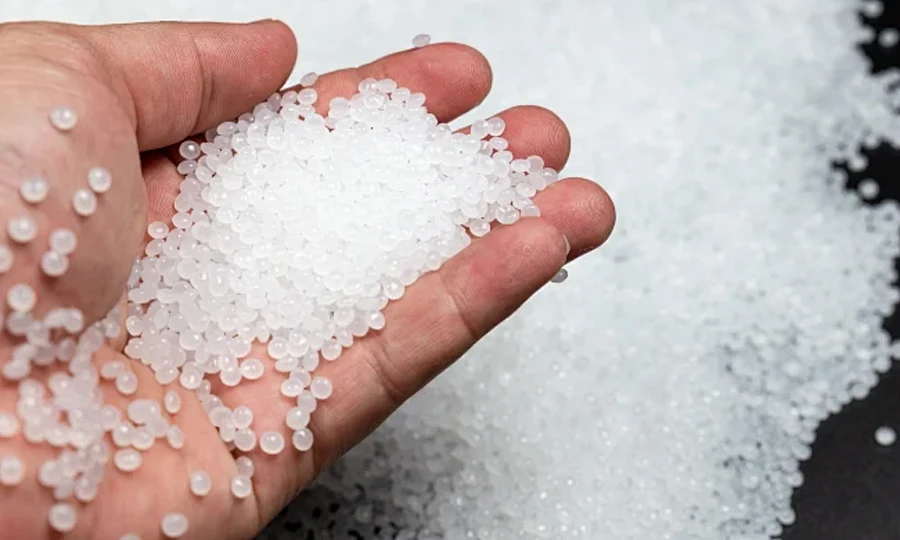
Поликарбонат PC — это не единый продукт. Ландшафтные материалы коммерческого класса отличаются широким диапазоном эксплуатационных характеристик, и выбор неподходящего сорта является наиболее распространённой причиной сбоев в эксплуатации в проектах с использованием поликарбоната.
Универсальный персональный компьютер (GP-PC)
Базовый вариант: поликарбонат на основе БФА без специальных модификаций, обладающий сбалансированным сочетанием ударопрочности, термостойкости и оптической прозрачности, что и определяет привлекательность данного полимера. К известным коммерческим наименованиям относятся Lexan® 141 (SABIC), Makrolon® 2407 (Covestro) и Calibre® 301 (Trinseo).
GP-PC является исходным материалом для большинства программ по производству ПК в компании Dimud. Среди областей применения — прозрачные крышки, корпуса приборов, защитные экраны, а также любые детали, для которых требуется сочетание ударопрочности и прозрачности поликарбоната, но при этом отсутствуют особые нормативные требования или требования к оптической точности.
Поликарбонат оптического качества
Продукт разработан с учетом более высокой молекулярной массы, более строгого контроля чистоты и сниженного содержания красителей и добавок для достижения следующих целей:
- Коэффициент пропускания света: 89–91%
- Замутнение: < 1,0% (по сравнению с 1,0–2,0% для GP-PC)
- Индекс желтизны: < 1,5
- Двойное лучепреломление: минимизируется за счет контролируемой ориентации при обработке
Поликарбонат оптического качества применяется для изготовления линз автомобильных фар, световодных панелей в дисплеях с подсветкой, линз фотоаппаратов и прецизионных оптических приборов. Для его производства требуется специальная сталь для форм (нержавеющая сталь S136 с зеркальной полировкой), строгий контроль диапазона температур плавки (±5 °C) и низкая скорость заливки, чтобы свести к минимуму оптические напряжения, вызванные сдвигом — все эти требования включены в технологический протокол компании Dimud по производству оптического поликарбоната.
Огнестойкий поликарбонат (FR-PC)
Стандартный ПК естественным образом соответствует требованиям стандарта UL 94 V-2. Марки с огнезащитными добавками на основе фосфора (без галогенов) или сульфонатов обеспечивают следующие показатели:
- UL 94 V-0 при толщине стенки 1,5 мм
- Соответствие требованиям испытания на раскалённую проволоку в соответствии с IEC 60695-2-12 при температуре 960 °C
- Сохраняется оптическая прозрачность (доступен прозрачный FR-PC)
- Сниженная ударная вязкость по сравнению с GP-PC (обычно 400–550 Дж/м против 600–850 Дж/м)
FR-PC является обязательным материалом для любых корпусов электронного оборудования, подключаемых к сети электропитания, компонентов центров обработки данных или деталей автомобильного салона, где одновременно требуются как огнестойкость, так и механические характеристики поликарбоната.
Поликарбонат и поликарбонатные смеси, устойчивые к высоким температурам
| Класс | Изменение | HDT | Основное применение |
|---|---|---|---|
| Компьютер, рассчитанный на работу при высоких температурах | Сополимер альфа-метилстирола | 145–155 °C | Корпуса светодиодных ламп для автомобильных моторных отсеков |
| Смесь ПК/АБС | Сплав ABS, оптимизированный для технологичности | 105–125 °C | Автомобильная центральная стойка, корпуса для ноутбуков |
| Смесь ПК и ПБТ | PBT для обеспечения химической стойкости | 120–130 °C | Экстерьер автомобиля, разъемы |
| Смесь ПК и ПММА | ПММА для обеспечения устойчивости к царапинам | 125–135 °C | Защитные крышки дисплеев, комбинации приборов |
| Поликарбонат со стекловолокном (10–30% GF) | Армирование стекловолокном | 145–160 °C | Конструкционные кронштейны, прецизионные приспособления |
| ПК медицинского назначения | Класс VI по стандарту USP / ISO 10993 | 130–138 °C | Корпуса устройств, стерилизуемые компоненты |
Коммерческие марки смол и их значение
Для программ для ПК, к которым предъявляются высокие требования к качеству — в частности, в области оптики и медицины — марка коммерческой смолы имеет большое значение, поскольку она определяет стабильность молекулярной массы, стабильность цвета от партии к партии, а также наличие нормативной документации. Компания Dimud закупает продукцию у следующих поставщиков:
- Covestro Makrolon® — Предпочтительный вариант для применения в оптических системах автомобилей
- SABIC Lexan® — Предпочтительный вариант для программ по производству материалов медицинского назначения и огнестойких материалов
- Mitsubishi Iupilon® / LG Chem Lupoy® — Конкурентоспособные по стоимости альтернативы программам общей практики и семейной медицины
Марка смолы и номер партии указываются в каждой производственной документации по партии печатных плат Dimud, при этом сертификат соответствия (CoC) на материал, выданный производителем смолы, входит в стандартный комплект поставки.
Основные физические и механические свойства
| Недвижимость | GP-PC | FR-PC (V-0) | Поликарбонат оптического качества | Стандарт испытаний |
|---|---|---|---|---|
| Плотность | 1,20–1,22 г/см³ | 1,20–1,25 г/см³ | 1,19–1,21 г/см³ | ISO 1183 |
| Прочность на разрыв (предел текучести) | 55–70 МПа | 50–65 МПа | 58–68 МПа | ISO 527 |
| Модуль упругости при изгибе | 2 300–2 500 МПа | 2 200–2 500 МПа | 2 300–2 600 МПа | ISO 178 |
| Ударная прочность по методу Изода с надрезом | 600–850 Дж/м | 400–550 Дж/м | 550–750 Дж/м | ISO 180 |
| Относительное удлинение при разрыве | 80–150 % | 40–100 % | 80–130 % | ISO 527 |
| Температура термического отклонения | 130–140 °C | 125–135 °C | 130–138 °C | ISO 75 (1,82 МПа) |
| Температура размягчения по Викату | 145–155 °C | 140–150 °C | 147–155 °C | ISO 306 |
| Усадка при формовании | 0,5–0,7 % | 0,4–0,7 % | 0,5–0,6 % | ISO 294-4 |
| Водопоглощение (24 ч) | 0,15–0,35 % | 0,15–0,30 % | 0,10–0,20 % | ISO 62 |
| Коэффициент пропускания света | 88–90 % | 85–89% (прозрачный FR) | 89–91 % | ISO 13468 |
| Туман | 0,8–1,5 % | 1,0–2,0 % | < 1,0 % | ISO 14782 |
| Показатель преломления | 1.586 | 1.585 | 1.586 | ISO 489 |
| Диэлектрическая прочность | 15–18 кВ/мм | 14–17 кВ/мм | 15–18 кВ/мм | IEC 60243 |
| Воспламеняемость (естественная) | UL 94 V-2 | UL 94 V-0 | UL 94 V-2 | UL 94 |
| Удар при низкой температуре (−20 °C) | Без перерыва | Без перерыва | Без перерыва | ISO 180 |
Техническая записка компании «Dimud» — Требование к сушке, которое меняет всё
Показатель водопоглощения поликарбоната (PC) в диапазоне 0,15–0,35% может показаться незначительным, однако поликарбонат обладает исключительной чувствительностью к гидролитическому разложению в процессе переработки. Содержание влаги выше 0,02% при поступлении в цилиндр приводит к разрыву цепей при температуре плавления, что необратимо снижает молекулярную массу и, как следствие, ударную вязкость, оптическую прозрачность и качество поверхности. В отличие от АБС-пластика (который допускает содержание влаги до 0,1%), поликарбонат требует сушки до уровня < 0,02% — это требование предполагает использование осушительных бункерных сушилок при температуре 110–120 °C в течение не менее 4–6 часов с точкой росы осушителя ниже −30 °C. В компании Dimud содержание влаги проверяется методом титрования по Карлу Фишеру на образцах смолы перед каждым производственным циклом ПК оптического и медицинского качества. Это не является факультативной процедурой — это единственный наиболее распространённый источник сбоев в производстве ПК во всей отрасли.
Литье под давлением на ПК: технологические параметры и ключевые факторы контроля
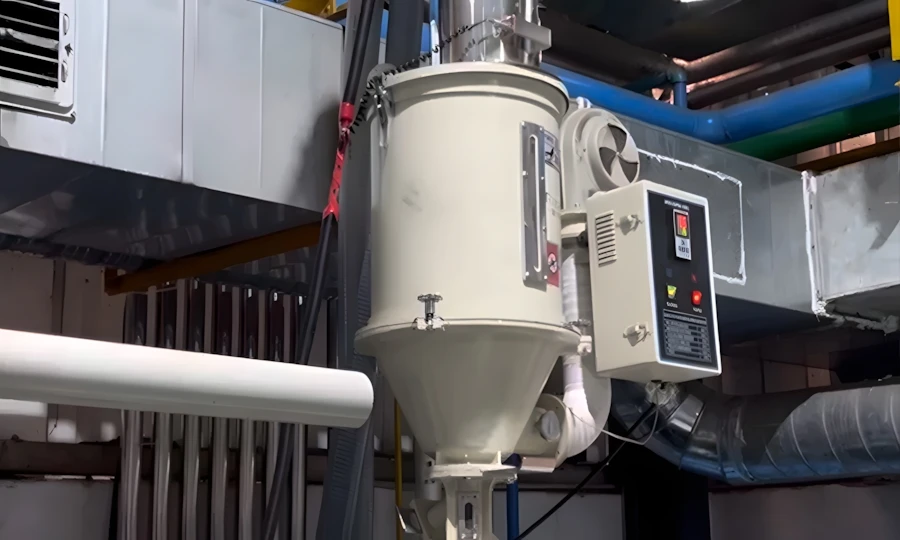
Поликарбонат (ПК) — это самый требовательный из доступных на рынке полимеров, требующий соблюдения строгих технологических условий при литье под давлением. Его высокая вязкость расплава, узкий диапазон допустимой влажности, чувствительность к разрушению под действием сдвига и высокие требования к температуре пресс-формы делают соблюдение технологической дисциплины обязательным условием. Приведенные ниже параметры представляют собой проверенные производственные настройки, используемые в рамках всех программ компании Dimud по производству изделий из ПК.
Температура цилиндра и расплава
| Зона | GP-PC / FR-PC | Поликарбонат оптического качества | Компьютер, рассчитанный на работу в условиях высоких температур | Примечания |
|---|---|---|---|---|
| Задняя часть (подача) | 240–260 °C | 250–265 °C | 260–275 °C | Контролируемый вход; отсутствие зон с низкой температурой |
| Средний (компрессия) | 260–285 °C | 270–290 °C | 280–300 °C | Первичное плавление; задача обеспечения однородности |
| Передняя часть (дозирующий узел) | 270–300 °C | 280–305 °C | 290–315 °C | Конечная температура плавления; калибровка вязкости |
| Сопло | 260–290 °C | 270–295 °C | 280–305 °C | Стандартное сопло с обратным сужением для ПК |
Критический предел: Пластик ПК разлагается при температуре выше 320–330 °C, выделяя мономер бисфенола А, что приводит к появлению желтого оттенка, черных вкраплений и снижению ударной вязкости. Время пребывания в цилиндре должно строго контролироваться — компания Dimud устанавливает предельные значения максимального времени пребывания для каждой конфигурации машины для производства ПК и фиксирует их в FMEA процесса.
Температура пресс-формы
Для поликарбоната требуется значительно более высокая температура пресс-формы, чем для большинства термопластов: 80–120 °C
Это параметр, который чаще всего упускается из виду в программах для ПК инженерами, привыкшими работать с инструментами ABS или PS:
- 80–90 °C: Минимально допустимое значение; подходит для неоптических конструкционных деталей с толщиной стенок > 3 мм.
- 90–100 °C: Стандарт для прозрачных деталей из GP-PC; достаточный блеск и прозрачность.
- 100–110 °C: Необходимо для изготовления линз из поликарбоната оптического качества, прецизионных призм и световодящих панелей. Имеет решающее значение для минимизации двулучепреломления и достижения показателя мутности < 1,0%.
- 110–120 °C: Предназначено для тонкостенного оптического поликарбоната (< 1,5 мм) и марок поликарбоната с высокой теплопроводностью, при производстве которых необходимо контролировать образование кристаллической структуры поверхности.
Для обеспечения равномерной температуры пресс-формы в диапазоне 100–120 °C требуются регуляторы температуры горячей воды под давлением (а не стандартные масляные агрегаты). В оптических программах PC компании Dimud используются специальные агрегаты для поддержания температуры пресс-формы с помощью горячей воды, а перед запуском в серийное производство равномерность температуры поверхности пресс-формы проверяется с помощью тепловизионной съемки.
Скорость и давление впрыска
Высокая вязкость расплава ПК требует более высокого давления впрыска, чем у любого другого стандартного термопластика:
- Давление впрыска: 100–160 МПа (значительно выше, чем у ABS — 80–140 МПа)
- Давление удержания: 60–80% от давления впрыска (высокое; необходимо для компенсации низкой сжимаемости поликарбоната)
- Противодавление: 5–15 МПа — поддерживается на низком уровне для минимизации нагрева при сдвиге и снижения молекулярной массы
- Скорость впрыска: от медленной до умеренной — этот фактор имеет решающее значение и зачастую противоречит интуиции. Быстрый впрыск поликарбоната (ПК) приводит к возникновению чрезмерных сдвиговых напряжений, особенно в области литника, что вызывает индуцированную течением двулучепреломление в оптических деталях и ослабление линии стыка в конструкционных деталях. Для программ по производству деталей оптического качества характерно контролируемое заполнение в течение 3–8 секунд.
Порядок сушки
| Параметр | GP-PC | Поликарбонат оптического качества | ПК медицинского назначения | Переработанный поликарбонат |
|---|---|---|---|---|
| Тип сушилки | Бункер для осушения (точка росы ≤ −30 °C) | То же самое | То же самое | То же самое |
| Температура | 110–120 °C | 115–120 °C | 115–120 °C | 110 °C |
| Продолжительность | 4–6 часов | 5–6 часов | 5–6 часов | 4–5 часов |
| Целевой уровень влажности | < 0,02 % | < 0,01 % | < 0,02 % | < 0,02 % |
| Метод проверки | Анализатор влажности | Титрование по методу Карла Фишера | Титрование по методу Карла Фишера | Анализатор влажности |
| Максимальный коэффициент повторного измельчения | 10–15 % | 0 % (только для девственниц) | 0 % (только для девственниц) | — |
Распространенные дефекты и меры по их устранению
| Дефект | Основная причина | Корректирующие меры |
|---|---|---|
| Серебряные полосы / расхождение | Влажность выше 0,02%; гидролитическое разложение | Увеличить время сушки; проверить точку росы; проверить герметичность бункера |
| Желтое обесцвечивание / коричневые полосы | Перегрев расплава; длительное время пребывания | Снизить температуру в цилиндре; подобрать цилиндр подходящего размера; регулярно проводить продувку |
| Оптическая мутность / помутнение | Слишком низкая температура формы; загрязнение; влага | Повысить температуру формы до 100 °C и выше; проверить степень высыхания; очистить пресс-форму |
| Двойное лучепреломление / картины распределения напряжений | Скорость наполнения слишком высокая; температура формы слишком низкая | Медленное впрыскивание; повышение температуры формы; отжиг после формования |
| Линии сварки (слабые / заметные) | Низкая температура плавления; неправильное расположение литникового канала | Повысить температуру плавления; изменить положение литникового канала; повысить температуру формы |
| Деформация | Неравномерное охлаждение; дифференциальная усадка | Балансировочное охлаждение; однородные стенки; зажимное устройство после формования |
| Вмятины от раковины | Толстые сечения; недостаточное давление удержания/время удержания | Просверлите толстые участки; увеличьте давление удержания |
| Крэкинг / ESC | Химическое воздействие + остаточная напряженность | Провести отжиг деталей; избегать использования веществ, вызывающих ЭСК; проверить DFM (см. раздел 6) |
| Короткий удар | Недостаточное давление; расплав слишком вязкий | Увеличить давление впрыска; повысить температуру цилиндра |
| Царапина на поверхности | Твердость инструментальной стали недостаточна для изготовления оптических деталей | Укажите нержавеющую сталь S136; полировка SPI A1; обращайтесь осторожно |
Рекомендации по проектированию форм для деталей из поликарбоната
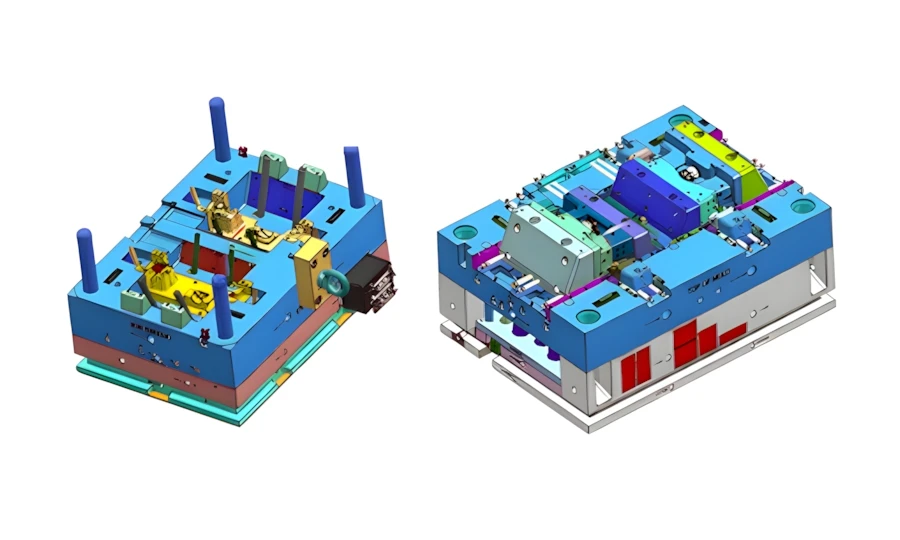
Сочетание таких характеристик поликарбоната (PC), как высокая вязкость расплава, повышенные температуры переработки, строгие оптические требования и склонность к образованию ESC, предъявляет к конструкции пресс-форм более жесткие требования, чем в случае с ABS или PS. Пресс-форма, разработанная для GP-ABS, не будет обеспечивать требуемые характеристики при производстве оптического PC без систематической доработки.
Проект и расположение ворот
Высокая вязкость поликарбоната требует использования литниковых каналов значительных размеров — литниковые каналы недостаточного размера вызывают чрезмерное сдвиговое напряжение, что приводит к:
- Двойное лучепреломление непосредственно за затвором (что делает его непригодным для использования в оптических приложениях)
- Ослабление в месте сварки в точках сходимости фронтов течения
- Локальное снижение молекулярной массы в результате сдвиговой деградации
Рекомендации по подбору размеров ворот для ПК:
- Толщина литникового канала: толщина стенки в месте расположения литникового канала должна составлять не менее 75–100% (по сравнению с 60% для ABS)
- Зазор: не более 0,5–1,0 мм
- Рассеивающие решетки: предпочтительны для плоских оптических панелей и защитных стекол дисплеев — распределяют напряжение наполнения по широкой передней поверхности, сводя к минимуму концентрацию двулучепреломления
- Подводные литниковые каналы: допустимы для конструкционных деталей из GPPC; следует избегать их использования в программах по производству деталей оптического качества из-за концентрации сдвиговых напряжений на конце литникового канала
- Клапанные литниковые системы с горячим каналом: рекомендуются для крупносерийного производства изделий из поликарбоната — позволяют отказаться от холодного канала и обеспечивают точное регулирование времени открытия литника для контроля динамики заполнения при изготовлении тонкостенных оптических деталей
Конструкция бегунка
Для поддержания температуры расплава и минимизации перепада давления в системе PC требуются канавки большего сечения, чем в системах ABS или PS:
- Диаметр полного круглого профиля: 6–10 мм (больше, чем типичные для АБС 4–8 мм)
- Длина канала: минимальная; длинные каналы приводят к теплопотере, что увеличивает кажущуюся вязкость и требуемое давление впрыска
- Колектор с горячим каналом: рекомендуется для многогнездных пресс-форм из поликарбоната с более чем 4 гнездами; обеспечивает равномерность температуры расплава во всех гнездах и устраняет оптические отклонения, вызванные температурным градиентом
Выбор стали — решающий фактор для ПК
Высокая рабочая температура ПК и требования к оптическим характеристикам обусловливают строгие критерии выбора стали:
| Сталь | Заявка | Примечания |
|---|---|---|
| S136 (полируемая нержавеющая сталь) | Поликарбонат оптического качества: линзы, световоды, призмы | Зеркальная полировка SPI A1; устойчивость к коррозии под воздействием выделяющихся газов при производстве поликарбоната |
| 718H (закаленная нержавеющая сталь) | Поликарбонат медицинского назначения; прозрачные крышки | Хорошая обрабатываемость + коррозионная стойкость при более низкой стоимости по сравнению с S136 |
| H13 (закаленная, 48–52 HRC) | Строительный бетон GP-PC с высоким объемом; бетон, армированный стекловолокном (GF) | Проверка термостойкости при повышенных температурах формы (100 °C и выше) |
| P20 (предварительно закаленная) | Некосметический конструкционный поликарбонат (прототипы/мелкосерийное производство) | Подходит для краткосрочных программ; не рекомендуется для оптических систем |
P20 не подходит для оптических программ на ПК. При температуре пресс-формы 100–120 °C более низкая твёрдость материала P20 приводит к ускоренному износу линий разъёма и краёв литников, что вызывает образование облоя и ухудшение внешнего вида поверхности уже через 50 000–100 000 циклов литья.
Проектирование системы охлаждения
Повышенные требования к температуре пресс-формы при литье поликарбоната (80–120 °C) требуют использования активной системы нагрева и охлаждения, а не пассивного контура охлаждения:
- Требуются регуляторы температуры горячей воды под давлением (диапазон 80–120 °C); в программах без оптического контроля (< 100 °C) их можно заменить регуляторами температуры масла
- Конструкция охлаждающих каналов рассчитана на обеспечение равномерности температуры в пределах ±3 °C по всей поверхности рабочей камеры — это более строгий показатель, чем стандартные ±5 °C для ABS
- В оптических программах компания Dimud использует конформное охлаждение со вставками S136 для обеспечения равномерности температуры поверхности, что имеет решающее значение для контроля помутнения и двулучепреломления
- При проектировании пресс-форм для деталей из поликарбоната с жесткими допусками на размеры предусматриваются приспособления для отжига после формования, которые позволяют снять остаточные напряжения, которые в противном случае могли бы привести к короблению деталей в процессе эксплуатации
Вентиляция
Пластик PC выделяет минимальное количество газа при обычной переработке, однако недостаточная вентиляция в сочетании с высоким давлением впрыска приводит к появлению следов горения, характерных для «дизельного эффекта», в зонах последнего заполнения:
- Глубина вентиляционного отверстия: 0,03–0,05 мм (немного глубже, чем у ABS, для обеспечения более высокого давления наполнения при литье ПК)
- Зазор: 3–5 мм
- Вентирование по периферийной линии разъема в сочетании с вакуумным вентилированием при производстве оптических деталей с глубокими полостями
- Обеспечение вентиляции зазора выталкивающего штифта на всех элементах с глубокими ребрами
Система выброса
Благодаря высокой ударопрочности и хорошей пластичности ПК процесс выталкивания происходит с меньшими сложностями, чем в случае хрупкого ПС, однако программы по производству материалов оптического и медицинского назначения предъявляют строгие требования:
- На оптических поверхностях не должно быть выталкивающих штифтов — для извлечения оптических деталей следует использовать только разъемное кольцо или втулку
- Для прозрачных корпусов GP-PC: выталкивающие штифты расположены исключительно в зонах, не относящихся к внешнему виду изделия
- Расчет силы выталкивания на этапе DFM; высокая жесткость ПК требует большей силы выталкивания, чем у АБС при эквивалентных углах наклона
- Для прецизионных оптических деталей рекомендуется отжиг после выталкивания: 120–125 °C в течение 2–4 часов в печи с циркуляцией воздуха после выталкивания
Растрескивание под воздействием внешних факторов: самый недооценённый вид отказов поликарбоната
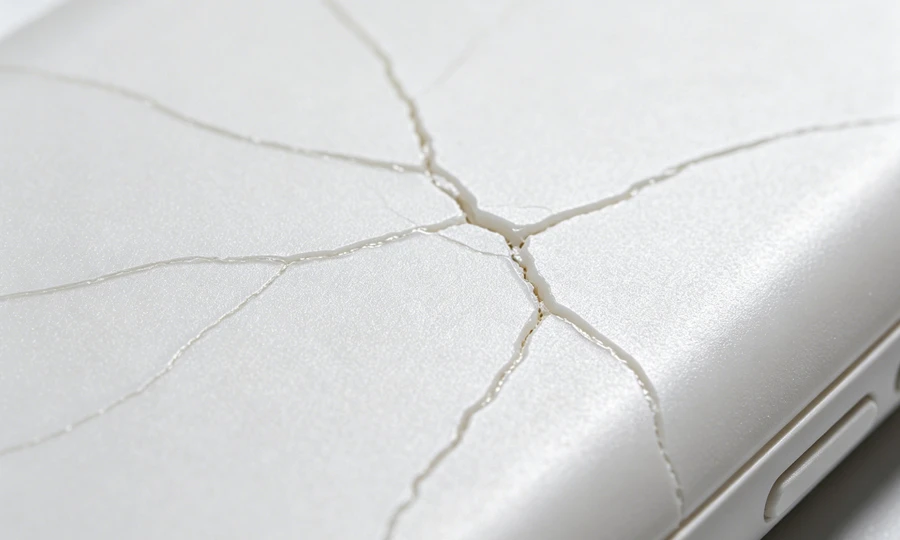
Растрескивание под воздействием окружающей среды (ESC) является самой распространённой первопричиной отказов пластиковых деталей из поликарбоната в процессе эксплуатации — и тем видом отказа, который чаще всего упускается из виду на этапе проектирования и разработки технических требований. Понимание механизма ESC является обязательным условием для инженеров, занимающихся подбором компонентов из поликарбоната.
Что такое ESC на ПК?
Эффект ESC возникает, когда остаточное или приложенное растягивающее напряжение в формованной детали из поликарбоната сочетается с воздействием определённого класса химических веществ — даже при концентрациях и продолжительности воздействия, которые не оказали бы никакого влияния на образец, не подверженный напряжению. Механизм заключается в том, что химические вещества снижают энергию активации, необходимую для зарождения трещины на поверхности. Напряжение служит движущей силой для распространения трещины. Совместное действие этих двух факторов приводит к образованию трещин при уровнях напряжения, на порядок ниже измеренной прочности материала на растяжение.
К классам химических веществ, вызывающих эффект ESC у пластика PC, относятся:
- Ароматические углеводороды: толуол, ксилол (часто встречаются в красках и клеях)
- Эфиры и кетоны: ацетон, МЭК, этилацетат (растворители для очистки, носители клея)
- Хлорированные растворители: метиленхлорид, трихлорэтилен
- Сильнощелочные растворы: гидроксид аммония (средства для мытья окон, дезинфицирующие средства)
- Некоторые разделительные средства и смазочные материалы
- Некоторые солнцезащитные средства и косметические препараты (имеющие решающее значение для медицинских изделий, предназначенных для потребителей)
Что НЕ вызывает сбой системы ESC на ПК: Разбавленные кислоты, спирты (изопропанол, этанол в концентрациях < 50%), алифатические углеводороды, многие стандартные чистящие средства.
Как предотвратить вызов ESC в программах для ПК
Профилактика ESC в Димуде — это мероприятие, проводимое на этапе проектирования, а не устранение последствий сбоя:
- Свести к минимуму остаточные напряжения в изделии: Высокая температура пресс-формы (100 °C и выше), низкая скорость заполнения, достаточное давление удержания и отжиг после формования позволяют снизить остаточное напряжение, которое является движущей силой технологии ESC. Компания Dimud включает управление остаточным напряжением в качестве одной из стандартных задач при настройке технологического процесса производства поликарбоната.
- Выявление риска контакта с химическими веществами в ходе проектирования с учетом технологичности (DFM): Анализ DFM, проводимый компанией Dimud для программ для ПК, включает в себя проверку химического контакта — какие чистящие средства, клеи, этикетки, покрытия и упаковочные материалы будут контактировать с деталью на этапе сборки, эксплуатации и логистики?
- При необходимости укажите марки, устойчивые к воздействию ESC: Смеси PC/PBT значительно повышают стойкость к воздействию ESC по сравнению с GP-PC. Для областей применения, где невозможно избежать воздействия химических веществ, инженерная команда компании Dimud рекомендует и проверяет на соответствие подходящую смесь или модифицированный сорт материала.
- Создание геометрии, не подверженной напряжениям: Большие радиусы углов (не менее 1,5 мм), равномерная толщина стенок и система литников, позволяющая свести к минимуму остаточные напряжения, вызванные течением, напрямую снижают риск возникновения ESC.
- Проверить перед запуском в производство: Для применений, в которых выявлен риск возникновения ESC, компания «Димуд» проводит испытания методом химического погружения в соответствии с ISO 22088 или протоколы, указанные заказчиком, в отношении образцов деталей, изготовленных по линии T1, до утверждения производственного инструмента.
Применение в промышленности
Автомобили
Автомобили является крупнейшим и наиболее технически сложным сектором конечного потребления поликарбоната, где сочетание таких свойств материала, как ударопрочность, оптическая прозрачность и термическая стабильность, позволяет удовлетворить требования, которые ни один из конкурирующих термопластов не способен выполнить одновременно.
Системы линз передних и задних фонарей (поликарбонат оптического качества): Пластик ПК вытеснил стекло в качестве основного материала для линз наружного автомобильного освещения. Экономические преимущества очевидны: блоки фар из ПК на 50% легче стеклянных аналогов, их можно изготавливать методом литья под давлением, придавая им сложные аэродинамические формы, недостижимые для стекла, и они выдерживают удары от камешков, не разбиваясь. Поликарбонат оптического качества со светопропусканием > 88% и коэффициентом мутности < 1,0% является стандартной спецификацией для линз прожекторных фар и крышек светодиодных задних фонарей. Для предотвращения пожелтения и появления поверхностных трещинок в течение срока службы автомобиля требуются марки поликарбоната, устойчивые к УФ-излучению, либо последующая обработка с нанесением твёрдого покрытия.
Компания Dimud изготавливает поликарбонатные детали, устанавливаемые рядом с фарами, в соответствии с автомобильными оптическими стандартами: индекс желтизны < 2,0, коэффициент мутности < 1,5%, допуск по размерам ±0,10 мм на посадочных поверхностях линз, при этом документация уровня 3 по стандарту PPAP предоставляется в стандартной комплектации.
Крышки приборных панелей и панели HMI (оптический поликарбонат / поликарбонат-ПММА): Прозрачные крышки для приборных панелей, сенсорных панелей управления и дисплеев информационно-развлекательных систем. Поликарбонат (PC) обеспечивает устойчивость к царапинам (особенно в смесях PC/PMMA), стабильность размеров и надежную адгезию антибликового покрытия, что необходимо для дисплейных панелей в салоне автомобиля. Детали из поликарбоната, используемые в данной области применения, проходят испытания на запотевание в салоне автомобиля (ISO 6452) и на адгезию антибликового покрытия (крестообразные штрихи в соответствии с ISO 2409).
Конструктивные элементы интерьера (PC/ABS): Накладки на среднюю стойку, несущие основания дверных панелей и несущие рамы центральной консоли. Смеси ПК/АБС обеспечивают более высокую температуру деформации при нагрузке (HDT) по сравнению с АБС, лучшую ударопрочность при низких температурах и повышенную прочность в месте сварки, что соответствует требованиям оригинальных производителей оборудования (OEM) к конструкционным материалам, при этом обладая лучшей технологичностью, чем чистый ПК.
Крышки модулей аккумуляторных батарей электромобилей и компоненты системы терморегулирования (FR-PC): В связи с быстрым переходом на электромобили материал FR-PC всё чаще используется для изготовления верхних крышек аккумуляторных модулей, корпусов контроллеров BMS и корпусов высоковольтных разъемов — там, где сочетание класса огнестойкости UL 94 V-0, стабильности размеров при термоциклировании (от −40 °C до +120 °C) и диэлектрической прочности (15–18 кВ/мм) позволяет одновременно удовлетворить все требования.
Медицинские приборы
Пластик типа PC играет важнейшую и все более значимую роль в производство медицинского оборудования, что обусловлено тремя характеристиками, которые трудно совместить одновременно: оптическая прозрачность для смотровых окон и диагностической оптики, стабильность размеров для корпусов прецизионных приборов и совместимость с методами стерилизации гамма-излучением и ЭО.
Наружные корпуса диагностических устройств и смотровые окна (поликарбонат медицинского назначения): Корпуса для анализаторов крови, аксессуаров для диагностической визуализации и оборудования для мониторинга состояния пациентов. Поликарбонат медицинского назначения, сертифицированный по стандартам USP Class VI и ISO 10993-1, является обязательным требованием для любых компонентов, которые могут вступать в контакт с чистящими и дезинфицирующими средствами. В программах Dimud по производству медицинского поликарбоната используются протоколы, предусматривающие использование исключительно первичного поликарбоната, с документированной прослеживаемостью партии от поставщика смолы до готовой детали.
Компоненты устройства, пригодные для стерилизации (гамма-стойкий поликарбонат): Стандартный поликарбонат (PC) выдерживает стерилизацию гамма-излучением до примерно 25 кГр без значительного пожелтения — это существенное преимущество по сравнению с ближайшим конкурентом PC, полиметилметакрилатом (PMMA), который при воздействии гамма-излучения значительно желтеет. Для изделий, требующих как оптической прозрачности, так и многократных циклов гамма-стерилизации, поликарбонат является предпочтительным материалом. В рамках квалификации медицинских программ компания Dimud проверяет устойчивость образцов к гамма-излучению при заданной дозе стерилизации.
Рукоятки хирургических инструментов и защитные чехлы (GP-PC / GF-PC): Благодаря сочетанию высокой ударопрочности, химической совместимости с дезинфицирующими средствами, пригодными для использования в условиях, близких к автоклавированию (примечание: поликарбонат не поддается автоклавированию — пар при температуре 121 °C превышает его температуру деформации при нагревании (HDT)), а также способности выдерживать многократные циклы очистки, поликарбонат стал стандартным материалом для изготовления защитных чехлов для инструментов и нестерильных конструктивных элементов в хирургических условиях.
Микрофлюидика и устройства типа «лаборатория на чипе» (поликарбонат оптического качества): Пластик PC является основным материалом для изготовления микрофлюидных диагностических чипов и платформ типа «лаборатория на чипе» — его оптическая прозрачность обеспечивает возможность флуоресцентного детектирования, стабильность размеров позволяет достичь точности каналов в микрометровом масштабе, а совместимость с процессами склеивания с использованием растворителей и термической сварки делает возможным производство в масштабе пластин.
Бытовая электроника
Бытовая электроника Области применения пластика PC в основном сосредоточены в тех сферах, где требуется сочетание ударопрочности и оптической прозрачности — именно это сочетание исключает большинство конкурирующих полимеров в доступных ценовых диапазонах.
Защитные чехлы для смартфонов и планшетов (поликарбонат оптического качества): Защитные панели для экранов, окошки задних крышек и защитные панели для объективов камер в мобильных устройствах премиум-класса. Поликарбонат (PC) с толщиной стенок 0,4–0,8 мм обеспечивает поглощение энергии удара, с которым не может сравниться полиметилметакрилат (PMMA) аналогичной толщины. После формования панелей из поликарбоната для бытовой электроники наносится твёрдое покрытие (устойчивость к царапинам > 3H по шкале твёрдости карандаша согласно стандарту ISO 15184).
Рамки для ноутбуков и мониторов (PC/ABS): Смеси ПК/АБС являются основным материалом для изготовления крышек дисплеев ноутбуков и рамок мониторов — они сочетают в себе стабильность размеров и качество поверхности ПК с лучшей технологичностью и более низкой стоимостью АБС.
Крышки и рассеиватели для светодиодного освещения (поликарбонат оптического качества / поликарбонат, устойчивый к УФ-излучению): Светопропускающие накладки из поликарбоната сочетают в себе коэффициент светопропускания > 88% с ударопрочностью, которая отличает поликарбонат от ПММА в условиях, подверженных вандализму. Устойчивые к УФ-излучению марки ПК с светостабилизаторами на основе затрудненных аминов (HALS) сохраняют оптическую прозрачность в течение более 50 000 часов работы лампы без значительного пожелтения.
Блоки питания и электрические шкафы (FR-PC): Материал FR-PC, соответствующий требованиям стандарта UL 94 V-0, предназначен для изготовления корпусов сетевых адаптеров, зарядных устройств и любых корпусов электронных устройств, подключаемых к сети, где наряду с огнестойкостью требуются механические характеристики поликарбоната.
Робототехника и хранение энергии
Конструкционные кожухи и корпуса звеньев роботов (GP-PC / GF-PC): Чехлы для манипуляторов коботов должны обладать ударопрочностью (для защиты внутренних механизмов от столкновений во время совместной работы), быть легкими и иметь точные габаритные размеры. Материалы GP-PC или 10–15% GF-PC обеспечивают соотношение жесткости к весу и стабильность размеров, необходимые для конструкций платформ коботов. Высокая температура деформации при нагревании (HDT) поликарбоната также позволяет выдерживать тепловыделение сервомоторных узлов, расположенных рядом с конструктивными кожухами.
Корпуса высоковольтных разъемов (FR-PC): Высоковольтные разъёмы для электромобилей и систем накопления энергии работают при напряжении шины 400–800 В, где одновременно обязательными требованиями являются диэлектрические характеристики, огнестойкость и стабильность размеров при термоциклировании. FR-PC, соответствующий требованиям UL 94 V-0 с пробью диэлектрика > 15 кВ/мм, является инженерным решением, которое компания Dimud поставляет для данной категории применения — его соответствие подтверждено в ходе квалификационных испытаний корпусов высоковольтных разъемов в соответствии с IEC 60664-1.
Окна прозрачного доступа системы управления аккумуляторной батареей (поликарбонат оптического качества): В корпусах BMS литий-ионных аккумуляторных модулей всё чаще используются прозрачные смотровые окна, которые позволяют проводить визуальный и инфракрасный контроль поверхностей элементов без вскрытия модуля. Пластик типа PC с толщиной стенок 2–3 мм обеспечивает сочетание оптической прозрачности, ударопрочности и огнестойкости, необходимое для данной области применения.
Окна датчиков концевого эффектора и защитные крышки (поликарбонат оптического качества): Защитные кожухи для датчиков зрительного восприятия, окон лидаров и проекторов структурированного света в робототехнических концевых устройствах должны обладать коэффициентом оптической пропускаемости > 88% в видимом и ближнем ИК-диапазонах, а также устойчивостью к ударным нагрузкам. В компании Dimud в качестве стандартного материала для данной области применения используется поликарбонат оптического качества.
Пластик PC по сравнению с материалами-конкурентами
| Недвижимость | ПК | ПК/АБС | ПММА | ABS | PEI (Ultem) |
|---|---|---|---|---|---|
| Ударопрочность | ★★★★★ | ★★★★★ | ★★☆☆☆ | ★★★★☆ | ★★★★☆ |
| Оптическая прозрачность | ★★★★★ | ★★★☆☆ | ★★★★★ | ★★☆☆☆ | ★★☆☆☆ |
| Термостойкость (HDT) | ★★★★★ | ★★★★☆ | ★★★☆☆ | ★★★☆☆ | ★★★★★ |
| Стабильность размеров | ★★★★★ | ★★★★☆ | ★★★★☆ | ★★★★☆ | ★★★★★ |
| Химическая стойкость (ESC) | ★★★☆☆ | ★★★☆☆ | ★★★★☆ | ★★★☆☆ | ★★★★★ |
| Устойчивость к царапинам | ★★★☆☆ | ★★★☆☆ | ★★★★★ | ★★★☆☆ | ★★★☆☆ |
| Простота обработки | ★★★☆☆ | ★★★★☆ | ★★★☆☆ | ★★★★★ | ★★☆☆☆ |
| Огнестойкость (естественная) | ★★★★☆ (V-2) | ★★★☆☆ | ★★☆☆☆ | ★★☆☆☆ (твердый переплет) | ★★★★★ (V-0) |
| Затраты на сырье | $$$ Высокий | $$ Средний | $$ Средний | $$ Средний | $$$$$ Очень высокий |
| Гамма-стерилизация | ★★★★☆ | ★★★☆☆ | ★★☆☆☆ | ★★★☆☆ | ★★★☆☆ |
ПК против ПММА: Оба материала обладают превосходной оптической прозрачностью, однако поликарбонат (PC) имеет явное преимущество по ударопрочности (в 10 раз превосходит PMMA) и совместимости с гамма-стерилизацией. PMMA, в свою очередь, превосходит поликарбонат по устойчивости к царапинам и устойчивости к воздействию ESC. Для областей применения, где устойчивость к царапинам имеет решающее значение (например, дисплейные панели в условиях интенсивного контакта), стандартным решением является поликарбонат с твердым покрытием.
ПВХ против ПВХ/АБС: Смеси PC/ABS обеспечивают лучшую технологичность, более низкую стоимость и меньшую чувствительность к ЭСК по сравнению с чистым поликарбонатом (PC). Для областей применения, где не требуются полные характеристики поликарбоната по ударопрочности и термостойкости, использование смеси PC/ABS является рациональным способом снижения затрат. Для оптических применений или деталей, требующих HDT выше 120 °C, использование чистого поликарбоната является обязательным условием.
ПК против PEI (Ultem): PEI обеспечивает более высокую температуру непрерывной эксплуатации (170 °C), лучшую химическую стойкость и соответствие классу горючести UL 94 V-0 при толщине 0,8 мм — при стоимости материала, в 5–8 раз превышающей стоимость поликарбоната. PEI рекомендуется использовать в тех случаях, когда предельная температура поликарбоната (HDT 135 °C) оказывается недостаточной; для всех областей применения, не выходящих за пределы рабочего диапазона поликарбоната, поликарбонат является экономически выгодным выбором.
Рекомендации по DFM для пластиковых деталей печатных плат
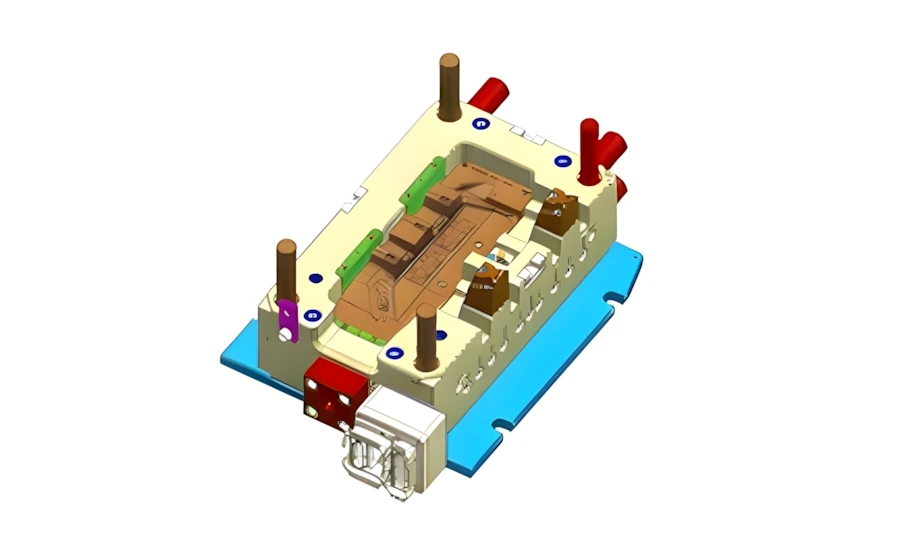
Толщина стенок
Рекомендуемый диапазон: 1,5–4,0 мм для конструкционного поликарбоната; 0,8–2,0 мм для оптического тонкостенного поликарбоната с высоковаявными сортами.
Высокая вязкость расплава поликарбоната (ПК) делает литье тонкостенных изделий (< 1,5 мм) значительно более сложной задачей, чем в случае с АБС-пластиком — требуются более высокое давление впрыска, более быстрое заполнение формы и более крупные литниковые каналы. Очень важно обеспечить равномерную толщину стенок: относительно низкая усадка ПК (0,5–0,7%) сохраняется только при равномерной толщине стенок; колебания толщины с соотношением более 2:1 приводят к неравномерному охлаждению и короблению, которые выходят за пределы допусков на размеры прецизионных деталей.
Радиусы поворотов
Минимальный радиус внутреннего угла: 1,0 мм. Рекомендуемое значение: 1,5–2,0 мм или 50–75% от толщины стенки.
Это требование более строгое, чем для ABS (минимум 0,5 мм). Высокая жесткость поликарбоната (PC) приводит к тому, что концентрация напряжений в острых углах в условиях ESC вызывает появление трещин при меньшем приложенном напряжении, чем в случае более гибких полимеров. Все внутренние углы в соответствии со стандартом DFM компании Dimud для поликарбоната (PC) проходят проверку на соответствие требованиям до начала изготовления пресс-форм.
Ребра и выступы
- Толщина ребра: 50–60% от номинальной толщины стенки (то же правило, что и для ABS, но для PC оно имеет более решающее значение — на прозрачных деталях видны вмятины на противоположных поверхностях толстых ребер)
- Высота ребра: не более 3× номинальной толщины стенки; на более высоких ребрах предусмотрены усилительные накладки
- Наружный диаметр выступов: не более 2× номинальной толщины стенки; все выступы глубиной более 8 мм имеют выемку
- Все места соединения ребра со стенкой и выступ со стенкой: с закруглением (радиус не менее 1,0 мм)
Углы наклона
Высокая жесткость ПК и умеренная усадка делают этот материал склонным к прилипанию, особенно в глубоких полостях:
- Стандартные поверхности: не менее 1°–2° с каждой стороны
- Полированные оптические поверхности (SPI A1/A2): 1,5°–3° с каждой стороны — как ни парадоксально, для полированного поликарбоната требуется более значительный уклон, поскольку вакуумный эффект между высокополированной полостью и охлаждаемой деталью из поликарбоната препятствует её извлечению из формы
- Текстурированные поверхности: добавляйте 1° на каждые 0,025 мм глубины текстуры (то же правило, что и для ABS)
Допуски
Низкая усадка и аморфная структура пластика PC обеспечивают превосходную стабильность размеров:
- Достижимый стандарт: ±0,10–0,15 мм для контролируемых размеров
- Критические размеры оптического качества: ±0,05–0,08 мм, достижимые при использовании пресс-форм, предварительно проверенных с помощью Moldflow, и статистического контроля процессов (SPC)
- Поверхности позиционирования линз: ±0,05 мм; требуется проверка на координатно-измерительной машине (КИМ) при каждой поставке первого образца
Отжиг после формования
Для прецизионных деталей для ПК с жесткими допусками на размеры или оптическими характеристиками отжиг после формования является стандартной процедурой в компании Dimud:
- Температура: 120–125 °C (ниже температуры размягчения по Викату, но выше температуры стеклования для релаксации напряжений)
- Продолжительность: 2–4 часа для стандартных деталей; до 8 часов для оптических компонентов с толстыми стенками
- Метод: печь с циркуляцией воздуха; детали закреплены в приспособлениях для предотвращения деформации в виде провисания
- Преимущество: снижает остаточные напряжения, возникающие при формовании, на 40–70%, повышая устойчивость к ESC и стабильность размеров
Возможности компании «Димуд» в области литья пластмасс под давлением
| Этап обслуживания | Возможности Dimud | Преимущества для клиентов |
|---|---|---|
| DFM и проверка качества | Рекомендации по классу; аудит химической совместимости ESC; анализ радиуса углов и толщины стенок; проверка соответствия оптическим характеристикам | Устраните наиболее распространённые причины выхода ПК из строя до начала изготовления инструментов |
| Быстрое прототипирование | Модели оптического моделирования SLA/SLS + алюминиевые мягкие инструменты из материала GP-PC | Оптические и функциональные образцы — в течение 10–15 рабочих дней |
| Разработка пресс-форм | Сталь S136/718H/H13; клапанный затвор с горячим каналом; оптическое моделирование Moldflow; 1–64+ полостей | Готовые к серийному производству оптические формы; предсказуемые показатели мутности и коэффициента пропускания |
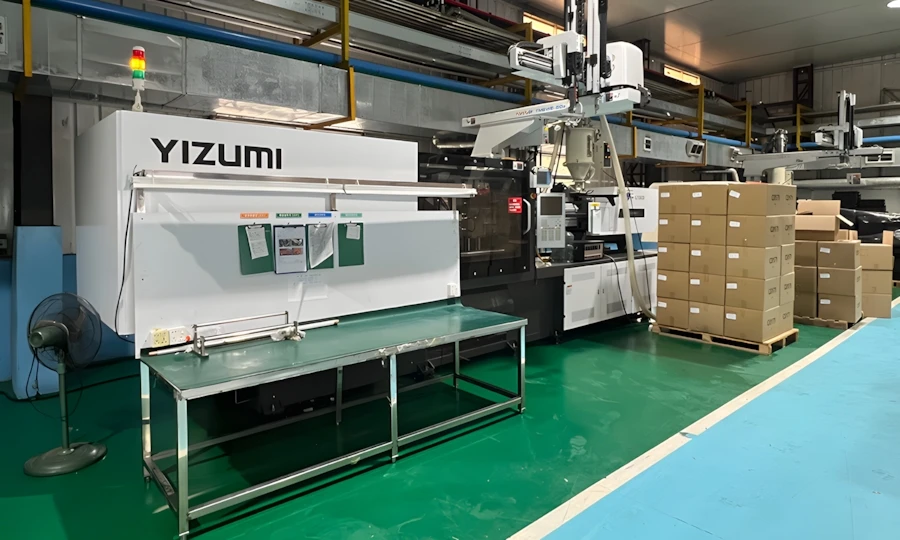
| Производственное литье | Машины мощностью 50–1 600 т; терморегулирование формы с помощью горячей воды в диапазоне 80–120 °C; камеры медицинского и оптического назначения | Высокоточное производство ПК — от пилотных партий до серийного выпуска |
| Операции после формования | Отжиг, согласование нанесения твёрдого покрытия и антибликового покрытия, тампопечать, сборка | Готовые оптические и функциональные узлы |
| Документация по качеству | PPAP, CoC, протоколы определения влажности по методу Карла Фишера, отчеты о мутности/пропускании света, CMM, сертификаты UL 94 | Готовность к аудиту для производителей автомобильной, медицинской и электронной продукции |
| Цепочка поставок | Поставка смол от Covestro/SABIC/Mitsubishi; проверка поступающих партий; логистика на условиях DDP | Прослеживаемость смолы от производителя до готовой детали |
Три интегрированных предприятия компании Dimud — по разработке пресс-форм, обработке на станках с ЧПУ и сборке электроники — функционируют как единая производственная система, обслуживающая клиентов в Европа, Северная Америка и Ближний Восток, где аттестация оптических компонентов, документация по соответствию медицинским требованиям и автомобильный PPAP являются базовыми требованиями программы.
Часто задаваемые вопросы
Пластик PC содержит в своей основной цепи карбонатные группы, которые при наличии влаги при температурах плавления (260–320 °C) подвергаются гидролитическому расщеплению цепи. При содержании влаги 0,03–0,05% (что лишь немного превышает предельное значение 0,02%) молекулярная масса заметно снижается, что приводит к получению деталей с пониженной ударной вязкостью, появлению серебристых полос на поверхности и ухудшению оптической прозрачности. При влажности 0,11 TP3T (что может показаться незначительным) эффект настолько серьезен, что детали оптического назначения полностью становятся непригодными для использования, а ударная вязкость снижается на 20–401 TP3T. Компания Dimud проверяет содержание влаги в поликарбонате методом титрования по Карлу Фишеру для всех программ по производству оптических и медицинских изделий — а не только с помощью таймера. Предварительная сушка при 110–120 °C в течение 4–6 часов в осушительной сушильной камере с точкой росы ≤ −30 °C является обязательной и не подлежит обсуждению при каждом производственном цикле.
Пластик PC совместим с этиленоксид (ЭО) и гамма-излучение стерилизация — два наиболее распространенных метода стерилизации медицинских изделий одноразового использования. Устойчивость поликарбоната к гамма-излучению зависит от дозы: стандартный поликарбонат выдерживает до примерно 25–50 кГр без недопустимого пожелтения; специально стабилизированные сорта поликарбоната, устойчивые к гамма-излучению, расширяют этот диапазон. Поликарбонат — это не подходит для автоклавирования в паре (121 °C) — температура термического изгиба в диапазоне 130–135 °C не обеспечивает достаточного запаса прочности при давлении пара и термоциклировании, а условия автоклавирования ускоряют гидролитическое разложение. Для компонентов, поддающихся стерилизации паром, стандартными альтернативами являются полисульфон (PSU) или PEEK.
Оба материала обладают превосходной оптической прозрачностью, но занимают разные ниши по эксплуатационным характеристикам. PMMA отличается превосходной устойчивостью к царапинам (благодаря врождённой твёрдости поверхности), лучшей химической стойкостью к агентам ESC, более низкой стоимостью и несколько лучшей устойчивостью к УФ-излучению в стандартных марках. PC обеспечивает примерно в 10 раз более высокую ударопрочность, совместимость с гамма-стерилизацией, лучшую термическую стабильность (HDT 130 °C по сравнению с 90–100 °C у PMMA) и возможность формования более тонких стенок без риска разрушения. Для линз автомобильного освещения, оптических носителей и диагностической медицинской оптики, где ударная нагрузка является одним из факторов проектирования, стандартным выбором является поликарбонат (PC). Для дисплейных панелей, вывесок и косметических оптических крышек, где основными требованиями являются устойчивость к царапинам и устойчивость к ЭСК, рекомендуется использовать ПММА или поликарбонат с твёрдым покрытием.
Остаточное напряжение является неотъемлемым следствием литья под давлением — в результате быстрого охлаждения полимер застывает в неравновесном состоянии. В поликарбонате остаточные напряжения способствуют возникновению двулучепреломления (в оптических деталях) и склонности к ESC (во всех деталях). Компания Dimud управляет остаточными напряжениями с помощью трёх механизмов: (1) Оптимизация процесса: низкая скорость заполнения, высокая температура формы (100 °C и выше) и адекватное давление удержания минимизируют напряжения во время формования; (2) Отжиг после формования при температуре 120–125 °C в течение 2–8 часов снимает остаточное напряжение, обеспечивая подвижность молекулярных цепей без деформации детали; (3) DFM: равномерная толщина стенок, большие радиусы и расположение литников, позволяющее избежать концентрации напряжений на функциональных поверхностях.
Для стандартных программ GP-PC из закаленной стали H13: 500 000–800 000 выстрелов в рамках планового технического обслуживания. Инструменты из нержавеющей стали S136 для программ оптического качества: 400 000–600 000 выстрелов при тщательном техническом обслуживании и периодической повторной полировке полости с интервалом в 100 000–150 000 циклов. Программы GF-PC предусматривают использование закаленной стали H13 с твердостью 48–52 HRC и азотированных вставок литниковых каналов, что позволяет обеспечить ресурс более 500 000 циклов при ускоренном абразивном износе. Все контракты на поставку инструментов Dimud PC включают гарантии минимального срока службы по количеству выстрелов с документально зафиксированными графиками технического обслуживания.
Заключение
Пластик PC обладает такими эксплуатационными характеристиками, которые не может повторить ни один другой доступный инженерный термопласт — сочетание исключительной ударопрочности, оптической прозрачности, термостойкости до 135 °C и естественной огнестойкости определяет диапазон применения материала, что оправдывает его более высокую стоимость по сравнению с ABS и PS для всех областей применения в пределах этого диапазона.
Области применения, в которых поликарбонат оправдывает свои технические характеристики, остаются неизменными: оптические системы для автомобильной промышленности, корпуса медицинского оборудования, требующие совместимости со стерилизацией, корпуса электронных устройств, к которым предъявляются требования как по ударопрочности, так и по огнестойкости, а также робототехнические платформы и системы накопления энергии, где требования к диэлектрическим свойствам при высоком напряжении сочетаются с конструктивными нагрузками. В каждом из этих случаев эксплуатационные характеристики поликарбоната не просто являются предпочтительными — они просто необходимы.
Отличие между успешной программой по производству поликарбоната и дорогостоящим циклом доработки заключается не в материале. Решающую роль играют интеграция принципов DFM с учетом конкретного сорта материала, строгий контроль влажности, управление температурой пресс-формы, оценка рисков ESC, а также система качества, адаптированная к нормативным требованиям целевого рынка.
Dimud предоставляет эту интегрированную систему — от Анализ DFM а также рекомендации по маркировке в ходе производственной аттестации и серийных поставок — для клиентов, чьи программы производственного планирования не допускают задержек, связанных с освоением технологий поставщиком.