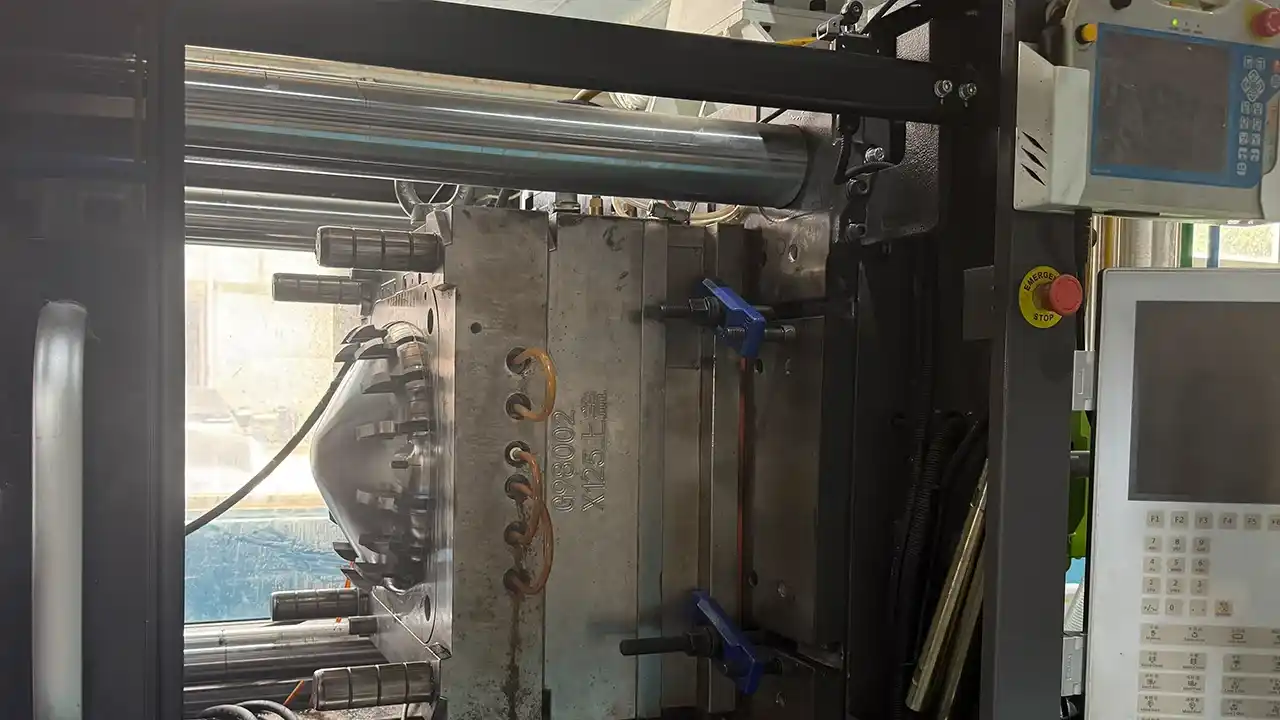

Полиэфирэфиркетон обладает эксплуатационными характеристиками, недостижимыми для любого другого полимера, пригодного для литья под давлением: предельной рабочей температурой, приближающейся к 260 °C, соотношением прочности к весу, сопоставимым с алюминием, устойчивостью практически ко всем промышленным химическим веществам, за исключением концентрированных серной и азотной кислот, врождённой биосовместимостью, подтверждённой для длительного использования в имплантатах, а также способность заменить металл в прецизионных деталях, которые должны выдерживать 100 миллионов циклов усталостной нагрузки без заметных изменений размеров.
Сложность заключается не в том, чтобы найти причину для использования пластика PEEK, а в том, чтобы правильно реализовать эту спецификацию. Литье под давлением PEEK осуществляется при температуре цилиндра 370–420 °C — это выше, чем предусмотрено в настройках большинства прецизионных машин. Температура формы в диапазоне 160–200 °C требует использования специализированных систем нагрева с использованием горячего масла или электрического нагрева. Управление кристалличностью определяет, достигнет ли деталь из PEEK своих номинальных механических свойств или её характеристики будут ниже на 30–40%. А стоимость материала — как правило, в 30–80 раз превышающая стоимость АБС — означает, что каждый сбой в процессе обработки обходится дорого.
Данное руководство охватывает как материаловедение, так и технологии производства, необходимые для реализации проектов по изготовлению изделий из пластика PEEK, соответствующих техническим требованиям. Оно основано на опыте компании Dimud в области обработки PEEK при производстве компонентов медицинского оборудования, оборудования для работы с полупроводниками, прецизионных седелок подшипников для автомобильной промышленности и деталей шарниров для робототехники — тем самым обеспечивая техническую базу для инженеров, которым необходимо глубоко изучить материал перед принятием решения о создании инструментария.
Что такое пластик PEEK?
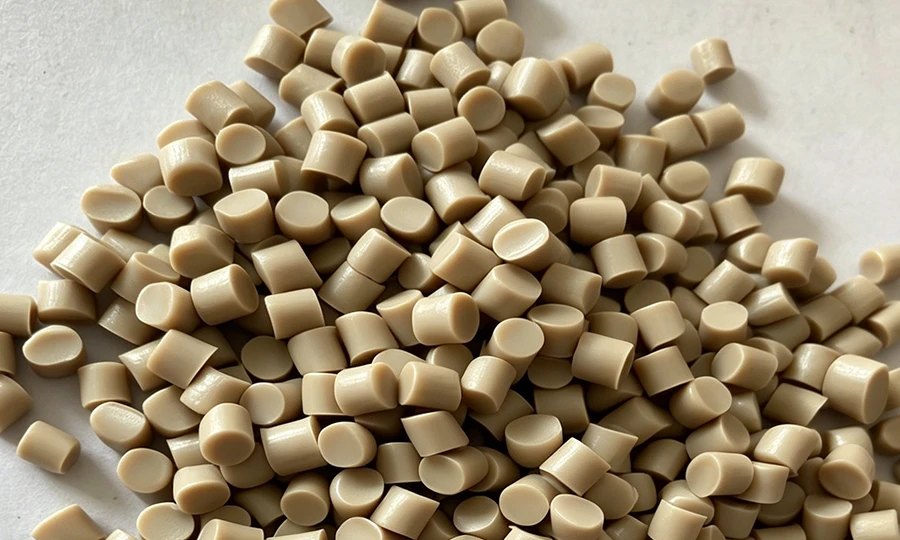
Пластик PEEK (полиэфирэфиркетон) — это полукристаллический высокоэффективный термопласт, относящийся к семейству полиарилэфиркетонов (PAEK), для которого характерна повторяющаяся единица, состоящая из двух эфирных (E) связей и одной кетоновой (K) группы, соединяющих ароматические фениленовые кольца. Такое соотношение эфира к кетону 2:1 не является случайным — именно оно создает особый баланс между гибкостью цепи и межцепочечным притяжением, который придает PEEK уникальное сочетание технологичности в расплаве, термостойкости и механических характеристик.
Впервые этот полимер был выведен на рынок компанией ICI (ныне Victrex) в 1978 году под торговой маркой Victrex® PEEK, и до сих пор он остается эталонным стандартом, по которому оцениваются все конкурирующие высокоэффективные термопласты. Его свойства обусловлены молекулярной структурой:
Ароматическая основа (фениленовые кольца в основной цепи) обеспечивают термическую стабильность и жесткость, которые определяют предельные эксплуатационные характеристики PEEK. В отличие от полимеров с алифатическим остовом (PE, PP, PA), которые постепенно размягчаются при температуре выше температуры стеклования, ароматические кольца PEEK ограничивают подвижность цепей вплоть до 143 °C (Tg) — а полукристаллические домены, образующиеся при контролируемом охлаждении, сохраняют структурную целостность в диапазоне 30–40 °C от температуры плавления кристаллической фазы, равной 343 °C.
Эфирные связи обеспечивает гибкость производственной цепочки, позволяющую подвергать PEEK термической обработке на оборудовании для литья под давлением (при температуре цилиндра 370–420 °C) — это преимущество в технологичности по сравнению с другими ароматическими полимерами, такими как PPS или PPSU, для которых требуются более жесткие условия переработки.
Кетоновые карбонильные группы обеспечивают межцепочечные дипольные взаимодействия, которые определяют износостойкость материала PEEK, его барьерные свойства в отношении химических веществ, а также усталостную прочность при циклических нагрузках.
Чем отличается пластик PEEK от других термопластов, пригодных для литья под давлением:
- Температура непрерывной эксплуатации: 240–260 °C (по сравнению со 130 °C у ПК, 180 °C у PA66 и 220 °C у PPS)
- Прочность на разрыв при 200 °C: > 100 МПа для марок углеродного волокна 30% — показатели, для достижения которых металлам требуются специальные сплавы
- Химическая стойкость: выдерживает воздействие более 95% всех промышленных растворителей, кислот и щелочей; исключения составляют концентрированные H₂SO₄ и HNO₃
- Гидролитическая стойкость: сохраняет механические свойства после непрерывного нахождения в среде пара при температуре 260 °C в течение тысяч часов
- Врождённая биосовместимость: нецитотоксичность, негемолитичность, соответствие требованиям ASTM F2026 для использования в качестве хирургических имплантатов
- Рентгенопрозрачность: прозрачность для рентгеновских лучей и МРТ — критически важное свойство для медицинских применений, связанных с имплантатами
- Радиационная стойкость: сохраняет свои свойства после гамма-стерилизации с дозами до 2 000 кГр
Сколько стоит пластик PEEK:
- Сырье: $80–$400/кг в зависимости от марки по сравнению с $3–8/кг для АБС или ПП
- Оборудование для переработки: для обеспечения температуры в цилиндре в диапазоне 370–420 °C требуются модернизированные или специализированные термопластавтоматы
- Оборудование для литья под давлением: повышенные температуры формы (160–200 °C) требуют применения систем нагрева с использованием горячего масла или электрических систем нагрева, которые не используются при производстве полимеров общего назначения
- Управление кристалличностью: требования к технологической дисциплине превышают аналогичные требования для любого другого коммерческого термопластика, изготавливаемого методом литья под давлением
В Димуд, Программы по производству пластмасс PEEK предназначены для тех случаев, когда соотношение «эксплуатационные характеристики — стоимость» действительно выгодно — то есть когда альтернативой является металлическая деталь, которая увеличивает массу, подвержена коррозии или требует дополнительной механической обработки, либо когда никакой другой полимер не выдерживает условий эксплуатации.
Характеристики материала: незаполненный, армированный и PEEK имплантационного качества
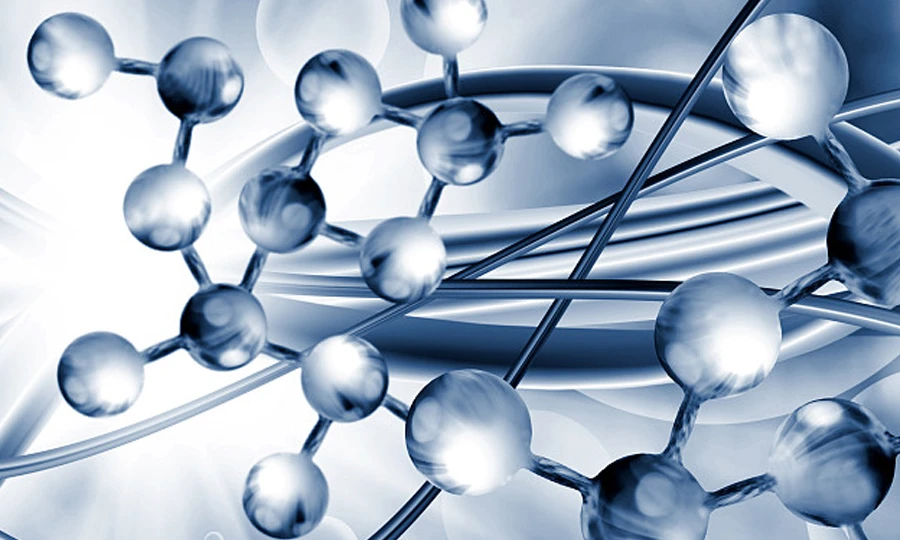
PEEK без наполнителя (натуральный / стандартный сорт)
Базовый гомополимер: полукристаллический, естественного светло-янтарного цвета, обладающий всеми характеристиками химической стойкости и биосовместимости PEEK без влияния наполнителей на механические свойства. К ключевым коммерческим маркам относятся: Victrex® PEEK 450G (Victrex), KetaSpire® KT-820 (Solvay), и Vestakeep® 4000G (Evonik).
Ненаполненный PEEK применяется в следующих случаях:
- Химическая стойкость является основным фактором (наполнители могут создавать пути для проникновения химических веществ)
- Требуется сертификат биосовместимости (незаполненный PEEK имплантационного качества в соответствии со стандартом ASTM F2026)
- Необходимо обеспечить сохранность электроизоляционных характеристик (некоторые марки углеродного волокна обладают электропроводностью)
- Требуется оптический осмотр сквозь деталь
PEEK, армированный стекловолокном (GF-PEEK)
Короткое стекловолокно 10–30% повышает модуль упругости при изгибе в 2–3 раза, а температуру деформации при нагревании (HDT) — на 20–30 °C по сравнению с ненаполненным сортом, однако за счет снижения химической стойкости на границах раздела «волокно-матрица» и увеличения износа абразивных инструментов при литье под давлением:
- 10% GF-PEEK: Незначительное улучшение характеристик; хороший баланс для применения в пищевой промышленности и полупроводниковой отрасли
- 30% GF-PEEK: максимальные конструктивные характеристики без затрат, связанных с использованием углеродного волокна; стандартный материал для седелок подшипников в автомобилестроении и промышленных изнашиваемых деталей
PEEK, армированный углеродным волокном (CF-PEEK)
Короткое углеродное волокно 10–30% обеспечивает максимальную жесткость и прочность среди всех термопластов, пригодных для литья под давлением:
| Класс | Прочность на разрыв | Модуль упругости при изгибе | HDT | Особые примечания |
|---|---|---|---|---|
| 10% CF-PEEK | 175–200 МПа | 14 000–17 000 МПа | 310 °C и выше | Электропроводящий |
| 30% CF-PEEK | 210–240 МПа | 18 000–22 000 МПа | 315 °C и выше | Уровень замены металла |
CF-PEEK — это материал, предназначенный для изготовления конструкционных кронштейнов в аэрокосмической отрасли, компонентов шарниров робототехнических систем, а также для любых областей применения, где целью проектирования является обеспечение максимального соотношения жесткости к весу. Электропроводность материала CF-PEEK исключает его использование в качестве электроизолятора, но позволяет применять его в качестве материала, рассеивающего электростатический разряд (ESD), при работе с полупроводниками.
PEEK, предназначенный для износостойких применений (гибрид PTFE/графита/углеродного волокна)
Содержит PTFE (10–15%), графит (10%) и углеродное волокно (10%) и предназначен для применения в изнашиваемых деталях, требующих самосмазки, — на опорных поверхностях, уплотнительных кольцах, деталях поршней и в любых системах с скользящим контактом, где требуется сухая смазка:
- Предел PV (давление × скорость): в 2–5 раз выше, чем у PEEK без наполнителя
- Коэффициент динамического трения: 0,10–0,20 (по сравнению с 0,35–0,45 для PEEK без наполнителя)
- Скорость износа: в 10–50 раз ниже, чем у PEEK без наполнителя при эквивалентных условиях PV
PEEK, устойчивый к износу, является основным материалом, используемым компанией Dimud для изготовления деталей насосов, седел клапанов компрессоров и втулок медицинских инструментов.
PEEK медицинского назначения
Категория с самыми строгими требованиями. PEEK имплантационного класса соответствует следующим требованиям:
- ASTM F2026: Стандартные технические условия на полимеры PEEK для использования в хирургических имплантатах — критерии чистоты, минимальные значения молекулярной массы, пороговые значения механических свойств
- ISO 10993: Биологическая оценка медицинских изделий — полный цикл испытаний на биосовместимость
- Класс VI по стандарту USP: Систематический тест на инъекцию, внутрикожная реакция, тест на имплантацию
- Только первичная смола; без красителей, наполнителей или технологических добавок, не указанных в технических условиях
К коммерческим маркам имплантатов относятся Victrex® PEEK-OPTIMA® и Invibio® — решения в области биоматериалов продукция — изолированные производственные зоны, отслеживаемость партий от синтеза мономеров до готовых гранул, а также сертификат соответствия стандарту ASTM F2026 в качестве стандартных документов цепочки поставок.
Другие специальные марки PEEK
| Класс | Изменение | Основное преимущество | Заявка |
|---|---|---|---|
| ESD/проводящий PEEK | Сажа или CF | Рассеивание статического электричества | Лотки для полупроводниковых пластин, разъёмы для тестирования интегральных схем |
| PEEK с высокой пропускной способностью | Меньшая мощность | Возможность формования тонкостенных изделий | Миниатюрные разъемы, прецизионные приборы |
| Композит PEEK/PTFE | Смесь ПТФЭ | Повышенная химическая стойкость + смазывающая способность | Детали химических насосов |
| PEEK с керамическим наполнителем | ZrO₂ или TiO₂ | Рентгеноконтрастность (контрастность, соответствующая плотности кости) | Абатменты для зубных имплантатов |
| PEEK, предназначенный для контакта с пищевыми продуктами | Сертифицировано FDA/ЕС 10/2011 | Безопасность пищевых продуктов | Компоненты оборудования для пищевой промышленности |
Основные физические и механические свойства
| Недвижимость | Ненаполненный PEEK | 30% GF-PEEK | 30% CF-PEEK | PEEK, устойчивый к износу | Стандарт испытаний |
|---|---|---|---|---|---|
| Плотность | 1,30–1,32 г/см³ | 1,49–1,54 г/см³ | 1,40–1,44 г/см³ | 1,32–1,40 г/см³ | ISO 1183 |
| Прочность на разрыв (23 °C) | 100–110 МПа | 160–190 МПа | 210–240 МПа | 90–120 МПа | ISO 527 |
| Прочность на разрыв (200 °C) | 50–60 МПа | 90–110 МПа | 120–150 МПа | 45–60 МПа | ISO 527 |
| Модуль упругости при изгибе | 3 600–4 100 МПа | 10 000–13 000 МПа | 18 000–22 000 МПа | 3 200–4 000 МПа | ISO 178 |
| Ударная прочность по методу Изода с надрезом | 50–85 Дж/м | 60–90 Дж/м | 50–80 Дж/м | 40–70 Дж/м | ISO 180 |
| Температура термического изгиба (1,82 МПа) | 152–160 °C | 280–300 °C | 305–315 °C | 150–158 °C | ISO 75 |
| Температура непрерывной эксплуатации | 240–260 °C | 240–260 °C | 240–260 °C | 240–260 °C | UL 746B |
| Температура стеклования (Tg) | 143 °C | 145 °C | 145 °C | 140–143 °C | DSC |
| Температура плавления (Tm) | 343 °C | 343 °C | 343 °C | 340–343 °C | DSC |
| Усадка при формовании (течение) | 1,2–1,8 % | 0,5–1,0 % | 0,4–0,8 % | 1,0–1,5 % | ISO 294-4 |
| Водопоглощение (23 °C, насыщение) | 0.50 % | 0.30 % | 0.20 % | 0.30 % | ISO 62 |
| Химическая стойкость | Исключительный | Превосходно | Превосходно | Исключительный | — |
| Воспламеняемость | UL 94 V-0 | UL 94 V-0 | UL 94 V-0 | UL 94 V-0 | UL 94 |
| Предельный кислородный индекс | 35 % | 40 % | 43 % | 35 % | ISO 4589 |
| Диэлектрическая прочность | 19–24 кВ/мм | 16–20 кВ/мм | Проводящий | 18–22 кВ/мм | IEC 60243 |
| Биосовместимость | ASTM F2026 / ISO 10993 | Ограниченное издание (дополнительный выпуск) | Limited (CF) | Ограниченный | — |
| Радиационная стойкость (гамма-излучение) | Отлично (до 2 000 кГр) | Хорошо | Хорошо | Хорошо | — |
Техническое примечание компании Dimud — Пороговое значение замены металла для материала 30% CF-PEEK
Модуль упругости материала 30% CF-PEEK, составляющий 18 000–22 000 МПа, и предел прочности при растяжении — 210–240 МПа — позволяют отнести его к диапазону характеристик алюминиевого сплава 6061-T6 (модуль упругости при изгибе ~69 000 МПа; предел прочности при растяжении 276 МПа) при плотности, составляющей примерно 55% от плотности алюминия. Для деталей, у которых жесткость пропорциональна кубу толщины (как, например, у несущих элементов, подвергающихся изгибающей нагрузке), использование материала CF-PEEK при соответствующей оптимизации геометрии часто позволяет добиться жесткости, эквивалентной или превосходящей жесткость алюминия, при снижении массы на 30–50%. В компании Dimud осуществимость замены металла на CF-PEEK оценивается на этапе DFM с использованием FEA (анализа методом конечных элементов) в качестве стандартного результата для программ по созданию конструкций из PEEK.
Литье под давлением из PEEK: технологические параметры и ключевые факторы контроля
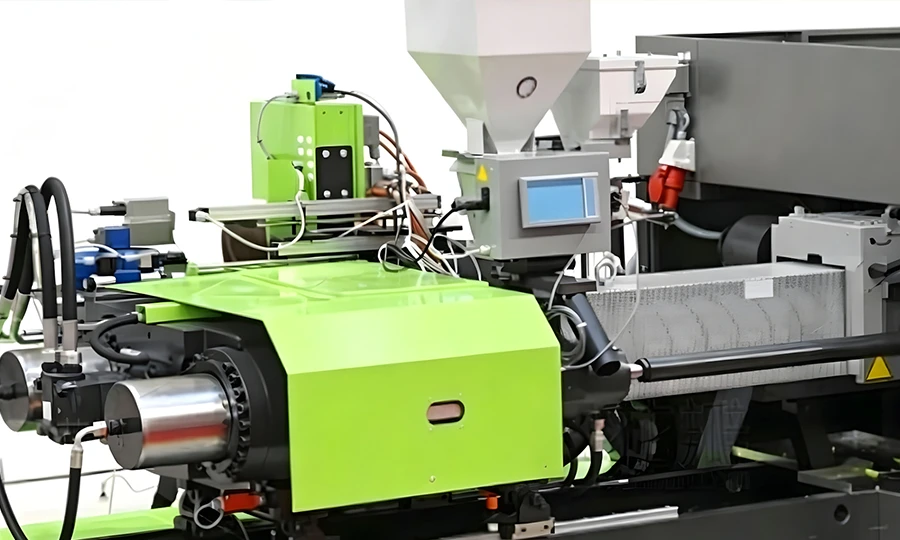
Литье PEEK под давлением является одним из самых технически сложных стандартных процессов литья под давлением, применяемых в промышленности. Требуемые температуры цилиндра (370–420 °C) превышают температуру переработки практически всех других коммерческих термопластов и приближаются к тепловым пределам стандартного оборудования для литья под давлением. Температура формы в диапазоне 160–200 °C требует систем нагрева, выходящих за рамки стандартной инфраструктуры водяного охлаждения. А полукристаллический характер затвердевания PEEK означает, что кристалличность — и, следовательно, механические свойства — напрямую зависят от теплового режима, которому подвергается деталь во время литья и сразу после него.
Требования к оборудованию для литья под давлением из PEEK
Прежде чем приступить к настройке параметров технологического процесса, необходимо провести квалификацию оборудования:
- Корпус и шнек: Биметаллический цилиндр с коррозионно- и износостойкой вставкой (материал PEEK агрессивен при температуре 400 °C); шнек с регулируемым степенью сжатия (рекомендуется 2,0–2,5:1); диаметр шнека рассчитан на использование цилиндра ≥ 25% для минимизации времени пребывания
- Максимальная допустимая температура ствола: Не менее 420–450 °C; стандартные установки, рассчитанные на 380 °C, для PEEK недостаточны
- Сопло: Закаленная и изолированная; конструкция с открытым наконечником (обратное сужение приводит к накоплению холодного сгустка, что вызывает появление чёрных вкраплений на деталях из PEEK)
- Усилие зажима: 0,4–0,6 Т/см² проецируемой площади (аналогично стандартным инженерным полимерам)
- Регулятор температуры пресс-формы: Регуляторы с горячим маслом или электрическими нагревательными элементами, обеспечивающие температуру 160–200 °C; стандартные водяные охладители не способны обеспечить требуемый диапазон температур формы
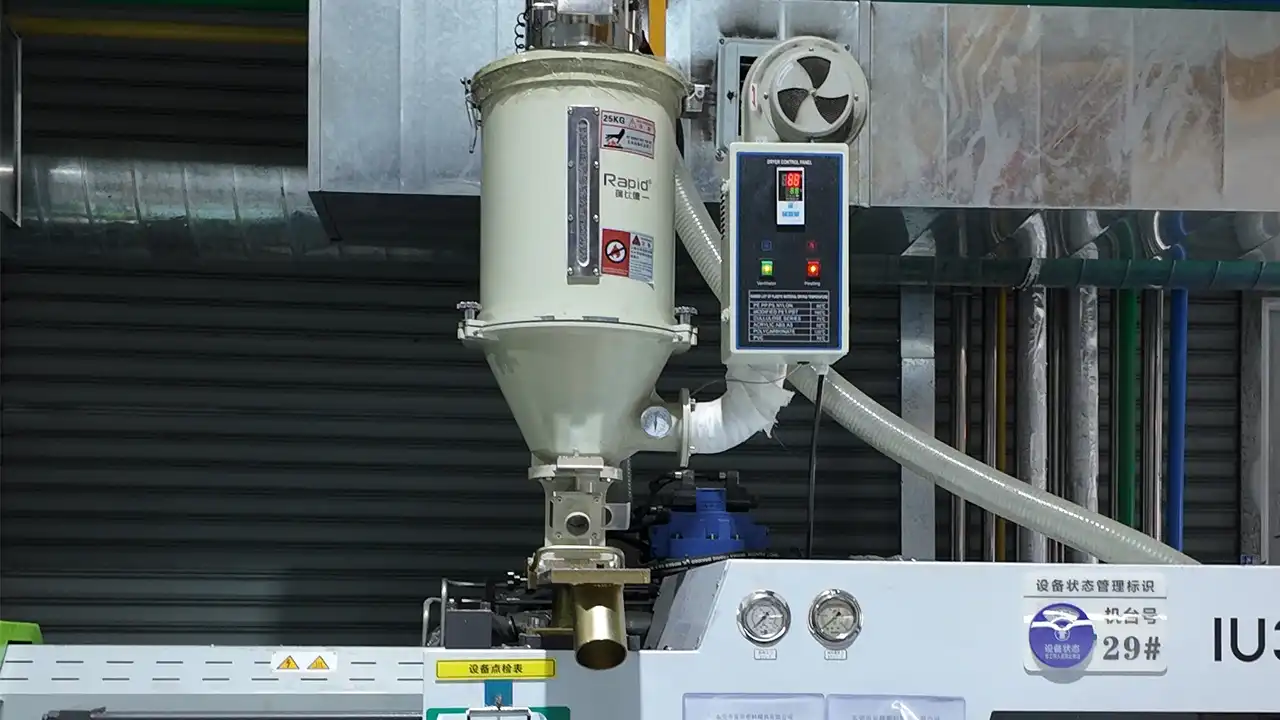
Порядок сушки
Водопоглощение PEEK (насыщение 0,50%) является умеренным, однако при температуре цилиндра 370–420 °C любая остаточная влага вызывает гидролитическое расщепление цепей, что приводит к необратимому снижению молекулярной массы и механических характеристик:
| Параметр | Ненаполненный PEEK | GF/CF-PEEK | PEEK медицинского назначения |
|---|---|---|---|
| Тип сушилки | Бункер для осушения (точка росы ≤ −40 °C) | То же самое | То же самое; отдельная сушилка |
| Температура | 150–160 °C | 150–160 °C | 150 °C |
| Продолжительность | Не менее 4–6 часов | 4–6 часов | 5–8 часов |
| Целевой уровень влажности | < 0,02 % | < 0,02 % | < 0,02 % |
| Проверка | Титрование по методу Карла Фишера | Карл Фишер | Карл Фишер (обязательно) |
| Максимальный объем повторного измельчения | 10, максимум % | 5, максимум % | 0 % (только девственницы, обязательно) |
Температура цилиндра и расплава
| Зона | Ненаполненный PEEK | 30% GF-PEEK | 30% CF-PEEK | Примечания |
|---|---|---|---|---|
| Задняя часть (подача) | 340–360 °C | 350–370 °C | 355–375 °C | Контролируемый ввод; избегайте холодных пробок |
| Средний (компрессия) | 360–390 °C | 375–400 °C | 375–405 °C | Зона первичного плавления |
| Передняя часть (дозирующий узел) | 375–400 °C | 385–415 °C | 390–415 °C | Конечная температура плавления |
| Сопло | 370–395 °C | 380–405 °C | 380–405 °C | С открытым наконечником; с изоляцией; предотвращает образование холодного сгустка |
Предельное значение деградации: PEEK начинает разлагаться при температуре выше 420–430 °C, что приводит к изменению цвета и снижению молекулярной массы. В компании Dimud температура цилиндра проверяется с помощью откалиброванной термопары во время квалификации оборудования, при этом допустимое отклонение составляет ±5 °C в соответствии со стандартами производства. Время пребывания рассчитывается и документируется для каждой конфигурации оборудования для производства PEEK — при остановке производства обязательно выполняются протоколы промывки с коротким временем пребывания.
Температура формы — фактор, определяющий степень кристалличности
Температура формы при литье PEEK: 160–200 °C
Это самый значимый технологический параметр, влияющий на механические свойства PEEK. Подробная информация по управлению степенью кристалличности приведена в разделе 6. Краткое изложение результатов:
- Температура пресс-формы < 160 °C: аморфный или низкокристаллический PEEK; температура термической деформации (HDT) снижается с 152 °C до < 50 °C; прочность, модуль упругости и химическая стойкость снижаются на 20–40% по сравнению с деталями с оптимальной кристаллизацией
- Температура пресс-формы 160–180 °C: целевой диапазон для достижения кристалличности, характерной для конструкционных марок (30–35%), в большинстве программ по производству PEEK без наполнителей и с армированием
- Температура пресс-формы 180–200 °C: максимальное развитие кристалличности; для сложных условий эксплуатации при непрерывной работе при температуре > 200 °C
Для обеспечения равномерной температуры формы в диапазоне 160–200 °C необходимо специализированные регуляторы температуры горячего масла (не водяные агрегаты). В программах Dimud, связанных с PEEK, в стандартной комплектации используются масляные терморегуляторы со стабильностью ±3 °C.
Скорость и давление впрыска
- Давление впрыска: 100–160 МПа для незаполненного PEEK; 130–180 МПа для материала 30% CF-PEEK (самое высокое давление наполнения среди стандартных коммерческих термопластов)
- Давление удержания: 60–80% от давления впрыска; длительное удержание имеет решающее значение для стабильности размеров
- Противодавление: 5–10 МПа — очень низкий; PEEK при температуре 400 °C чувствителен к нагреву под действием сдвига, вызванному противодавлением
- Скорость впрыска: От умеренного до медленного — быстрое впрыскивание PEEK приводит к чрезмерному сдвиговому напряжению в области литника, что вызывает ослабление линии сварки и изменение цвета поверхности; для прецизионных деталей характерно время заполнения в пределах 3–10 секунд
Отжиг после формования
Для областей применения, требующих максимальной кристалличности, стабильности размеров или тепловых характеристик, отжиг после формования является стандартной практикой:
- Температура: 200–220 °C в печи с циркуляцией воздуха (выше Tg, но значительно ниже Tm)
- Продолжительность: 2–4 часа для стандартных деталей; 4–8 часов для деталей с толстыми стенками или прецизионных подшипниковых элементов
- Крепление: Детали отжигаются в прецизионных зажимных приспособлениях для предотвращения деформации в процессе завершения кристаллизации
- Результат: кристалличность увеличивается с 30–35% (в состоянии после формования) до 38–45% (после отжига); температура HDT повышается на 10–20 °C; усадочная деформация завершается, что снижает колебания размеров после сборки
Распространенные дефекты и меры по их устранению
| Дефект | Основная причина | Корректирующие меры |
|---|---|---|
| Черные пятна / загрязнения | Разложившийся материал в «мертвых зонах» бочки | Тщательно промыть; проверить наконечник форсунки; устранить «холодный пробник» |
| Желто-коричневое изменение цвета | Перегрев цилиндра; длительное время пребывания | Уменьшить температуру; провести продувку; подобрать размер цилиндра в соответствии с объемом заряда |
| Низкие механические характеристики | Низкая кристалличность из-за недостаточной температуры пресс-формы | Повысьте температуру формы до 160 °C и выше; проверьте регулятор температуры |
| Деформация (плоские детали) | Неравномерное охлаждение; дифференциальная кристалличность | Охлаждение с соблюдением баланса; равномерные стенки; отжиг в зажимном приспособлении |
| Короткий удар | Высокая вязкость; недостаточное давление/температура | Повысить температуру ствола; увеличить давление впрыска; расширить литник |
| Вмятины от раковины | Толстые участки; недостаточная фиксация | Просверлите толстые участки; увеличьте время выдержки |
| Сварные швы (слабые) | Низкая температура плавления; несколько литниковых каналов | Повысить температуру плавления; уплотнить литниковый канал; повысить температуру формы |
| Расширение, вызванное влажностью | Недостаточная сушка | Продлить сушку; проверить результат анализа по методу Карла Фишера; проверить герметичность бункера |
Рекомендации по проектированию форм для деталей из пластика PEEK
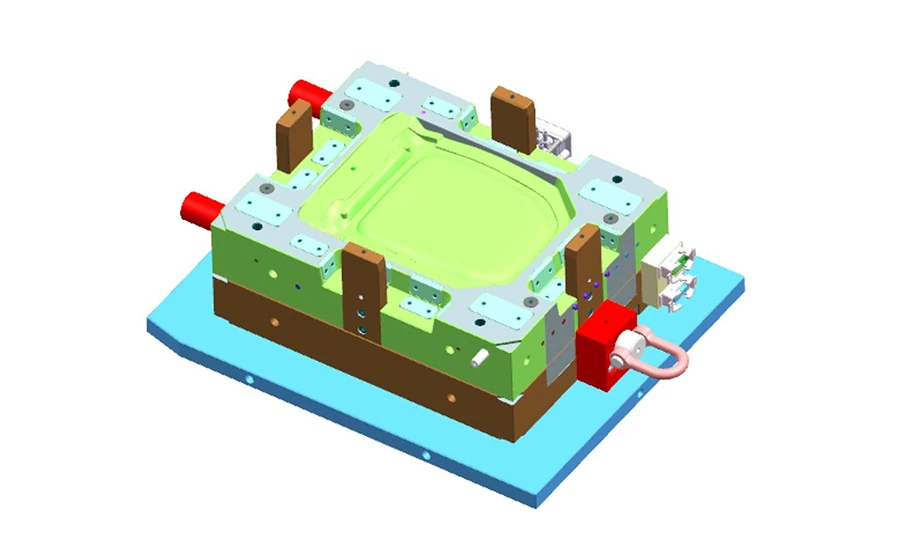
Литье PEEK предъявляет самые высокие требования к конструкции пресс-формы среди всех стандартных коммерческих термопластов — работа при повышенных температурах (160–200 °C), высокое давление впрыска (до 180 МПа), а также наличие абразивно-армированных марок PEEK — всё это в совокупности требует подбора стали, проектирования системы нагрева и разработки литниковых каналов, которые принципиально отличаются от тех, что используются при изготовлении пресс-форм для ABS или PA.
Выбор стали
| Сталь | Заявка | «Жизнь в кадре» | Примечания |
|---|---|---|---|
| H13 закаленная (50–54 HRC) | Стандартный PEEK без наполнителя; GF-PEEK | 300 000–500 000 | Минимально допустимое значение для PEEK; требуется контроль износа литникового канала |
| Инструментальная сталь S7 (закаливаемая на воздухе) | Программы по производству высокопрочного PEEK | 400 000–600 000 | Повышенная термическая стойкость при повышенных температурах пресс-формы |
| D2 (62–64 HRC) | Программы по материалам CF-PEEK и износостойким материалам | 400 000–700 000 | Высокая износостойкость абразивных марок углеродного волокна |
| H13 + PVD-покрытие (TiN/TiAlN) | Программы по производству CF-PEEK в больших объемах | 600 000–1 000 000 | PVD-покрытие, необходимое для вставок затворов из CF-PEEK |
Материал P20 ни при каких условиях не допускается к использованию в программах, связанных с PEEK. Температура обработки PEEK (370–420 °C) приводит к отпуску материала P20 и потере им твердости при рабочей температуре пресс-формы (160–200 °C), что вызывает быстрый износ линии разъема, образование облоя и изменение размеров в течение первых 50 000 циклов литья.
Проектирование систем отопления
Для обеспечения равномерной температуры формы в диапазоне 160–200 °C требуется интегрированная система нагрева:
- Каналы для горячего масла: Основной способ нагрева; регуляторы температуры масла на уровне 170–210 °C; каналы подачи диаметром 10–12 мм, расположенные на расстоянии 25–35 мм от поверхности полости
- Картриджные нагреватели: Дополнительный вариант для компактных инструментов или локального повышения температуры в тех местах, где невозможно проложить масляные каналы
- Изоляционные пластины: Теплоизоляционные пластины между формой и опорной плитой являются обязательными для предотвращения потерь тепла в машине — без изоляции поддержание температуры формы на уровне 180 °C требует чрезмерной мощности нагревательных элементов и приводит к неравномерной температуре поверхности
Проекты инструментов из PEEK, разрабатываемые компанией Dimud, включают термическое моделирование системы нагрева с помощью метода конечных элементов (FEA) на этапе проектирования с целью проверки равномерности распределения температуры в пределах ±5 °C по всей поверхности полости — это требование напрямую определяет равномерность кристалличности и стабильность механических характеристик от детали к детали.
Конструкция ворот
Высокая вязкость PEEK в условиях литья под давлением и его чувствительность к разрушению под действием сдвига в области литниковых каналов требуют тщательного подбора размеров литниковых каналов:
- Прямые (литниковые) литниковые каналы: Предпочтительна для изготовления однополостных деталей из PEEK, где размер литникового канала может быть максимальным; минимальное сдвиговое усилие, максимальная эффективность уплотнения
- Кромки и вентиляционные решетки: Используется для плоских конструкционных элементов из PEEK; толщина впускного канала должна составлять не менее 80% от толщины стенки, чтобы предотвратить отрыв изделия от формы при длительном удержании
- Клапанные затворы для систем с горячеканальным литьем: Рекомендуется для многогнездных программ литья PEEK — исключает использование холодных каналов, обеспечивает точную синхронизацию работы клапанов для управления динамикой наполнения и предотвращает загрязнение холодными пробками. Коллектор горячего канала должен быть рассчитан на работу при температуре 420 °C с использованием уплотнительных материалов, совместимых с PEEK
- Площадь затвора: не более 0,5 мм для PEEK без наполнителя; 0,3 мм для марок GF и CF
Система выброса
Высокая жесткость материала PEEK и повышенные температуры обработки обусловливают особые требования к выталкиванию:
- Значительные углы наклона (1,5°–3° с каждой стороны) — высокий модуль упругости PEEK и термическая усадка при температуре формы 180 °C на сердечнике приводят к возникновению значительных усилий выталкивания
- Для изготовления цилиндрических и трубчатых деталей из PEEK предпочтительно использовать лопастные или втулочные выталкиватели
- Сила выталкивания, рассчитанная методом конечно-элементного анализа (FEA) на этапе проектирования с учетом технологичности (DFM) для сложных геометрических форм из PEEK
- Для деталей из PEEK с жесткими допусками на плоскостность рекомендуется использовать зажимные приспособления после выталкивания
Регулирование кристалличности: фактор, определяющий свойства в программах по производству PEEK
Управление кристалличностью при литье PEEK под давлением — это не просто доработка, а основополагающее требование, от которого зависит, сможет ли деталь из PEEK продемонстрировать заявленные эксплуатационные характеристики или же не оправдает затраты на материал. Инженеры, не имеющие опыта работы с PEEK и рассматривающие его как обычный аморфный полимер — лиящийся при низких температурах формы для ускорения циклов — неизменно получают детали, которые не оправдывают ожиданий.
Какую роль играет кристалличность в деталях из PEEK
| Недвижимость | Аморфный PEEK (кристалличность < 5%) | Полукристаллический PEEK (30–35%) | PEEK с высокой кристалличностью (40–45%) |
|---|---|---|---|
| HDT (1,82 МПа) | < 50 °C | 152–160 °C | 155–165 °C |
| Прочность на разрыв | 80–90 МПа | 100–110 МПа | 105–115 МПа |
| Химическая стойкость | Значительно сокращено | Полное номинальное сопротивление | Полное + незначительное улучшение |
| Стабильность размеров | Плохо (ползучесть выше Tg) | Превосходно | Превосходно |
| Внешний вид | Прозрачный / янтарно-прозрачный | Непрозрачный белый/бежевый | Непрозрачный белый |
Критический режим отказа: Инженер осуществляет литье PEEK при низкой температуре пресс-формы (80 °C) для сокращения времени цикла. Деталь проходит первоначальный контроль размеров. Она выдерживает механические испытания при комнатной температуре. Деталь вводится в эксплуатацию при температуре 120 °C — что находится в пределах номинальной температуры непрерывной эксплуатации PEEK. Деталь подвергается ползучести, деформируется и выходит из строя в течение 100 часов эксплуатации. Основная причина: низкая температура пресс-формы привела к получению аморфного PEEK с температурой тепловой деформации (HDT) ниже 50 °C, а не 152 °C, как у правильно кристаллизованного материала.
Взаимосвязь между температурой формы и степенью кристалличности
| Температура пресс-формы | Степень кристалличности | Практические последствия |
|---|---|---|
| 40–80 °C (водяное охлаждение) | 2–8% (аморфный) | Прозрачный; температура деформации при нагревании (HDT) < 50 °C; не рекомендуется для использования в технических целях |
| 80–120 °C | 10–20% (частично) | Нечеткое изображение; изменчивые характеристики; не рекомендуется для инженерных целей |
| 120–150 °C | 20–28% | Приближается к целевому значению; на пределе возможностей для требовательных задач |
| 160–180 °C (целевое значение) | 30–35% | Полный набор механических характеристик; достигнуто номинальное значение HDT |
| 180–200 °C | 35–45% | Максимальные характеристики; предназначено для программ с самыми высокими требованиями |
Протокол отжига после формования
Стандартная схема отжига после формования компании Dimud для программ по производству прецизионных изделий из PEEK:
- Выталкивание при температуре пресс-формы: Детали, вынутые из печи при температуре 160–180 °C, немедленно помещаются в предварительно нагретые до 200 °C зажимные приспособления
- Печь для отжига: Духовой шкаф с циркуляцией воздуха при температуре 200–220 °C; температура проверялась с помощью откалиброванных датчиков; детали размещались в положении, исключающем напряжение
- Продолжительность: Не менее 2 часов для толщины стенки ≤ 3 мм; 4 часа для толщины 3–8 мм; 6 и более часов для толщины > 8 мм
- Контролируемое охлаждение: Охлаждение печи со скоростью не более 2 °C/мин до 80 °C перед извлечением — предотвращает кристаллическое растрескивание из-за термического шока в толстых участках
- Контроль размеров: Контроль на координатно-измерительной машине (КИМ) после охлаждения отжига для подтверждения завершения усадки перед проведением каких-либо последующих операций механической обработки
Замена металла на пластик PEEK
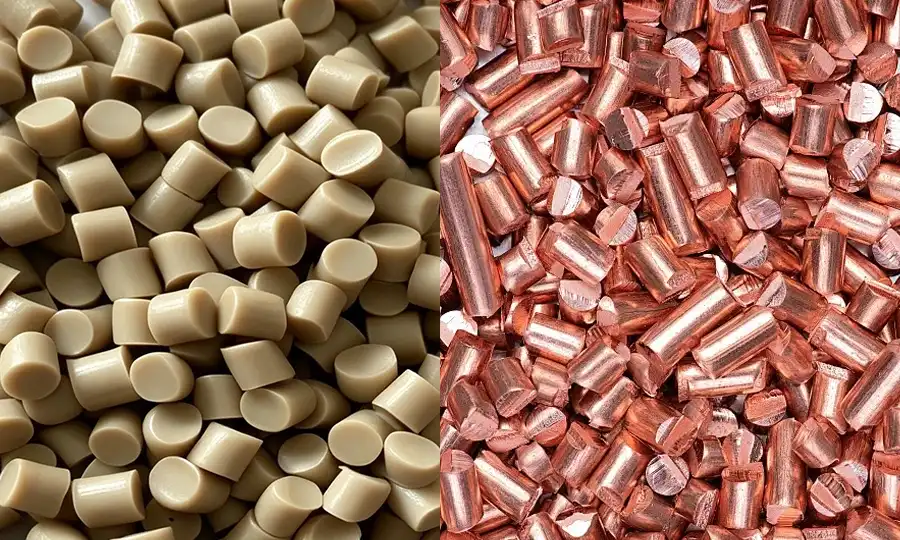
Замена металла является одним из основных коммерческих факторов, стимулирующих развитие программ по использованию пластика PEEK, а также одним из наиболее привлекательных с технической и экономической точек зрения преимуществ в сфере прецизионного производства. Понимание того, в каких случаях PEEK выигрывает в споре о замене металла, а в каких — нет, имеет решающее значение для инженеров, оценивающих этот материал.
В чем PEEK превосходит металл
| Параметры приложения | Сталь / Нержавеющая сталь | Алюминий 6061 | 30% CF-PEEK |
|---|---|---|---|
| Плотность | 7,8–8,0 г/см³ | 2,70 г/см³ | 1,40–1,44 г/см³ |
| Удельная прочность | Низкий | Средний | Высокий |
| Коррозионная стойкость | Только из нержавеющей стали | Хорошо | Исключительный |
| Электрическая изоляция | Нет | Нет | Полный (класс CF — проводящий) |
| Магнитные помехи | Значительный | Минимальный | Нет |
| Совместимость с МРТ | Несовместимо | Несовместимо | Полностью совместим |
| Затраты на вторичную механическую обработку | Высокий | Средний | Сокращённый (формование с получением готовой формы) |
| Снижение массы по сравнению со сталью | — | 65% | 82% |
| Снижение массы по сравнению с алюминием | — | — | 47% |
PEEK выигрывает в споре о замене металла в следующих случаях: требуется коррозионная стойкость без нанесения покрытия; в деталь должна быть встроена электрическая или магнитная изоляция; предъявляются требования к совместимости с МРТ; геометрия детали оправдывает экономическую целесообразность литья под давлением (более 500 единиц в год); а снижение массы является одной из задач проектирования.
Металл по-прежнему является более подходящим материалом в следующих случаях: рабочие температуры превышают 260 °C; нагрузка на сжатие превышает предел прочности PEEK на сжатие (> 120–170 МПа); для поглощения энергии удара требуется пластичность металла; либо объём производства слишком мал, чтобы окупить затраты на изготовление пресс-форм для PEEK.
Преимущества технологии «Net-Shape»
В отличие от металлических деталей, требующих обширной обработки на станках с ЧПУ из заготовок или поковок, литье PEEK под давлением позволяет получать детали, близкие к конечной форме, за одну операцию — что исключает затраты на механическую обработку, отходы материала и длительные сроки изготовления, характерные для производства металлических деталей сложной геометрии. В случае прецизионных сепараторов подшипников из PEEK, деталей рабочих колес и корпусов коллекторов преимущество литья с получением детали, близкой к конечной форме, по сравнению с механической обработкой PEEK или металла часто оправдывает инвестиции в инструмент при объемах производства свыше 200–500 единиц в год.
Применение в промышленности
Медицинские и имплантируемые устройства
Медицина — это область применения, в которой сочетание биосовместимости, рентгенопрозрачности и модуля упругости, соответствующего костной ткани, обеспечиваемое пластиком PEEK, создает набор эксплуатационных характеристик, которых ни один металл или керамика не способны достичь одновременно. Компания Dimud производит компоненты из PEEK, прилегающие к имплантатам, в соответствии с системами качества, совместимыми с ISO 13485, с полной прослеживаемостью материала от партии смолы до готовой детали.
Имплантаты спинального каркаса и компоненты для фиксации кости (PEEK медицинского назначения): Модуль упругости PEEK (3 600–4 100 МПа для ненаполненного сорта) очень близок к показателям кортикальной кости (в диапазоне 7 000–25 000 МПа) — значительно ближе, чем у титана (110 000 МПа) или нержавеющей стали (200 000 МПа). Такое совпадение модулей упругости снижает эффект «защиты от напряжений», вызывающий резорбцию кости вокруг металлических имплантатов. В сочетании с совместимостью PEEK с МРТ и КТ (рентгенопрозрачность позволяет визуализировать место имплантации без артефактов) PEEK имплантационного качества стал доминирующим материалом для межтеловых камер для спондилодеза, пластин для фиксации переломов и компонентов для ортопедической реконструкции во всем мире.
Корпуса хирургических инструментов и компоненты многоразовых устройств (стандартный PEEK): Совместимость PEEK с автоклавированием паром (121–134 °C, многократные циклы), гамма-стерилизацией (до 25 кГр), и стерилизацией ЭО — в сочетании с химической стойкостью ко всем стандартным хирургическим дезинфицирующим средствам — делает этот материал эталоном для изготовления рукояток многоразовых хирургических инструментов, компонентов эндоскопов и направляющих элементов прецизионных инструментов.
Подшипники и изнашиваемые детали диагностического оборудования (PEEK, устойчивый к износу): Поверхности подшипников, подверженные интенсивным нагрузкам в диагностическом оборудовании для визуализации (подшипники гантри компьютерного томографа, приводные элементы стола магнитно-резонансного томографа), где самосмазывающиеся свойства PEEK, износостойкость при непрерывной работе и совместимость с МРТ в совокупности определяют характеристики материала, которым металлические подшипники, требующие смазки, не могут соответствовать в условиях чистых помещений.
Наш сайт Литье под давлением в сфере медицины и здравоохранения Наши производственные возможности позволяют реализовывать медицинские программы по производству PEEK благодаря специализированным производственным линиям, протоколам чистого производства и полному комплекту нормативной документации.
Полупроводники и электроника
Компоненты оборудования для обработки пластин и технологического оборудования (незаполненные и из материала ESD-PEEK): Пластик PEEK является основным материалом для изготовления опорных колец полупроводниковых пластин, контактных элементов конечных эффекторов и компонентов технологических камер на начальных этапах производства полупроводников. Требования, определяющие спецификацию PEEK: нулевое ионное загрязнение в сверхчистых технологических средах, стабильность размеров при многократных термоциклах между комнатной температурой и технологическими температурами до 200 °C, химическая стойкость к технологическим реагентам (HF, H₂SO₄, H₂O₂) и низкая газовыделение при повышенных температурах.
Вставки для тестовых разъемов интегральных схем и компоненты для плат для выжигания (из незаполненного PEEK): Благодаря сочетанию стабильности размеров при температурах выжигания 150–175 °C, электрической изоляции в диапазоне частот, используемом при тестировании высокоскоростных интегральных схем, а также устойчивости к воздействию очищающих растворителей материал PEEK стал стандартным материалом для изготовления изоляторов прецизионных тестовых разъемов, несущих плат для выжигания и вставок в лотки для транспортировки в сфере упаковки полупроводников.
Изоляционные элементы для высоковольтных разъемов (незаполненные и из GF-PEEK): Для силовой электроники, работающей при напряжениях свыше 1 000 В, требуются изоляционные материалы для соединителей, обеспечивающие диэлектрическую прочность (19–24 кВ/мм для PEEK без наполнителей) и стабильность размеров при постоянных рабочих температурах выше 150 °C — такие характеристики исключают возможность использования большинства инженерных термопластов и делают пластик PEEK практическим выбором для применения в мощной промышленной силовой электронике и силовой электронике электромобилей.
С полным перечнем наших возможностей по производству полупроводников ознакомьтесь на нашем сайте Страница, посвящённая электронной и полупроводниковой промышленности.
Автомобили
Детали коробки передач и двигателя (30% GF/CF-PEEK): Детали зубчатых передач, сепараторы подшипников, рабочие колеса насосов и седла клапанов в системах трансмиссии автомобилей. Температура непрерывной эксплуатации PEEK в диапазоне 240–260 °C позволяет использовать этот материал в прямом контакте с трансмиссионной жидкостью при рабочих температурах (обычно 140–160 °C) и пиковых перепадах температуры, заменяя детали из спеченного металла с эквивалентными конструктивными характеристиками при снижении массы на 50–60%.
Компоненты изоляции силовой передачи электромобилей (без наполнителя и из GF-PEEK): Высоковольтные изоляторы шин, элементы облицовки пазов двигателя и изоляционные конструкции инверторов в силовых агрегатах электромобилей. Сочетание диэлектрической прочности (19–24 кВ/мм), температуры непрерывной эксплуатации (240 °C, что позволяет выдерживать температуру «горячих точек» двигателя) и химической стойкости к газам, образующимся при термическом разгоне в среде, прилегающей к аккумуляторной батарее, делает PEEK оптимальным выбором для силовой электроники электромобилей следующего поколения.
Прецизионные детали топливной системы (из химически стойкого PEEK): Детали топливного насоса, изоляторы форсунок и корпуса топливных фильтров в системах двигателей с прямым впрыском. Материал PEEK устойчив ко всем типам топлива, включая этаноловые смеси E10/E85 и биодизельные составы, которые приводят к разрушению многих инженерных полимеров в течение 10-летнего срока эксплуатации автомобиля.
Робототехника и хранение энергии
Детали подшипников и втулок для шарниров роботов (износостойкий PEEK): Самосмазывающиеся втулки подшипников из PEEK в шарнирных узлах роботов заменяют смазываемые маслом металлические подшипники в кооперативных роботах, используемых в пищевой промышленности, чистых помещениях и на открытом воздухе, где проведение работ по смазке затруднительно. Коэффициент динамического трения PEEK, предназначенного для износостойких применений (0,10–0,20), и предельное значение PV обеспечивают срок службы в режиме сухого хода, превышающий 10 000 рабочих часов, в конструкциях шарниров с умеренной нагрузкой.
Конструкционные кронштейны для роботизированного манипулятора (30% CF-PEEK): Конструкционные детали из углеродного волокна и PEEK в узлах звеньев роботов, где целью проектирования является обеспечение максимального соотношения жесткости к весу для осей с сервоприводом, обеспечивающих быстрое ускорение. Козырьки и кронштейны из CF-PEEK с плотностью 1,42 г/см³ обеспечивают конструктивные характеристики, эквивалентные алюминию, при снижении массы на 47%, что напрямую улучшает динамику ускорения сервомоторов и снижает нагрузку на приводной механизм шарниров.
Компоненты топливного элемента и электролизного блока (химически стойкий PEEK): Рамы биполярных пластин, прокладки между элементами и компоненты коллекторов в стеках водородных топливных элементов и электролизеров. Устойчивость PEEK к концентрированной серной кислоте (с некоторыми ограничениями), фтористому водороду в умеренных концентрациях и электрохимическому окислению при рабочих потенциалах стека делает его одним из немногих термопластов, способных выдерживать комбинированное химическое и термическое воздействие в условиях эксплуатации электролизеров с протонно-обменной мембраной (PEM).
Прецизионные конструктивные элементы аккумуляторного блока (GF-PEEK): Высокоточные рамки для центрирования элементов и компоненты для выравнивания модулей в автомобильных аккумуляторных батареях, где стабильность размеров при постоянных повышенных температурах (рабочая температура аккумуляторной батареи: 40–80 °C в непрерывном режиме; пиковая температура 120 °C) в течение 15-летнего срока службы автомобиля позволяет исключить проблемы тепловой ползучести, характерные для инженерных полимеров с более низким значением HDT.
Пластик PEEK по сравнению с конкурирующими высокоэффективными материалами
| Недвижимость | PEEK | PPS | PAI (Торлон) | PPSU | PEI (Ultem) | Титан |
|---|---|---|---|---|---|---|
| Температура непрерывной эксплуатации | ★★★★★ (260 °C) | ★★★★☆ (220 °C) | ★★★★★ (260 °C) | ★★★★☆ (180 °C) | ★★★★☆ (170 °C) | ★★★★★ |
| Механическая прочность | ★★★★★ | ★★★★☆ | ★★★★★ | ★★★☆☆ | ★★★★☆ | ★★★★★ |
| Химическая стойкость | ★★★★★ | ★★★★☆ | ★★★★☆ | ★★★★☆ | ★★★★☆ | ★★★★☆ |
| Биосовместимость (имплантат) | ★★★★★ | ★★☆☆☆ | ★★★☆☆ | ★★★★☆ | ★★★☆☆ | ★★★★☆ |
| Рентгенопрозрачность (МРТ/рентген) | ★★★★★ | ★★★★☆ | ★★★★☆ | ★★★★☆ | ★★★★☆ | ★☆☆☆☆ |
| Простота обработки | ★★★☆☆ | ★★★☆☆ | ★★☆☆☆ | ★★★☆☆ | ★★★☆☆ | Н/Д (механическая обработка) |
| Затраты на сырье | $$$$ | $$$$ | $$$ | $$$$ | ||
| Преимущества пластика перед металлом | Высокий | Высокий | Высокий | Высокий | Высокий | — |
PEEK и PPS: PPS стоит дешевле (примерно 40–60% от стоимости сырья для PEEK) и проще в обработке (более низкая температура цилиндра: 300–330 °C). PPS выигрывает в тех областях применения, где требуется хорошая химическая стойкость и умеренные термические характеристики (непрерывный режим: 220 °C) без надбавки к стоимости, характерной для PEEK. PEEK выигрывает, когда рабочая температура превышает 220 °C, требуется биосовместимость или ударная вязкость (PEEK: 50–85 Дж/м против PPS: 25–50 Дж/м) является одним из конструктивных факторов.
PEEK и PAI (Torlon): PAI демонстрирует сопоставимые с PEEK показатели температуры непрерывной эксплуатации и механических характеристик, однако его обработка значительно сложнее (после формования требуются циклы отверждения), а стоимость сырья выше. Простота обработки PEEK и наличие сертификации для использования в имплантатах делают его предпочтительным выбором в тех случаях, когда оба материала прошли техническую аттестацию.
PEEK и PEI (Ultem): PEI обладает врождённым классом горючести UL 94 V-0 при толщине 0,8 мм, хорошей химической стойкостью и приемлемой стоимостью, составляющей 40–60% от цены PEEK. PEI выбирают в тех случаях, когда достаточной является температура непрерывной эксплуатации 170 °C, а более высокая стоимость PEEK не оправдана. Для применений, требующих непрерывной эксплуатации при температуре выше 170 °C или сертификации по стандартам для имплантатов, PEEK является незаменимым материалом.
Чтобы получить полное представление о всем ассортименте материалов компании Dimud, ознакомьтесь с руководство по материалам для литья под давлением.
Рекомендации по проектированию с учетом технологичности (DFM) для деталей из пластика PEEK
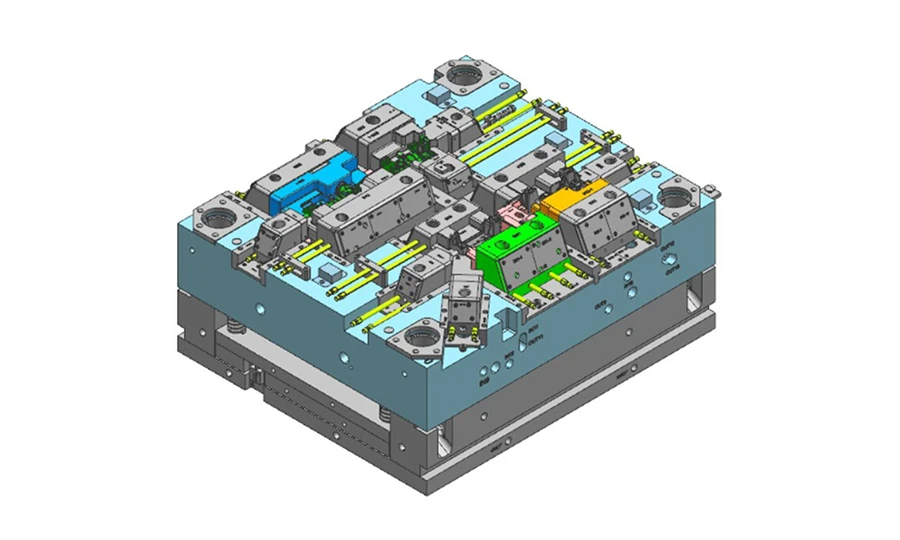
Стоимость материала PEEK ($80–$400/кг) приводит к тому, что ошибки при проектировании с учетом технологичности (DFM) обходятся значительно дороже, чем аналогичные ошибки при использовании стандартных полимеров. Бракованная деталь из PEEK означает не только затраты на материал, но и время работы оборудования при температуре 400 °C, повышенные затраты на обслуживание пресс-формы, а также потенциальную потерю цикла производства на одногнездной пресс-форме. Соблюдение принципов DFM имеет пропорционально большее значение в программах по производству изделий из PEEK, чем при использовании любого другого коммерческого материала для литья под давлением.
Димудс Услуги по проектированию продукции и оптимизации производства (DFM) включает в себя структурный анализ методом конечных элементов (FEA), моделирование кристалличности и оценку возможности замены металла в качестве стандартных результатов работ по программам, связанным с PEEK.
Толщина стенок
Рекомендуемый диапазон: 1,5–6,0 мм для PEEK, полученного методом литья под давлением. Тонкие стенки ( 6 мм) создают градиенты кристалличности между поверхностью (высокая кристалличность, быстро охлаждающаяся оболочка) и сердцевиной (потенциально более низкая кристалличность, более медленное охлаждение), что снижает предсказуемость размеров.
В случае проектов по замене металлических деталей на детали из PEEK минимальную толщину стенок следует определять с помощью элементного анализа (FEA), а не на основе эмпирических правил — высокая удельная жесткость PEEK зачастую позволяет уменьшить толщину стенок на 30–50% по сравнению с заменяемой металлической деталью.
Радиусы поворотов
Минимальный радиус внутреннего угла: 1,0 мм. Рекомендуемый: 1,5–2,0 мм.
Это более строгое требование, чем для ABS или PS. Умеренная ударная вязкость PEEK с надрезом (50–85 Дж/м) в сочетании с высокой жесткостью означает, что концентрация напряжений на острых углах при эксплуатационных нагрузках может вызвать хрупкое разрушение при уровнях напряжений, не превышающих тех, которые привели бы к видимому прогибу. Для имплантатов, подвергающихся циклическим нагрузкам, в стандарте Dimud по проектированию PEEK (DFM) для всех внутренних углов предусмотрен радиус не менее 1,5 мм.
Углы наклона
- Стандартные поверхности: 1,5°–3° минимум с каждой стороны (больше, чем у ABS; при охлаждении от температуры формы 180 °C PEEK сильно сжимается в направлении к сердечнику)
- Отполированные опорные поверхности: 2°–3° с каждой стороны; контакт полированного PEEK с полированной сталью при температуре 180 °C создает высокую силу выталкивания
- Заполненные классы (GF/CF): 2°–4° с каждой стороны; армированные марки обладают большей жесткостью и меньшей усадкой, однако при недостаточном угле наклона абразивный износ на поверхностях наклона увеличивается
Допустимые отклонения
Точность размеров пластика PEEK при литье под давлением зависит от марки материала и контроля кристалличности:
- Ненаполненный PEEK (хорошо кристаллизованный): ±0,05–0,10 мм размером ≤ 50 мм
- 30% GF-PEEK (направление потока): ±0,03–0,08 мм
- 30% CF-PEEK: ±0,03–0,06 мм (самая низкая усадка среди всех марок PEEK)
- Детали, прошедшие отжиг после формования: позволяют добиться более жестких допусков, поскольку завершение усадки проверяется до начала последующих операций
Для прецизионных отверстий под подшипники (класс допуска h6/H7) и прецизионных посадочных поверхностей компания Dimud предусматривает контроль на координатно-измерительной машине (КИМ) после литья, за которым следует однопроходное прецизионное растачивание или шлифование в тех случаях, когда допуски литья под давлением оказываются недостаточными — это стандартная технологическая схема для программ по изготовлению посадочных поверхностей подшипников из PEEK.
Возможности компании «Dimud» по литью под давлением из PEEK-пластика
Для литья под давлением из PEEK требуется партнер-производитель, располагающий специализированным оборудованием, обладающий экспертными знаниями в области материалов и имеющий системы управления качеством, адаптированные к самым взыскательным техническим задачам. Димуд предоставляет услуги по литью под давлением из пластика PEEK в рамках вертикально интегрированной системы — трех взаимосвязанных производственных предприятий, специализирующихся на разработке пресс-форм, обработке на станках с ЧПУ и прецизионной сборке, — обслуживая заказчиков из медицинской, полупроводниковой, автомобильной и робототехнической отраслей в Европе, Северной Америке и на Ближнем Востоке.
| Этап обслуживания | Возможности Dimud | Преимущества для клиентов |
|---|---|---|
| DFM и проверка качества | Рекомендации по классу; анализ замены металла с помощью метода конечных элементов (FEA); моделирование кристалличности; оценка возможности соблюдения допусков | Исключите наиболее дорогостоящие сбои в программах PEEK до начала изготовления инструментов |
| Быстрое прототипирование | Образцы из PEEK, изготовленные на станках с ЧПУ из готовых заготовок, + алюминиевые мягкие инструменты для изготовления мелкосерийных образцов из PEEK | Технические и нормативные образцы — в течение 10–15 рабочих дней |
| Квалификация оборудования | Оборудование, совместимое с PEEK (номинальная температура цилиндра 420 °C); проверка по методу Карла Фишера; документация по времени пребывания | Проверенная базовая схема обработки PEEK перед началом серийного производства |
| Разработка пресс-форм | Закаленная инструментальная сталь H13/D2/S7; регулировка температуры горячего масла в диапазоне 160–200 °C; вставки литниковых каналов с PVD-покрытием для марок CF; предварительная валидация в программе Moldflow | Готовые к серийному производству пресс-формы из PEEK; гарантированный ресурс литья с графиком технического обслуживания |
| Производственное литье | Специализированные ячейки из PEEK; регуляторы температуры масла; печи для отжига с набором приспособлений; станки грузоподъемностью 50–800 т | Контролируемая кристалличность — от пилотного этапа до промышленного производства |
| Операции после формования | Точное отжигание с проверкой на координатно-измерительной машине (КИМ); вторичное растачивание/шлифование с соблюдением допусков на подшипники; сборка в чистой комнате | Полуфабрикаты из PEEK, изготовленные по технологии «net-shape», и прецизионно обработанные узлы из PEEK |
| Документация по качеству | PPAP, уровень 3; сертификат соответствия (CoC) с документацией по партиям смолы; протоколы анализа по методу Карла Фишера; проверка кристалличности методом ДСК; картирование внутреннего диаметра на координатно-измерительной машине (CMM) | Готовность к аудиту для клиентов из числа производителей медицинского оборудования, поставщиков первого уровня в автомобильной отрасли и производителей полупроводников |
| Цепочка поставок | Поставка смол Victrex/Solvay/Evonik; хранение с разграничением партий; проверка поступающих партий; логистика на условиях DDP | Прослеживаемость поставок материалов имплантационного качества — от производителя смолы до готовой детали |
Часто задаваемые вопросы
Для литья PEEK под давлением требуется температура цилиндра в диапазоне 370–420 °C — значительно выше, чем для любого другого стандартного коммерческого термопластика. Это превышает номинальную рабочую температуру многих стандартных машин для литья под давлением (обычно не более 380 °C). Для проектов по производству изделий из PEEK компания Dimud использует машины с модернизированными биметаллическими цилиндрами, высокотемпературными уплотнениями шнека и регуляторами температуры, точность которых проверена с погрешностью ±5 °C при 400 °C. Инженерам, оценивающим программы по производству изделий из PEEK, следует подтвердить возможности оборудования до начала изготовления пресс-форм — не все контрактные производители, заявляющие о возможности работы с PEEK, располагают оборудованием, должным образом настроенным для этого материала.
И PEEK, и PPS представляют собой полукристаллические высокоэффективные термопласты, обладающие превосходной химической стойкостью и высокой термической стабильностью. PPS обрабатывается при более низких температурах цилиндра (300–330 °C) и стоит примерно на 40–60% меньше за килограмм, чем PEEK. PPS является подходящим материалом, когда достаточна температура непрерывной эксплуатации до 220 °C, не требуется сертификация биосовместимости, а требования к ударопрочности умеренные (ударопрочность PPS по методу Изода с надрезом: 25–50 Дж/м). PEEK выбирается в тех случаях, когда рабочая температура превышает 220 °C, требуется сертификация биосовместимости или сертификация имплантата, необходима ударопрочность, превышающая возможности PPS, либо в качестве эксплуатационного требования предъявляется гидролитическая стабильность при непрерывном воздействии пара или горячей воды. Компания Dimud занимается переработкой обоих материалов и проводит анализ выбора марки в рамках экспертизы DFM.
Да — PEEK является одним из наиболее устойчивых к стерилизации инженерных термопластов, доступных на рынке. Он совместим со следующими методами стерилизации: гамма-облучением (до 25 кГр для стандартных программ; до 2 000 кГр в общей сложности без значительного ухудшения свойств у специализированных марок), стерилизацией этиленоксидом (EO/EtO), автоклавированием паром при 121–134 °C (повторные циклы без гидролитического разложения — уникальное преимущество по сравнению с большинством термопластов) и стерилизацией в паровой фазе перекисью водорода. Такая совместимость с различными методами стерилизации делает PEEK предпочтительным материалом для многоразовых хирургических инструментов и компонентов медицинских устройств, где ценится гибкость в выборе метода стерилизации. Компания Dimud предоставляет сопроводительную документацию по валидации стерилизации в рамках квалификации медицинской программы PEEK.
PEEK — это полукристаллический полимер: его конечные свойства зависят не только от состава, но и от степени образования кристаллических доменов в процессе затвердевания. При низких температурах формы (< 100 °C) PEEK затвердевает слишком быстро для образования кристаллических доменов, в результате чего получается аморфный PEEK с HDT ниже 50 °C — деталь, которая деформируется при температурах, значительно ниже номинальной рабочей температуры PEEK (240–260 °C). При заданной температуре формы 160–180 °C контролируемая кристаллизация обеспечивает степень кристалличности 30–35% с полным набором номинальных свойств. Этот эффект нельзя назвать незначительным — разница в HDT между аморфным и правильно кристаллизованным PEEK превышает 100 °C, при этом эта разница незаметна при визуальном осмотре или проверке размеров готовой детали. Именно поэтому контроль температуры пресс-формы, её проверка и документирование являются обязательными требованиями к качеству во всех программах Dimud по производству PEEK.
Стоимость сырья PEEK составляет $80–$400/кг, тогда как для ABS — $3–8/кг; соотношение стоимости сырья составляет 10–100×. Дополнительные затраты на программу частично компенсируются преимуществом PEEK в плотности (1,30–1,32 г/см³ против 1,03–1,06 г/см³ у ABS — примерно на 25% больше деталей на килограмм), формованием «под чистую форму», исключающим затраты на механическую обработку, а также отсутствием необходимости в отделке металлических компонентов и защите от коррозии. Экономическая обоснованность зависит от конкретного применения: в медицинских имплантатах ни один альтернативный материал не может по любой цене обеспечить такое сочетание биосовместимости, модуля упругости, соответствующего костной ткани, и рентгенопрозрачности, как PEEK. В оборудовании для производства полупроводников беззагрязняющие свойства PEEK не могут быть заменены более дешевыми альтернативами. В случае компонентов автомобильных трансмиссий при объемах производства свыше 50 000 единиц в год снижение массы и отсутствие необходимости механической обработки, обеспечиваемые PEEK, зачастую дают преимущество по совокупной стоимости системы по сравнению с обработанным металлом. Компания Dimud предоставляет анализ совокупной стоимости владения в рамках оценки осуществимости программы по применению PEEK.
Заключение
Пластик PEEK — это не универсальный материал, который просто случайно демонстрирует хорошие характеристики в сложных условиях. Это инженерный полимер, молекулярная структура которого была разработана для достижения конкретного уровня эксплуатационных характеристик — такого, которого не достигает ни один другой термопластик, пригодный для литья под давлением. Когда в конкретной области применения действительно требуется непрерывная эксплуатация при температурах выше 200 °C, биосовместимость имплантационного уровня, прочность, сопоставимая с металлом, при плотности, характерной для полимеров, или устойчивость практически ко всем промышленным химикатам в их одновременном сочетании, PEEK — это не просто лучший выбор. Это единственный выбор.
Дисциплина выполнения, необходимая для надежного обеспечения таких показателей — температура формы выше 160 °C, температура цилиндра, приближающаяся к 420 °C, проверка влажности по методу Карла Фишера, подтверждение кристалличности с помощью ДСК, а также система качества, обеспечивающая отслеживание происхождения материала от производителя смолы до готовой детали, — не является чем-то исключительным. Это стандартная рабочая процедура для правильно организованной программы по производству PEEK.
Димуд обеспечивает соблюдение этого производственного стандарта в программах литья под давлением PEEK для применения в медицинской, полупроводниковой, автомобильной и робототехнической отраслях — для клиентов в Европе, Северной Америке и на Ближнем Востоке, которым требуются не только эксплуатационные характеристики материала, но и тщательно составленная документация, соответствующая требованиям их отраслей.