Si vous devez choisir un procédé de fabrication pour un nouveau produit, la question suivante se pose : “Impression 3D ou moulage par injection” est pratiquement inévitable. Bien que ces deux procédés semblent permettre la fabrication de pièces en plastique, leurs domaines d’application, leurs structures de coûts, la qualité des produits et leurs capacités de production en série sont totalement différents.
De nombreuses équipes de start-ups et de R&D ont recours à l’impression 3D pour valider leurs conceptions pendant la phase de prototypage, pour finalement découvrir, au moment de la production en série, que les pièces imprimées manquent de résistance, présentent un aspect irrégulier ou ont un coût unitaire exorbitant. À l’inverse, certaines équipes investissent trop tôt dans des moules d’injection, pour finalement se rendre compte que la conception doit être retravaillée avant d’être finalisée, gaspillant ainsi en vain des dizaines, voire des centaines de milliers dans des coûts de moulage.
Cet article va comparer de manière systématique l'impression 3D et le moulage par injection selon cinq critères : les matériaux, le coût, la précision, le cycle de production et les applications adaptées.
Qu'est-ce que l'impression 3D ?
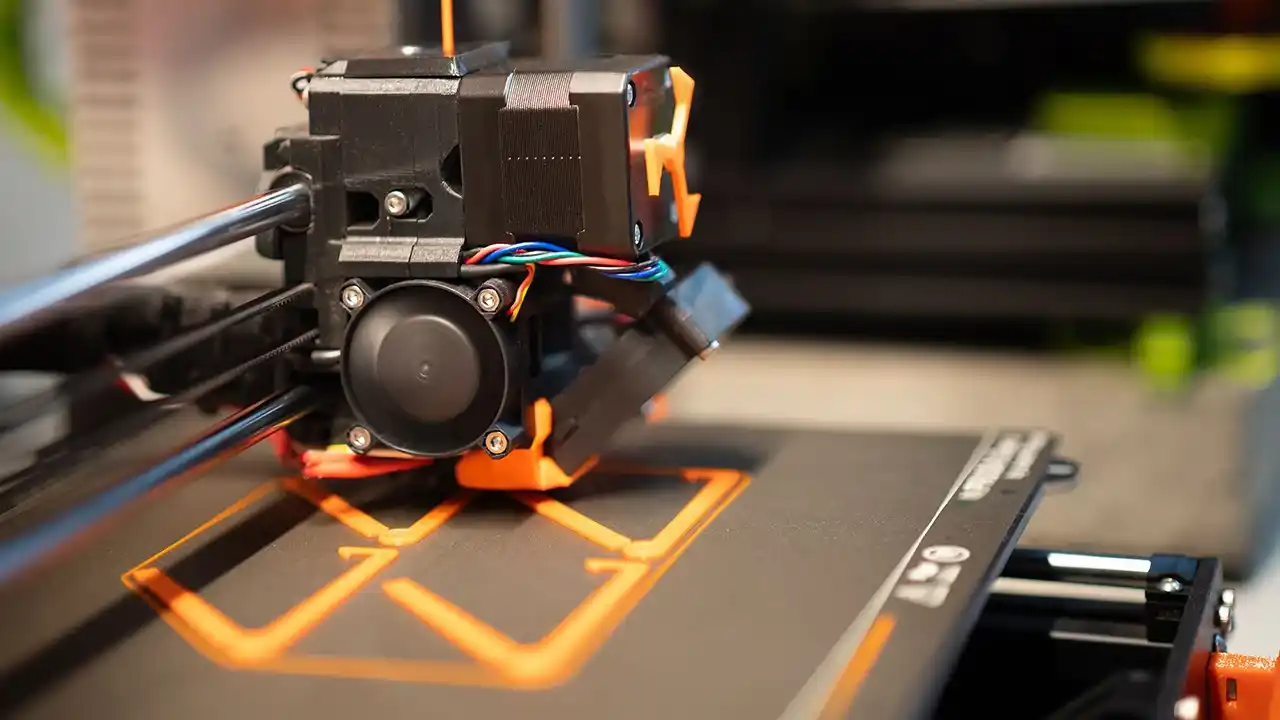
L'impression 3D, également appelée “ fabrication additive ”, est un procédé qui permet d'« imprimer » directement des pièces en déposant le matériau couche par couche. Parmi les technologies couramment utilisées, on peut citer le FDM (modélisation par dépôt fondu), le SLA (stéréolithographie) et le SLS (frittage laser sélectif).
Cette technique ne nécessite pas de moules, et les fichiers de conception peuvent être directement convertis en pièces physiques — ce qui constitue son principal avantage : la rapidité.
Avantages de l'impression 3D
- Pas besoin de moules, faibles coûts de démarrage : comme aucun moule n'est nécessaire, cette méthode est idéale pour la production en petites séries ou à l'unité, avec un investissement initial pratiquement nul.
- Grande flexibilité de conception : l'impression 3D permet de réaliser des structures internes complexes, des motifs ajourés et des surfaces courbes, autant de formes difficiles à obtenir avec le moulage par injection traditionnel.
- Faible coût des modifications de conception : en cas de problème de conception, il suffit de modifier le fichier et de réimprimer ; il n'y a pas de coûts irrécupérables.
- Cycle de prototypage court : les prototypes physiques sont généralement disponibles sous 1 à 3 jours, ce qui rend cette méthode idéale pour l'itération et la validation rapides
Inconvénients de l'impression 3D
- Le coût unitaire ne diminue pas de manière significative lorsque la taille du lot augmente : que l'on produise 1 ou 100 unités, la différence de coût unitaire est minime, ce qui rend ce procédé inadapté à la production à grand volume.
- Choix limité de matériaux : la gamme de plastiques techniques adaptés à l'impression 3D est bien moins étendue que celle utilisée dans le moulage par injection ; certains matériaux haute performance (tels que le PEEK) sont à la fois difficiles et coûteux à imprimer.
- Propriétés mécaniques instables : la résistance d'adhérence entre les couches est généralement inférieure à la résistance globale des pièces moulées par injection ; le délaminage est particulièrement susceptible de se produire dans le sens de la contrainte.
- Qualité de surface et précision dimensionnelle limitées : les pièces imprimées présentent souvent des lignes de couche à leur surface, et les dimensions d'ajustage précises nécessitent un post-traitement pour répondre aux spécifications.
Qu'est-ce que le moulage par injection ?
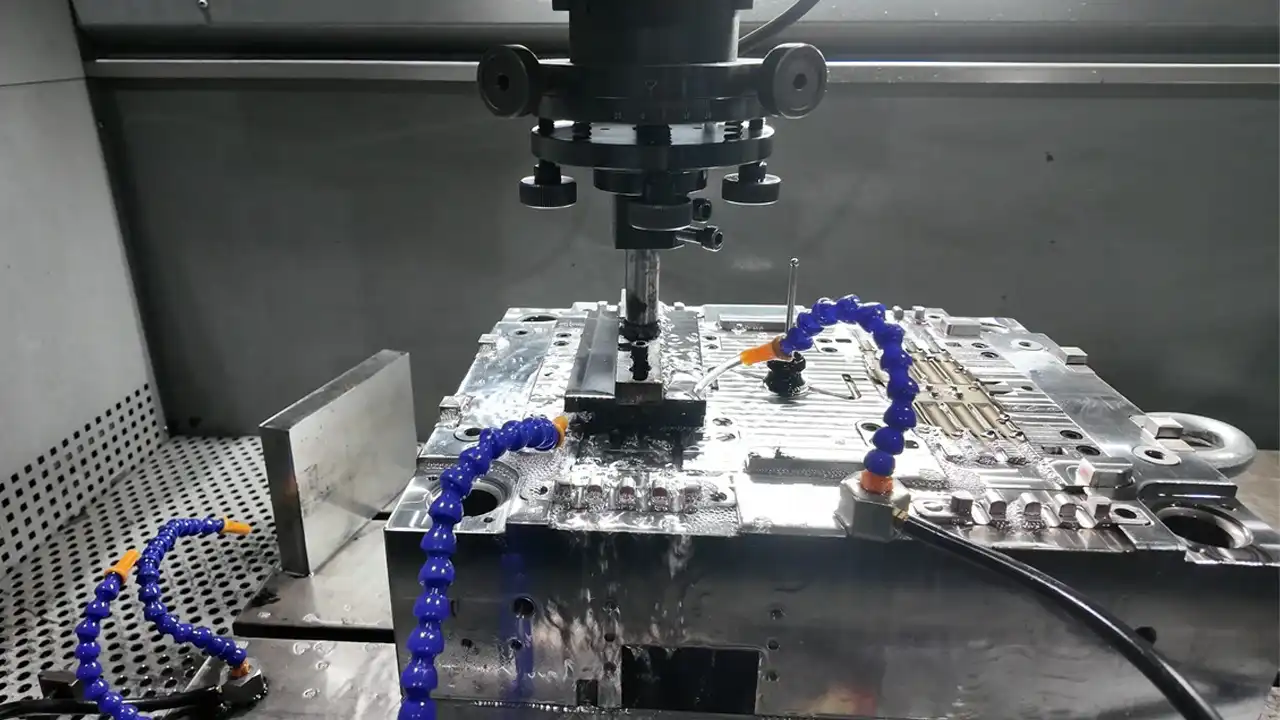
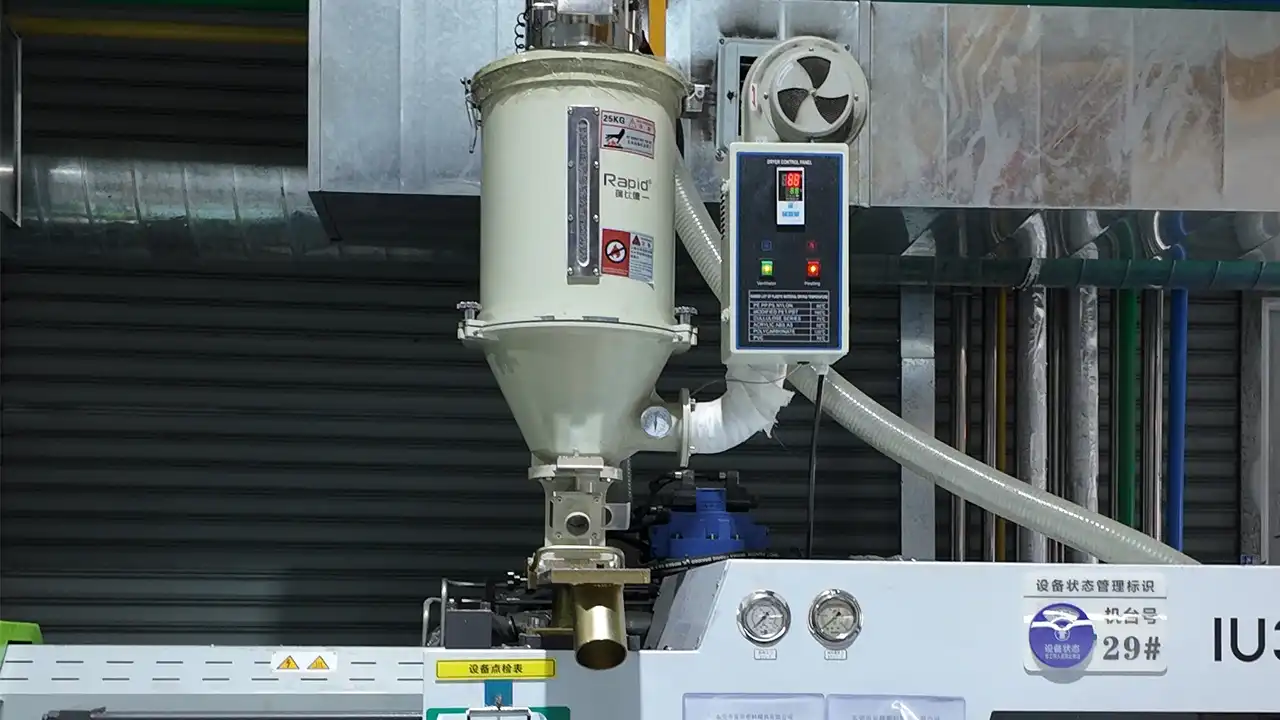
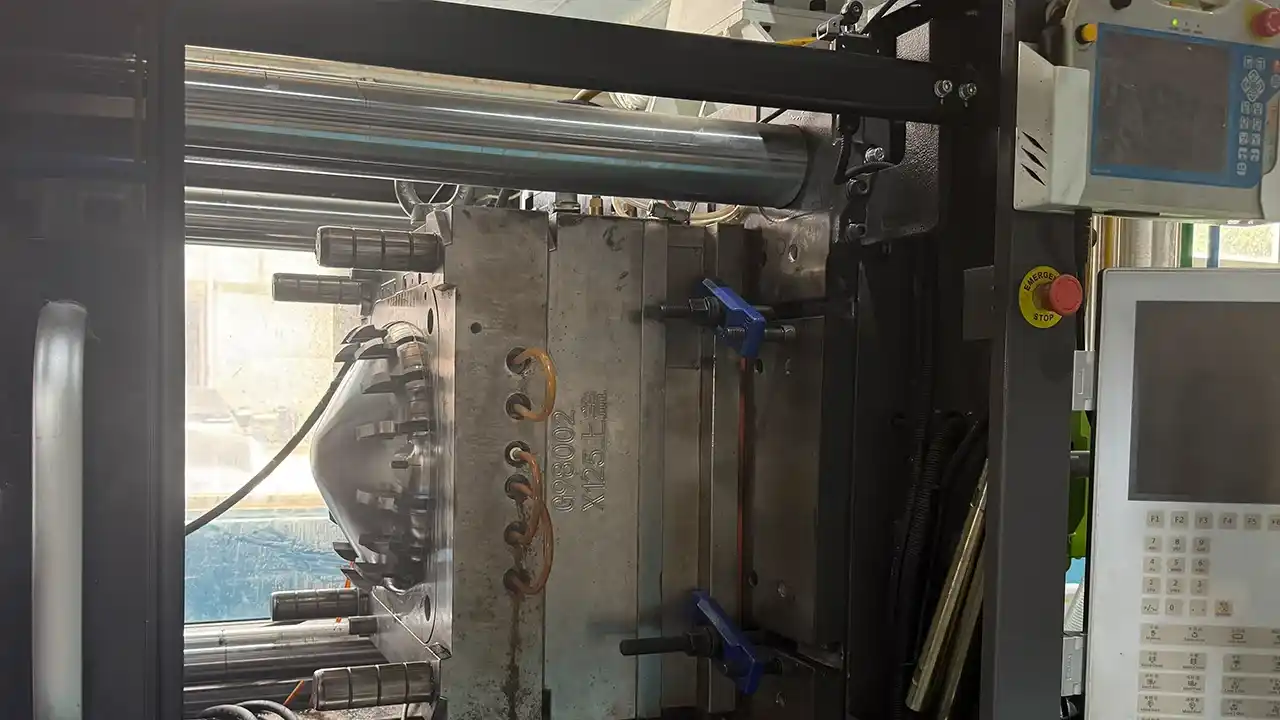
Moulage par injection est un procédé utilisé pour la production en série de pièces en plastique aux formes homogènes. En termes simples, ce procédé consiste à chauffer des granulés de plastique jusqu'à ce qu'ils fondent, à les injecter sous haute pression dans un moule sur mesure, puis à refroidir le moule avant de l'ouvrir pour en retirer les pièces. La plupart des pièces en plastique — telles que les clips utilisés dans les automobiles, les boîtiers d'appareils électroniques, les composants de dispositifs médicaux et les pièces de biens de consommation courante — sont produites de cette manière.
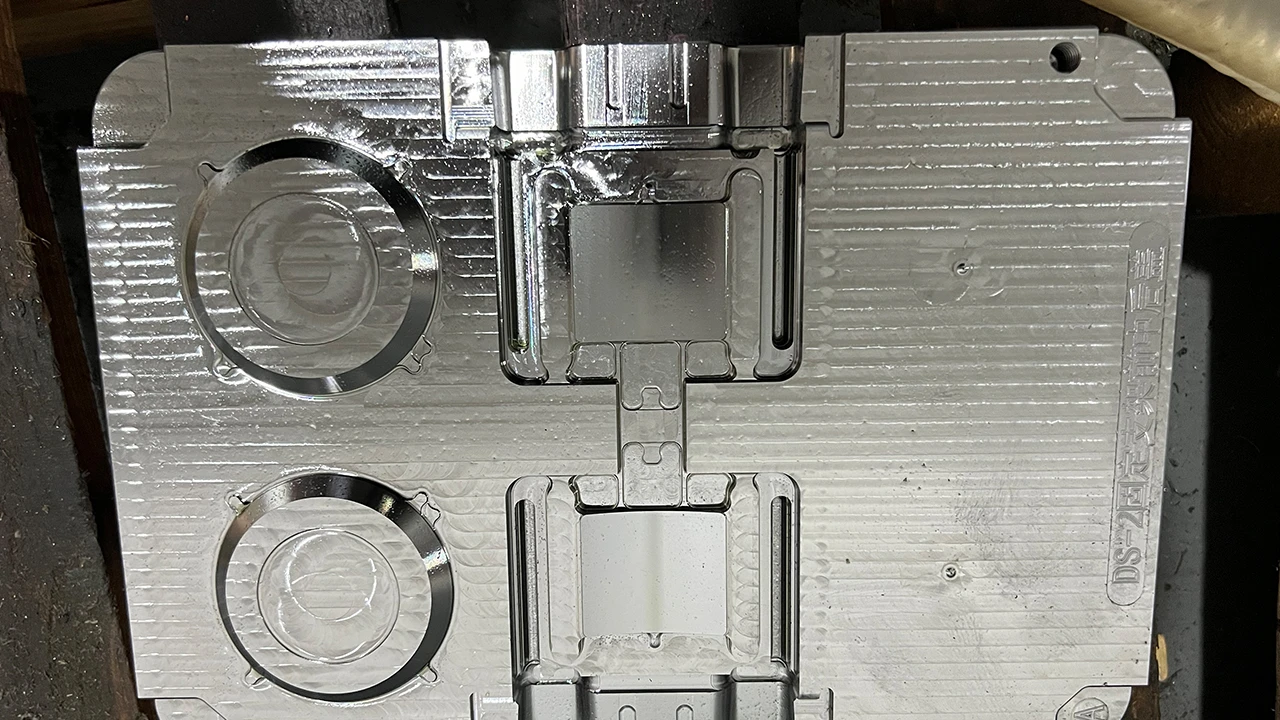
Le coût principal de ce procédé réside dans le “ moule ” : la conception et l'usinage du moule nécessitent un investissement initial, mais une fois celui-ci réalisé, le coût unitaire diminue considérablement pour la production ultérieure.
Avantages du moulage par injection
- Coût unitaire faible pour une production à grand volume : une fois le coût du moule amorti, le coût unitaire peut être maintenu à un niveau très bas, ce qui rend cette solution adaptée aux commandes allant de plusieurs milliers à plusieurs millions d'unités
- Une homogénéité extrêmement élevée des pièces : les pièces produites à partir d'un même moule sont pratiquement identiques en termes de dimensions et d'aspect, ce qui rend ce procédé adapté aux applications soumises à des exigences de tolérance strictes.
- Large gamme de matériaux : du PP et de l'ABS aux plastiques techniques haute performance tels que le PEEK et le PPS, tous ces matériaux peuvent être moulés par injection, répondant ainsi aux exigences de performance de divers secteurs d'activité.
- Rendement de production élevé : un cycle de production ne dure généralement que quelques secondes à plusieurs dizaines de secondes, ce qui le rend adapté à la production de masse à grande échelle.
Inconvénients du moulage par injection
- Coûts initiaux élevés liés aux moules : les coûts de fabrication des moules varient de plusieurs milliers à plusieurs dizaines de milliers de dollars selon la complexité des pièces, ce qui rend difficile la répartition de ces coûts sur des commandes en petites séries
- Coûts élevés liés aux modifications de conception : modifier la conception une fois le moule terminé nécessite souvent de retravailler, voire de refaire le moule, ce qui entraîne des coûts importants en termes de temps et d'argent
- Long cycle de développement : de la conception du moule aux essais de moulage et au débogage, le processus prend généralement de plusieurs semaines à plusieurs mois, ce qui le rend inadapté aux situations nécessitant des échantillons de toute urgence
- Peu rentable pour les petites séries : pour les commandes inférieures à un certain seuil (généralement moins de quelques centaines de pièces), le coût du moule par unité devient prohibitif.
Impression 3D ou moulage par injection : comment choisir ?
| Dimensions comparatives | Impression 3D | Moulage par injection |
|---|---|---|
| Convient au traitement par lots | 1 article – des centaines d'articles | De quelques milliers à plusieurs millions d'articles |
| Coût unitaire (grands volumes) | Élevé ; ne diminue pas de manière significative en fonction de la taille du lot | Faible ; plus le lot est important, plus le rapport qualité-prix est intéressant |
| Investissement initial | Pratiquement nul | Les coûts liés aux moisissures sont relativement élevés |
| Cycle de développement | Quelques jours | De quelques semaines à quelques mois |
| Flexibilité en matière de modifications de conception | élevé | Faible (coûts élevés de modification des moules) |
| Propriétés des matériaux | Modéré ; certaines ressources sont soumises à des restrictions | Élevée, avec un large choix de matériaux disponibles |
| Cohérence dimensionnelle | moyen | Extrêmement élevé |
| Applications typiques | Validation de prototypes, personnalisation en petites séries, tests fonctionnels | Pièces fabriquées en série, produits standardisés, éléments de structure |
Voici un résumé simple de la logique de prise de décision : si vous en êtes encore à la phase de validation de la conception ou si les volumes de commande sont très faibles, privilégiez l'impression 3D ; si la conception est finalisée, que les volumes de commande ont atteint une certaine ampleur et qu'il existe des exigences strictes en matière de coût et d'uniformité, privilégiez le moulage par injection.
Pour de nombreux projets, il ne s’agit pas vraiment d’un choix “ l’un ou l’autre ”, mais plutôt d’un processus “ séquentiel ” : dans un premier temps, on utilise l’impression 3D pour créer plusieurs séries de prototypes, tester à plusieurs reprises la structure, l’assemblage et l’aspect, puis, une fois que la conception est validée, on investit dans des moules d’injection pour passer à la production en série. C'est également la voie à suivre Dimud Ce que nous recommandons le plus souvent lorsque nous accompagnons des start-ups spécialisées dans le matériel informatique : notre équipe d'ingénieurs procède d'abord à une analyse DFM (Design for Manufacturing, ou conception en vue de la fabrication) et à un prototypage rapide. Une fois que nous avons confirmé que la conception est prête pour la production, nous assurons la coordination avec notre atelier interne de moulage de précision et notre atelier d’usinage CNC afin de garantir une transition fluide du prototypage à la production en série, aidant ainsi nos clients à éviter les écueils liés aux allers-retours entre ces deux processus.
Quels sont les projets les mieux adaptés à l'impression 3D ?
- Le produit en est encore au stade de la validation du concept, et sa conception est susceptible d'évoluer à tout moment.
- Commandes sur mesure portant sur des pièces uniques ou de très petits lots (allant de quelques pièces à plusieurs dizaines).
- Des structures ou des formes internes complexes qui ne peuvent pas être fabriquées à l'aide de moules traditionnels.
- La nécessité d'obtenir rapidement des prototypes physiques à des fins de tests fonctionnels ou d'évaluation esthétique.
- Produits fabriqués à l'unité nécessitant une personnalisation sur mesure pour des secteurs tels que le médical et le dentaire.
Quels sont les projets les mieux adaptés au moulage par injection ?
- La conception a été finalisée et le produit est sur le point d'entrer en production de série.
- Le volume des commandes a atteint plusieurs centaines d'unités, voire plus, et nous prévoyons de nouvelles commandes régulières à l'avenir.
- Les pièces doivent répondre à des exigences élevées en matière de cohérence dimensionnelle, de qualité de surface et de propriétés mécaniques.
- Ce produit nécessite l'utilisation de plastiques techniques haute performance (tels que le PA66+GF, le PPS, le PEEK, etc.).
- Projets dans des secteurs soumis à des exigences strictes en matière de certification et de stabilité, tels que l'automobile, l'électronique, le secteur médical et le stockage d'énergie.
Tendances futures dans les domaines de l'impression 3D et du moulage par injection
Tendances futures de l'impression 3D
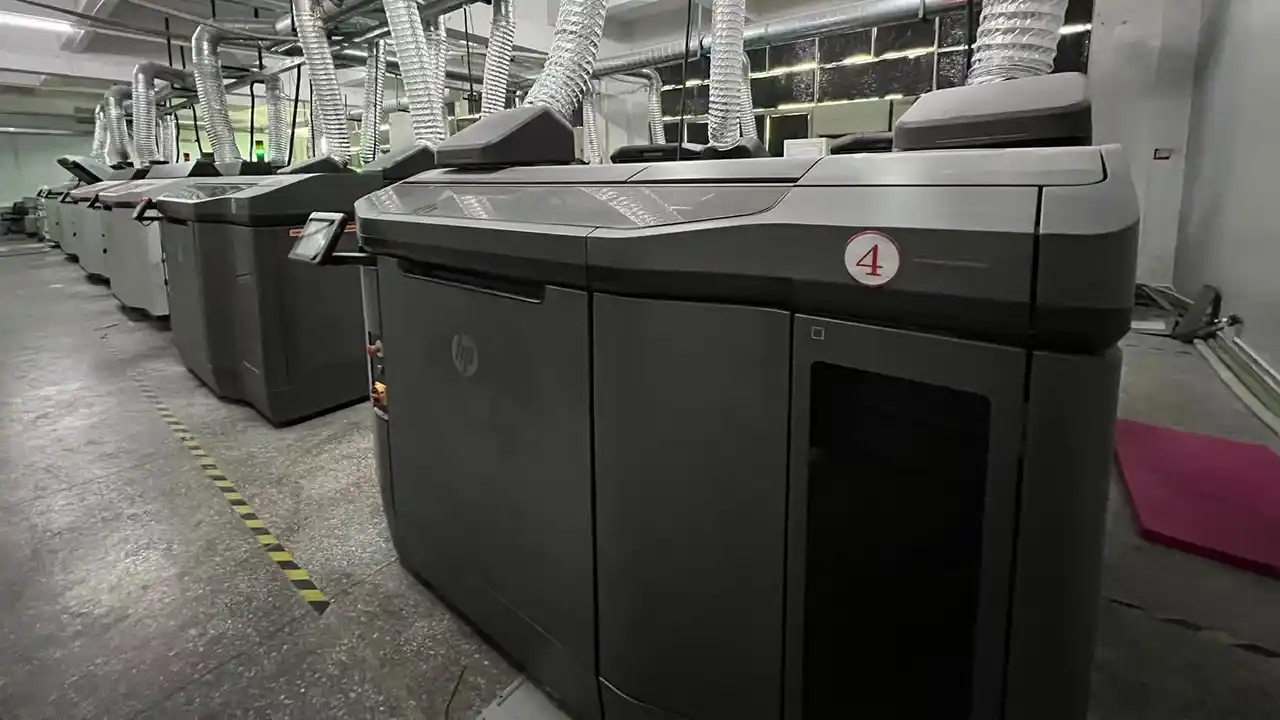
Ces dernières années, le champ d’application de la technologie d’impression 3D dans le secteur industriel n’a cessé de s’étendre. D’une part, de nouveaux matériaux d’impression font sans cesse leur apparition, et certains plastiques techniques haute performance ainsi que des composites métalliques peuvent désormais être utilisés pour la fabrication de pièces fonctionnelles, et non plus uniquement pour des prototypes visuels. D'autre part, la maturation des équipements d'impression multimatière et grand format a permis d'utiliser l'impression 3D pour la production sur mesure en petites séries, voire pour la fabrication directe de certaines pièces de rechange en petites quantités.
Toutefois, à court terme, l'impression 3D ne devrait pas encore remplacer le moulage par injection dans les contextes de production à grand volume et à faible coût ; elle devrait plutôt continuer à jouer le rôle de “ prototypage rapide et de complément pour les petites séries ”.”
Tendances futures dans le domaine du moulage par injection
Les tendances dans le secteur du moulage par injection sont principalement axées sur les moules intelligents et l'optimisation de la production : les capteurs intégrés aux moules et la surveillance en temps réel permettent un contrôle qualité plus précis tout au long du processus de production ; l’utilisation de matériaux légers et recyclables se généralise de plus en plus, en particulier dans les secteurs de l’automobile et de l’électronique ; des technologies spécialisées telles que le micro-moulage par injection et le moulage par injection multicomposant répondent également aux exigences de produits de plus en plus complexes. Parallèlement, les usines de moulage par injection qui intègrent l’automatisation et la gestion numérique raccourcissent sans cesse les délais de livraison pour les commandes de petits et moyens volumes, ce qui compense dans une certaine mesure la faiblesse du secteur liée aux “ investissements initiaux élevés ”.”
FAQ
Ce que l’on appelle le “ Saint Graal ” de l’impression 3D dans l’industrie consiste à parvenir à une “ impression de type production de masse ” — c’est-à-dire à tirer parti de la rapidité et de la flexibilité de conception de la fabrication additive pour atteindre des coûts unitaires et des propriétés des matériaux proches de ceux du moulage par injection, tout en éliminant le recours aux moules. Les technologies actuelles, telles que l’impression multi-matériaux à grande vitesse et l’impression à interface liquide continue, vont toutes dans ce sens ; cependant, dans les scénarios de production à grand volume et à faible coût, un écart important subsiste avant que l’impression 3D ne puisse véritablement remplacer le moulage par injection.
Parmi les causes courantes d'échecs d'impression, on peut citer : des réglages incorrects des paramètres d'impression (température, vitesse et hauteur de couche non adaptées aux propriétés du matériau) ; des structures de support du modèle mal conçues ; un étalonnage imprécis de l'appareil ; l'absorption d'humidité ou un stockage inapproprié du matériau ; ainsi que des problèmes de conception tels que des surplombs ou une épaisseur de paroi inégale. Les pièces à structure complexe sont particulièrement sujettes à des problèmes dans ces domaines ; il est recommandé d’inspecter minutieusement le modèle et de tester les paramètres avant l’impression.
Avec un entretien adéquat, les imprimantes 3D de qualité industrielle ont généralement une durée de vie de 5 à 10 ans, voire plus, selon le type d'équipement, la fréquence d'utilisation et le niveau d'entretien. Les imprimantes grand public ont une durée de vie relativement plus courte ; l'usure des composants (tels que les têtes d'impression et les rails de guidage) tend à se manifester plus tôt, ce qui nécessite le remplacement régulier des pièces d'usure pour prolonger leur durée de vie.
Les plastiques techniques haute performance, tels que le PEEK et le PEKK, comptent parmi les matériaux les plus difficiles à imprimer en 3D ; ils nécessitent des températures d’impression extrêmement élevées et un contrôle précis de la température, ce qui impose des exigences élevées tant au niveau des équipements que des procédés. Les matériaux métalliques (tels que les alliages de titane) posent également des défis tels que le retrait, la déformation et les contraintes internes lors de l'impression 3D métallique. Lorsque ces matériaux sont fabriqués par moulage par injection, le procédé offre généralement une plus grande maturité et une meilleure stabilité.
Il n'existe pas de “ meilleure ” solution en termes absolus, mais seulement une solution “ plus adaptée ”. L'impression 3D offre des avantages pour la production en petites séries, le prototypage rapide et les géométries complexes ; le moulage par injection est quant à lui plus avantageux pour la production en grande série, à faible coût et avec un haut niveau de régularité. Le choix doit être fondé sur le stade d’avancement de votre projet, le volume de commande, votre budget et les exigences de performance des pièces, plutôt que sur une simple comparaison des deux procédés en eux-mêmes.
Résumé
L'impression 3D et le moulage par injection ne sont pas en concurrence l'un avec l'autre ; il s'agit plutôt d'outils destinés à deux étapes distinctes du processus qui mène un produit du concept au prototype, puis à la production en série. Au cours de la phase de validation de la conception, l'impression 3D vous aide à identifier les problèmes et à itérer votre conception au moindre coût et le plus rapidement possible. Une fois la phase de production en série lancée, le moulage par injection vous permet de commercialiser vos produits de manière fiable, avec le coût unitaire le plus bas et la plus grande homogénéité.
Si vous avez du mal à choisir le procédé qui vous convient, ou si vous avez besoin d’un accompagnement étape par étape, de la validation du prototype à la production en série, n’hésitez pas à contacter l’équipe Dimud. Grâce à notre usine de moulage de précision, à notre atelier d'usinage CNC et à notre site de production électronique, nous pouvons vous proposer une solution tout-en-un — de l'analyse DFM et du prototypage rapide au développement de moules d'injection et à la production en série — afin d'aider votre produit à passer plus facilement du concept à la commercialisation.