
Вы когда-нибудь получали коммерческое предложение по литью под давлением, но не могли понять, высокая ли это цена или низкая?
Или, может быть, ваш бюджет на разработку продукта внезапно превысил запланированные рамки на этапе массового производства, но вы так и не смогли выявить первопричину?
В этой статье будет систематически рассмотрен каждый компонент затрат на литье под давлением — от расходов на пресс-формы до себестоимости единицы продукции, от выбора материалов до оптимизации технологического процесса — чтобы вы могли с полной уверенностью вести переговоры с поставщиками.
Два ключевых компонента затрат на литье под давлением
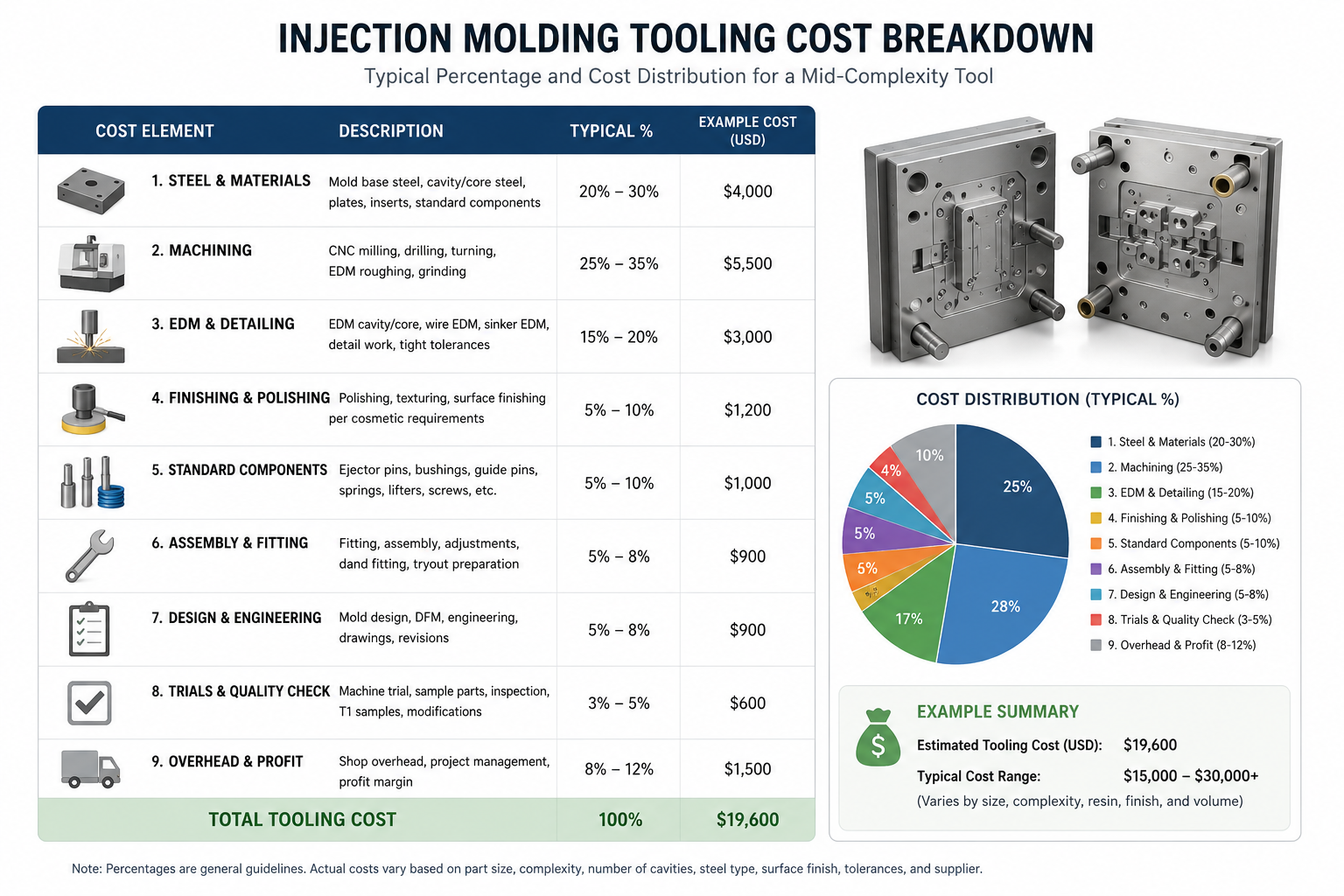
При оценке проектов по литью под давлением многие заказчики обращают внимание исключительно на “цена за единицу” и упускают из виду более значительный источник затрат: расходы на изготовление пресс-форм. Чтобы понять общую стоимость литья под давлением, необходимо рассматривать эти два компонента отдельно:
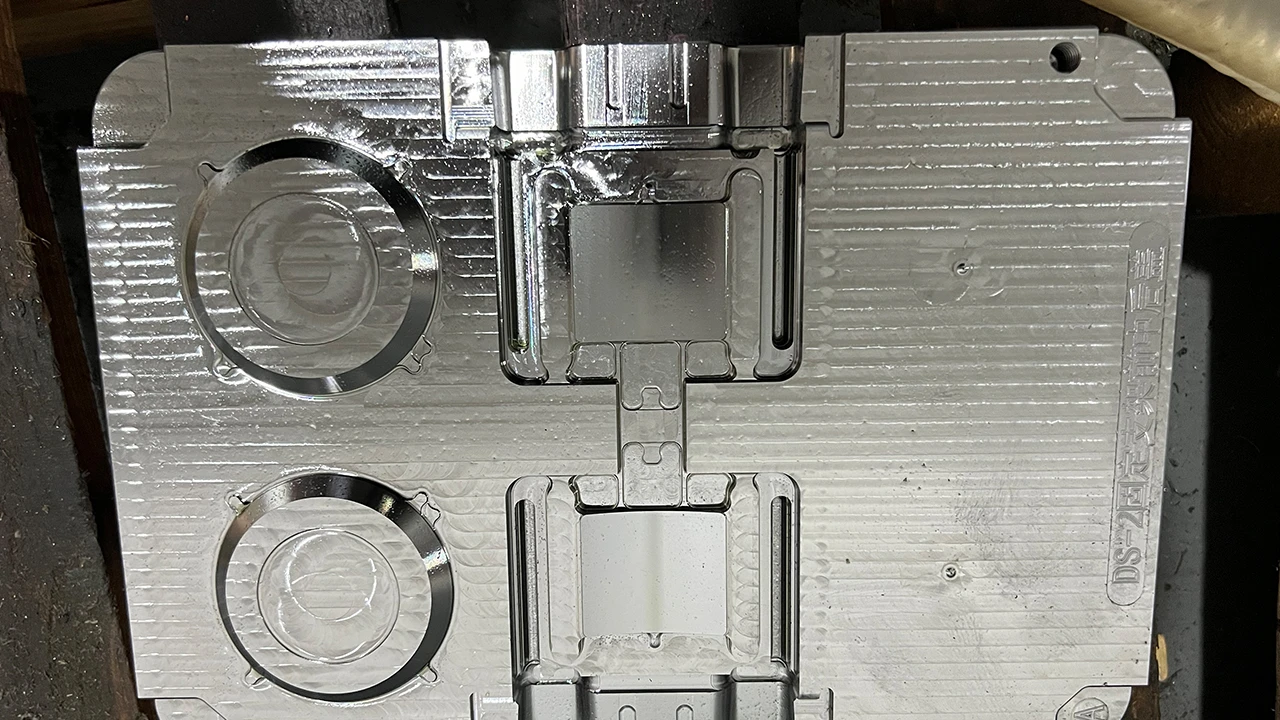
Затраты на инструментарий
Затраты на изготовление инструментов представляют собой единовременные первоначальные инвестиции, которые, как правило, оплачиваются до начала серийного производства. Они включают:
- Расходы на проектирование инструментов и инженерный анализ
- Закупка стали для изготовления пресс-форм (P20, 718, H13, S136 и др.)
- Затраты на прецизионное производство (обработка на станках с ЧПУ, электроэрозионная обработка, проволочная резка и т. д.)
- Расходы на пробное литье и отладку
- Расходы на валидацию формы (образцы T1, T2)
Ориентировочные диапазоны стоимости типовых форм:
Тип пресс-формы | Сложность | Ориентировочный диапазон цен (долл. США) |
Простая однокамерная форма | Низкий | $1 500 – $5 000 |
Однокамерная форма средней сложности | Средний уровень | $5 000 – $20 000 |
Многогнездные пресс-формы (4-гнездные/8-гнездные) | Средний — продвинутый уровень | $10 000 – $50 000 |
Высокоточная форма с подвижным блоком | Высокий | $20 000 – $100 000+ |
Прецизионные пресс-формы автомобильного и медицинского назначения | Чрезвычайно высокий | $50 000 – $200 000+ |
Примечание: Указанные выше ценовые диапазоны значительно варьируются в зависимости от конструкции изделия, используемых материалов, требований к сроку службы пресс-формы и страны происхождения. Пресс-формы, изготовленные в Китае, как правило, позволяют сэкономить 30%–60% по сравнению с аналогами из Европы и США, при этом их качество соответствует международным стандартам.
Стоимость одной детали
Себестоимость одной детали — это прямые затраты, понесенные при производстве одной детали, в основном включающие:
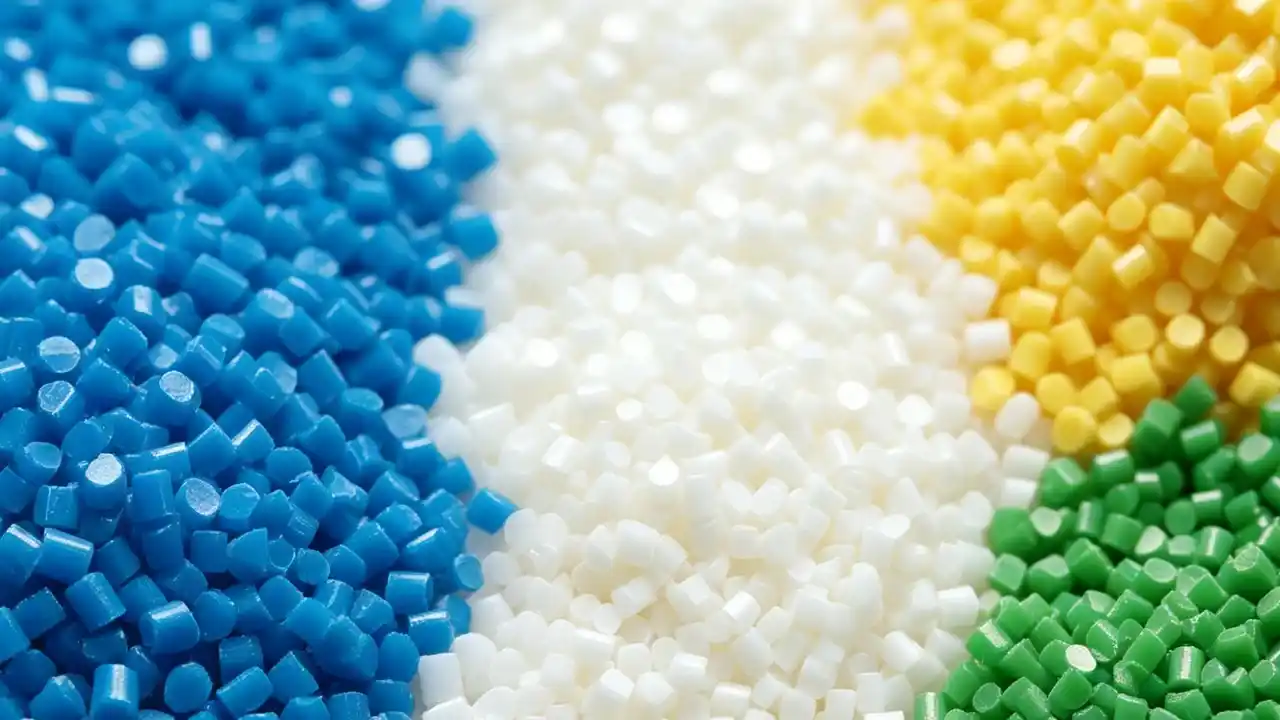
- Затраты на сырье (пластиковая смола)
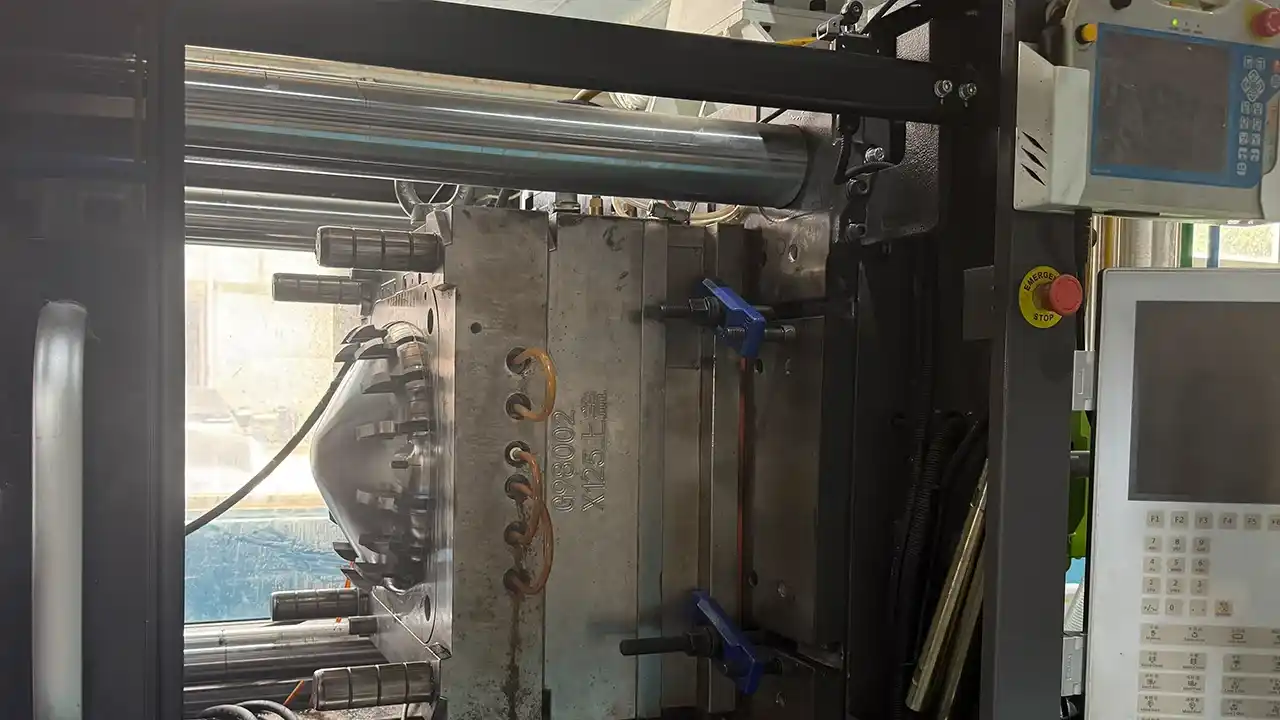
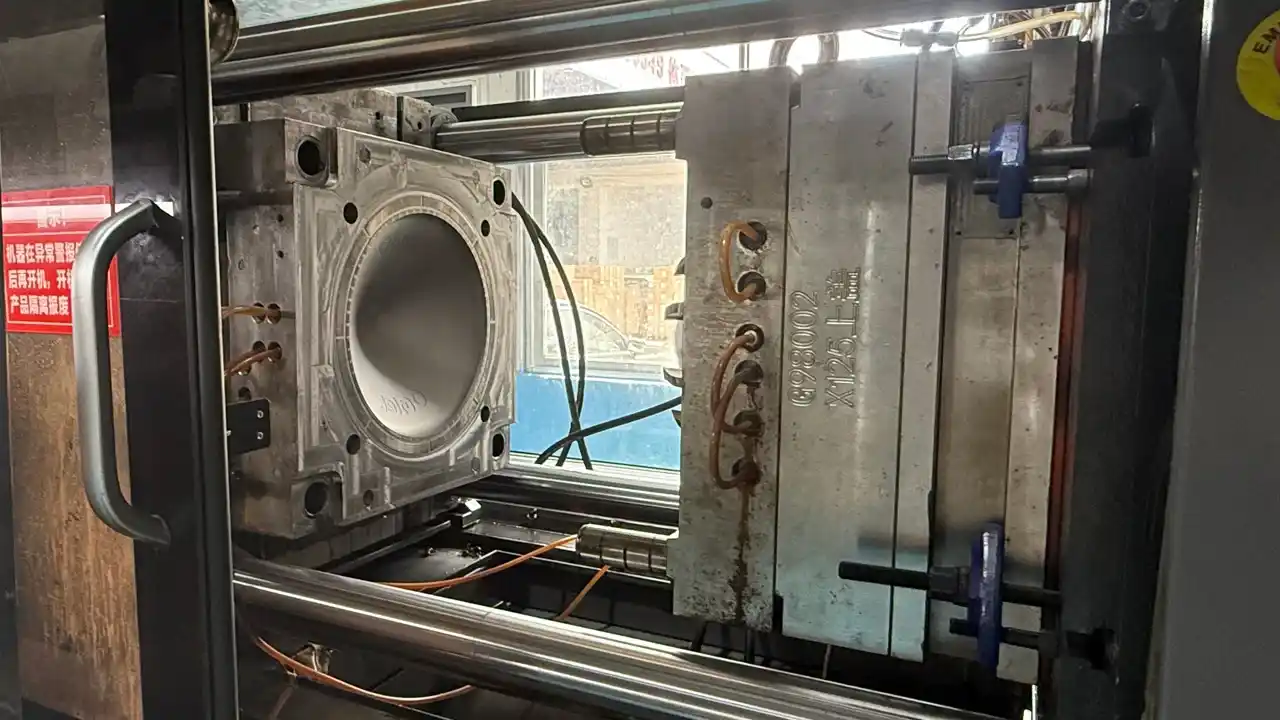
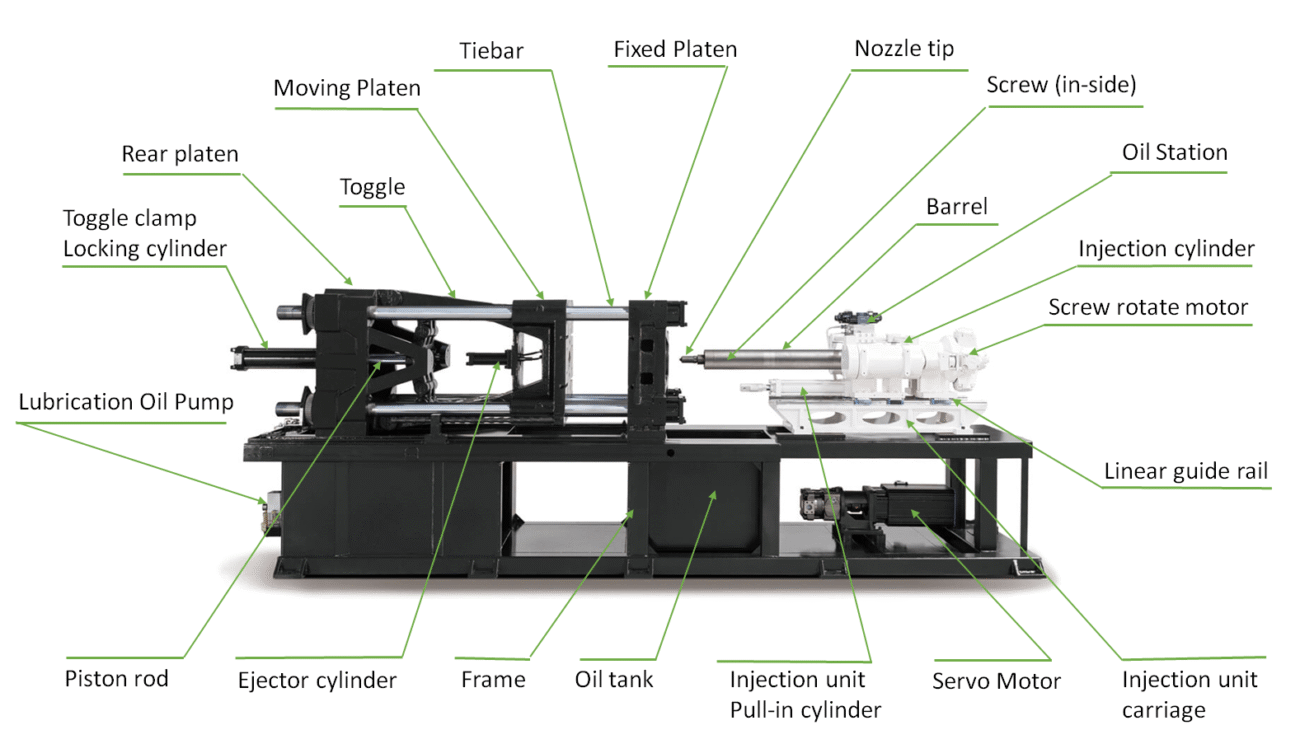
- Плата за использование термопластавтоматов (плата за время работы оборудования)
- Затраты на рабочую силу
- Потребление энергии
- Контроль качества и затраты на брак и доработку
- Затраты на вторичную обработку (постобработку)
7 основных факторов, влияющих на стоимость литья под давлением
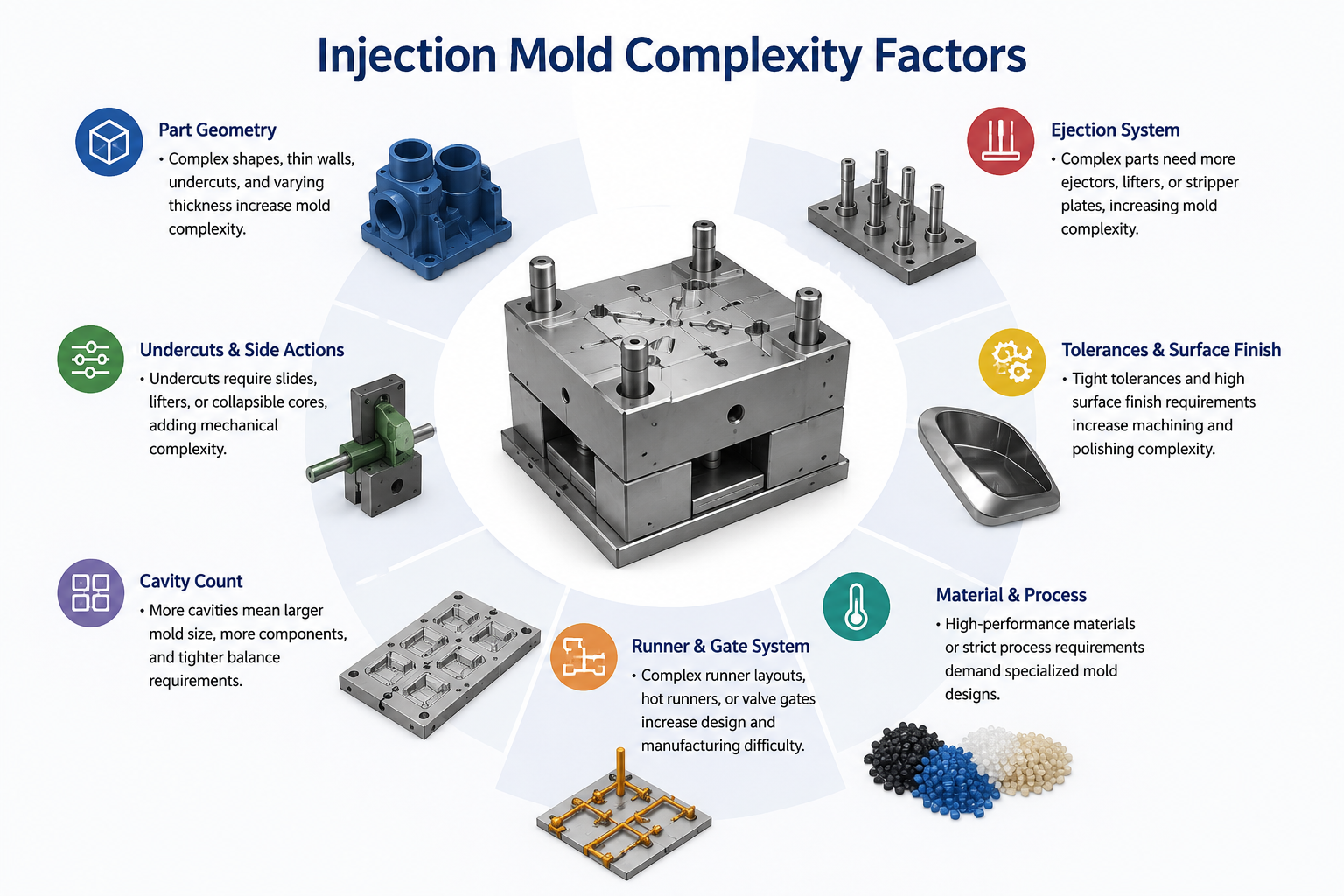
Фактор 1: Геометрическая сложность детали
Сложность конструкции детали является наиболее важным фактором, влияющим на стоимость пресс-формы. Следующие особенности могут значительно увеличить стоимость пресс-формы:
- Для подрезов и слайдеров требуются дополнительные механизмы бокового выталкивания или наклонные выталкивающие механизмы, что увеличивает затраты на 20%–50%
- Глубокие полости/тонкостенные сердечники: требуют высокой жесткости пресс-формы и сложны в механической обработке
- Конструкции с тонкими стенками: требуют точных процессов литья под давлением и более высокой точности пресс-форм
- Конструкции с внутренней/наружной резьбой, как правило, требуют использования механизмов вращающегося выталкивания или складных сердечников
- Размер детали: чем больше деталь, тем выше затраты на материалы для изготовления пресс-формы и на механическую обработку
Фактор 2: Количество полостей формы
Количество полостей определяет, сколько деталей можно изготовить за один цикл литья:
- Одногнездная форма: низкая стоимость изготовления пресс-формы, подходит для мелких партий или проверки прототипов
- Многогнездная форма (2-гнездная, 4-гнездная, 8-гнездная, 16-гнездная и т. д.): высокая стоимость инструмента, но значительно более низкая себестоимость единицы продукции; подходит для крупносерийного производства.
В компании «Dimud» мы рекомендуем оптимальное количество форм с учетом вашего годового спроса и сроков реализации проекта, чтобы помочь вам найти наиболее выгодное с точки зрения затрат решение.
Фактор 3: Выбор материалов для изготовления пресс-форм
Различные марки стали отличаются по стоимости и сроку службы:
Сталь, штамп | Возможные сценарии | Предполагаемый срок службы (количество выстрелов) | Относительная стоимость |
P20 | Универсальное производство, мелкие и средние партии | 500,000 | Средний уровень |
718H | Универсальные, модифицированные детали с высокой прозрачностью | 800,000 | Верхний средний |
H13 | Высокотемпературные материалы, инженерные пластики | 1,000,000+ | Высокий |
S136 | Коррозионные материалы, оптические компоненты | 1,000,000+ | Высокий |
алюминиевый сплав | Быстрое прототипирование, мелкосерийное производство | 5 000–50 000 | Низкий |
Димуд’с услуги по изготовлению пресс-форм позволяют создавать конструкции пресс-форм со сроком службы до 1 000 000 циклов и более, что отвечает потребностям долгосрочного серийного производства в таких отраслях с высокими стандартами, как автомобилестроение и медицинская промышленность.
Фактор 4: Требования к качеству поверхности
Эстетические и функциональные требования к деталям напрямую влияют на стоимость пресс-форм:
- Классы глянца SPI (A1–D3): Поверхности с высоким уровнем глянца (например, классы A1/A2) требуют полировки полости, что обходится дороже
- Травированные/текстурированные поверхности: требуют дополнительного химического травления
- Зеркальная полировка: применяется для оптических линз и прозрачных корпусов; это самый дорогой вариант.
Более подробную информацию о видах отделки поверхностей см. в Руководство по отделке поверхности Dimud.
Фактор 5: Требования к допуску и точности
Стандартные допуски при литье под давлением обычно составляют ±0,1 мм–±0,3 мм, тогда как при прецизионном литье под давлением можно достичь допусков ±0,01 мм–±0,05 мм.
Более высокие требования к точности означают:
- Более строгие требования к точности обработки пресс-формы (прецизионная электроэрозионная обработка, координатно-шлифовальные станки)
- Материалы для изготовления форм более высокого качества
- Более длительные циклы пробного литья и отладки
- Соответствующее увеличение стоимости модели 20%–100%
Прецизионные пресс-формы компании Dimud позволяют обеспечить допуск ±0,01 мм по критическим размерам пресс-формы, что соответствует строгим требованиям автомобильной и электронной промышленности.
Фактор 6: Марки стандартных компонентов пресс-форм
Стоимость значительно варьируется в зависимости от марок стандартных компонентов (направляющих штифтов, выталкивающих штифтов, горячеканальных систем и т. д.), используемых в пресс-форме:
- Международные бренды (HASCO, DME, MISUMI, LKM): более высокая стоимость, но с гарантированной точностью и долговечностью; подходят для экспорта на европейский и американский рынки
- Компоненты, соответствующие отечественным стандартам: более низкая стоимость, подходят для внутреннего рынка или проектов с ограниченным бюджетом.
Компания Dimud поддерживает международные стандарты производства пресс-форм: HASCO, DME, MISUMI и LKM, что гарантирует соответствие пресс-форм техническим требованиям вашего целевого рынка.
Фактор 7: Требования к срокам поставки пресс-форм
Стандартный срок поставки пресс-формы обычно составляет 4–6 недель. Если требуется ускоренная доставка (в течение 3 недель), обычно взимается дополнительная плата в размере 15%–30%.
Стандартный срок доставки компании Dimud составляет примерно 4 недели, а также мы предлагаем услугу ускоренной доставки, срок которой составляет примерно 3 недели.
5 ключевых факторов, влияющих на удельную стоимость литья под давлением
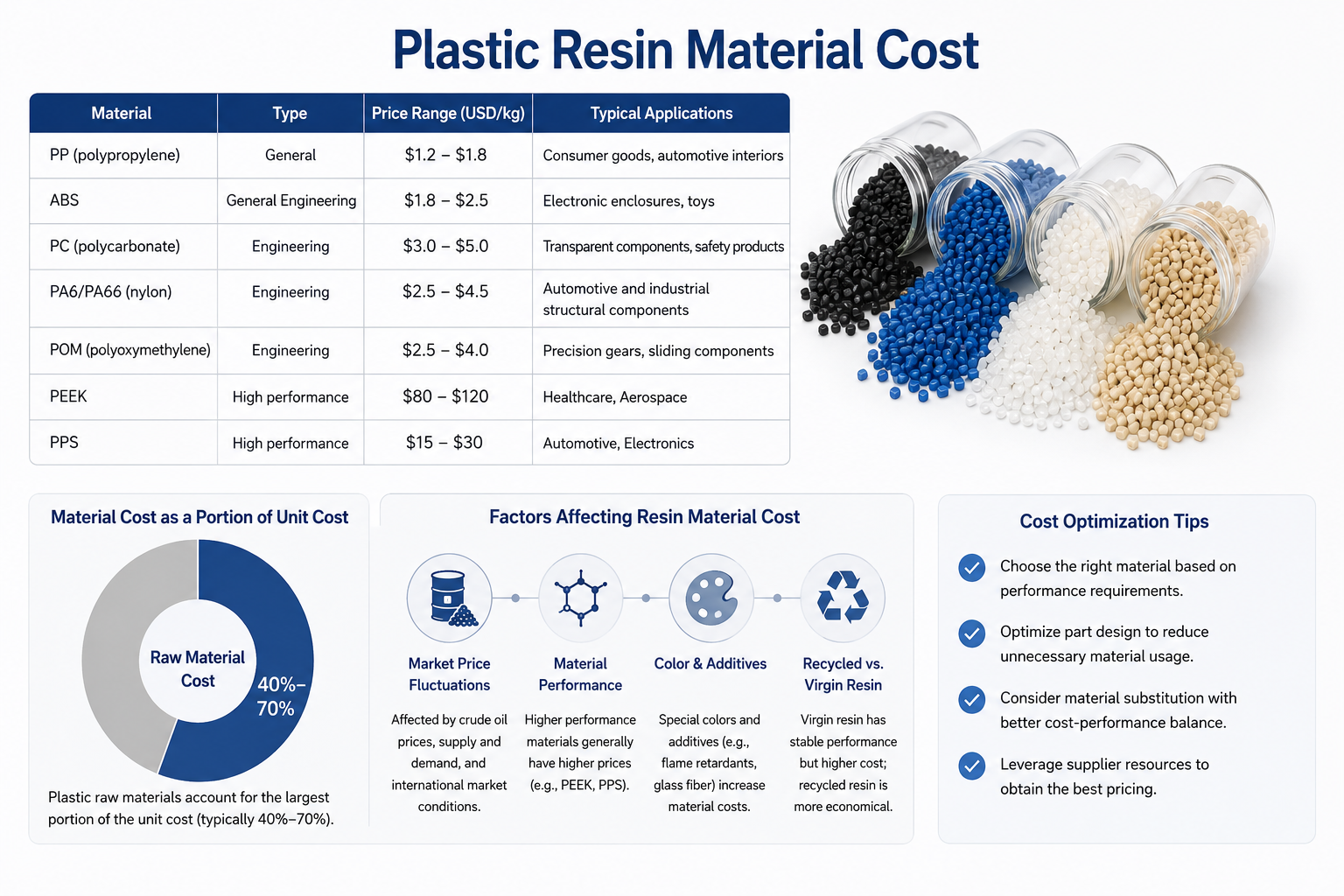
Переменная 1: Затраты на сырье
На пластиковое сырье приходится наибольшая доля в себестоимости единицы продукции (как правило, 40%–70%).
Ориентировочные цены на распространенные материалы для литья под давлением (рыночные цены, приведены исключительно для справки):
Материалы | Тип | Ценовой диапазон (долл. США/кг) | Типовые применения |
ПП (полипропилен) | Общие сведения | $1.2 – $1.8 | Потребительские товары, интерьеры автомобилей |
ABS | Общее машиностроение | $1.8 – $2.5 | Корпуса для электронных устройств, игрушки |
ПК (поликарбонат) | Инженерия | $3.0 – $5.0 | Прозрачные компоненты, средства безопасности |
PA6/PA66 (нейлон) | Инженерия | $2.5 – $4.5 | Автомобильные и промышленные конструкционные детали |
POM (полиоксиметилен) | Инженерия | $2.5 – $4.0 | Прецизионные зубчатые колеса, скользящие детали |
PEEK | Высокая производительность | $80 – $120 | Здравоохранение, аэрокосмическая отрасль |
PPS | Высокая производительность | $15 – $30 | Автомобилестроение, Электроника |
Компания «Димуд» обладает обширным опытом в выбор материала, начиная от универсальных смол и заканчивая высокоэффективными инженерными пластиками, такими как PEEK и PPS. Мы готовы помочь в проведении анализа замены материалов с целью оптимизации затрат на материалы при одновременном обеспечении соответствия эксплуатационным требованиям.
Переменная 2: Объем производства (эффект масштаба)
Размер партии — это фактор, наиболее чувствительный к удельной себестоимости, при этом между ними наблюдается явная нелинейная зависимость:
Диапазон партий | Характеристики удельной себестоимости |
100–1 000 единиц | Стоимость совместного использования пресс-формы высока, что приводит к самой высокой цене за единицу продукции |
1 000–10 000 единиц | Затраты на изготовление пресс-форм постепенно распределяются, что приводит к значительному снижению цен за единицу продукции |
10 000–100 000 единиц | Эффект масштаба начинает проявляться, и цены за единицу стабилизируются |
Более 100 000 | Позволяет минимизировать удельную себестоимость и максимально увеличить преимущества многогнездных пресс-форм |
Общая себестоимость = Стоимость пресс-формы ÷ Общий объем производства + Переменные затраты на единицу продукции
Эта формула показывает, что при достаточно большом объеме производства влияние затрат на изготовление пресс-форм на удельную цену можно не учитывать.
Переменная 3: Масса детали и толщина стенки
Чем больше материала используется в детали, тем выше затраты на сырье; чем толще стенка, тем дольше цикл литья под давлением (из-за увеличения времени охлаждения) и тем выше стоимость аренды оборудования.
Рекомендуемая оптимальная толщина стенок для литья под давлением:
- Пластики общего назначения (PP/ABS): 1,5 мм – 3,0 мм
- Технические пластики (PC/PA): 1,5 мм – 3,5 мм
- Высокопрочный пластик (PEEK): 1,0 мм – 4,0 мм
Равномерность толщины стенок одинаково важна как с точки зрения затрат на литье под давлением, так и с точки зрения качества — неравномерная толщина стенок может привести к появлению таких дефектов, как следы усадки и коробление, что увеличивает количество брака и затраты.
Переменная 4: Время цикла литья под давлением
Цикл литья под давлением = время впрыска + время удержания + время охлаждения + время раскрытия пресс-формы и извлечения детали
Чем короче время цикла, тем выше производительность в единицу времени и тем ниже себестоимость на одну машину. К факторам, влияющим на время цикла, относятся:
- Толщина стенки (основной фактор, влияющий на время охлаждения)
- Термические свойства материалов (теплопроводность)
- Проектирование систем охлаждения пресс-форм
- Уровень автоматизации (роботизированный подбор заказов против ручного подбора заказов)
Переменная 5: Уровень ручных и автоматизированных операций
Затраты на рабочую силу на китайских заводах по литью под давлением значительно ниже, чем в Европе и США, однако по мере роста уровня автоматизации влияние затрат на рабочую силу снижается:
- Полностью автоматизированная производственная линия: идеально подходит для выпуска стандартизированной продукции в больших объемах и обеспечивает минимальные затраты
- Полуавтоматический (с использованием роботов): подходит для изделий средней и высокой степени сложности
- Ручная помощь: подходит для небольших партий или сложных сборочных процессов
Различия в затратах на литье под давлением в различных отраслях
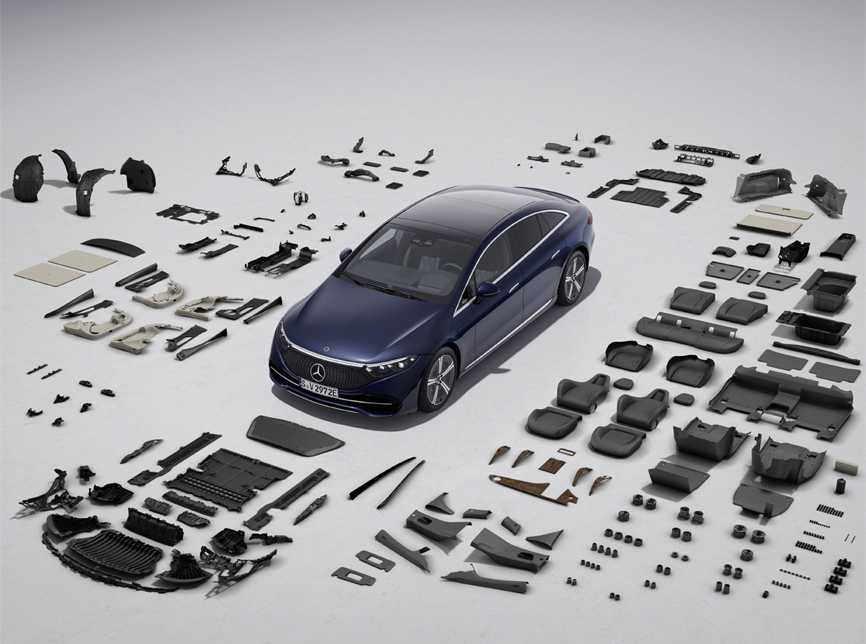
Затраты на литье под давлением зависят не только от самого изделия, но и тесно связаны с отраслевыми факторами:
Затраты на литье под давлением в автомобильной промышленности
К автомобильным деталям предъявляются чрезвычайно высокие требования в отношении точности размеров, свойств материалов и стабильности качества партий, и, как правило, они должны соответствовать IATF 16949 сертификация системы управления качеством.
Основные факторы, влияющие на затраты:
- Высокие требования к сроку службы пресс-формы (как правило, ≥500 000 циклов)
- Требуется проведение тщательной процедуры утверждения деталей для серийного производства (PPAP).
- Как правило, материалы должны соответствовать определенным требованиям, таким как огнестойкость и термостойкость.
- Строгие требования к проверке размеров (измерение на координатно-измерительной машине, полный отчет о размерах)
Димудс услуги по производству автомобильных запчастей специализируются на прецизионном производстве конструкционных узлов, систем внутренней отделки и корпусов для электронного оборудования и располагают комплексной системой управления качеством, соответствующей стандартам автомобильной промышленности.
Стоимость литья под давлением медицинских изделий
Литье под давлением в медицинской отрасли предъявляет строгие требования к чистоте производственных помещений, соответствию материалов установленным стандартам и обеспечению прослеживаемости:
- Материалы должны соответствовать таким нормативным требованиям, как Класс VI по стандарту USP и 21 CFR Управления по контролю за продуктами и лекарствами (FDA)
- Производство должно осуществляться в чистой комнате (класс 7/8)
- Требуется полная документация по отслеживанию партии
- Для валидации пресс-формы необходимы процедуры IQ/OQ/PQ
Эти дополнительные требования, как правило, приводят к увеличению стоимости литья под давлением изделий медицинского назначения на 30%–100% по сравнению со стандартным литьем под давлением, однако их соблюдение является обязательным условием.
Димуд’с услуги по производству медицинского оборудования обеспечьте соответствие ваших медицинских компонентов нормативным требованиям на каждом этапе — от выбора материалов до контролируемых производственных процессов.
Стоимость литья под давлением для бытовой электроники
В отрасли бытовой электроники к эстетике продукции предъявляются столь же высокие требования, как и к быстрому выпуску новых версий:
- Элементы экстерьера, как правило, требуют глянцевой или фактурной отделки
- Продукция быстро развивается, поэтому конструкция пресс-форм должна предусматривать возможность внесения изменений.
- Высокие требования к стабильности размеров (точности сборки)
- Как правило, существуют такие функциональные требования, как защита от электромагнитных помех и отвод тепла
Димудс услуги по производству бытовой электроники Мы специализируемся на изготовлении корпусов, разъемов и компонентов систем теплоотвода по индивидуальному заказу, что помогает вам сократить сроки вывода продукции на рынок и одновременно гарантировать её качество.
Затраты на литье под давлением в отраслях робототехники и накопления энергии
Потребность в быстром прототипировании и гибком масштабировании производства особенно остро стоит в следующих двух быстрорастущих отраслях:
- Быстрое прототипирование на ранних этапах (небольшие партии, короткие сроки изготовления)
- Процесс разработки продукта может предполагать частые итерации
- С началом массового производства крайне важно обеспечить стабильное качество и надежные поставки.
Компания Dimud, специализирующаяся на производстве робототехники и систем накопления энергии, предоставляет комплексную поддержку — от быстрого прототипирования до серийного производства.
Практическая методика расчета затрат на литье под давлением
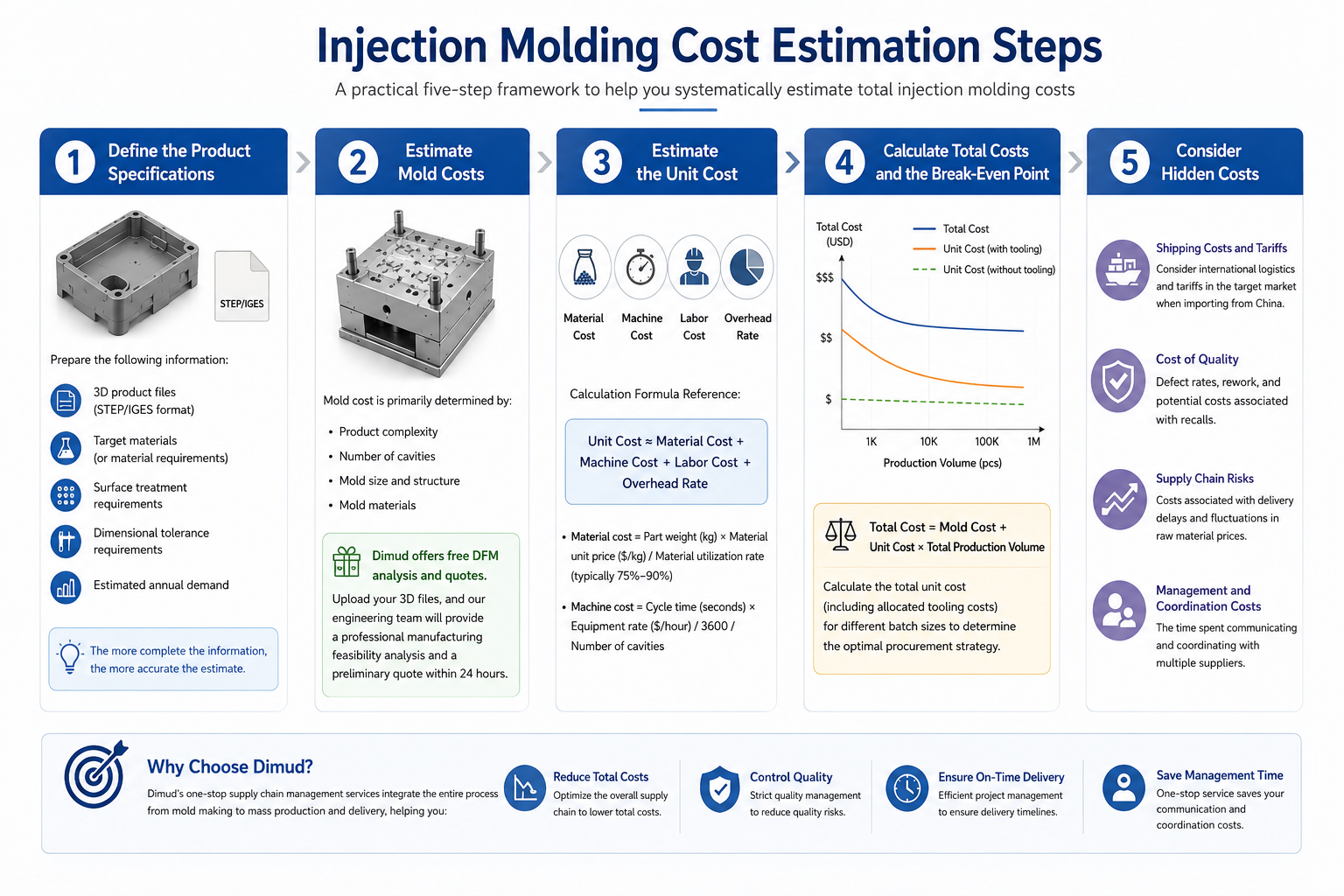
Как при начале работы над новым проектом можно систематически оценить общую стоимость литья под давлением? Вот практическая методика, состоящая из пяти этапов:
Шаг 1: Определите технические характеристики продукта
Прежде чем запрашивать расценки или самостоятельно рассчитывать стоимость, пожалуйста, подготовьте следующую информацию:
- 3D-файлы изделий (форматы STEP/IGES)
- Целевые материалы (или потребности в материалах)
- Требования к обработке поверхности
- Требования к допускам на размеры
- Расчетный годовой спрос
Шаг 2: Расчет стоимости пресс-форм
Предварительные расчеты стоимости пресс-формы основаны на сложности изделия, количестве полостей и материалах, из которых изготовлена пресс-форма; см. таблицу стоимости выше.
Компания Dimud предлагает бесплатный анализ DFM и расчет стоимости. Просто загрузите свои 3D-файлы, и наша команда инженеров в течение 24 часов предоставит профессиональный анализ технологичности изделия и предварительный расчет стоимости.
Шаг 3: Оценить себестоимость единицы продукции
Справочник по формулам расчёта:
Удельная себестоимость ≈ Стоимость материалов + Стоимость использования оборудования (время цикла × ставка за тонну) + Затраты на рабочую силу + Ставка накладных расходов
- Стоимость материала = Вес детали (кг) × Цена материала за единицу ($/кг) / Коэффициент использования материала (обычно 75%–90%)
- Стоимость машины = Время цикла (секунд) × Производительность оборудования ($/час) / 3600 / Количество полостей
Шаг 4: Расчет общих затрат и точки безубыточности
Общая стоимость = Стоимость пресс-формы + Себестоимость единицы продукции × Общий объем производства
Определите оптимальную стратегию закупок, рассчитав общую удельную себестоимость (с учетом распределенных затрат на инструмент) для партий разного размера.
Шаг 5: Учтите скрытые расходы
К скрытым расходам, которые многие клиенты упускают из виду, относятся:
- Стоимость доставки и таможенные пошлины: При импорте товаров из Китая необходимо учитывать особенности международной логистики и таможенные пошлины на рынке сбыта.
- Стоимость обеспечения качества: уровень брака, переделка и потенциальные затраты, связанные с отзывами продукции
- Риски, связанные с цепочкой поставок: затраты, связанные с задержками поставок и колебаниями цен на сырье
- Расходы на управление и координацию: время, затрачиваемое на общение и координацию действий с несколькими поставщиками
Именно в этом и заключается основная ценность комплексного решения от Dimud услуги по управлению цепочкой поставок—Благодаря интеграции цепочки поставок мы значительно сокращаем управленческие расходы наших клиентов и снижаем риски, связанные с поставками.
Как снизить затраты на литье под давлением за счет оптимизации проектирования с учетом технологичности (DFM)
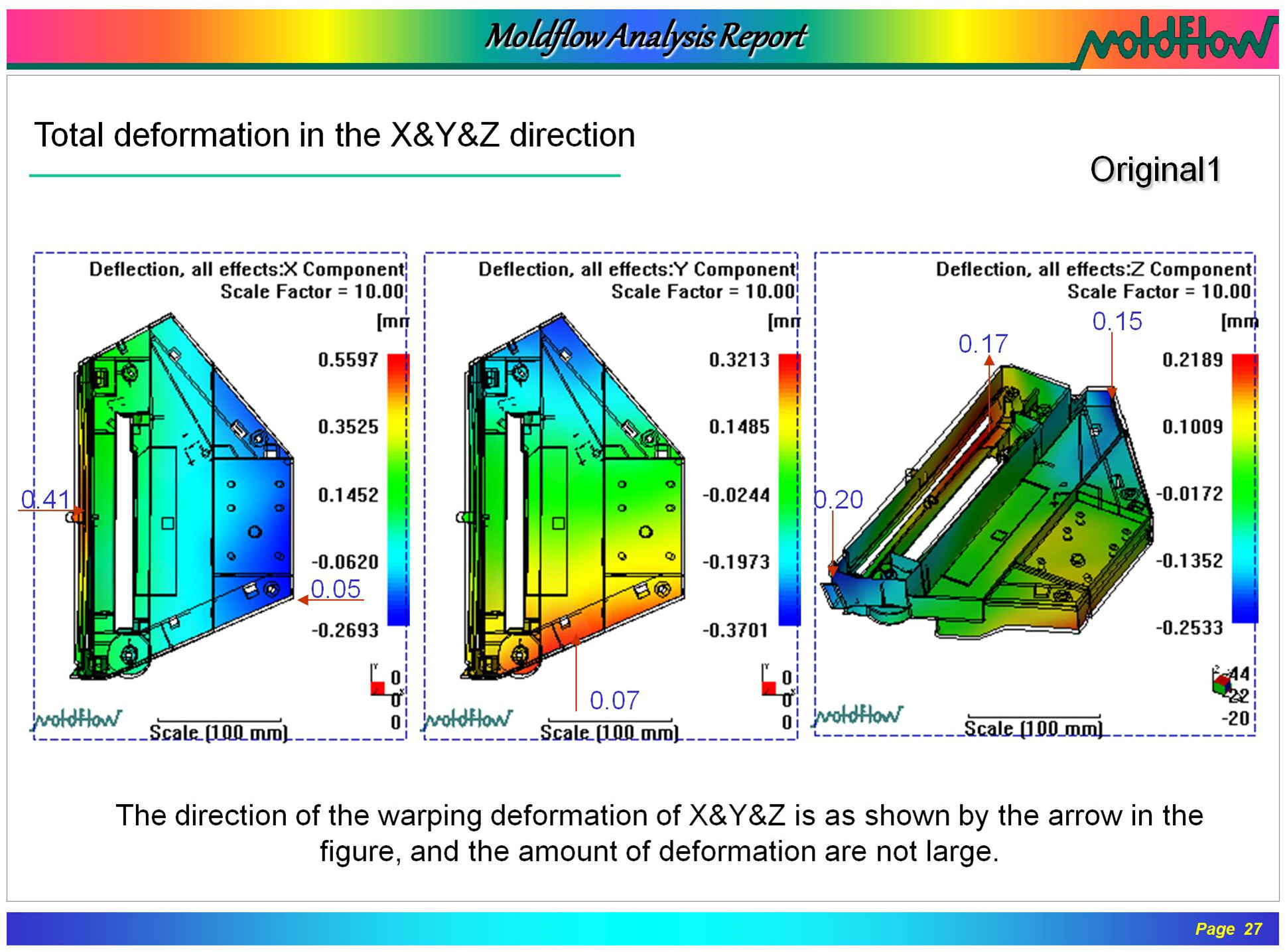
Проектирование с учетом технологичности (DFM) — это методология, позволяющая на этапе проектирования продукта заблаговременно выявлять и устранять проблемы, связанные с производством, что, как правило, приводит к сокращению затрат на 15%–40%.
Распространенные стратегии оптимизации DFM
① Устранить ненужные подрезы
Для изготовления подрезов требуются ползуны или механизмы с наклонным сердечником, что в значительной степени способствует увеличению стоимости пресс-формы. За счёт перепроектирования линии разъёма или изменения конструкции изделия зачастую удаётся устранить некоторые подрезы и снизить сложность пресс-формы.
② Обеспечить равномерность толщины стенок
Неравномерная толщина стенок может привести к неравномерной усадке, что вызывает появление вмятин или коробления, а это, в свою очередь, увеличивает количество брака. Конструкция с равномерной толщиной стенок позволяет повысить качество, сократить время охлаждения и снизить общие затраты.
③Установите соответствующий угол наклона
Достаточный угол наклона (обычно 1°–3°) способствует плавному извлечению деталей, снижает риск их прилипания к пресс-форме, сводит к минимуму износ пресс-формы и продлевает срок её службы.
④Правильное проектирование ребер жесткости
Толщина ребер должна составлять 50%–70% от толщины основной стенки, чтобы предотвратить образование следов усадки на обратной стороне ребер и одновременно обеспечить достаточную прочность конструкции.
⑤ Консолидация по частям
Объединение нескольких деталей, которые в противном случае пришлось бы изготавливать и собирать по отдельности, в одну деталь, изготовленную методом литья под давлением, позволяет сократить количество необходимых форм и снизить затраты на сборку.
⑥ Анализ замены материалов
Заменить дорогостоящие материалы более доступными альтернативами, обеспечив при этом соблюдение эксплуатационных требований. Например:
- Замена полиамида на полипропилен, армированный стекловолокном (в определенных случаях)
- Заменить поликарбонат на модифицированный АБС-пластик (если прозрачность не является основным требованием)
Димуд’с Услуги по DFM и проектированию с учетом технологичности включаются в проект на ранних этапах. Благодаря анализу Moldflow и инженерным экспертизам мы помогаем клиентам избежать до 80% конструктивных дефектов, тем самым контролируя затраты на самом источнике. (если они не высоки)
Лучшее время для DFM
Чем раньше вы начнете проводить анализ DFM, тем больше будет польза.
Сроки вмешательства | Типичная экономия затрат | Сложность внесения изменений |
Этап концептуального проектирования | Максимальное значение (30%–50%) | Самый низкий |
Этап детального проектирования | Значительный (15%–30%) | Низкий–средний |
Этап развития плесени | Ограниченный (5%–15%) | Высокий |
Этап серийного производства | Незначительный (<5%) | Чрезвычайно высокий |
Стоимость литья под давлением по сравнению с другими методами формования
Литье под давлением подходит не для всех задач; понимание различий между различными технологиями поможет вам принять оптимальное решение:
Процесс | Расходы на формы и оборудование | Себестоимость единицы продукции (массовое производство) | Соответствующая партия | Оптимальное применение |
Литье под давлением | Средний–высокий ($2 000–$200 000) | Очень низкий | 10,000+ | Сложные пластиковые детали, крупносерийное производство |
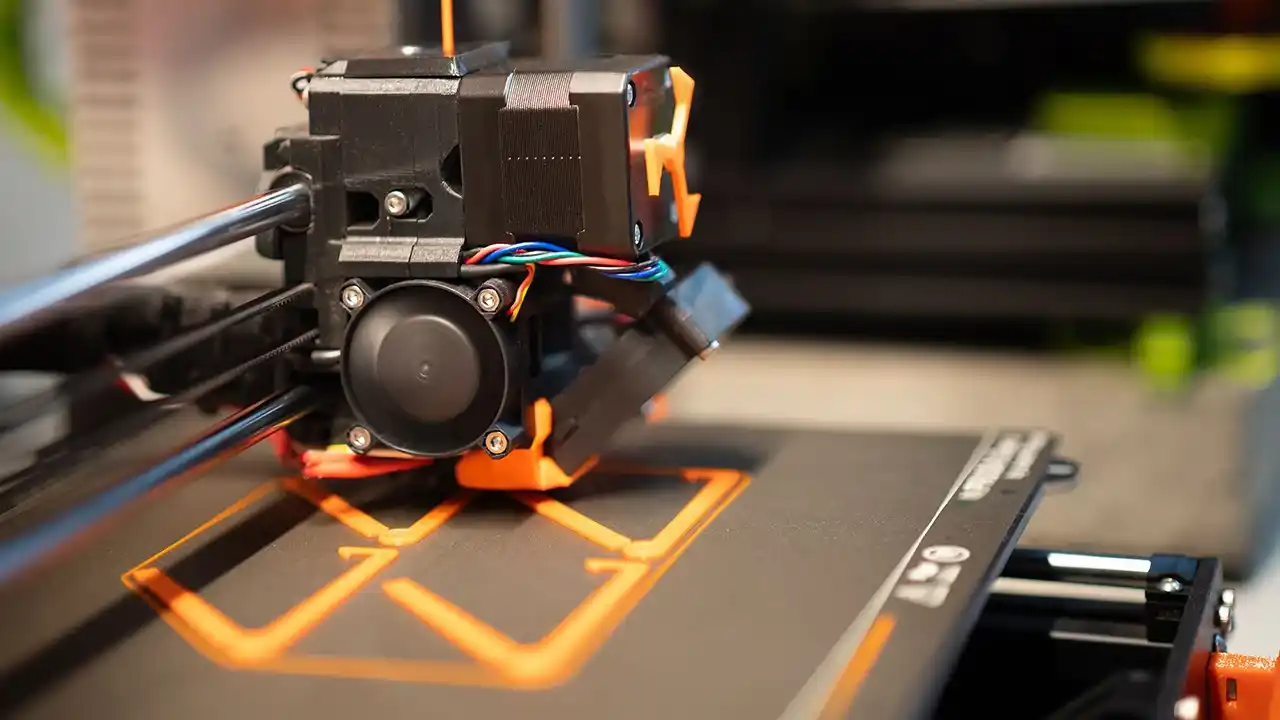
3D-печать (FDM/SLA) | Очень низкий (без плесени) | Высокий | 1–500 позиций | Создание прототипов, индивидуальная настройка |
Обработка с ЧПУ | Низкий (стоимость программирования) | Средний–продвинутый уровень | 1–1 000 позиций | Прецизионные детали из металла и пластика |
Выдувное формование | Низкий–средний | Низкий | Более 5 000 наименований | Полые ёмкости (бутылки, банки) |
Термоформование | Низкий | Низкий–средний | Более 1 000 товаров | Тонкостенные детали с большой площадью поверхности |
Литье под давлением | Высокий | Низкий | 10,000+ | Металлические конструктивные элементы |
Вывод: Преимущества литья под давлением заключаются в чрезвычайно низкой удельной себестоимости при крупносерийном производстве и возможности изготовления изделий с очень сложной геометрией. Когда спрос на продукцию высок, конструкция изделия стабильна и требуется высокая точность, литье под давлением является оптимальным выбором в подавляющем большинстве случаев.
Для проверки работоспособности продукта на ранних этапах компания Dimud предлагает быструю услуги по созданию прототипов чтобы помочь клиентам проверить свои проектные решения с минимальными затратами, прежде чем приступить к полномасштабной разработке пресс-форм.
Распространенные ошибки при расчете затрат на литье под давлением и способы их предотвращения
Вот некоторые из наиболее распространённых «ловушек», связанных с затратами, в которые часто попадают многие менеджеры по закупкам и команды по разработке продукции:
Сосредоточение внимания исключительно на ценах на изготовление пресс-форм при игнорировании общих затрат
При изготовлении форм с аналогичными функциональными характеристиками недорогие поставщики могут использовать сталь низкого качества, в результате чего срок службы окажется вдвое меньше ожидаемого. В конечном итоге это приводит к необходимости досрочной замены форм, что увеличивает общую стоимость.
Рекомендация: При запросе ценовых предложений просите поставщиков указать материалы, из которых изготовлена форма, предполагаемый срок службы и условия гарантии.
Начать изготовление инструментов до завершения разработки проекта
Частые изменения в конструкции на этапе разработки пресс-формы могут привести к значительным затратам на доработку (обычно называемым “расходами на модификацию пресс-формы”), которые порой могут даже превышать первоначальную стоимость пресс-формы.
Рекомендация: После завершения анализа DFM и проверки прототипа необходимо подтвердить фиксацию проекта, прежде чем приступать к разработке пресс-формы. Пресс-форма
Недооценка затрат на этапе пилотного производства
Прототипы, изготовленные с использованием формы T1, зачастую требуют доработки, и нередко приходится проводить T2, T3 или даже больше циклов модификации формы. Эти затраты следует учесть в бюджете проекта.
Рекомендация: Выделить 10%–20% из бюджета в качестве резерва на случай непредвиденных обстоятельств на этапах пилотного производства и отладки.
Неучёт риска колебаний цен на материалы
Колебания цен на нефть напрямую влияют на цены на большинство термопластов. При заключении долгосрочных контрактов отсутствие положений о корректировке цен может подвергнуть вас значительным рискам, связанным с затратами.
Рекомендация: Добиваться включения в долгосрочные контракты механизма корректировки цен с учетом изменения стоимости материалов.
Фрагментированная база поставщиков приводит к резкому росту затрат на координацию
Когда производство продукции включает в себя несколько технологических процессов (литье под давлением + обработка на станках с ЧПУ + сборка электронных узлов), привлечение разных поставщиков для каждого этапа может привести к значительному увеличению затрат на коммуникацию, возникновению проблем с стабильностью качества и повышению рисков, связанных с поставками.
Рекомендация: Отдавайте предпочтение производственным партнерам, предлагающим комплексные услуги. Три завода компании Dimud — цех по изготовлению пресс-форм, цех с ЧПУ и завод по сборке электроники — идеально подходят для удовлетворения этой потребности.
Как выбрать подходящего поставщика услуг литья под давлением
Выбор поставщика услуг литья под давлением — это не просто сравнение цен; не менее важны следующие факторы:
Инженерные возможности
- Есть ли у вас специальная группа по анализу DFM?
- У вас есть возможности для работы с Moldflow?
- Могут ли инженеры заблаговременно выявлять риски, связанные с проектированием?
Производственные мощности
- Соответствует ли диапазон производительности наших термопластавтоматов вашим потребностям?
- Есть ли у вас оборудование для прецизионной обработки (ЧПУ, электроэрозионная обработка, проволочная резка)?
- Соответствует ли среда чистой комнаты требованиям вашей отрасли?
Система качества
- Вы ISO 9001 сертифицирован?
- Клиенты из автомобильной отрасли требуют соответствия стандарту IATF 16949
- Клиенты из медицинской отрасли должны иметь сертификат ISO 13485 или его эквивалент
- Имеется ли у вас комплексная система контроля качества, охватывающая входной контроль качества (IQC), производственный контроль качества (IPQC) и конечный контроль качества (FQC)?
Надежность доставки
- Существует ли надежная система управления проектами?
- Каков был показатель своевременности поставок в прошлом?
- Как быстро вы реагируете при возникновении проблем?
Возможности интеграции цепочки поставок
- Вы можете взять на себя закупку сырья?
- Вы предоставляете услуги по сборке?
- Есть ли у вас опыт работы в сфере экспортной логистики?
Решения Dimud в области литья под давлением: комплексное решение для снижения общих затрат
Компания Dimud, состоящая из команды профессионалов, обладающих обширным опытом в области литья под давлением, реализовала более 1 000 проектов по изготовлению продукции на заказ для клиентов из Европы, Северной Америки и Ближнего Востока.
Как мы можем помочь вам контролировать общие затраты на литье под давлением:
Своевременное привлечение специалистов по DFM снижает риски, связанные с проектированием
Мы тесно сотрудничаем с нашими клиентами, начиная с этапа проектирования продукции. Благодаря профессиональному анализу DFM и моделированию потока материала в пресс-форме мы выявляем и устраняем потенциальные проблемы, связанные с затратами, ещё до начала изготовления пресс-форм, что позволяет значительно сократить расходы на последующие доработки пресс-форм.
Изготовление высокоточных пресс-форм для снижения уровня брака
Услуги компании Dimud по изготовлению пресс-форм соответствуют стандарту прецизионной обработки с точностью ±0,005 мм, а показатель успешности пробного запуска пресс-формы с первого раза превышает 98%, что позволяет значительно сократить сроки реализации проектов и снизить затраты на пробное производство. Наши пресс-формы рассчитаны на срок службы более 1 миллиона циклов, что в долгосрочной перспективе снижает удельную стоимость пресс-формы.
Комплексные услуги по литью под давлением, позволяющие сократить затраты на координацию работ
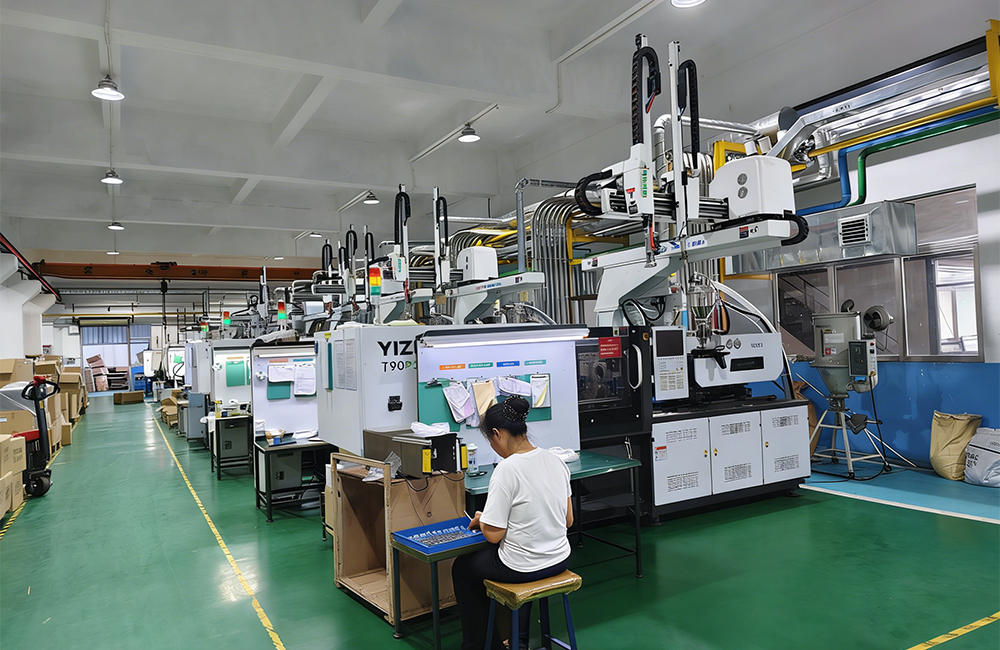
Располагая более чем 100 термопластавтоматами (с максимальным усилием зажима 1 300 тонн), мы выполняем любые заказы — от изготовления прототипов небольшими партиями до крупномасштабного серийного производства объемом до 50 000 единиц в месяц. Благодаря всестороннему контролю качества на всех этапах производственного процесса — включая входной контроль качества (IQC), контроль качества в процессе производства (IPQC) и окончательный контроль качества (FQC) — мы стабильно обеспечиваем коэффициент выхода годных изделий с первого раза на уровне более 99%.
Три завода, работающие в тесном взаимодействии, чтобы охватить всю технологическую цепочку
- Mold Factory: Проектирование и изготовление прецизионных пресс-форм
- CNC Factory: Точная механическая обработка и металлические детали
- Завод по производству электроники: сборка печатных плат (PCBA) и монтаж электронных компонентов
Благодаря таким комплексным производственным возможностям вам достаточно обратиться к одному контактному лицу, а мы возьмем на себя координацию всего процесса.
Комплексное управление цепочкой поставок
От закупки сырья до отгрузки готовой продукции мы управляем сетью, насчитывающей более 3 000 поставщиков. Благодаря оптовым закупкам и тщательной оценке поставщиков мы помогаем нашим клиентам оптимизировать затраты на сырье, обеспечивая при этом стабильность цепочки поставок.
Резюме
Затраты на литье под давлением никогда не сводятся к одной цифре; они отражают совокупность таких факторов, как материалы, конструкция, технологические процессы, цепочка поставок и возможности партнеров. Только понимая структуру затрат, можно принимать более взвешенные решения на каждом ключевом этапе — будь то оптимизация конструкции изделия, выбор варианта пресс-формы или определение стратегий по объемам производства.
Если вы сталкиваетесь с проблемами, связанными с затратами в рамках вашего проекта по литью под давлением, или не уверены в оптимальности вашего текущего подхода, почему бы не начать с бесплатного анализа DFM? Инженерная команда Dimud предоставит профессиональные рекомендации в течение 24 часов — это может стать самым полезным шагом в реализации вашего проекта.