
Vous avez choisi l'acrylique parce qu'aucun autre matériau ne lui ressemble. La transmission lumineuse du 92% est supérieure à celle du verre Crown. Son indice de réfraction de 1,49 permet aux guides de lumière de briller avec une précision chirurgicale. Sa stabilité intrinsèque aux UV garantit que les enseignes extérieures restent d'une clarté cristalline pendant une décennie, sans aucun additif stabilisateur.
Puis les pièces nous ont été rendues, parsemées de stries argentées. Ou encore, avec un léger voile là où elles auraient dû être parfaitement transparentes. Ou des marques d'enfoncement sur une surface censée ressembler à du verre.
Le PMMA offre les meilleures performances optiques parmi tous les thermoplastiques moulés par injection — et la moindre erreur de fabrication se traduit par un défaut que l’on peut voir à travers le matériau. Ce guide s'articule autour de cette réalité : ce qui rend le polyméthacrylate de méthyle véritablement exceptionnel, ce qui le rend véritablement difficile à travailler, et comment le spécifier, le concevoir et le fabriquer afin que la qualité optique que vous avez prévue soit bien celle que vous obtenez.
Ce qui se cache derrière la transparence : qu'est-ce que le PMMA, au juste ?
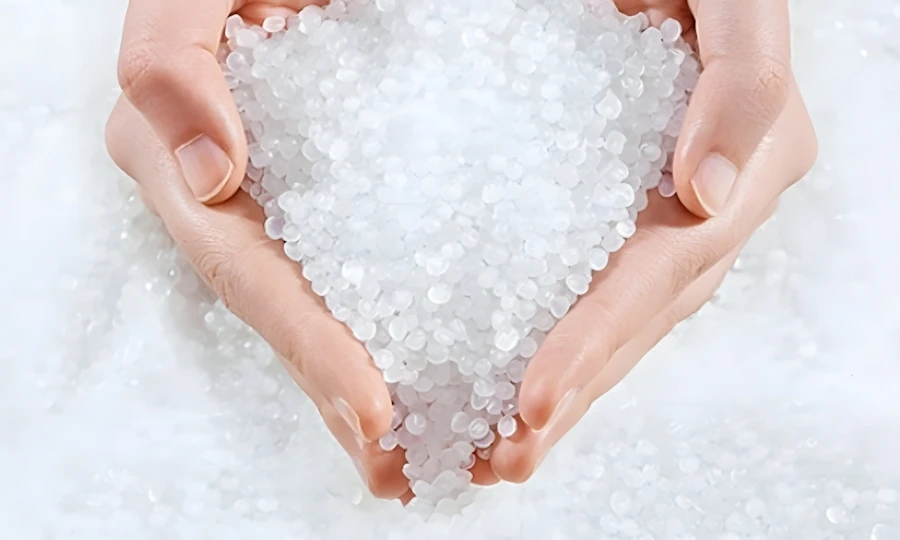
Polyméthacrylate de méthyle — connu dans le commerce sous le nom de PMMA, d'acrylique ou sous des noms de marque tels que plexiglas (Röhm), Altuglas (Arkema) et Acrylite (Evonik) — est un thermoplastique amorphe obtenu par polymérisation radicalaire du monomère de méthacrylate de méthyle (MMA). Synthétisé pour la première fois dans les années 1930 et commercialisé sous la marque Plexiglas en 1933, il reste l'un des polymères les plus précis sur le plan optique disponibles pour le moulage par injection.
La structure moléculaire amorphe du PMMA est la cause directe de son comportement optique. Contrairement aux polymères semi-cristallins tels que le PP ou le PA, qui contiennent des domaines cristallins diffusant la lumière et réduisant la transmittance, la disposition désordonnée des chaînes du polyméthacrylate de méthyle crée un milieu optique homogène dépourvu de frontières internes susceptibles de dévier les photons. Il en résulte un matériau à travers lequel la lumière visible traverse presque aussi proprement que dans l'air — une qualité qu'aucun thermoplastique semi-cristallin ne peut reproduire, quels que soient sa qualité ou son traitement.
Ce qui distingue le PMMA des autres polymères transparents amorphes — principalement le PC, le SAN et le PS — ne se résume pas à sa valeur de transmittance. C'est la combinaison de la transmittance, de la résistance inhérente aux UV, de la dureté de surface, de la stabilité chimique en milieu aqueux neutre et de la biocompatibilité qui fait du polyméthacrylate de méthyle le choix par défaut pour les applications optiques et visuelles où l'aspect doit être préservé pendant des années, et pas seulement au moment de la fabrication.
Tout savoir sur la famille des acryliques
Toutes les résines acryliques ne se valent pas, et ces différences ont leur importance dans le moulage par injection :
Grades de PMMA à usage général Ce sont les matériaux phares — offrant un équilibre entre l'aptitude au moulage par injection, la transparence de surface et les performances mécaniques. L'indice de fluidité à chaud est généralement compris entre 1 et 10 g/10 min. Utilisés pour les composants d'éclairage, les boîtiers d'écrans et les capots de produits grand public.
Grades de PMMA à haut débit sacrifier une partie du poids moléculaire au profit d’une meilleure fluidité dans les applications à parois minces et à long parcours d’écoulement. MFI : 10–30+ g/10 min. Recommandé pour les lentilles de phares automobiles, les plaques de guidage de lumière et les composants optiques complexes, où le remplissage des sections minces sans marques d’écoulement est une priorité.
Acrylique modifié pour résister aux chocs Il intègre des particules de caoutchouc (généralement du polybutadiène ou des élastomères à structure cœur-coque) réparties dans la matrice en PMMA afin d’améliorer la résistance aux chocs avec entaille — remédiant ainsi à la fragilité qui constitue la principale limitation fonctionnelle du PMMA standard. La résistance aux chocs avec entaille est multipliée par 3 à 5, mais la transmission lumineuse diminue légèrement (généralement à 88–90%) et le voile optique augmente. Ce compromis doit être évalué pour chaque application.
PMMA de qualité optique est formulé selon un contrôle rigoureux de la distribution du poids moléculaire, avec des teneurs extrêmement faibles en colorants et en contaminants, ainsi qu’une uniformité de l’indice de réfraction. Il est utilisé pour les lentilles de précision, les guides de lumière dans les dispositifs médicaux et les optiques primaires automobiles, où la biréfringence, l’uniformité de l’indice de réfraction et des normes esthétiques « zéro défaut » s’appliquent.
PMMA résistant à la chaleur contient des comonomères (souvent des motifs d'anhydride méthacrylique ou d'anhydride maléique) qui font passer la température de transition vitreuse de la valeur standard d'environ 105 °C à une plage comprise entre 115 et 125 °C. Utilisé dans les applications optiques situées à proximité du compartiment moteur des véhicules automobiles et dans les modules LED où les températures de jonction repoussent les limites thermiques des grades standard.
Les propriétés qui définissent l'univers créatif du PMMA
Performances optiques
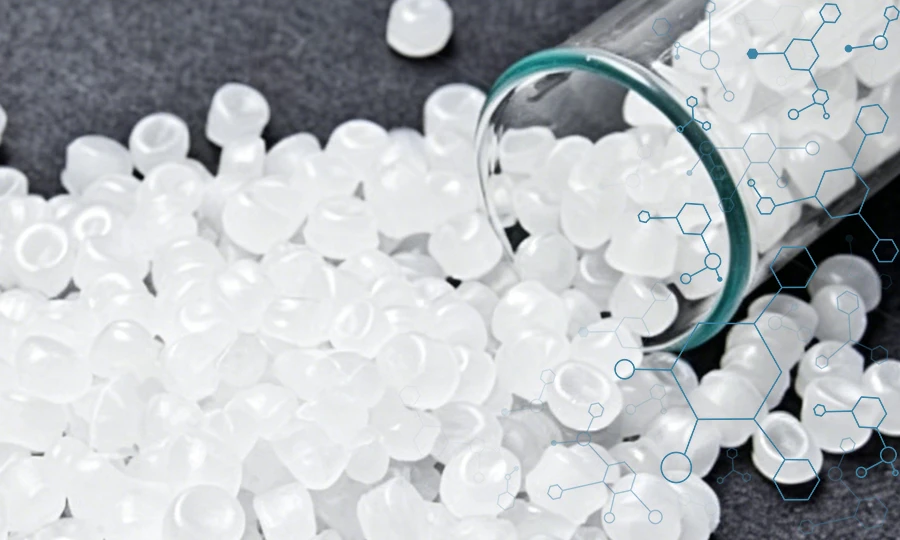
Les caractéristiques optiques du polyméthacrylate de méthyle ne se résument pas simplement à la “ transparence ”. Il s'agit d'un ensemble de paramètres pouvant être caractérisés avec précision, qui déterminent si le matériau est adapté à une application optique ou visuelle donnée :
| Propriété optique | PMMA | PC | Verre standard |
|---|---|---|---|
| Transmission lumineuse (spectre visible) | 92% | 88–89% | 90–91% |
| Indice de réfraction | 1.491 | 1.586 | 1.52 |
| Haze (pièce moulée standard) | < 1% | 1–2% | < 0,1% |
| Transmission des UV (< 350 nm) | Partiellement translucide | Absorbe | Variable |
| Résistance intrinsèque au jaunissement dû aux UV | Excellent | Modéré (nécessite un additif) | Excellent |
| Biréfringence | Faible | Modéré à élevé | Presque zéro |
Le coefficient de transmittance de 92% du PMMA n’est pas simplement un argument marketing : il reflète le comportement du matériau sur l’ensemble du spectre visible (380–780 nm) avec une absorption sélective minimale, ce qui signifie que les couleurs restituées par les lentilles en PMMA apparaissent fidèles et sans distorsion. Pour les guides de lumière à LED, les lentilles de feux arrière combinés automobiles et les conduits de lumière d'écrans, cette neutralité spectrale est tout aussi importante que la valeur absolue de la transmittance.
La biréfringence — anisotropie optique due à l'orientation moléculaire lors du moulage par injection — mérite une attention particulière. Lorsque la lumière polarisée traverse une pièce biréfringente, les configurations de contraintes apparaissent sous forme de bandes aux couleurs de l'arc-en-ciel. Dans les composants optiques de précision ou les écrans rétroéclairés, la biréfringence se traduit par une répartition inégale de la luminosité. Le PMMA présente intrinsèquement une biréfringence inférieure à celle du PC, ce qui explique en partie pourquoi l’acrylique de qualité optique est privilégié pour les plaques de guidage de lumière des écrans LCD et les lentilles de précision, malgré l’avantage du PC en termes de résistance.
Propriétés mécaniques
| Propriété | Valeur | Unité |
|---|---|---|
| Résistance à la traction | 55 – 75 | MPa |
| Module de flexion | 2 700 – 3 400 | MPa |
| Résistance au choc avec entaille (Izod) | 15 – 25 | J/m |
| Résistance à la rupture par choc (Izod) | 60 – 100 | J/m |
| Dureté Rockwell | M80 – M105 | — |
| Allongement à la rupture | 2 – 5% | — |
La caractéristique mécanique la plus importante du PMMA standard est son allongement à la rupture : 2–5%. Ce matériau ne présente pas de limite d’élasticité avant la rupture. Il se brise de manière fragile, par propagation de fissures, sous l’effet d’un choc ou d’une charge ponctuelle. Cette fragilité n’est pas un défaut de formulation : il s’agit d’une conséquence inhérente à la rigidité élevée et à l’empilement moléculaire serré qui sont à l’origine de ses performances optiques. Un ingénieur qui prescrit du PMMA pour une application présentant un risque de chute doit soit accepter cette limitation, soit opter pour un acrylique modifié pour résister aux chocs, soit revoir la conception en faveur du PC.
Sa dureté de surface élevée (Rockwell M80–M105) constitue une propriété fonctionnelle importante, notamment par rapport au PC. La dureté du PMMA le rend plus résistant aux rayures fines dues au nettoyage, aux contacts et à l’abrasion atmosphérique que le polycarbonate — qui est plus tendre et nécessite un revêtement dur pour les applications optiques sensibles aux rayures. Pour la signalétique extérieure, les vitrines de magasins et les verres de lunettes, la résistance naturelle aux rayures du polyméthacrylate de méthyle constitue un avantage opérationnel concret.
Propriétés thermiques
| Propriété | PMMA standard | Qualité résistante à la chaleur | Unité |
|---|---|---|---|
| Température de transition vitreuse (Tg) | 100 – 110 | 115 – 130 | °C |
| Température de déformation sous contrainte (1,80 MPa) | 85 – 100 | 100 – 115 | °C |
| Température de fonctionnement en continu | jusqu'à 80 | jusqu'à 100 | °C |
| Retrait du moule | 0,2 – 0,8 | 0,2 – 0,7 | % |
| CTE | 70 – 80 × 10⁻⁶ | 60 – 70 × 10⁻⁶ | /°C |
La limite thermique du PMMA standard — un fonctionnement continu jusqu’à environ 80 °C — est suffisante pour la plupart des applications d’éclairage intérieur, d’électronique grand public et d’affichage. Lorsque les températures de jonction des LED ou les températures sous les phares automobiles dépassent cette plage, il devient nécessaire d’utiliser des grades de copolymères résistants à la chaleur ou de passer au PC. Il s’agit là d’un des points clés de la conception où le choix du type de matériau dès la phase de spécification permet d’éviter par la suite des modifications coûteuses des moules et de l’outillage.
Le faible retrait de moulage du PMMA (0,2–0,81 TP3T) constitue un avantage significatif en termes de fabrication. Il permet d'obtenir des tolérances dimensionnelles plus strictes que celles du PP ou du PEHD, réduit la complexité de la compensation des cavités dans les moules optiques de précision et contribue à la cohérence dimensionnelle requise pour les composants optiques qui doivent s'aligner avec des surfaces d'accouplement ou des réseaux de lentilles.
Résistance chimique et biocompatibilité
La résistance chimique du PMMA est modérée : il est bien adapté aux milieux aqueux et à de nombreux produits de nettoyage courants, mais il est attaqué par les solvants aromatiques, les esters et les acides concentrés :
Résistant : eau, acides dilués, bases diluées, hydrocarbures aliphatiques, alcools (à court terme), détergents Attaqué : cétones (acétone), esters (acétate d'éthyle), solvants aromatiques (toluène), solvants chlorés, acides forts
La limitation liée à la résistance chimique est une contrainte de conception qui surgit de manière inattendue : de nombreux produits de nettoyage, adhésifs et encres d'impression contiennent des composants solvants qui attaquent le PMMA. Tout assemblage exposant des surfaces en acrylique à des apprêts adhésifs, à des résidus de flux ou à des protocoles de nettoyage à base de solvants nécessite une vérification de la compatibilité avec le composé spécifique concerné — et pas seulement avec la famille de polymères de base.
Biocompatibilité est l'un des avantages concurrentiels méconnus du PMMA. Le polyméthacrylate de méthyle présente ISO 10993 et des grades conformes à la norme USP Classe VI disponibles dans le commerce, qui bénéficient d’une longue expérience clinique dans les lentilles intraoculaires, les prothèses dentaires, le ciment osseux orthopédique et les composants optiques des dispositifs médicaux. Contrairement au PC, qui fait l’objet d’une surveillance réglementaire liée au BPA pour les applications en contact direct avec le patient, le PMMA présente un profil réglementaire plus favorable pour les usages médicaux.
La réalité de la fabrication : ce qu'exige réellement la mise en œuvre du PMMA
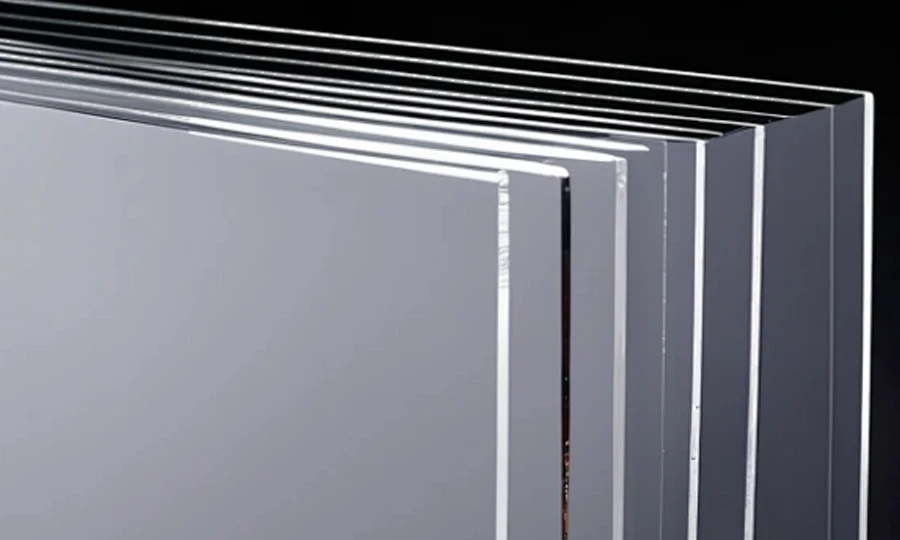
C’est là que se joue la différence entre une spécification indiquant “ PMMA ” et une pièce offrant une transparence optique. Chaque défaut présent sur une pièce moulée par injection en polyméthacrylate de méthyle est un défaut visible : il n’y a pas de surface opaque pour dissimuler les marques d’écartement, pas de pigment coloré pour masquer les lignes de coulée, pas de texture mate pour atténuer les stries argentées. Ce matériau ne pardonne aucune imperfection, précisément parce qu’il est transparent.
L'étape incontournable : le préséchage
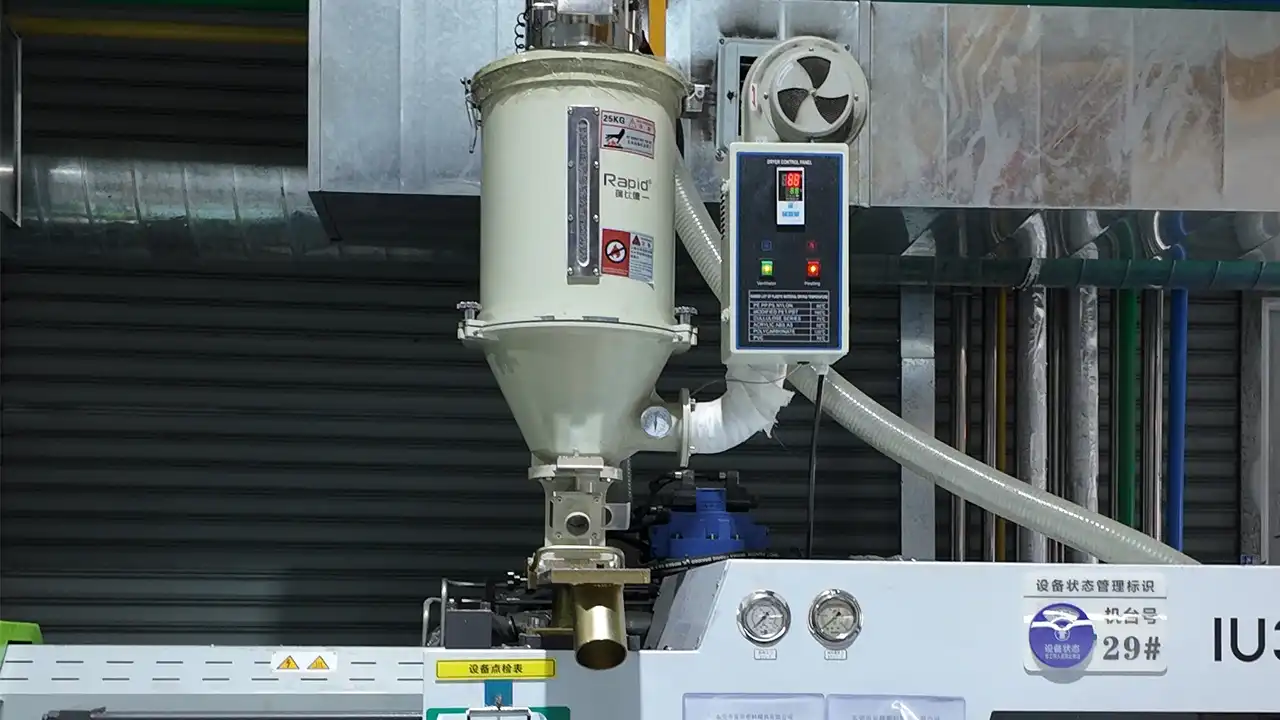
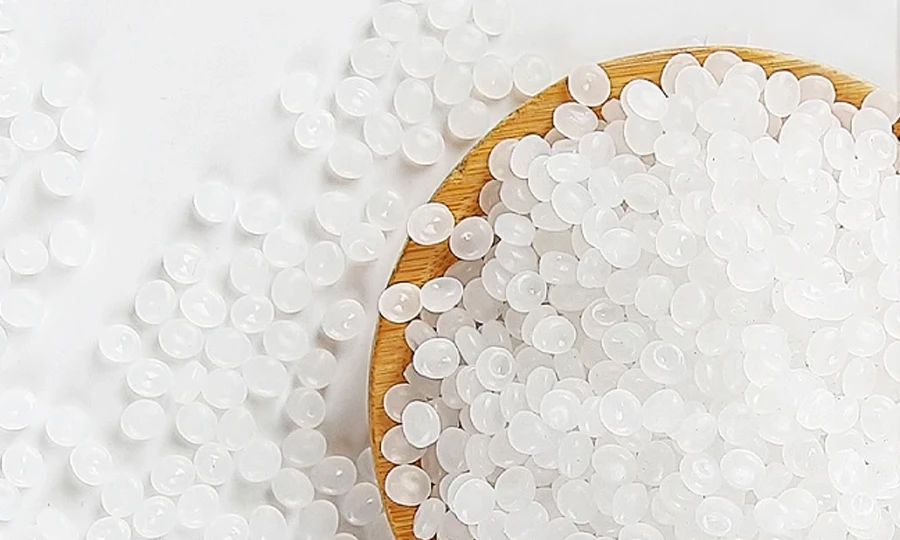
Le PMMA absorbe l'humidité à un taux compris entre 0,3 et 0,41 TP3T par rapport à son poids. Ce chiffre peut paraître modeste… jusqu’à ce que l’on comprenne l’effet de cette humidité dans le cylindre. À des températures de fusion comprises entre 230 et 260 °C, l’eau absorbée se vaporise instantanément, créant des bulles de vapeur qui se forment marques d'écartement (des stries argentées partant de la porte d'injection) et des vides sous-superficiels. Ces deux défauts sont immédiatement visibles sur les pièces transparentes et constituent tous deux des défauts rédhibitoires pour les applications optiques.
Protocole de séchage requis :
- Température : 80–90 °C
- Durée : 4 à 6 heures au minimum (certains composés de qualité optique indiquent une durée de 8 heures)
- Équipement : déshumidificateur (à dessiccant) — et non un four à air chaud
- Teneur en humidité cible : ≤ 0,051 TP3T en poids
- Après séchage : traiter dans les 30 minutes ; ne pas replacer le matériau séché dans les conditions de stockage à température ambiante
L'utilisation d'un séchoir déshumidificateur n'est pas une simple option : un four à air chaud standard réglé à 80 °C permettra certes de sécher la surface des granulés, mais ne pourra pas éliminer l'humidité qui s'est infiltrée au cœur de ceux-ci. Seul un séchoir à dessiccant avec un point de rosée de −20 °C ou inférieur permet d'obtenir le degré de séchage interne des granulés requis pour le PMMA de qualité optique.
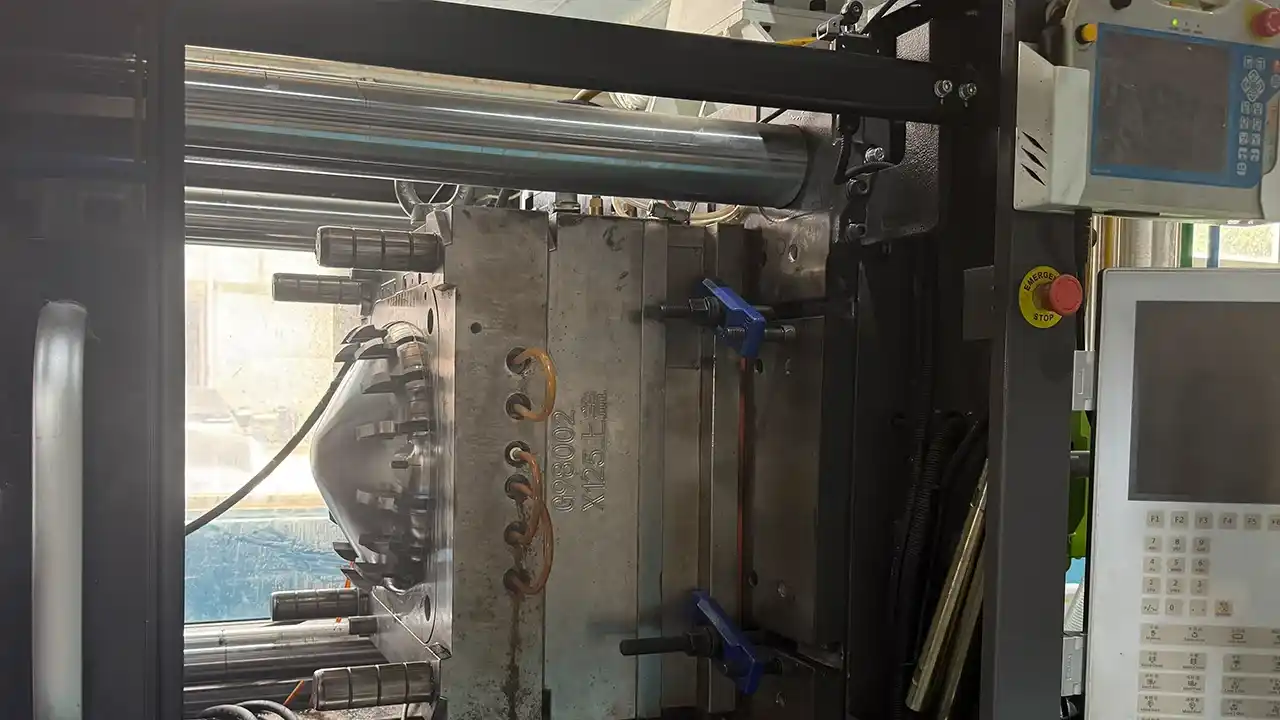
À Dimud, la production de plastique PMMA est planifiée de manière à garantir que les cycles de séchage appropriés soient menés à bien avant chaque cycle de fabrication, et notre documentation technique consigne la température de séchage, le point de rosée et la durée pour chaque lot — une rigueur qui, tout au long de notre histoire de production, nous a permis de livrer des pièces optiques sans aucun défaut à nos clients européens et nord-américains.
Température de fusion : le compromis entre clarté et dégradation
Séries de tests de température de fusion pour le moulage par injection de PMMA 220–260 °C pour les qualités standard, la plupart des applications optiques ciblant 230–250 °C.
| Zone du fût | Plage de températures (°C) |
|---|---|
| Zone d'alimentation | 180 – 200 |
| Zone de compression | 210 – 230 |
| Zone de comptage | 230 – 250 |
| Buse | 225 – 245 |
Pourquoi cette fourchette étroite est importante :
Trop basse (< 220 °C) : Fusion incomplète → stries non fondues → défauts optiques visibles. Viscosité élevée de la matière fondue → pression d'injection excessive → orientation des contraintes → biréfringence → motifs arc-en-ciel lors d'une observation sous polarisation ou à contre-jour.
Trop élevée (> 260 °C) : La dégradation thermique commence : la dépolymérisation du monomère MMA entraîne un jaunissement (l'indice de jaunissement augmente progressivement au-delà de 260 °C). Le matériau dégradé présente une décoloration irréversible ; le cylindre doit être purgé. Pour les pièces optiques, tout jaunissement constitue un motif de rejet.
Conséquence : la température de fusion du PMMA doit être maintenue à ±5 °C près de la valeur cible, soit une tolérance plus stricte que pour le PP, l'ABS ou la plupart des résines techniques. Cela nécessite un étalonnage et une vérification du cylindre de la machine, et pas seulement une gestion des points de consigne.
Température du moule : c'est ici que se détermine la qualité de la surface
Température du moule pour Moulage par injection de plastique PMMA séries 50 à 80 °C, ce qui est nettement supérieur à la plupart des thermoplastiques courants :
- 50–60 °C : Convient aux pièces standard ne présentant aucune exigence critique en matière de finition de surface
- 60–70 °C : Norme relative aux composants de boîtiers optiques et aux diffuseurs d'éclairage
- 70–80 °C : Indispensable pour les surfaces optiques à haute brillance, les guides de lumière et les composants de lentilles de précision
La température plus élevée du moule remplit deux fonctions : elle maintient la fluidité de la matière fondue au niveau du front d'écoulement (ce qui réduit l'épaisseur de la couche solidifiée et empêche les lignes de soudure et les marques d'écoulement de se fixer prématurément), et elle permet une relaxation des contraintes plus lente et plus uniforme pendant la solidification, réduisant ainsi l'orientation des contraintes résiduelles qui provoquerait une biréfringence.
Une température uniforme de la surface du moule est une condition incontournable pour les pièces optiques en PMMA. Un écart de température de seulement 5 à 10 °C entre le côté noyau et le côté cavité entraînera un retrait différentiel qui se traduira par une déformation de la surface optique ou par l'apparition de motifs de biréfringence visibles en transmission.
Vitesse d'injection, pression et conception de l'entrée de matière
La masse fondue de PMMA présente haute viscosité par rapport aux résines de base — nettement plus élevée que celle de l'ABS à des températures équivalentes. Cela impose :
- Pression d'injection plus élevée : 100–160 MPa, avec une pression de maintien comprise entre 60 et 80% de la pression d'injection
- Vitesse d'injection plus lente et profilée : Un profil progressif (démarrage en douceur, augmentation progressive) empêche la formation de jets au niveau de la porte d'injection et contrôle l'avancée du front de fusion afin de minimiser la visibilité de la ligne de soudure et les variations de brillance de la surface
- Durée de maintien prolongée : 15 à 30 secondes selon l'épaisseur de la paroi — La rigidité du PMMA lui permet de transmettre efficacement la pression de compactage, mais un maintien insuffisant entraîne l'apparition de marques d'affaissement visibles à travers la surface transparente
- Faible contre-pression : 5–15 MPa — une contre-pression excessive génère de la chaleur de cisaillement, ce qui fait monter la température locale de la masse fondue au-delà du seuil de dégradation
Conception des matrices pour les composants optiques en PMMA :
Le dimensionnement des orifices d'injection est l'un des choix de conception les plus déterminants pour les composants optiques moulés par injection en PMMA :
- Portails trop petits provoquent des taux de cisaillement élevés au niveau de l'injection, ce qui entraîne un échauffement localisé supérieur à 260 °C, même lorsque les températures du cylindre sont correctement réglées. Il en résulte un halo décoloré et dégradé autour de la zone d'injection, qui ne peut pas être éliminé par le traitement
- Portes de tunnel sous-marin sur les pièces en PMMA transparent, la coulée laisse une légère trace au point d'injection ; pour les surfaces optiques, il est préférable de placer les points d'injection sur les bords ou les languettes, à l'écart de la surface visible
- Systèmes à canaux chauds Pour le PMMA, il est nécessaire d'utiliser un système d'injection à vanne avec un contrôle de la température vérifié à ±3 °C au niveau de la pointe de l'injecteur — les canaux chauds à pointe ouverte créent des zones mortes où le PMMA se dégrade entre les cycles, ce qui entraîne l'apparition de filets jaunes sur la pièce
Finition de surface du moule : le miroir qui fait l'optique
Pour les pièces en PMMA de qualité optique, la finition de la cavité du moule détermine directement la qualité de surface de la pièce — et c'est cette qualité de surface qui détermine si la pièce peut atteindre la transmittance 92% dont le matériau est capable.
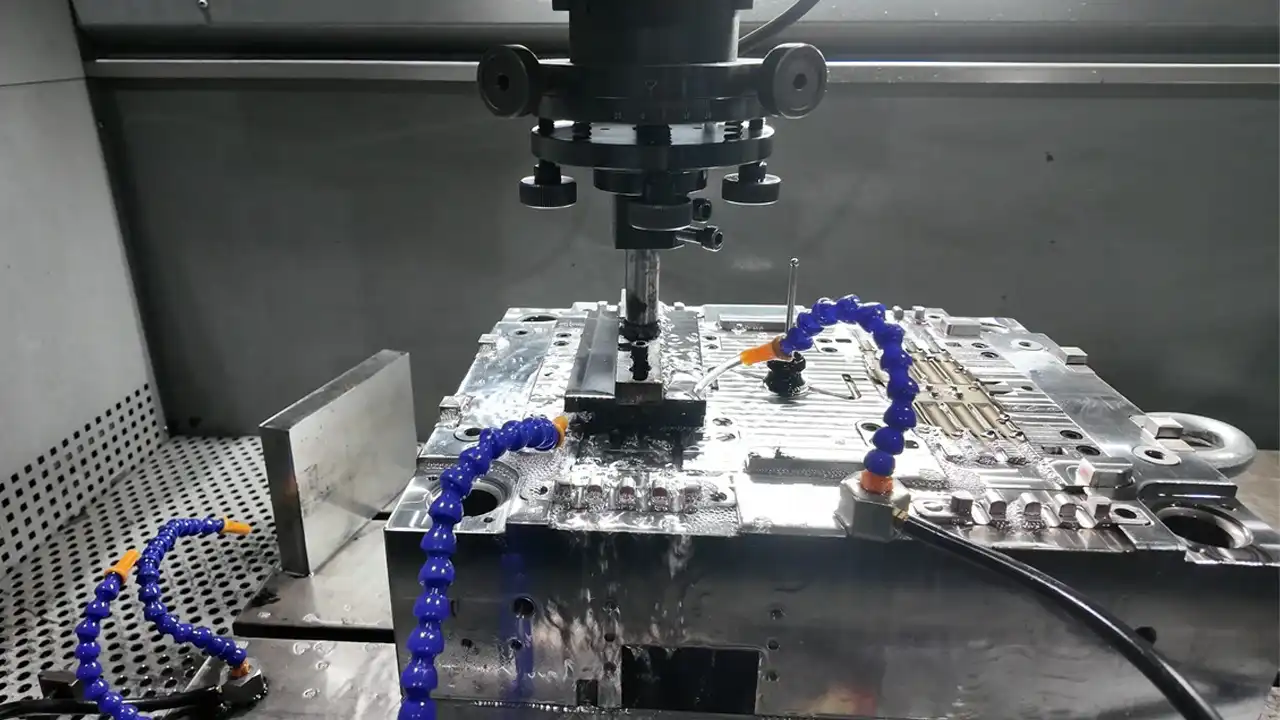
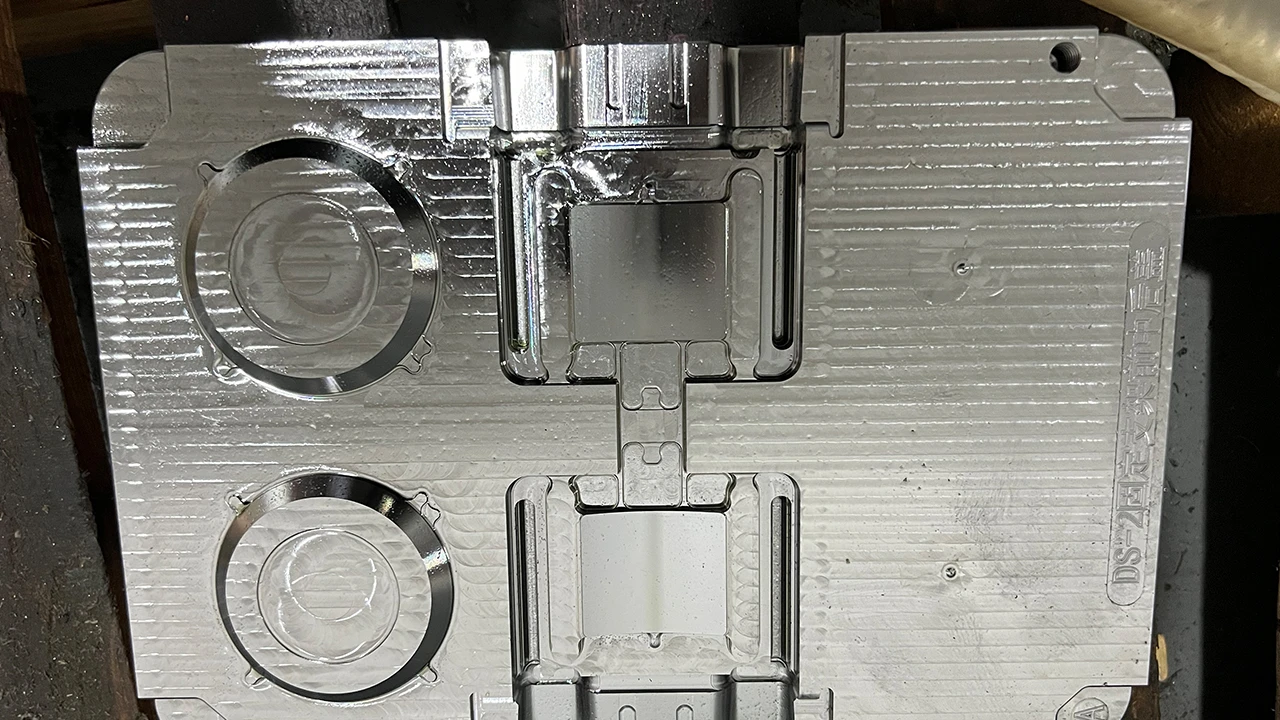
Les finitions standard des outils de production (SPI B-1, grain 600) permettent d'obtenir des surfaces acceptables pour les diffuseurs et les boîtiers. Les composants de lentilles optiques et les plaques de guidage de lumière nécessitent SPI A-1 (polissage au diamant, grain de 3 μm) à A-2 Finition de la cavité — une surface miroitante qui se reflète sur la surface de la pièce en PMMA. Le choix de l’acier de moulage est crucial : l’acier S136 (inox 420) ou l’acier pré-trempé NAK80 offrent une résistance à la corrosion et se prêtent au processus de polissage requis pour les cavités optiques. L’acier à outils P20 n’est pas adapté aux moules en PMMA de qualité optique — profondeur de polissage insuffisante et risque de corrosion dû à l’humidité résiduelle.
Quand le PMMA est la bonne solution… et quand il ne l'est pas
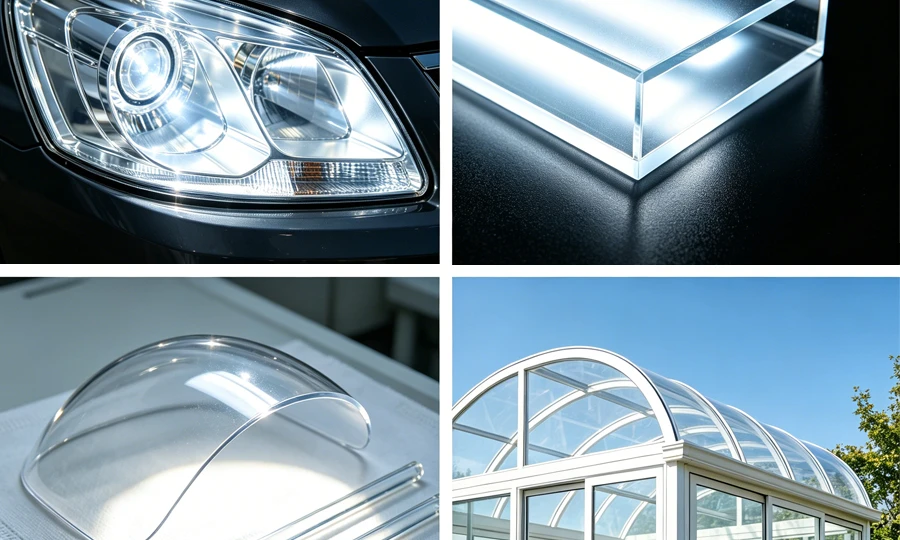
Applications pour lesquelles le polyméthacrylate de méthyle est le matériau par défaut
Éclairage automobile (lentilles de feux arrière, caches de feux de jour, feux combinés arrière) : L'industrie de l'éclairage automobile utilise systématiquement le PMMA pour les lentilles extérieures, et ce pour une raison bien précise : le PC jaunit lorsqu'il est exposé de manière prolongée aux UV sans revêtement stabilisateur, tandis que le PMMA résiste au jaunissement induit par les UV pendant plus de 10 ans sans aucun revêtement. Les lentilles de feux arrière, qui doivent conserver la précision de leur couleur (rouge, orange, transparent) pendant toute la durée de vie du véhicule, sont presque systématiquement moulées par injection en acrylique.
Plaques de guidage de lumière à LED (LGP) et optiques de diffusion : Les plaques de guidage de lumière utilisées dans les panneaux LED minces — qu’il s’agisse d’affichages commerciaux ou d’éclairage d’ambiance dans les habitacles automobiles — nécessitent à la fois une transmittance de 92%, une faible biréfringence et une homogénéité précise de l’indice de réfraction, caractéristiques que seul le PMMA de qualité optique est en mesure d’offrir. Toute variation de biréfringence ou tout voile dans le guide de lumière entraîne une non-uniformité visible de la luminosité au niveau de la sortie lumineuse.
Composants optiques pour dispositifs médicaux : Housses pour équipements de diagnostic, systèmes de lentilles intraoculaires, unités de soins dentaires, guides de lumière pour cystoscopes : autant d’applications qui exigent une biocompatibilité, une stabilité optique à long terme et une compatibilité avec les procédés de stérilisation (EtO, rayonnement gamma pour certaines qualités). Grâce à ses antécédents conformes à la norme ISO 10993 et à sa composition chimique sans BPA, le PMMA s’impose comme le choix privilégié par rapport au PC pour les applications optiques en contact direct avec le patient.
Présentoirs pour la vente au détail et les commerces : Vitrines, enseignes lumineuses, éléments optiques pour les points de vente. La combinaison d'une grande dureté de surface (résistance aux rayures dans les environnements à forte fréquentation), d'une stabilité aux UV (qui préserve la transparence sous l'exposition aux lampes fluorescentes commerciales et à la lumière du jour) et d'une grande transparence optique fait de l'acrylique la référence du secteur.
Vitrages et revêtements architecturaux : Panneaux de serre, vitrages de lucarnes, panneaux antibruit et couvertures extérieures. Une résistance aux intempéries pendant des décennies sans revêtement anti-UV, un avantage en termes de poids par rapport au verre (densité de 1,19 g/cm³ contre 2,5 g/cm³ pour le verre) et une résistance aux chocs supérieure à celle du verre (17 fois plus élevée) font du PMMA le matériau technique de choix pour les structures transparentes en extérieur.
Applications pour lesquelles le PMMA ne devrait pas être le premier choix
Pièces transparentes sensibles aux chocs : Écrans de sécurité, protections de machines, visières de protection, protections d'écran pour smartphones : toutes les applications dans lesquelles la pièce est susceptible de subir un choc direct. La résistance aux chocs du PC est 10 à 20 fois supérieure à celle de l'acrylique standard. L'utilisation du PMMA dans ces applications présente un risque de rupture par fragilité et de blessures potentielles. Même les grades d'acrylique modifiés pour résister aux chocs n'atteignent pas la ténacité du PC.
Environnements caractérisés par des températures élevées prolongées : Pièces fonctionnant en continu à des températures supérieures à 80 °C — certains luminaires LED pour grandes hauteurs, composants automobiles sous le capot, équipements de procédés industriels. Les copolymères de PMMA résistants à la chaleur repoussent les limites, mais ne peuvent rivaliser avec la température de déformation thermique (HDT) du PC, supérieure à 130 °C. Pour les applications optiques à haute température, les grades optiques à base de PC ou de PEEK constituent le choix approprié.
Applications impliquant une exposition inévitable à des solvants : Si la pièce doit être nettoyée à l'acétone, à l'acétate d'éthyle ou à d'autres solvants de la famille des cétones ou des esters, ou si elle doit être assemblée à l'aide d'adhésifs à base de solvants, le PMMA présentera des fissures et se fissurera au niveau des points de contrainte. Privilégiez le PC ou envisagez des solutions de revêtement de surface si l'exposition aux solvants est inévitable.
Pièces produites en grande série nécessitant des temps de cycle courts : Les exigences de séchage prolongé du PMMA, les vitesses d'injection plus lentes, les températures de moule plus élevées et les plages de processus plus sensibles impliquent que les temps de cycle sont plus longs que pour le PP, l'ABS ou le PEHD, à taille de pièce équivalente. Pour les pièces transparentes de grande série (par exemple, les emballages jetables), le PS ou l'OPS standard peuvent offrir une transparence suffisante à un coût de cycle moindre.
PMMA ou PC : le cadre décisionnel indispensable à tout ingénieur
Cette comparaison revient dans pratiquement tous les projets de moulage par injection transparent. La réponse n'est pas toujours le PMMA, et ce n'est pas toujours PC — cela dépend du paramètre de performance qui constitue la contrainte réelle.
| Exigences de conception | Choisissez le PMMA | Choisissez « PC » |
|---|---|---|
| Transmission optique maximale | ✓ (92%) | — (88–89%) |
| Résistance à long terme aux rayons UV en extérieur, sans revêtement | ✓ | — |
| Résistance aux rayures de surface | ✓ | — |
| Haute résistance aux chocs | — | ✓ (10 à 20 fois plus élevé) |
| Température de fonctionnement > 100 °C | — | ✓ |
| Géométrie complexe à parois minces (< 1,5 mm) | — | ✓ (viscosité plus faible) |
| Application médicale / biocompatible | ✓ (sans BPA) | Vérifier la note |
| Coût des matériaux réduit | ✓ | — |
| Conception avec charnière flexible | — | — (aucun des deux ne convient) |
| Optique de précision, faible biréfringence | ✓ | — |
L'astuce pratique : si la pièce est exposée à l'extérieur et doit rester visible, PMMA. Si la pièce doit résister à des chocs ou à une chaleur prolongée, PC. Si ces deux propriétés sont requises, les structures multicouches en PC/PMMA ou le PC doté d’un revêtement durci aux UV constituent des solutions émergentes — mais ces deux options entraînent une complexité et un coût supplémentaires qu’il convient d’évaluer au regard des exigences réelles de l’application.
Défauts dans le moulage par injection du PMMA : l'analyse des causes profondes dont les ingénieurs ont besoin
Le PMMA étant un plastique transparent, le moindre défaut de fabrication est visible. Cela facilite l'identification des défauts, mais rend leur apparition coûteuse. L'analyse des causes profondes qui suit s'appuie davantage sur l'expérience acquise en production que sur la théorie des manuels :
Traînées argentées / marques d'écartement À quoi cela ressemble : Des traînées brillantes, argentées ou blanches, partant de la porte et suivant le sens du flux. Pourquoi cela se produit-il ? : L'humidité contenue dans la résine se transforme en vapeur dans le cylindre. Ce phénomène peut également résulter d'une dégradation thermique (libération de monomère MMA) si la température de fusion est trop élevée ou si le temps de séjour est trop long. Cause première à vérifier en premier lieu : Protocole de séchage. Le séchoir déshumidificateur a-t-il atteint un taux d'humidité inférieur à 0,05% ? Quel est le point de rosée à la sortie du séchoir ? Le « splay » est le défaut le plus courant sur le PMMA et l'humidité en est la cause dans plus de 80% des cas.
Aspect trouble / laiteux À quoi cela ressemble : Une opacité diffuse sur l'ensemble de la pièce, réduisant la transmittance en dessous des valeurs spécifiées. Pourquoi cela se produit-il ? : Vides sous-jacents dus à une pression de compactage insuffisante ; contamination du moule par des agents de démoulage ou par la corrosion du moule ; contamination du matériau ; refroidissement trop rapide provoquant des microfissures dues aux contraintes. Cause première à vérifier en premier lieu : Maintien de la pression et du temps (augmentation) ; propreté de la surface du moule ; traçabilité des lots de matière.
Traces d'écoulement / lignes de soudure À quoi cela ressemble : De légères traces à la surface ou le long de la zone où deux fronts de fusion se sont rencontrés, ou encore là où la matière en fusion a marqué une pause pendant le remplissage. Pourquoi cela se produit-il ? : Moule trop froid (la matière fondue gèle avant que les fronts d'écoulement ne puissent se rejoindre) ; vitesse d'injection trop faible ; emplacement de l'entrée créant des fronts d'écoulement convergents. Cause première à vérifier en premier lieu : Augmenter la température du moule à 70–80 °C ; augmenter le profil de vitesse d'injection ; vérifier l'emplacement des points d'injection dans la simulation d'écoulement dans le moule.
Jaunissement À quoi cela ressemble : Certaines parties présentent une teinte jaune, qui s'intensifie à mesure que l'on s'éloigne de la buse (zones où le temps de séjour est plus long). Pourquoi cela se produit-il ? : Dégradation thermique — température de fusion supérieure à 260 °C ou temps de séjour dans le cylindre trop long. La dépolymérisation du monomère MMA constitue le mécanisme de dégradation ; les chromophores ainsi produits absorbent dans le domaine des longueurs d'onde bleues, ce qui fait virer la couleur vers le jaune. Cause première à vérifier en premier lieu : Vérifiez la température réelle de fusion à l'aide d'un pyromètre (ne vous fiez pas uniquement au point de consigne du cylindre). Calculez le volume de la coulée par rapport à la capacité du cylindre : le temps de séjour ne doit pas dépasser 5 à 8 minutes pour les grades standard de PMMA.
Marques d'enfoncement sur les surfaces optiques À quoi cela ressemble : De légères dépressions à la surface, particulièrement visibles à contre-jour ou lorsqu'on les observe sous un angle faible. Pourquoi cela se produit-il ? : Pression ou temps de remplissage insuffisants ; la buse se bloque avant que la cavité ne soit entièrement remplie ; variation de l'épaisseur de paroi entraînant un retrait différentiel. Cause première à vérifier en premier lieu : Allonger le temps de maintien ; augmenter la pression de maintien ; vérifier que la taille de la buse est adaptée à l'épaisseur de la section à surmoulage.
Biréfringence (distribution des contraintes) À quoi cela ressemble : Des bandes aux couleurs de l'arc-en-ciel sont visibles lorsque la pièce est éclairée par l'arrière ou observée à travers des filtres polarisants. Pourquoi cela se produit-il ? : Orientation moléculaire figée due à une vitesse d'injection excessive, à une température de moule trop basse ou à des gradients de pression élevés au niveau des sections minces. Cause première à vérifier en premier lieu : Augmenter la température du moule à 70–80 °C ; réduire la vitesse d'injection ; soumettre les pièces optiques critiques à un recuit à 70–80 °C pendant 2 à 4 heures après le moulage afin d'éliminer les contraintes.
Le PMMA et le développement durable
Le polyméthacrylate de méthyle (PMMA) occupe une place particulière dans le débat sur le développement durable. D’une part, il est produit à partir du monomère MMA, issu de ressources fossiles, et son incompatibilité chimique avec la plupart des flux de déchets plastiques mixtes complique son recyclage post-consommation. D’autre part, la longévité du PMMA — plus de 20 ans pour les applications architecturales en extérieur — signifie qu’en termes d’intensité carbone par année de service, il surpasse souvent les alternatives revêtues qui nécessitent un remplacement ou une remise en état.
Recyclage chimique offre au PMMA une véritable voie vers l'économie circulaire, inaccessible à la plupart des thermoplastiques : la dépolymérisation en monomère MMA avec un rendement élevé (jusqu'à 90%+), permettant une véritable valorisation des matériaux plutôt qu'un « downcycling ». Plusieurs programmes de recyclage chimique du PMMA à l'échelle industrielle sont opérationnels en Europe et au Japon, bien que la mise en place d'une infrastructure de collecte des déchets acryliques post-consommation soit encore en cours.
MMA d'origine biologique est en cours de développement commercial — Evonik, Röhm et d'autres producteurs mettent au point des procédés de fabrication à partir de matières premières d'origine biologique (propylène issu du bio-naphta ou obtenu par fermentation à partir de sucres) pour produire du bio-MMA et, à terme, du bio-PMMA, dont les performances techniques sont identiques à celles des grades d'origine fossile.
Pour les clients de Dimud présents sur les marchés européens et nord-américains soumis à des obligations de reporting en matière de développement durable, nous pouvons les conseiller dans le choix des qualités proposées par des fabricants disposant de programmes certifiés en matière de teneur en matières biosourcées ou de recyclabilité chimique.
Choix du PMMA pour le moulage par injection : les décisions cruciales à prendre avant la fabrication du moule
Les spécifications relatives aux différentes qualités de polyméthacrylate de méthyle (PMMA) revêtent une importance bien plus grande que pour les résines de base : la différence de performances optiques entre un PMMA à usage général et un composé de qualité optique ne peut être compensée par une optimisation des procédés de transformation. Choisir les spécifications adéquates dès le départ constitue la décision la plus déterminante du projet.
Spécifications relatives à la transmittance et à la turbidité : Définissez la transmittance lumineuse minimale acceptable (%) et le voile maximal (%) pour l'application. Ces valeurs déterminent s'il faut utiliser du PMMA standard à usage général (généralement 91–92% T, < 2% de voile) ou un matériau de qualité optique (92% T, < 0,5% de voile, indice de réfraction étroit).
Exigence relative à l'impact : Si la pièce présente un risque de choc en service — lors de la manutention, de l'installation ou de l'utilisation —, quantifiez cette exigence et déterminez si le PMMA standard, l'acrylique modifié pour résister aux chocs ou le PC constitue la spécification appropriée. Ne partez pas du principe que le fait qu'une pièce “ ressemble à du verre ” signifie qu'elle offre les mêmes performances que le verre en cas de choc.
Plafond thermique : Déterminez la température maximale en service à laquelle la pièce sera exposée. Pour les grades standard de PMMA, la limite maximale est d'environ 80 °C en continu. Si la charge thermique des LED, la proximité du compartiment moteur ou la température des processus industriels dépasse cette limite, spécifiez des grades de copolymères résistants à la chaleur avant de commencer la conception du moule.
Carte d'exposition aux substances chimiques : Dressez la liste de tous les produits chimiques avec lesquels la surface de la pièce entrera en contact : produits de nettoyage, adhésifs, encres d'impression, lubrifiants, fluides de traitement. Vérifiez la compatibilité en vous référant aux données de résistance chimique fournies par le fournisseur de PMMA pour la nuance spécifique avant de choisir ce matériau.
Spécifications du vernis pour moules : Définissez le niveau de finition requis pour la cavité (SPI A-1, A-2, B-1) en fonction des exigences optiques. Ce choix détermine le choix de l'acier du moule, le délai de polissage et le coût de l'outillage. Les spécifications relatives à la finition de surface du moule doivent figurer dans le bon de commande et ne pas être ajoutées a posteriori.
Approche par colorants : Pour les pièces en acrylique teintées ou colorées, les granulés pré-colorés fournis par le fournisseur de résine sont nettement préférables au mélange-maître : l'ajout de mélange-maître dans le cylindre introduit un deuxième matériau présentant une rhéologie à l'état fondu et un comportement thermique différents, ce qui augmente le risque d'apparition de stries et de variations de concentration du colorant dans le matériau transparent, où ces deux phénomènes sont immédiatement visibles.
Collaborer avec Dimud sur des projets liés au plastique PMMA
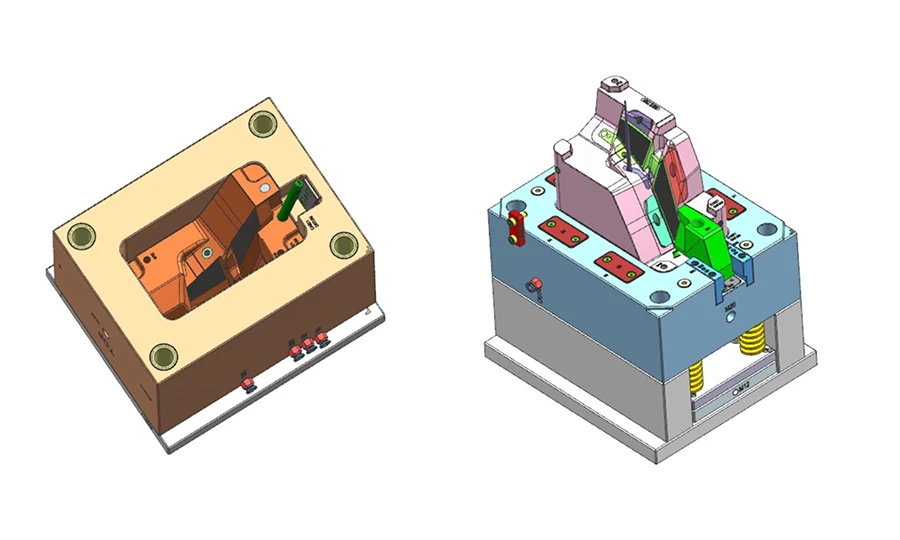
Pour obtenir les performances optiques dont le PMMA est capable, il faut que le moule, la machine et le procédé soient adaptés aux exigences spécifiques du matériau dès le début DFM Analyse. La différence entre une pièce en PMMA présentant une transmittance de 92% et une autre présentant un voile, une déviation ou une biréfringence est presque toujours due à une lacune dans l'ingénierie des procédés — et non à une limitation du matériau.
L'approche de Dimud en matière de moulage par injection du polyméthacrylate de méthyle s'articule autour de trois atouts qui répondent directement aux points faibles les plus courants des projets utilisant le PMMA :
Conception de moules optiques : Notre usine de moulage produit des outils en PMMA dans les nuances d’acier inoxydable S136 et NAK80 en standard pour les applications optiques, avec un polissage réalisé en interne selon la spécification SPI A-1. La disposition des canaux de refroidissement des moules en PMMA est conçue pour maintenir un écart de température ≤ 5 °C sur toute la surface de la cavité — norme requise pour éviter le retrait différentiel et la biréfringence des pièces optiques. Nous ne fabriquons pas d’outillages optiques en PMMA dans la nuance standard P20.
Documentation des procédés et contrôle du séchage : Chaque cycle de production de plastique PMMA chez Dimud est précédé d'un cycle de séchage documenté, avec vérification du point de rosée. La température de fusion est confirmée par la mesure effectuée à l'aide d'un thermocouple de fusion, et non pas uniquement par la valeur de consigne. Le temps de séjour dans le cylindre est calculé en fonction de la taille de la coulée avant le début de la production — et non pas déterminé a posteriori lorsque le jaunissement apparaît sur les premiers articles.
Conception pour la fabrication (DFM) de l'acrylique transparent : L'uniformité de l'épaisseur des parois, l'emplacement de l'entrée de matière par rapport aux surfaces optiques, les angles de dépouille permettant l'éjection sans blanchiment sous contrainte, ainsi que le positionnement de la ligne de joint afin de minimiser les traces visibles sur les surfaces optiques : tous ces éléments sont examinés lors de l'analyse de conception avant la fabrication du moule. Nous avons constaté trop souvent, dans le cadre de projets impliquant du PMMA, que l’outillage avait été réalisé selon des cotes nominales correctes pour un matériau opaque, mais qui généraient des défauts optiques inévitables dans l’acrylique transparent. C’est lors de la phase de conception pour la fabrication (DFM) qu’il faut remédier à ces problèmes, et non lors de l’inspection du premier article.
Notre infrastructure de production — usine de moulage de précision, atelier d'usinage CNC et site de production électronique — prend en charge les projets liés au plastique PMMA, du moulage du prototype initial à la production en série et à l'assemblage des composants, au service de clients en Europe, en Amérique du Nord et au Moyen-Orient dans les secteurs de l'éclairage automobile, des dispositifs médicaux, de l'électronique grand public et des écrans commerciaux.
Foire aux questions
PMMA est l'acronyme de polyméthacrylate de méthyle. Parmi les noms commerciaux courants, on peut citer Plexiglas (Röhm), Altuglas (Arkema), Acrylite (Evonik) et Perspex (Lucite International). Tous désignent le même polymère de base — le polyméthacrylate de méthyle — bien que les formulations et les qualités spécifiques diffèrent d'un fabricant à l'autre.
Le PMMA absorbe entre 0,3 et 0,41 TP3T d'humidité par rapport à son poids — une valeur modeste par rapport au nylon ou au PC, mais suffisante pour provoquer des marques d'écartement et des vides dans les pièces moulées par injection transparentes. Le problème est que même des traces d’humidité (supérieures à 0,051 TP3T) se vaporisent instantanément aux températures de fusion du PMMA, créant des bulles qui apparaissent sous forme de stries argentées ou de voile sur la pièce finie. Les applications transparentes ne tolèrent absolument pas ces défauts, c’est pourquoi les exigences de séchage pour l’acrylique sont plus strictes que ne le laisserait supposer le seul chiffre d’absorption.
Le jaunissement du PMMA est dû à une dégradation thermique — plus précisément, à la dépolymérisation de la chaîne polymère qui génère des sous-produits chromophores absorbant la lumière bleue. Pour prévenir ce phénomène, il faut : maintenir la température de fusion en dessous de 260 °C (à vérifier à l’aide d’un thermocouple de fusion, et non par rapport au point de consigne du cylindre) ; réduire au minimum le temps de séjour dans le cylindre (< 6 à 8 minutes pour les grades standard) ; purger le cylindre avant et après les cycles de production ; et éviter toute contre-pression excessive susceptible de générer un échauffement par cisaillement localisé. Une fois que le jaunissement s’est produit dans un lot de production, il ne peut plus être corrigé : le matériau doit être mis au rebut et le cylindre purgé.
Oui — le polyméthacrylate de méthyle (PMMA) bénéficie d’une longue expérience clinique dans les applications médicales, notamment les lentilles intraoculaires (utilisées depuis les années 1940), les matériaux dentaires, le ciment osseux et les composants de dispositifs de diagnostic. Des résines PMMA de qualité médicale conformes aux normes ISO 10993 et USP Classe VI sont disponibles auprès des principaux fabricants. Contrairement au PC, le PMMA ne contient pas de bisphénol A (BPA), ce qui simplifie les procédures d'autorisation réglementaire pour les applications en contact direct avec le patient. Vérifiez toujours la conformité au niveau de la qualité et du lot spécifiques auprès du fournisseur de résine.
Optez pour le PMMA lorsque : (1) la transmission lumineuse maximale est la priorité (le PMMA atteint 92% contre 88–89% pour le PC) ; (2) la pièce sera exposée de manière prolongée aux UV en extérieur et qu’il n’est pas possible d’appliquer un revêtement dur résistant aux UV ; (3) la résistance aux rayures de surface est importante (le PMMA est plus dur que le PC) ; (4) l’application est destinée au secteur médical ou au contact alimentaire, où l’utilisation de matériaux sans BPA est requise ; ou (5) le coût est un facteur limitant (le PMMA est généralement 20–40% moins cher que le PC). Optez pour le PC lorsque : une résistance aux chocs est requise, la température de fonctionnement dépasse 80 °C, ou l’épaisseur de paroi est inférieure à 1,5 mm et une géométrie complexe exige un indice de fluidité à l’état fondu plus faible.
Le plastique PMMA peut être recyclé mécaniquement : l'utilisation de poudre de recyclage propre produite en interne, à des taux de mélange compris entre 10 et 15%, est acceptable sans dégradation significative des propriétés optiques. Plus important encore, le PMMA dispose d’une véritable filière de recyclage chimique : la dépolymérisation en monomère MMA avec des taux de récupération pouvant atteindre 90%+, ce qui permet une véritable valorisation matière. Les infrastructures de recyclage chimique post-consommation sont encore limitées, mais en pleine expansion en Europe et au Japon. Pour les projets où la recyclabilité des matériaux est une exigence du cahier des charges, demandez à votre fournisseur de résine la documentation relative à la recyclabilité spécifique à chaque grade.