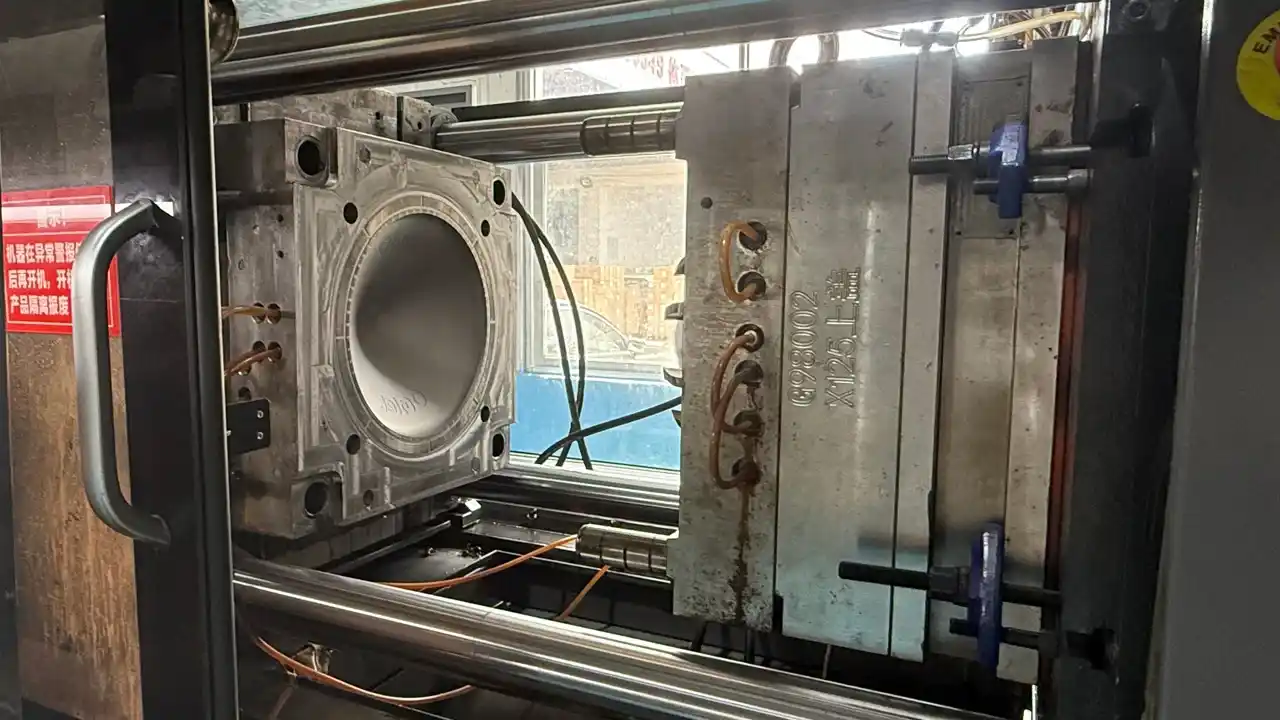

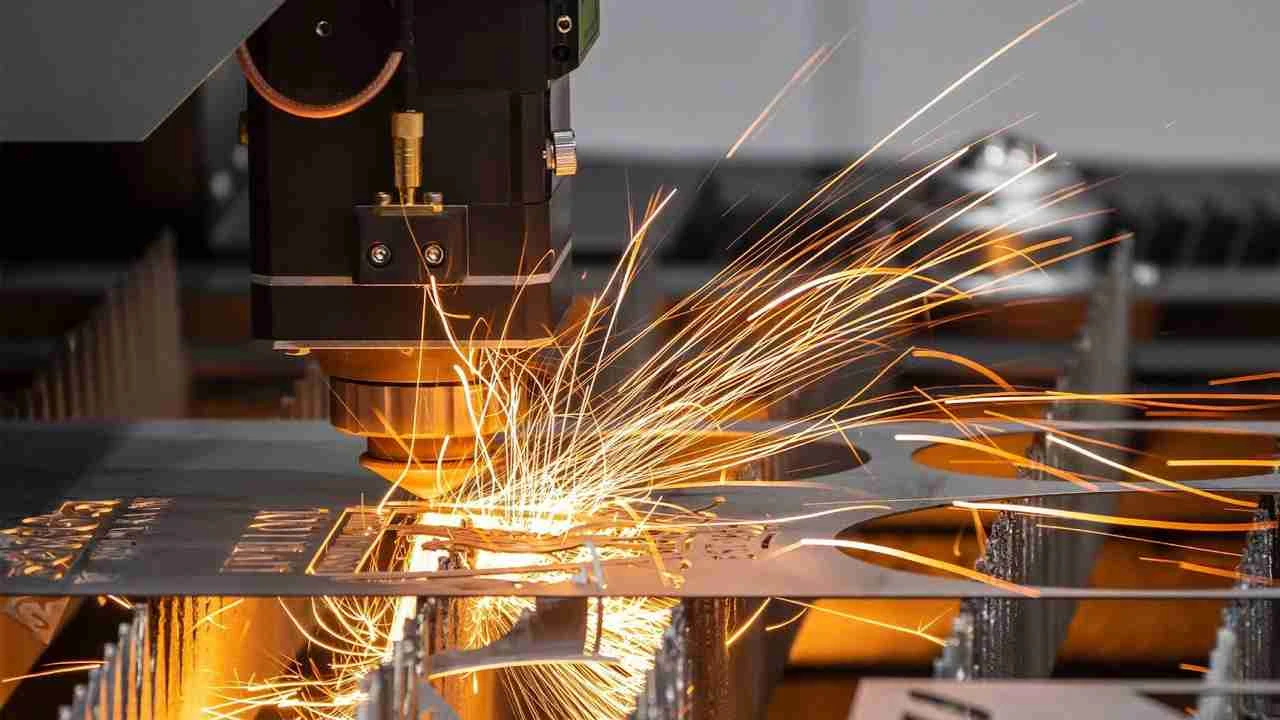
Lors de la fabrication de pièces présentant des tolérances extrêmement serrées ou des géométries complexes, les outils de coupe traditionnels ne suffisent pas toujours. Certains matériaux sont tout simplement trop durs, et certaines formes sont trop complexes pour les méthodes d'usinage conventionnelles.
C'est là que l'usinage par électroérosion (EDM) prend toute sa valeur.
L'électroérosion (EDM) est un procédé de fabrication sans contact qui utilise des étincelles électriques contrôlées pour éroder la matière d'une pièce conductrice. Une série de décharges électriques rapides et minutieusement synchronisées — des milliers par seconde — vaporise de minuscules particules de métal sans exercer aucune force de coupe physique. Le processus se déroule dans un bain de fluide diélectrique, qui évacue les débris et contrôle l'écartement des électrodes. L'électroérosion permet d'usiner des aciers trempés, du carbure de tungstène et d'autres alliages résistants avec des tolérances pouvant atteindre ±0,002 mm, ce qui la rend indispensable dans la fabrication de moules de précision et d'outils.
Une fois que l'on comprend le principe de fonctionnement de l'EDM, beaucoup de choses qui semblent impossibles à réaliser sur une fraiseuse CNC prennent tout leur sens. Passons en revue l'ensemble du sujet : comment cela fonctionne, ce que cela permet de découper, où cela est utilisé et quelles sont ses limites.
Comment fonctionne l'usinage par électroérosion ?
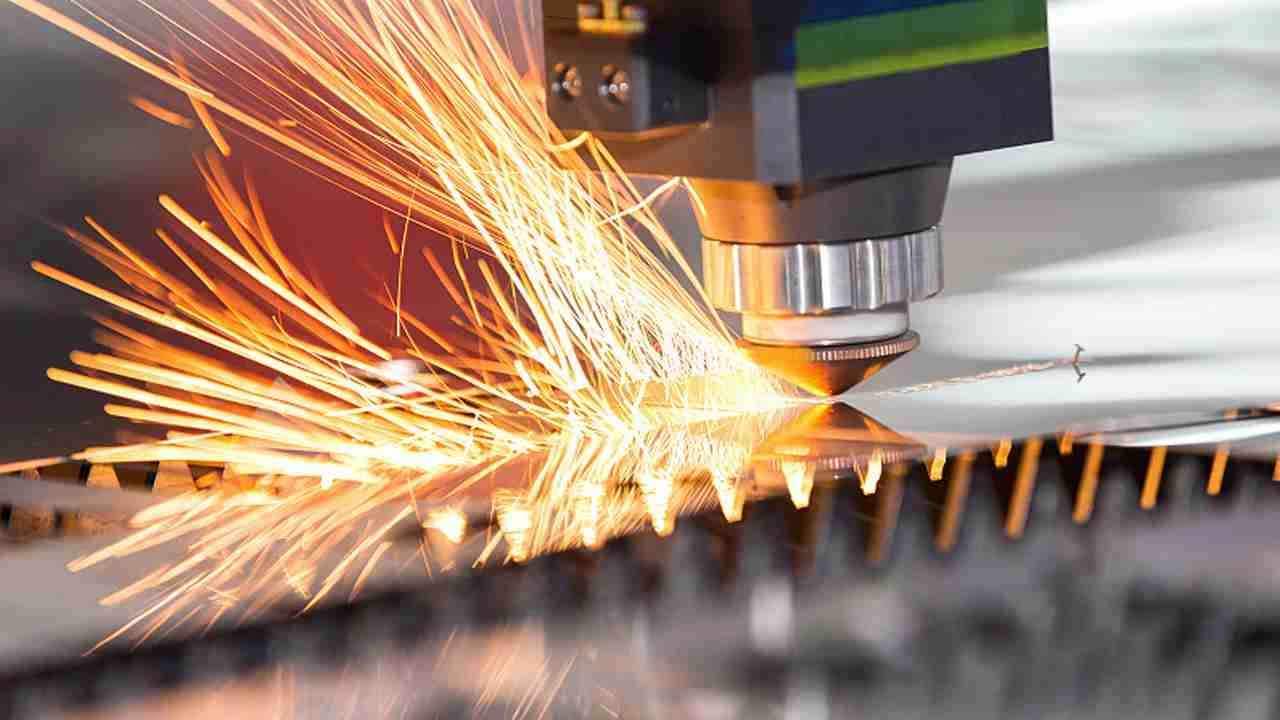
La plupart des ingénieurs en ont une idée générale : des étincelles, l'enlèvement de matière, l'utilisation de fluides. Mais il est utile d'en connaître les détails, car ils expliquent pourquoi L'usinage par électroérosion (EDM) permet de réaliser des opérations que d'autres procédés ne peuvent tout simplement pas effectuer.
En électroérosion (EDM), une tension est appliquée entre une électrode-outil et la pièce à usiner conductrice, séparées par un petit intervalle (généralement de 0,01 à 0,05 mm) rempli d’un fluide diélectrique. Lorsque le champ électrique atteint un seuil, le fluide s’ionise et une étincelle contrôlée jaillit à travers l’intervalle. Chaque décharge génère une chaleur localisée dépassant 8 000 à 12 000 °C, faisant fondre et vaporiser une quantité microscopique de matière. Le fluide évacue ensuite les particules érodées et désionise l'espace, préparant ainsi la décharge suivante — ce cycle se répétant des milliers de fois par seconde.
Les trois éléments fondamentaux que tout ingénieur devrait connaître
Dans toute installation d'électroérosion, trois éléments interviennent dans le processus : l'électrode (ou le fil), la pièce à usiner et le fluide diélectrique. Une fois que l'on comprend leurs rôles, l'ensemble du processus devient intuitif.
L'électrode est façonnée selon la géométrie négative de la pièce que l'on souhaite obtenir. Dans l'électroérosion par enfonçage (également appelée électroérosion par enfonçage de matrice ou électroérosion à piston), cette électrode est généralement usinée à partir de graphite ou cuivre. Dans l'électroérosion à fil, un fil de laiton alimenté en continu remplace entièrement l'électrode façonnée, ce qui signifie qu'il n'y a absolument aucune étape de fabrication d'électrode.
La pièce à usiner doit être conducteur d'électricité. C'est la seule contrainte impérative de l'électroérosion. Les céramiques ou polymères non conducteurs ne conviennent tout simplement pas. En revanche, n'importe quel matériau conducteur — de l'aluminium malléable à l'acier à outils H13 entièrement trempé à 52 HRC — est compatible, et la dureté n'a absolument aucune incidence sur l'étincelle.
Le fluide diélectrique est plus importante qu'on ne le pense. Dans l'électroérosion par enfonçage, il s'agit généralement d'une huile d'électroérosion (à base d'hydrocarbures). En électroérosion à fil, on utilise généralement de l’eau déionisée. Le fluide remplit trois fonctions simultanément : il agit comme un isolant électrique qui force la décharge à se produire dans un intervalle contrôlé et précis ; il évacue les particules de métal érodées hors de la zone de coupe ; et il refroidit à la fois l’électrode et la pièce à usiner afin d’éviter toute déformation thermique.
Électroérosion par enfonçage, électroérosion par fil et électroérosion par perçage
Il s'agit de trois processus EDM distincts, chacun étant adapté à une situation différente :
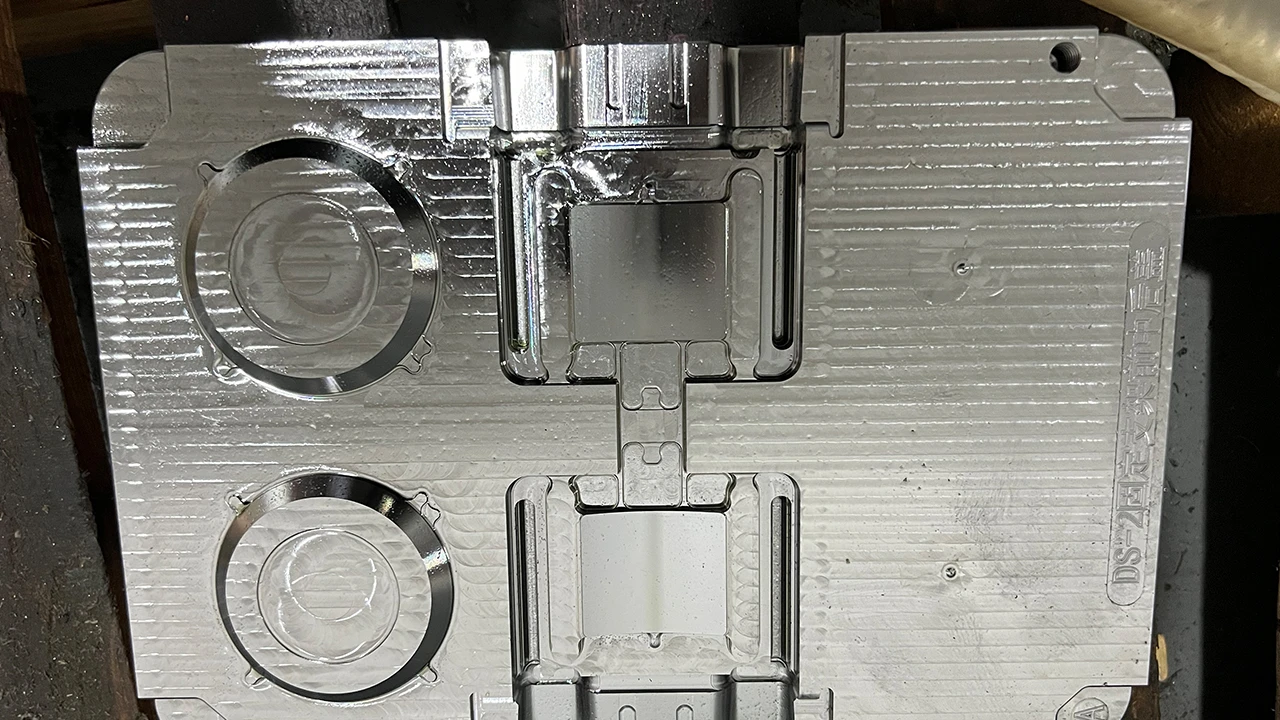
Électroérosion par enfonçage (EDM) : Une électrode profilée est introduite verticalement dans la pièce à usiner, reproduisant ainsi sa géométrie sous forme de cavité. C'est ce procédé qui permet d'obtenir les nervures complexes, les lettrages fins et les rainures profondes que l'on observe dans les noyaux et les cavités des moules d'injection. L'électrode s'use légèrement au cours de l'usinage ; c'est pourquoi on utilise souvent successivement des électrodes d'ébauche et de finition.
Électroérosion à fil : Un fil fin en mouvement continu (généralement en laiton de 0,25 mm de diamètre) découpe la pièce à usiner à la manière d’une scie à ruban — à la différence qu’il n’entre jamais en contact avec le matériau. Ce procédé est utilisé pour la découpe de profilés, de jeux de poinçons et de matrices, d’inserts de moules et de perçages de précision. Comme le fil est constamment renouvelé, l’usure de l’électrode n’est pas un problème. L’électroérosion à fil permet d’obtenir des états de surface de Ra 0,1 à 0,4 µm lors des passes de finition et respecte systématiquement des tolérances bien inférieures à ±0,005 mm.
Perçage par électroérosion (Hole Popper) : Une électrode tubulaire rotative permet de percer des trous très petits et profonds, impossibles à réaliser par des moyens mécaniques. Parmi les applications courantes, on peut citer les trous d'amorçage pour l'électroérosion à fil, les trous de refroidissement dans les aubes de turbine et l'extraction de tarauds cassés dans des pièces trempées. Si vous avez déjà cassé un taraud dans une pièce trempée et pensé que vous l’aviez abîmée, un « hole popper » peut vous permettre de la sauver.
Quels sont les différents types d'usinage par électroérosion ?
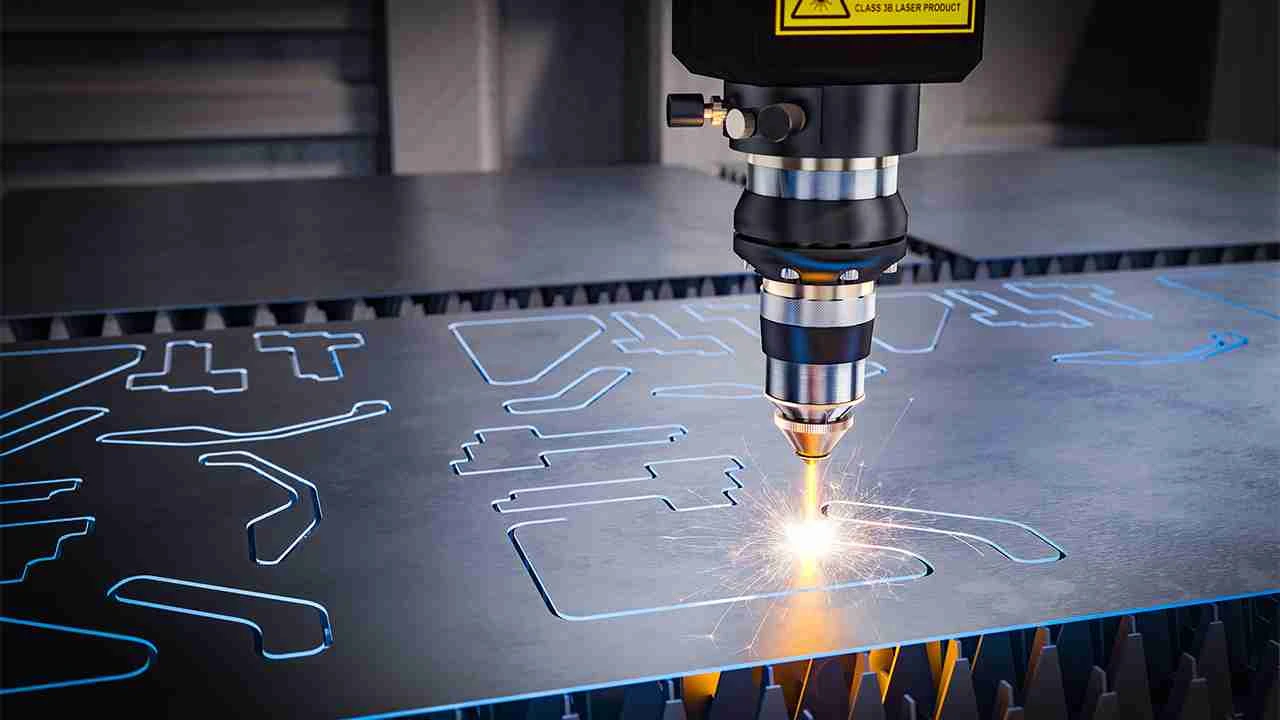
On a tendance à utiliser facilement le terme “ EDM ” comme un fourre-tout. En réalité, le type de solution que vous choisissez a une incidence considérable sur ce qui est réalisable, le temps nécessaire et le coût.
Il existe trois principaux types d’électroérosion : l’électroérosion par enfonçage, l’électroérosion à fil et l’électroérosion par perçage. L’électroérosion par enfonçage utilise une électrode profilée pour usiner des cavités et des formes 3D complexes dans des pièces trempées — c’est la norme pour la finition des cavités de moules et les géométries internes complexes. L'électroérosion à fil utilise un fil en mouvement pour découper des profils précis et des passages traversants dans des matériaux conducteurs. L'électroérosion par perçage, parfois appelée « hole popper », permet de réaliser des trous très petits et profonds dans des matériaux trempés, là où les forets conventionnels échoueraient ou se déformeraient.
Quand choisir quel type ?
Choisir le bon type d'usinage par électroérosion n'est pas compliqué dès lors que l'on adapte le type d'opération au processus :
Vous avez besoin d'une cavité 3D complexe en acier trempé, avec des nervures fines et une finition de surface très soignée ? → Électroérosion par enfonçage. Pensez aux noyaux de moules à injection, aux cavités de matrices et aux rainures complexes.
Vous avez besoin de découper un profil 2D précis dans un matériau trempé — une poche pour plaquette, un profil de poinçon, une fente profilée ? → Électroérosion à fil. Elle est plus rapide que l'électroérosion par enfonçage pour l'usinage de profils et ne nécessite pas la fabrication d'électrodes.
Vous avez besoin de percer un trou très petit et profond — d’un diamètre inférieur à 3 mm — dans un matériau trempé ? Ou vous devez extraire un taraud cassé ? → Perçage par électroérosion.
Dans les ateliers de moulage haut de gamme, ces trois étapes font souvent partie d’un même processus. Une cavité de moule peut être dégrossie à l'aide d'un centre d'usinage CNC, semi-finie à l'aide d'une électrode d'électroérosion par enfonçage (EDM) de dégrossissage, finie à l'aide d'une électrode en graphite de précision, puis certaines poches destinées aux inserts sont découpées séparément par électroérosion à fil (EDM). À ce niveau, la fabrication de précision est véritablement un travail d'équipe entre les différents procédés.
À Dimud, l'atelier d'usinage CNC et l'atelier de fabrication de moules fonctionnent précisément selon ce type de processus intégré — c'est pourquoi les géométries complexes n'entraînent pas les retards liés aux allers-retours qui surviennent lorsque l'on répartit le travail entre des fournisseurs sans lien entre eux.
Quels matériaux peut-on découper par électroérosion ?
C'est l'un des aspects les plus utiles à comprendre en matière d'EDM — et c'est plus simple qu'on ne le pense.
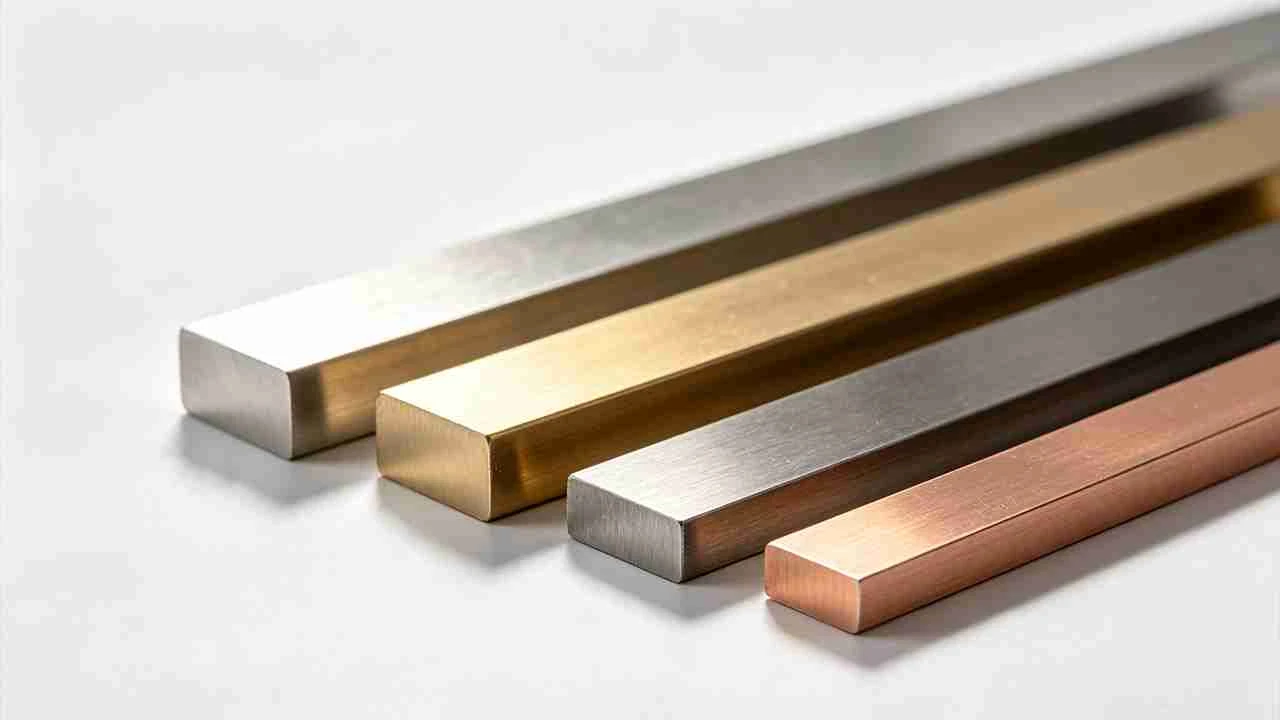
L'électroérosion (EDM) permet d'usiner n'importe quel matériau conducteur d'électricité, quelle que soit sa dureté. Cela inclut toutes les nuances d'acier à outils (H13, P20, D2, S7), l'acier inoxydable, l'aluminium, le cuivre, le laiton, le titane, le carbure de tungstène, l'Inconel et d'autres superalliages. La condition essentielle est la conductivité électrique : la dureté n’a aucune importance, puisqu’aucune force de coupe n’intervient. L’électroérosion ne permet pas d’usiner des matériaux non conducteurs tels que la céramique, le verre ou les plastiques sans revêtement conducteur.
C'est avec les matériaux durs que l'électroérosion donne toute sa mesure
Voici un élément qui va changer votre façon d'envisager le processus : les matériaux qui constituent le le plus difficile à usiner de manière conventionnelle sont souvent les le plus simple à l'EDM.
Le carbure de tungstène, qui détruit les outils de coupe en carbure en quelques minutes, s'usine par électroérosion sans aucune difficulté particulière. L'acier à outils D2 entièrement trempé (60–62 HRC), qui provoquerait des vibrations et la rupture de l'outil sur les fraiseuses ? L'électroérosion n'y prête aucune attention. L'étincelle l'érode à la même vitesse qu'elle éroderait un acier plus tendre.
C'est pourquoi l'électroérosion a révolutionné la fabrication des moules. Avant l'électroérosion, les fabricants de moules devaient usiner l'acier à l'état mou, avant trempe, ce qui faisait de la déformation due au traitement thermique après trempe un problème majeur. Avec l'électroérosion, il est possible de procéder d'abord à la trempe, puis à l'usinage. L'acier à moule présente ainsi ses propriétés définitives avant même que l'on commence à usiner les détails fins. Il en résulte une meilleure stabilité dimensionnelle, une durée de vie prolongée du moule et l’absence de déformations imprévues.
Pour les ingénieurs en conception de produits dont le profil correspond à celui de Jacky — conception de boîtiers pour appareils électroniques grand public, de boîtiers en plastique et de connecteurs de précision —, cet aspect est important car il influe directement sur la qualité des moules et la stabilité dimensionnelle à long terme des pièces de série.
Guide rapide des matériaux
- Aciers à outils (H13, P20, D2, S7, 420SS) : Tous ces matériaux sont facilement usinables par électroérosion ; ils sont parfaits pour les noyaux, les cavités et les inserts de moules à injection
- Aluminium : Taux d'enlèvement de matière élevés par électroérosion ; utilisé pour les moules de prototypes et l'outillage aérospatial
- Cuivre et laiton : Souvent utilisé en tant qu'électrodes dans l'électroérosion par enfonçage, et pas seulement en tant que pièces à usiner
- Titane et Inconel : Réputés difficiles à usiner par les méthodes conventionnelles, l'électroérosion les traite sans problème
- Carbure de tungstène : L’un des principaux domaines d’application de l’EDM : les inserts, les pièces d’usure et les outils de coupe
- Graphite : Largement utilisé comme matériau d'électrode dans l'électroérosion par enfonçage ; excellente qualité de surface et faible usure de l'électrode
Quels sont les avantages et les inconvénients de l'usinage par électroérosion (EDM) ?
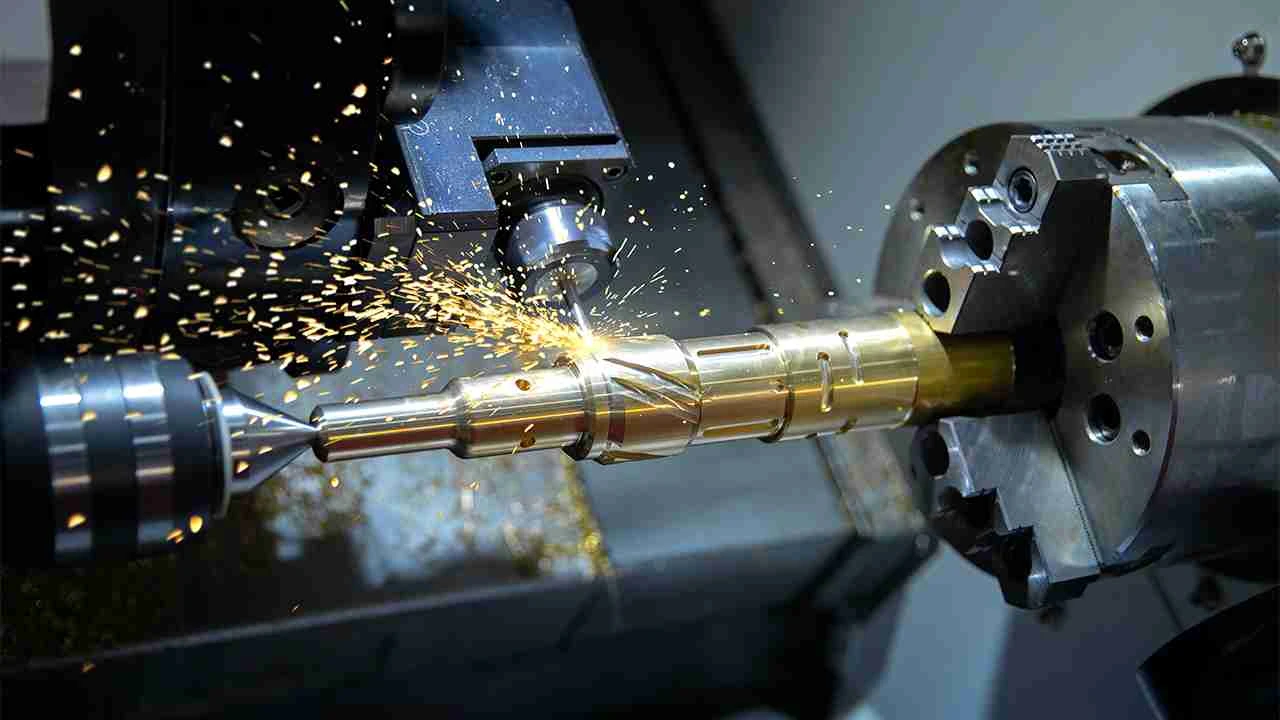
Chaque processus de fabrication a son point optimal… et ses limites. Comprendre ces deux aspects dès le départ permet d'éviter bien des difficultés par la suite dans le cadre d'un projet.
Parmi les principaux avantages de l'électroérosion (EDM), on peut citer la capacité à usiner des matériaux conducteurs trempés, quelle que soit leur dureté, l'absence de forces de coupe (ce qui permet d'obtenir des parois très fines et des détails fragiles), une grande précision dimensionnelle (±0,002–0,005 mm), un excellent état de surface lors des passes de finition, ainsi que la capacité à produire des géométries complexes impossibles à réaliser par fraisage. Les principaux inconvénients sont des taux d’enlèvement de matière faibles par rapport au fraisage CNC, l’impossibilité d’usiner des matériaux non conducteurs, la nécessité de fabriquer des électrodes dans le cas de l’électroérosion par enfonçage, et la formation de couches de refusion thermique pouvant nécessiter une finition supplémentaire dans les applications critiques.
Les avantages concrets
Aucune force mécanique — on sous-estime souvent cet aspect. Comme l'étincelle enlève de la matière sans toucher la pièce, il n'y a pas de force de coupe. Vous pouvez usiner des nervures extrêmement fines (0,1 mm ou moins), des éléments fragiles et des parois délicates sans aucun risque de déformation ou de rupture. Essayez donc de faire la même chose avec une fraise : vous passerez l'après-midi à réparer les dégâts.
La dureté n'a aucune importance. Comme nous l'avons vu, l'électroérosion sur de l'acier H13 entièrement trempé à 52 HRC présente le même degré de difficulté que l'électroérosion sur de l'acier tendre. Pour la fabrication de moules d'injection, cela signifie que l'usinage s'effectue après le traitement thermique, ce qui est une pratique courante dans les ateliers de qualité.
Qualité de la finition de surface. La finition par électroérosion en plusieurs passes permet d'atteindre des valeurs Ra comprises entre 0,1 et 0,4 µm, ce qui réduit, voire élimine, le polissage manuel pour de nombreuses applications de moulage. Certaines machines d'électroérosion permettent d'obtenir directement une finition proche du miroir.
Géométrie interne complexe. Fentes étroites, angles internes vifs (avec un faible rayon d'électroérosion), cavités profondes présentant des rapports d'aspect élevés, ainsi que des textes ou des textures gravés : tout cela est possible grâce à l'électroérosion, là où le fraisage imposerait des compromis.
Les inconvénients — Sans détours
C'est lent. L'électroérosion enlève du métal en quantités microscopiques à chaque décharge. Les débits d'ébauche pour l'électroérosion par enfonçage sur de l'acier à outils peuvent être de l'ordre de 30 à 50 mm³/min, contre plusieurs milliers de mm³/min pour un fraisage CNC agressif. Pour l'enlèvement de matière à grand volume, l'électroérosion n'est pas la solution. Dans la pratique, les moulistes usinent d’abord la majeure partie de la géométrie de la cavité par fraisage CNC, puis n’utilisent l’électroérosion que pour les éléments qui ne peuvent pas être usinés par fraisage.
La fabrication des électrodes allonge les délais de production. Dans le cas de l'électroérosion par enfonçage, chaque électrode doit d'abord être usinée (généralement à partir de graphite), ce qui entraîne un surcroît de temps et de coûts. Si votre géométrie nécessite plusieurs électrodes d'ébauche et de finition, cela multiplie le travail de préparation. L'électroérosion par fil ne présente pas ce problème.
La couche refondue. L'électroérosion ne permet pas d'obtenir une coupe nette : elle fait fondre puis se solidifier à nouveau une fine couche superficielle (généralement de 2 à 25 µm selon les paramètres). Cette couche refondue présente des propriétés matérielles différentes de celles du métal de base : elle est plus dure, plus cassante et comporte parfois des microfissures. Dans la plupart des applications de moulage, cela est acceptable ou cette couche est éliminée lors des passes de finition. Dans les applications aérospatiales et médicales soumises à des exigences strictes en matière de fatigue, elle doit être éliminée par des procédés supplémentaires.
Uniquement des matériaux conducteurs. C'est un obstacle insurmontable. Si votre application implique des composants en céramique, du verre optique ou des composites non conducteurs, l'électroérosion n'est pas une option envisageable.
À quelle fréquence faut-il changer le liquide EDM ?
C'est l'une de ces questions qui en dit long sur l'expérience concrète acquise sur le terrain : on ne la trouve pas dans les manuels, mais elle est essentielle pour garantir les performances de l'électroérosion et la qualité des pièces.
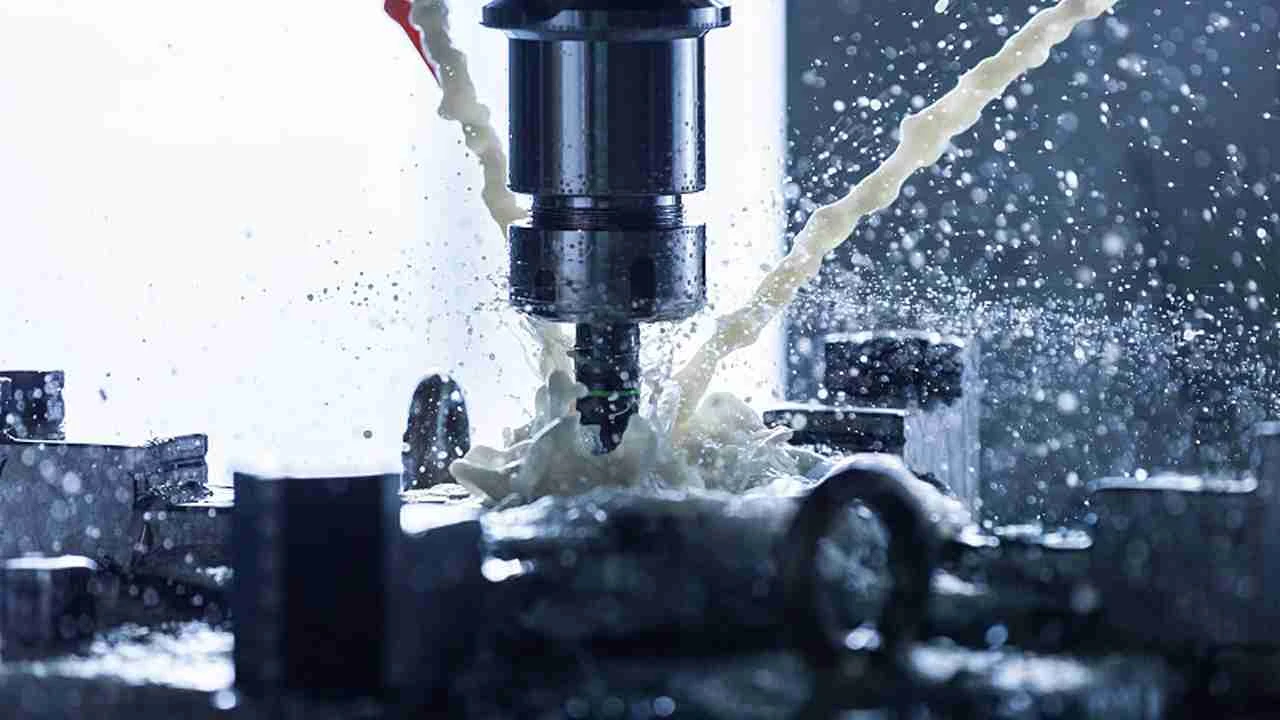
Le fluide diélectrique utilisé en électroérosion ne fait pas l’objet d’un intervalle de remplacement fixe : sa dégradation dépend du volume d’utilisation, du niveau de contamination et du type de matériau usiné. En électroérosion par enfonçage, le fluide diélectrique à base d’huile nécessite généralement une filtration et une surveillance des niveaux de contamination, avec un remplacement complet du fluide tous les 6 à 18 mois dans des conditions de production normales. En électroérosion à fil, l’eau déionisée est filtrée en continu et sa résistivité est surveillée ; un renouvellement complet de l’eau est nécessaire tous les 1 à 3 mois ou lorsque la résistivité descend en dessous de 3 à 5 MΩ·cm, car un fluide contaminé provoque des conditions d’étincelage instables et réduit la précision.
Pourquoi l'état des fluides est plus important que la plupart des gens ne le pensent
Considérez le fluide diélectrique comme de l'huile moteur. Si vous le laissez trop longtemps sans changement, les performances baissent — sauf qu'en électroérosion, cette baisse de performances se répercute directement sur la qualité de vos pièces et leur précision dimensionnelle.
Pour l'huile destinée à l'électroérosion par enfonçage :
L’huile accumule des particules métalliques érodées (copeaux) issues du processus d’usinage. Les systèmes de filtration éliminent la majeure partie de ces particules, mais avec le temps, l’huile perd ses propriétés diélectriques — c’est-à-dire sa capacité à désioniser rapidement l’espace entre les décharges. Lorsque cela se produit, on observe des arcs électriques instables, des brûlures superficielles sur la pièce à usiner et une dégradation de l’état de surface. Le changement de couleur, passant du transparent/ambre au gris foncé ou au noir, est un indicateur concret que l’huile contient trop d’impuretés.
La température joue également un rôle important : l’huile d’électroérosion doit être maintenue à ±1 °C près de la température cible (généralement comprise entre 20 et 22 °C pour les travaux de précision) afin d’éviter les effets de dilatation thermique qui altèrent les tolérances. Dans le domaine de l’usinage de moules de haute précision, où les tolérances sont de l’ordre de ±0,005 mm, cela n’est pas facultatif.
Pour l'eau déionisée destinée à l'électroérosion à fil :
La résistivité de l'eau est le paramètre clé à surveiller. L'eau déionisée fraîche présente une résistivité supérieure à 10 MΩ·cm. À mesure qu'elle absorbe les ions dissous issus du processus d'usinage, sa conductivité augmente et sa résistivité diminue. La plupart des machines d'électroérosion à fil mesurent ce paramètre en continu et font passer l'eau à travers une résine échangeuse d'ions afin de maintenir une résistivité adéquate.
Un calendrier de suivi pratique pour la production en cours :
- Chaque semaine : Vérifier la différence de pression du système de filtration ; nettoyer ou remplacer les filtres si nécessaire
- Mensuel : Mesurer la résistivité diélectrique (électroérosion par fil) ; vérifier le niveau de contamination par l'huile (électroérosion par enfonçage)
- Tous les 3 à 6 mois : Remplacement des cartouches de résine déionisante dans les systèmes d'électroérosion à fil
- Tous les 6 à 18 mois : Vidange complète de l'huile pour une machine d'électroérosion par enfonçage en fonctionnement continu
Le fait de négliger le fluide est l'une des causes les plus courantes de la dégradation inattendue de la précision de l'électroérosion — et l'un des problèmes les plus faciles à résoudre.
Quelle est la différence entre l'usinage par électroérosion (EDM) et l'usinage CNC traditionnel ?
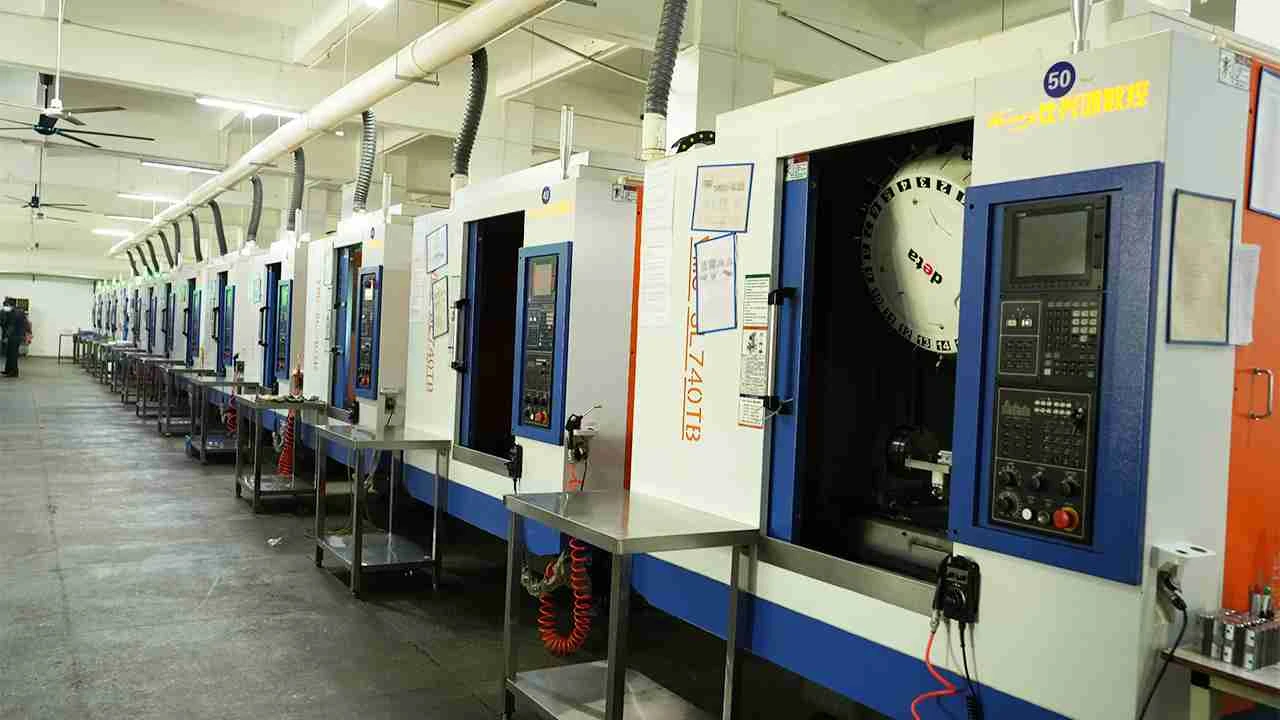
Cette comparaison revient sans cesse dans les débats techniques — et est souvent présentée de manière trop simpliste. Il ne s'agit pas tant de processus concurrents que de processus complémentaires présentant des atouts très différents.
La différence fondamentale réside dans la manière dont la matière est enlevée : l'usinage CNC utilise des outils de coupe rotatifs qui cisaillent physiquement la matière sous l'effet d'une force mécanique, tandis que l'électroérosion (EDM) utilise des étincelles électriques pour vaporiser la matière sans aucun contact avec un outil. L'usinage CNC est plus rapide pour l'enlèvement de matière en grande quantité et fonctionne aussi bien sur des matériaux conducteurs que non conducteurs. L'électroérosion est plus lente, mais permet d'usiner des matériaux conducteurs trempés avec des tolérances serrées, de réaliser des formes impossibles à usiner par fraisage et d'usiner des géométries à parois minces ou délicates sans risque de déformation.
Une comparaison directe qui vous aide vraiment à faire votre choix
| Facteur | Usinage CNC | EDM |
|---|---|---|
| Taux d'enlèvement de matière | Élevé (1 000 à 10 000+ mm³/min) | Faible (10 à 200 mm³/min) |
| Contrainte relative à la dureté du matériau | Important — les matériaux plus durs ralentissent la coupe et usent les outils | Aucune — la dureté n'a aucune importance |
| Uniquement des matériaux conducteurs ? | Non — métaux, plastiques, matériaux composites | Oui — il doit être conducteur |
| Force de coupe exercée sur la pièce | Oui — risque de déformation, de vibrations | Aucune — l'étincelle n'exerce aucune force mécanique |
| Plage de tolérance type | ±0,01–0,05 mm (norme) | Précision atteignable : ±0,002–0,01 mm |
| Angles vifs internes | Limité au rayon de l'outil (min. ~0,3–0,5 mm) | Peut s'approcher d'un rayon proche de zéro |
| Fentes profondes et étroites | Difficile, déviation de l'outil | Possible avec un plomb ou un fil métallique |
| Finition de surface | Ra : 0,4 à 3,2 µm (valeur typique) | Ra : 0,1 à 1,6 µm (valeurs réalisables) |
| Coût des électrodes/outils | Outils de coupe : coût récurrent modéré | Électroérosion par enfonçage : la fabrication des électrodes augmente les coûts |
| Meilleur cas d'utilisation | Enlèvement de matière en vrac, géométrie générale | Matériaux durs, détails fins, opérations post-trempe |
Comment ils collaborent dans la fabrication de moules
Les processus de fabrication de moules les plus efficaces ne se limitent pas à l'une ou à l'autre méthode : ils combinent les deux de manière intelligente. Voici une séquence type pour la fabrication d'un noyau de moule d'injection de précision :
- Fraisage d'ébauche CNC : Éliminer rapidement un volume de matière compris entre 90 et 951 TP3T. C’est là que l’avantage de la CNC en termes de vitesse prend tout son sens.
- Demi-finition CNC : Façonnez la géométrie de la cavité principale de manière à ce qu’elle s’approche des dimensions finales à 0,2–0,5 mm près.
- Traitement thermique : Trempez l'acier. C'est cette étape qui fait toute la valeur de l'électroérosion : vous pouvez désormais usiner la pièce dans son état trempé définitif.
- Électroérosion par enfonçage : Usiner directement dans l'acier trempé les nervures fines, les angles vifs, les rainures profondes et étroites, ainsi que la texture de surface que la fraiseuse n'a pas pu réaliser.
- Électroérosion à fil : Découpez des profils traversants précis, des poches d'insertion ou des lignes de joint.
- Polissage (si nécessaire) : Polissage à la main ou à la machine pour obtenir des surfaces de qualité optique.
Si vous évaluez un fournisseur de moules, le fait qu’il dispose en interne à la fois de capacités d’usinage CNC et d’électroérosion (EDM) — ainsi que de l’expertise nécessaire pour les utiliser conjointement — constitue un indicateur fort de la maturité de ses capacités de fabrication. Chez Dimud, l’équipe dédiée usine de moules et Usinage CNC L'usine fonctionne comme un système intégré, ce qui permet de réaliser des moules aux tolérances serrées sans le chaos lié à la coordination de plusieurs fournisseurs distincts.
Quels secteurs ont recours à l'usinage par électroérosion et pour quelles applications ?
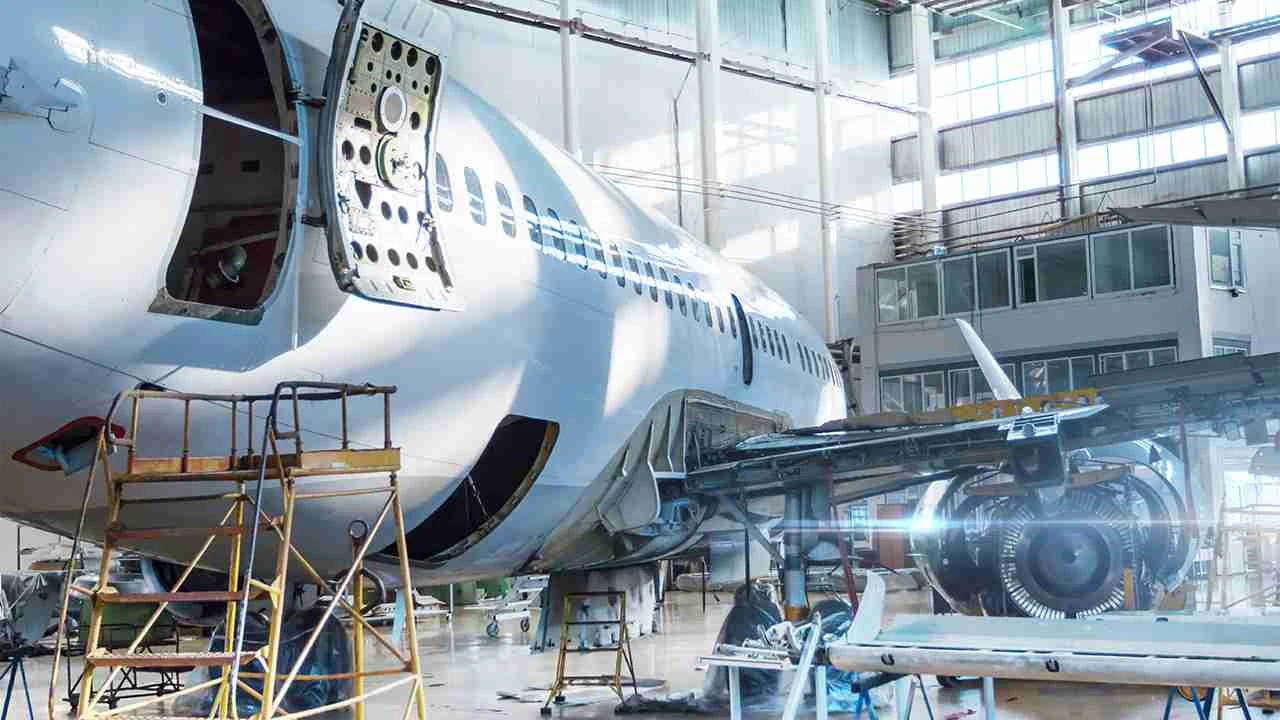
L'usinage par électroérosion (EDM) est présent dans un éventail étonnamment large de secteurs d'activité. Le point commun n'est pas le secteur en lui-même, mais bien le besoin de précision, de dureté ou de caractéristiques qui ne peuvent pas être obtenues par fraisage.
L'électroérosion est utilisée dans la fabrication de moules et de matrices (le principal secteur d'application), l'aérospatiale, les dispositifs médicaux, l'outillage automobile, l'électronique et la défense. Dans la fabrication de moules, l'électroérosion permet d'usiner des textures de cavités, des nervures et des formes complexes dans de l'acier à outils trempé. L'aérospatiale utilise l'électroérosion pour les trous de refroidissement des aubes de turbine et les composants en superalliage. La fabrication de dispositifs médicaux s'appuie sur l'électroérosion pour produire des instruments chirurgicaux à tolérances serrées et des outillages pour implants. Dans le secteur automobile, l'électroérosion permet de fabriquer des matrices d'emboutissage, des moules de moulage sous pression et des composants d'injection de carburant.
Fabrication de moules et de matrices — Le principal secteur utilisateur de l'électroérosion
Si vous travaillez dans le développement de produits et que vous avez déjà reçu une pièce en plastique issue d'un moule à injection, il y a de fortes chances que l'électroérosion ait été utilisée pour fabriquer ce moule. C'est le procédé phare pour :
- Finition de la cavité et du noyau : Les nervures fines, les détails en relief, les zones de charnières souples, ainsi que tout élément trop étroit ou trop profond pour une fraise
- Géométrie de la porte et du canal : Des profils de porte précis qui influencent le comportement de remplissage et la qualité des pièces
- Texture et finition de surface du moule : L'EDM permet d'obtenir directement des textures de surface homogènes, sans avoir recours au sablage manuel ni au ponçage à la main.
- Orifices pour goupilles d'éjection et logements pour inserts : L'électroérosion à fil permet de les découper avec une précision qui garantit un ajustement et un fonctionnement parfaits
Pour toute personne impliquée dans le développement de produits en plastique — boîtiers d'appareils électroniques grand public, composants d'électroménager, boîtiers médicaux en plastique —, il est vraiment utile de comprendre que la qualité d'un moule dépend fortement des capacités de votre fournisseur en matière d'électroérosion. Cela explique pourquoi deux moules fabriqués à partir du même plan peuvent produire des pièces très différentes. Vous pouvez découvrir Les capacités de fabrication de composants électroniques de Dimud pour découvrir comment la conception de moules de précision permet de fabriquer des composants en plastique à tolérances serrées destinés aux produits électroniques.
Aérospatiale : un domaine où l'électroérosion est incontournable
Les aubes de turbine des moteurs à réaction nécessitent des milliers de minuscules trous de refroidissement — dont le diamètre varie parfois entre 0,3 et 0,5 mm, situés à des angles complexes, dans des matériaux tels que l’Inconel 718 — qui détruiraient presque instantanément les forets classiques. Le perçage par électroérosion (EDM) est ici la méthode de référence, et il n’existe aucune alternative viable.
L'industrie aérospatiale recourt également largement à l'électroérosion à fil pour découper les rainures entrecroisées des disques de turbine (profils en sapin) dans des alliages de nickel trempés — des éléments pour lesquels la tolérance dimensionnelle se mesure en microns et où les conséquences d'une erreur sont évidentes.
Dispositifs médicaux : la précision là où cela compte vraiment
Les instruments chirurgicaux, les outils pour implants et les dispositifs microfluidiques exigent tous des tolérances et des états de surface que l'électroérosion (EDM) permet d'obtenir de manière fiable. Le fait que l'électroérosion n'exerce aucune force est particulièrement précieux pour les composants chirurgicaux à parois minces, sur lesquels la force de coupe pourrait provoquer une déformation ou des contraintes résiduelles.
Automobile : matrices d'emboutissage et moules d'injection
La production automobile implique des volumes considérables de pièces en tôle emboutie. Les matrices d'emboutissage qui permettent de fabriquer ces pièces sont réalisées par électroérosion : cavités profondes, rayons serrés et formes complexes dans de l'acier à outils trempé. Moules de moulage sous pression Les composants en aluminium et en zinc constituent une autre application majeure de l'électroérosion dans le secteur automobile.
Conclusion
L'électroérosion (EDM) fait partie de ces procédés qui semblent exotiques tant qu'on ne les comprend pas — puis, une fois qu'on les a compris, on les retrouve partout. Elle ne remplace pas l'usinage CNC ; c'est une réponse précise aux problèmes spécifiques que le fraisage et le tournage ne peuvent pas résoudre : matériaux durs, formes complexes, absence de forces de coupe et tolérances serrées après trempe. Si vous concevez des pièces destinées à être produites à partir de moules d’injection ou d’outils d’emboutissage, connaître le fonctionnement de l’EDM fait de vous un meilleur partenaire technique pour votre équipe de fabrication — car vous comprendrez ce qui est possible, ce que cela coûte et pourquoi certaines caractéristiques prennent plus de temps à réaliser que d’autres.
Vous travaillez sur un produit qui nécessite des outillages de haute précision ou des moules d'injection ? Contactez Dimud — Nous collaborons avec les ingénieurs produit dès les premières étapes de la conception pour la fabrication (DFM) jusqu’à la production à grande échelle, en regroupant sous un même toit à la fois l’usinage CNC et la fabrication de moules.