

Custom Precision Plastic Injection Molding
Fast, reliable, and scalable plastic injection molding solutions for precision manufacturing.
- Custom molds built for complex part requirements
- Tight tolerance control for critical applications
- Full support from prototyping to mass production
- ISO-certified manufacturing process
What is plastic injection molding?
Plastic injection molding is a highly efficient manufacturing process used to produce precise, repeatable, and complex plastic parts in both low and high volumes. It is one of the most widely used industrial production methods for thermoplastic components across industries such as automotive, medical devices, electronics, consumer products, and industrial equipment.
At its core, the process involves heating plastic material until it becomes molten, then injecting it under high pressure into a precisely machined steel or aluminum mold cavity. Once inside the mold, the material is cooled and solidified into the final shape, after which the part is ejected and ready for use or further post-processing.
Industry Solutions with Plastic Injection Molding
Plastic injection molding is widely used across industries where consistency, precision, and scalability are critical. Below are typical industry challenges and how injection molding solves them.
Industry Challenge:
High-volume production with strict dimensional consistency and durability requirements.
Our Solution:
Injection molding ensures repeatable accuracy across large production runs while supporting complex geometries and engineering-grade materials.
Typical Applications:
Interior trim components, connector housings, dashboard structures, functional plastic assemblies
Industry Challenge:
Strict regulatory standards, material safety, and precision requirements for functional parts.
Our Solution:
Controlled molding processes combined with certified materials ensure compliance, consistency, and reliability in sensitive applications.
Typical Applications:
Device housings, diagnostic components, disposable plastic parts, sealed enclosures
Industry Challenge:
Miniaturized components with tight tolerances and high assembly compatibility.
Our Solution:
Injection molding enables precise small-part production with stable dimensions and repeatability, ensuring reliable fit and function.
Typical Applications:
Connector parts, enclosures, insulation components, internal structural parts
Industry Challenge:
Robotic systems require lightweight structures, tight dimensional accuracy, and consistent part performance to ensure precise motion control and reliable assembly.
Our Solution:
Plastic injection molding enables the production of complex, high-precision components with stable repeatability, supporting lightweight design while maintaining structural integrity.
Typical Applications:
Gear housings, sensor enclosures, joint covers, structural brackets, cable management components
Why Choose Dimud for Plastic Injection Molding Services?
Core Capability Proof
- 3,000,000+ Parts Monthly Output
- 0.005 mm Precision Capability
- 50+ Mold Builds per Month
- 90–1000T Machine Range
Engineering Risk Control
- Prevent design failure before tooling starts
- Reduce trial-and-error during development
- Ensure mold stability before mass production
- Avoid costly redesign after first sampling
Production Reliability
- Stable output across long production cycles
- Controlled dimensional consistency batch to batch
- Manufacturing process designed for repeatability
- Reduced production variation risk
When It Works Best
- You are moving from prototype to mass production
- You need consistent long-term production
- Cost per unit needs to scale down with volume
- Product requires tight dimensional consistency
Under what circumstances should plastic injection molding be chosen?
When selecting a manufacturing process for plastic parts, it is important to consider production volume, cost efficiency, precision, and application requirements. Below is a clear comparison to help you choose the right solution.
| Evaluation Criteria | Plastic Injection Molding | 3D Printing | CNC Machining |
|---|---|---|---|
| Best for Production Volume | Mass production(≥1,000 items) | Low-Volume Prototyping(1-1000items) | Medium-batch complex parts (500-5k parts) |
| Tooling Requirement | Requires mold tooling | No tooling required | No tooling required |
| Lead Time | 25 days—after which weekly output can reach 100,000 units. | 1–3 days | 12–18 days |
| Precision & Tolerance | High precision and repeatability | Medium precision, layer-based limitations | Very high precision |
| Material Options | Wide range of engineering plastics | Limited material selection | Wide range of solid plastics |
| Design Complexity | High complexity with production efficiency | Very high design freedom | Limited by machining constraints |
| Best Use Case | Mass production of functional plastic parts | Rapid prototyping and concept validation | Functional prototypes and precision parts |
What is the working principle of plastic injection molding?
step 1
Plastic Melting and Plasticization
Plastic granules enter the injection molding machine barrel and gradually melt under heating and screw shearing, forming a uniformly flowing plastic melt.
step 2
Drawing Review & Engineering Feedback
The molten plastic is rapidly injected into the closed mold cavity under high pressure, ensuring the complete filling of complex structures.
step 3
Pressure Holding and Shrinkage Compensation
Pressure is continuously applied during cooling to compensate for material shrinkage and prevent defects such as shrinkage and voids.
step 4
Cooling and Shaping
The cooling system within the mold accelerates plastic solidification, enabling rapid and stable product molding and ensuring dimensional accuracy.
step 5
Mold Opening and Ejection
After the mold opens, the molded part is ejected by the ejection mechanism, completing one production cycle.
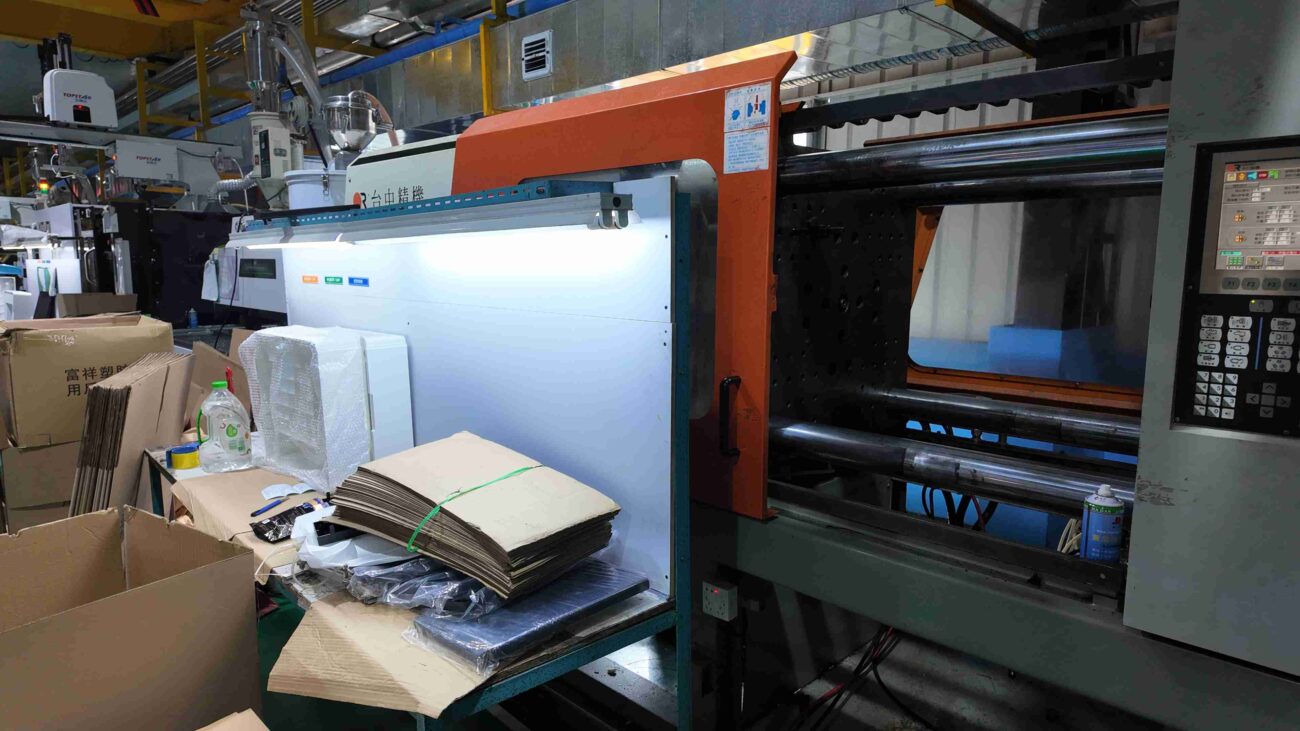
Plastic Injection Molding Process Solutions
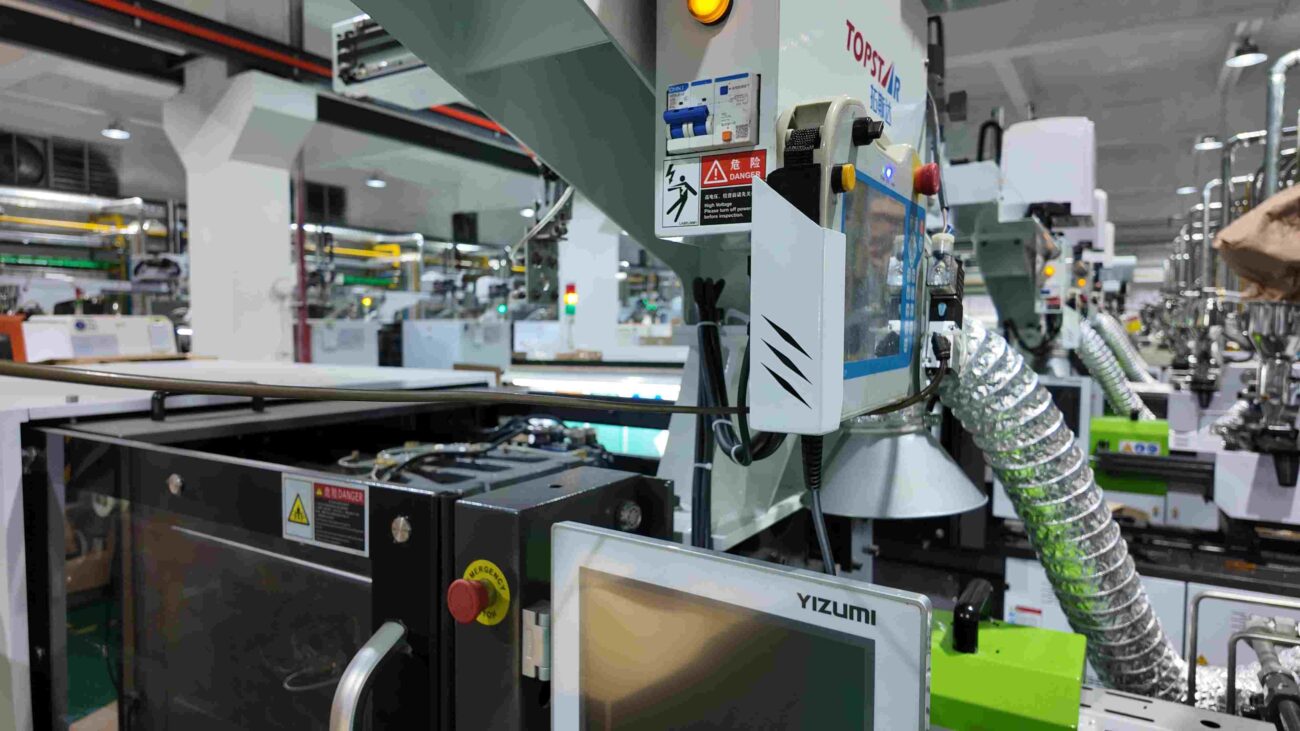
Mold Design Optimization
Challenge:
Poor mold design can lead to defects, dimensional issues, and costly redesigns after production starts.
Solution:
We optimize mold design from the beginning to ensure proper part geometry, material flow, and manufacturability—reducing risks before tooling is built.
What You Get:
- Improved part quality and consistency
- Reduced design revisions and delays
- Better control over tolerances and shrinkage
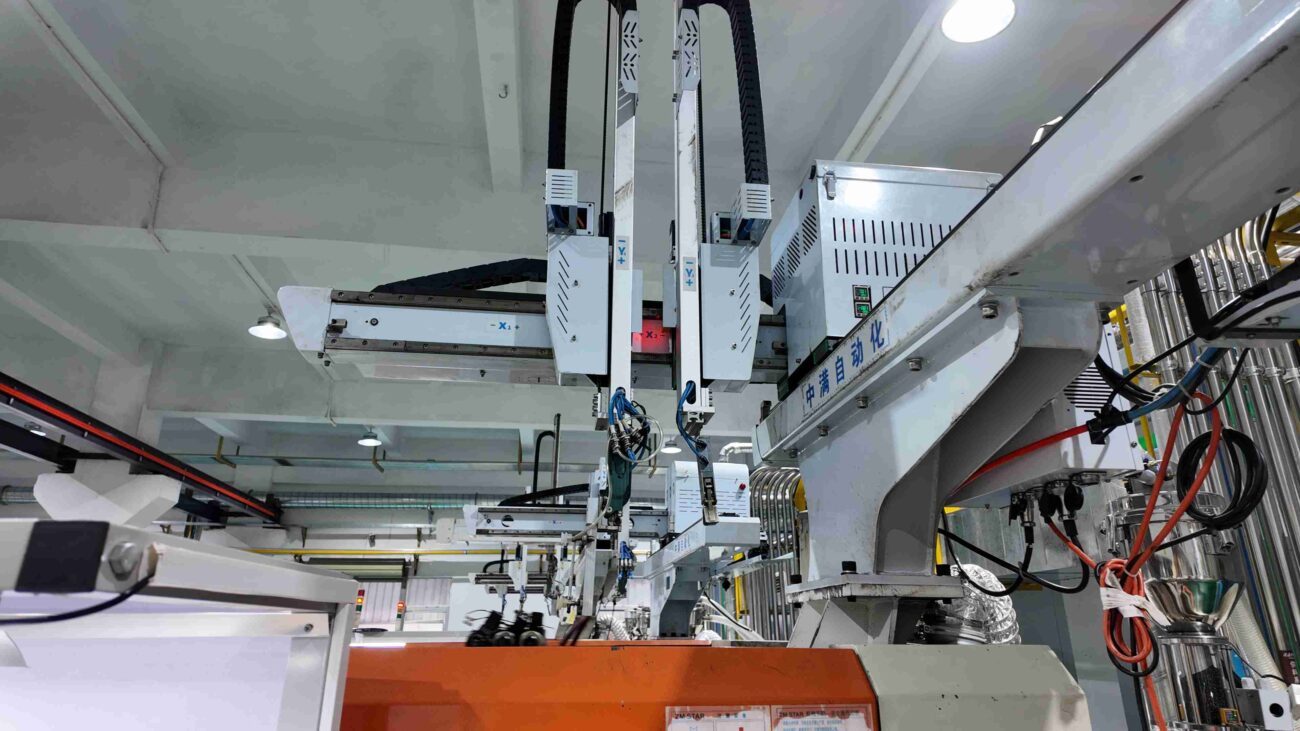
Precision Mold Manufacturing
Challenge:
Inaccurate or low-quality molds result in short tool life, unstable production, and increased long-term costs.
Solution:
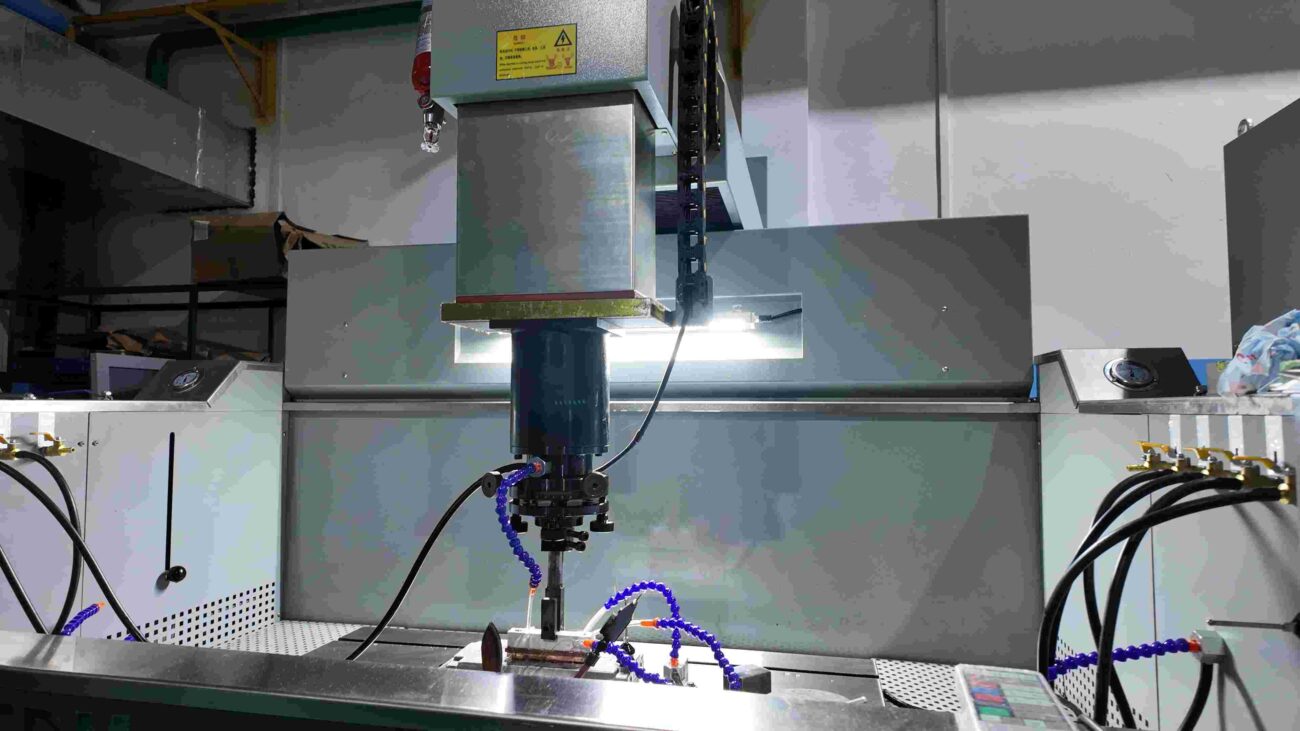
We build high-precision molds with controlled machining and validation processes to ensure durability and repeatable performance.
What You Get:
- Longer mold lifespan
- Stable and repeatable production
- Lower maintenance and rework risk
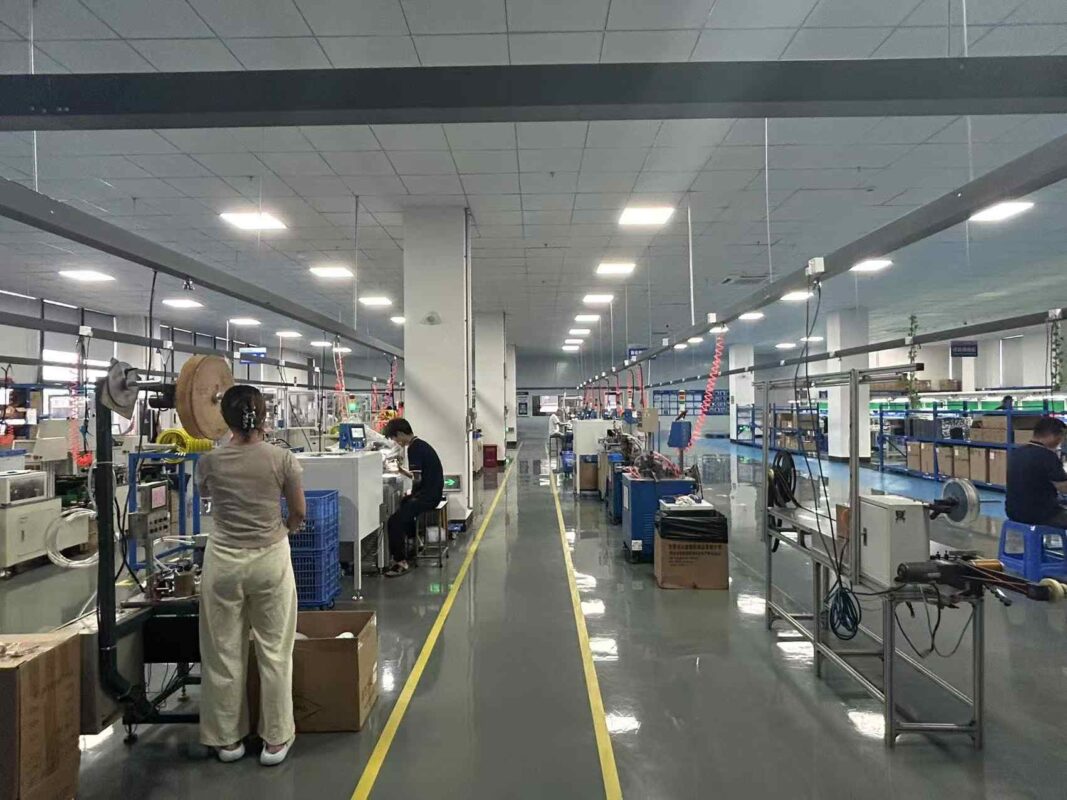
Controlled Injection Molding Production
Challenge:
Inconsistent molding parameters can cause defects, variation, and assembly issues.
Solution:
We apply strict process control and parameter optimization to maintain consistent quality across every production batch.
What You Get:
- Consistent dimensional accuracy
- Reduced defect rate
- Reliable batch-to-batch performance
Post-Processing & Final Assembly
Challenge:
Incomplete finishing or inconsistent post-processing can affect product appearance, fit, and functionality.
Solution:
We provide integrated post-processing and assembly to ensure parts meet both functional and aesthetic requirements.
What You Get:
- Improved surface quality and appearance
- Functional readiness for end use
- Simplified supply chain with one supplier
FAQ
The cost depends on part complexity, material, mold design, and production volume. Tooling is the main upfront cost, while unit cost decreases significantly at higher volumes.
Mold lead time typically ranges from 2 to 6 weeks, depending on part complexity, size, and precision requirements.
Commonly accepted formats include STEP, STP, IGES, and STL files. 2D drawings can also help clarify tolerances and specifications.
Design changes are possible but may require mold modification, which can affect cost and lead time. Early design confirmation is recommended.
Typical tolerances range from ±0.01 mm to ±0.05 mm, depending on material, part geometry, and mold design.
Consistency is maintained through controlled process parameters, stable mold performance, and standardized production procedures.
These issues are usually related to uneven cooling, improper wall thickness, or material behavior. Proper design and process optimization can prevent them.
Yes. Injection molding supports complex geometries, including thin walls, ribs, and integrated features, when properly designed.
Material selection depends on mechanical strength, temperature resistance, chemical exposure, and application requirements. Engineering guidance is often needed.
It is ideal when you need consistent quality, repeatable production, and scalability beyond prototyping.