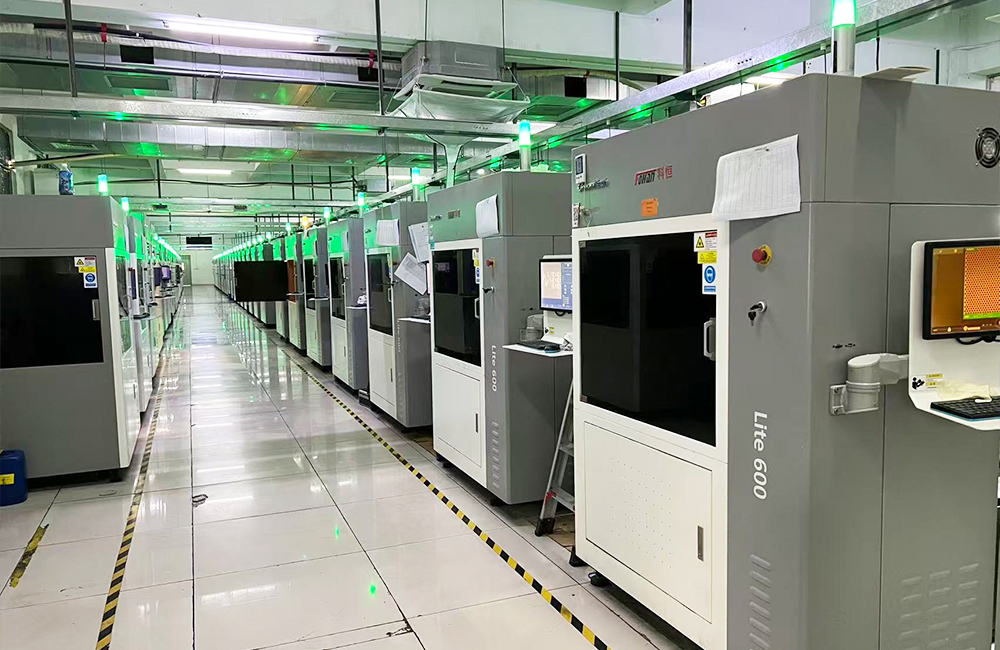

Custom Multi-Material Parts Two-Shot Injection Molding Service
One-stop engineering and manufacturing support from design validation to mass production.
- High precision dual-material molding
- Strong bonding between materials
- Reduce assembly cost and production steps

What is Two-shot Injection Molding?
Two-shot injection molding, also known as two-material injection molding or 2K injection molding, is an advanced injection molding process that achieves integrated molding of complex structures by continuously injecting two different materials or colors into the same mold.
Unlike traditional manufacturing methods that require secondary assembly (such as bonding, screw fixing, or welding), two-shot injection molding combines two materials within the same production cycle, enabling direct structural integration within the mold, thus significantly improving product performance and production efficiency.
Process Flow and Solutions for Two-Shot Injection Molding
In the Two-shot Injection Molding process, you get more than just “the combination of two materials”; you get a sophisticated, integrated molding solution. The entire process revolves around structural integration and functional optimization, using a highly coordinated mold system and injection control to achieve stable, precise, and repeatable fusion of materials with different properties within the same production cycle.
In Dimud’s manufacturing system, this process relies not only on equipment but also on our systematic control over mold engineering, material matching, and mass production stability.
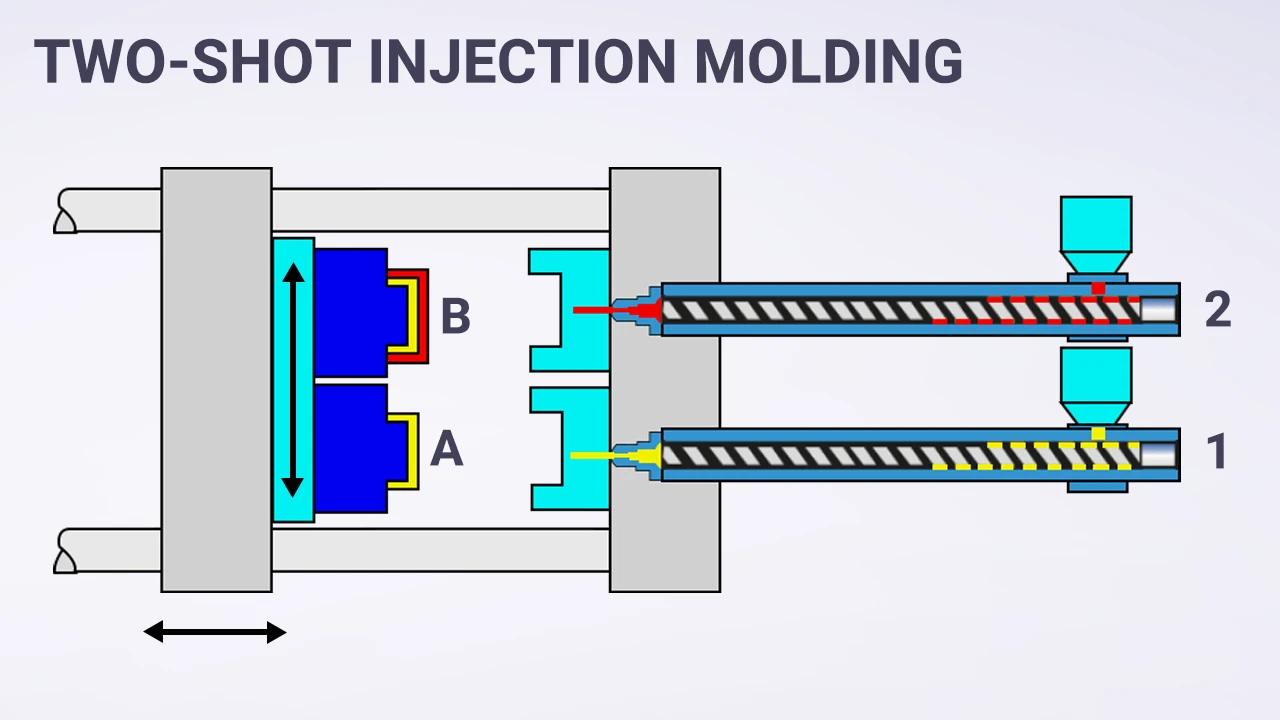
First Injection: Substrate Injection
The first material (usually a rigid plastic such as PC, ABS, or PA) is injected into the mold cavity to form the main structure of the product.
Key Control Points:
- Melt Temperature
- Injection Pressure & Speed
- Cooling Time
Objective:
Ensure the substrate has sufficient structural strength + a surface condition suitable for secondary bonding.
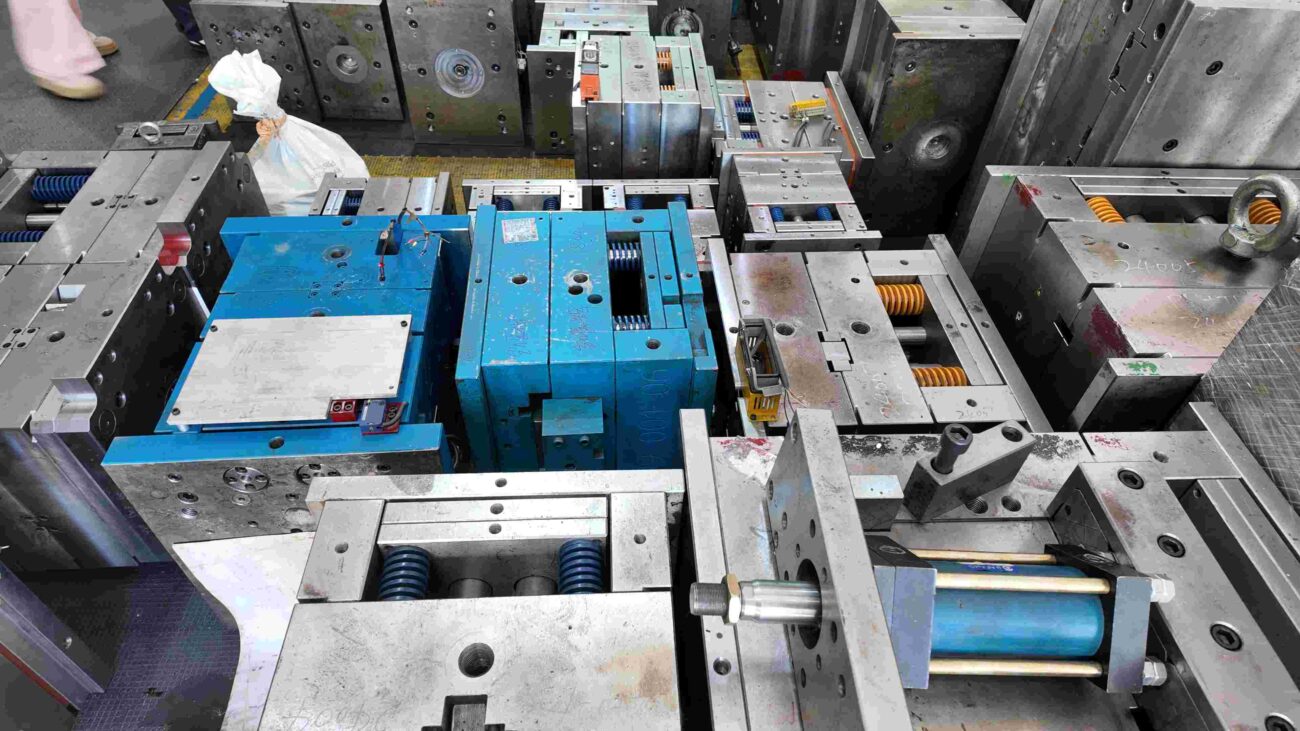
Mold Indexing/Core Transfer
After the first injection, the mold is indexed using one of the following methods:
- Rotary Platen
- Core-back System
- Robot Transfer
Key Requirements:
- The indexing process must be stable and without deviation.
- Ensure the positioning accuracy and repeatability of the part from the first injection during the second injection.
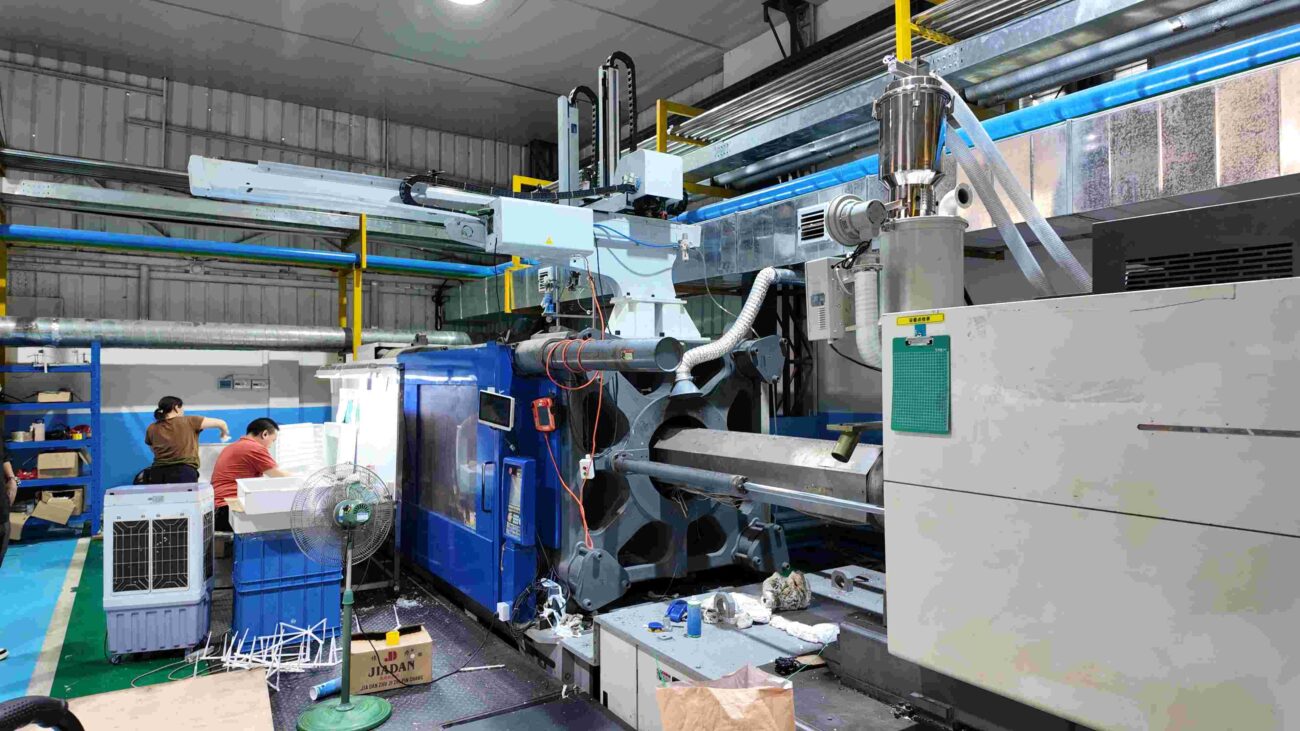
Second Injection: Over-injection
A second material (typically TPE, TPU, or other elastomers) is injected and bonded to the material from the first injection.
Key Control Points:
- Interface Temperature
- Injection Pressure Matching
- Material Flowability
This is the core of the entire process: The bonding methods for the two materials are typically:
- Thermal Bonding
- Mechanical Interlocking
- Chemical Compatibility
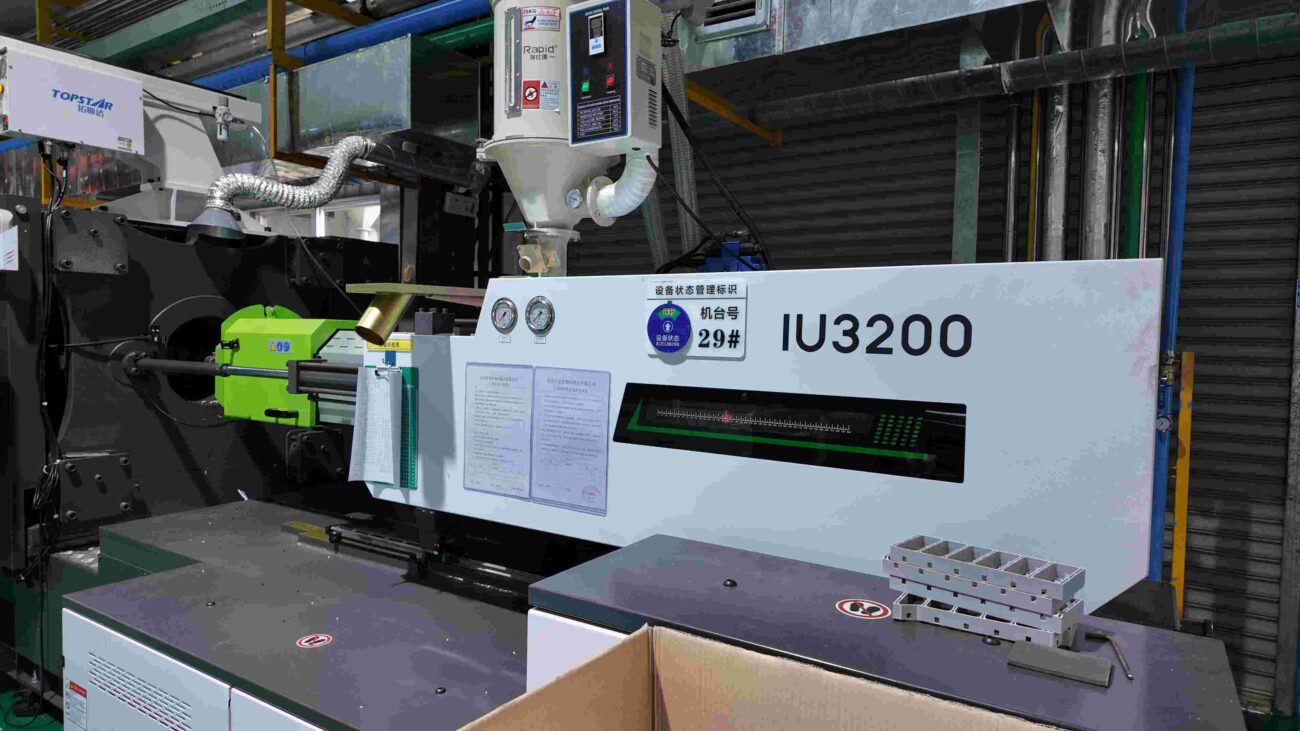
Cooling & Ejection
After the two materials have cooled and solidified in the mold, they are demolded via the ejection system.
Key Points:
- Controlling the difference in shrinkage rates between different materials
- Preventing warping, delamination, or stress concentration
- Ejection structure design to avoid damage to the soft plastic areas
The Advantages of Our Two-Shot Injection Molding
Comparison Dimensions
Two-shot Injection Molding
Traditional manufacturing method
Why Choose Dimud's Two-Shot Injection Molding Services?
Choosing Two-shot Injection Molding is not just about choosing a process; it’s about simultaneously upgrading your product’s structural design, production efficiency, and long-term stability.
Reduce Assembly Cost
You can directly reduce or even eliminate post-assembly processes, avoiding the additional costs and uncertainties associated with screws, glue, or manual assembly, making the overall production process simpler and more controllable.
Improve Sealing Performance
By combining materials in one piece, your product can achieve more stable waterproof, dustproof, and sealing performance, making it especially suitable for applications with high reliability requirements.
Better Product Aesthetics
You can achieve a combination of hardware and software, and multi-color one-piece molding effect during the design stage, making the product appearance more exquisite, while avoiding visual defects caused by secondary processing.
Stronger Material Bonding
Different materials are precisely bonded within the mold, rather than relying on external adhesives. This allows your product to maintain a stable structure during long-term use, preventing it from delaminating or falling off.
High Production Efficiency
By using an automated dual-injection molding process, you can significantly reduce production steps and manual intervention, making the transformation of products from raw materials to finished products more efficient and stable, suitable for large-scale mass production.
Long Mold Life & Stable Production
Under Dimud's mold engineering system, the mold structure is reinforced and optimized to ensure that you can maintain consistency and stable output in long-term mass production.
Two-shot Injection Molding Industry Solution
Two-shot Injection Molding, through its multi-material integrated molding capabilities, helps various industries overcome key bottlenecks in traditional manufacturing in terms of structural integration, assembly efficiency, and product reliability. It is particularly suitable for complex functional components and products with high consistency requirements.
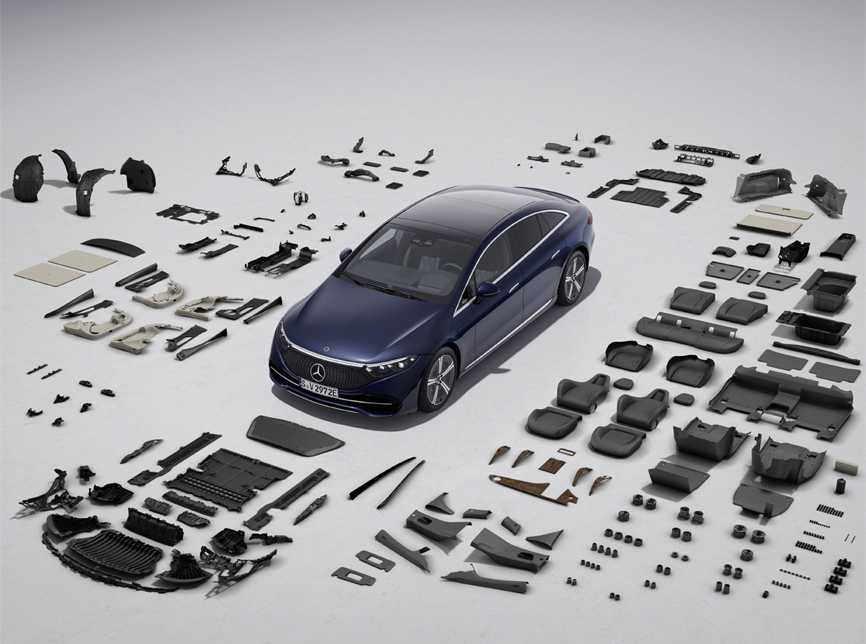
In automotive electronics and interior systems, traditional assembly methods are prone to problems such as structural loosening, unstable sealing, and long-term vibration failure.
Two-shot Injection Molding can be used for:
- Integrated molding of steering wheel buttons and soft-touch covers
- Integration of interior seals and shock-absorbing structures
- Waterproof structural design for electronic module housings
Problems solved: Improved structural stability and long-term durability, reducing the risk of assembly failure
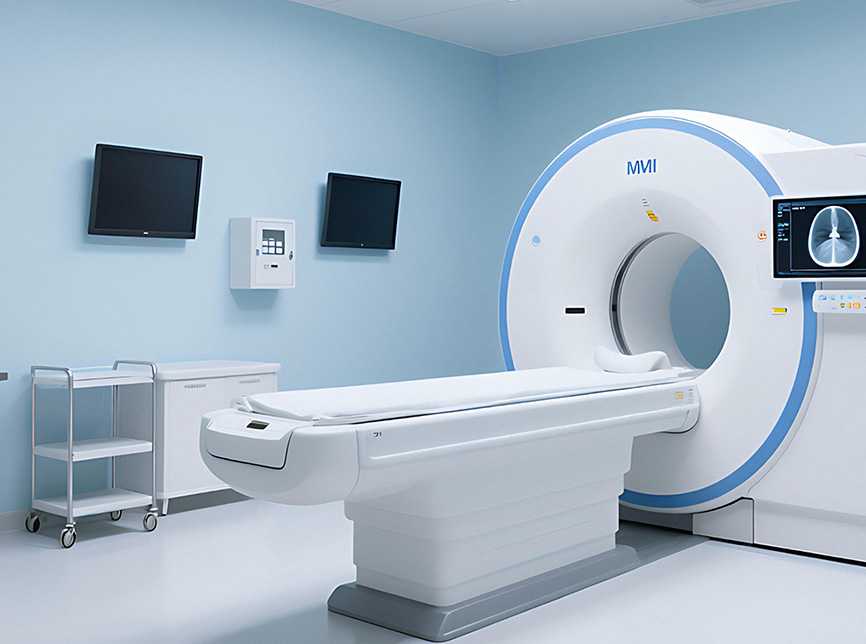
Medical products have extremely high requirements for cleanliness, sealing, and consistency. Traditional assembly structures pose risks of contamination and error accumulation.
Two-shot Injection Molding can be used for:
- Soft-touch grip structures for medical devices
- Multi-material connection components for disposable medical devices
- Sealed housings and function button assemblies
Problem solved: Reduces assembly contact points, improving product consistency and reliability.
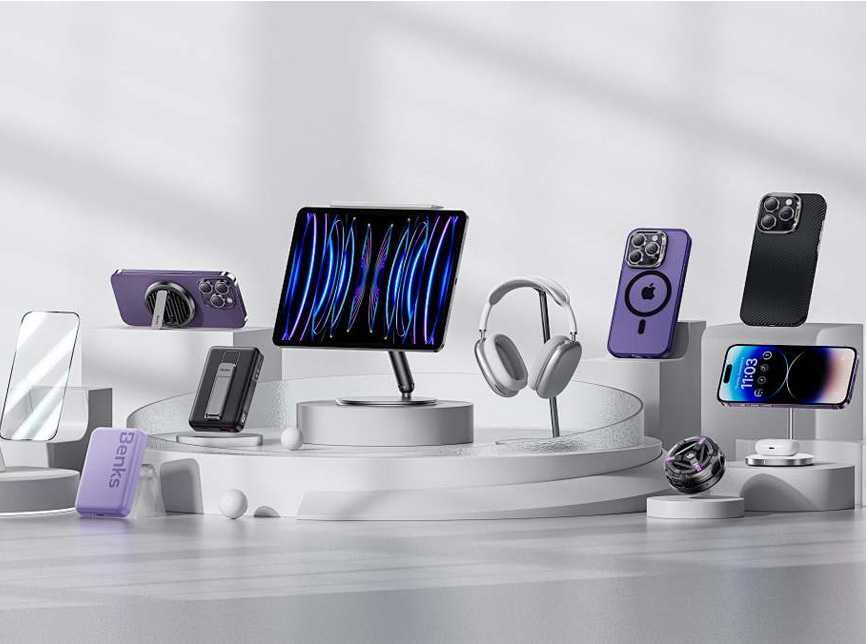
Electronic products are trending towards lighter weight and higher integration, while traditional assembly structures occupy a large space and affect aesthetic consistency.
Two-shot Injection Molding can be used for:
- Soft rubber coating of buttons and casings in mobile phones/wearable devices
- Integrated design of anti-slip grip structure and function buttons
- Waterproof electronic casing sealing structure
Problem solved: Achieving high integration design, improving product appearance and user experience.

Robots and energy storage systems are typically complex in structure and have many functional modules, demanding high standards for compact design and long-term reliable operation. Traditional multi-part assembly methods increase system complexity and potential failure points.
Two-shot Injection Molding can be used for:
- Integration of robot joint protection and cushioning structures
- Sensor housings and protective sealing components
- Energy storage battery system structural components and protective housings
Problems solved: Reduce system assembly complexity, improve structural compactness and long-term operational stability.
Frequently Asked Questions about Two-Shot Injection Molding
Two-shot Injection Molding is used to combine two different materials or colors into a single integrated part. It is commonly applied in products that require soft-touch surfaces, sealing functions, or multi-material structural integration.
No. Only materials with good bonding compatibility can be used together. Material selection must be evaluated during the design stage to ensure proper adhesion and stable production.
Two-shot molding completes both injections within one mold cycle, while overmolding usually requires a separate secondary process. Two-shot molding offers better precision, efficiency, and consistency.
It is technically possible, but more cost-effective for medium to large-scale production due to higher mold complexity and initial tooling investment.
The development cycle typically depends on part complexity, but generally ranges from 4 to 8 weeks including design, tooling, and testing.
It is widely used in automotive components, medical devices, consumer electronics, robotics, and energy-related equipment requiring multi-material integration.
Yes. It enhances structural integrity by eliminating secondary assembly points, reducing the risk of loosening, separation, or wear over time.
The main limitation is material compatibility and mold design complexity. Parts must be designed with proper bonding surfaces and precise tolerances.
Initial mold cost is higher due to complexity, but overall production cost is often reduced in mass production by eliminating assembly processes.
Basic requirements include 3D design files, material selection (if known), functional requirements, and expected production volume. DFM analysis is recommended before tooling begins.
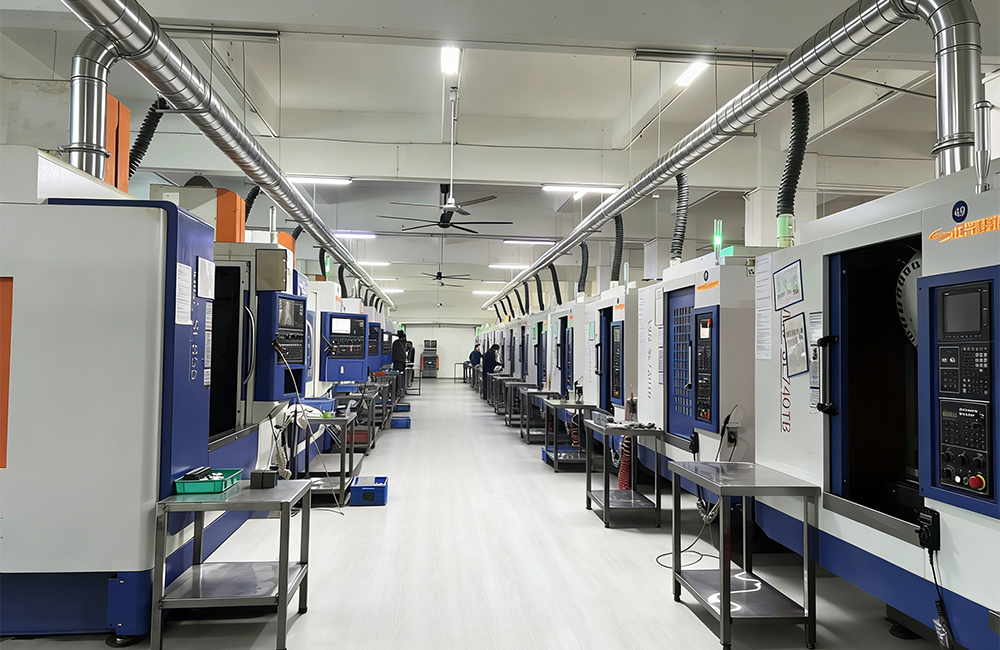
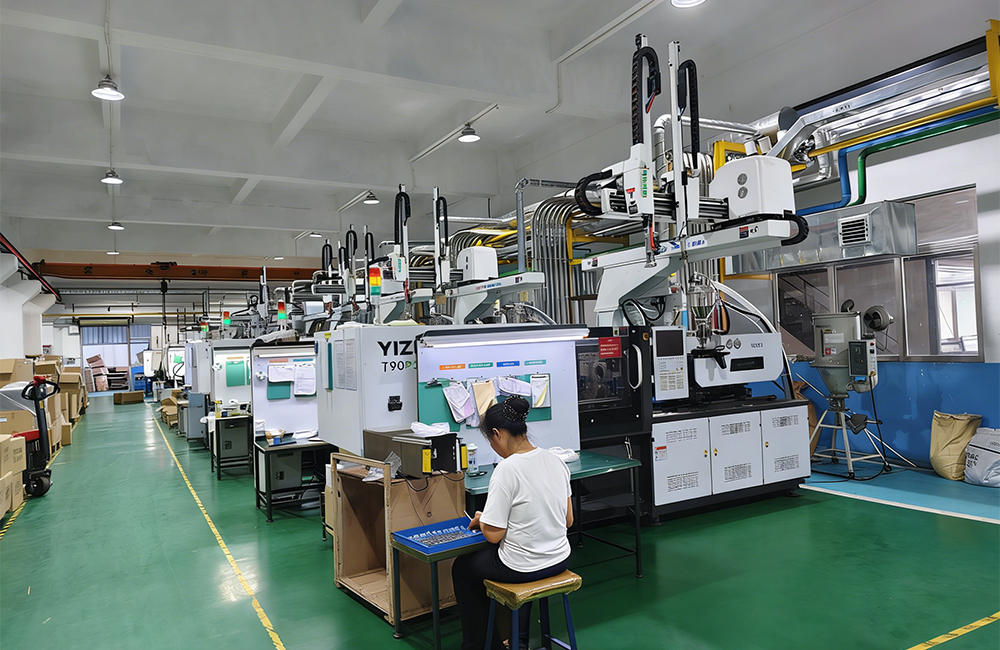
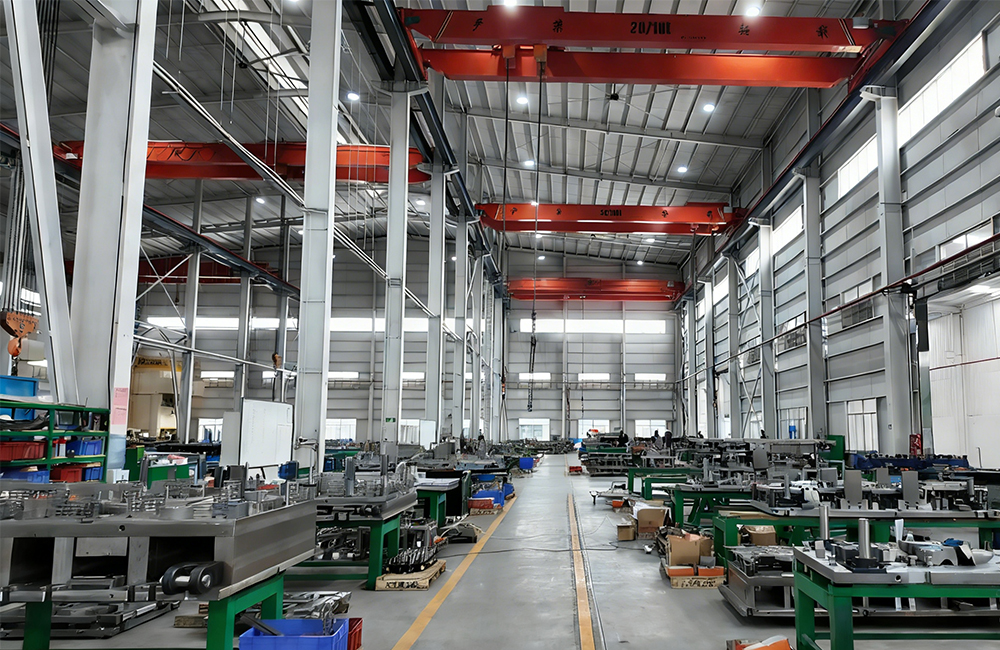
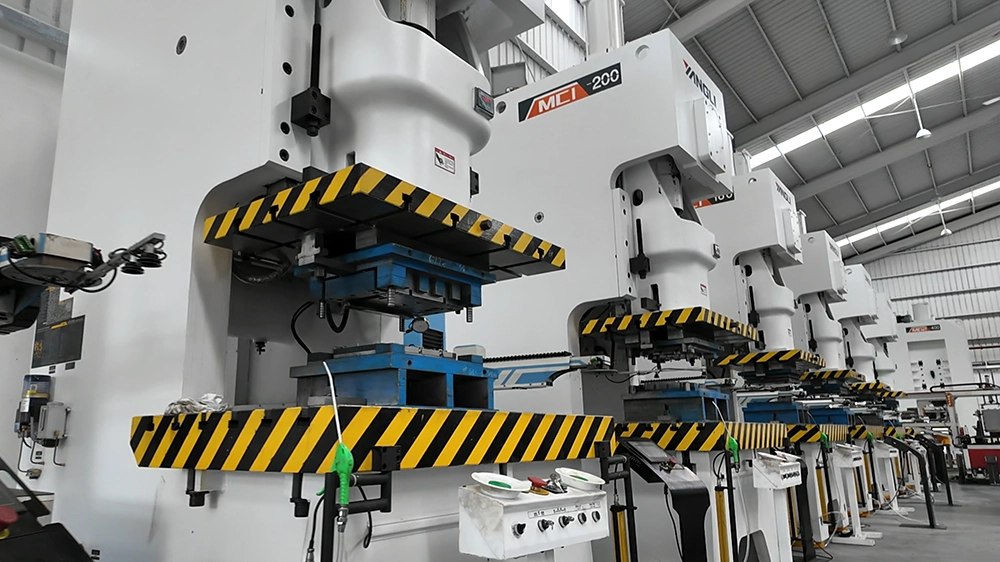
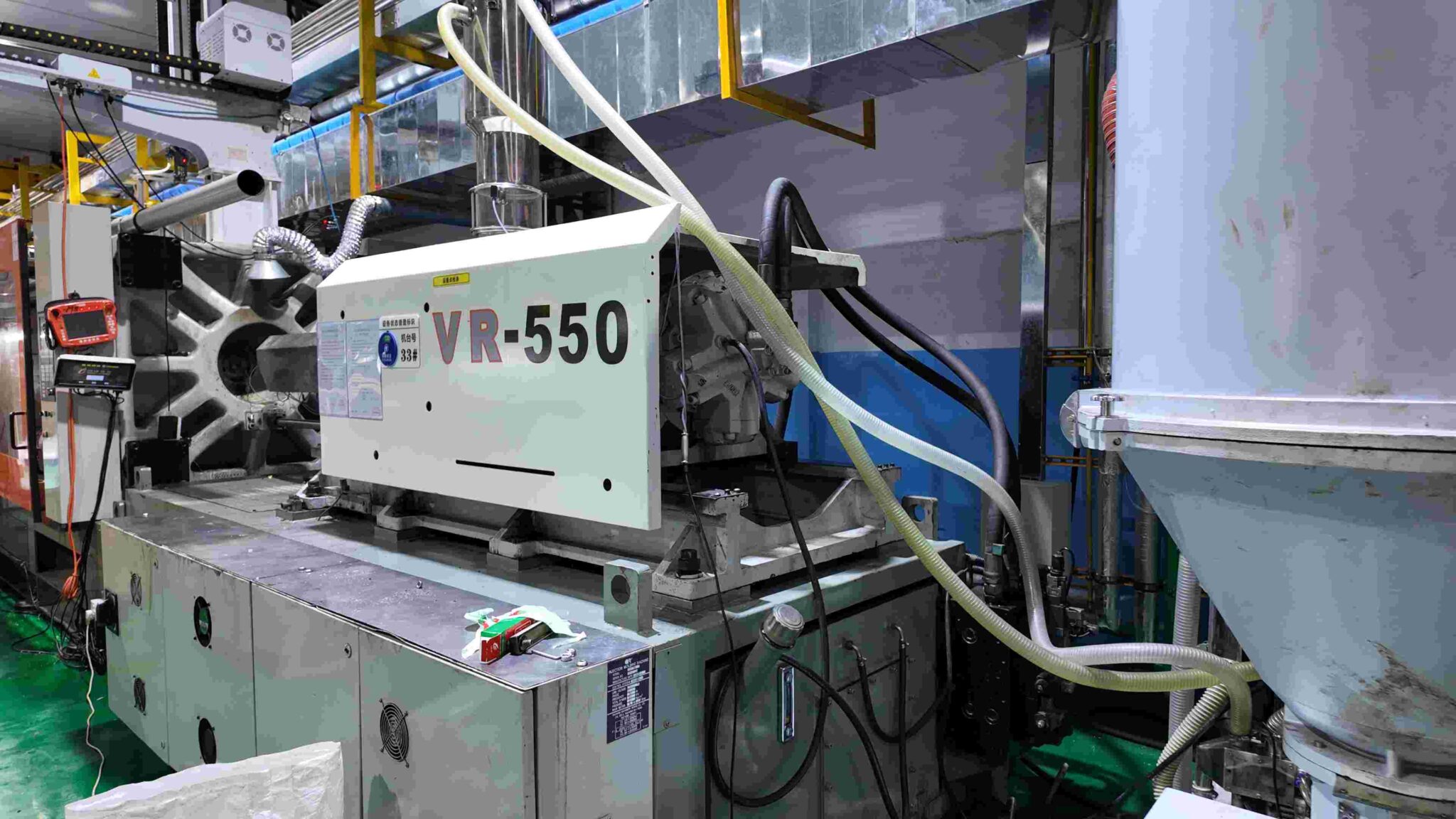
Manufacturing Facilities Snapshot