Precision Mold Making for Reliable Mass Production
Custom injection molds engineered for consistency, durability, and long-term performance.
We help you turn product designs into stable, production-ready molds—reducing defects, shortening cycle times, and ensuring consistent part quality at scale. From simple consumer products to complex thin-wall components, our mold solutions are built to support efficient and reliable manufacturing.
- All uploads are secure and confidential
What We Build – Custom Mold Solutions for Every Need
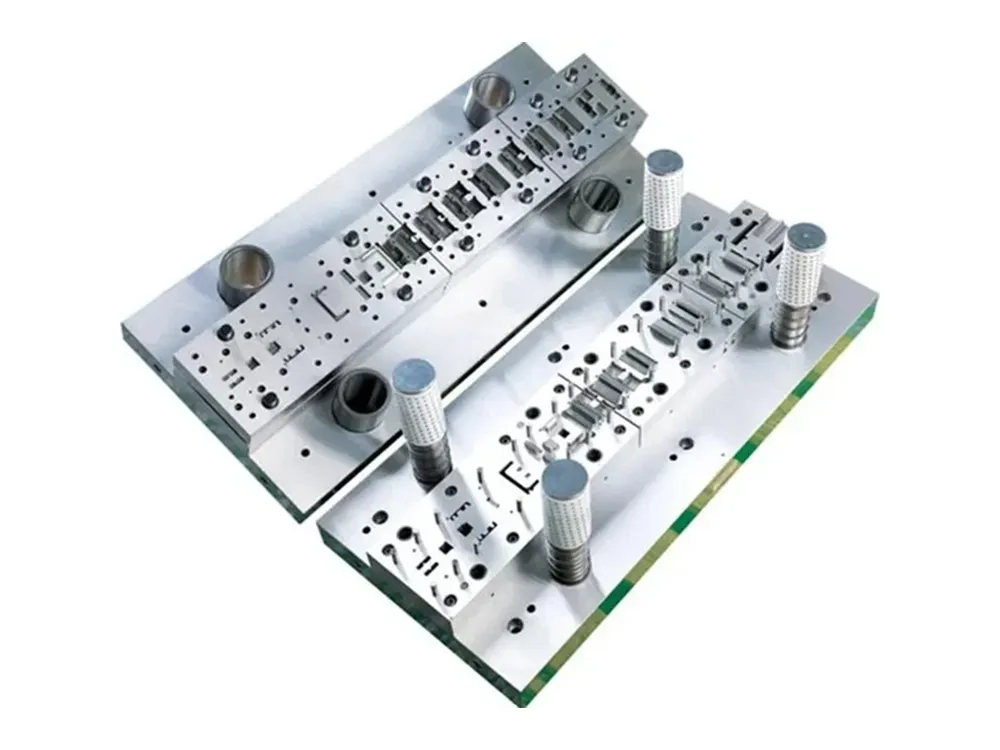
Die Casting Mold
Molds for kitchenware, storage containers, and daily-use plastic products, balancing durability and cost-effectiveness
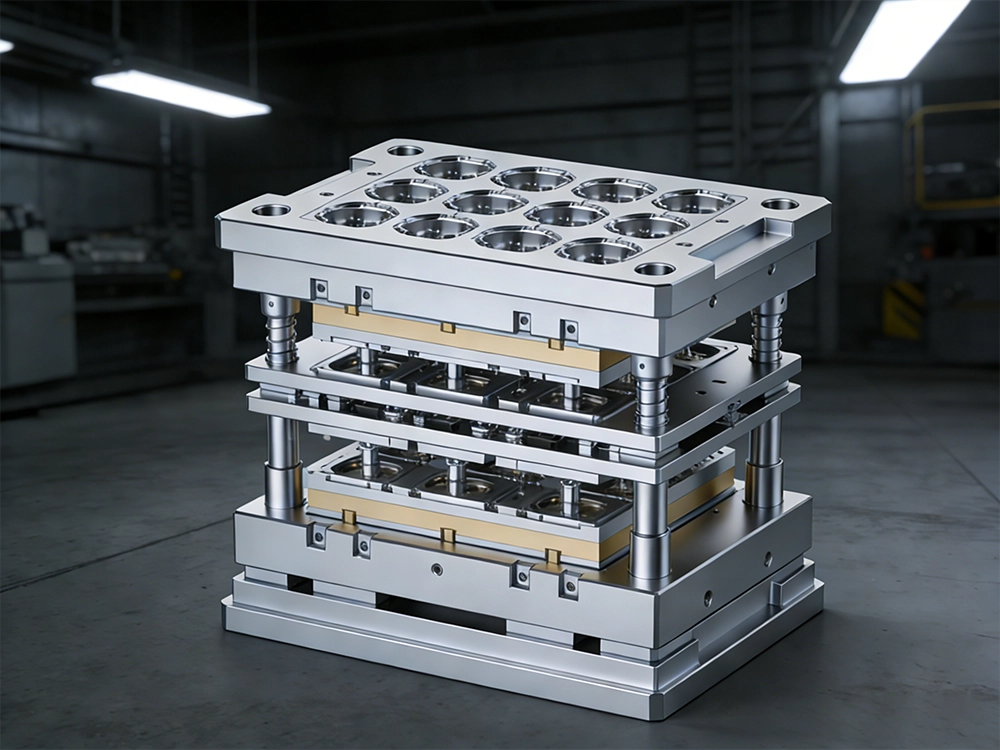
Stack Molds
Multi-cavity stack molds for high-volume production, doubling output while maintaining precision
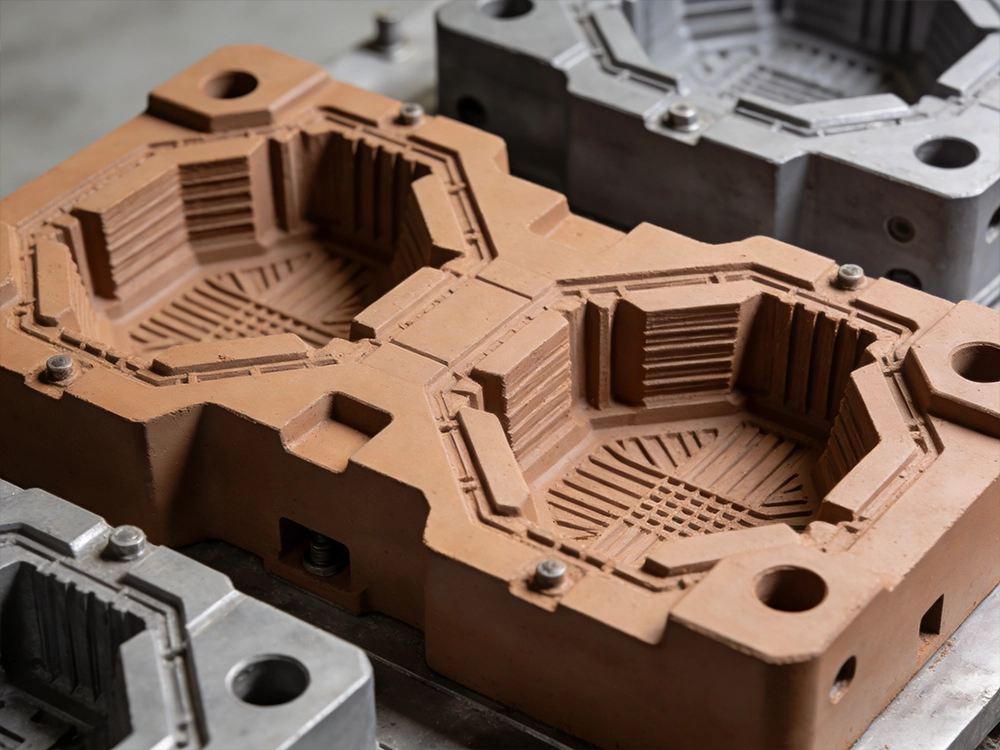
Mud Molds
Specialized molds for ceramic and composite materials, designed for complex geometries
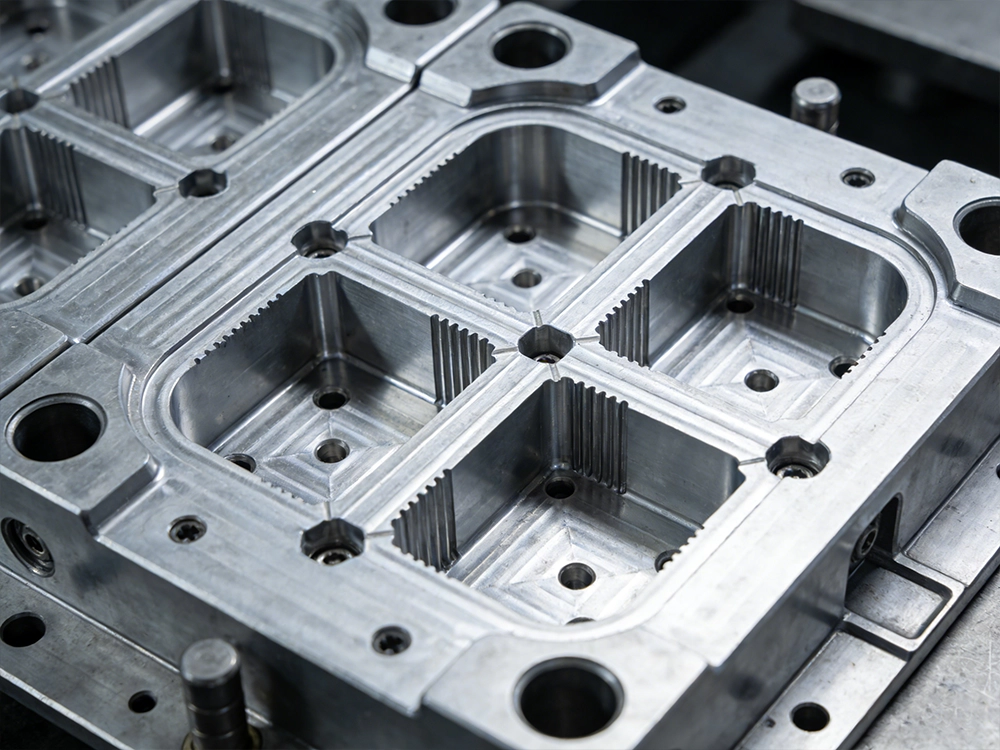
Thin-Wall Molds
High-precision thin-wall molds for packaging, electronics, and medical components, ensuring uniform wall thickness
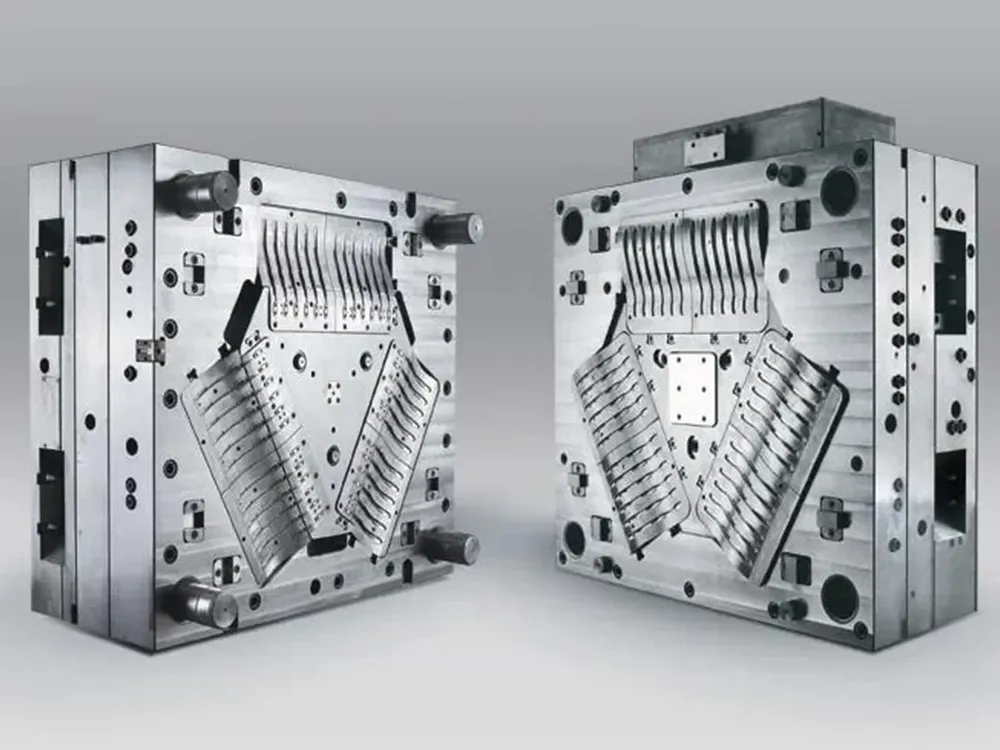
Injection Molds
Custom injection molds for thermoplastics and engineering plastics, optimized for cycle time and part quality
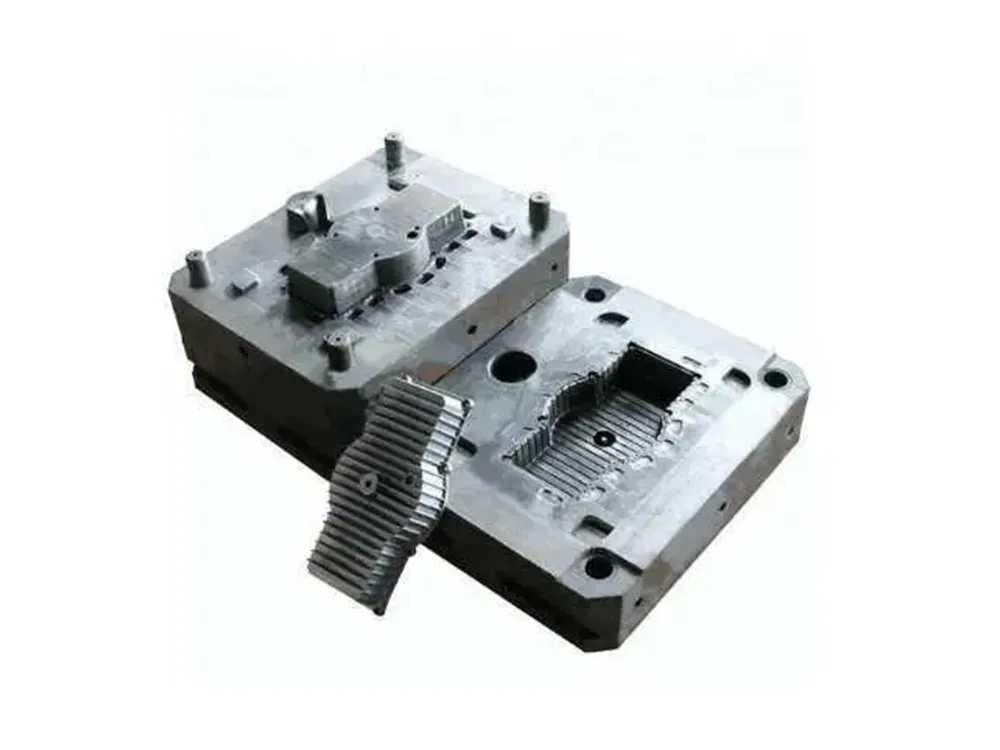
Stamping Die
Lorem ipsum dolor sit amet, consectetur adipiscing elit. Ut elit tellus, luctus nec ullamcorper mattis, pulvinar dapibus leo.
Mold Design Capabilities
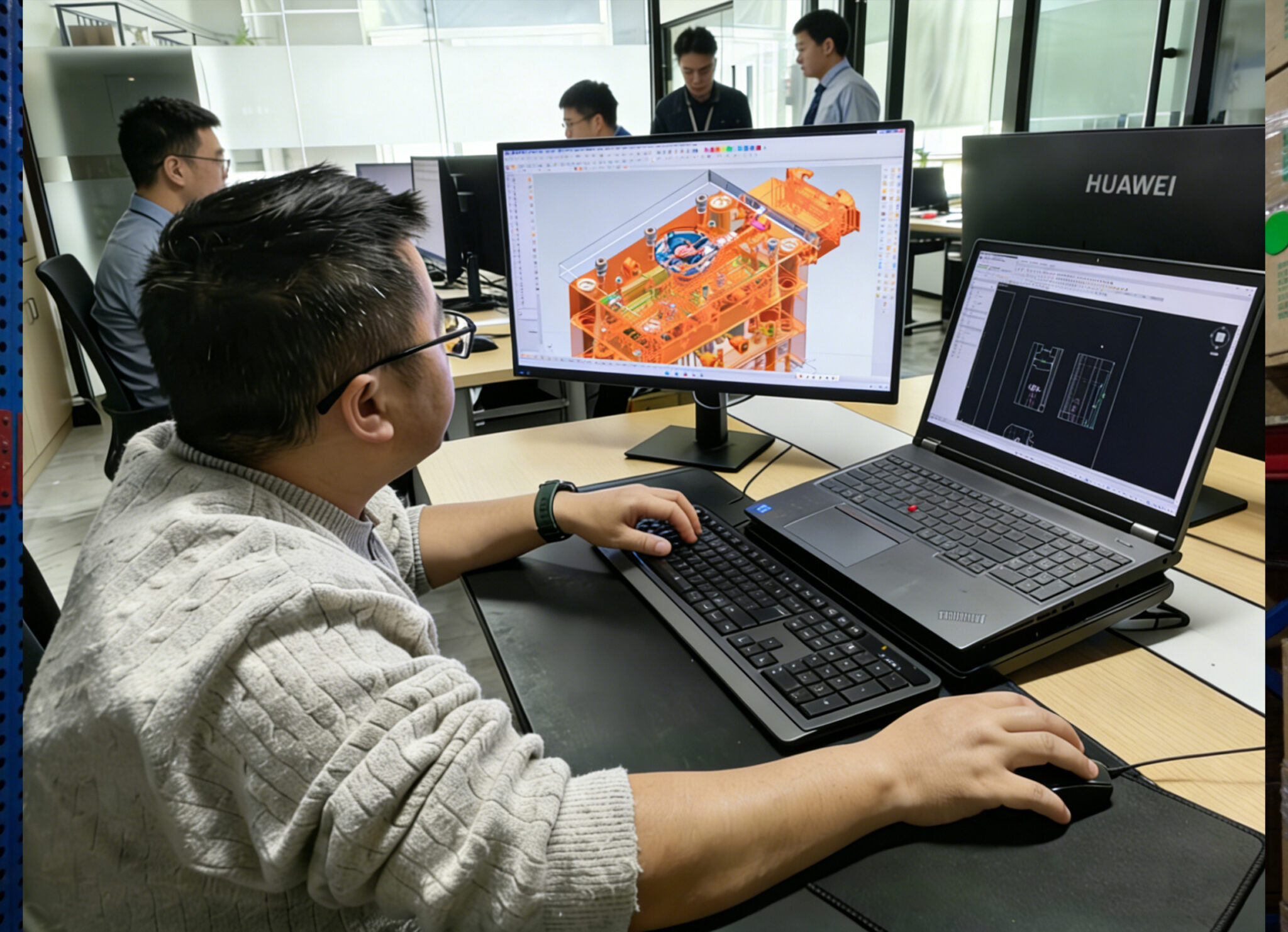
Turn your product concept into a mold design that’s ready for efficient and stable production.At Dimud, mold design is not just about creating drawings—it’s about ensuring your product can be manufactured reliably, cost-effectively, and at scale.
Engineering-Driven Mold Design
We develop mold designs based on your product requirements, material selection, and production goals—not just CAD files.
Our capabilities include:
DFM (Design for Manufacturing) to improve part feasibility and reduce production risks
Moldflow / CAE analysis to validate design performance before tooling
Product structure optimization for better strength, function, and manufacturability
Complete 2D & 3D mold design with detailed engineering documentation
Reverse engineering based on samples or existing parts
Collaborative development to refine your ideas into production-ready solutions
Designed for Performance, Not Just Completion
We don’t simply follow drawings—we engineer solutions.
Before starting mold design, our engineers carefully review your part drawings and technical requirements to identify potential issues early. This allows us to:
Optimize mold structure for better flow and cooling
Reduce the risk of defects during injection molding
Improve production efficiency and cycle time
Ensure long-term mold stability and part consistency
Mold Manufacturing Capabilities
Built to support precision, scalability, and reliable mass production.
Our mold manufacturing capabilities are designed to handle projects of varying complexity—from standard molds to large, high-precision tooling—while maintaining consistent quality and production performance.
Production Capacity & Capability
Annual capacity of 300+ mold sets, supporting both small and large-scale projects
Ability to manufacture molds up to 15 tons, suitable for complex and large components
Maximum mold size up to 2000 × 1300 mm, meeting diverse application requirements
Precision & Quality Standards
Mold manufacturing tolerance up to ±0.01 mm
Plastic part tolerance up to ±0.015 mm
Stable precision control ensures consistent part quality across production cycles
Advanced Manufacturing Support
Behind every mold is a combination of advanced equipment and experienced engineering:
High-speed CNC machining for accurate and efficient mold component processing
EDM and wire-cut technologies for complex geometries and fine details
Precision measurement systems to ensure dimensional accuracy
Dedicated mold spotting and validation processes for assembly accuracy
Rather than relying on equipment alone, we focus on how these capabilities work together to deliver molds that perform reliably in real production environments.
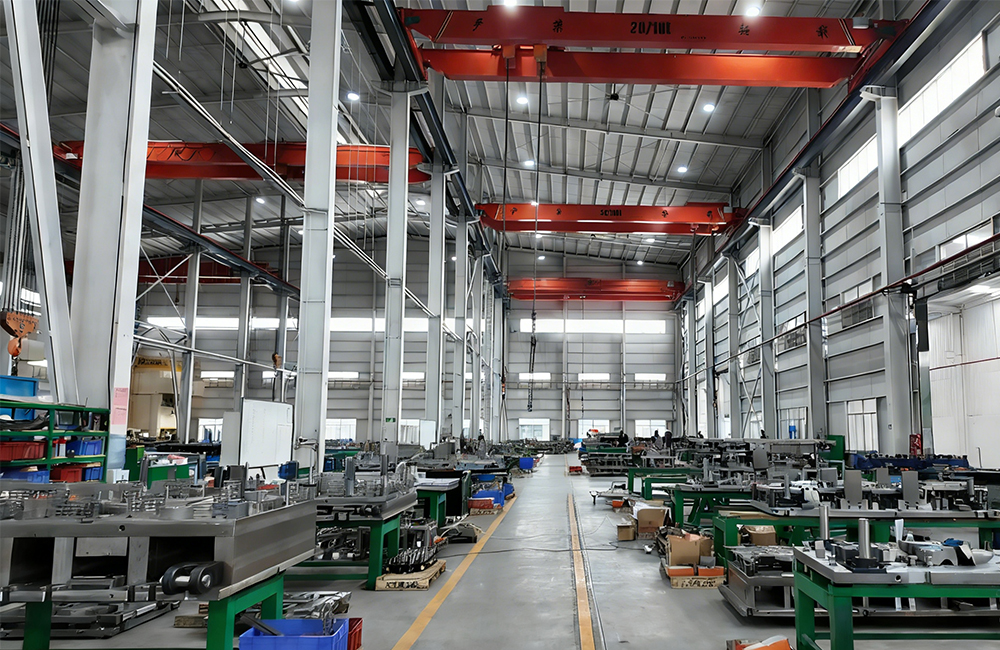
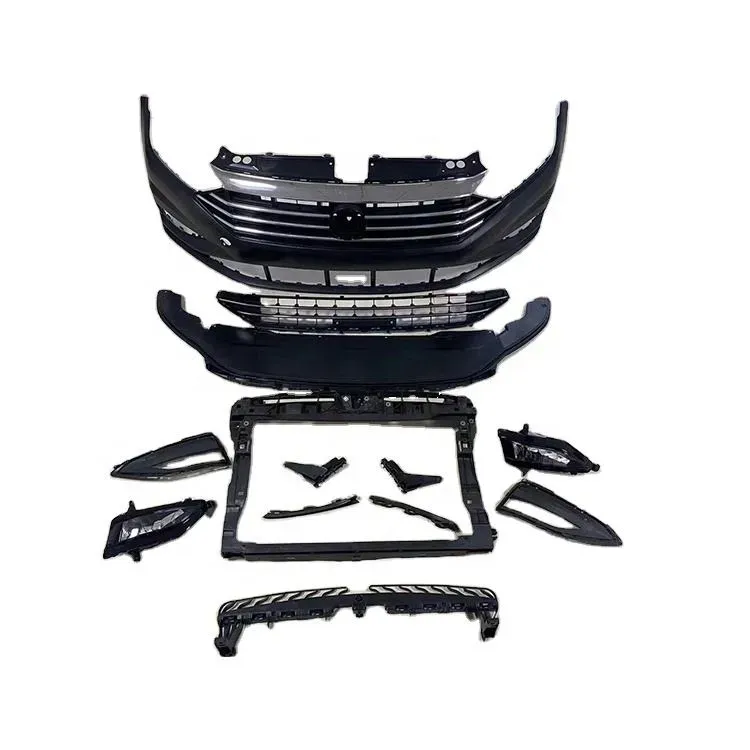
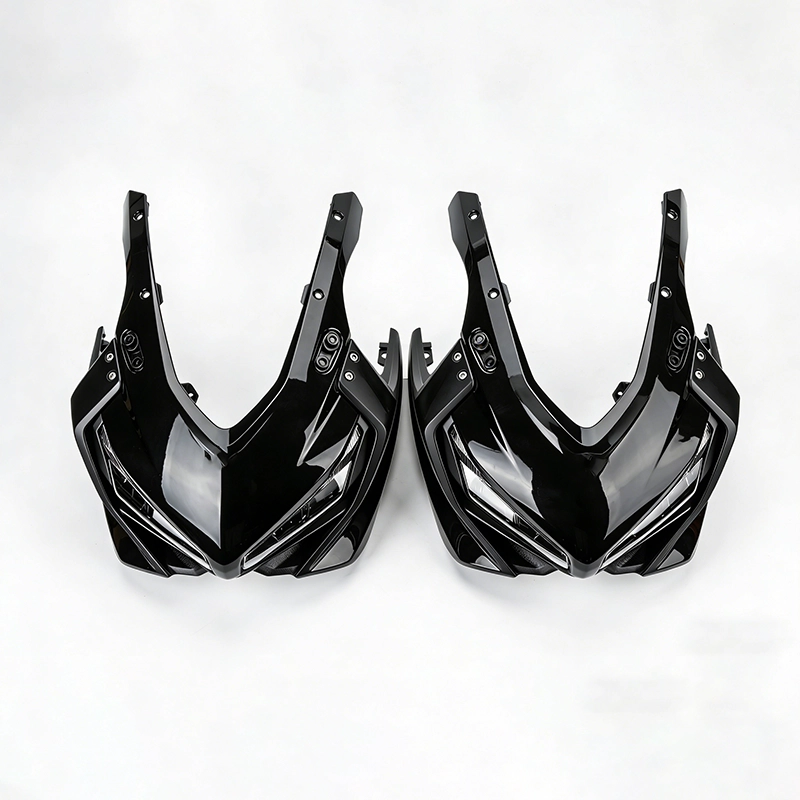
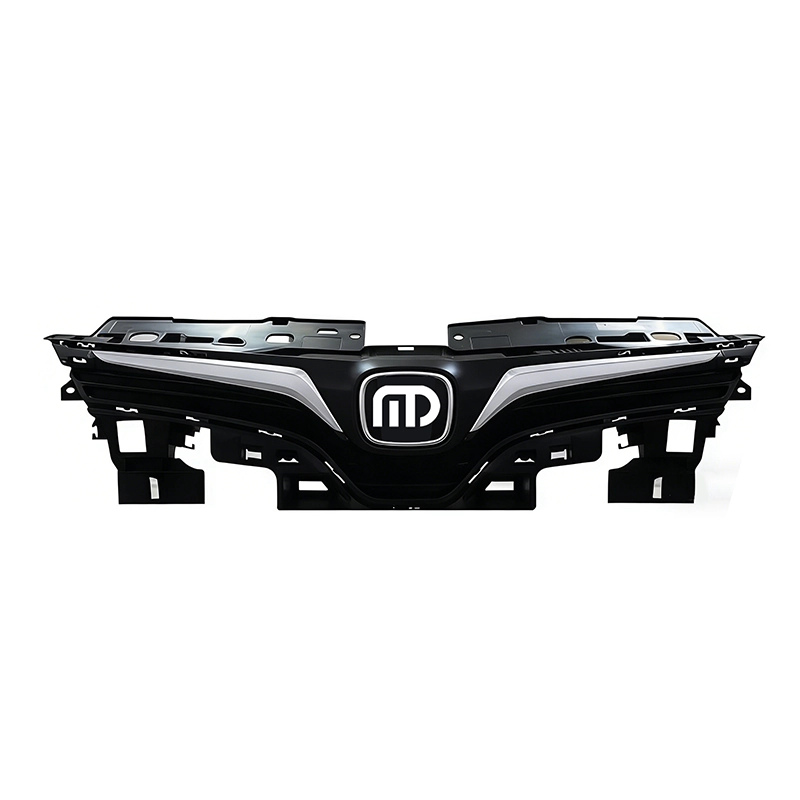
Parts & Products Made By Precision Mold
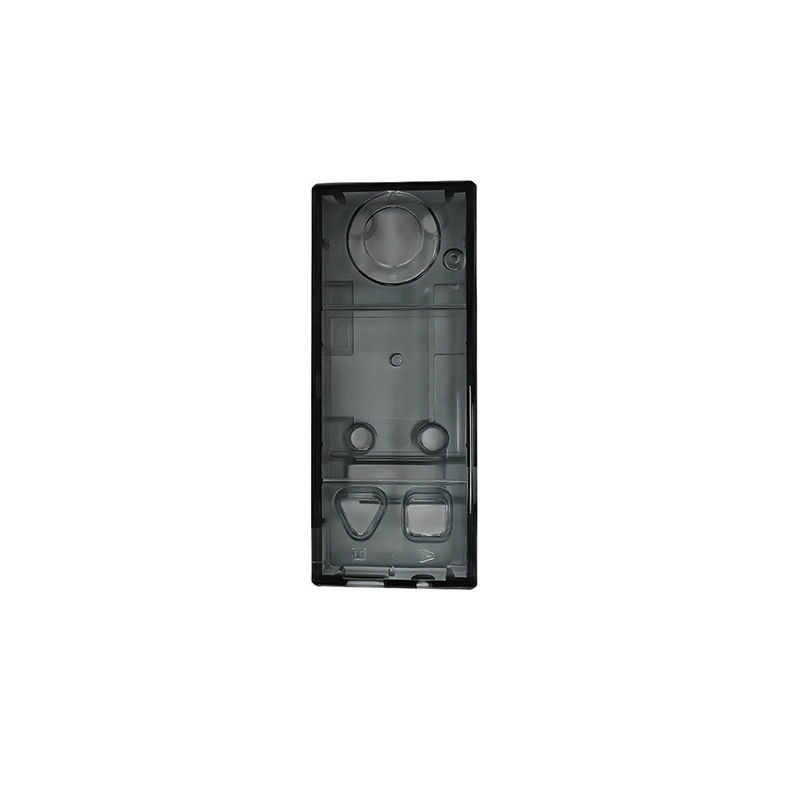
Capabilities to make a precision mold
When Do You Need a Precision Mold?
Not every project requires ultra-high precision tooling—but when it does, getting it right from the start is critical.
Precision molds are typically used for parts with tight tolerances, complex geometries, or strict performance requirements. They demand more advanced engineering, tighter process control, and higher investment—but they also deliver superior consistency and long-term production stability.
What Makes a Precision Mold Different
Precision mold manufacturing is not defined by a single factor—it’s the result of multiple engineering elements working together:
Optimized mold design to ensure proper material flow and part accuracy
Strict control of injection parameters such as pressure, speed, and temperature
Careful material selection based on part function and performance requirements
Advanced machining and tooling processes for high-accuracy components
Stable ejection and cooling system design to maintain part consistency
Comprehensive quality control throughout mold fabrication and validation
Experienced engineering involvement at every stage of the project
Precision vs. Standard Molds — What’s Right for You?
Choosing the right mold solution depends on your product requirements—not just tolerance levels.
Precision molds are ideal if you need:
Tight tolerances and high dimensional accuracy
Complex structures or thin-wall designs
High consistency across large production volumes
Minimal defects and stable long-term production
Standard molds are a better fit if you need:
Cost-effective production for less complex parts
Reliable quality that still meets industry standards
Faster tooling with optimized investment
Balanced Performance and Cost Efficiency
While precision molds require a higher upfront investment, they can significantly reduce defects, improve yield, and lower long-term production costs.
At the same time, our standard molds are engineered to exceed industry expectations—offering a reliable and cost-effective solution for a wide range of applications.
No matter your choice, our goal is the same:
help you achieve stable production with the best possible return on investment.